Spring Flowers NZ: The Ultimate Spring Gardening Guide for Bulbs, Annuals and Colour
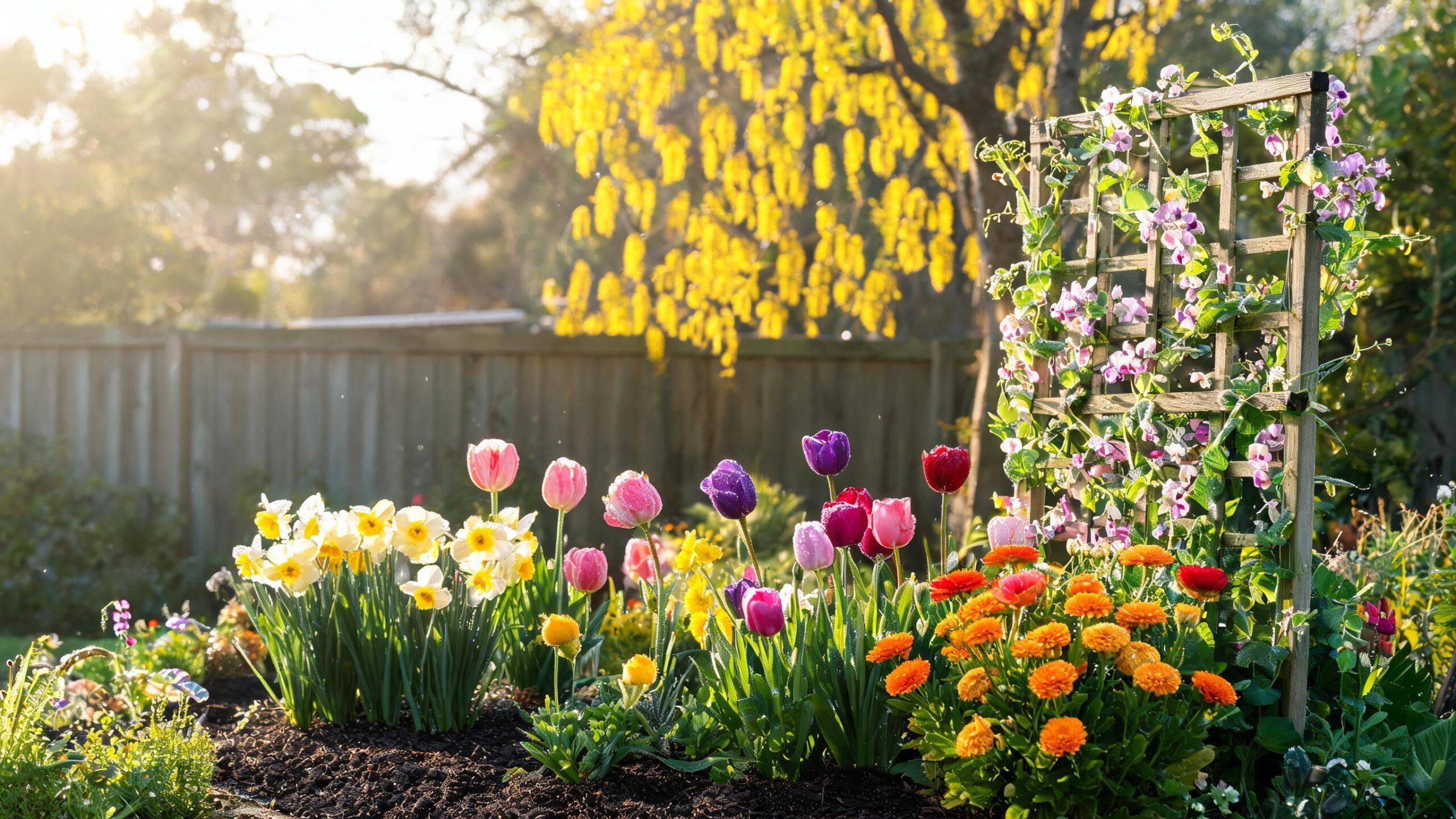
There is nothing quite like watching the first daffodil trumpet unfurl after a long Kiwi winter, and right now, in mid-September, gardens from Kerikeri to Invercargill are waking up in a rush of colour. Spring flowers NZ gardeners rely on range from cottage-garden favourites like sweet peas and ranunculus to native stalwarts such as kowhai and clematis, and getting the timing, soil, and site right makes the difference between a patchy border and a knockout display. This spring gardening guide walks you through exactly what to plant, when to plant it, and how to keep it thriving through Aotearoa’s unpredictable spring weather.
Quick Answer: Spring Flowers to Plant in NZ Right Now
September to November is prime time for spring flowers in New Zealand. Bulbs planted in autumn (daffodils, tulips, hyacinths, freesias) are now flowering, while spring annuals such as sweet peas, cosmos, calendula, and marigolds should be sown or planted out as soil warms. Native flowering shrubs like kowhai, clematis, and kaka beak burst into bloom alongside exotic camellias, azaleas, and rhododendrons.
Sow hardy annuals (sweet peas, calendula, cornflower) direct into the ground from early September in warm regions.
Wait until mid-to-late September in frost-prone Canterbury, Otago, and Southland before direct sowing tender varieties.
Feed emerging bulbs with a potassium-rich fertiliser as flower stems appear.
Watch for aphids on new spring growth from September through to December.
Mulch garden beds now to conserve moisture as temperatures climb toward summer.
Why Spring Is New Zealand’s Flower Season
Spring in Aotearoa runs from September through November, with soil temperatures gradually climbing from a chilly single-digit start to a workable 12–15°C by late October in most regions. This warming triggers dormant bulbs planted the previous autumn to push up foliage and flower, while it also creates the ideal window for sowing hardy and half-hardy annual seed. Understanding this rhythm is the backbone of any good spring planting guide for New Zealand conditions.
Unlike Northern Hemisphere advice you might stumble across online, New Zealand’s spring planting calendar is entirely reversed. Never take a US or UK “plant in April” tip at face value here; in NZ, April belongs to autumn and bulb planting, while true spring sowing happens from September onward. Getting this the right way around, according to Mitre 10’s September garden calendar, is the single biggest mistake new gardeners make when following overseas content.
Best Spring Bulbs Currently Flowering in NZ
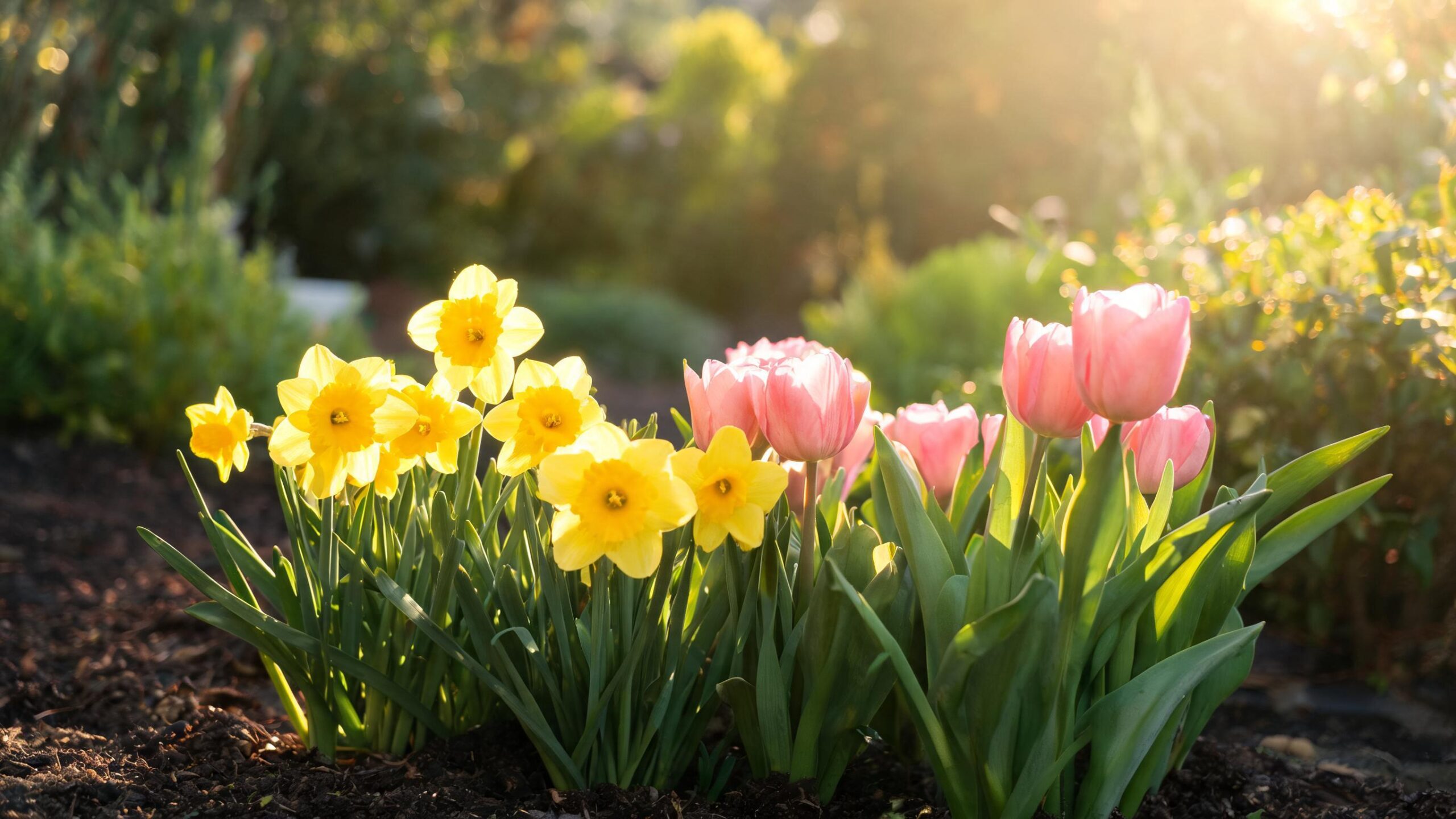
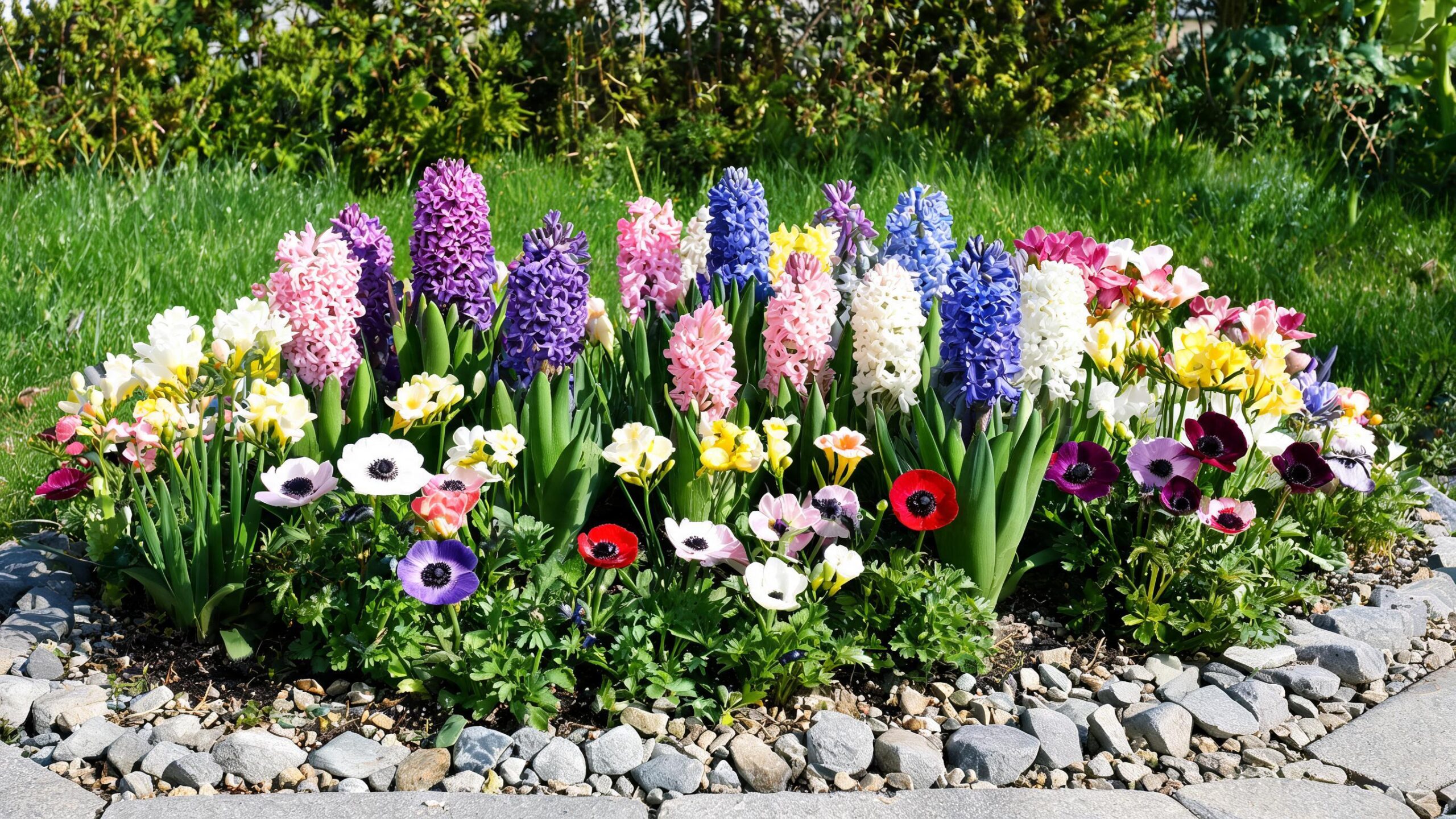
Bulbs are planted in autumn (typically late February through April) but reward Kiwi gardeners with their show from late winter right through spring. If you planted bulbs last autumn, September and October are when daffodils, tulips, hyacinths, freesias, ranunculus, and anemones put on their main display.
What to Do With Flowering Bulbs Now
Deadhead spent blooms but leave foliage to die back naturally, as the leaves feed next year’s bulb.
Feed with a liquid seaweed or potassium-rich fertiliser once flower stems emerge, and again as flowering begins.
Keep soil consistently moist but never waterlogged, particularly in free-draining sandy loam.
Stake taller varieties like tulips and gladioli against spring’s gusty westerlies, especially in exposed Wellington and Wairarapa gardens.
Note where bulbs are planted with a marker, since once foliage dies back in early summer the spot goes bare until autumn.
Gardeners still wanting a late splash of bulb colour can plant ranunculus, anemones, and freesias in early spring in warmer northern gardens, though the bulk of NZ’s spring-flowering bulb display comes from autumn planting the season before.
Spring Planting Guide: Best Annual Flowers for September–November
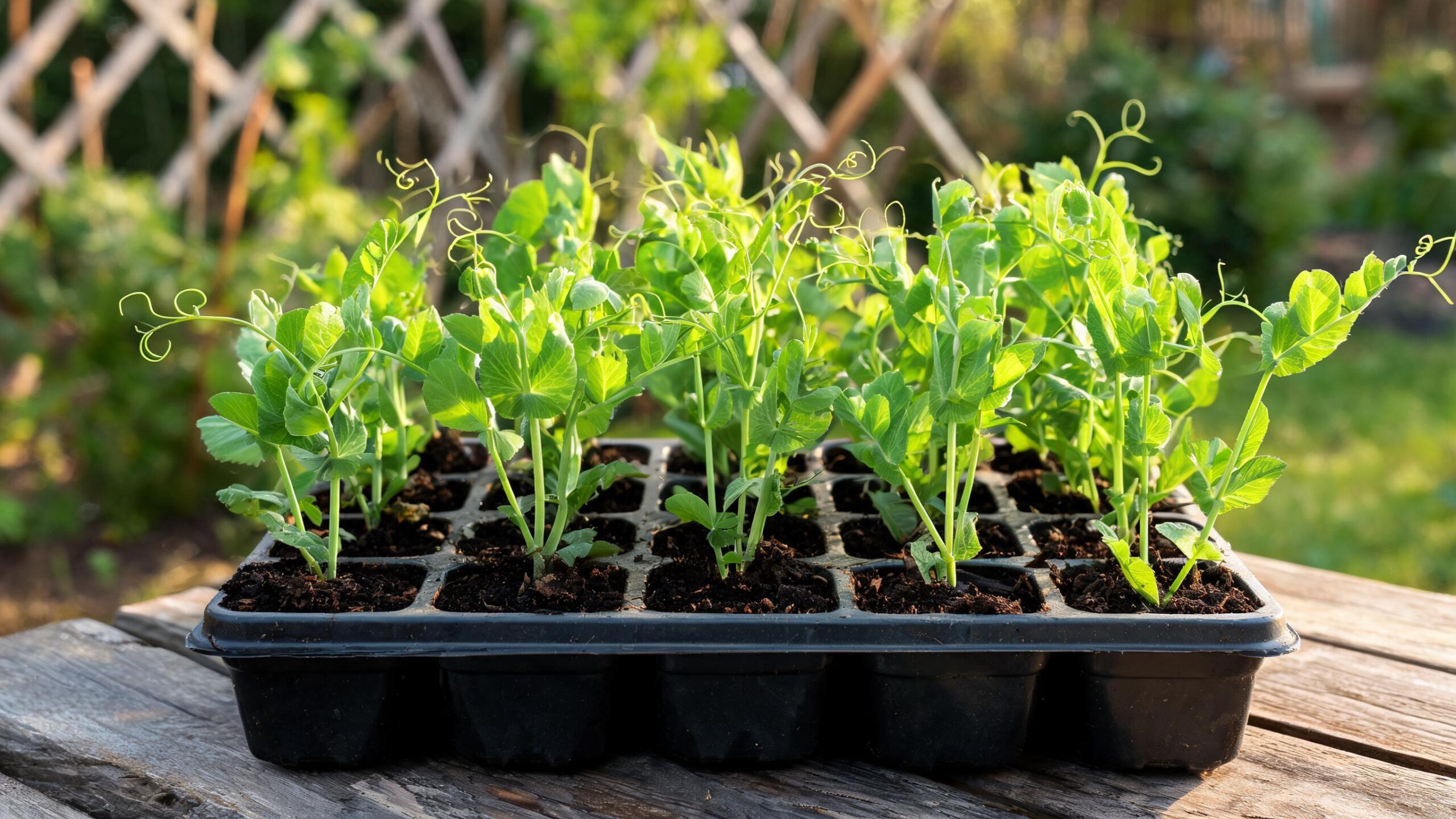
This is where the real action of a Kiwi spring gardening guide happens. September through November is the window to sow or transplant the annuals that will carry your garden’s colour through summer. Sweet peas are the undisputed stars of early spring sowing, thriving in the cool conditions of September and rewarding patient gardeners with months of fragrant cut flowers, according to Plan-T’s spring planting guide for New Zealand gardens.
Flower
Sowing Method
Best NZ Sowing Window
Notes for Kiwi Gardens
Sweet pea
Direct sow
Early–mid September
Give a trellis; loves cool early spring soil
Calendula
Direct sow
September onward
Self-seeds readily; tough in most soils
Cosmos
Direct sow or tray
Late September–November
Frost tender; wait for soil to warm inland
Cornflower
Direct sow
September
Handles spring’s cold-warm mood swings well
Marigold
Seedling or seed
September–November
Deters aphids; good companion for vegetables
Zinnia
Tray-start
Late Sept–early Nov
Dislikes cold, wet soil; transplant when warm
Sunflower
Direct sow
From late September
Dislikes root disturbance; sow where it will grow
Dahlia (tuber)
Plant tuber
September–October
Wait until frost risk has passed inland
In warmer regions, gardeners can also plant seedlings of ageratum, alyssum, aster, begonia, impatiens, and petunia straight into beds and containers, per Mitre 10’s September planting advice. In cooler South Island gardens, hold off on tender varieties like zinnias and cosmos until soil has properly warmed in late October.
Cool-Season Colour Still Going Strong
Don’t rip out your winter performers too soon. Pansies, violas, primula (polyanthus), forget-me-nots, and Iceland poppies planted last autumn are often still flowering their hearts out well into spring and can be left in place for weeks of extra colour before summer annuals take over.
Native Spring Flowers Worth Growing in NZ Gardens
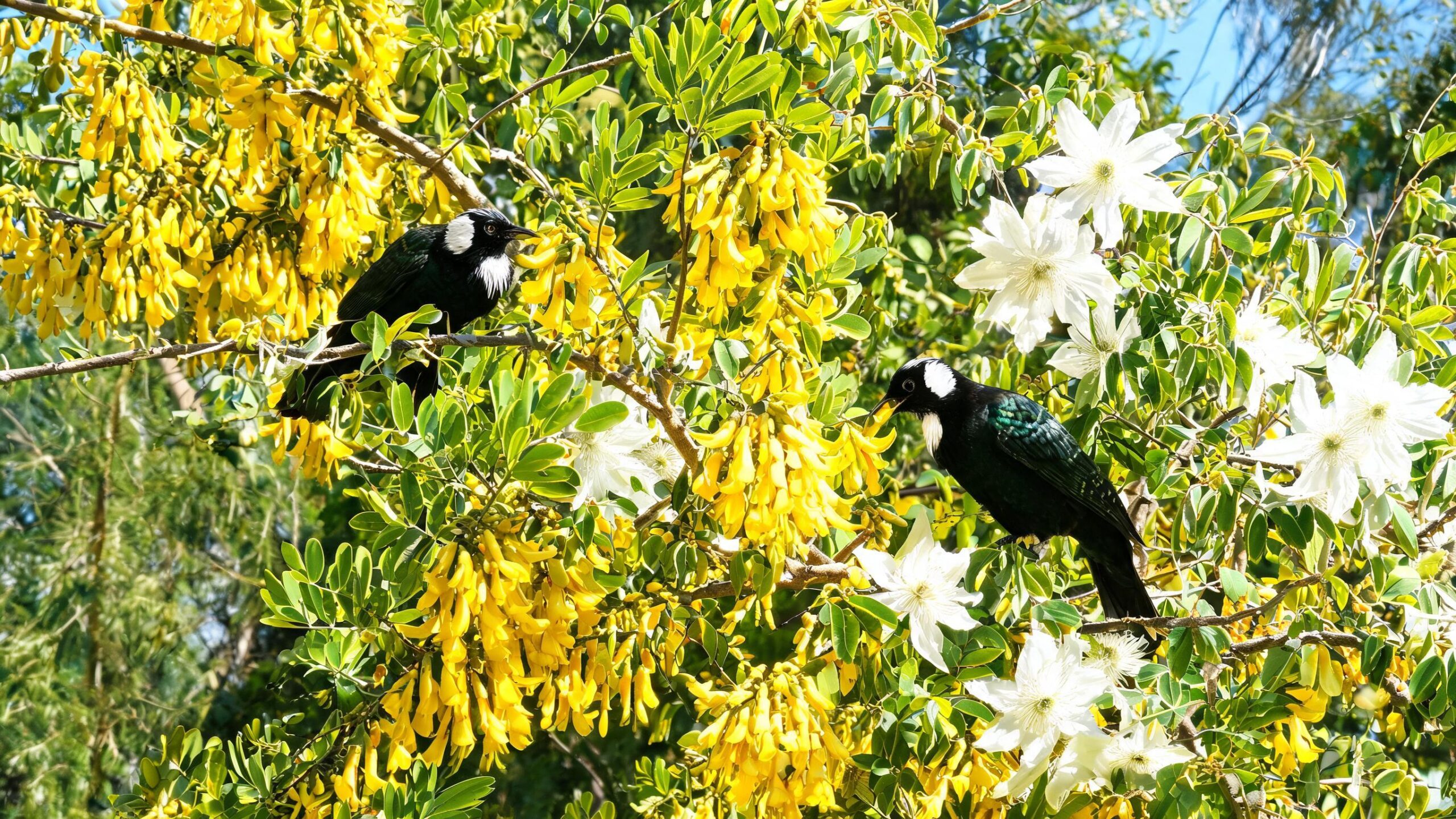
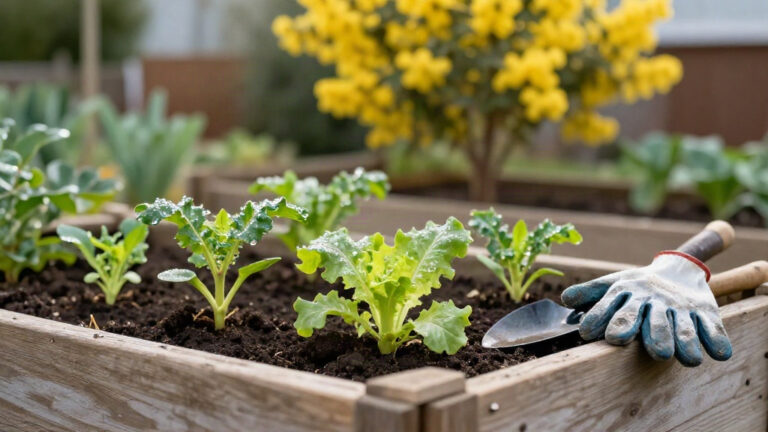
No New Zealand spring garden feels complete without a nod to native flora. Kowhai (Sophora species) bursts into golden bloom from September, drawing tui and bellbirds into gardens across the country, and pairs beautifully alongside native harakeke (flax) for structure and texture. Kaka beak (Clianthus), now rare in the wild and listed by the New Zealand Plant Conservation Network, produces striking red claw-shaped flowers and is well worth cultivating in home gardens to support conservation of this threatened species.
Clematis paniculata, our native puawānanga, scrambles through trees and fences with masses of white star-shaped flowers in spring, while native hebes and mānuka provide long-flowering nectar sources for bees and native insects. Weaving these into borders alongside exotic bulbs and annuals gives a garden distinctly Aotearoa character while supporting local biodiversity on your whenua.
Soil, Sun and Site for Spring Flower Success
Most spring flowers, whether bulbs, annuals, or flowering shrubs, want full sun (at least six hours daily) and free-draining soil. Soil type varies enormously across New Zealand, and matching your approach to your local ground makes a real difference to results.
Volcanic clay (Auckland, Waikato): Rich but can hold too much moisture; dig in compost and coarse sand to improve drainage before planting bulbs or annuals.
Sandy loam (Canterbury plains, Hawke’s Bay): Drains fast and can dry out; add compost and mulch heavily to retain moisture through spring winds.
Peat soils (parts of Waikato, West Coast): Often acidic; check pH and add lime if growing bulbs that prefer neutral to slightly alkaline conditions.
Heavy clay (inland Otago, parts of Wellington): Improve with gypsum, compost, and raised beds to prevent bulb and root rot over wet spring spells.
Aim for a soil pH between 6.0 and 7.0 for most spring flowering annuals and bulbs. Before planting, work in well-rotted compost, sheep pellets, or blood and bone to give roots a strong start, and top with a 5–7cm mulch layer once seedlings are established to suppress weeds and conserve moisture as spring days warm.
Watering and Feeding Through Spring
Spring rainfall is unpredictable across New Zealand, and irrigation needs shift fast as temperatures rise. Water newly sown seed beds gently but consistently to keep the surface from drying out during germination, then transition to deeper, less frequent watering once seedlings are established, encouraging roots to grow down rather than staying shallow.
Apply a liquid seaweed or kelp tea fortnightly to newly planted annuals to build resilience against spring’s temperature swings.
Feed flowering bulbs with a potassium-rich fertiliser as buds form, boosting bloom size and colour.
Sheep pellets worked into the topsoil in September provide a slow-release nitrogen boost as spring growth accelerates.
Avoid heavy nitrogen feeding on young annuals, since soft, sappy growth is exactly what aphids target.
Regional Variation and Microclimates
New Zealand’s spring flower calendar shifts noticeably depending on where you garden. In subtropical Northland and Auckland, soil warms early and frost risk is largely gone by September, so tender annuals like zinnias, cosmos, and dahlias can go in confidently from early spring. In the temperate Waikato and Bay of Plenty, similar timing usually applies, though a cold snap in early September can still catch out impatient gardeners.
In frost-prone inland areas such as Canterbury and Central Otago, hold off on tender seedlings until mid-to-late September or even early October, and start anything frost-sensitive undercover first. Kiwi gardeners in these colder pockets often notice that a single late frost in early spring can wipe out a whole tray of unprotected seedlings, so a cloche or cold frame is a worthwhile investment for anyone gardening south of the Waitaki.
Spring Pests and Diseases Affecting Flowers
Spring’s flush of soft new growth is exactly what many garden pests wait for all year. Staying ahead of them is a core part of any solid spring gardening guide.
Aphids
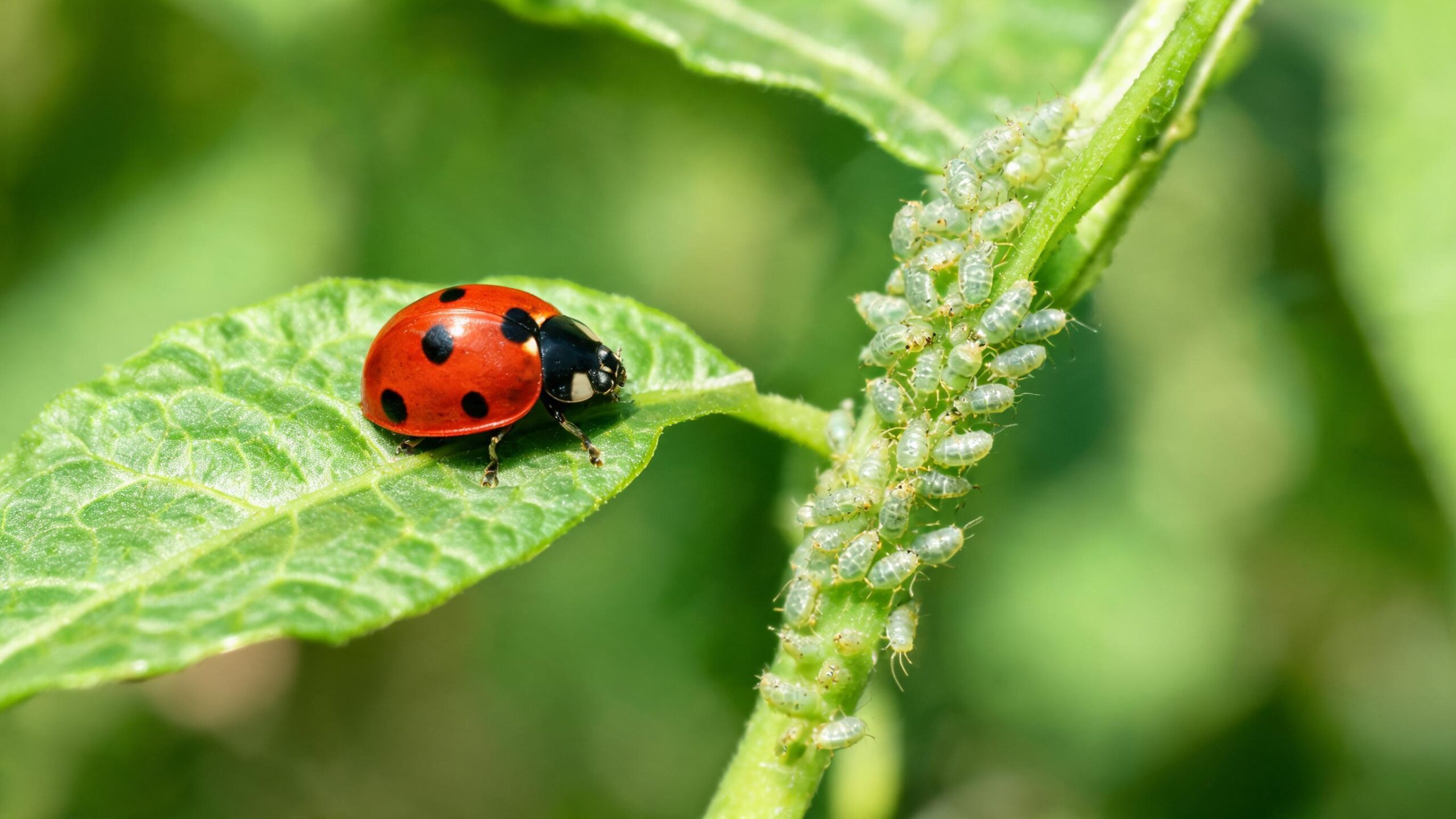
Aphids are the most common spring flower pest in New Zealand, with populations peaking from September through December as new growth flushes appear, according to horticultural pest guidance from the Royal New Zealand Institute of Horticulture. They cluster on soft new stems and buds, weakening plants and spreading viruses.
Squash small colonies by hand or blast off with a hard jet of water.
Encourage ladybirds, hoverflies, and lacewings by planting alyssum, dill, or yarrow nearby.
Use an insecticidal soap spray, covering leaf undersides thoroughly, and repeat weekly for heavier infestations.
Avoid excess nitrogen feeding, which produces the soft, sappy growth aphids prefer.
Powdery Mildew and Botrytis
Cool, damp spring mornings followed by warmer afternoons create ideal conditions for powdery mildew and botrytis blight on crowded annual beds. Space plants generously for airflow, water at soil level rather than overhead, and remove any affected foliage promptly. A diluted baking soda spray can help as a preventative measure on susceptible varieties.
Slugs, Snails and Bronze Beetle
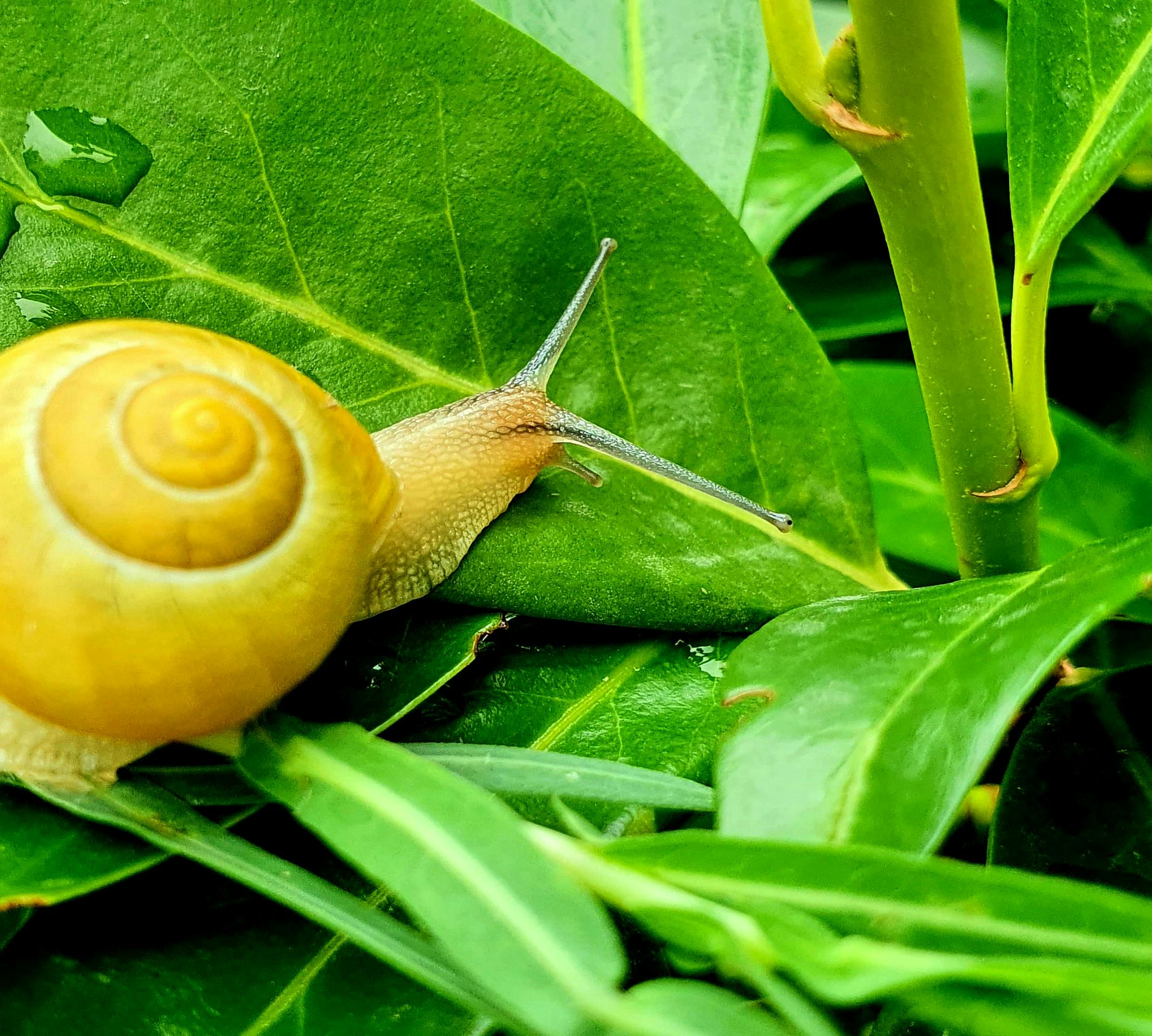
Tender young seedlings are a favourite target for slugs and snails during damp spring nights, while bronze beetle can chew ragged holes in emerging foliage, particularly in warmer North Island gardens. Beer traps, copper tape around pots, and evening hand-picking are effective organic controls, alongside slug bait used sparingly around vulnerable seedlings.
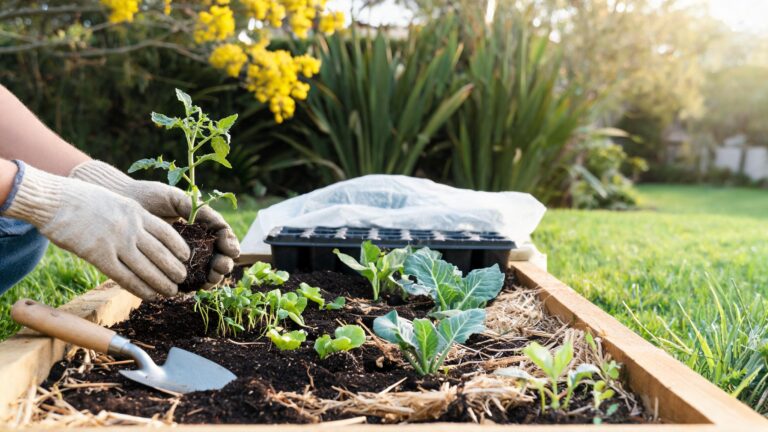
Step-by-Step: Planting Spring Annual Flowers
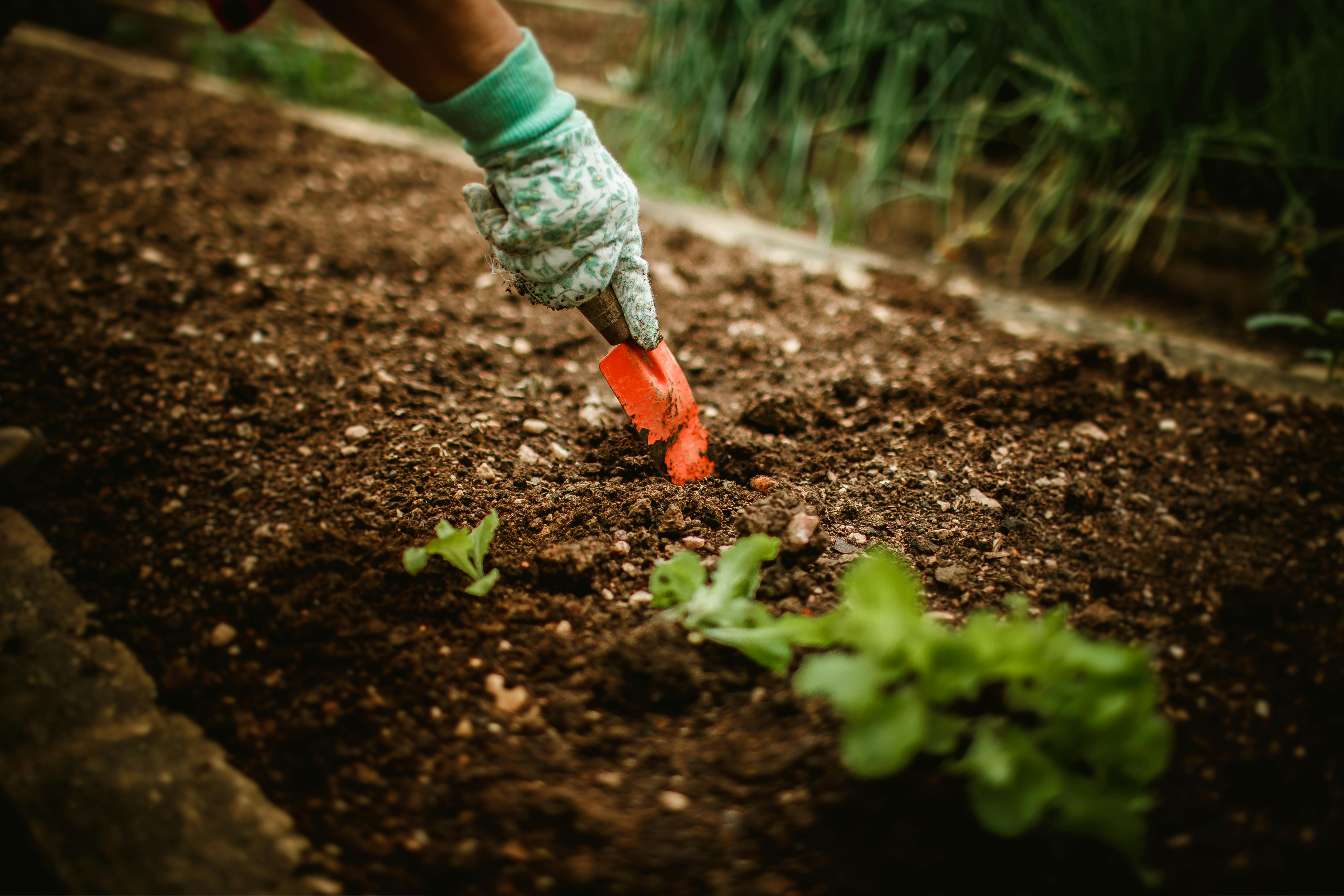
Choose a full-sun site with free-draining soil, testing pH if unsure and adjusting with lime or sulphur as needed.
Dig in compost, sheep pellets, or aged manure two to three weeks ahead of sowing or planting.
Direct-sow hardy varieties like sweet peas, calendula, and cornflower from early September; hold tender types back until late September or October in cooler regions.
Water gently but regularly to keep the germination zone moist without waterlogging.
Thin seedlings once they show their first true leaves, giving each plant room to develop strong roots.
Mulch around established seedlings to conserve moisture and suppress weed competition.
Feed fortnightly with a diluted liquid fertiliser once plants are actively growing.
Monitor weekly for aphids, slugs, and early signs of fungal disease, treating promptly at first sight.
Key Takeaways for Spring Flowers NZ
September to November is New Zealand’s core spring flowering season, with bulbs planted the previous autumn now in bloom.
Sow hardy annuals like sweet peas and calendula early in spring; wait for warmer soil before sowing tender varieties like zinnia and cosmos.
Match soil preparation to your region, whether that’s volcanic clay, sandy loam, or heavy clay.
Watch for aphids, powdery mildew, and slugs as spring’s soft new growth attracts pests.
Weave in native flowers like kowhai, clematis, and kaka beak for a garden with authentic Aotearoa character.
Frequently Asked Questions
When is the best time to plant spring flowers in NZ?
Spring flowering bulbs are planted the previous autumn, typically March to April, so they’re ready to bloom from late winter through spring. Spring annuals like sweet peas, calendula, and cosmos are sown or planted from September through November, with timing depending on your region’s frost risk and soil warmth.
Which spring flowers grow best in frost-prone areas like Canterbury or Central Otago?
Hardy annuals such as sweet peas, calendula, cornflower, and pansies handle spring frosts well. Hold off on tender varieties like zinnias, cosmos, and dahlias until mid-to-late September or October, and start seedlings undercover to protect them from late frosts common in these alpine and inland regions.
How do I stop aphids ruining my spring flowers?
Inspect new growth weekly from September onward, squashing small colonies or blasting them off with water. Encourage ladybirds and hoverflies by planting alyssum or dill nearby, and use an insecticidal soap spray on heavier infestations, avoiding excess nitrogen fertiliser that encourages the soft growth aphids target.
Can I still plant spring bulbs in September?
Most spring-flowering bulbs like daffodils, tulips, and hyacinths are best planted in autumn for a full spring display. However, fast-growing bulbs like anemones, ranunculus, and freesias can still be planted in early spring in warmer northern regions for a later flush of colour.
What soil amendments help spring flowers thrive in clay soil?
Work in compost, gypsum, and coarse sand to break up heavy clay and improve drainage before planting. Raised beds are also a practical solution for gardeners on clay-heavy sections in areas like inland Otago or parts of Wellington, preventing bulb and root rot during wet spring spells.
Which native New Zealand flowers bloom in spring?
Kowhai bursts into golden bloom from September and is a magnet for tui and bellbirds. Native clematis (puawānanga) covers trees and fences in white star-shaped flowers, while kaka beak produces striking red flowers and is a worthwhile addition for gardeners wanting to support this threatened native species.
Do spring flowers need feeding after planting?
Yes. Feed emerging bulbs with a potassium-rich fertiliser as flower stems appear, and give young annuals a fortnightly liquid seaweed or diluted fertiliser feed once established. Avoid heavy nitrogen application, which produces soft growth vulnerable to aphids and fungal disease.
Growing a Spectacular Spring Garden Across Aotearoa
Whether you’re nurturing a bed of sweet peas in a frosty Otago backyard or watching kowhai burst into gold in a subtropical Northland garden, mastering spring flowers NZ gardeners love comes down to timing, soil preparation, and staying a step ahead of pests. Follow this spring gardening guide’s regional advice, feed and water consistently, and don’t be afraid to blend native flora with garden favourites for a display that’s truly your own patch of Aotearoa. Get your hands in the whenua this spring, and your garden will reward you with months of colour through summer.
We use cookies to improve your experience, analyze traffic, and display personalized ads.
By clicking "Accept", you consent to the use of cookies in accordance with our Privacy Policy.