Spring Planting Guide New Zealand: What to Sow, Plant and Grow (Sep–Nov)
Spring is the busiest and most rewarding season on the Kiwi gardening calendar, and this spring planting guide New Zealand gardeners can rely on covers exactly what to sow, plant, and prep from September through to November. As the whenua warms and daylight lengthens, soil temperatures climb past the critical 10–12°C mark, frost risk gradually eases in most regions, and both the vegetable patch and ornamental beds burst back into life. Whether you’re gardening in a frost-free Northland courtyard or a frost-prone Central Otago block, this spring gardening guide gives you the region-specific timing, soil prep, and plant selection you need to get spring right the first time.
In New Zealand, spring (September–November) is the season to sow cool-season vegetables early, then transition to frost-tender summer crops once soil warms above 15°C and the last frost has passed — typically Labour Weekend in most regions. Direct-sow hardy crops like peas, carrots, and beetroot from early September, start tomatoes, capsicums, and cucumbers under cover, and hold off planting them outdoors until late October or November.
Early spring (Sept): sow peas, broad beans, brassicas, carrots, beetroot, spring onions and salad greens directly outdoors.
Mid spring (Oct): plant seed potatoes, strawberries, citrus, and start hardening off tomato and capsicum seedlings.
Late spring (Nov, post-Labour Weekend): plant out tomatoes, cucumbers, courgettes, pumpkins and sweetcorn once frost risk has passed.
Feed soil with sheep pellets, blood and bone, and compost before planting; follow with a seaweed tonic to reduce transplant shock.
Watch for early aphids, slugs, snails and passionvine hopper nymphs as new growth flushes appear.
Why Spring Is New Zealand’s Key Planting Window
Spring planting in New Zealand runs from September to November, spanning the shift from cool, wet soils to warm, active growing conditions. This is the season when soil biology wakes up, plant roots establish quickly, and gardeners get the longest possible run at both cool-season and warm-season harvests. Getting your spring gardening guide timing right — rather than planting everything on the same weekend — is what separates a patchy garden from a genuinely productive one.
Because New Zealand stretches across several climate zones, “spring” doesn’t arrive uniformly. Subtropical Northland and Auckland warm up two to three weeks ahead of temperate Waikato and Bay of Plenty, while frost-prone inland Canterbury and Central Otago can still see ground frosts into late October. Reading your own microclimate, not just the calendar, is the single biggest factor in spring planting success.
NZ Seasonal Timing for Spring Planting
Early Spring (September)
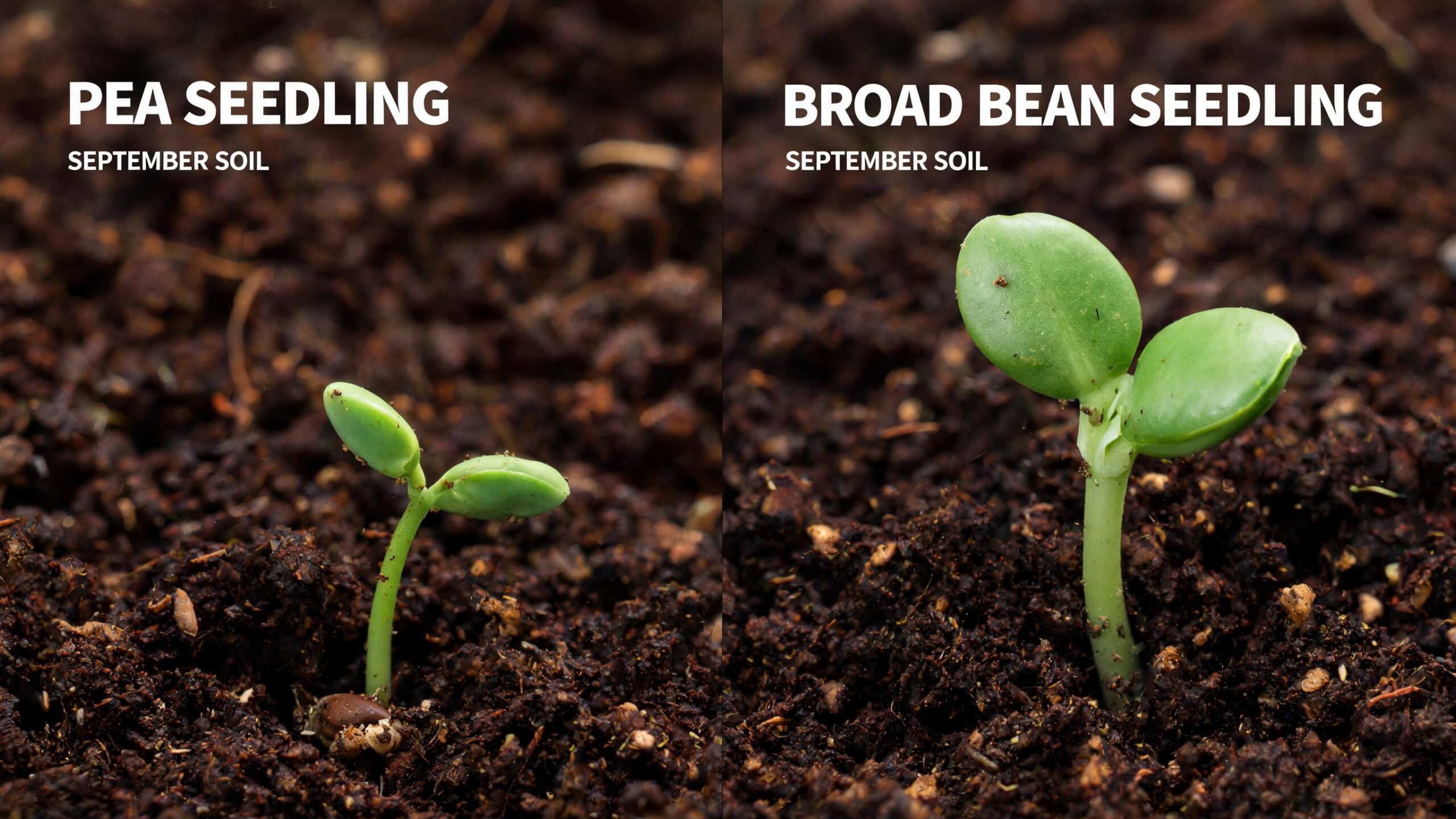
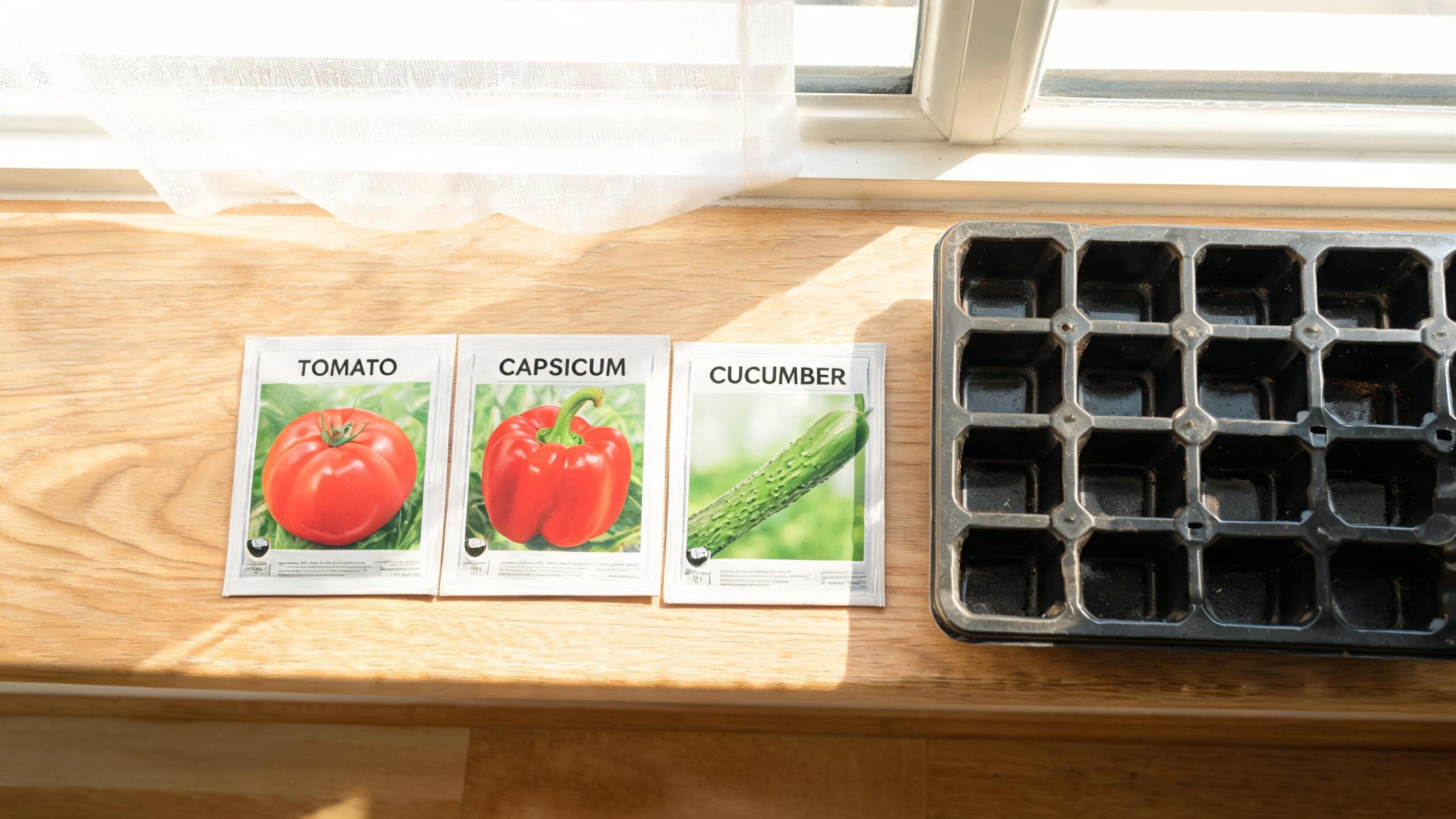
September soil is still cool and often waterlogged after winter rain, so this month favours hardy, frost-tolerant crops sown direct or raised under cover. Auckland Botanic Gardens’ seasonal advice notes gardeners can sow sweetcorn, beetroot, carrots, celery, kale, leeks, lettuce, pak choi, parsley, parsnip, peas, radish, silverbeet, spinach, spring onion, swede and turnip directly into the garden this month, as detailed in the Auckland Botanic Gardens September growing notes. Warmth-loving crops like tomatoes, capsicums, chillies, cucumbers and pumpkins should be started indoors or in a heated propagator now, ready to plant out later once the danger of frost has passed.
Mid Spring (October)
By October, soil temperatures in most North Island regions and coastal South Island areas are climbing toward 15–18°C. This is prime time to plant out brassica and lettuce seedlings, sow beans and courgettes directly, plant seed potatoes for a Christmas harvest, and get citrus, strawberries and sub-tropicals like tamarillo and passionfruit into the ground. According to Tui Garden’s Spring Gardening Guide, October is also when garden centres are stocked with affordable bedding colour, making it an easy month to fill gaps in ornamental beds.
Late Spring (November)
November, especially after Labour Weekend, is traditionally regarded as the safe window to plant frost-tender summer vegetables across most of the country. Tomatoes, cucumbers, courgettes, capsicums, eggplants, pumpkin and sweetcorn can all go outdoors now that soil has warmed and late frosts are unlikely. Daltons’ planting tables recommend planting out tomatoes from early November in warm climates and confirm that pumpkin can go in from late October, giving you a clear runway into summer.
Spring Vegetable Planting Guide by Region
New Zealand’s spring planting calendar shifts by up to a full month between the far north and inland high country. Use the table below as a practical starting point, then adjust based on your own frost dates and soil temperature.
Region/Microclimate
Typical Last Frost
Safe to Plant Tomatoes/Capsicums Outdoors
Notes
Northland & Auckland (subtropical)
Rare after early Sept
Mid-October
Can often start summer crops 2–3 weeks earlier than the rest of NZ; watch for guava moth on stone and citrus fruit.
Waikato & Bay of Plenty (temperate)
Late September
Late October–Labour Weekend
Reliable spring rainfall; volcanic loam soils drain well but benefit from added compost and sheep pellets.
Wellington & lower North Island
Early October
Labour Weekend
Wind is the bigger challenge than frost; stake and shelter seedlings.
Canterbury (frost-prone plains)
Mid-to-late October
Mid-November
Ground frosts common into October; use cloches and frost cloth for early sowings.
Central Otago & alpine areas
Late October–November
Late November–early December
Coldest planting window in NZ; hold tender crops back and prioritise hardy brassicas and root veges in September.
What to Plant This Spring in New Zealand
Vegetables for Spring Planting
Kings Seeds’ spring guide lists an extensive range of vegetables suited to spring sowing, including asparagus, artichoke, bean, beetroot, broccoli, cabbage, capsicum, carrot, celery, cauliflower, corn, cress, cucumber, eggplant, kale, lettuce, onion, pak choi, parsnip, pea, pumpkin, radish, spinach, tomato and zucchini, as outlined in the Kings Seeds Spring Planting Guide.
Direct-sow now (cool soil tolerant): peas, broad beans, carrots, beetroot, radish, spring onions, silverbeet, spinach, lettuce and mesclun.
Start under cover, plant out later: tomatoes, capsicums, chillies, cucumbers, eggplants, courgettes and pumpkin.
Plant as seedlings once soil warms: broccoli, cauliflower, cabbage and kale (best planted from healthy nursery seedlings for a head start against pests).
Seed potatoes: chit indoors in a bright spot, then plant out in October for a Christmas harvest, per Auckland Botanic Gardens.
Spring Herbs and Flowers
Spring is prime time to sow culinary herbs including basil, coriander, dill, parsley, chives, oregano and thyme, alongside flowering annuals such as marigold, cosmos, sweet pea, alyssum, zinnia and sunflower. Interplanting flowers like marigold and borage through the vege patch draws in pollinators and beneficial insects, which noticeably reduces aphid pressure on brassicas and beans — a tip echoed by both Tui Garden and Kings Seeds’ spring advice.
Fruit Trees and Sub-Tropicals
Citrus trees, tamarillo and passionfruit are best planted in spring once frost risk has passed, giving roots a full growing season to establish before their first winter. Strawberry plants should also go in early spring — a good rule of thumb from Tui Garden is five plants per household member — mulched well and fed with a potassium-rich strawberry fertiliser to build juicy, well-formed fruit.
Soil Preparation for a Spring Gardening Guide That Actually Works
Good soil prep is the foundation every spring gardening guide should start with, because New Zealand’s soils vary enormously — from free-draining volcanic loam in Waikato and the Bay of Plenty, to heavy clay across parts of Canterbury and Auckland, to sandy coastal soils in Northland and the Kapiti Coast.
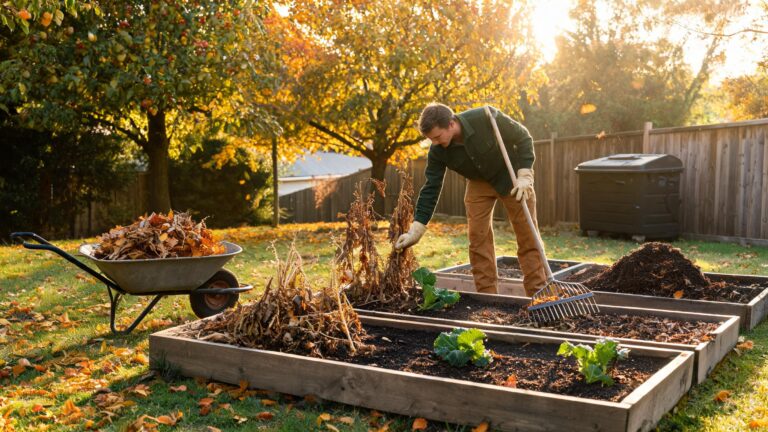
Clear beds of weeds, old crop debris and winter mulch.
Fork or dig over compacted soil to improve aeration and drainage, especially in clay-heavy sections.
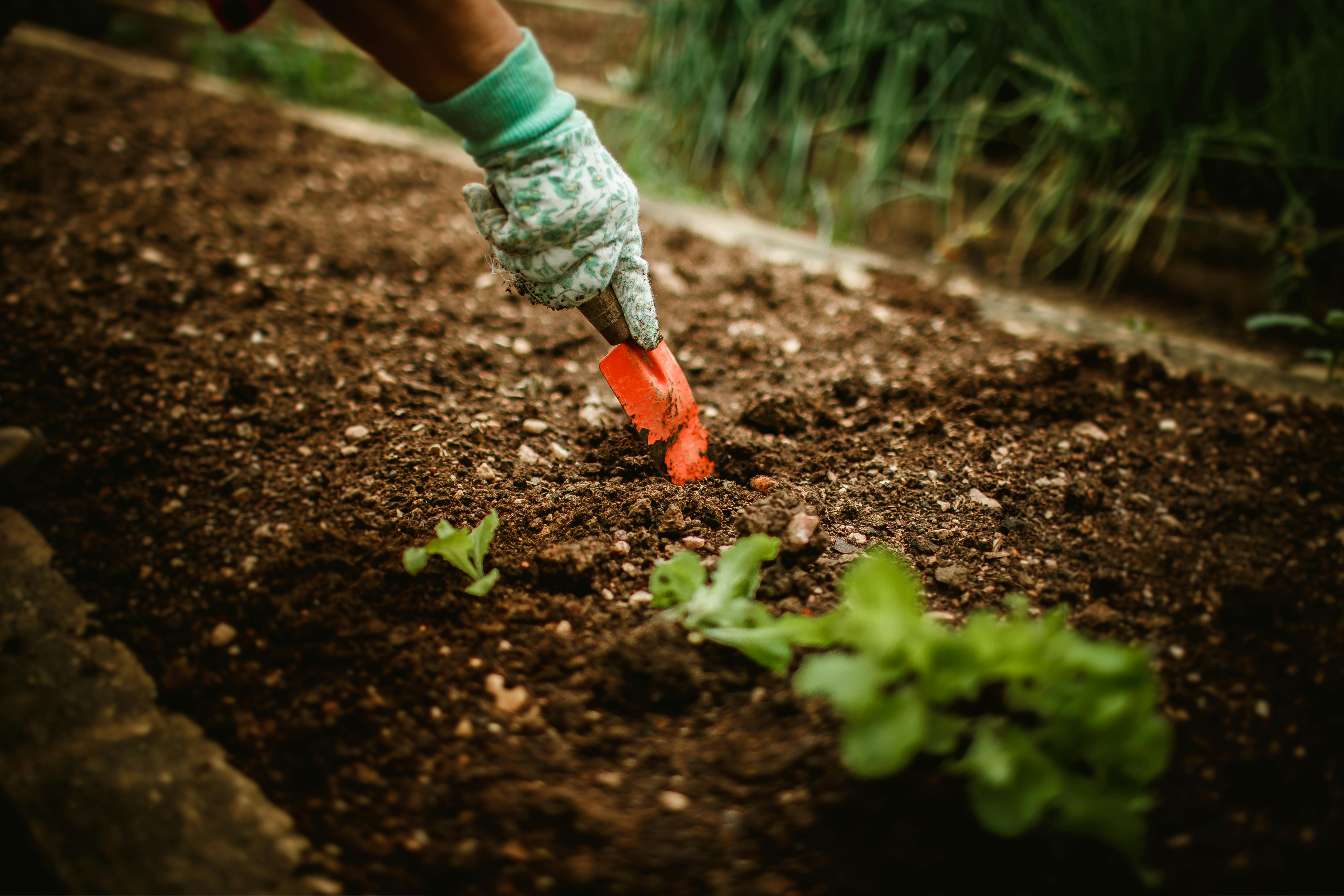
Dig in well-rotted compost and sheep pellets, or blood and bone for a slower-release nitrogen boost.
Test soil pH — most vegetables prefer 6.0–7.0; add lime to acidic soils common in high-rainfall regions, or sulphur to alkaline coastal soils.
Mulch with straw, pea straw or bark chip to retain spring moisture and suppress weed germination.
Apply a seaweed/kelp tonic every 2–4 weeks after planting to reduce transplant shock and encourage strong root growth.
Frost Protection and Microclimate Management
Frost is the single biggest risk factor for early spring planting outside the warmest regions. Kiwi gardeners often notice that low-lying paddocks and valley floors in Waikato, Canterbury and Central Otago hold frost far longer into spring than nearby elevated or coastal sites, so always plant tender crops in your garden’s warmest, most sheltered microclimate first.
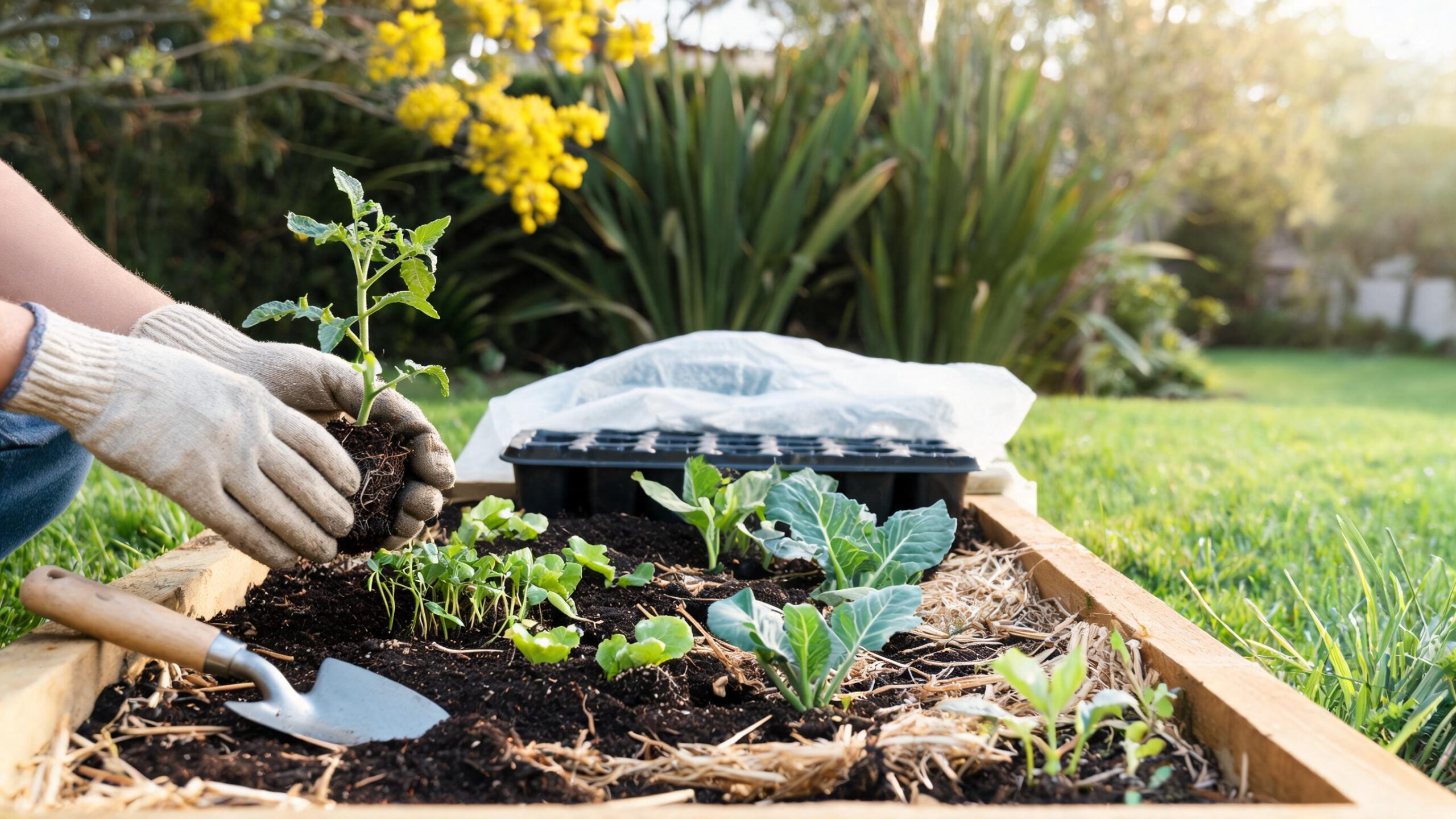
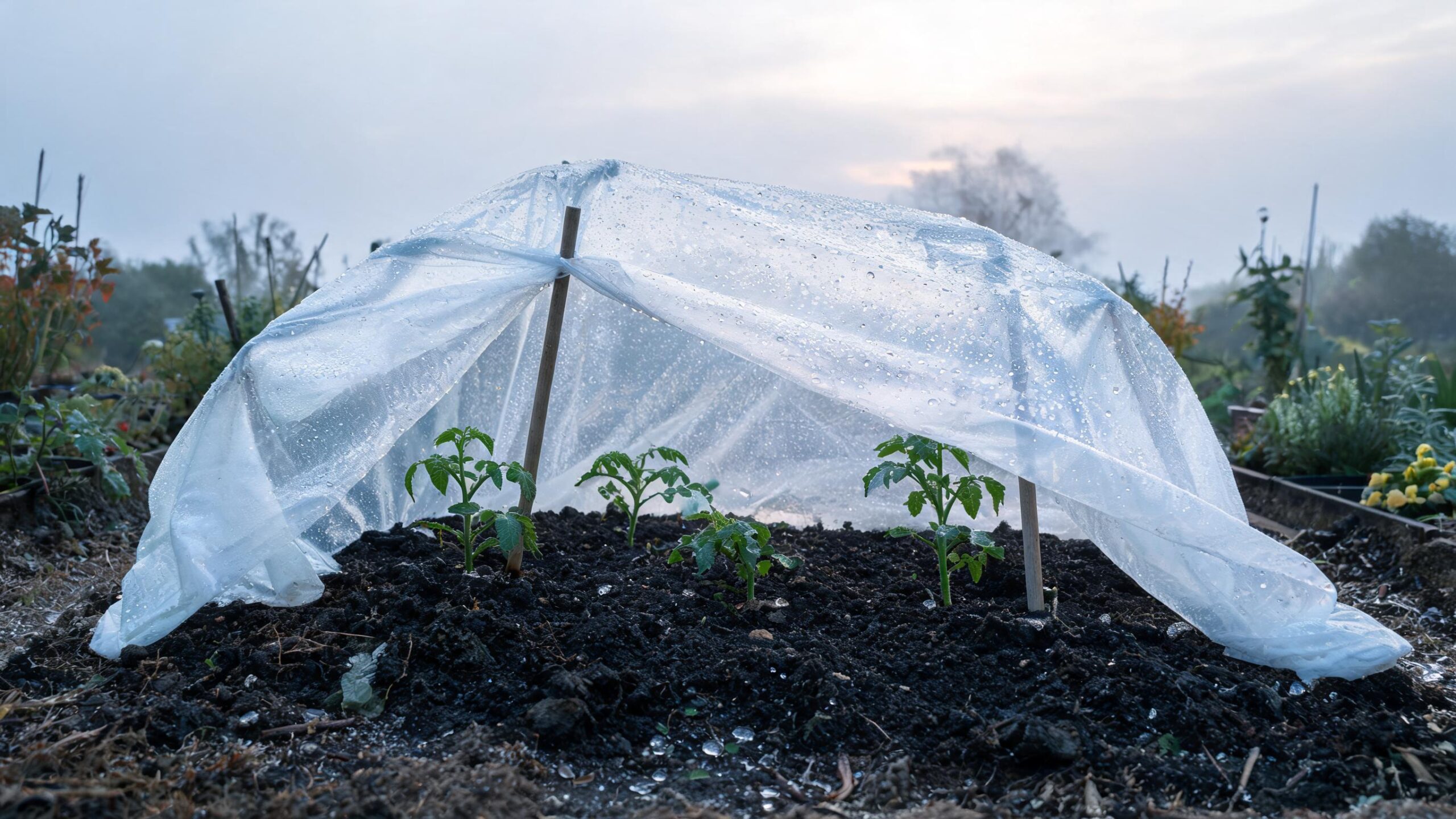
Use frost cloth or a cloche over tender seedlings on cold, clear nights.
Water soil thoroughly before an expected frost — moist soil holds more heat overnight than dry soil.
Delay planting tomatoes, cucumbers and capsicums outdoors in frost-prone inland areas until mid-to-late November.
Use a mini greenhouse, tunnel house or bright windowsill to raise seedlings before hardening them off gradually over 7–10 days.
Common Spring Pests and Diseases in NZ Gardens
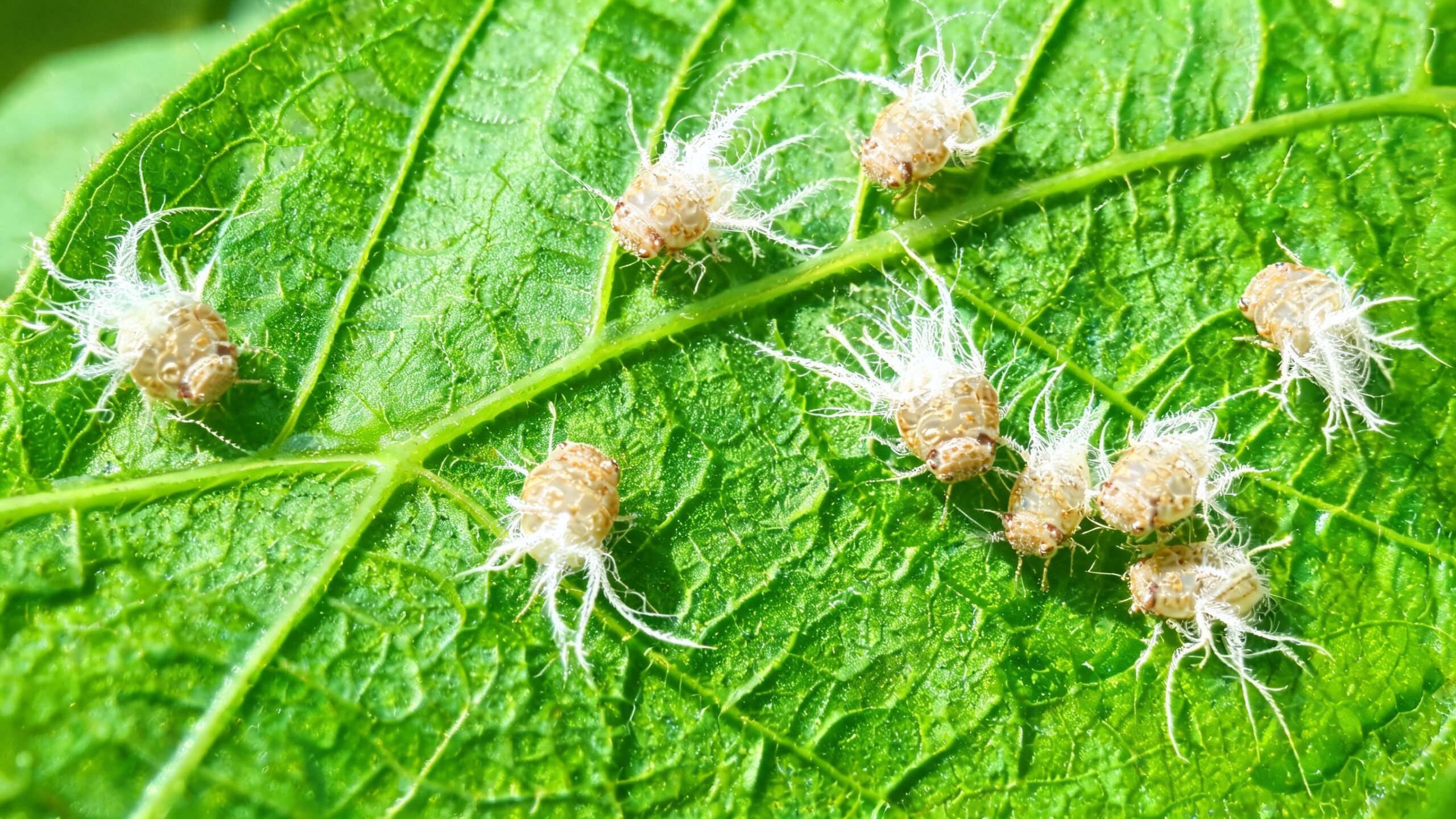
Spring’s flush of soft new growth is exactly what pests target first. Passionvine hopper nymphs emerge on citrus, passionfruit and ornamentals from October onward, appearing as small, jumping white “fluffy” insects best knocked off with a strong hose jet or treated with an appropriate horticultural oil. Aphids build up rapidly on brassica seedlings and roses; encourage ladybirds and hoverflies by planting alyssum and marigold nearby rather than reaching straight for a spray.
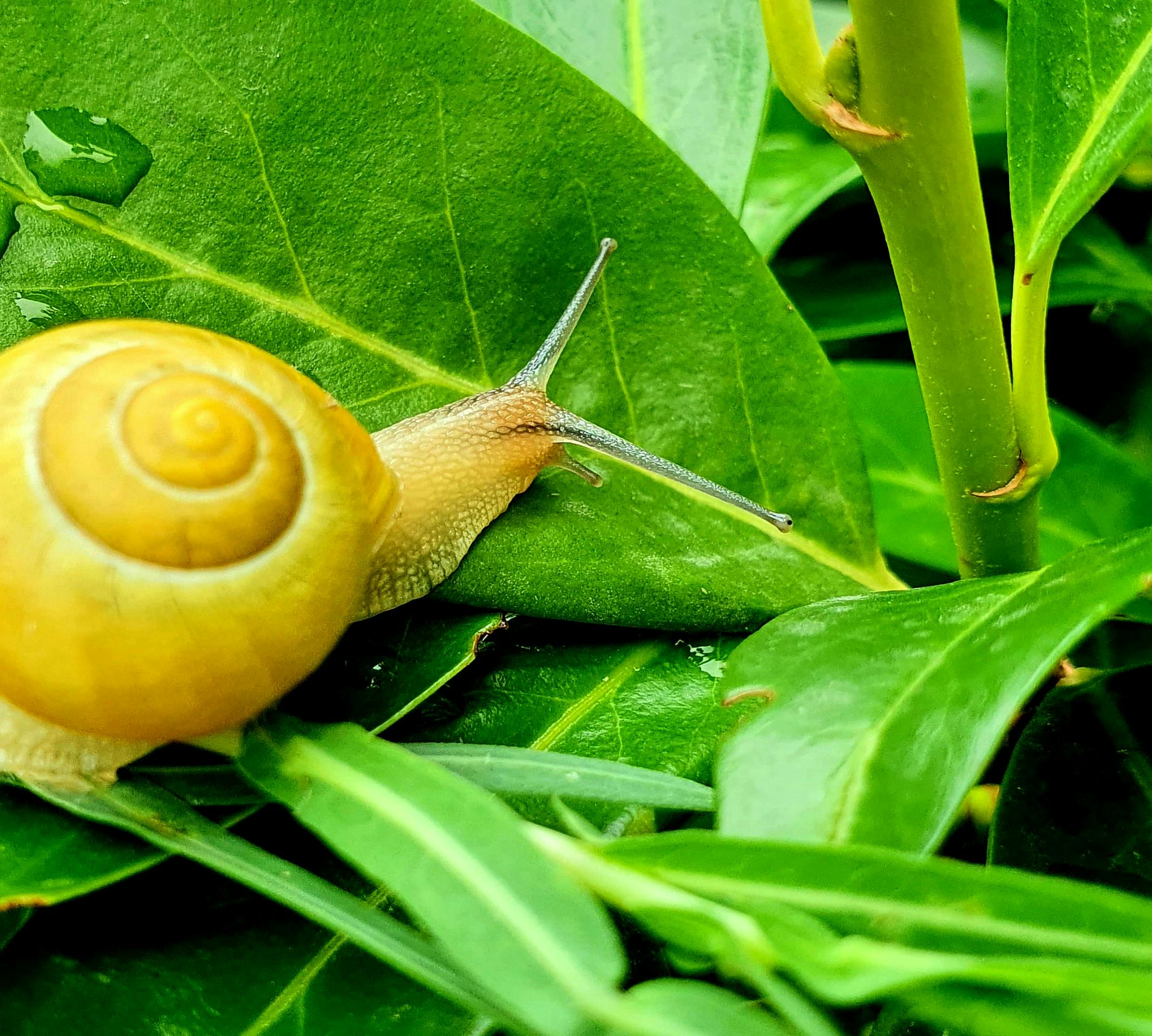
Slugs and snails are especially damaging to new seedlings in wet spring soil — scatter iron-based slug bait or use a wool mulch mat, which does double duty as a physical deterrent. In warmer northern gardens, keep an eye out for early guava moth activity on stone fruit and citrus, and monitor citrus for guava rust or early psyllid activity as documented by regional biosecurity advisories; the Ministry for Primary Industries pest and disease database is the authoritative source for reporting anything unfamiliar.
Lawn, Native Plants and Ornamental Garden Tasks
Spring is also the season to feed and repair lawns, though most NZ lawn experts still recommend autumn as the primary sowing window rather than spring. Prune winter- and spring-flowering shrubs immediately after flowering finishes, deadhead spring bulbs and feed them with a potash-rich bulb food to build next year’s flowering reserves, and top up garden beds with fresh mulch as temperatures rise.
If you’re incorporating native flora, spring is an excellent time to plant harakeke (flax), kōwhai and other hardy natives once the ground has warmed slightly, giving root systems a full season to establish in the whenua before the following winter. Native plantings generally need far less intervention than exotic ornamentals and provide valuable nectar for tūī and other native birds as kōwhai comes into bloom.
Container and Raised Bed Spring Planting
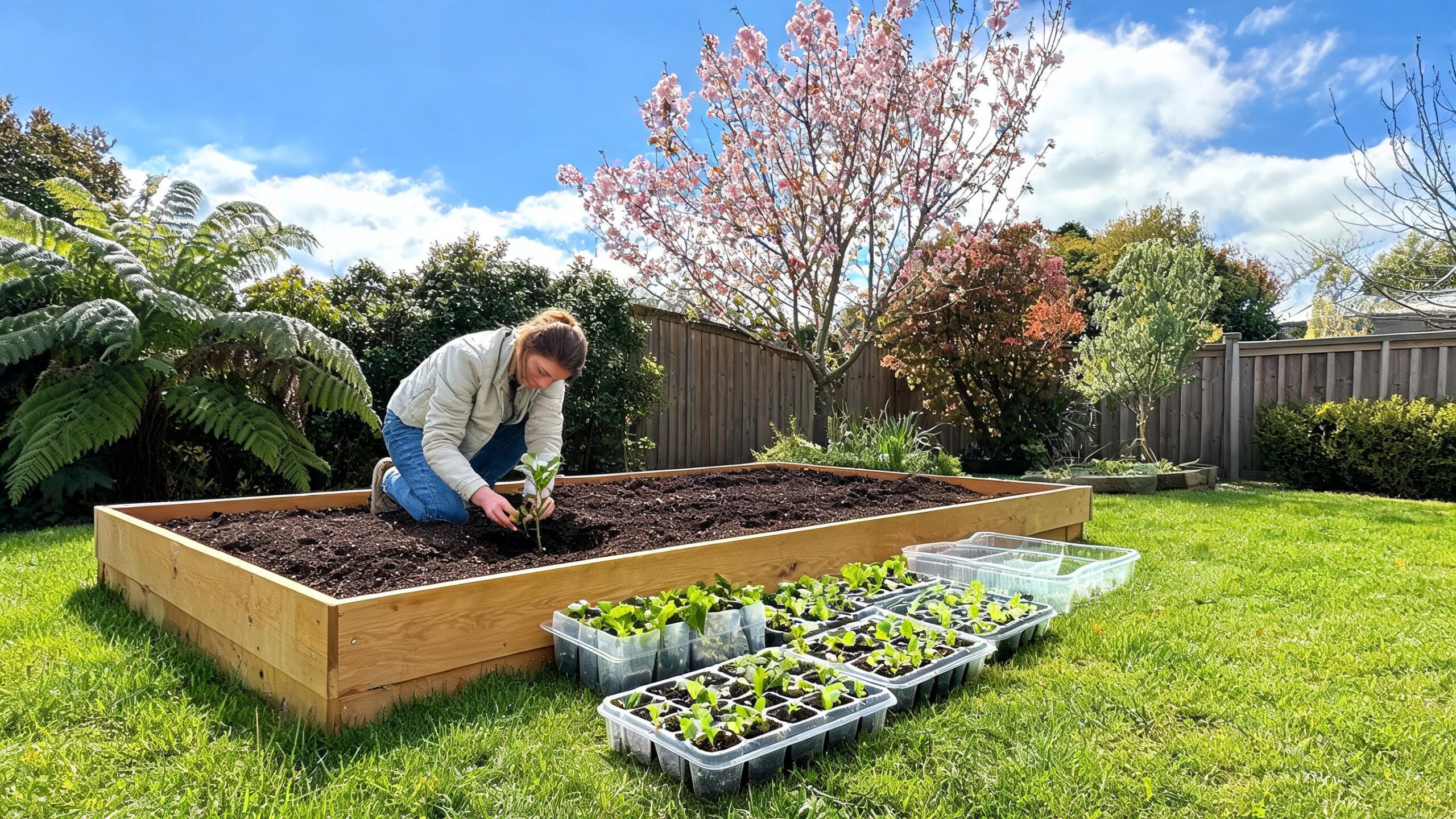
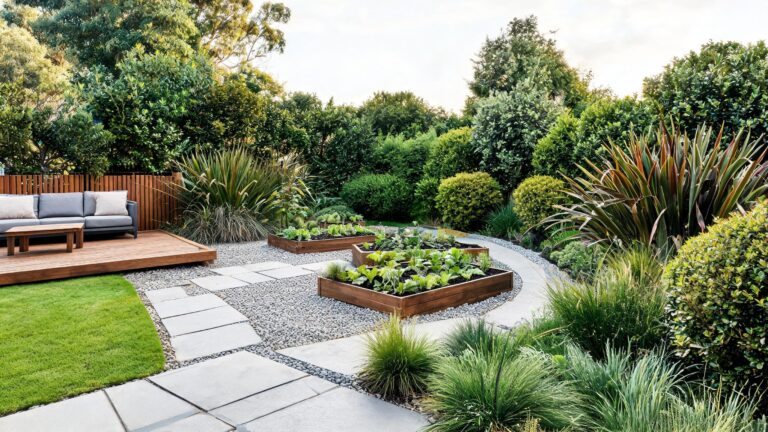
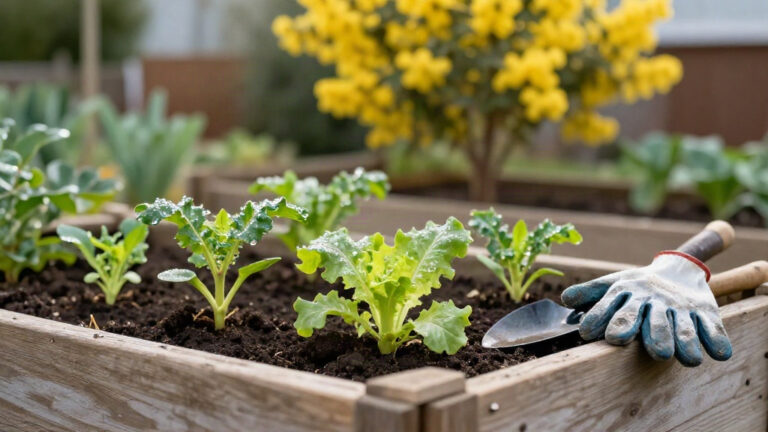
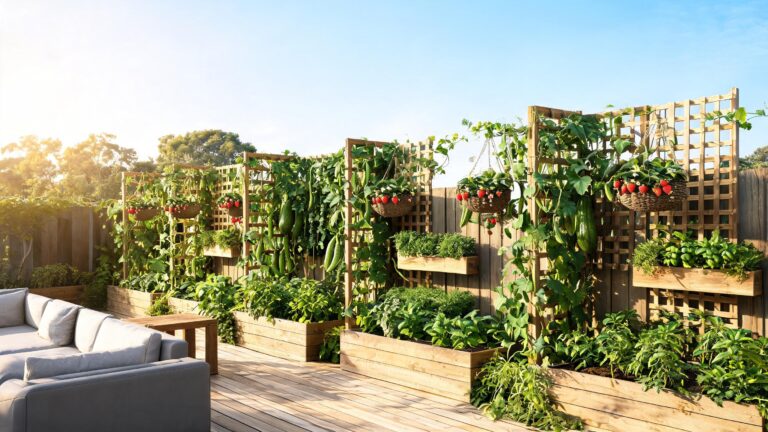
Renters and small-section gardeners can run this entire spring gardening guide from raised beds or large containers with excellent results. Use a dedicated vegetable potting mix rather than garden soil in containers, as it drains better and won’t compact. Spacing still matters in containers — tomatoes need at least a 40cm-diameter pot, while lettuce, radish and herbs can be planted more densely in shallow troughs. A drip irrigation kit or simple soaker hose makes spring watering far less time-consuming as temperatures rise into November.
Key Takeaways
Spring planting in New Zealand spans September to November, moving from hardy, cool-season crops to frost-tender summer vegetables.
Regional timing varies significantly — Northland and Auckland gardeners can plant summer crops weeks ahead of Canterbury and Central Otago.
Prepare soil with compost, sheep pellets and blood and bone before planting, then follow up with seaweed tonic.
Hold tomatoes, capsicums, cucumbers and pumpkin until frost risk has fully passed, generally around Labour Weekend or later inland.
Watch for aphids, slugs, snails and passionvine hopper as new growth emerges, and use natural predators where possible.
Frequently Asked Questions
When is the best time to plant tomatoes in spring in New Zealand?
Most regions treat Labour Weekend (late October) as the traditional planting-out date for tomatoes, once the danger of frost has passed. In frost-prone inland Canterbury or Central Otago, wait until mid-to-late November. Start seed indoors from September so seedlings are ready to transplant when conditions warm.
What vegetables can I direct-sow outside in early spring?
Peas, broad beans, carrots, beetroot, radish, spring onions, silverbeet, spinach and lettuce all tolerate cooler September soil and can be direct-sown outdoors. These hardy crops establish well before frost risk has fully cleared and give you an early harvest before summer crops take over the bed.
How do I protect seedlings from a late spring frost?
Cover tender seedlings with frost cloth, an old bedsheet or a cloche on cold, clear nights, and water soil thoroughly beforehand since moist soil retains more heat. Bring potted seedlings into a garage or greenhouse when frost is forecast, and avoid planting frost-tender crops outdoors until your local last-frost date has safely passed.
What’s the best soil amendment for spring planting in clay soil?
Dig in generous amounts of compost, sheep pellets and gypsum to break up heavy clay and improve drainage before spring planting. Raised beds filled with quality vegetable mix are a reliable workaround in particularly heavy clay areas common across parts of Auckland and Canterbury.
Can I still plant spring bulbs in September?
Most spring-flowering bulbs like daffodils and tulips should already be in the ground by early spring, but summer-flowering bulbs such as dahlias and begonia tubers can be planted from September through November. Feed emerging bulbs with a potash-rich bulb food as flower buds appear to support strong blooms.
Why are my spring seedlings being eaten overnight?
Slugs and snails are the most common culprits for overnight seedling damage in spring, particularly in damp conditions. Scatter iron-based slug bait around vulnerable plants, use a wool mulch mat as a physical barrier, and inspect the garden after dusk with a torch to hand-pick pests directly.
Is it too early to plant capsicums and eggplants outdoors in September?
Yes — capsicums and eggplants are frost-tender and should be started in seed trays indoors or in a heated propagator during September, then hardened off and planted outdoors from late October in warm climates or November in cooler regions. Planting them out too early risks stunted growth or total loss to a late frost.
Final Thoughts on Spring Planting in New Zealand
A successful spring planting guide New Zealand gardeners can trust comes down to reading your own microclimate, preparing soil properly, and staging plantings from hardy cool-season crops through to frost-tender summer vegetables as the weeks warm. Follow this spring gardening guide as a framework, adjust the timing to your region’s last frost date, and you’ll head into summer with a garden that’s already thriving. Get your hands into the whenua this spring — every seed sown now is a step toward a more abundant, resilient kai garden through summer.
We use cookies to improve your experience, analyze traffic, and display personalized ads.
By clicking "Accept", you consent to the use of cookies in accordance with our Privacy Policy.