Autumn Garden Cleanup Checklist: What New Zealand Gardeners Should Tidy, Cut Back, Mulch and Plant Now
An autumn garden cleanup checklist helps New Zealand gardeners protect soil, reduce pests and diseases, and set the garden up for a stronger spring. As temperatures cool and growth slows, autumn is the ideal time to clear spent crops, divide perennials, improve soil, mulch beds, and tackle overdue pruning and maintenance. Done well, autumn cleanup is not about making the garden look bare. It is about making smart seasonal decisions that keep your garden healthy through winter and productive in the months ahead.
For beginner and intermediate gardeners, autumn can feel like the in-between season when summer crops fade but winter planting has not fully begun. In reality, it is one of the most important times of year for garden care. A clear, practical autumn garden cleanup checklist gives you a manageable plan so you know exactly what to compost, what to cut back, what to leave alone, and what to plant next.
Autumn cleanup does far more than improve the look of your garden beds. It helps interrupt pest and disease cycles, prevents weeds from seeding, protects soil structure from winter rain, and creates a cleaner, easier start in spring. In many parts of New Zealand, autumn conditions are mild enough to work comfortably outdoors, which makes it the perfect season for bigger tidy-up jobs.
A thoughtful cleanup also helps you avoid one of the most common gardening mistakes: cutting everything down too hard and too early. Some plants benefit from pruning or lifting in autumn, while others should be left until late winter or early spring. The goal is not a stripped, sterile garden. The goal is a resilient one.
Your Autumn Garden Cleanup Checklist at a Glance
Use this checklist as your seasonal framework, then adjust it to your local climate and garden type.
Task
What to Do
Why It Matters
Best Timing
Remove spent annuals and crops
Pull out finished vegetables and flowers, especially diseased plants
Reduces pests, fungal carryover, and clutter
Early to mid-autumn
Weed thoroughly
Remove weeds before they set seed or establish over winter
Prevents a spring weed explosion
Throughout autumn
Cut back selected perennials
Trim dead or damaged growth, but leave frost-sensitive plants alone
Improves airflow and tidiness
Mid to late autumn
Clean up fallen fruit and leaves
Collect rotting fruit and diseased leaf litter
Limits fungal disease and overwintering pests
Weekly
Divide overcrowded plants
Lift and split suitable perennials
Rejuvenates growth and gives free plants
Early autumn in mild areas
Top up compost and mulch
Add compost, leaf mould, bark, straw, or pea straw
Protects soil and feeds microbes
Mid to late autumn
Plant cool-season crops
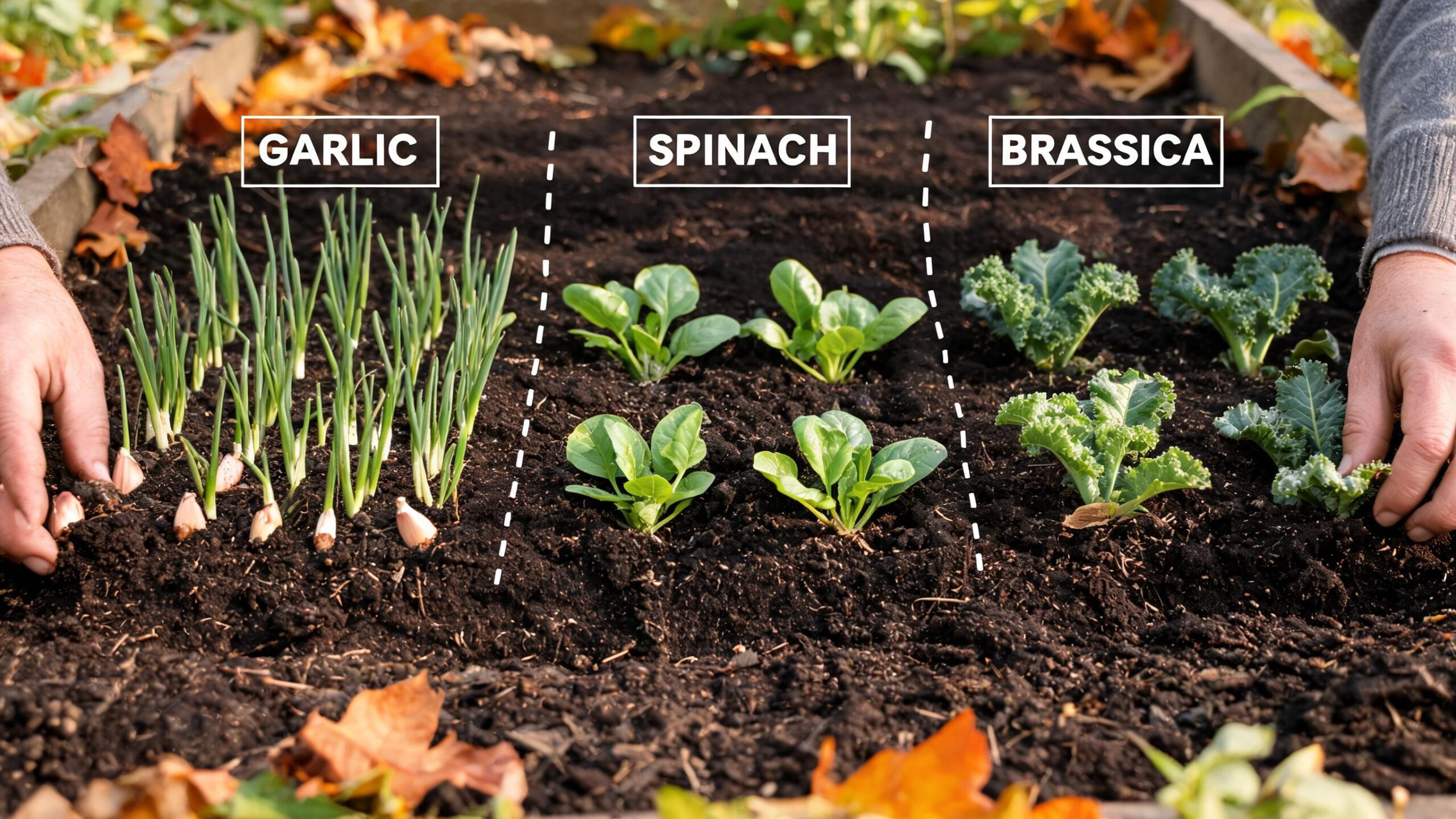
Sow or plant garlic, broad beans, spinach, leafy greens, onions
Keeps the garden productive
By region
Clean tools and pots
Disinfect, sharpen, and store gear properly
Reduces disease spread and extends tool life
Late autumn
Check drainage
Clear gutters, drains, saucers, and blocked channels
Prevents waterlogging in winter
Before heavy rain
Protect tender plants
Move pots, add mulch, use frost cloth where needed
Prevents cold damage
Late autumn
Know Your New Zealand Autumn Conditions First
Before starting your autumn garden cleanup checklist, consider your local climate. New Zealand gardeners often work in very different autumn conditions depending on region.
Cool regions
In colder inland and southern areas, frosts may arrive early and growth slows quickly. Prioritise harvesting tender crops, mulching root zones, and protecting frost-sensitive plants. Delay hard pruning on vulnerable shrubs until late winter.
Temperate regions
Many gardeners in temperate zones enjoy ideal autumn cleanup weather. Soil is still warm, rainfall increases gradually, and there is enough time for dividing plants, sowing greens, and improving beds before winter.
Warm regions
In northern and coastal gardens, autumn can remain productive for much longer. Tomatoes, basil, capsicum, and beans may continue for weeks, but disease pressure can remain high. Focus on hygiene, airflow, and succession planting for cool-season crops.
Step-by-Step Autumn Garden Cleanup Checklist
1. Remove Spent Summer Crops and Annual Flowers
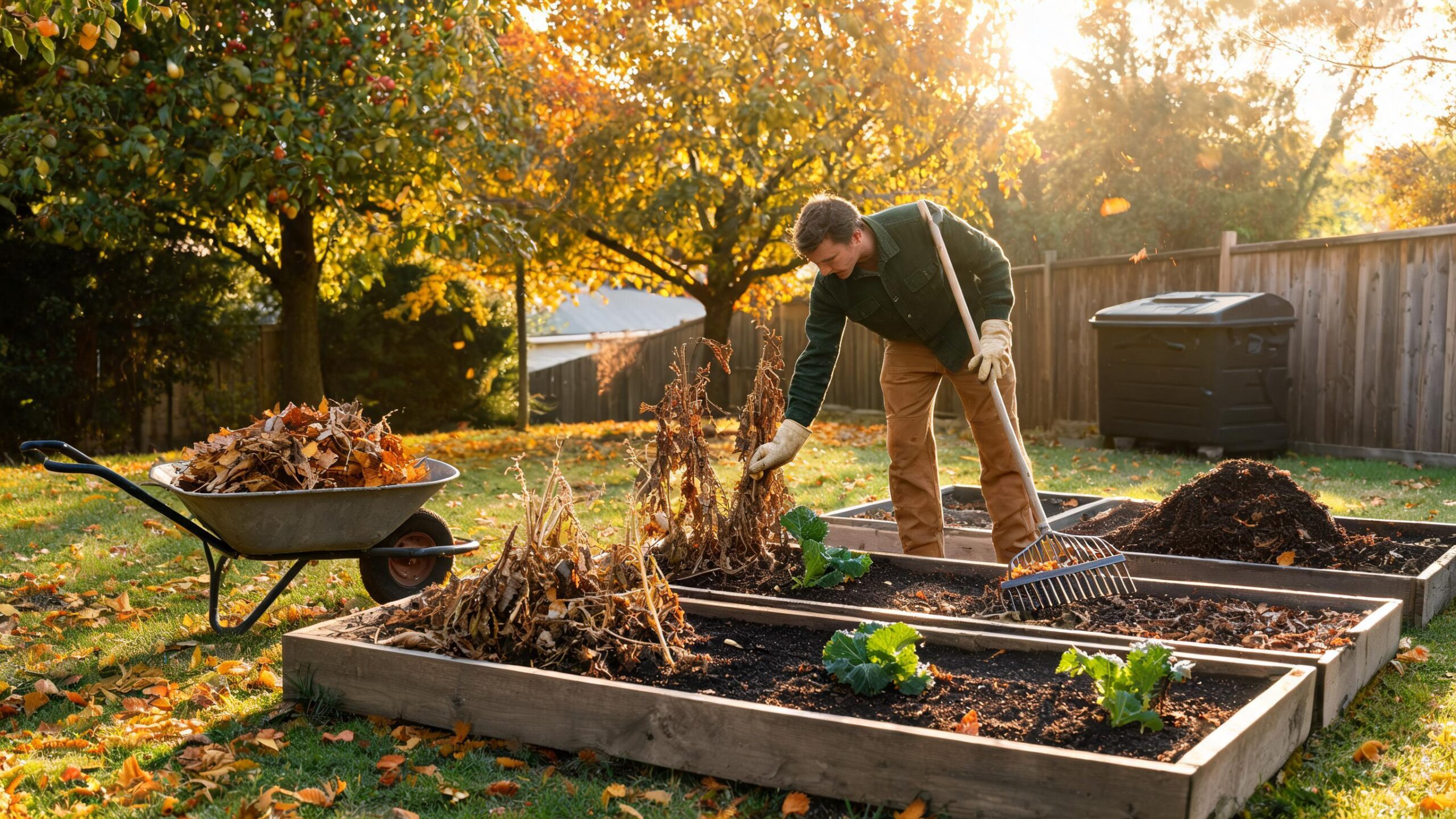
Start with the obvious. Pull out plants that are clearly finished, collapsing, or no longer producing. Old tomato vines, cucumber plants, courgettes, sweet corn stalks, and annual flowers that have gone to seed can all be removed.
Be selective. If a crop is still healthy and producing in a warm region, keep it going until temperatures truly drop. But remove anything showing signs of blight, mildew, stem rot, or insect infestation.
What to compost: healthy, disease-free plant material. What to bin: heavily diseased foliage, plants infested with persistent pests, and any material you suspect may spread infection.
2. Weed Every Bed Before Winter
Autumn weeding is one of the highest-value jobs in the garden. Cool-season weeds can establish rapidly once rain returns, and if they are left to root deeply through winter they become harder to remove later.
Hand-weed around perennials, use a hoe on open soil, and remove seed heads from persistent weeds before they spread. Pay attention to cracks in paths, edges of raised beds, under shrubs, and around compost areas.
After weeding, mulch exposed soil to slow regrowth. A quality mulch or compost layer is one of the simplest ways to reduce winter weed pressure.
3. Cut Back Only the Right Plants
Not every plant should be cut back in autumn. This is where many gardeners go wrong. Remove dead flower stalks, damaged stems, and collapsed foliage from herbaceous perennials, but avoid hard-pruning frost-tender or spring-flowering plants unless you know their pruning cycle.
Usually safe to tidy in autumn
Spent perennial flower stalks
Hostas after foliage collapses
Daylilies with yellowing leaves
Finished vegetable crops
Dead annuals
Usually best left for later
Hydrangeas in frost-prone areas
Roses needing structural pruning
Spring-flowering shrubs like azaleas and camellias
Frost-sensitive salvias and subtropicals
Plants with seed heads valuable for birds or winter structure
If in doubt, remove only what is dead, diseased, or obviously damaged.
4. Rake and Sort Fallen Leaves Properly
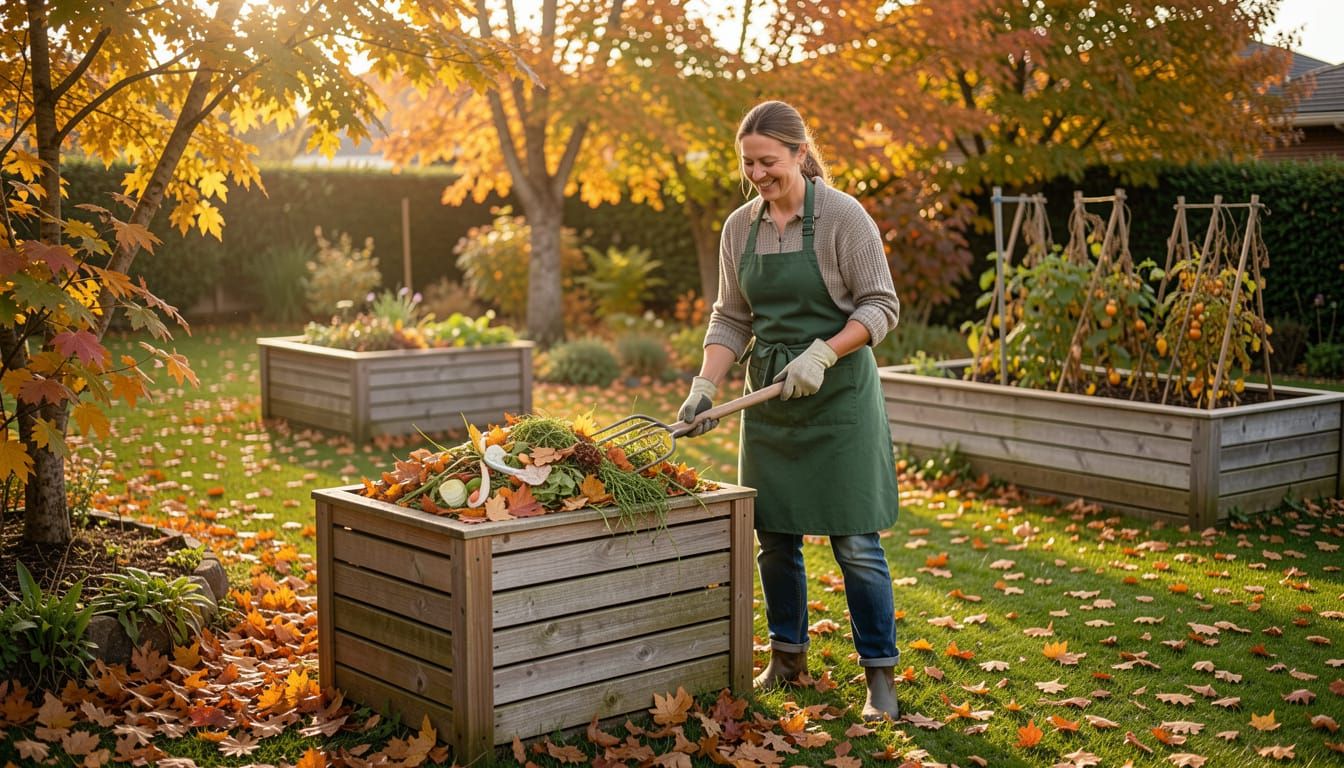
Leaves are not automatically waste. In fact, healthy deciduous leaves are a valuable garden resource. Collect them from lawns and paths, then decide where they should go.
Healthy leaves: compost them or store them to make leaf mould
Disease-affected leaves: dispose of them rather than composting at home
Leaves on garden beds: leave a light layer where appropriate as natural mulch, but avoid thick soggy mats that smother seedlings
Leaf mould is one of the best low-cost soil conditioners for improving moisture retention and soil structure. If you have deciduous trees, autumn is your chance to make a free soil amendment for next year.
5. Pick Up Fallen Fruit and Debris Around Fruit Trees
Rotting fruit left under trees invites fungal problems, codling moth carryover, wasps, and general mess. Gather windfalls regularly, especially under apples, pears, stone fruit, and citrus.
Also remove any mummified fruit still hanging in the tree canopy, as these can harbour disease spores. Clean around the drip line, then top-dress with compost and mulch, keeping material clear of the trunk.
6. Divide Overcrowded Perennials
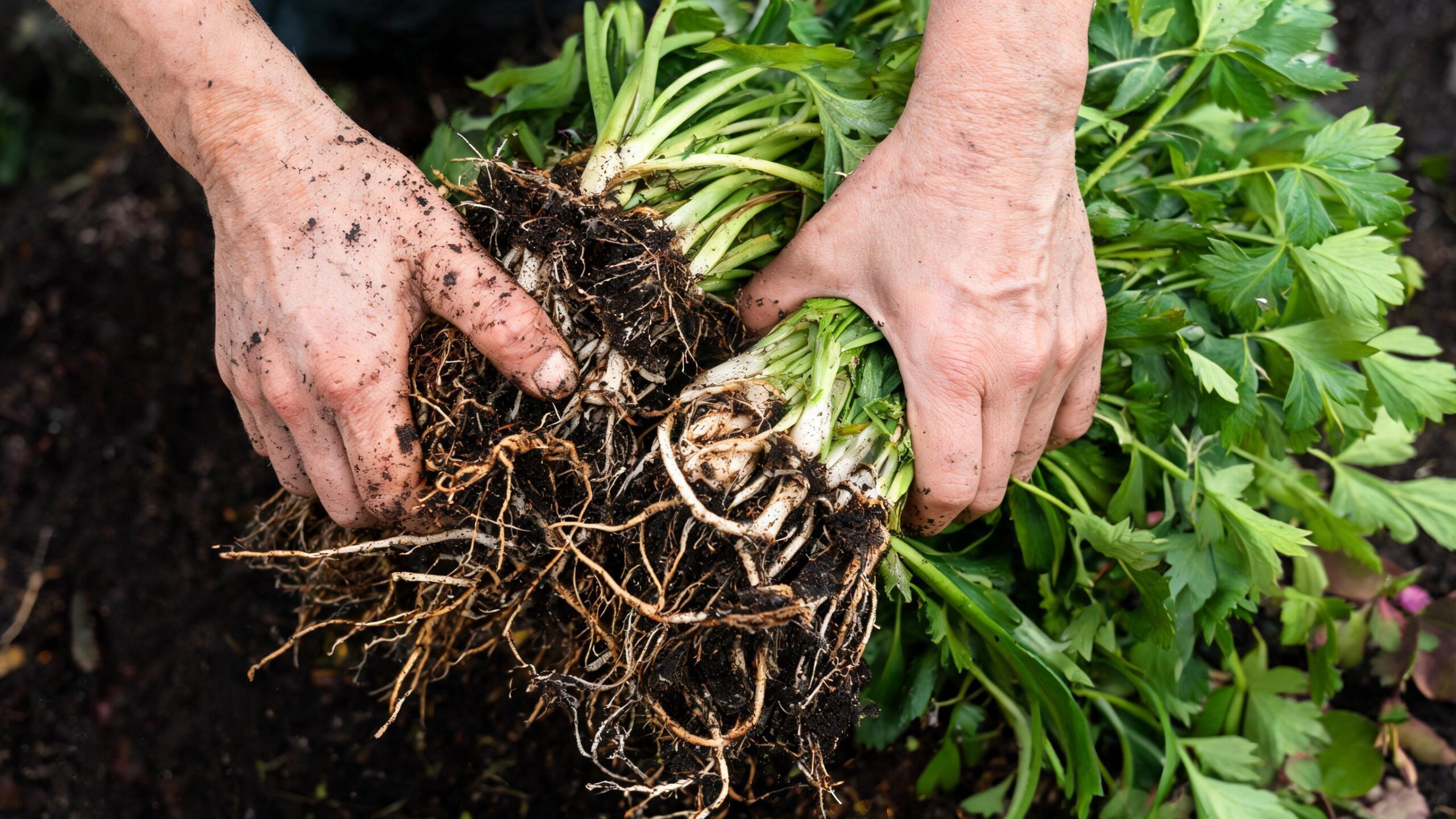
Early autumn is often ideal for dividing established clumps in many New Zealand gardens because the soil is still warm enough for roots to recover. Plants such as daylilies, hostas, agapanthus, irises, and some ornamental grasses may benefit from division when overcrowded.
How to divide perennials
Water the plant the day before if the soil is dry.
Lift the clump with a garden fork or spade.
Shake or wash off excess soil to expose the crown and roots.
Split into sections using hands, forks, or a clean knife/spade.
Replant healthy sections immediately at the same depth.
Water in well and mulch lightly.
Do not divide tender plants too late in cold regions, as they may not re-establish before winter.
7. Refresh the Soil Before Winter
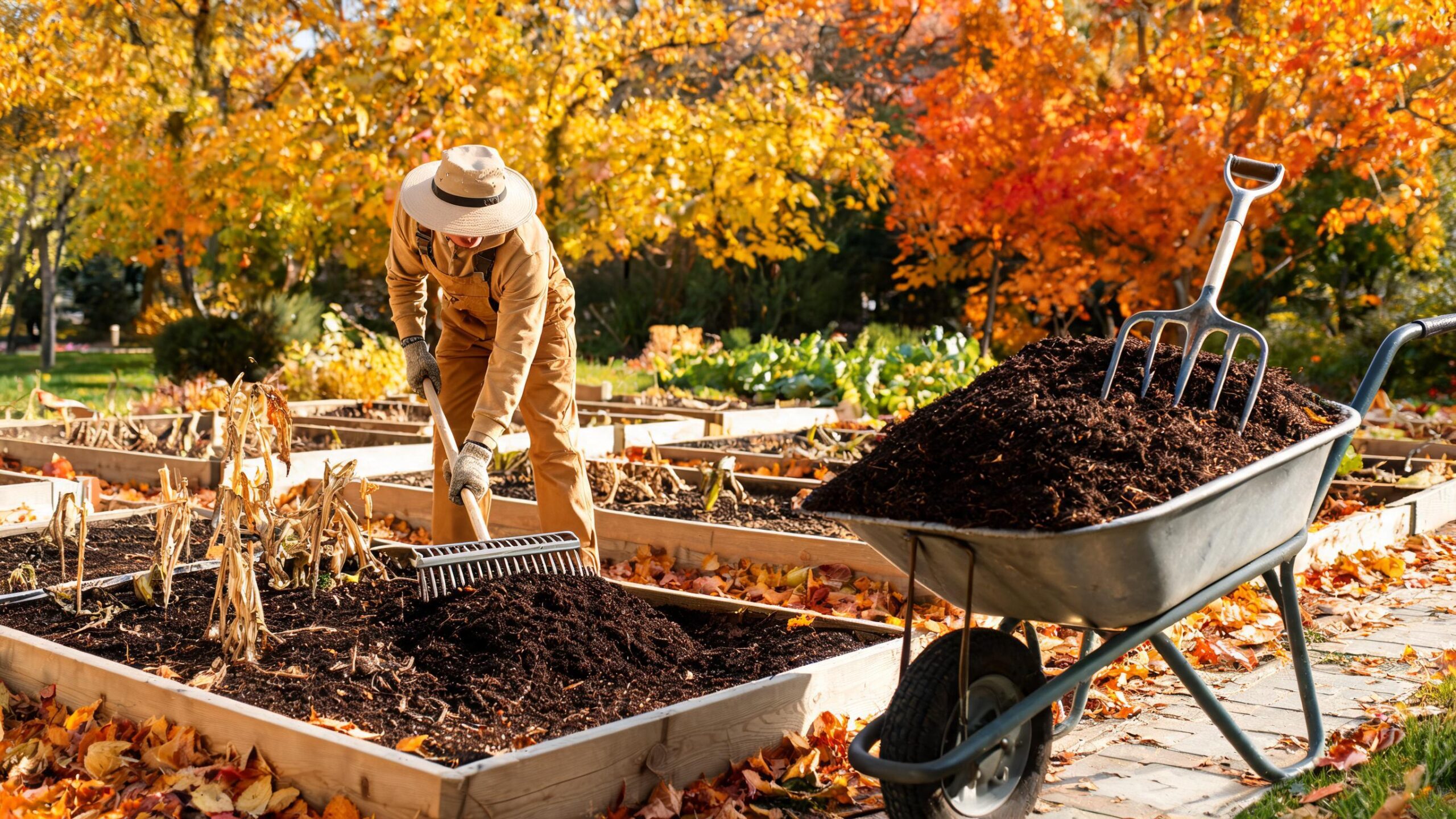
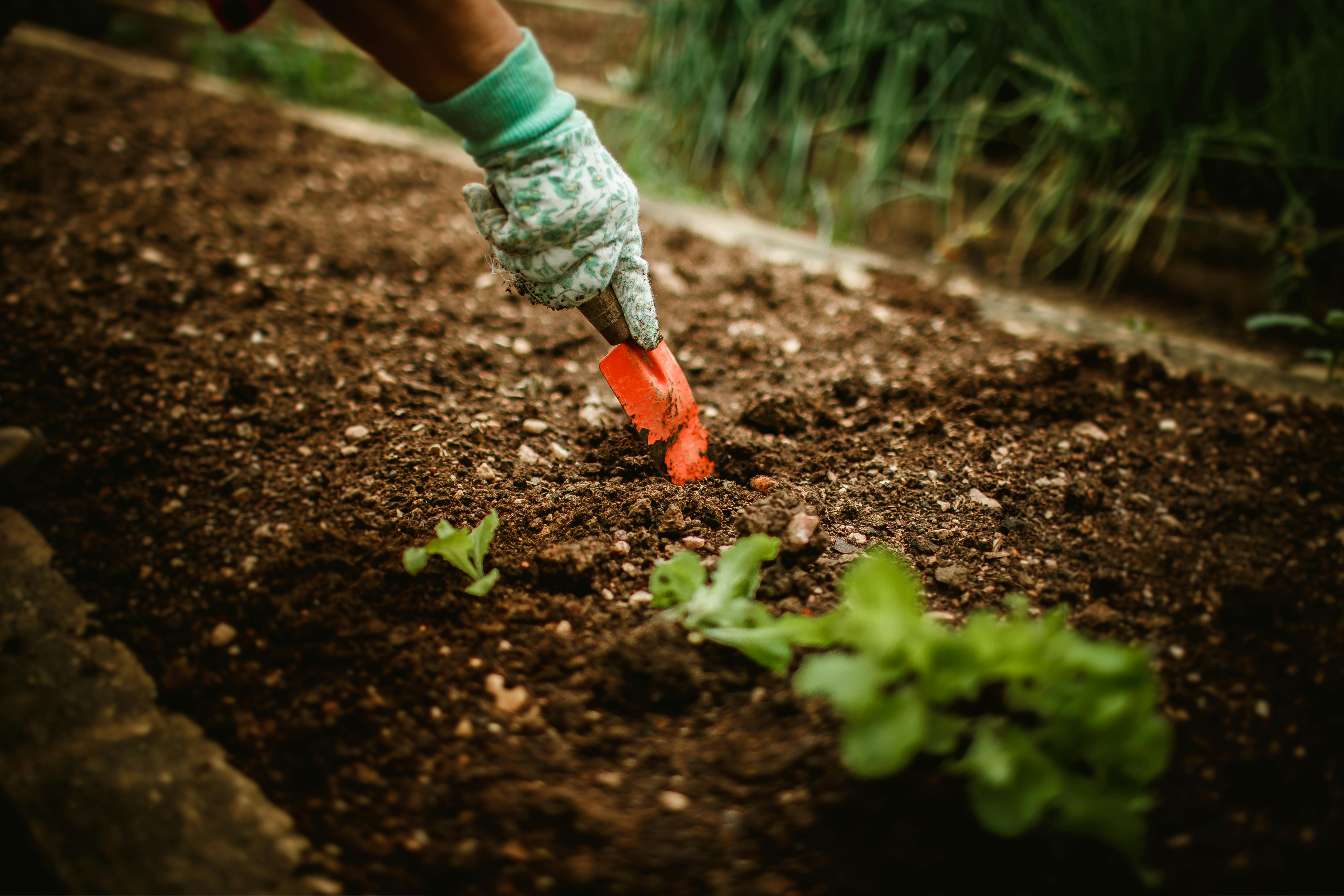
Autumn is one of the best times to feed your soil rather than your plants. Add compost, well-rotted manure, worm castings, or premium planting mix to empty beds so soil life can process these materials over winter.
For vegetable gardens, remove old crops, loosen compacted areas gently, and incorporate organic matter into the top layer. Avoid heavy digging when soil is wet, as this damages structure.
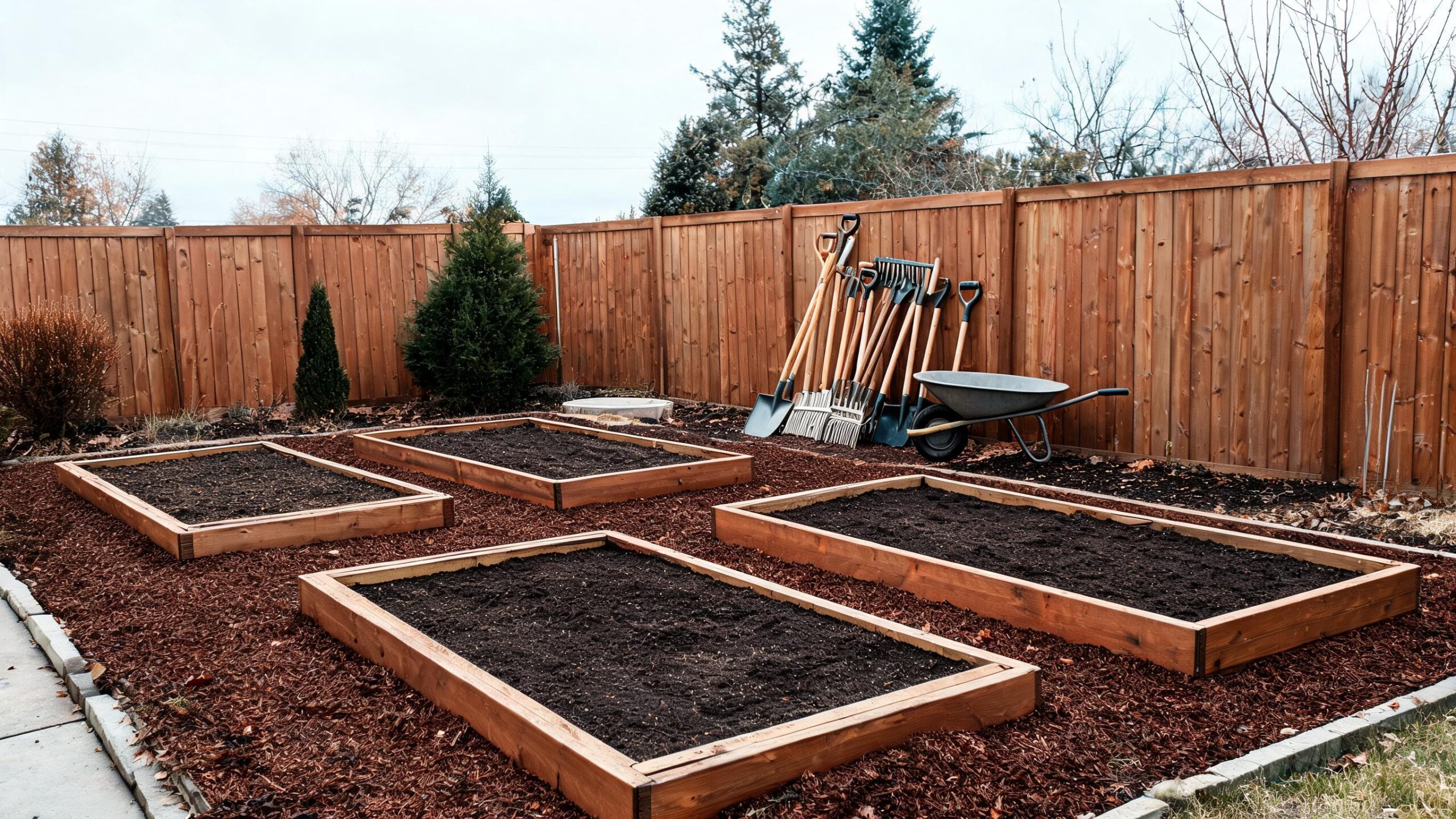
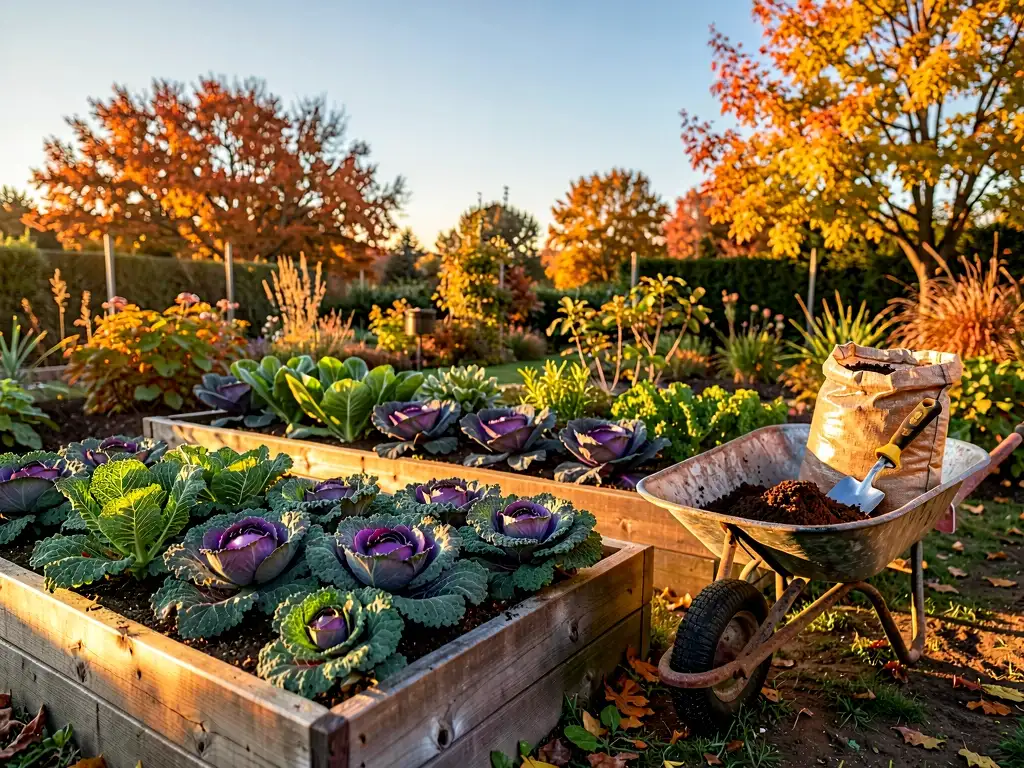
If you use raised beds, autumn is the ideal time to top them up with quality soil mixes and compost. This is especially useful after a heavy summer cropping season that has depleted bed volume and nutrients.
Ideal autumn soil jobs
Add 2-5 cm of compost to vegetable beds
Top-dress ornamental beds with compost or aged manure
Check pH if you plan to grow garlic, onions, brassicas, or peas
Sow green manure crops in unused areas
Add mulch after rain when soil is evenly moist
8. Mulch Everything That Needs Protection
Mulching is one of the smartest items on any autumn garden cleanup checklist. A good mulch layer protects roots, suppresses weeds, reduces mud splash, and softens the effect of heavy winter rain.
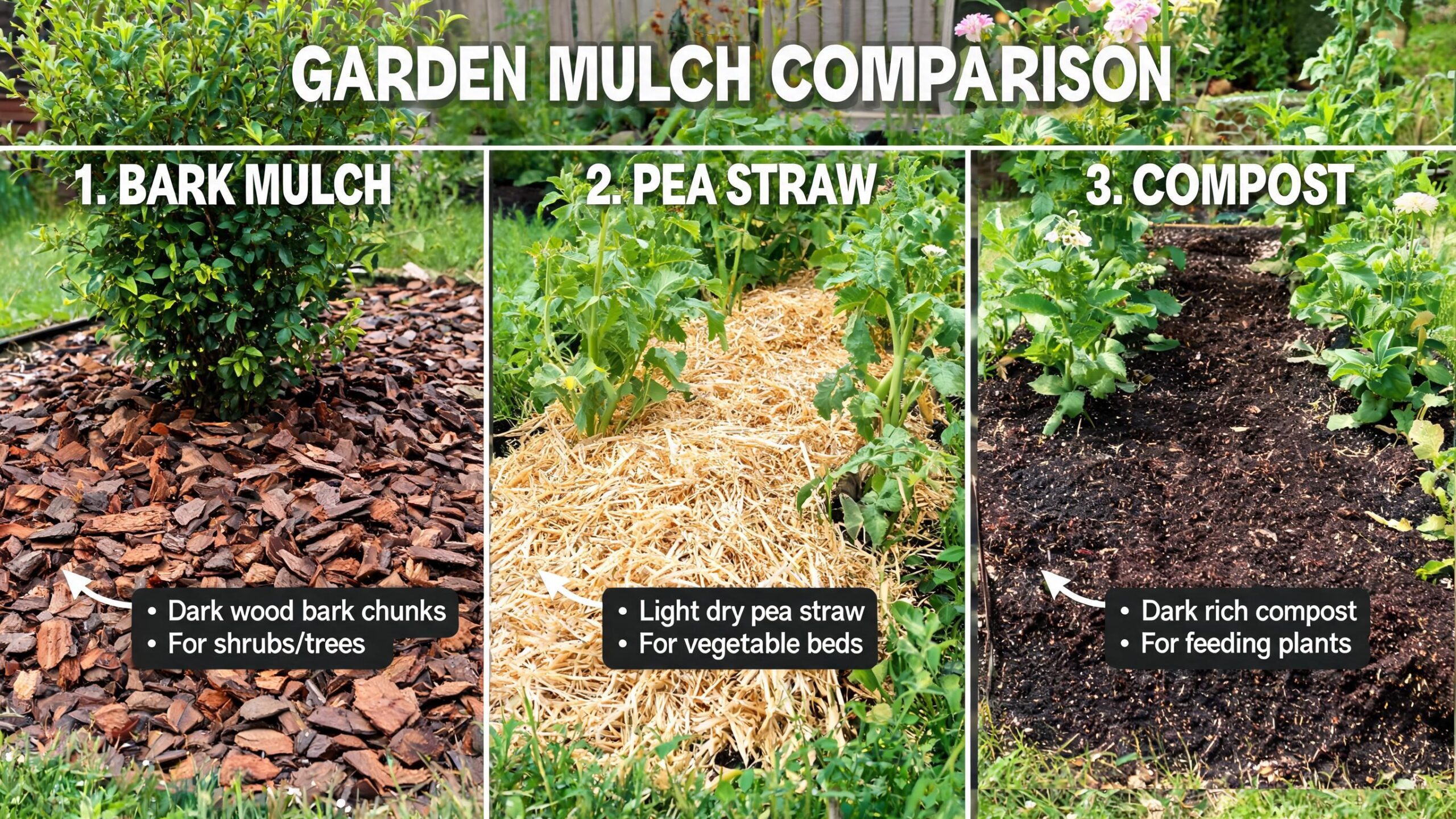
Suitable mulch options for New Zealand gardens include bark, wood chip, leaf mould, pea straw, untreated straw, compost, and fine mulch blends. Around vegetables, use lighter mulches that break down more quickly. Around trees and shrubs, longer-lasting bark or wood chip is useful.
Keep mulch a few centimetres away from stems, crowns, and trunks to prevent rot.
Area
Best Mulch Type
Suggested Depth
Notes
Vegetable beds
Compost, pea straw, fine straw
3-5 cm
Use lighter mulch around seedlings
Perennial borders
Compost, bark fines, leaf mould
5 cm
Improves moisture retention and weed control
Trees and shrubs
Bark, wood chip
5-8 cm
Keep clear of trunk flare
Potted plants
Fine bark or composted mulch
2-3 cm
Helps stabilise moisture in containers
9. Plant for Winter and Spring Harvests
Cleanup and planting should happen together. Once a bed is cleared, do not leave it bare if you can use it. Depending on your region, autumn is an excellent time to sow or plant broad beans, peas, spinach, rocket, silverbeet, coriander, onions, spring onions, garlic, and many brassicas.
This keeps the garden productive and reduces weed pressure. In ornamental beds, autumn is also ideal for planting many shrubs, perennials, and spring bulbs while the soil still holds warmth.
Empty pots and seed trays often hold old roots, algae, slug eggs, and disease spores. Wash them before winter storage or reuse. A scrub with water and a garden-safe disinfecting method can reduce future seedling problems.
Now is also the time to sharpen secateurs, oil wooden handles, clean shovels, coil hoses neatly, and check irrigation fittings. If you use grow lights for seedlings, test them before the spring rush. If you have a greenhouse, wash the glazing to maximise low winter light.
Good tools make spring work easier and help prevent plant damage from blunt cuts.
11. Check Drainage Before Winter Rain Arrives
Waterlogging causes major losses over winter, especially in compacted lawns, heavy clay borders, and containers with blocked drainage. During autumn cleanup, check how water moves through your garden and fix problems while the weather is still manageable.
Lift pots off solid ground with pot feet
Empty saucers under containers
Clear blocked drains and channels
Open compacted soil with gypsum only if appropriate for your soil type
Add compost to improve structure over time
Redirect downpipes or runoff away from vulnerable beds
Raised beds, free-draining soil mixes, and simple drainage improvements can save countless plants through a wet winter.
12. Protect Tender and Frost-Sensitive Plants
If your area gets frost, late autumn is the time to prepare protection rather than waiting until the coldest night. Move tender potted plants closer to walls or under cover, reduce feeding, and avoid waterlogging. Add mulch around root zones of subtropicals and use frost cloth when needed.
Plants commonly needing extra attention in cooler parts of New Zealand include basil, chillies, capsicum, hibiscus, bougainvillea, young citrus, some succulents, and tropical foliage plants.
In sheltered coastal gardens, these may survive with little intervention, but wet cold can still be more damaging than actual frost.
Autumn Garden Cleanup by Garden Area
Vegetable Garden
Remove finished summer crops
Harvest green tomatoes before frost risk
Compost healthy residues
Top-dress beds with compost
Mulch pathways and bare spaces
Plant winter greens and garlic
Install cloches or covers for tender late crops
Flower Beds and Borders
Deadhead and remove diseased foliage
Divide suitable perennials
Plant spring bulbs
Mulch to suppress winter weeds
Leave some seed heads for structure and wildlife where appropriate
Fruit Garden
Remove fallen and rotten fruit
Check ties and supports on young trees
Apply compost under the drip line
Refresh mulch without burying the trunk
Clean nets and harvest equipment before storage
Containers and Patio Plants
Remove exhausted annuals
Refresh tired potting mix on top or repot if rootbound
Check drainage holes
Move vulnerable pots into shelter
Reduce watering frequency as temperatures cool
Lawns
Rake leaves regularly
Stop mowing too short
Repair bare patches early in autumn where possible
Aerate compacted areas
Clear edges and keep pathways safe
What to Compost and What Not to Compost
A successful autumn cleanup depends on making good composting decisions. Composting too much infected material is a common source of carryover problems.
Material
Compost at Home?
Notes
Healthy leaves
Yes
Excellent for leaf mould or mixed compost
Healthy annual flowers
Yes
Chop up to speed breakdown
Spent vegetable plants with no disease
Yes
Best mixed with dry carbon materials
Seed-heavy weeds
No, unless hot composting
Can spread back into the garden
Powdery mildew or blight-affected plants
Usually no
Dispose of to avoid reinfection
Citrus with disease concerns
Caution
Only compost if clearly healthy
Prunings from woody shrubs
Yes
Chip or cut small for faster decomposition
Seasonal Timing Guide for New Zealand Gardeners
The exact timing of your autumn garden cleanup checklist depends on your local temperatures and first frost risk.
Region Type
Autumn Priorities
Best Cleanup Window
Planting Opportunities
Warm northern/coastal
Remove diseased summer growth, control weeds, succession plant cool crops
March to May
Leafy greens, brassicas, herbs, garlic later in autumn
Temperate central regions
General cleanup, mulching, dividing, bulb planting
March to April
Garlic, broad beans, onions, spinach, sweet peas
Cool southern/inland
Protect tender plants, harvest before frost, improve drainage
Early to mid-autumn
Garlic, broad beans, some brassicas, spring bulbs
Common Autumn Garden Problems You Can Prevent Now
Pest carryover
Snails, slugs, aphids, whitefly, and caterpillar eggs can linger in messy beds and weedy corners. Cleanup reduces hiding places and makes monitoring easier.
Fungal disease spread
Black spot, powdery mildew, blight, and leaf spot often persist in debris and infected foliage. Remove and dispose of affected material rather than leaving it under plants.
Soil erosion and nutrient loss
Bare soil is vulnerable during heavy rain. Compost, mulch, and cover crops help hold structure and retain nutrients over winter.
Waterlogging
Clogged drainage, compacted soil, and overflowing saucers can quickly damage roots. Prevention is far easier than rescue once winter rain sets in.
Beginner Mistakes to Avoid During Autumn Garden Cleanup
Cutting everything back at once
Some plants need their top growth for winter protection or flower on old wood. Over-pruning in autumn can reduce spring performance.
Leaving diseased material on beds
A tidy-looking bed can still be carrying disease if infected leaves and fruit remain in place. Always prioritise hygiene over appearances.
Ignoring weeds until spring
Winter weeds establish quickly and can be far harder to deal with later. A few hours of weeding now saves weeks of frustration later.
Leaving soil bare
Empty beds are an invitation to weeds, erosion, and nutrient leaching. Replant, mulch, or sow green manure wherever possible.
Overwatering as growth slows
Plants use less water in autumn. Containers and indoor plants in particular can stay too wet if watering habits are not adjusted.
Using fresh manure too close to planting time
Fresh manure can burn roots and upset nutrient balance. Use well-rotted manure or composted organic matter instead.
Recommended Supplies for an Easier Autumn Cleanup
You do not need a large toolkit, but a few good supplies make the work faster and more effective.
Sharp secateurs and loppers
A sturdy garden fork
Compost bin or compost tumbler
Leaf rake
Quality compost or soil mixes
Organic mulch such as bark, pea straw, or leaf mould
Wheelbarrow or garden cart
Frost cloth for cold regions
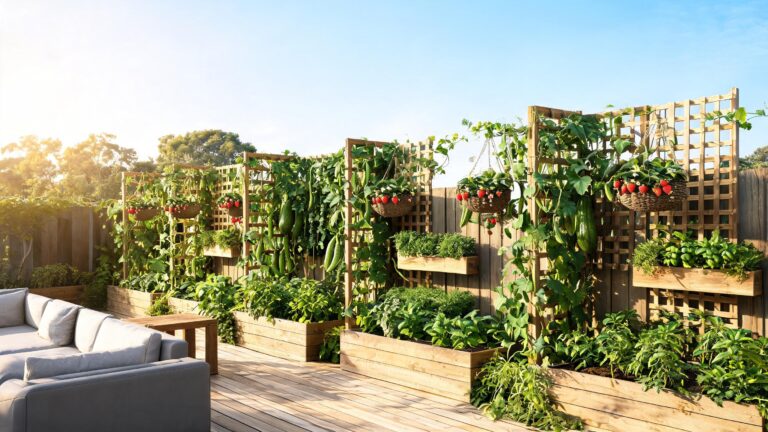
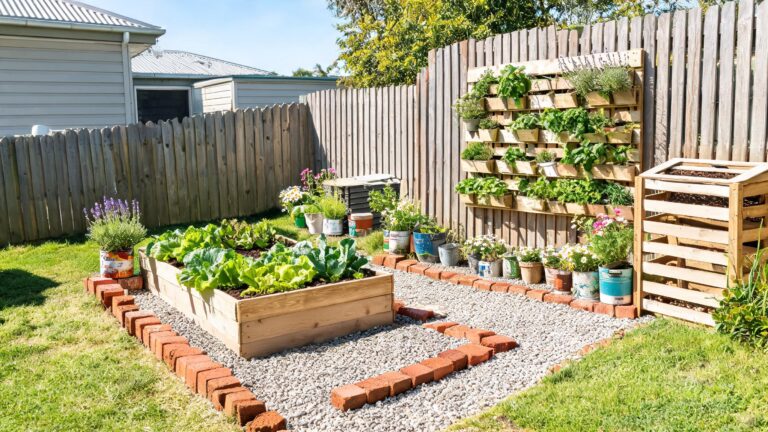
Raised beds for wet or poorly drained sites
Drip irrigation or soaker hoses for efficient watering management
If you are planning upgrades, autumn is a smart time to install raised beds, improve irrigation, or refresh old potting media before spring demand arrives.
A Practical Weekend Autumn Garden Cleanup Plan
Day 1: Clear and assess
Walk the garden and note problem areas.
Remove spent crops and dead annuals.
Collect fallen fruit and diseased debris.
Weed all major beds.
Sort materials into compost, mulch, or disposal piles.
Day 2: Improve and replant
Add compost to cleared beds.
Divide suitable perennials.
Mulch around trees, shrubs, and beds.
Plant winter vegetables or spring bulbs.
Clean tools, pots, and trays before storage.
This kind of staged approach keeps the job realistic, especially for home gardeners working around weather and family commitments.
Internal Garden Planning Opportunities for Autumn
Autumn cleanup is also the perfect time to reflect on what worked and what did not. As you clear beds, think ahead.
Which crops produced well in your climate?
Where did pests become persistent?
Which beds stayed too wet?
Where would raised beds or improved edging help?
Do you need more composting space?
Would drip irrigation make summer easier next year?
Taking notes now can transform next season’s results.
FAQ
When should I start my autumn garden cleanup in New Zealand?
Start as soon as summer crops decline and temperatures begin to cool, usually from March onward depending on your region. In warm areas, cleanup may be gradual through late autumn. In colder areas, begin earlier so you can harvest tender crops and protect vulnerable plants before frost arrives.
Should I cut all perennials back in autumn?
No. Some perennials can be tidied once foliage dies back, but others benefit from being left until late winter or early spring. Avoid cutting frost-tender plants too early, and be cautious with shrubs that flower on old wood. Remove only dead, diseased, or badly damaged growth if unsure.
What should I do with autumn leaves in the garden?
Healthy leaves are valuable and should usually be composted or turned into leaf mould. You can also use a light layer as mulch in some areas. Do not leave thick wet mats on lawns or over small plants, and dispose of leaves that show clear signs of fungal disease.
Is autumn a good time to mulch garden beds?
Yes, autumn is one of the best times to mulch. Mulch protects soil from heavy rain, reduces winter weeds, and helps moderate soil temperature. Apply it after weeding and ideally after adding compost. Keep it slightly away from stems and trunks to reduce the risk of rot.
Can I plant vegetables after doing an autumn garden cleanup?
Absolutely. In many New Zealand gardens, autumn is a productive planting season. After clearing and improving the soil, you can plant garlic, broad beans, silverbeet, spinach, onions, and cool-season brassicas. The exact list depends on your local climate and frost risk.
What garden waste should not go into home compost?
Avoid adding heavily diseased plants, blight-infected tomatoes or potatoes, and weeds loaded with seed unless you run a reliably hot compost system. These materials can survive the composting process and cause problems later. Healthy stems, leaves, and non-invasive trimmings are usually fine.
Do I need to fertilise in autumn?
Autumn is better for soil improvement than heavy feeding. Instead of strong nitrogen fertilisers, use compost, well-rotted manure, or balanced organic inputs that support soil biology. Some winter vegetables may still benefit from gentle feeding, but most gardens respond best to slow, steady soil-building in autumn.
How do I protect potted plants during autumn and winter?
Move tender pots to sheltered spots, check drainage holes, reduce watering, and add a light mulch to the pot surface if needed. Avoid letting pots sit in water. In frosty regions, place sensitive plants near warm walls, under eaves, or cover them with frost cloth during cold snaps.
Conclusion
A practical autumn garden cleanup checklist helps you do more than tidy up. It helps you reset the whole garden for winter resilience and spring success. By removing spent plants, managing disease risk, feeding the soil, mulching well, and replanting with the season in mind, New Zealand gardeners can turn autumn into one of the most productive and rewarding times of the year.
Take your autumn garden cleanup checklist one section at a time. You do not need to finish everything in a single day. Start with the jobs that protect plant health and soil, then build momentum from there. A little smart work now will reward you with fewer problems in winter and a far stronger garden when spring returns.
We use cookies to improve your experience, analyze traffic, and display personalized ads.
By clicking "Accept", you consent to the use of cookies in accordance with our Privacy Policy.