Winter Garden Pests: How to Identify, Prevent, and Control Cold-Season Invaders
Winter does not stop pest pressure in the garden. In New Zealand, cold, damp conditions often slow some insects down, but they also favour slugs, snails, aphids in sheltered spots, scale insects on woody plants, and a range of overwintering eggs that survive quietly until spring. If you want healthier winter vegetables, cleaner ornamentals, and fewer pest explosions later, winter is the season to act early.
Gardeners often assume pest control can wait until spring, but that is a mistake. Winter is one of the best times to improve garden hygiene, expose hidden pest shelters, and use low-impact control methods before populations build. A few practical jobs now can save a great deal of damage once temperatures begin to rise.
Winter garden pests are insects, molluscs, and other plant-damaging organisms that stay active in cold weather or survive winter by hiding in bark, mulch, weeds, fallen leaves, greenhouse corners, and soil. The most common winter garden pests in home gardens include slugs, snails, aphids, whitefly in protected areas, scale insects, caterpillars in some regions, and overwintering eggs or juveniles on dormant plants.
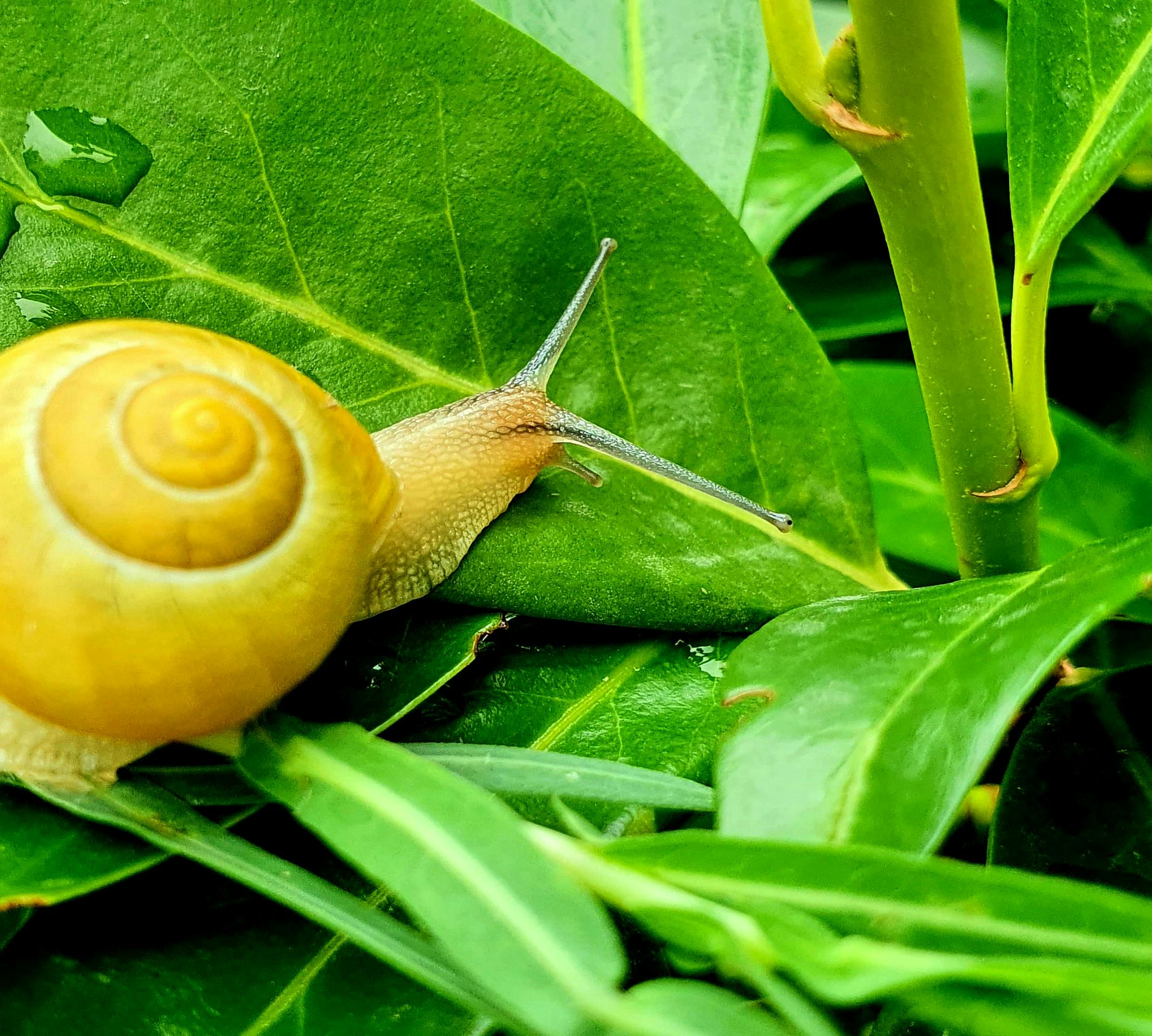
>Slugs and snails are often the biggest winter problem in damp beds and around seedlings.
>Aphids and whitefly can remain active on sheltered crops, greenhouse plants, and soft new growth.
>Scale insects and overwintering eggs hide on stems, bark, and leaf undersides.
>Good hygiene, regular inspection, and timely winter sprays reduce spring outbreaks.
>Healthy, well-fed plants usually cope with pest pressure better than stressed plants.
Why winter garden pests matter
Winter pest damage can be subtle at first. Instead of dramatic leaf loss, you may see ragged seedling leaves, sticky honeydew, weak growth, yellowing foliage, or plants that simply stall and never establish properly. Those quiet symptoms matter because winter crops grow more slowly, so they recover more slowly too.
There is another reason to stay alert: many pests use winter as a survival window. They hide in debris, bark crevices, dense weeds, and old mulch layers, then emerge or hatch when spring warmth returns. Breaking that cycle is one of the smartest jobs a gardener can do during the colder months.
Most common winter garden pests
Slugs and snails
These are usually the first pests gardeners notice in winter. Cool, damp weather is ideal for them, and they feed heavily on brassica seedlings, lettuce, spinach, silverbeet, and tender flower seedlings. If you see shredded leaf edges, holes overnight, or slime trails on soil and paving, slugs or snails are likely responsible.
They hide during the day under boards, stones, dense mulch, pots, cloches, and low foliage. Night checks with a torch are one of the fastest ways to confirm activity. Gardeners often notice the worst damage after rain or after a run of mild, humid nights.
Aphids
Aphids do not disappear completely in winter, especially in milder districts, coastal gardens, sheltered courtyards, and greenhouses. They cluster on soft stems and leaf undersides, sucking sap and weakening plants. On winter vegetables they often attack brassicas, broad beans, leafy greens, and young transplants.
You may also notice curled foliage, sticky residue, or black sooty mould growing on honeydew. Aphids breed quickly when plants are soft and sappy, so overfeeding with nitrogen can make the problem worse even in cool weather.
Whitefly
Whitefly is less aggressive in cold exposed beds, but it can persist through winter on sheltered edibles, glasshouse crops, and ornamental plants. Disturb a plant and the adults lift in a tiny white cloud. Like aphids, they feed by sucking sap and are usually found on the undersides of leaves.
Whitefly is especially troublesome where airflow is poor and weeds are allowed to remain around greenhouse edges or protected growing spaces. Once established, it can linger far longer than many gardeners expect.
Scale insects
Scale insects are easy to miss because they look like bumps rather than active pests. They attach to stems and leaves, feed on sap, and slowly weaken shrubs, citrus, ornamentals, and some indoor or conservatory plants. Heavy infestations can reduce vigour and encourage sooty mould on honeydew deposits.
Winter is a useful time to spot them because leaf drop and slower growth make stems easier to inspect. On dormant or semi-dormant plants, targeted clean-up treatments are often more effective and less disruptive than emergency spraying during active spring growth.
Caterpillars and other chewing pests
Depending on region and crop type, some caterpillars remain active into winter, especially in mild areas. They can skeletonise brassica leaves, chew holes through leafy crops, and contaminate produce. Lawn caterpillars may also remain active through autumn and winter in some conditions, particularly where turf is dense and thatch is present.
Because winter days are shorter and feeding often happens at dusk or night, these pests are easy to overlook until damage becomes obvious. A torch inspection after dark often reveals far more than a daytime check.
Overwintering eggs and hidden juveniles
Not every winter garden pest is feeding actively. Many survive as eggs, pupae, or immature forms tucked into bark crevices, pruning scars, old stems, leaf litter, compost edges, or weed growth. Thrips, mites, scale, and several other pests can persist in this way.
This matters because a tidy, well-managed winter garden gives pests fewer safe places to survive. Many spring infestations are really the result of winter neglect rather than sudden new arrivals.
Signs you have winter garden pests
Winter pest problems are easier to manage when you catch them early. Look for small but repeated symptoms rather than waiting for dramatic damage.
>Ragged holes in leaves, especially on seedlings and leafy vegetables.
>Slime trails on paving, pots, or soil in the morning.
>Clusters of tiny insects on shoot tips or under leaves.
>Leaves that curl, yellow, or become sticky.
>Tiny white insects flying when foliage is disturbed.
>Brown, grey, or cream shell-like bumps on stems and leaves.
>Chewed seedlings that seem to vanish almost overnight.
>Weak plants near weeds, debris piles, or sheltered corners.
Where winter garden pests hide
If you know where pests shelter, control becomes much easier. Winter garden pests prefer protection from frost, wind, and predators, so they gather in places that stay damp, still, and undisturbed. That includes long grass, weed patches, leaf piles, old crop residue, stacked pots, timber edging, thick mulch, greenhouse frames, and the rough bark of fruit trees.
One of the most overlooked hiding places is the area right around the crop itself. Lower leaves touching wet soil, crowded plantings, and unthinned seedlings create a humid pocket where pests can feed and hide at the same time. Simply opening up airflow can noticeably reduce pressure.
How to prevent winter garden pests
1. Keep the garden clean
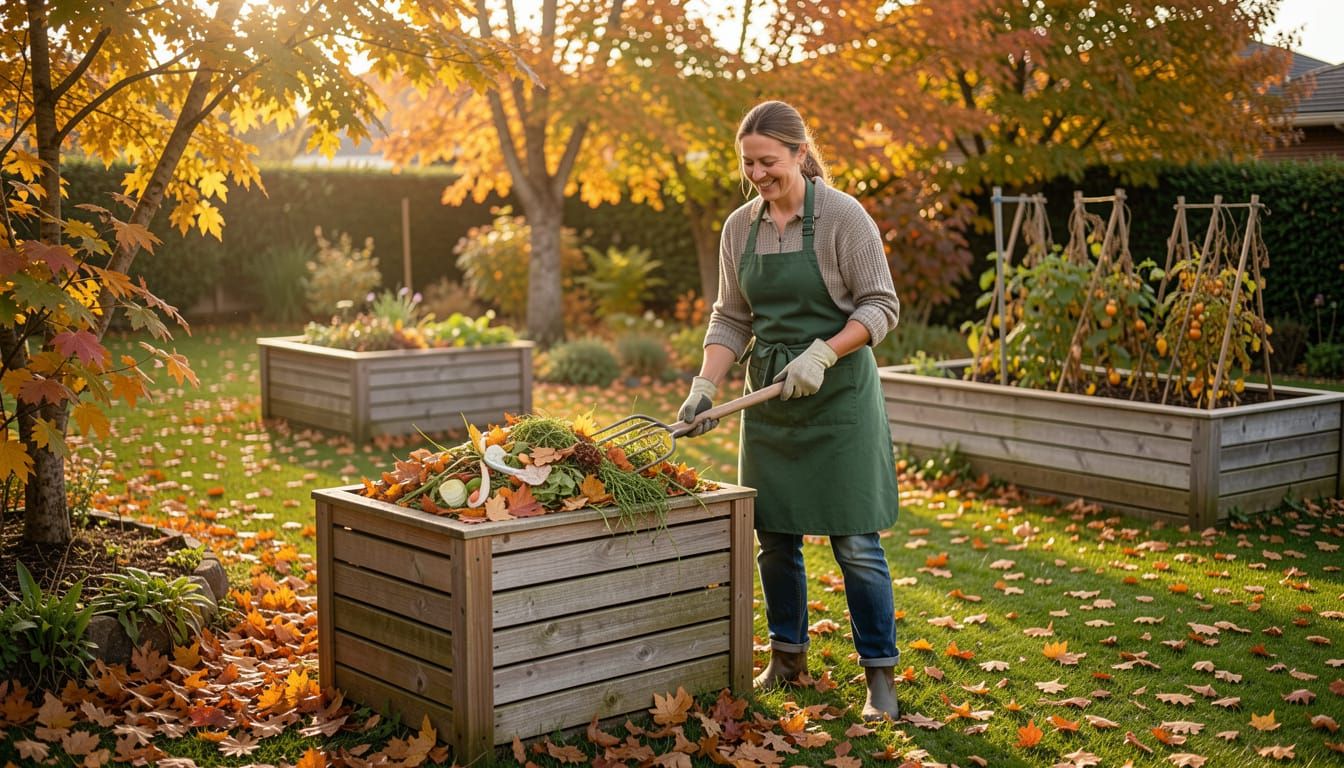
Winter hygiene is the foundation of good pest management. Remove dead annuals, spent vegetable crops, heavily infested leaves, fallen fruit, and diseased prunings. Pull weeds before they become shelter and alternate host plants for aphids, whitefly, and other pests.
Only add healthy material to compost. Diseased or badly infested debris is better removed from the garden system unless you run a hot compost process that reliably kills pathogens and pests.
2. Improve airflow and spacing
Crowded winter plantings hold moisture, shade lower leaves, and give pests safe cover. Thin seedlings promptly, space transplants correctly, and trim back excess growth around paths and bed edges. Better air movement makes plants less attractive to many sap-sucking pests and makes slug patrols easier too.
3. Avoid overwatering
Many winter crops need less water than gardeners think. Constantly wet soil encourages slug and snail activity and can stress roots, leaving plants more vulnerable to attack. Water in the morning where possible so foliage and surface soil dry before nightfall.
4. Feed for steady growth, not soft growth
Plants underfed in winter become weak, but overfed plants can produce lush, tender growth that attracts aphids and other sap feeders. Use a balanced feeding program suited to vegetables or ornamentals rather than pushing rapid soft growth. Gardeners often notice fewer pest problems where plants are growing steadily instead of erratically.
5. Use mulch wisely
Mulch is useful in winter because it helps regulate soil temperature, reduce weed growth, and limit splashing from rain. But if mulch is too thick and pressed hard against stems, it can create a perfect day shelter for slugs, snails, and earwigs. Keep mulch a little back from stems and inspect underneath from time to time.
Best winter garden pest control methods
Hand removal
It sounds simple because it is simple. Hand-picking slugs, snails, caterpillars, and heavily infested leaves works well in winter when pest populations are still manageable. Evening patrols with a torch are especially effective after rain.
Water sprays
A strong jet or fine high-pressure mist can knock aphids and whitefly off leaves. This is useful on sturdy plants and edible crops where you want a low-residue option. Focus on the leaf undersides, and repeat regularly because one treatment is rarely enough.
Horticultural oils and winter clean-up sprays
On dormant fruit trees, woody ornamentals, and plants carrying scale or overwintering pests, winter oils can be highly effective. They work by coating and smothering exposed pests, eggs, and juveniles. Apply only according to the product label and avoid spraying when frost is imminent or when plants are drought-stressed.
Lime sulphur and similar winter clean-up sprays are also used on some dormant trees to help reduce pest and disease carryover. Timing matters. These products are generally most useful during true dormancy or before buds break.
Traps and baits
Beer traps can reduce local snail and slug pressure, although they work best as part of a broader strategy rather than a standalone fix. Pet- and wildlife-conscious gardeners often prefer iron-based slug and snail baits, placed carefully and according to label instructions.
Sticky traps
Yellow sticky traps are useful in greenhouses and sheltered growing spaces to monitor whitefly and other flying pests. They will not solve a heavy infestation on their own, but they help you detect activity early and reduce adult numbers.
Biological and ecological control
Natural predators are important in winter too. Birds, ladybirds, lacewings, spiders, parasitic wasps, frogs, and lizards can all contribute to pest suppression depending on your garden conditions. A diverse, chemical-light garden usually supports these helpers better than a garden treated with repeated broad-spectrum sprays.
Winter garden pests on vegetables
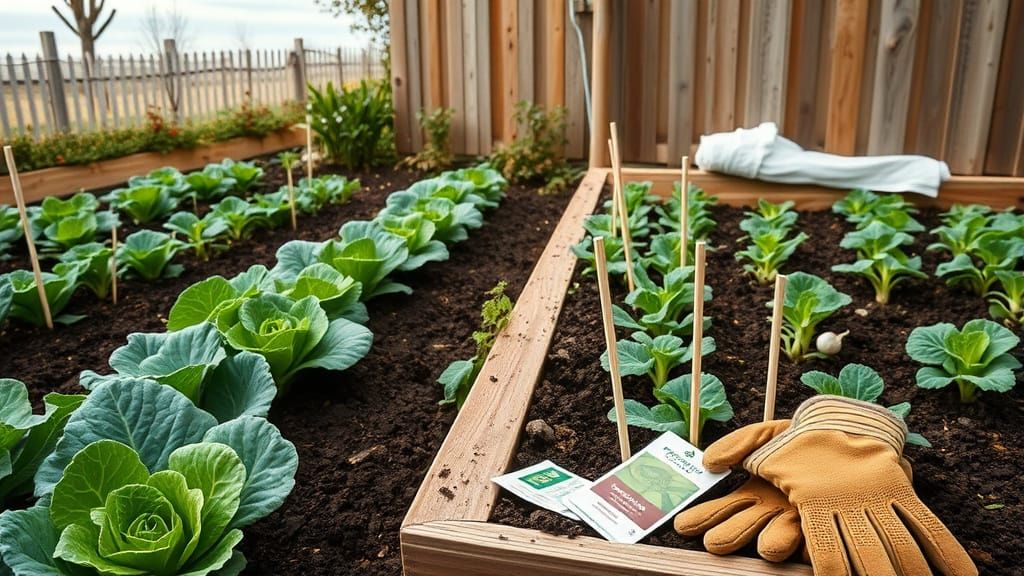
Winter vegetables often face the heaviest pest pressure because they include exactly the sort of soft foliage pests enjoy. Brassicas attract aphids and caterpillars. Lettuce, spinach, rocket, and Asian greens are magnets for slugs and snails. Broad beans can host aphids on new tips even in cool conditions.
Use netting where appropriate, keep weeds down around edible beds, and inspect seedlings every few days. In winter, small damage spreads quickly because plant growth is slow and replacement planting windows can be narrower.
Winter garden pests on fruit trees and shrubs
Dormant fruit trees may look inactive, but winter is a key inspection season. Check bark crevices, pruning cuts, branch junctions, and old spur wood for scale, egg clusters, and signs of pest carryover. Winter oils and clean-up sprays are often most effective when applied before spring growth starts.
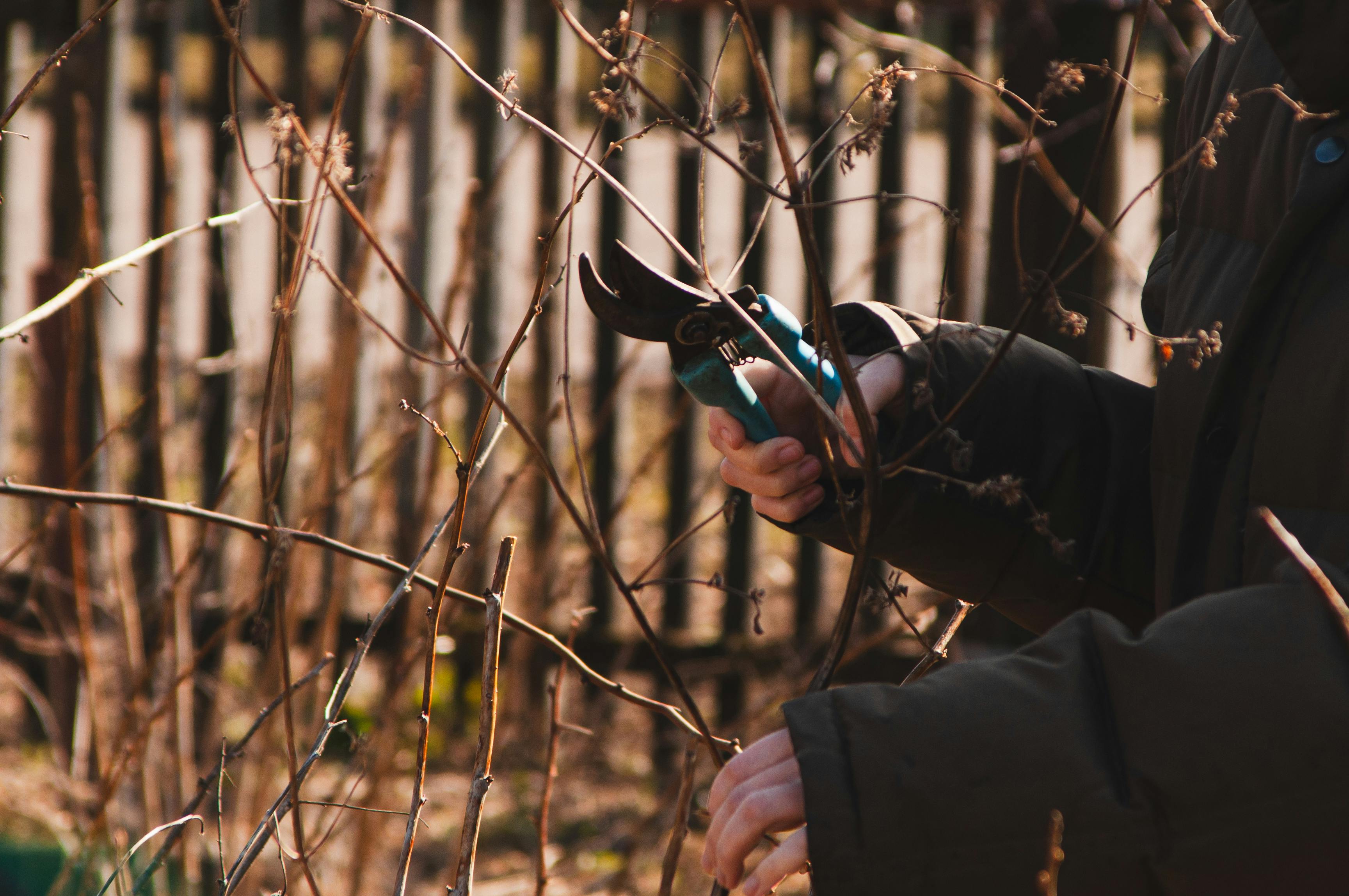
Pruning also plays a role here. Removing congested, dead, or rubbing growth improves light and airflow and makes it harder for pests to remain hidden. Clean up prunings promptly rather than leaving them in piles nearby.
Winter garden pests in greenhouses and sheltered spaces
Greenhouses, conservatories, tunnels, and covered patios can harbour pests all winter because they buffer plants from frost and wind. Whitefly, aphids, scale, fungus gnats, and mites are much more likely to persist in these protected environments. The conditions that help plants survive winter can also help pests survive it.
Ventilation is critical. Open up on suitable days, avoid crowding plants, clean benches and corners, remove yellowing leaves, and quarantine any new plant before bringing it into the space. Even one infested potted plant can restart a problem you thought had gone.
Seasonal timing for control
The best winter pest control is timed to weather and plant stage rather than the calendar alone. In cool climates, pest activity often slows sharply during hard frosts, but sheltered beds and coastal gardens can still remain active. In temperate and warm winter areas, inspection should stay regular right through the season.
>Cool climates: Focus on hygiene, slug control, debris removal, and dormant-tree sprays during suitable frost-free windows.
>Temperate climates: Continue checking brassicas, leafy greens, and protected crops for aphids, whitefly, and chewing pests.
>Warm winter areas: Expect more ongoing activity, especially in greenhouse crops and dense ornamental plantings.
As a practical guide, inspect weekly in exposed beds and every few days in glasshouses or sheltered edible patches. After rain, mild spells, or several cloudy humid days, expect slug, snail, and sap-sucking pest activity to increase.
Climate-specific advice
Cool regions
Where winter nights are cold and frost is frequent, slugs and snails are often the main issue in vegetable beds, along with pests hiding rather than feeding actively. Use the season to strip out shelter, tidy borders, and treat dormant fruit trees on calm frost-free days.
Temperate regions
In moderate winter climates, you may see a mix of active and overwintering pests. Aphids on brassicas, whitefly in protected corners, and slugs after rain are all common. Do not rely on cold alone to solve the problem.
Warm winter regions
In milder districts, winter garden pests may behave more like a slowed-down autumn population than a fully dormant one. Regular scouting, spacing, and light but consistent intervention matter most here, especially for edibles and covered crops.
Common mistakes gardeners make
>Assuming cold weather eliminates all pests.
>Leaving fallen leaves, weeds, and old crop residue in place.
>Using mulch so heavily that it becomes a slug shelter.
>Overwatering winter beds and keeping surface conditions constantly wet.
>Feeding with too much nitrogen and encouraging soft growth.
>Ignoring the undersides of leaves during inspections.
>Bringing infested pots into greenhouses or porches without checking them.
>Waiting until spring to deal with overwintering pests.
Practical winter pest routine
If you want a simple system, use this one each week through winter:
>Inspect leaf undersides, stems, and soil surface around each crop.
>Check after dark for slugs, snails, and caterpillars.
>Remove weeds, fallen leaves, and damaged foliage.
>Wash off aphids or whitefly where practical.
>Refresh traps or baits as needed.
>Review airflow, spacing, and watering habits.
>Inspect dormant fruit trees for hidden scale, eggs, or bark shelter.
This routine rarely takes long, but it prevents minor problems from turning into a spring clean-up project.
Winter garden pest control table
Pest
Typical winter signs
Where it hides
Best winter action
Slugs
Ragged holes, slime trails, missing seedlings
Mulch, boards, pots, dense foliage
Night patrols, habitat reduction, traps, iron-based bait
Snails
Chewed leaves, slime trails, damaged young plants
Leaf litter, edging, sheltered damp corners
Hand removal, traps, clean-up, targeted baiting
Aphids
Clusters on tips, curled leaves, sticky honeydew
Leaf undersides, soft growth, sheltered beds
Water spray, remove infested tips, horticultural oil if needed
Whitefly
Small white insects flying when disturbed
Greenhouses, protected edibles, weeds
Sticky traps, water spray, ventilation, remove host weeds
Scale
Bumps on stems, sticky residue, weak growth
Woody stems, bark, leaf midribs
Scrape small infestations, apply winter oil at correct timing
Caterpillars
Chewed foliage, frass, irregular holes
Inside foliage, around brassicas, active at night
Hand-pick, inspect after dark, use crop-safe control if required
Overwintering eggs
Often no obvious feeding yet
Bark crevices, old stems, debris, pruning scars
Winter hygiene and dormant-season clean-up sprays
FAQ
Do winter garden pests really damage plants in cold weather?
Yes. Damage may be slower than in summer, but winter pests can still stunt seedlings, weaken leafy crops, spread sap-sucking stress, and set up much bigger infestations for spring. Because winter growth is slower, plants often take longer to recover from even modest feeding.
What is the worst winter garden pest for vegetable beds?
In many home gardens, slugs and snails cause the most obvious winter damage. They thrive in cool, damp conditions and can destroy seedlings overnight. In sheltered spots, aphids can be just as frustrating, especially on brassicas and broad beans.
Should I spray fruit trees in winter?
Winter is often the best time to use dormant-season clean-up sprays on suitable fruit trees because pests are more exposed and there is less tender foliage in the way. Always follow the product label and spray only under appropriate conditions for the tree and weather.
How often should I check for winter garden pests?
Once a week is a good baseline for outdoor beds, but sheltered gardens and greenhouses need more frequent checks. After rain, mild nights, or humid weather, inspect again because slug, snail, aphid, and whitefly activity often rises quickly.
Can mulch make winter pest problems worse?
Yes, if it is too thick, too wet, or piled tightly against plant stems. Mulch is still valuable in winter, but it should be used thoughtfully. Keep it slightly back from stems and lift sections occasionally to check for slug and snail shelter.
Is hand-picking really worth it in winter?
Absolutely. Winter pest populations are often smaller and more concentrated, so manual removal is more effective than many gardeners expect. Hand-picking slugs, snails, caterpillars, and infested leaves early can prevent weeks of ongoing damage.
Why do pests keep returning even after I treat them?
Usually because the shelter remains. If weeds, debris, damp hiding places, and overcrowded growth stay in place, pests quickly recolonise. Good winter control works best when treatment is paired with hygiene, spacing, and regular monitoring.
Can cold weather alone solve a pest problem?
No. Frost and low temperatures can reduce some pest activity, but many winter garden pests survive by hiding or laying hardy eggs. Relying on weather alone usually means the problem reappears as soon as conditions improve.
Conclusion
Winter garden pests are easier to control than spring or summer outbreaks, but only if you act before numbers build. Clean up debris, inspect regularly, reduce hiding places, and use targeted low-impact controls suited to the pest and the season. With a steady winter routine, your garden will come into spring cleaner, stronger, and far less vulnerable to damage.
We use cookies to improve your experience, analyze traffic, and display personalized ads.
By clicking "Accept", you consent to the use of cookies in accordance with our Privacy Policy.