Native Plants for NZ Gardens: The Complete Growing and Design Guide
If you’ve ever stood beneath a flowering pōhutukawa in January or watched a tūī feeding on harakeke nectar, you already understand why native plants for NZ gardens have become the backbone of modern Kiwi landscaping. Native species are naturally adapted to our volcanic clays, sandy coastal loams, and unpredictable weather swings, which means less fuss, less watering, and a garden that genuinely belongs to Aotearoa. This guide walks you through choosing, planting, and maintaining native species across every New Zealand climate zone, from subtropical Northland to frost-hardened Central Otago.
Native plants for NZ gardens thrive when matched to your region’s microclimate, soil type, and exposure — most establish easily with minimal fertiliser, tolerate coastal wind, and support native birds and insects once mature. Choosing eco-sourced, locally-appropriate species is the single most important factor for long-term success.
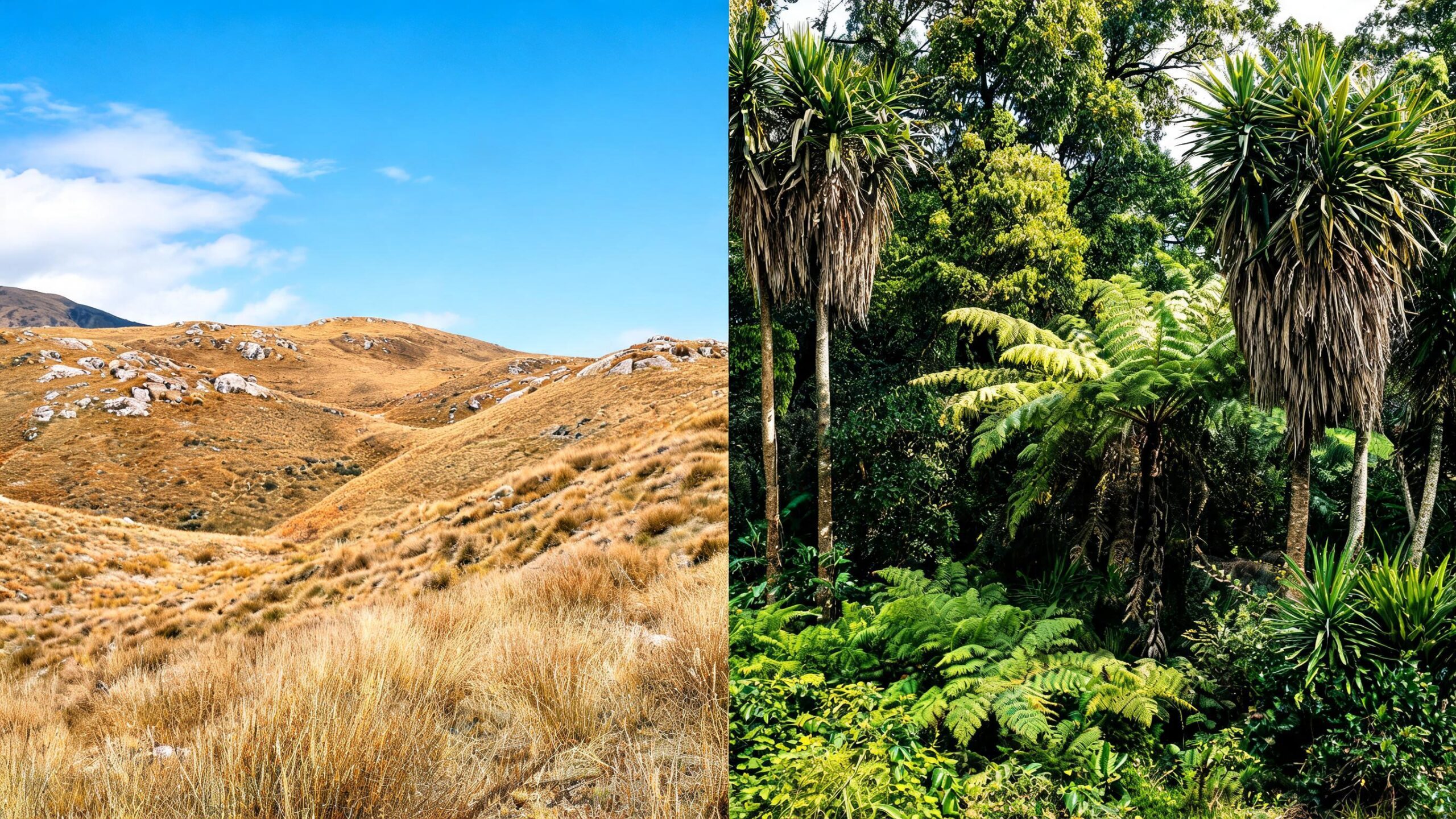
Match species to your region: pōhutukawa and nikau for warm coastal zones, kōwhai and cabbage tree for most of the country, mountain flax and tussock for cold inland areas.
Plant in autumn or spring when soil is warm and rainfall is reliable, avoiding the peak heat of summer.
Improve heavy clay with compost and sheep pellets before planting; most natives dislike waterlogged roots.
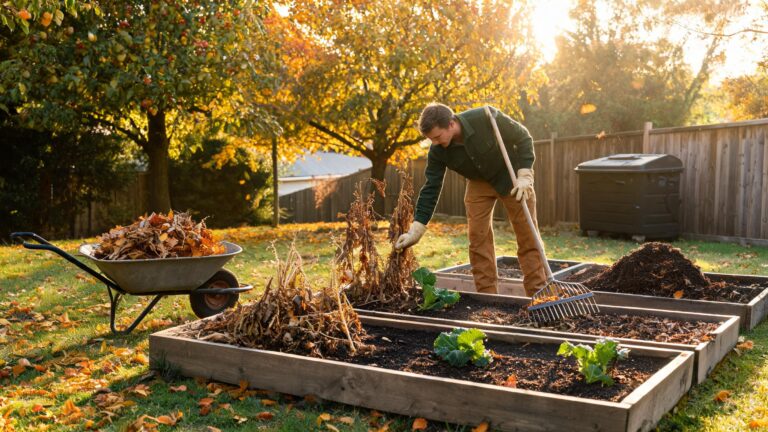
Mulch heavily with bark or pea straw to conserve moisture and suppress weeds around young natives.
Watch for myrtle rust on Myrtaceae species (pōhutukawa, mānuka, ramarama) and passionvine hopper on soft new growth.
Why Choose Native Plants for NZ Garden Design
Incorporating native species into NZ garden design isn’t just a style choice — it’s a practical response to our unique growing conditions. Native plants evolved alongside New Zealand’s soils, rainfall patterns, and pollinators, so they typically need less irrigation and fewer chemical inputs than exotic imports once established. They also provide genuine ecological value, offering nectar, seed, and shelter for tūī, kererū, bellbirds, and native invertebrates that struggle in purely ornamental gardens.
From a design perspective, natives bring texture and movement that exotic shrubs rarely match: the strappy architecture of harakeke, the glossy dark foliage of taupata, the soft rustle of tussock grasses. Landscape designers across Waikato and Auckland increasingly lead with native plantings as the structural framework, then layer in exotics for seasonal colour — a technique that keeps maintenance low while giving a garden year-round presence.
Best Native Plants for NZ Gardens
The right native plant depends heavily on your section’s size, soil, and sun exposure. Below are the most reliable performers Kiwi gardeners return to again and again.
Pōhutukawa (Metrosideros excelsa)
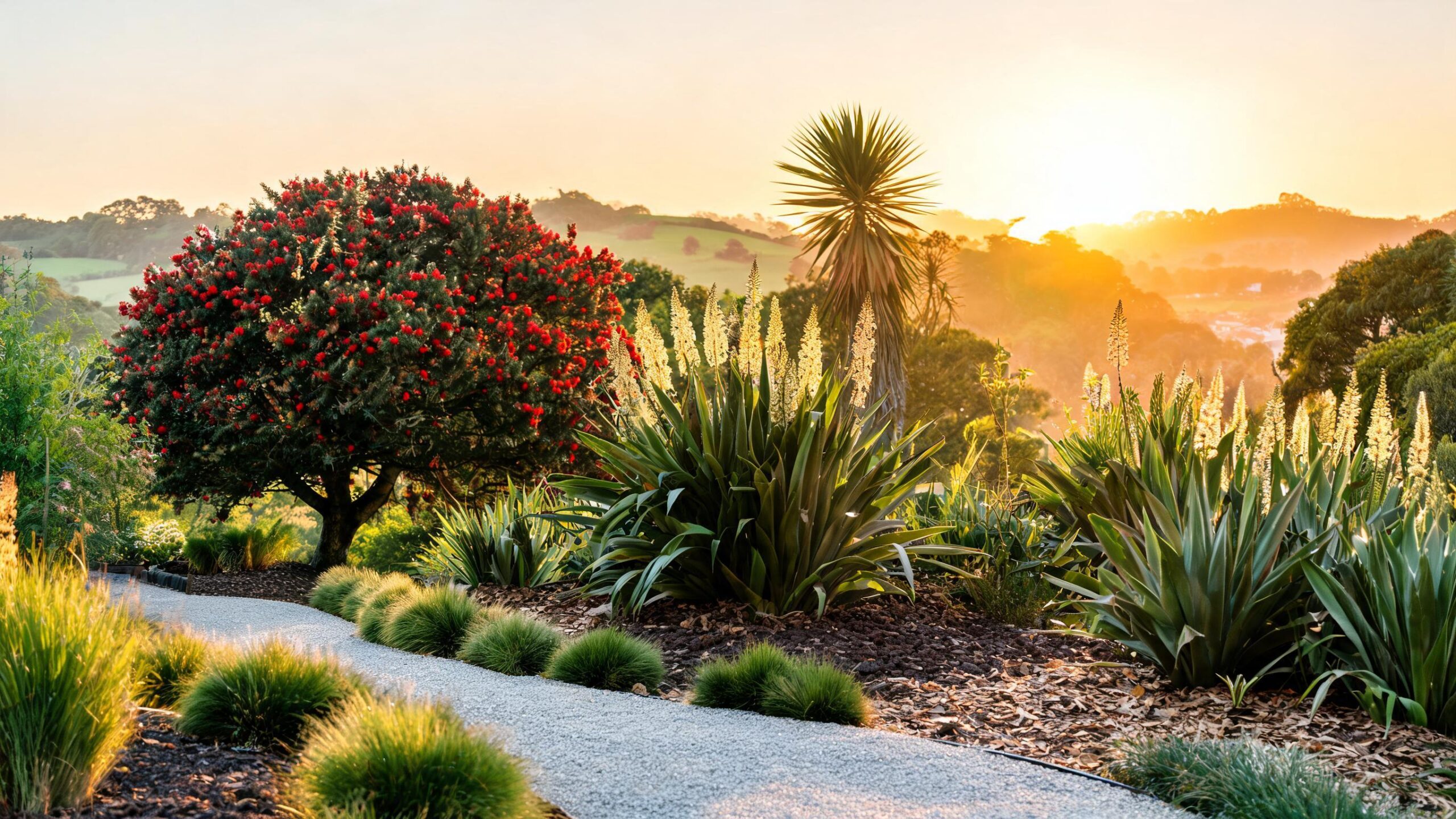
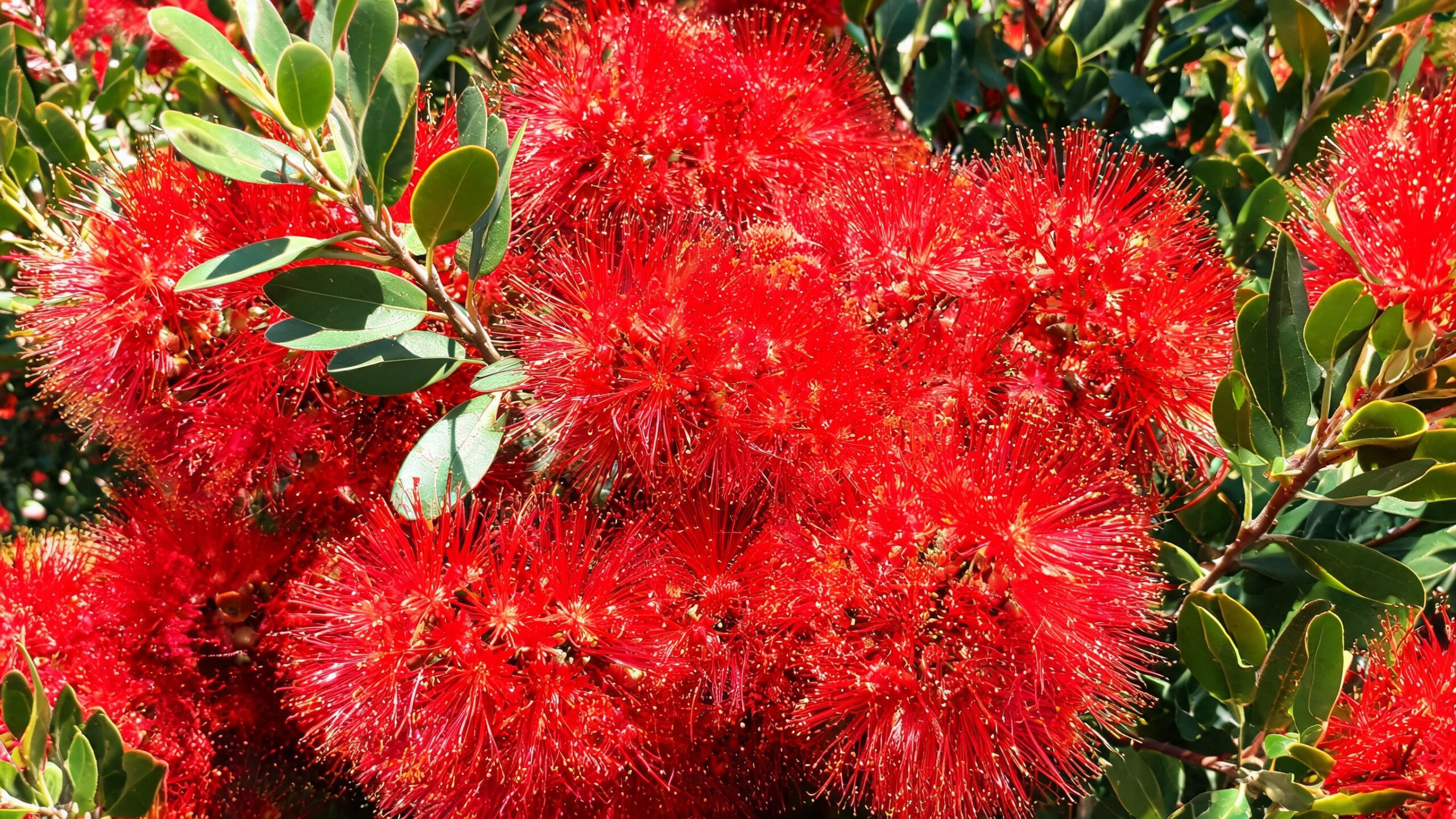
Pōhutukawa is New Zealand’s iconic “Christmas tree,” prized for its brilliant crimson summer flowers and salt-tolerant foliage. It thrives in full sun on free-draining sandy or loamy soils and is a standout choice for coastal Northland, Auckland, and Bay of Plenty gardens, though dwarf cultivars like ‘Tahiti’ suit smaller Waikato sections. Because it belongs to the Myrtaceae family, it’s susceptible to myrtle rust, so gardeners should monitor new spring growth closely, as noted by the Department of Conservation’s myrtle rust advisory.
Harakeke / New Zealand Flax (Phormium tenax)
Harakeke is a hardy, strap-leaved perennial that anchors borders, banks, and rain gardens right across the motu. It tolerates everything from boggy clay to dry banks and copes with frost down to around -8°C once established, making it a genuine all-rounder from Northland to Southland. Its tall flower spikes are a magnet for tūī and bellbirds, and its fibre has deep cultural significance as a traditional weaving material (raranga) for Māori.
Kōwhai (Sophora species)
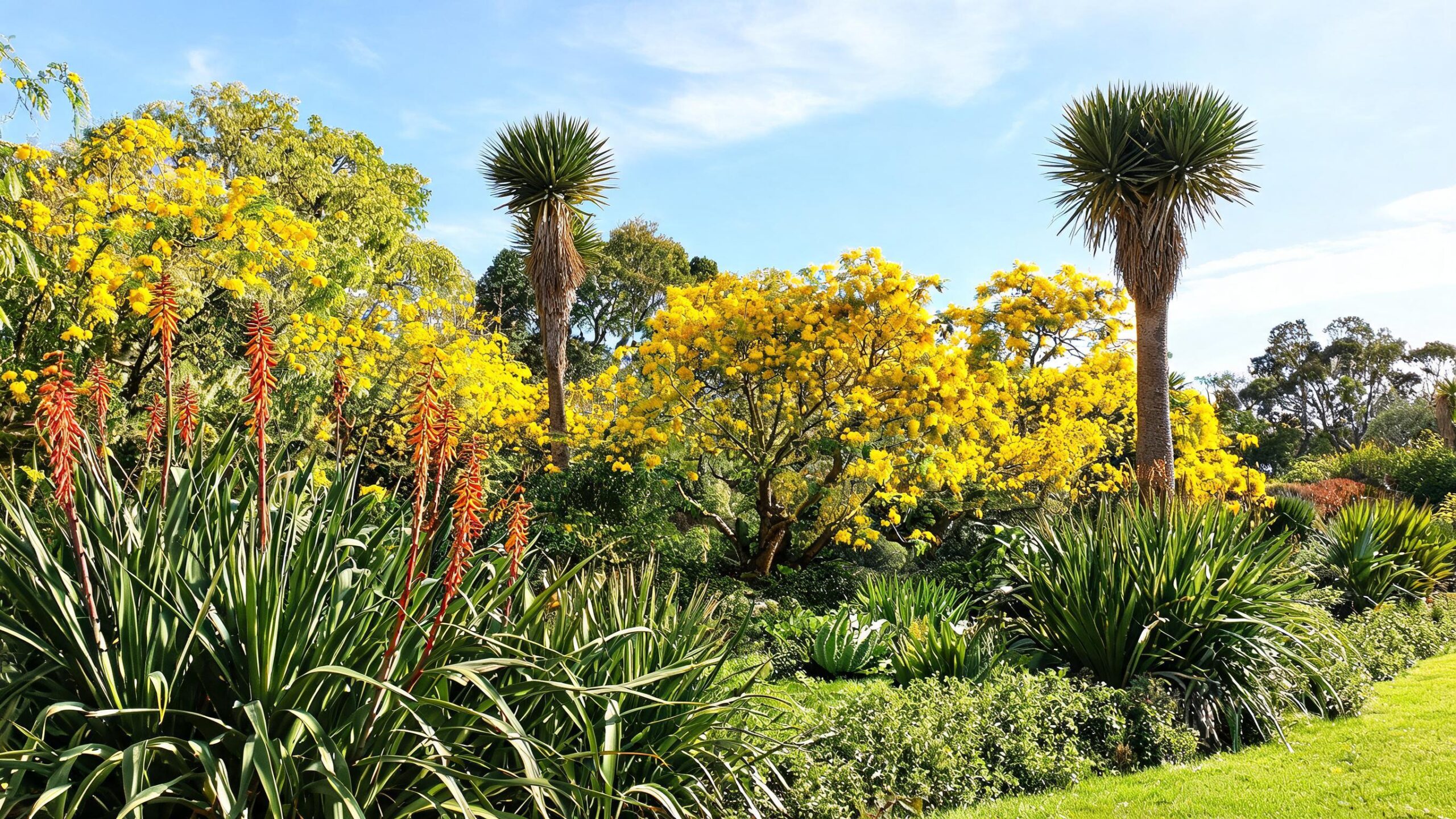
Kōwhai is New Zealand’s unofficial national flower, producing clusters of golden bell-shaped blooms in early spring that draw tūī and kererū from wide areas. It handles most well-drained soils, from Waikato loam to Canterbury shingle, and copes with moderate frost, though young trees benefit from a frost cloth in their first two winters in inland Otago. Kōwhai seed pods and immature growth are toxic if ingested, so site it away from areas where pets or small children graze on foliage.
Nīkau Palm (Rhopalostylis sapida)
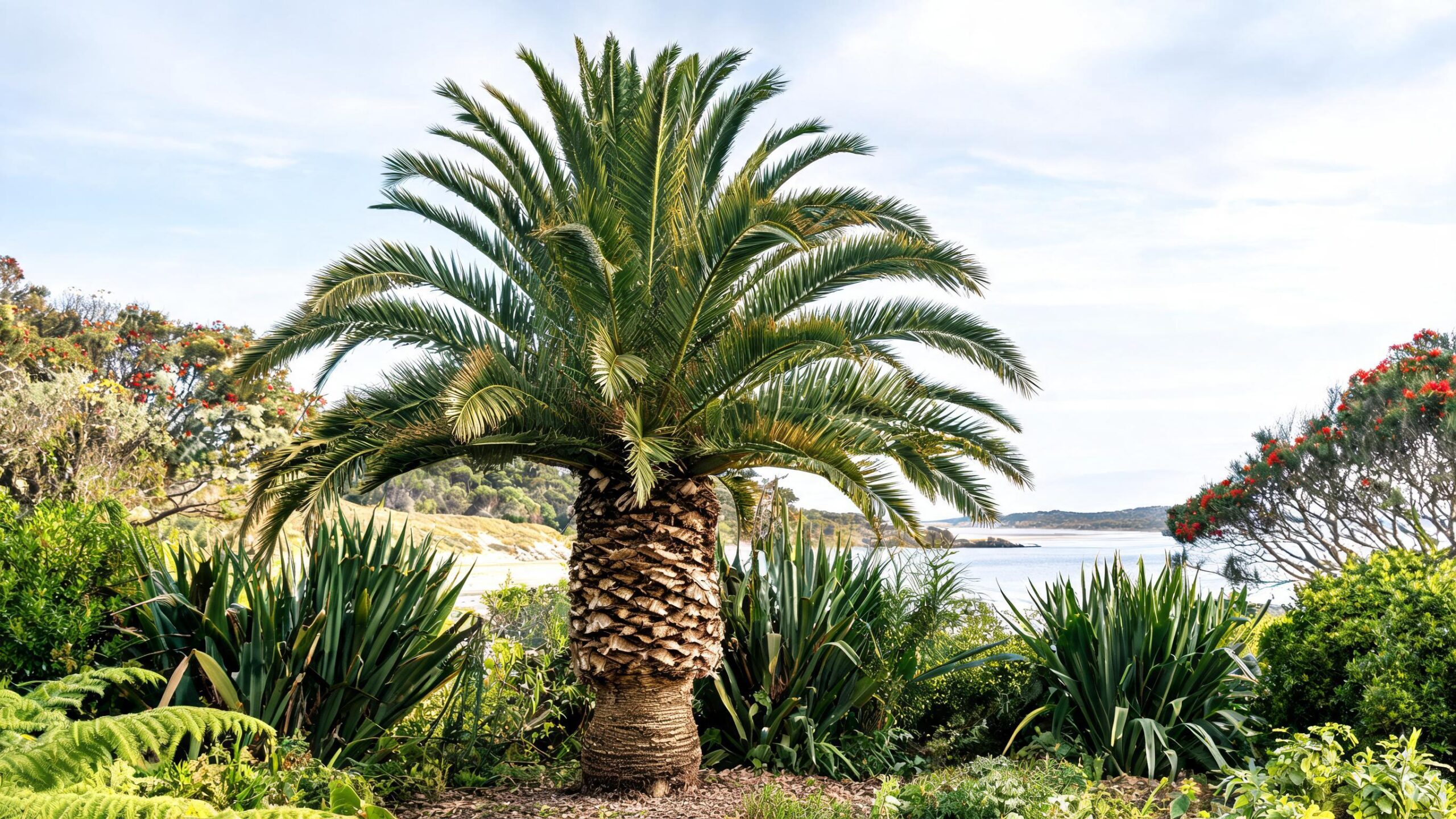
Nīkau is the world’s southernmost native palm and delivers instant tropical structure to warm, sheltered gardens. It prefers dappled shade and humus-rich, moisture-retentive soil, performing best in subtropical Northland and Auckland or in sheltered microclimates further south. It is frost-tender when young, so Waikato and Bay of Plenty gardeners should plant it against a warm north-facing wall for the first few years.
Cabbage Tree / Tī Kōuka (Cordyline australis)
Tī kōuka is an extremely tough, sculptural tree that tolerates wind, frost, drought, and boggy ground alike, making it one of the most versatile natives for NZ garden design. It suits everything from suburban Hamilton courtyards to exposed Canterbury paddocks, and its creamy, fragrant flower spikes in early summer are a strong nectar source for native insects. It’s also remarkably tolerant of poor soils, including compacted subsoil left behind by new-build sections.
Mānuka and Kānuka (Leptospermum scoparium and Kunzea species)
Mānuka and kānuka are fast-growing pioneer shrubs valued for their fine foliage, delicate white or pink spring flowers, and role in soil stabilisation on banks and slopes. Both cope well with poor, dry, or acidic soils and full sun, thriving from coastal dunes to inland hill country. As Myrtaceae members, they also carry myrtle rust risk, so avoid pruning fresh growth during the humid late-spring to autumn window when spores are most active.
Tussock Grasses (Chionochloa and Poa species)
Tussocks bring soft, wind-responsive texture to alpine and dryland gardens and are the signature plant of Central Otago and inland Canterbury landscapes. They tolerate severe frost, drought, and poor stony soils, needing almost no fertiliser once established. Massed plantings of silver or red tussock create a striking, low-maintenance alternative to traditional lawn on exposed rural sections.
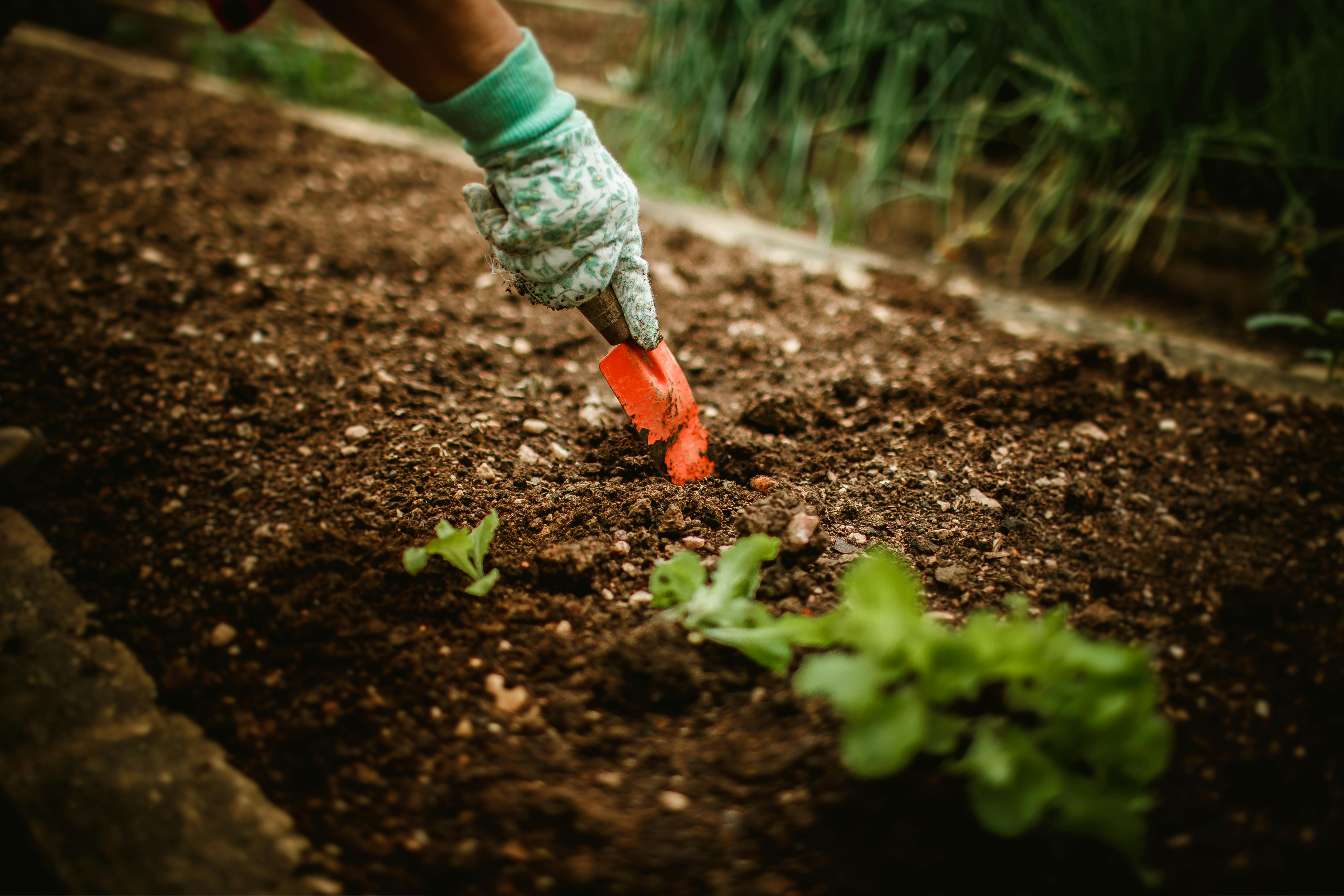
Dig a hole twice the width of the root ball and loosen surrounding soil, especially in compacted Hamilton clay or Canterbury stony ground.
Mix in compost and a handful of blood and bone or sheep pellets to boost early root development without over-feeding.
Backfill, firm gently, and water in thoroughly even if rain is forecast, to eliminate air pockets around roots.
Apply a 5–7cm layer of bark or pea straw mulch, keeping it clear of the stem to prevent collar rot.
Stake taller specimens like young pōhutukawa or kōwhai in exposed or windy sites for the first 12–18 months.
Water weekly through the first summer, tapering off once roots establish, generally by the second autumn.
Soil, Sun, and Spacing for Native Plantings
Most New Zealand natives are remarkably forgiving of soil type but perform best when drainage is addressed first. In Waikato’s heavy volcanic clay, dig in gypsum and compost to break up structure before planting shrubs like kōwhai or mānuka. On sandy Northland or Bay of Plenty coastal soils, focus instead on moisture retention with generous mulch and occasional seaweed tea to replace leached nutrients.
Soil pH for most native shrubs sits comfortably between 5.5 and 7.0, though tussock species and mānuka tolerate more acidic conditions typical of pumice country in the central North Island. Spacing depends on ultimate size: allow 1.5–2m between harakeke clumps, 3–4m for kōwhai or cabbage trees intended as specimen plantings, and up to 6–8m for pōhutukawa grown as a feature tree.
Regional Growing Guide Across Aotearoa
Native plant success in New Zealand hinges heavily on microclimate, and what thrives in one region may struggle 200km away.
Northland and Auckland (subtropical): Warm, humid conditions favour nīkau, pōhutukawa, and kauri-associated understory species, but this humidity also raises myrtle rust pressure significantly.
Waikato and Bay of Plenty (temperate): Reliable rainfall and volcanic soils suit kōwhai, cabbage tree, and mānuka; frost pockets in low-lying Waikato paddocks call for hardier flax and tussock in the coldest microsites.
Wellington and lower North Island (windy, variable): Wind-hardy species like taupata, coprosma, and cabbage tree perform best; shelterbelts of native shrubs protect more tender plantings.
Canterbury and Central Otago (alpine, frost-prone): Tussock grasses, matagouri, and hardy coprosma cope with hard winter frosts down to -10°C or lower; avoid frost-tender species like nīkau entirely unless grown in containers and moved under cover.
Common Pests and Diseases on Native Plants
New Zealand’s native plants face genuine biosecurity pressures that every gardener should recognise early.
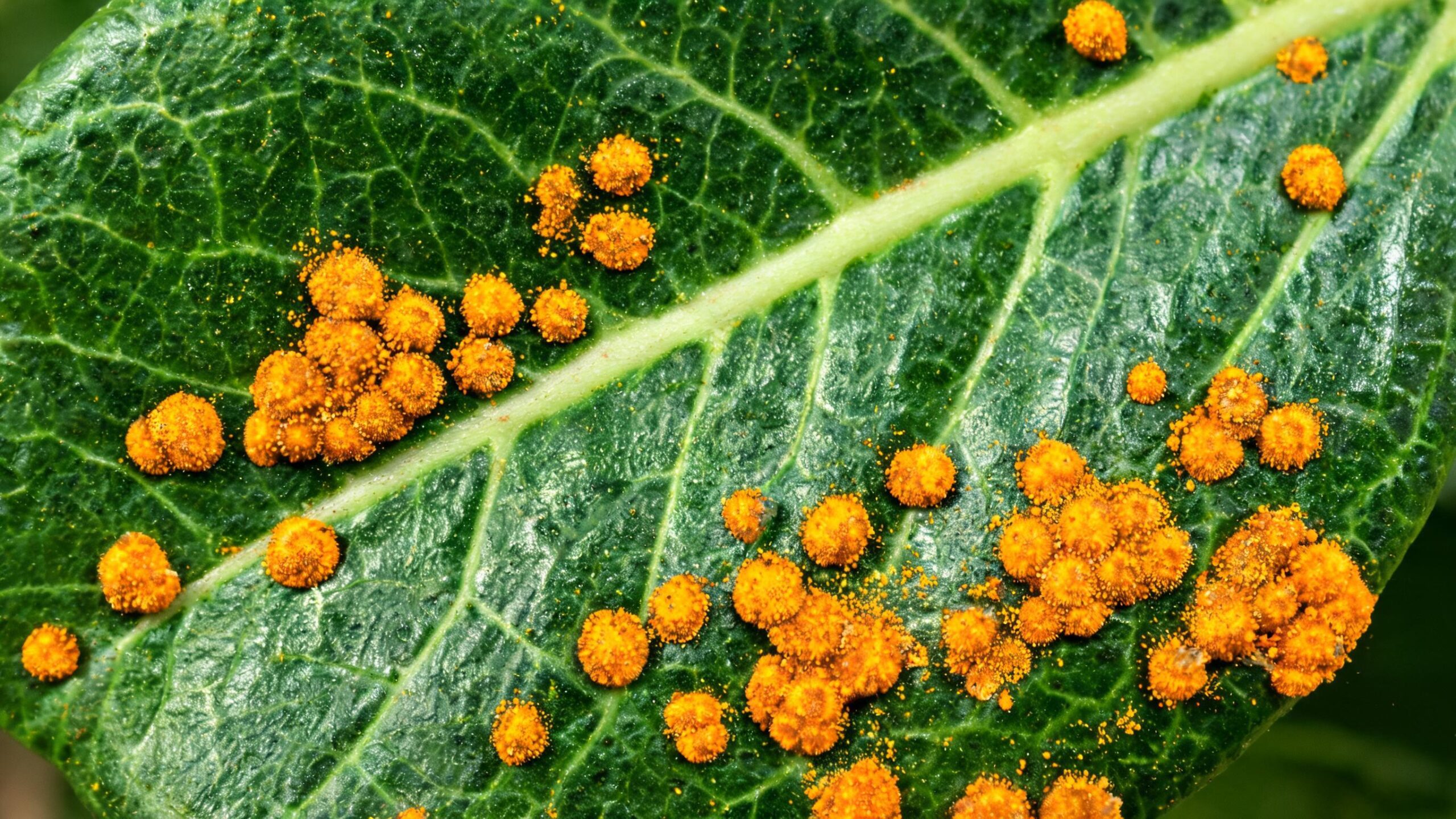
Myrtle rust (Austropuccinia psidii): This wind-borne fungal disease attacks soft new growth on Myrtaceae species including pōhutukawa, mānuka, rātā, and ramarama, producing bright yellow-orange powdery pustules. Highly susceptible cultivars like ramarama ‘Red Dragon’ are best avoided in myrtle rust hotspots such as Auckland and Taranaki, per Biosecurity New Zealand’s myrtle rust removal and treatment guide. If you spot symptoms, avoid touching the plant, photograph it, and report it via iNaturalist NZ.
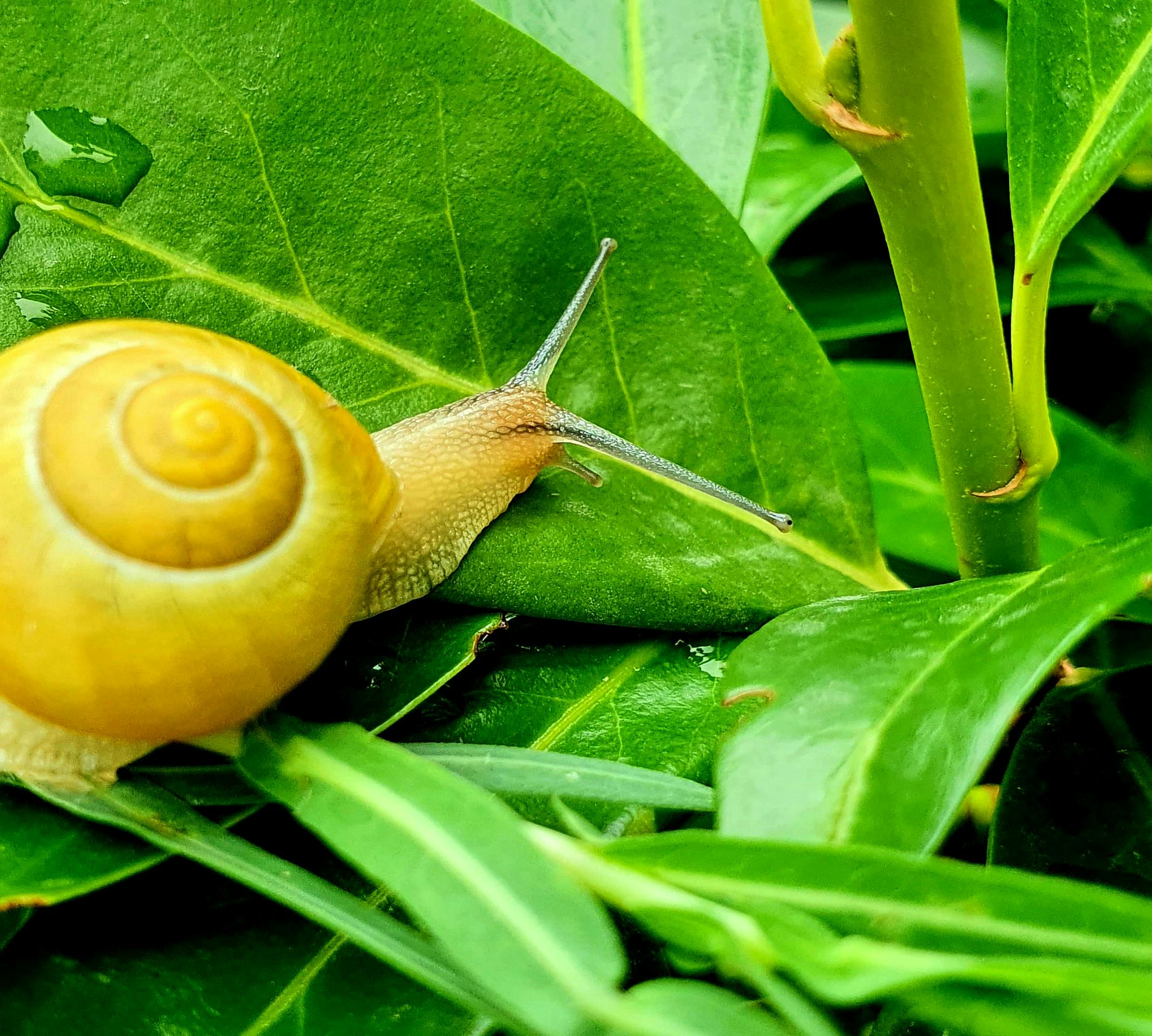
Passionvine hopper: These sap-sucking insects leave sticky honeydew and sooty mould on soft native growth, particularly on coprosma and hebe. A strong hose blast or targeted horticultural oil in early summer usually keeps numbers manageable.
Bronze beetle: Nocturnal feeding leaves ragged notches on leaf margins of young natives, especially in warm Auckland and Waikato gardens during spring. Beneficial nematodes applied to soil in autumn target the grub stage before adults emerge.
Guava moth: Increasingly common in Northland and Auckland, larvae bore into ripening native and exotic fruit; exclusion netting during fruiting season is currently the most effective home-garden defence.
Powdery mildew: Appears as a grey-white coating on stressed foliage during humid, still weather; improving airflow through selective pruning and avoiding overhead watering reduces incidence.
Fertilising and Ongoing Maintenance
Most established natives need surprisingly little feeding once past their first two years. A light autumn or spring application of blood and bone, or well-rotted sheep pellets worked gently into the surface mulch, supports steady growth without pushing soft, disease-prone foliage. Seaweed or kelp tea makes an excellent supplementary tonic during dry summer stretches, particularly for coastal plantings dealing with salt exposure.
Prune lightly to shape rather than hard-cutting most natives, and time any pruning of Myrtaceae species for winter dormancy to reduce myrtle rust infection risk on fresh cuts. Refresh mulch annually to maintain soil moisture and suppress weed competition, especially around young harakeke and kōwhai plantings.
Key Takeaways
Native plants for NZ gardens reward gardeners with lower maintenance, genuine biodiversity value, and strong regional identity once matched correctly to local conditions.
Prioritise eco-sourced stock and match species to your specific microclimate rather than following generic national advice.
Improve drainage before planting on heavy clay, and mulch generously to protect roots through dry Waikato and Canterbury summers.
Monitor Myrtaceae species for myrtle rust and report suspected sightings promptly through iNaturalist NZ.
Feed lightly with blood and bone or sheep pellets — natives generally need far less fertiliser than exotic ornamentals.
Frequently Asked Questions
What are the easiest native plants for beginner NZ gardeners?
Harakeke, cabbage tree, and coprosma are excellent starting points because they tolerate a wide range of soils, cope with both drought and occasional waterlogging, and need minimal fertiliser. They also establish quickly, giving beginners visible results within a single growing season while building confidence for more specialised natives later.
Can native plants handle frost in inland Canterbury or Central Otago?
Yes, several natives are genuinely frost-hardy, including tussock grasses, matagouri, mountain flax, and hardy coprosma species, which tolerate temperatures well below -8°C. Frost-tender species like nīkau or pōhutukawa should be avoided outdoors in these regions unless grown in sheltered microclimates or containers.
How do I improve heavy clay soil before planting natives?
Work in generous compost, gypsum, and coarse sand or pumice to break up compaction, then top with a thick mulch layer to prevent recompaction from rain. Many natives, including kōwhai and mānuka, actually tolerate clay reasonably well once initial drainage is addressed at planting time.
When is the best time to plant natives in New Zealand?
Autumn (March to May) is generally ideal because soil is still warm from summer while rainfall increases, giving roots time to establish before winter. Early spring (September to October) is a solid second option, particularly in frost-prone regions where autumn planting risks exposing young roots to winter cold before establishment.
How do I protect my myrtle family plants from myrtle rust?
Avoid pruning during warmer months when spores are most active, water at the base in mornings rather than overhead, and inspect new growth regularly for yellow-orange pustules. If detected, don’t touch the plant — photograph it and report the sighting via iNaturalist NZ following Biosecurity New Zealand protocols.
Are native plants safe around pets and children?
Most natives are perfectly safe, but a few, including kōwhai seeds and tutu, are toxic if ingested and should be sited thoughtfully in family gardens. Always check individual species before planting near play areas, and supervise young children and curious pets around unfamiliar seed pods or berries.
Do native plants attract native birds to my garden?
Absolutely — nectar-rich species like kōwhai, harakeke, and pōhutukawa are magnets for tūī, bellbirds, and kererū, especially when planted in clusters rather than single specimens. Even small suburban Hamilton or Auckland sections can see noticeably more birdlife within a year or two of establishing native plantings.
What’s the difference between mānuka and kānuka?
Mānuka has slightly larger flowers and prickly, pointed foliage, while kānuka features finer, softer leaves and smaller white blooms in denser clusters. Both are excellent pioneer species for erosion control and dry, exposed sites, though mānuka is more commonly associated with the honey industry.
Growing a Garden That Belongs to the Whenua
Choosing native plants for NZ gardens is one of the most rewarding shifts a Kiwi gardener can make, delivering lower maintenance, genuine ecological value, and a landscape that feels unmistakably grounded in Aotearoa. Whether you’re softening a new Hamilton subdivision with harakeke and cabbage tree, or restoring a frost-hardy tussock bank in Central Otago, success comes down to matching species to your specific soil, sun, and regional conditions. Get the fundamentals right — good drainage, sensible mulching, and vigilance against myrtle rust and passionvine hopper — and your native plantings will reward you and the local birdlife for decades to come. Start small, choose eco-sourced stock where you can, and let your patch of whenua do what it does best.
We use cookies to improve your experience, analyze traffic, and display personalized ads.
By clicking "Accept", you consent to the use of cookies in accordance with our Privacy Policy.