NZ Garden Design: Practical Ideas to Create a Beautiful, Low-Maintenance Garden in New Zealand
NZ garden design is about much more than choosing a few attractive plants and placing them around the section. A well-designed New Zealand garden should reflect your local climate, suit your lifestyle, work with your soil and site conditions, and feel inviting throughout the year. Whether you have a compact urban courtyard in Auckland, a windy coastal garden in Wellington, or a spacious family section in Canterbury, thoughtful design can help you build an outdoor space that is both beautiful and easy to manage.
For many home gardeners, the biggest challenge is knowing where to start. It is easy to get inspired by photos online, then end up with a garden that looks disjointed, struggles in local conditions, or demands far too much maintenance. The best NZ garden design balances structure, practicality, and planting style. It considers sun, shade, wind, drainage, access, and how you actually want to use the space.
In this guide, we’ll cover the key principles of garden design for New Zealand conditions, layout ideas for different section sizes, plant selection tips, seasonal planning, and common mistakes to avoid. Whether you want a modern native garden, a productive edible landscape, or a lush subtropical retreat, this article will help you design a garden that thrives.
New Zealand gardens are shaped by a unique mix of conditions. In many parts of the country, gardeners deal with strong UV, variable rainfall, coastal winds, clay or sandy soils, and microclimates that can change dramatically even within one property. That means borrowed overseas design ideas often need adjusting before they work well here.
Good NZ garden design starts with the reality of place. A successful garden in Northland may feature subtropical planting, deep mulching, and summer irrigation, while a garden in Central Otago may need shelter, frost-tolerant plants, and careful water management. In exposed coastal sites, salt tolerance becomes essential. In wetter districts, drainage and plant spacing matter far more than many beginners expect.
New Zealand gardeners also tend to value versatility. Many households want outdoor spaces that can handle entertaining, children, edible gardening, biodiversity, and low-maintenance planting all at once. So the best designs usually combine hard landscaping, layered planting, and practical circulation rather than focusing only on appearance.
Start with the Site: The Foundation of Good Garden Design
Before buying plants, pots, edging, or raised beds, study your site. This step saves money and prevents expensive mistakes. Every strong garden plan begins with observation.
Assess Sun and Shade
Track where the sun falls in the morning, midday, and afternoon. In New Zealand, north-facing areas generally receive the most sun, making them ideal for vegetables, herbs, many flowering plants, and heat-loving species. South-facing areas are often cooler and shadier, better suited to ferns, woodland plants, and shade-tolerant ground covers.
Watch for seasonal changes too. A space that seems sunny in summer may be heavily shaded in winter when the sun angle is lower. This matters if you want year-round use of decks, seating areas, or productive beds.
Understand Wind Exposure
Wind is one of the biggest design factors in many New Zealand gardens. Persistent wind can shred foliage, dry out soil, stress young plants, and make outdoor living spaces unpleasant. If your site is exposed, include shelter planting, fences with some airflow, screens, or pergolas early in the design.
Solid walls can sometimes create turbulence, so layered shelter is often more effective than a single hard barrier. Hedges, small trees, and staggered planting can reduce wind more gently and create a softer look.
Check Soil Type and Drainage
New gardens often fail because the soil was ignored. Clay soils hold nutrients well but may drain slowly and become compacted. Sandy soils drain quickly and warm up fast, but they can dry out and lose nutrients. Silty and loamy soils are often easier to work with, though they still benefit from compost and mulch.
After heavy rain, observe where water sits. Poor drainage affects lawns, paving, raised beds, and plant selection. If an area stays wet, choose moisture-tolerant plants or improve drainage before planting.
Look for Existing Assets
Mature trees, established hedges, borrowed views, and existing structures can all become part of the design. A healthy specimen tree may become the anchor of the whole garden. A sunny fence line could support espaliered fruit. A neglected corner could become a productive raised bed zone.
Core Principles of NZ Garden Design
Once you understand the site, use a few key design principles to shape the garden. These make the difference between a garden that feels scattered and one that feels calm, cohesive, and useful.
Create Clear Zones
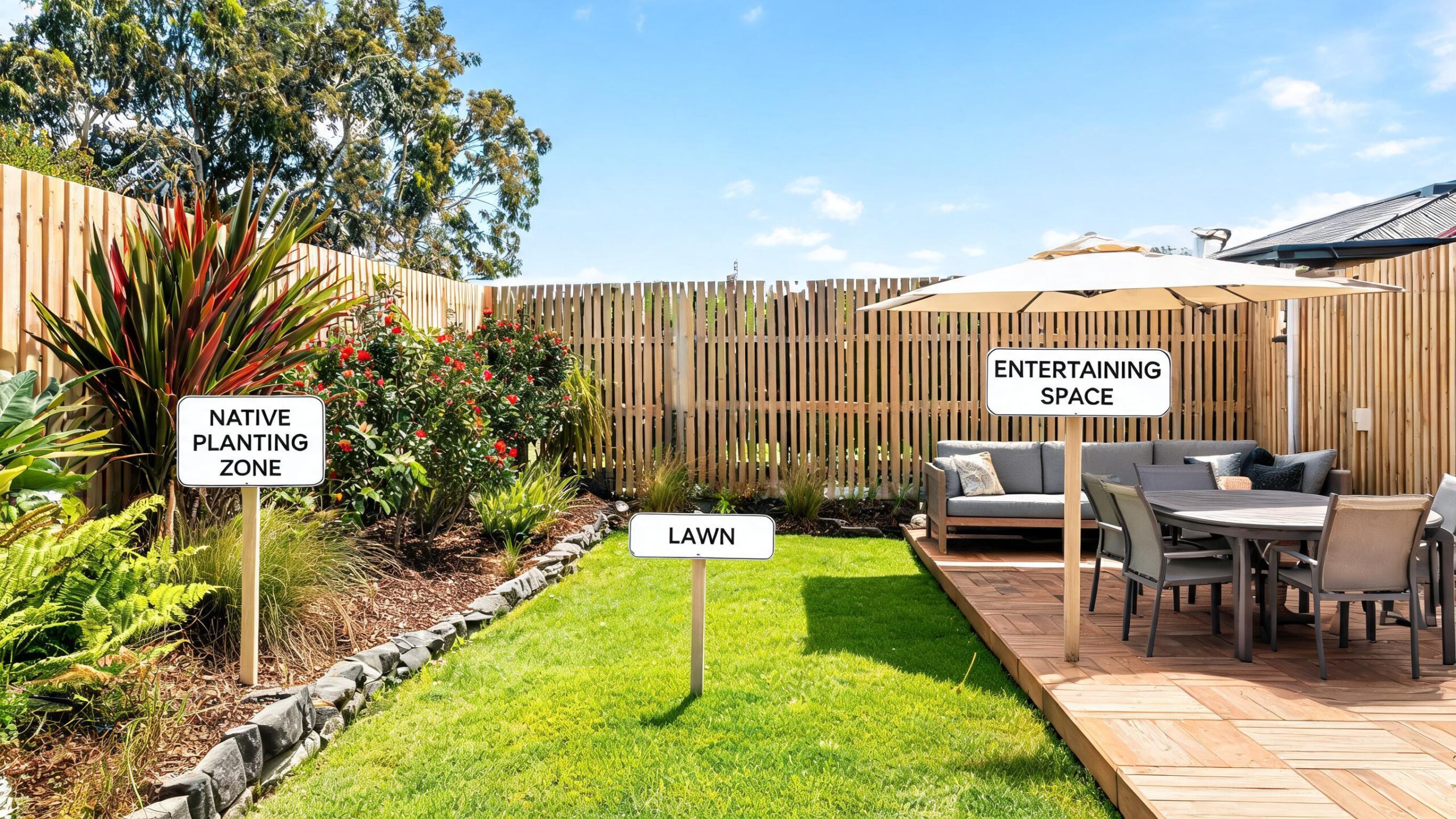
Divide the garden into functional zones based on how you live. Common zones include:
Outdoor dining or entertaining area
Lawn or play area
Productive garden with vegetables, herbs, and fruit
Ornamental planting beds
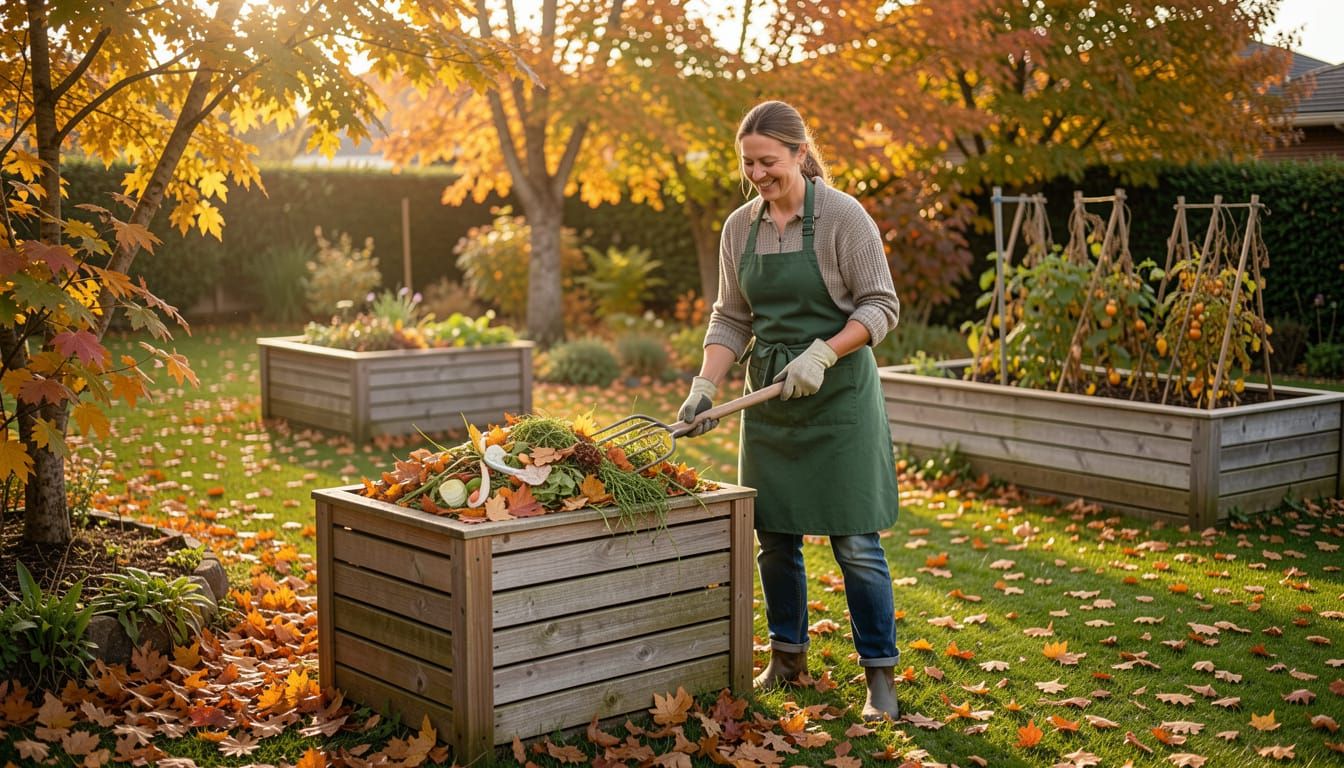
Utility zone for bins, clothesline, compost, or shed
Quiet retreat or reading corner
Zoning helps you avoid awkward layouts. It also ensures the garden supports daily life rather than becoming purely decorative.
Use Repetition for Cohesion
One of the easiest ways to improve NZ garden design is to repeat key materials and plants. Repeat a paving type, edging material, plant form, or foliage colour across the space. This creates rhythm and makes even a small garden feel intentional.
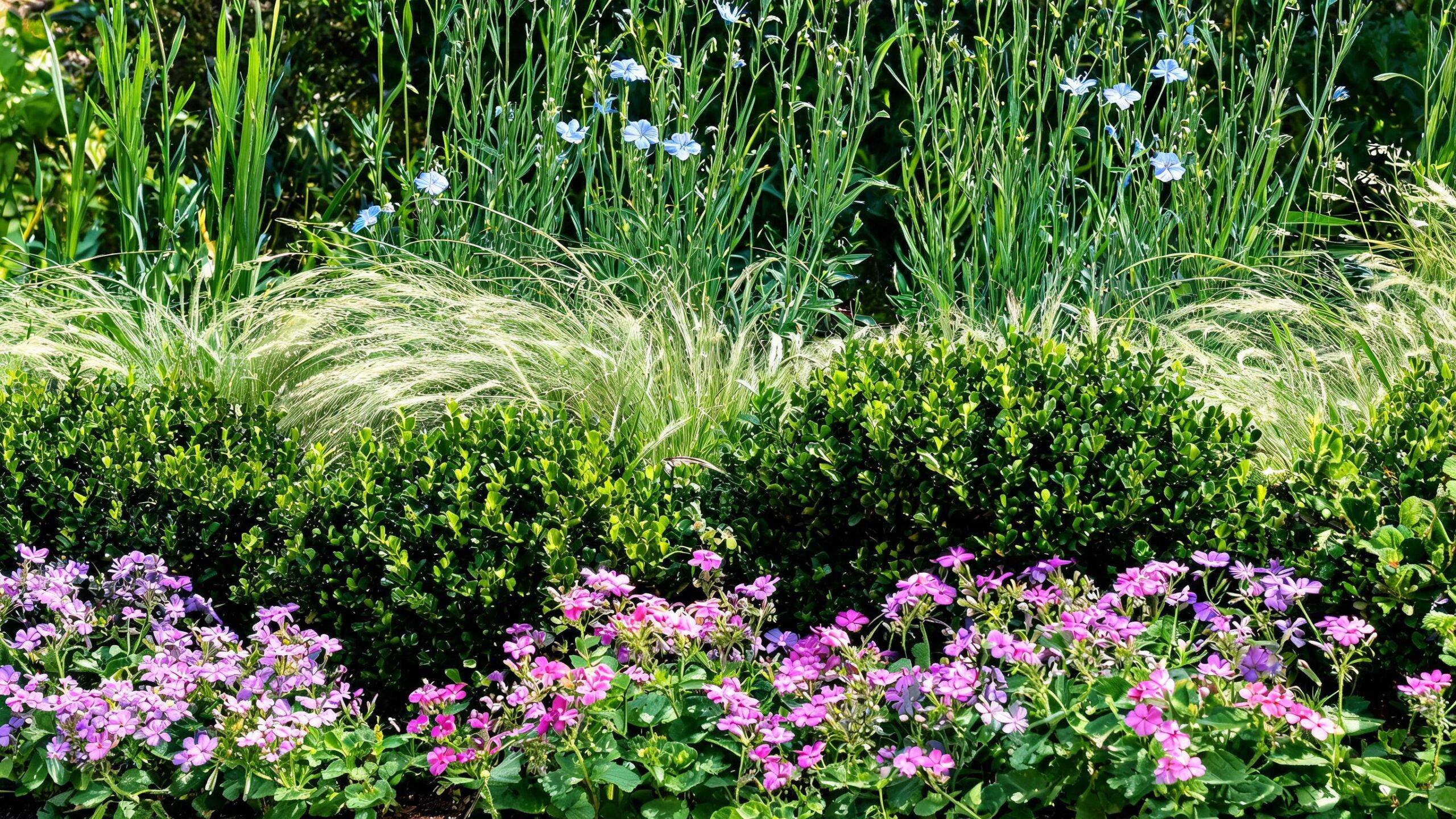
For example, repeating mounding grasses, clipped shrubs, or silver foliage throughout several beds can tie together different parts of the garden without making it look overly formal.
Layer the Planting
Good gardens rarely rely on single-level planting. Layering creates depth and interest. A simple structure might include:
Trees or tall shrubs for height and shelter
Mid-sized shrubs and perennials for body
Ground covers and low grasses to soften edges
Climbers for fences, pergolas, and vertical features
This layered approach works especially well in New Zealand, where mixed plantings can improve resilience, habitat value, and year-round interest.
Design for All Seasons
A garden that peaks for only six weeks of the year will often feel disappointing. Include evergreen structure, winter interest, spring flowers, summer colour, and autumn texture or fruit. Bark, foliage contrast, seed heads, and hardscape all help keep the garden appealing when fewer plants are in bloom.
Popular NZ Garden Design Styles
Choosing a style can help narrow your plant palette and materials. You do not need to follow one style rigidly, but having a direction keeps the design focused.
Native New Zealand Garden
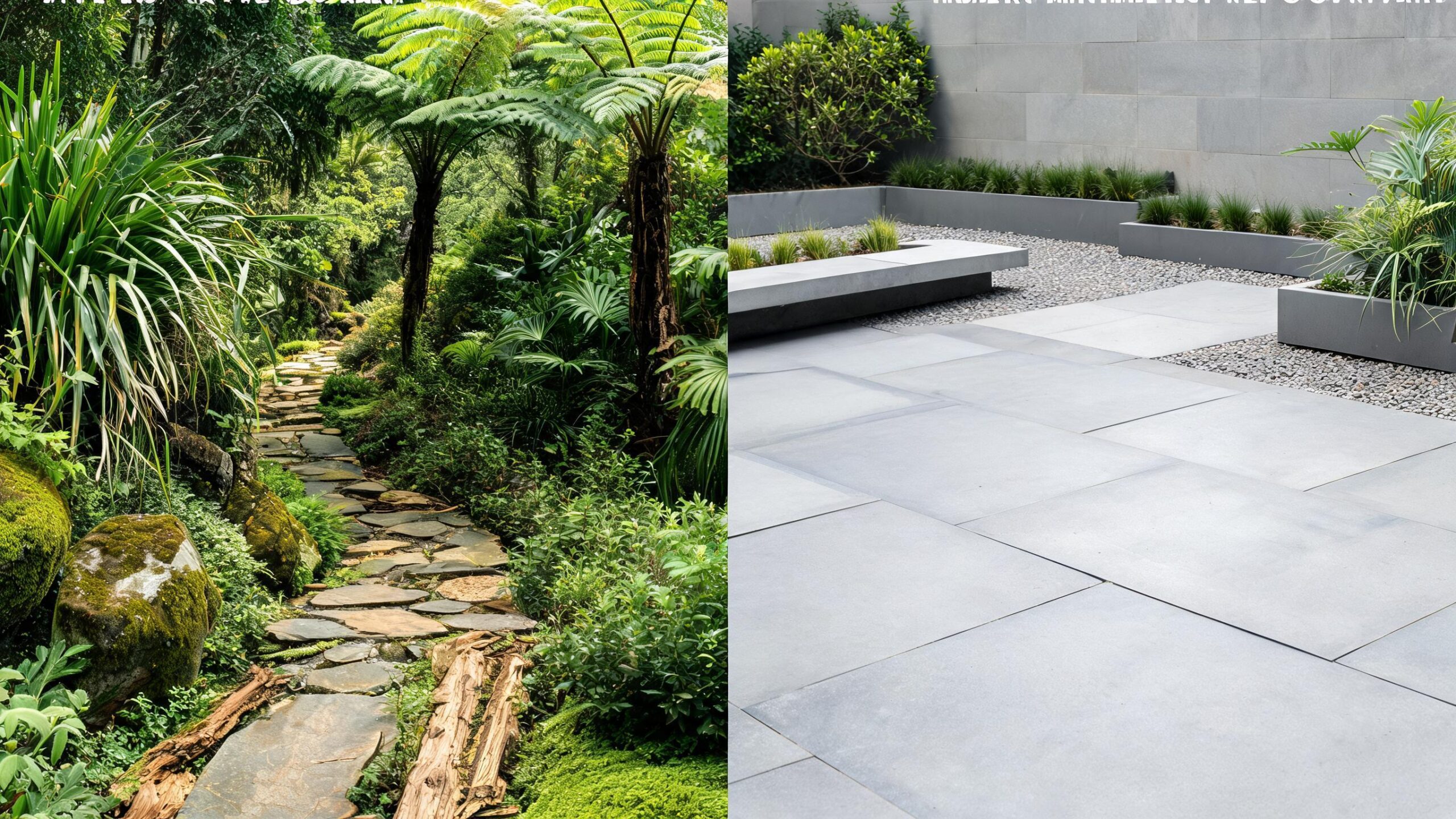
This style uses NZ natives such as hebes, pittosporums, corokia, carex, libertia, toetoe, rengarenga lily, astelia, and flax. It suits low-maintenance landscapes, wildlife-friendly planting, and coastal or exposed sites. Native gardens can be formal and contemporary or loose and naturalistic depending on layout and plant choice.
They are especially useful where you want durability, texture, and a strong sense of place. Once established, many natives cope well with local conditions, though they still need watering during establishment and occasional grooming.
Modern Minimalist Garden
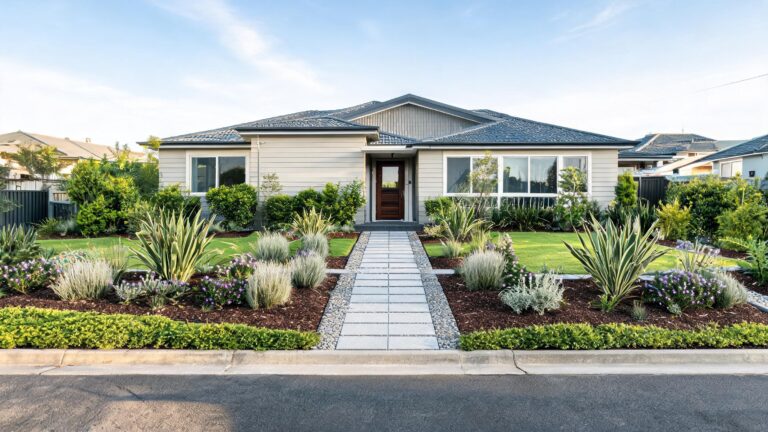
Modern NZ garden design often features simple lines, restrained plant palettes, architectural foliage, and strong hardscaping. Think concrete pavers, timber screens, gravel, corten steel edging, and repeated plant forms such as lomandra, agapanthus, buxus alternatives, or sculptural grasses.
This look works well in urban homes and small outdoor spaces. It can also be paired with irrigation systems and quality mulch to keep maintenance manageable.
Cottage Garden with a New Zealand Twist
A cottage-style garden is softer, fuller, and flower-focused. In New Zealand, this might include roses, lavender, salvia, foxglove, delphinium, geranium, hydrangea, and seasonal annuals, mixed with productive plants such as herbs and berries. It suits temperate areas and gardeners who enjoy hands-on care.
To keep it practical, use a clear path network and limit the number of high-maintenance species. Raised beds can also help bring structure to a more abundant planting style.
Subtropical Garden
Popular in warmer northern areas, subtropical gardens use bold foliage and lush planting to create a resort feel. Plants may include palms, cordylines, cycads, philodendron in sheltered frost-free spots, canna, ginger, bromeliads, and tree ferns. Shelter from wind is essential, and irrigation is often needed during dry spells.
Edible Landscape
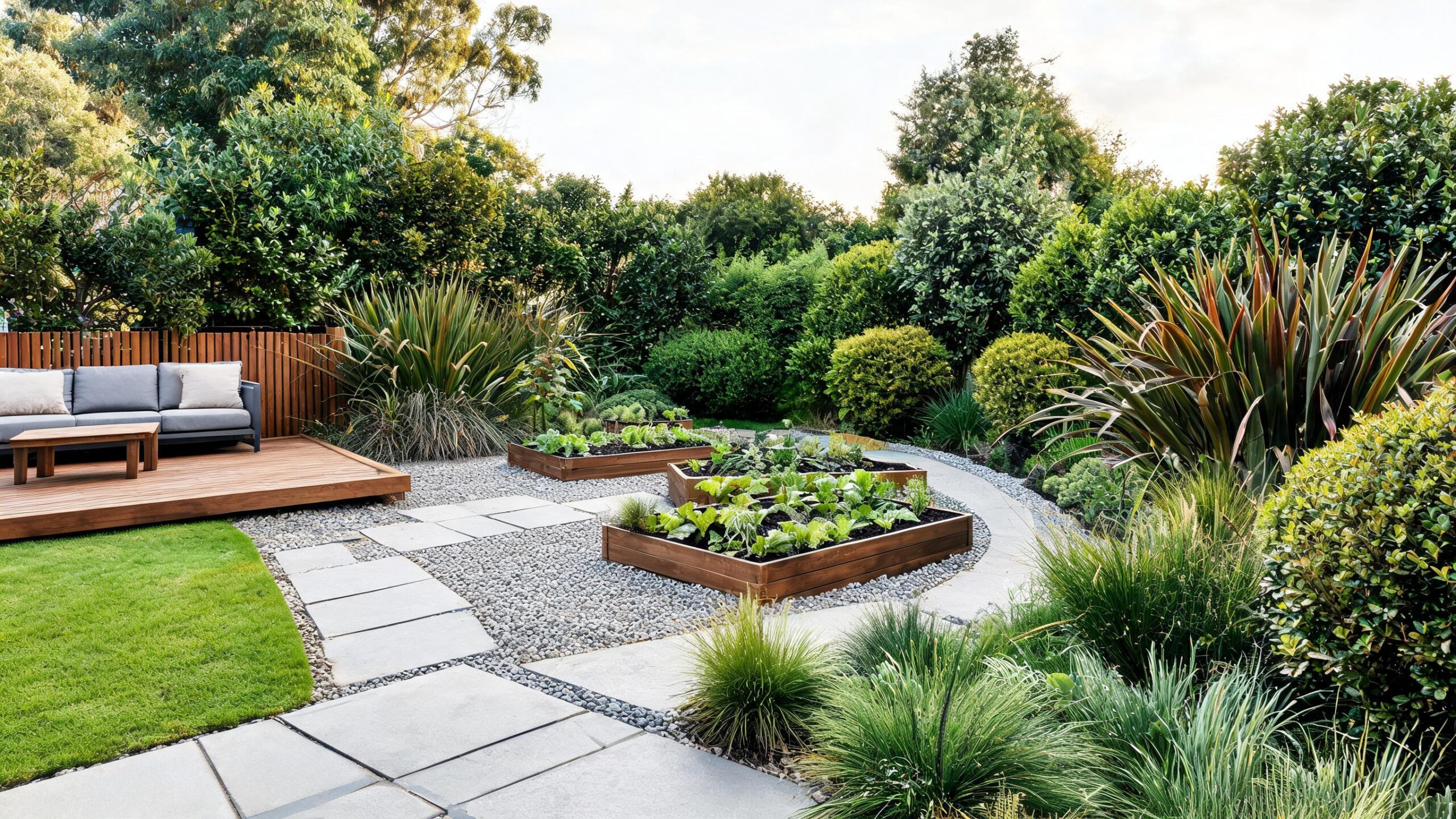
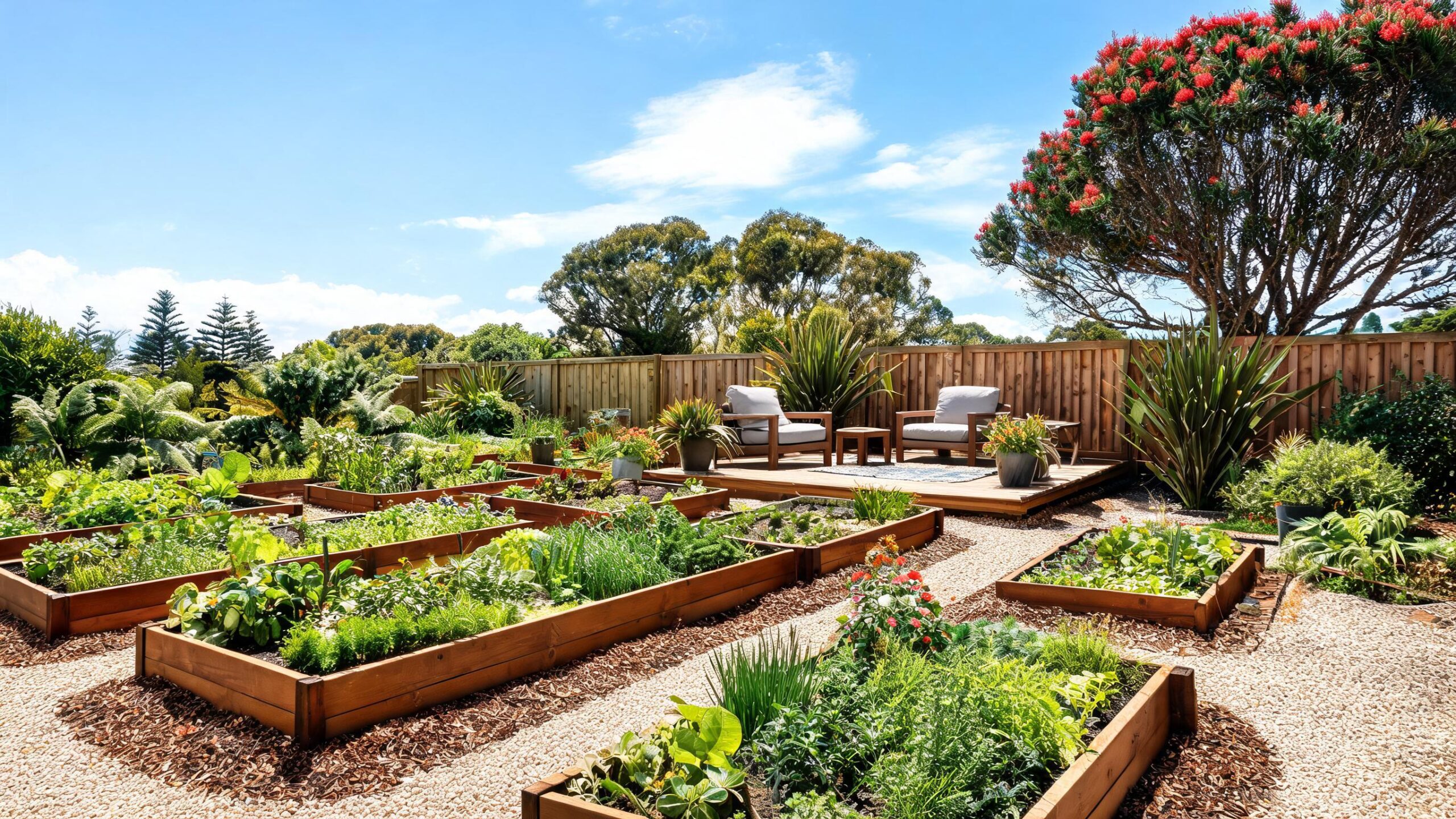
This style blends ornamentals and food crops so the garden is productive as well as attractive. Raised beds, espaliered fruit trees, herbs along paths, blueberries in borders, and flowering companion plants can all become part of the design. For many households, this is one of the most practical forms of NZ garden design because it combines beauty with usefulness.
How to Plan an NZ Garden Design Step by Step
1. Decide How You Want to Use the Garden
List your priorities before you start sketching. Do you want outdoor dining, room for children, a cutting garden, native habitat, a productive vegetable patch, or a low-maintenance front garden? Your answers will shape the whole design.
2. Draw a Simple Base Plan
Measure the garden and sketch boundaries, existing trees, buildings, fences, paths, taps, downpipes, and sunny or shady areas. It does not have to be perfect, but it should be accurate enough to test ideas.
3. Place the Main Features First
Position large or fixed elements such as patios, decks, lawn areas, raised beds, retaining walls, and sheds before thinking about detailed planting. Good circulation matters. You should be able to move comfortably from one zone to another without awkward dead ends.
4. Build in Structure
Add the bones of the garden: paths, edges, screening, feature trees, hedges, and repeated forms. Structure ensures the garden still looks good in winter or between planting flushes.
5. Choose a Limited Plant Palette
Too many random plant choices are a common beginner mistake. Start with a manageable palette of trees, shrubs, perennials, grasses, and ground covers that suit your chosen style and conditions. Then repeat them throughout the garden.
6. Improve the Soil Before Planting
Incorporate compost, apply organic matter, and use an appropriate soil mix where needed. For raised beds and containers, invest in quality growing media rather than filling them with poor topsoil. This is one of the smartest places to spend money.
7. Mulch and Install Irrigation Early
Mulch suppresses weeds, reduces evaporation, and improves soil structure over time. Drip irrigation or soaker systems are especially useful in new gardens and dry regions, helping plants establish evenly with less waste.
Best Plants for NZ Garden Design
Plant choice should always follow conditions and style, but some reliable performers suit many New Zealand gardens.
Structural Plants
Phormium (flax)
Astelia
Pittosporum
Corokia
Cordyline
Camellia
Griselinia
Flowering and Colour Plants
Lavender
Salvia
Hydrangea
Rose
Gaura
Echinacea
Verbena bonariensis
Grasses and Strappy Foliage
Carex
Lomandra
Libertia
Dianella
Anemanthele lessoniana
Ground Covers
Rengarenga lily
Ajuga
Native violets
Creeping thyme
Myoporum ground cover forms
Edible Plants for Integrated Garden Design
Rosemary and thyme for borders
Blueberries in acidic beds
Citrus in warm sheltered spots
Espalier apples and pears
Strawberries along raised bed edges
Leafy greens in kitchen garden zones
Climate Considerations for NZ Garden Design
New Zealand’s climate is not one-size-fits-all, so your garden design should respond to your region.
Warm Regions
In warmer areas such as Northland, Auckland, Bay of Plenty, and parts of Nelson, gardeners can grow a wider range of subtropical and evergreen plants. Summer watering and mulching are especially important. Heat-reflective paving can intensify dryness, so balance hard surfaces with shade and planting.
Temperate Regions
In many temperate districts, a broad mix of natives, perennials, shrubs, fruit trees, and seasonal vegetables performs well. Focus on shelter, drainage, and seasonal succession so the garden stays attractive all year.
Cool and Frost-Prone Regions
In inland South Island areas and elevated sites, frost and winter cold shape the palette. Choose hardy plants, avoid tender species in exposed locations, and place productive beds in the warmest available aspect. Raised beds can improve spring soil warming and drainage.
NZ Garden Design Layout Ideas for Different Garden Sizes
Small Urban Garden
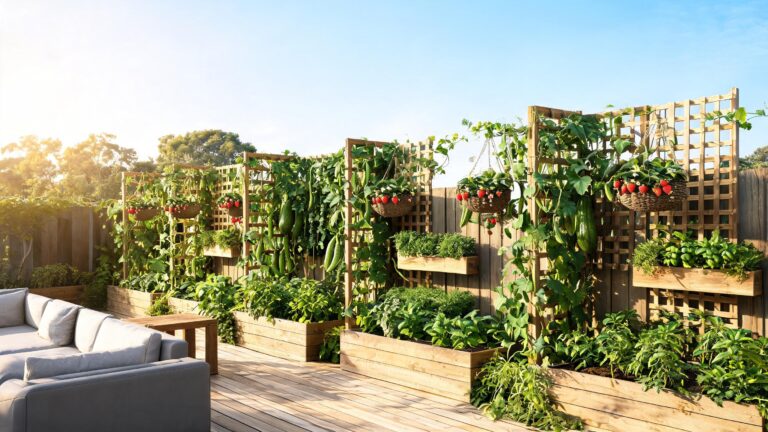
For compact spaces, keep the layout simple. Use one main seating area, built-in planters, vertical planting, and a restrained colour scheme. Large pavers or continuous decking can make the area feel bigger. Avoid breaking the garden into too many tiny sections.
Container gardening also works well here, especially for herbs, citrus, salad greens, and feature plants. Good potting mix and regular feeding are essential.
Medium Family Garden
A medium section can usually support several zones: entertaining, lawn, ornamental beds, and productive planting. Use curved or straight paths to connect spaces, and place the vegetable garden where it gets full sun and easy water access. Border planting can soften fences and improve privacy.
Large Lifestyle Section
On larger properties, avoid spreading features too thinly. Create purposeful outdoor rooms and use shelter belts, avenues, orchards, or meandering paths to give the landscape coherence. Maintenance must be realistic, so prioritise durable plants, mulched beds, and ride-on mower-friendly lawn shapes if needed.
Recommended Spacing and Design Guide
Garden Element
Recommended Measurement
Why It Matters
Main path width
1.0–1.5 m
Comfortable movement for two people and easy garden access
Secondary path width
60–90 cm
Suitable for side access and less-used paths
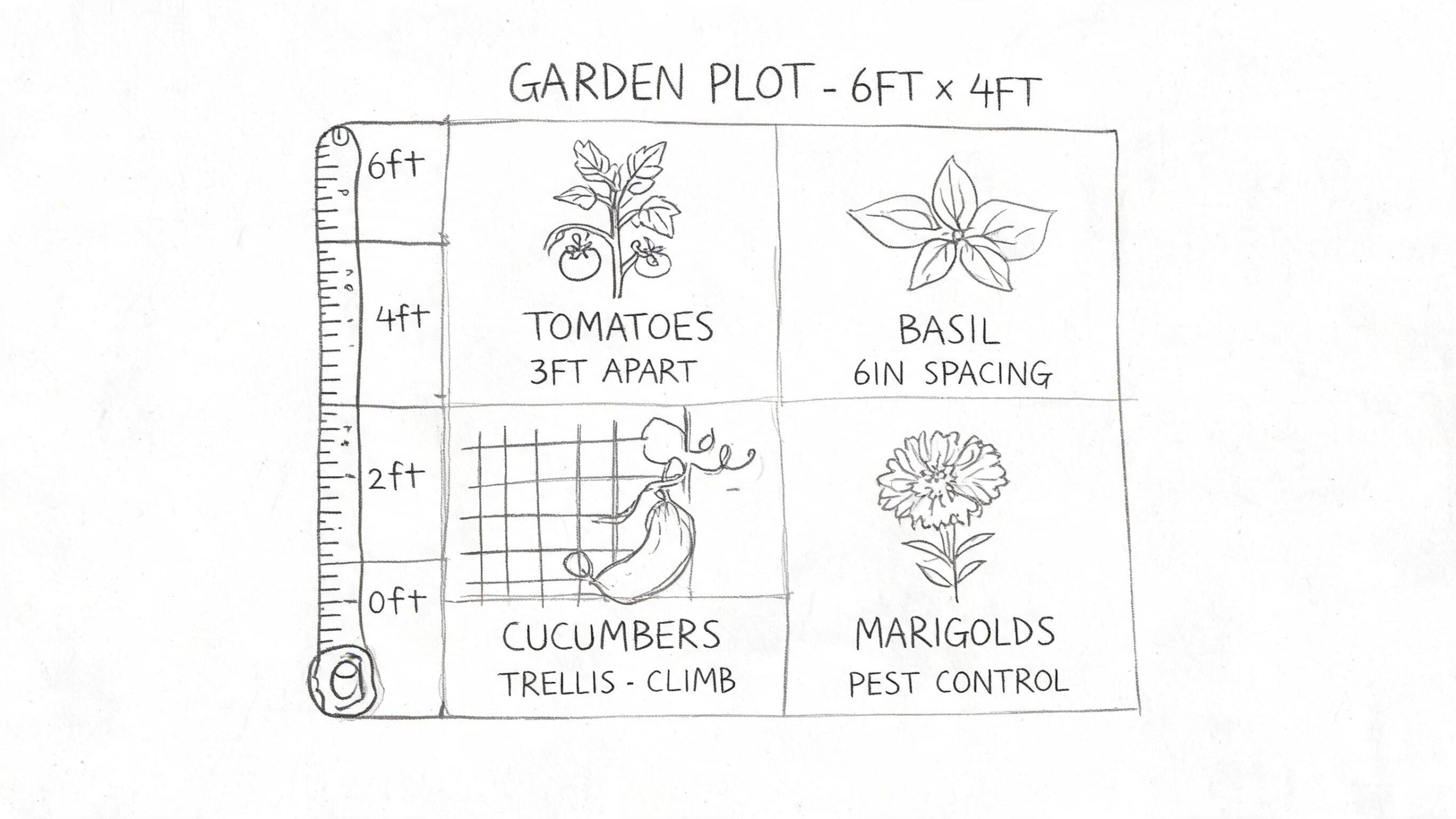
Raised bed width
1.0–1.2 m
Easy to reach from both sides without stepping on soil
Shrub spacing
60 cm–1.5 m
Depends on mature size; prevents overcrowding and poor airflow
Small tree distance from house
3–5 m
Allows root and canopy development without structural issues
Mulch depth
5–8 cm
Suppresses weeds and conserves moisture
Lawn border planting setback
20–30 cm
Helps with mowing and edge maintenance
Seasonal Planning for a Better Garden
One of the smartest ways to approach NZ garden design is to think seasonally. Not every construction or planting job should happen at the same time of year.
Assess sun, shade, and irrigation performance; outdoor living upgrades
Heat-tolerant annuals, subtropicals in warm areas
Autumn
Plant trees and shrubs, improve soil, redesign borders
Natives, hedges, fruit trees, many shrubs
Winter
Hard landscaping, pruning structure, planning and sketching
Bare-root roses, deciduous trees in suitable regions
Hard Landscaping in NZ Garden Design
Plants are vital, but hard landscaping gives the garden shape and usability. This includes patios, decks, retaining walls, steps, edging, pergolas, screens, and gravel areas. Choose materials that suit your home style and local weather conditions.
Decking
Timber decks are popular in New Zealand and create an easy transition from indoors to outdoors. They suit entertaining spaces well, though they need maintenance over time and can become slippery in damp conditions if neglected.
Paving
Paving offers durability and a clean finish. It suits modern gardens and can help define outdoor dining or entry spaces. Consider heat reflection in sunny spots and ensure drainage falls away correctly.
Gravel
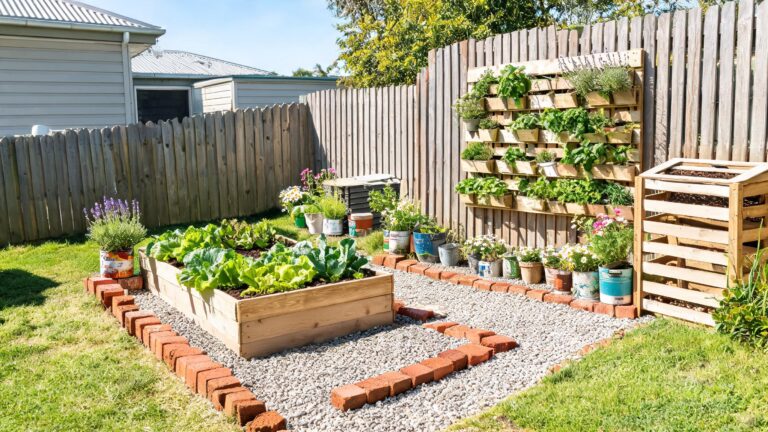
Gravel is affordable and useful for informal paths, dry-style gardens, and utility areas. It works best with proper edging and weed suppression underneath.
Raised Beds
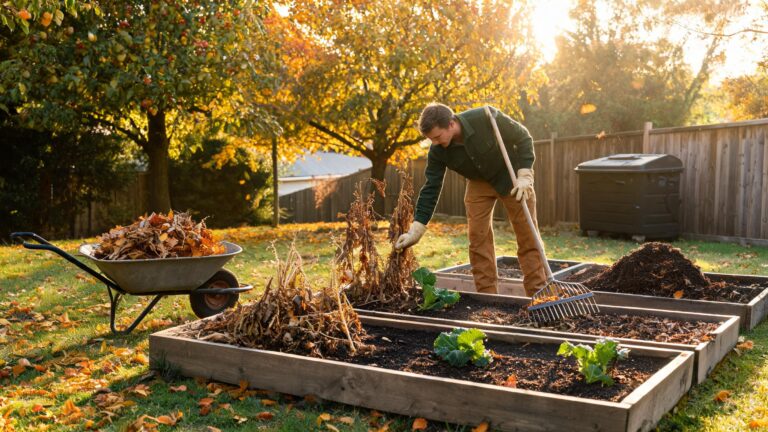
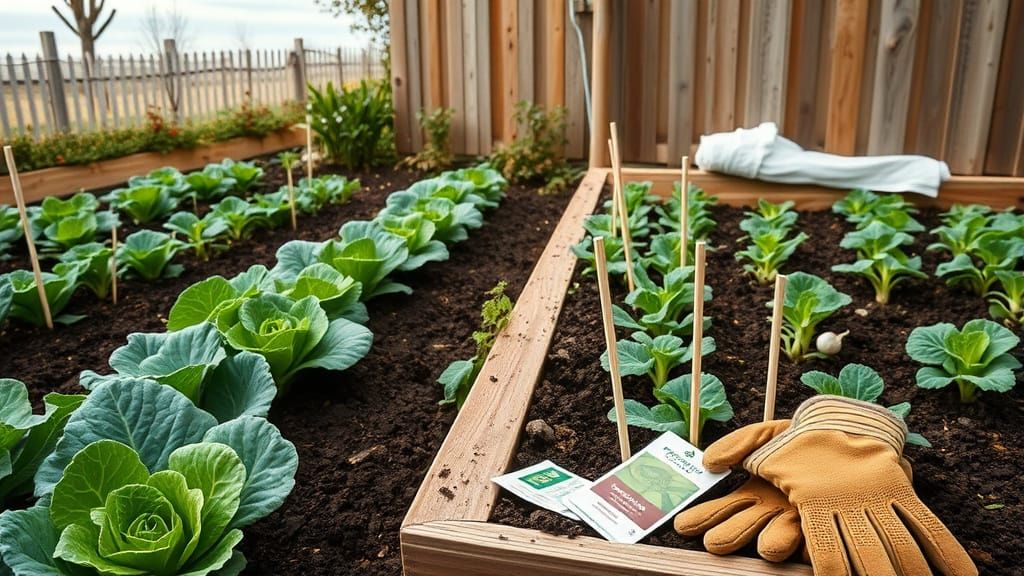
Raised beds are ideal for edible gardens, poor soil sites, and gardeners wanting better control over drainage and soil quality. They also bring useful structure to the landscape and can be built from timber, steel, or masonry.
Monetisation-friendly additions such as premium raised bed kits, quality soil mixes, mulch products, and drip irrigation systems can make a noticeable difference to long-term garden performance.
How to Make an NZ Garden Lower Maintenance
Low-maintenance does not mean lifeless. It means making smart design choices from the beginning.
Choose plants suited to your actual conditions
Group plants with similar water needs
Use mulch generously
Limit small fussy lawn edges
Repeat reliable plants instead of creating a collector’s garden
Install irrigation for new planting and dry climates
Use weed-suppressing ground covers where appropriate
Select durable outdoor materials that age well
Slow-release fertilisers and organic compost applications can also reduce stress and improve plant resilience, particularly in heavily planted borders and containers.
Common Problems in NZ Garden Design
Even attractive gardens can disappoint if basic design errors were made at the start. Watch for these common issues.
Overcrowding Plants
Young plants often look tiny, so beginners place them too closely. Within a few years, the garden becomes congested, airflow drops, and disease pressure increases. Always plant for mature size.
Ignoring Wind and Exposure
A plant that looks healthy at the garden centre may fail quickly in a windy site. Design shelter into the garden rather than expecting all plants to cope with harsh exposure.
Using Too Many Materials
Too many paving types, edging styles, pot colours, and decorative features can make a garden feel chaotic. Simplicity nearly always improves the result.
Placing High-Maintenance Plants in Hard-to-Reach Areas
Roses, annuals, clipped hedges, and thirsty containers need regular care. Keep them near paths, taps, or visible areas where they are easy to maintain and enjoy.
Forgetting Winter Structure
A garden made entirely of short-lived flowers can look empty for much of the year. Include evergreen shrubs, feature trees, and hardscape that hold the design together in every season.
Beginner Mistakes to Avoid
Starting with plant shopping before making a plan
Choosing plants based only on flower colour
Ignoring soil preparation
Not checking mature plant size
Creating awkward path routes
Installing too much lawn for the amount of maintenance available
Underestimating the need for irrigation in the first two years
Copying overseas garden trends without adapting them to New Zealand conditions
Budgeting for NZ Garden Design
You do not need to complete the whole garden in one go. In fact, staged development often leads to better decisions. Start with the structural work and the highest-use areas, then build outward.
A sensible order is:
Drainage and ground preparation
Hard landscaping and access
Shelter and screening
Soil improvement
Main trees and shrubs
Perennials, edibles, and finishing details
Spending more upfront on quality soil mixes, compost, mulch, irrigation systems, and robust hardscape materials often saves money in replacements and maintenance later.
Who Should Consider Professional Garden Design Help?
Some projects benefit from professional advice, especially sloping sites, drainage challenges, coastal exposure, major retaining, and complete new-build landscapes. A designer can help with layout, plant selection, material consistency, and staging.
However, many home gardeners can still create excellent results using a simple plan, a limited palette, and a clear understanding of site conditions. The key is patience and avoiding impulsive purchases.
FAQ About NZ Garden Design
What is the best style for NZ garden design?
The best style depends on your climate, section size, and maintenance goals. Native and modern gardens are especially popular in New Zealand because they can be durable, attractive, and easier to manage. Cottage and edible styles also work well when matched to the site and designed with clear structure.
How do I design a low-maintenance garden in New Zealand?
Choose plants suited to your local conditions, improve the soil well, mulch deeply, and keep the layout simple. Reduce fussy lawn edges, repeat dependable plants, and install irrigation if your summers are dry. Low-maintenance gardens are created through planning, not just plant choice.
Which plants are best for windy NZ gardens?
Reliable options often include pittosporum, griselinia, corokia, flax, carex, libertia, and many hardy native shrubs. In very exposed sites, establish shelter first, then plant more delicate species once the microclimate improves.
Can I combine ornamental and edible planting in one garden?
Yes, and it is one of the most practical approaches for home gardeners. Herbs, berries, citrus, espaliered fruit trees, leafy greens, and flowering companion plants can all be integrated into ornamental borders, raised beds, and patio containers.
When is the best time to start a garden redesign in New Zealand?
Autumn and winter are excellent for planning, hard landscaping, and planting many trees and shrubs. Spring is ideal for soil preparation, irrigation setup, and planting perennials and vegetables. The best timing depends on your region and the type of work involved.
How much lawn should a New Zealand garden have?
Only include as much lawn as you will use and maintain. A modest, well-shaped lawn can look crisp and useful, but oversized lawns often become wasted space. Many modern NZ garden design plans reduce lawn in favour of planting, entertaining, or productive areas.
Do native plants always mean lower maintenance?
Not always, but many native plants are well adapted to local conditions and can be easier to maintain once established. They still need the right placement, proper spacing, weed control, watering during establishment, and occasional pruning or grooming.
What should I spend money on first in a new garden?
Prioritise drainage, soil improvement, access, shelter, and main structural elements. Quality soil mixes, mulch, irrigation systems, and durable hard landscaping usually provide better long-term value than rushing to fill every bed with plants straight away.
Conclusion
The best NZ garden design is practical, climate-aware, and tailored to the way you live. It should work with your site rather than against it, combining structure, planting, and usability into a garden that looks good in every season. Whether you prefer a modern native landscape, a family-friendly edible garden, or a lush courtyard retreat, a thoughtful plan will always outperform impulse planting.
If you take the time to assess your site, choose the right layout, and select plants that genuinely suit New Zealand conditions, your garden will be easier to maintain and far more rewarding to spend time in. Start with the bones, improve the soil, plant with purpose, and your NZ garden design will grow into a space you enjoy for years to come.
We use cookies to improve your experience, analyze traffic, and display personalized ads.
By clicking "Accept", you consent to the use of cookies in accordance with our Privacy Policy.