What to Plant in June: The Ultimate New Zealand Winter Gardening Guide
As the days shorten and the frost sets in, many gardeners retreat indoors, mistakenly believing the growing season is over. However, world-class horticulturists know that winter is an era of immense subterranean activity. If you are wondering what to plant in June, you are in the perfect position to establish resilient winter crops, prepare for vibrant spring blooms, and lock in a bountiful fruit harvest for the years ahead. This guide will take you step-by-step through optimizing your winter garden, tailoring your approach to New Zealand’s unique climate. This is also a good time preparing for July planting.
June is the prime month for establishing cold-hardy vegetables, planting dormant deciduous fruit trees, and sowing traditional winter staples like garlic. The cool temperatures allow root systems to develop without the stress of summer heat.
Fruit & Berries: Bare-rooted apples, pears, plums, peaches, nectarines, citrus (in warmer zones), and strawberry runners.
Flowers & Ornamentals: Pansies, violas, polyanthus, primula, sweet peas, cyclamen, and new season roses.
Key Actions: Focus on soil drainage, apply thick organic mulch to protect roots, and transition to reduced winter watering schedules.
Why Knowing What to Plant in June is Crucial for Success
In regions like the Waikato, June brings crisp mornings, heavy dews, and regular frosts. The soil temperature frequently dips below 10°C. While this halts the growth of tender summer crops, it provides the exact environmental triggers needed by cold-hardy varieties. By planting in June, you allow your **winter vegetables** to acclimatize and your **deciduous fruit trees** to experience minimal transplant shock.
When you understand what to plant in June, you shift from reactive gardening to proactive horticultural strategy. You are no longer fighting the weather; you are utilizing it to naturally suppress pests and encourage deep, robust root development.
The Winter Vegetable Garden: Strategic June Plantings
The Golden Rule of Planting Garlic and Shallots
Garlic is the undisputed champion of the June garden. Horticultural tradition dictates planting garlic on the shortest day of the year (late June) and harvesting on the longest day (late December).
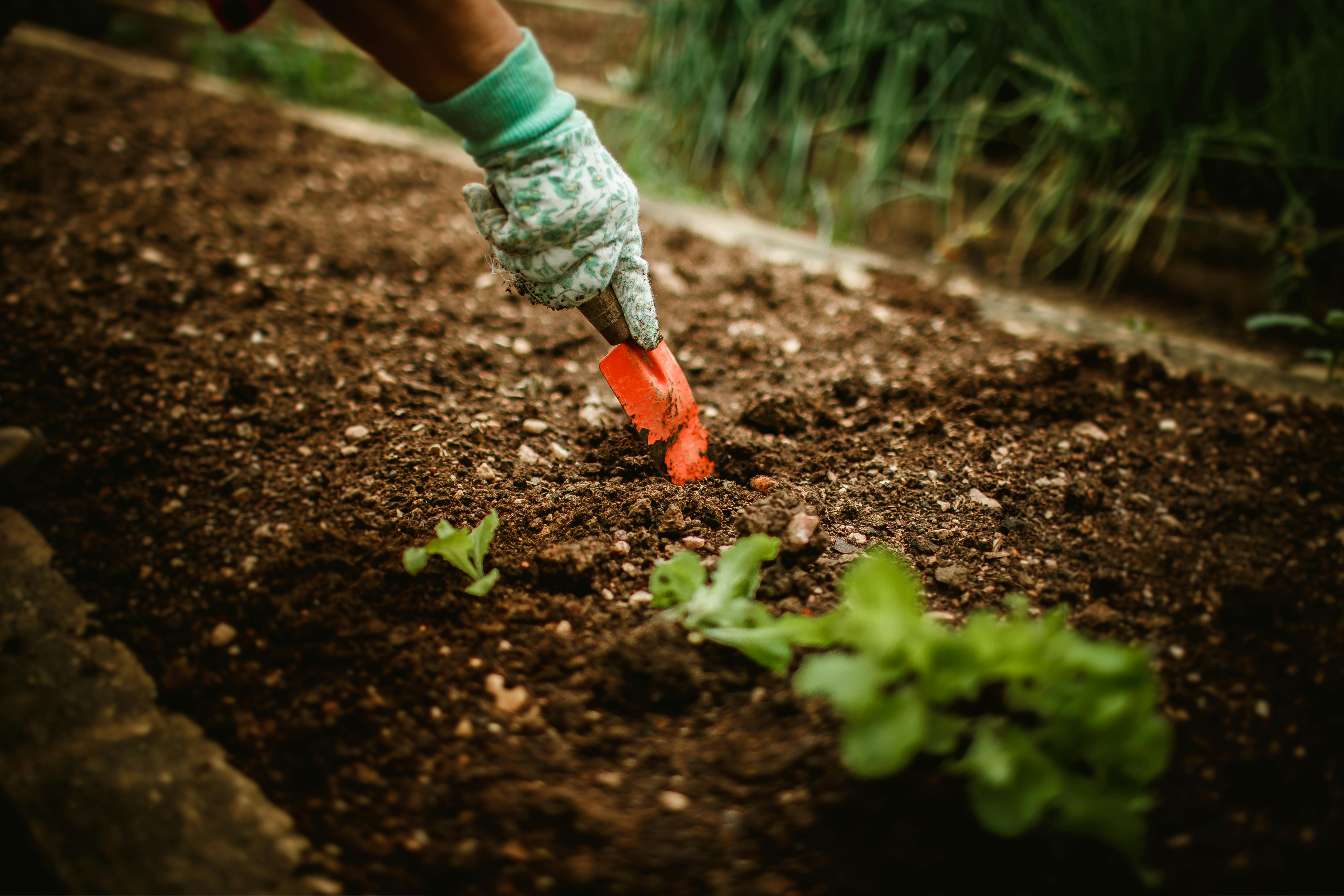
Site and Soil Preparation: Garlic demands full sun and exceptional drainage. Heavy, waterlogged winter soils will cause the bulbs to rot. Cultivate your soil deeply and enrich it with a high-quality compost. Aim for a slightly acidic to neutral pH of 6.0 to 7.0.
Spacing and Depth: Break your seed garlic into individual cloves just before planting. Push each clove into the soil, pointed end up. The critical expert tip here is depth: bury each clove at least 5cm below the surface. Shallow planting is a common mistake; as the heavy green tops grow in spring, shallow-rooted garlic will topple over and pull its own roots out of the ground. Space cloves 10–15cm apart in rows 30cm apart.
Establishing Hardy Brassicas
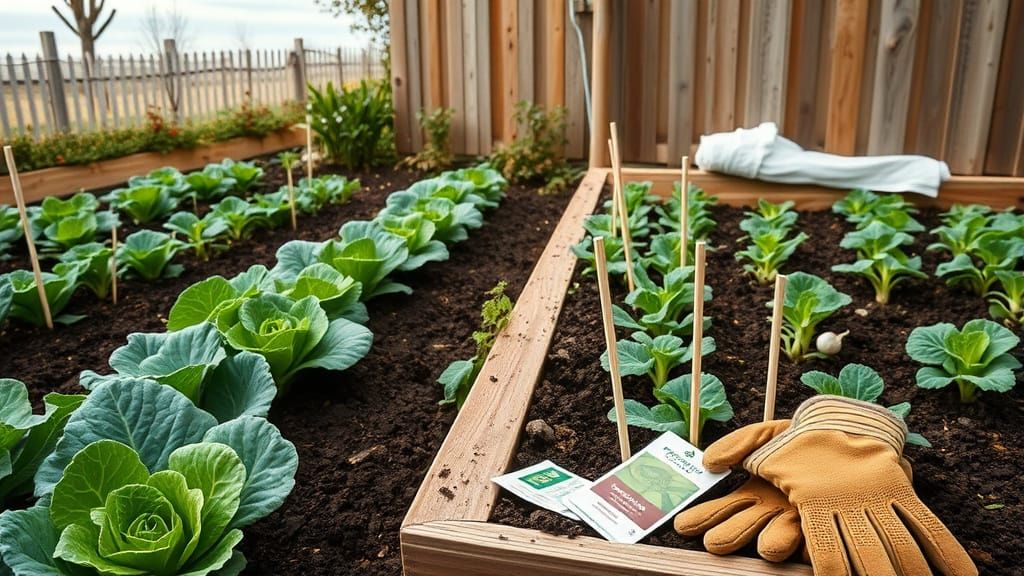
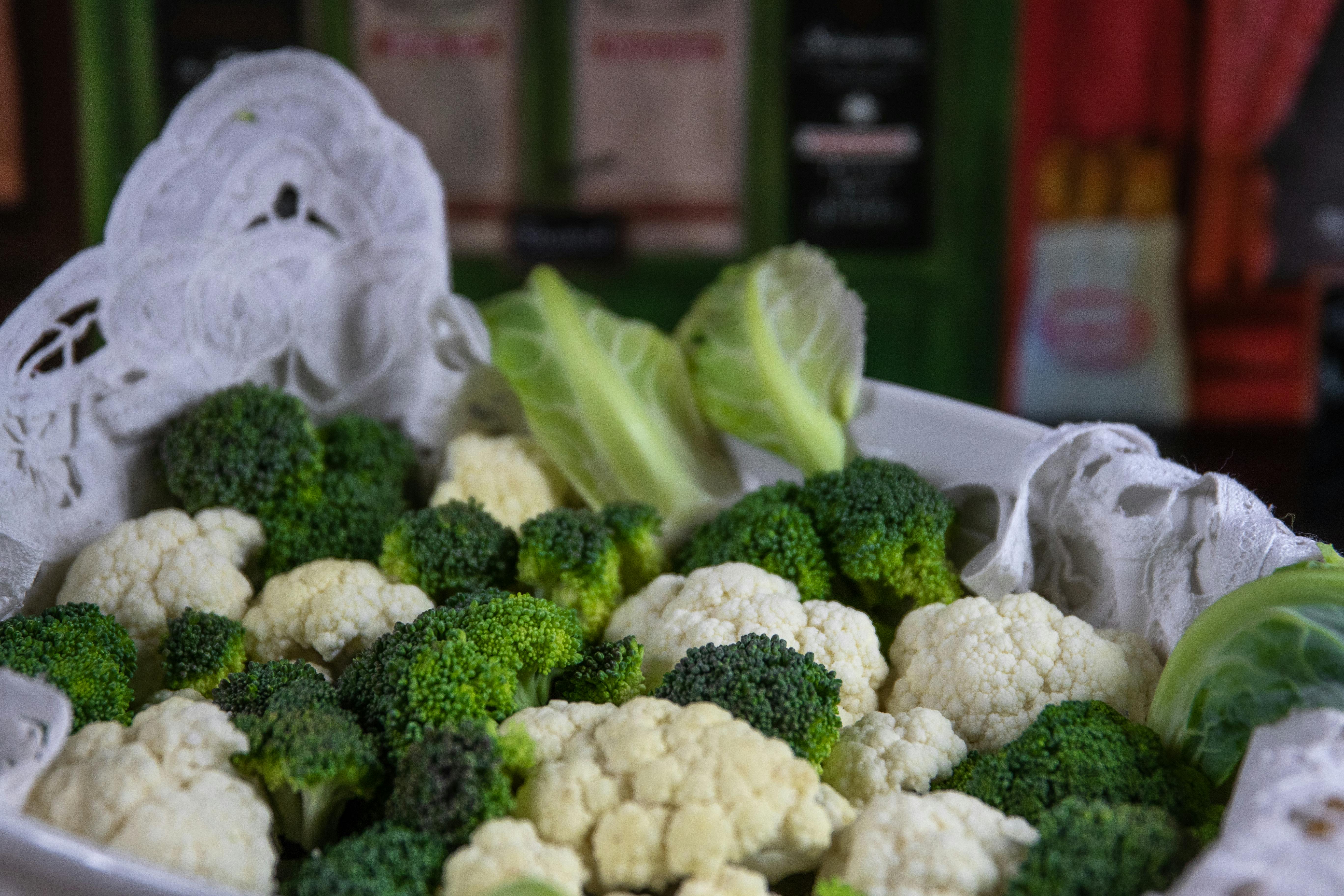
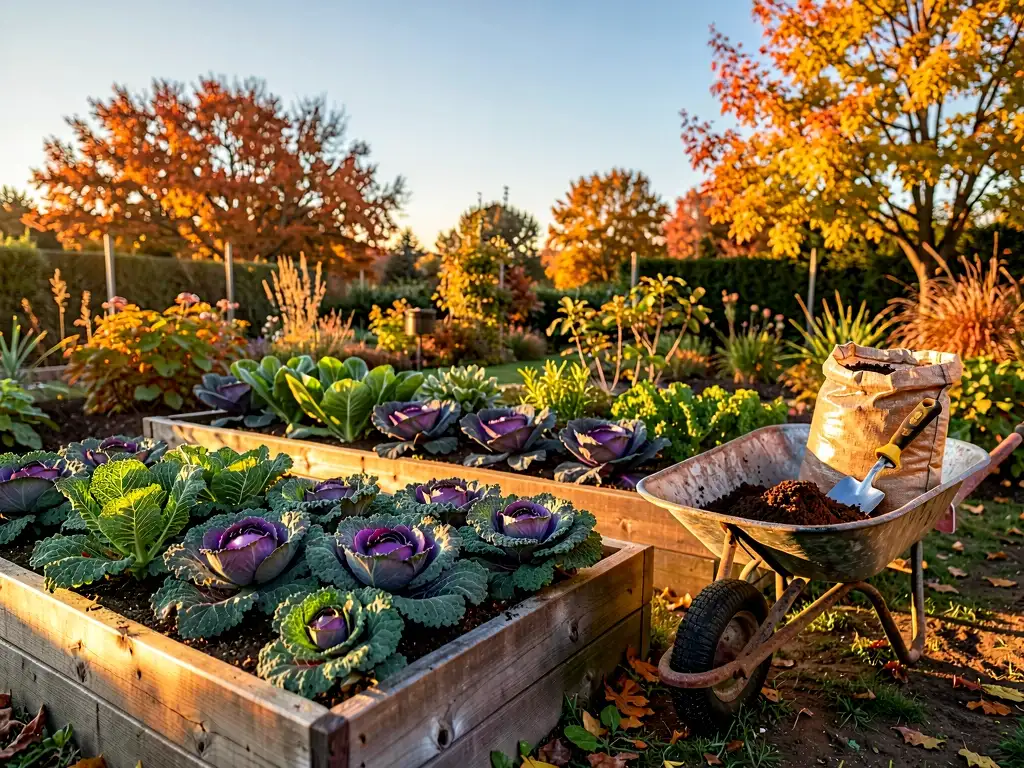
Brassicas—including broccoli, cabbage, cauliflower, and Brussels sprouts—are the backbone of the winter food supply. Because soil temperatures in June are often too cold for rapid seed germination, it is highly recommended to plant advanced seedlings rather than direct-sowing seeds.
Cultivation: Brassicas are heavy feeders. Dig in sheep pellets or aged poultry manure two weeks before planting. They prefer firm soil, so do not over-fluff your beds.
Spacing: Give them room to breathe. Cabbages and cauliflowers need 40–50cm between plants to form large, tight heads.
Care: Watch out for the lingering white cabbage butterfly in warmer northern regions. Protect young seedlings with fine insect mesh.
Leafy Greens for Continuous Harvest
Winter lettuce, spinach, silverbeet, and kale thrive in June. These greens have adapted to produce natural sugars in their leaves when temperatures drop, acting as an antifreeze that makes them taste noticeably sweeter after a frost.
Container Gardening: If your main garden beds are prone to winter flooding, these shallow-rooted greens grow exceptionally well in pots. Keep containers on a sheltered patio to allow for easy harvesting on cold, rainy evenings.
Legumes: Broad Beans and Peas
Whether you prefer the crunch of snow peas or the hearty yield of broad beans, June is the ideal time to get your legume patch started.
Sowing: Broad beans are incredibly frost-hardy and can be sown directly into the soil. They establish strong root systems over winter for a massive early spring growth spurt.
Support: Install your climbing frames or trellises at the time of planting to avoid damaging the delicate root systems later in the season.
Orchard Management: Fruit Trees to Plant in June
Deciduous Fruit Trees
June is the absolute best time of year to plant deciduous fruit trees like apples, pears, plums, peaches, and nectarines. During winter dormancy, all the tree’s energy is stored in its roots. Moving them now causes virtually no transplant shock.
Planting Technique: When you purchase bare-rooted or bagged trees, prepare a hole that is twice as wide as the root ball, but exactly the same depth. Never bury the graft union (the swollen bump at the base of the trunk); it must remain at least 5cm above the soil line to prevent the scion wood from sending out its own roots and bypassing the selected rootstock. Stake the tree securely to protect it from harsh winter winds.
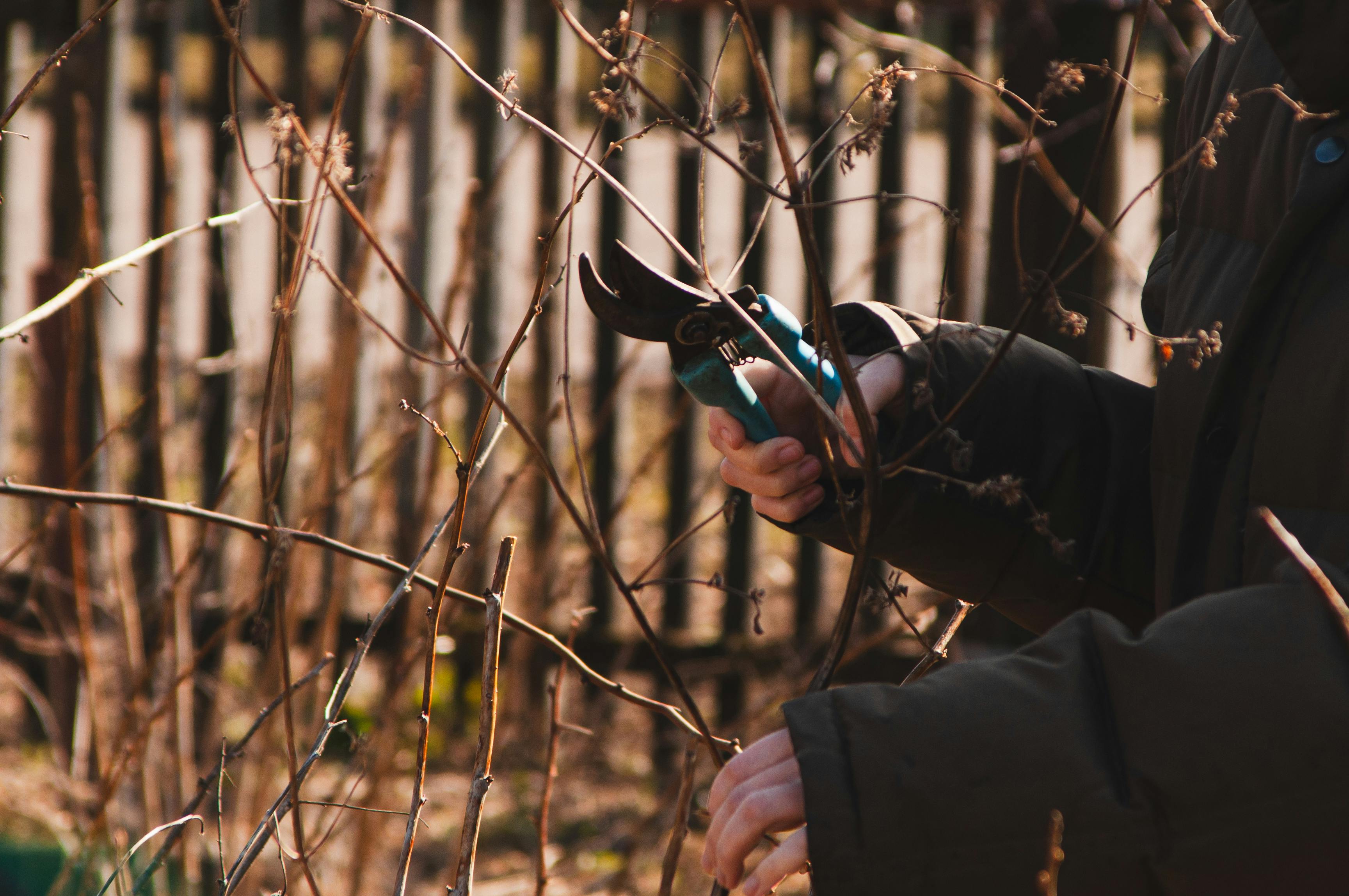
Winter Maintenance: For existing fruit trees, June is the time for dormant pruning and applying a preventative copper spray to eliminate overwintering fungal spores like leaf curl and black spot.
Strawberries for Early Yields
Horticultural research shows that planting strawberries in New Zealand’s winter temperatures produces a larger, more vigorous crop over the summer season.
Preparation: Strawberries prefer a slightly acidic pH (5.5 to 6.5). Mound your soil to improve drainage and plant the crowns so that the top is just sitting above the soil level. Planting too deep will cause the crown to rot. Allow for roughly five plants per person in your household for a consistent summer supply.
Brightening the Landscape with Winter Flowers
Your garden does not have to be devoid of color in winter. June is the traditional time to refresh flower beds with cold-hardy annuals and to plant bare-root roses.
Winter Bedding Plants: Plant seedlings of polyanthus, primula, pansies, violas, snapdragons, and sweet peas. These will provide immediate nectar for early foraging beneficial insects.
New Season Roses: Garden centers receive their new season roses in June. Prepare the soil by digging in liberal amounts of compost and a slow-release rose fertilizer. Ensure the planting site gets at least six hours of winter sunlight per day.
Climate Variations for June Planting in New Zealand
Understanding your local microclimate is essential for winter gardening success.
Cool Climates (Southland, Otago, Central Plateau): Focus heavily on garlic, broad beans, and bare-root tree planting. Use frost cloths for all young seedlings. Avoid planting citrus outdoors until spring.
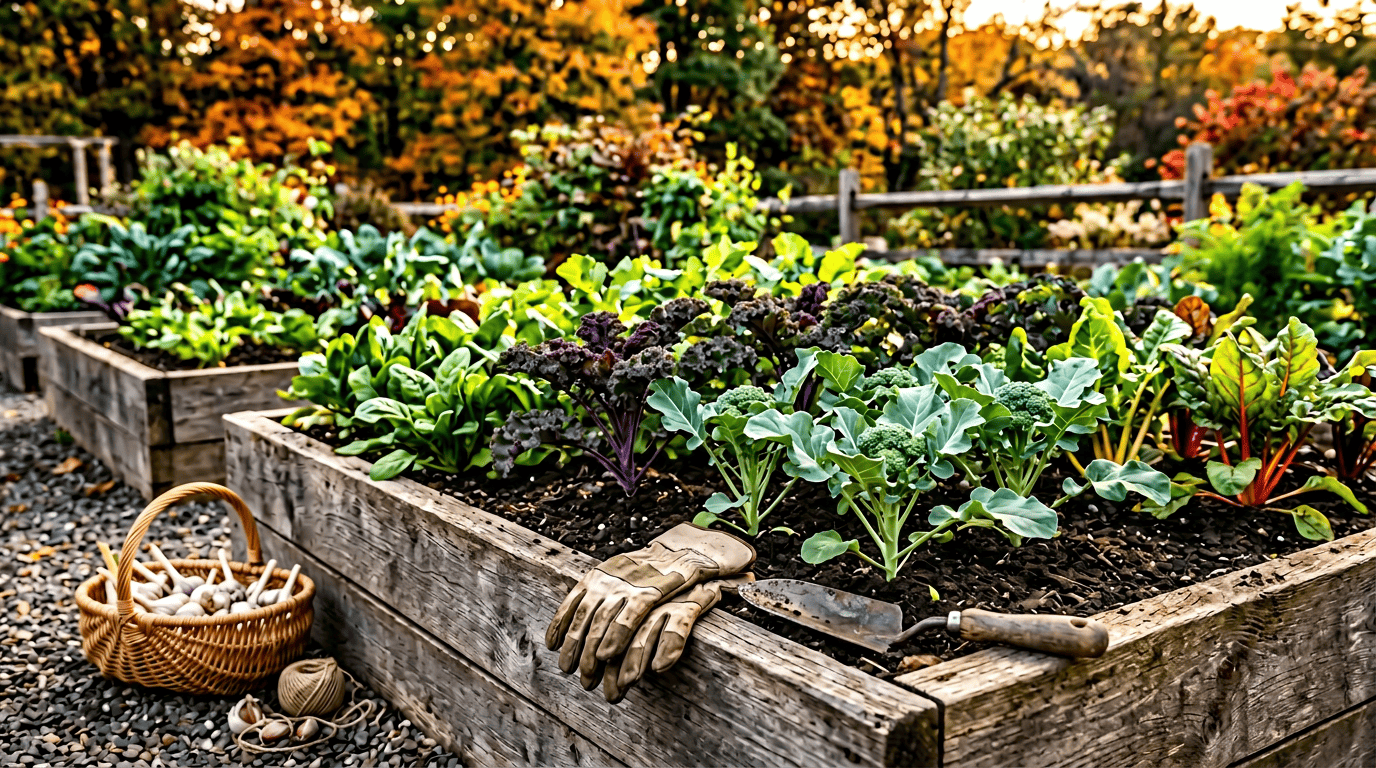
Temperate Climates (Waikato, Wellington, Canterbury Coast): Ideal for all brassicas, peas, and root crops. Watch for heavy, waterlogged clay soils. Raised beds are highly recommended to keep roots above the winter water table.
Warm Climates (Northland, Auckland Coast): You have a much broader palette. You can still safely plant onions, early potatoes, and even sow certain seeds directly. You can also safely plant cold-sensitive citrus trees like lemons and limes.
Essential June Garden Maintenance and Care
Successful winter gardening is not just about planting; it is about careful environmental management.
Watering: Winter gardens require significantly less water. Natural rainfall is often sufficient. Only irrigate if there has been a prolonged dry spell of more than a week. Overwatering cold, slow-draining soil is the fastest way to induce root rot.
Fertilizing: Cold soils mean slow microbial activity, meaning organic fertilizers break down slower. Rely on liquid feeds like seaweed extract, which acts as a gentle plant tonic, improving cell wall strength and frost resistance.
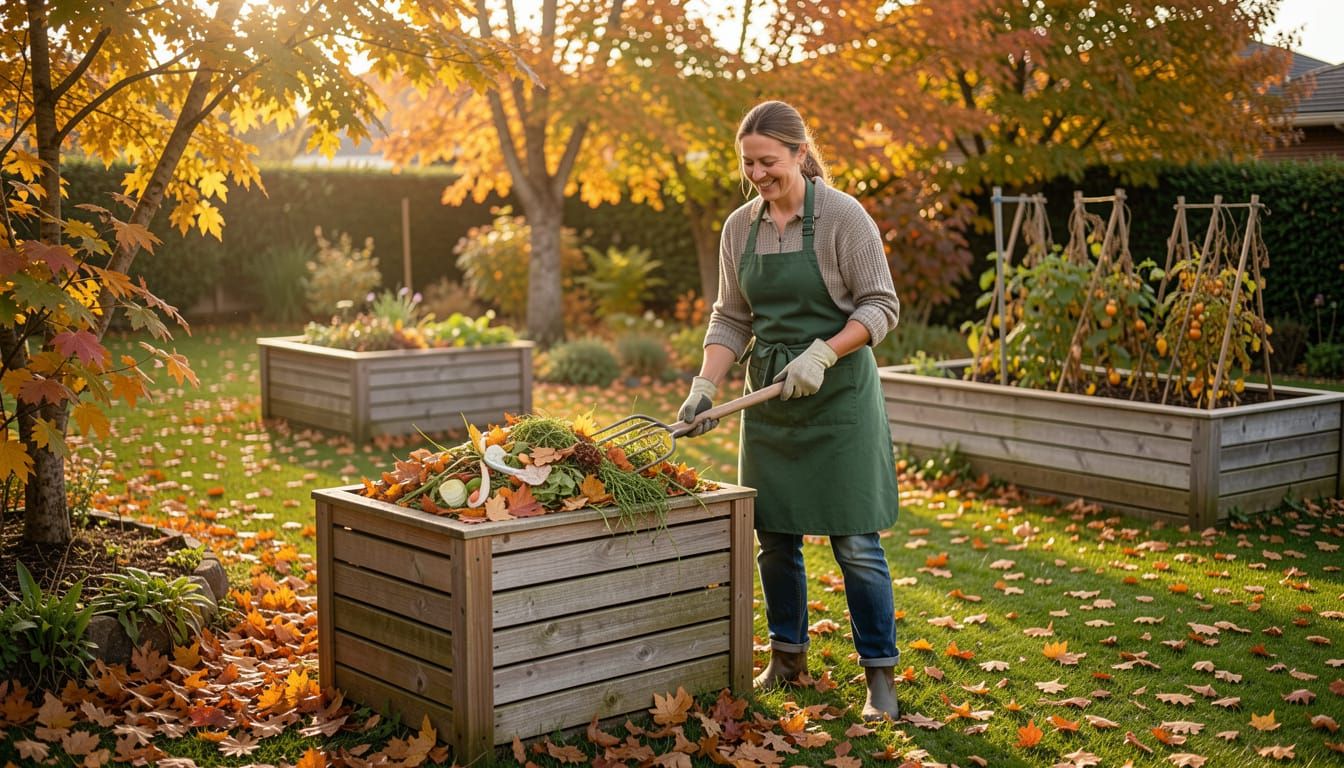
Soil Protection: Never leave soil bare in winter. If you have empty beds, sow a green manure crop like blue lupin or mustard. This prevents nutrient leaching from heavy rains and adds vital organic matter when dug back in during early spring.
Common June Gardening Mistakes to Avoid
Even experienced gardeners can fall victim to winter pitfalls. Avoid these common errors:
Sowing Seeds Directly in Cold Soil: Unless it’s peas or broad beans, most seeds will rot in 10°C soil before they germinate. Always start seeds in a warm glasshouse or buy advanced seedlings.
Ignoring Drainage: Winter rain can turn a slightly damp summer bed into an anaerobic swamp. If water pools on your soil surface for more than an hour after rain, you must build raised beds or dig in heavy amounts of pumice and organic matter.
Pruning Evergreens Too Early: While June is perfect for pruning dormant deciduous trees, avoid heavy pruning of frost-tender evergreens (like citrus). The outer foliage protects the inner branches from frost damage. Leave them until all danger of frost has passed in spring.
June Planting Quick Reference Guide
Use this table to quickly plan your June garden activities based on optimal horticultural practices.
Plant Category
Ideal Varieties for June
Optimal Spacing
Expert Care Tip
Root Crops
Garlic, Shallots, Radish
10–15cm apart
Plant garlic 5cm deep to ensure strong root anchoring as the plant matures.
Brassicas
Broccoli, Cabbage, Kale
40–50cm apart
Plant as advanced seedlings; feed with sheep pellets prior to planting.
Leafy Greens
Spinach, Winter Lettuce
20–30cm apart
Grow in containers on a sheltered patio if garden soil is highly waterlogged.
Legumes
Broad Beans, Sugar Snap Peas
15–20cm apart
Install climbing trellises at the time of planting to avoid root disturbance later.
Fruit & Trees
Apples, Plums, Strawberries
Varies by rootstock
Ensure the graft union of bare-root trees remains at least 5cm above the soil line.
Frequently Asked Questions
Is it too late to plant winter vegetables in June?
No, June is the perfect time to plant established seedlings of cold-hardy vegetables like broccoli, cabbage, and spinach. While it is generally too late to sow most vegetable seeds directly outdoors due to cold soil temperatures, planting advanced seedlings guarantees a solid late-winter to early-spring harvest.
Do I need to water my garden in June?
Generally, you should drastically reduce your watering schedule in June. Natural winter rainfall and heavy morning dews usually provide adequate moisture. Only water if your soil feels completely dry 5cm below the surface, and always water in the morning so foliage can dry before evening frosts.
Can I plant citrus trees in June?
If you live in a frost-free, warm climate (like Northland or coastal Auckland), you can plant citrus in June. However, in temperate or cool regions (like the Waikato or South Island), it is highly recommended to wait until spring, as young citrus trees are highly susceptible to frost damage.
What is the best way to protect my June plantings from frost?
The most effective method is covering vulnerable plants with specialized horticultural frost cloth overnight. Additionally, applying a thick 5–10cm layer of organic mulch around the base of your plants helps insulate the soil and protect the shallow feeder roots from freezing temperatures.
Why did my garlic rot in the ground last winter?
Garlic rot is almost always caused by poor soil drainage combined with excessive winter rain. To prevent this, plant your garlic in raised beds or mounds, ensure the soil is deeply loosened, and never plant in an area where water naturally pools after a heavy rainstorm.
Can I use supermarket garlic for planting?
It is strongly advised against. Most supermarket garlic is imported and has been chemically treated to prevent sprouting on the shelf. It may also carry foreign fungal diseases. Always purchase certified, locally grown seed garlic from a reputable garden center.
Conclusion
Understanding exactly what to plant in June is the hallmark of a strategic, year-round gardener. By shifting your focus to cold-hardy brassicas, securing your garlic harvest on the shortest day, and taking advantage of the bare-root tree season, you lay a robust foundation for the coming seasons. Embrace the crisp winter air, focus on soil health, and your garden will reward you with continuous, vigorous growth straight through to spring.
We use cookies to improve your experience, analyze traffic, and display personalized ads.
By clicking "Accept", you consent to the use of cookies in accordance with our Privacy Policy.