How to Grow Spring Onions in NZ: A Complete Spring Gardening Guide
If you’re wondering how to grow spring onions successfully in Aotearoa, you’re in good company — these fast, forgiving alliums are one of the most rewarding crops for beginner and experienced Kiwi gardeners alike. Whether you’re working a raised bed in Pukekohe or a sunny pot on an Auckland balcony, spring onions (also called bunching onions or scallions) reward you with a harvest in as little as 8–10 weeks. This spring gardening guide walks you through everything you need — from soil prep and sowing to pest control and harvesting — tailored specifically to New Zealand’s Southern Hemisphere climate and regional conditions.
Spring onions (Allium fistulosum) grow best in New Zealand when sown directly into full-sun garden beds with fertile, free-draining soil, ideally between early spring (September) and early autumn (April), though warmer northern regions can sow almost year-round. They germinate in 7–14 days at soil temperatures of 12–25°C and are ready to harvest in 8–10 weeks. Because they’re shallow-rooted, consistent watering and light, regular feeding with sheep pellets or seaweed tonic keep them tender and productive.
Best sowing window: September to April in most regions; near year-round in Northland and Auckland
Soil needs: Free-draining, fertile loam with a pH of 6.0–7.0
Spacing: 5cm between plants, 15–20cm between rows
Harvest time: 8–10 weeks from sowing, or when stems reach pencil thickness
Watch for: Aphids, thrips and downy mildew, especially in humid, wet conditions
Why Spring Onions Suit the New Zealand Garden
Spring onions are one of the easiest additions to any spring vegetable planting guide for New Zealand gardens because they’re quick-growing, compact, and tolerant of a wide range of climates — from the subtropical warmth of Northland to the cooler, frost-prone plots of Central Otago. Unlike bulbing onions, spring onions are harvested for their tender green stems and mild white bulbs before they swell, which means you’re not racing daylight hours or worrying about day-length classifications.
They’re also a smart succession crop. Because they mature in roughly two months, Kiwi gardeners often sow a fresh row every three to four weeks through spring and summer to keep a continuous supply on hand for stir-fries, salads and garnishes — a practice that fits neatly alongside kai grown for the home table.
Understanding NZ’s Regional Microclimates
New Zealand’s long, narrow geography means “when to plant” varies significantly by region:
Region
Climate Type
Sowing Window for Spring Onions
Key Considerations
Northland & Auckland
Subtropical, mild winters
Almost year-round, best August–May
Watch humidity-driven downy mildew in summer
Waikato & Bay of Plenty
Temperate, warm summers
September to April
Rich volcanic loam suits alliums well
Wellington & Manawatū
Temperate, windy
September to March
Stake or shelter beds from prevailing wind
Canterbury
Continental, frost-prone
Late September to February
Delay sowing until soil warms past 10°C; frost can damage young seedlings
Central Otago
Alpine, hard frosts
October to January
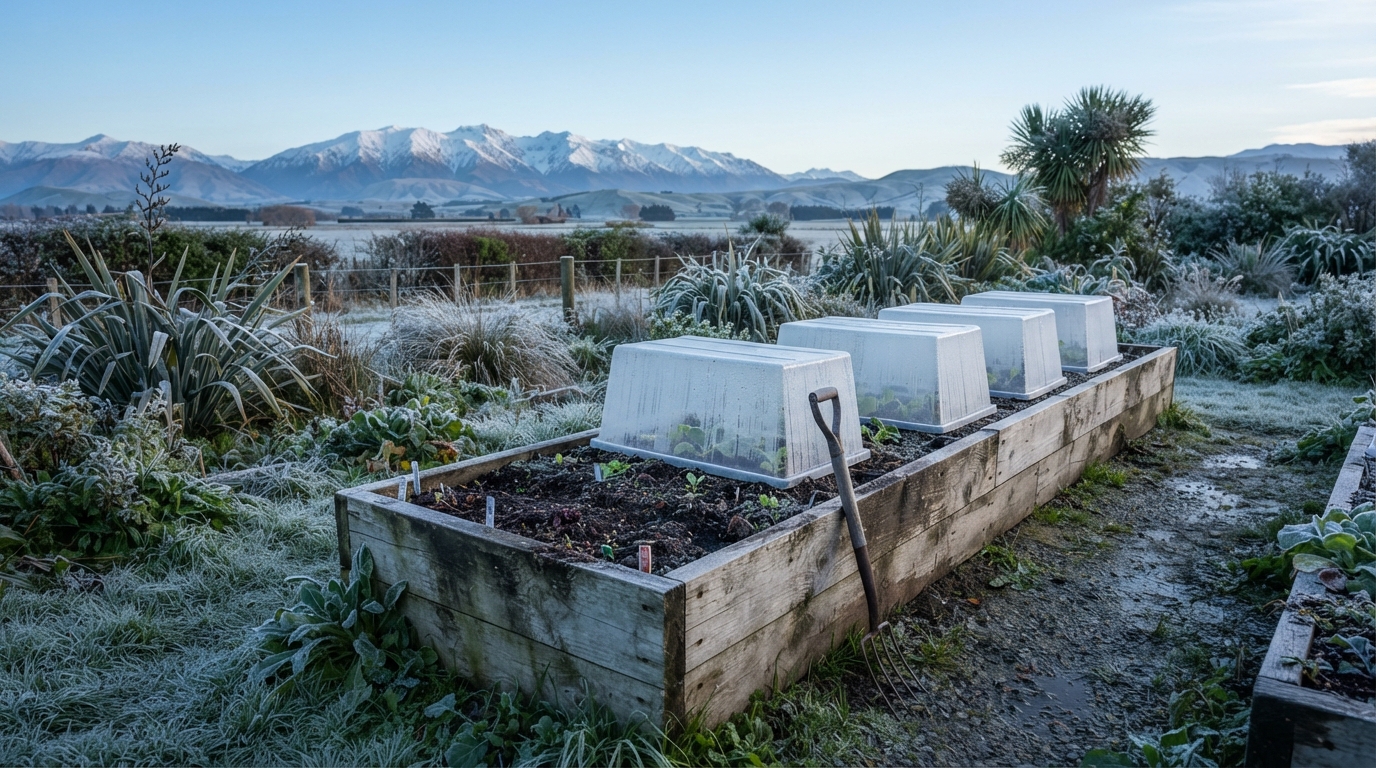
Use cloches early season; hard frosts after October are rare but possible
Step-by-Step: How to Grow Spring Onions from Seed
1. Choose the Right Site and Prepare the Soil
Spring onions need at least six hours of full sun daily and free-draining, fertile soil. New Zealand gardeners work with everything from volcanic clay in Waikato to sandy loam on the Kāpiti Coast and peat soils in parts of the Waikato basin — whatever your whenua, the goal is the same: loosen the top 20–30cm, remove clods and stones, and dig in well-rotted compost or aged animal manure.
Ideal soil pH: 6.0–7.0 (slightly acidic to neutral)
Heavy clay soils: build raised beds or mounded rows to improve drainage
Sandy soils: work in extra compost to boost water-holding capacity
Add a base dressing of blood and bone or sheep pellets two weeks before sowing to build fertility
2. Sow Seed at the Right Time
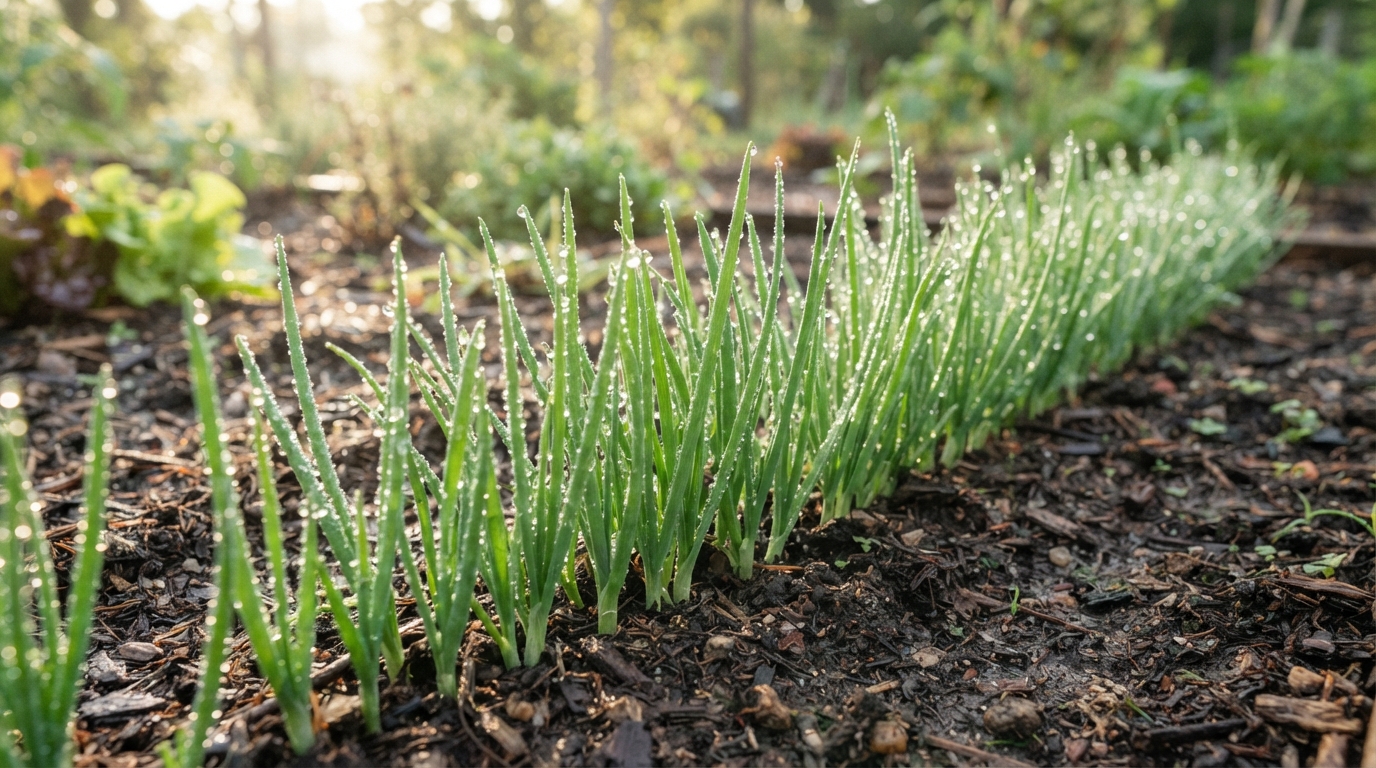
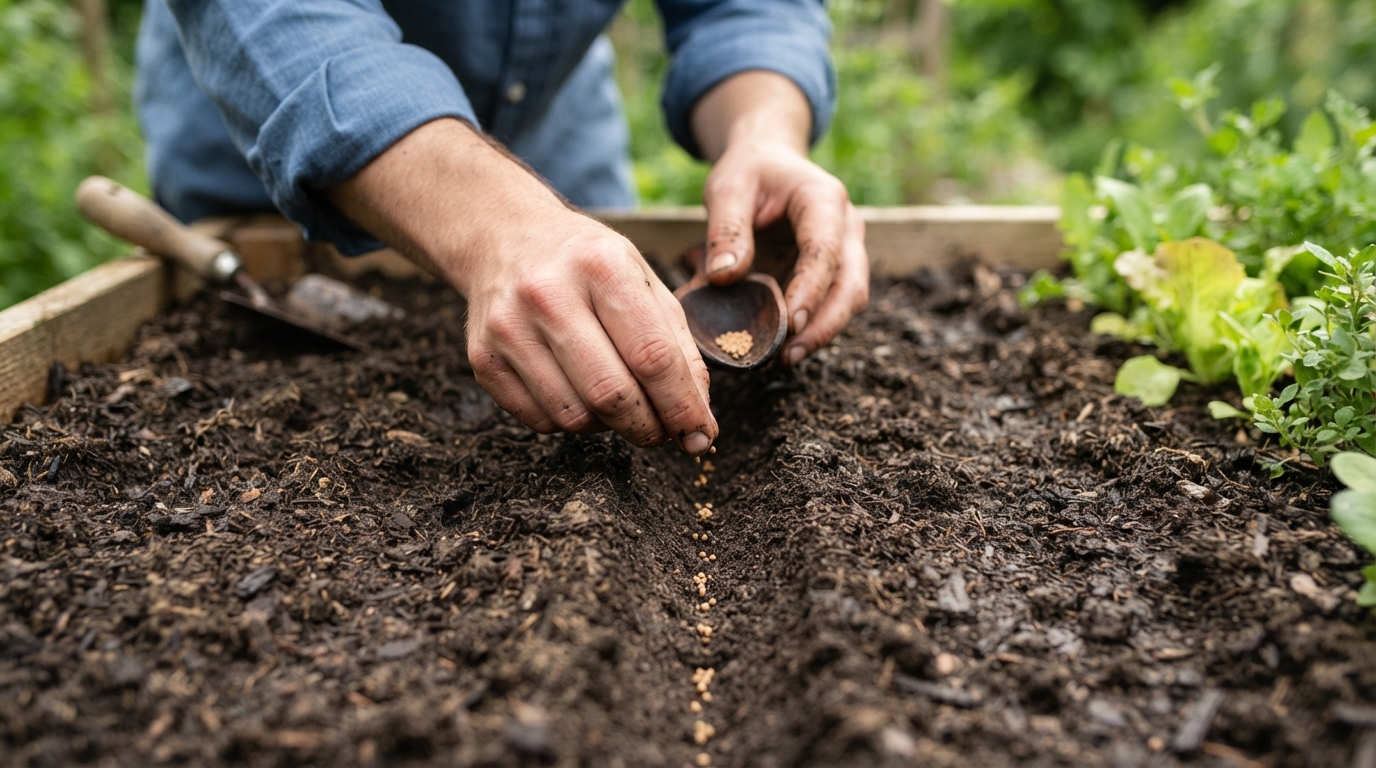
Direct sowing is the simplest method and avoids transplant shock. Create shallow drills around 5–10mm deep, sprinkle seed thinly along the row, then cover lightly with fine soil or seed-raising mix and water gently to settle. Seed germinates in 7–14 days when soil temperatures sit between 12°C and 25°C, with the fastest germination around 20–25°C.
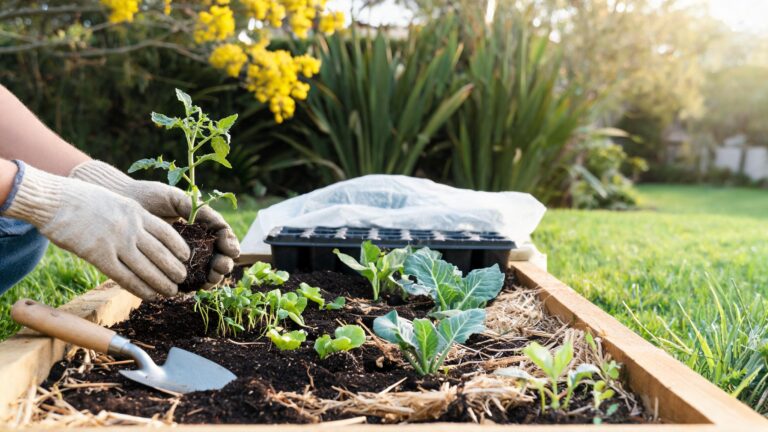
For a head start in cooler regions like Canterbury or Otago, sow into trays or punnets under cover in late winter, then transplant seedlings out once frost risk has eased, generally from mid-to-late September.
3. Space and Thin Seedlings
After 10–14 days, thin crowded seedlings so plants sit around 5cm apart, with 15–20cm between rows. If transplanting seedlings from trays, gently tease roots apart to avoid damage, and plant at the same spacing. Don’t discard the thinnings — they’re perfectly usable as baby spring onions in the kitchen.
4. Water Consistently
Spring onions are shallow-rooted and dislike drying out. Water deeply two to three times a week in dry spells rather than a light daily sprinkle, and apply a mulch of pea straw or untreated grass clippings to conserve moisture and suppress weeds. In wetter regions such as the West Coast, ensure beds don’t become waterlogged, as soggy soil encourages rot and fungal disease.
5. Feed Lightly but Regularly
Spring onions are light feeders compared to bulbing onions, but they still benefit from a boost. Kiwi gardeners often work sheep pellets or a balanced vegetable fertiliser into the soil at planting, then follow up every three to four weeks with a diluted seaweed or kelp tea to strengthen cell walls and improve pest resistance.
NZ Seasonal Timing and the Vegetable Planting Calendar
Spring onions fit naturally into any vegetable planting calendar because they can be sown almost continuously through the warmer months. In New Zealand’s Southern Hemisphere seasons, spring runs September to November, summer December to February, autumn March to May, and winter June to August. As part of a broader spring vegetable planting guide, spring onions pair well with lettuce, radish, beetroot and other quick-maturing crops sown at the same time.
Spring (Sep–Nov): Prime sowing window nationwide; soil is warming and daylight is increasing
Summer (Dec–Feb): Continue succession sowing every 3–4 weeks in most regions; provide afternoon shade in very hot inland areas
Autumn (Mar–May): Last reliable sowing in cooler regions; Northland and Auckland gardeners can often keep going
Winter (Jun–Aug): Growth slows significantly; established plants may continue cropping slowly in mild coastal gardens, but frost-prone inland areas should hold off sowing
Succession Sowing for Continuous Harvest
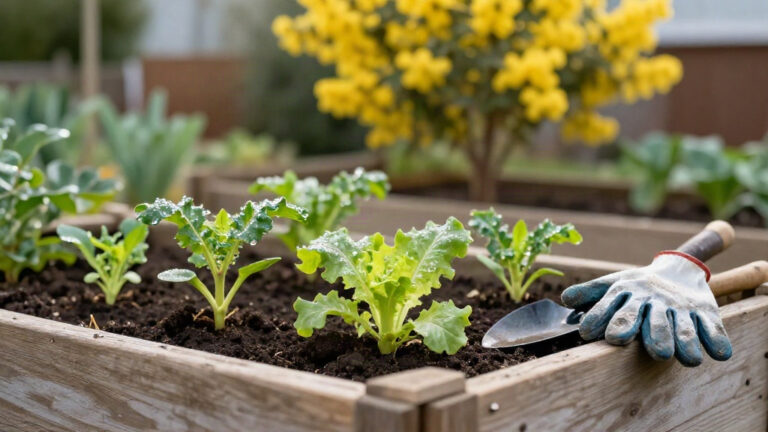
Sowing a new short row every three to four weeks from early spring through to autumn ensures you always have a batch approaching harvest size. This is one of the most practical techniques in any spring gardening guide, and it works particularly well in raised beds where soil warms earlier than open ground.
Common Pests and Diseases in NZ Gardens
Spring onions are relatively trouble-free, but a few pests and diseases show up reliably across New Zealand gardens.
Aphids
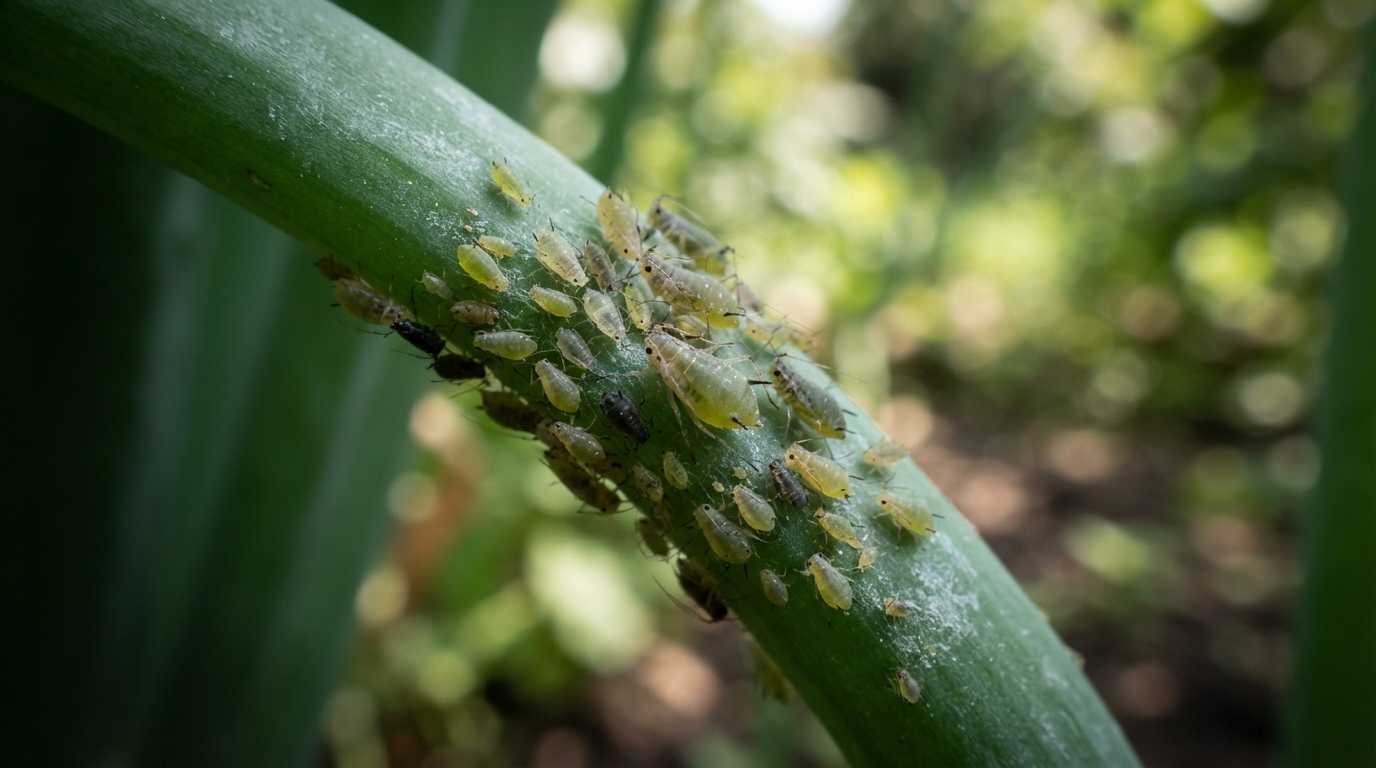
Aphids cluster on tender new growth and can spread quickly in warm weather. Kiwi gardeners often notice early infestations on stressed or under-watered plants, so keeping plants well fed and watered is your first line of defence. Treat with a neem oil spray or an insecticidal soap, targeting the undersides of leaves where colonies build up.
Thrips
Thrips cause a distinctive silvering or streaking on the leaves and are more common in hot, dry conditions, particularly in Northland and Auckland during summer. An organic pyrethrum-based spray or a citrus and vegetable oil spray applied in the evening usually brings numbers under control.
Downy Mildew
This fungal disease shows up as pale, fuzzy patches on the leaves, especially the undersides, and thrives in humid, poorly ventilated conditions common in the North Island during warm, wet spells. Improve airflow by spacing plants correctly, avoid overhead watering late in the day, and apply a copper-based fungicide if symptoms appear.
Onion White Rot and Neck Rot
Less common in home gardens but worth knowing, these soil-borne diseases can persist for years once established. According to agronomy research on onion diseases in New Zealand, bacterial soft rot and fungal rots are among the more economically significant issues affecting allium crops, which is why crop rotation matters even at a home garden scale.
Crop Rotation Matters
To reduce disease build-up, avoid planting spring onions, leeks, garlic or bulbing onions in the same bed two seasons running. Rotate with unrelated crops such as legumes or brassicas, and where possible, leave at least two to three years between allium plantings in the same patch of soil.
Growing Spring Onions in Containers
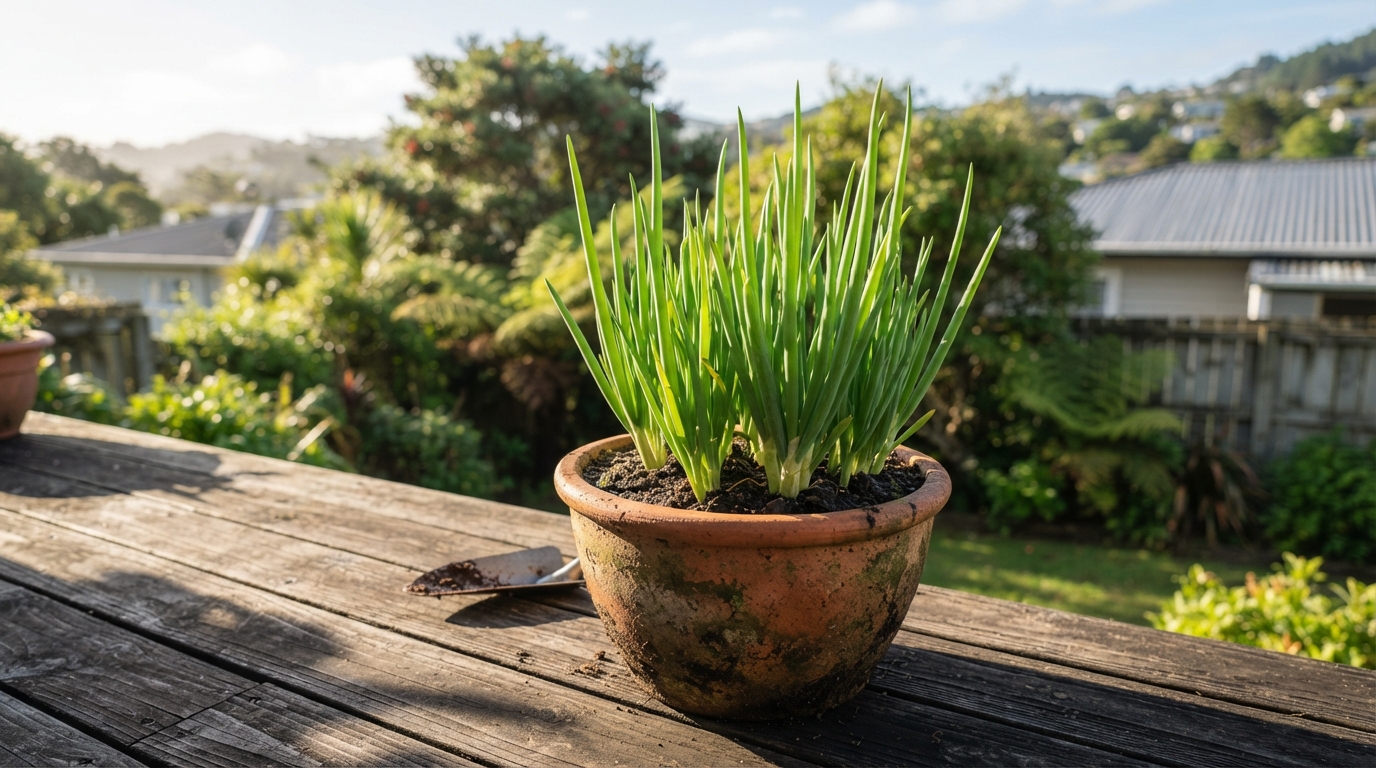
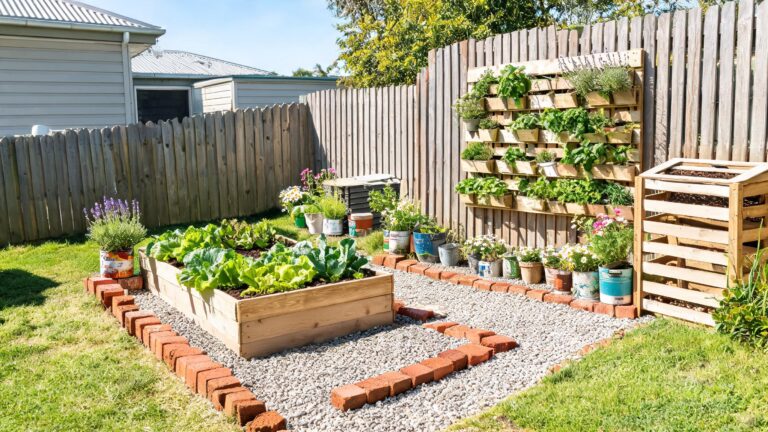
Spring onions are ideally suited to container growing, making them a great option for renters, apartment dwellers, or anyone short on garden space. Use a pot at least 20cm deep with good drainage, fill with a quality vegetable potting mix, and sow seed thinly across the surface. Because potting mix depletes nutrients faster than garden soil, feed containers more frequently with a diluted seaweed tonic, and check moisture daily in summer as pots dry out quickly. A self-watering or wicking pot system helps maintain the even moisture spring onions need, particularly through hot North Island summers.
Harvesting and Ongoing Supply
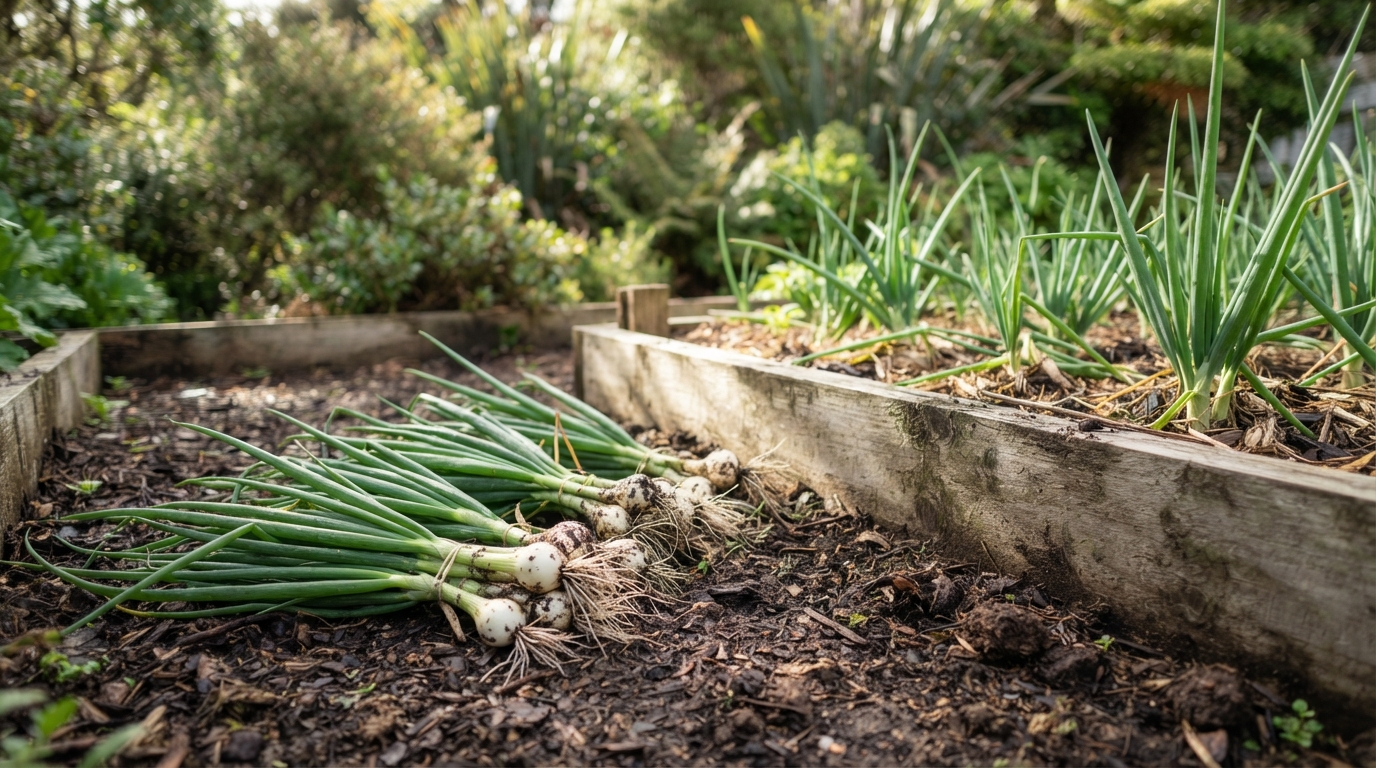
Spring onions are typically ready 8–10 weeks after sowing, once stems reach pencil thickness and stand 15–20cm tall. Harvest by gently loosening the soil and pulling the whole plant, or snip outer leaves at ground level and allow the base to regrow for a second, smaller harvest. For the mildest flavour, harvest in the cooler part of the day and use fresh, as spring onions don’t store well long-term in the fridge beyond a week or so.
Key Takeaways for Growing Spring Onions in NZ
Sow directly into free-draining, fertile soil with a pH of 6.0–7.0, in full sun
Space plants 5cm apart with 15–20cm between rows for good airflow
Sow every 3–4 weeks through spring and summer for a continuous harvest
Water deeply and mulch to prevent the shallow roots drying out
Rotate alliums around the garden to avoid disease build-up in the soil
Frequently Asked Questions
Can I grow spring onions all year round in New Zealand?
In warmer northern regions like Auckland and Northland, spring onions can often be sown almost year-round with only a slowdown over the coldest winter weeks. In cooler regions such as Canterbury or Otago, stick to sowing between September and April to avoid frost damage to young seedlings.
How do I stop my spring onions bolting to seed?
Bolting is usually triggered by temperature stress, particularly a cold spell followed by rapid warming. Sow at the recommended times for your region, keep plants consistently watered, and harvest promptly once mature rather than letting them sit too long in the ground.
What’s the best soil amendment for clay soils before planting spring onions?
Heavy clay benefits from generous compost, well-rotted animal manure, and coarse sand or gypsum worked through the top 20–30cm. Building a raised bed or mounded row is often the most reliable fix, as it lifts roots above waterlogged clay and warms up faster in spring.
Do spring onions need frost protection?
Mature spring onions tolerate light frosts reasonably well, but young seedlings are more vulnerable. In frost-prone inland areas of Canterbury and Central Otago, use a frost cloth or cloche over newly sown beds until seedlings are established and the risk of hard frost has passed.
Can spring onions be grown alongside other vegetables?
Yes, spring onions are excellent companion plants, particularly alongside carrots, beetroot and brassicas, as their scent can help deter some pests. Avoid planting them directly next to peas or beans, as alliums can inhibit the growth of legumes.
Why are my spring onion leaves turning yellow?
Yellowing leaves usually indicate either overwatering and root stress in poorly drained soil, or a nitrogen deficiency. Check drainage first, then apply a light dose of a nitrogen-rich fertiliser such as blood and bone if soil conditions look fine.
How many spring onions should I plant for a household?
A row of 20–30 plants sown every three to four weeks provides a steady supply for most households without overwhelming the kitchen. Adjust based on how often you cook with them — heavy users of Asian-style cooking may want two rows on rotation.
Growing Success from Aotearoa’s Soil to Your Table
Mastering how to grow spring onions comes down to consistent moisture, fertile free-draining soil, and staggered sowing through the warmer months. Whether you’re following this as a standalone spring gardening guide or slotting spring onions into a wider spring vegetable planting guide alongside lettuce and radish, they’re one of the most forgiving crops for building confidence in the garden. Get your timing right against New Zealand’s regional conditions, keep an eye out for aphids and downy mildew, and you’ll have a steady, homegrown supply of spring onions ready for the kitchen within weeks — a small but satisfying return from tending your own patch of whenua.
We use cookies to improve your experience, analyze traffic, and display personalized ads.
By clicking "Accept", you consent to the use of cookies in accordance with our Privacy Policy.