Balcony Herb Planters NZ: How to Create a Productive Small-Space Herb Garden
Balcony herb planters NZ gardeners can rely on are all about making the most of limited space, variable weather, and everyday convenience. Whether you live in an Auckland apartment, a Wellington townhouse, or a compact Christchurch unit, a well-designed balcony herb garden can supply fresh basil, parsley, mint, coriander, thyme, and more just steps from your kitchen. With the right planter choices, potting mix, drainage, and plant selection, even a small balcony can become a highly productive edible space.
For New Zealand gardeners, balcony growing comes with a few special considerations: coastal wind, strong summer sun, cool southern winters, and the need to match herbs to your region and microclimate. The good news is that herbs are among the best edible plants for containers. Many are compact, forgiving, and highly rewarding for beginners. If you choose the right setup from the start, your balcony can produce useful harvests for most of the year.
Why Balcony Herb Planters Work So Well in New Zealand
Herbs are ideal for balconies because they generally need less root space than larger vegetables, adapt well to containers, and are harvested a little at a time rather than all at once. That makes them practical for urban gardeners who want continuous use from a small footprint.
New Zealand’s climate also suits a wide range of popular culinary herbs. Mediterranean herbs such as rosemary, thyme, oregano, and sage thrive in sunny, free-draining conditions. Softer leafy herbs like basil, coriander, parsley, and chives also do very well in planters when moisture and feeding are managed properly.
Balcony growing also gives you more control over your plants. You can move containers out of harsh wind, protect tender herbs from cold snaps, and fine-tune watering far more easily than in open ground.
Best Types of Balcony Herb Planters NZ Gardeners Should Consider
Choosing the right planter matters just as much as choosing the right herb. On a balcony, your containers need to be space-efficient, stable, well-draining, and suitable for the mature size of the plant.
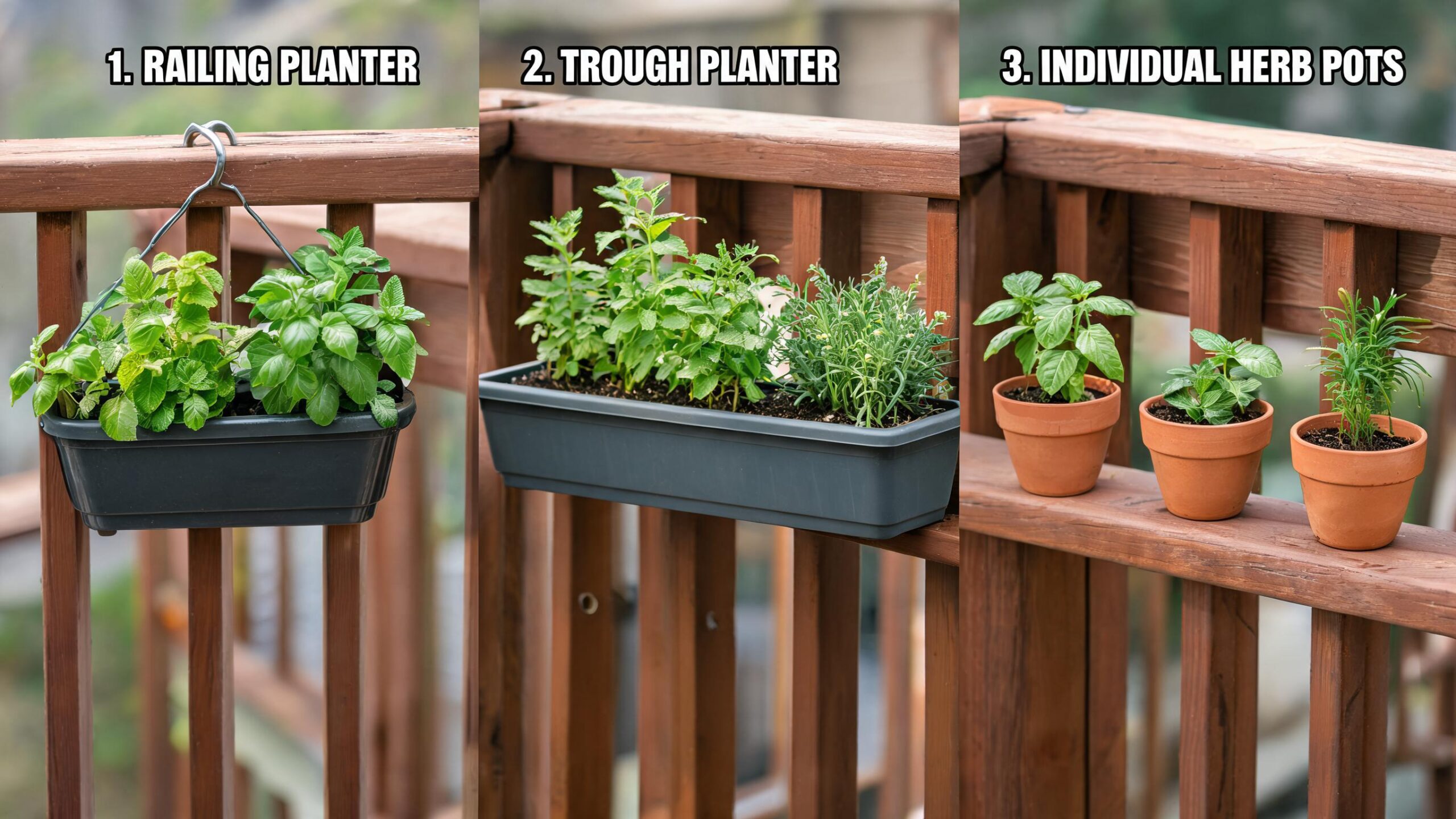
Window boxes and railing planters
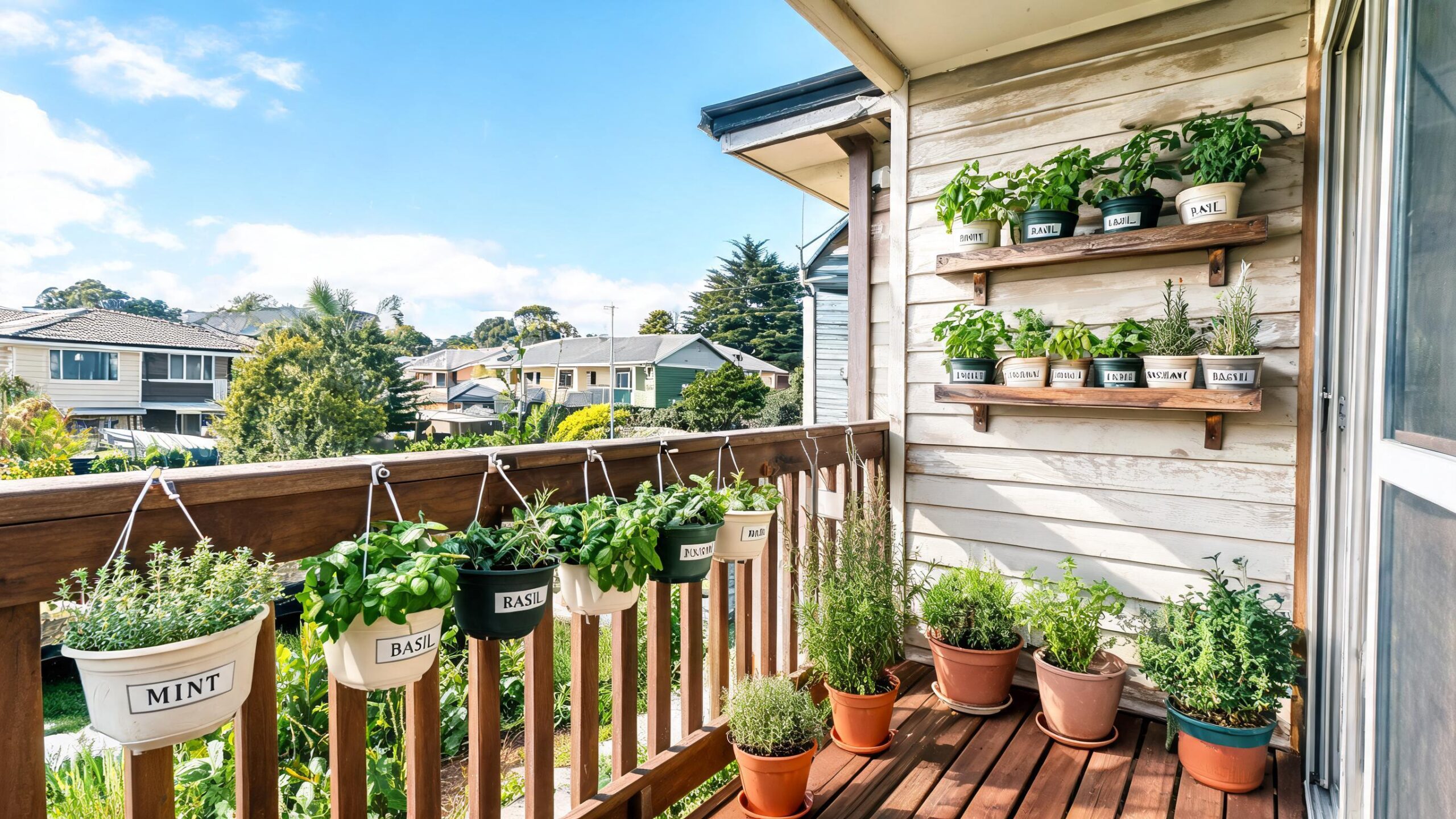
These are among the most popular balcony herb planters NZ apartment gardeners use because they take advantage of edges and vertical space. They are excellent for shallow-rooted herbs like chives, parsley, coriander, and compact basil varieties.
Make sure any railing planter is securely fastened and not overloaded when wet. Lightweight potting mix helps reduce strain on balcony structures.
Round pots and classic containers
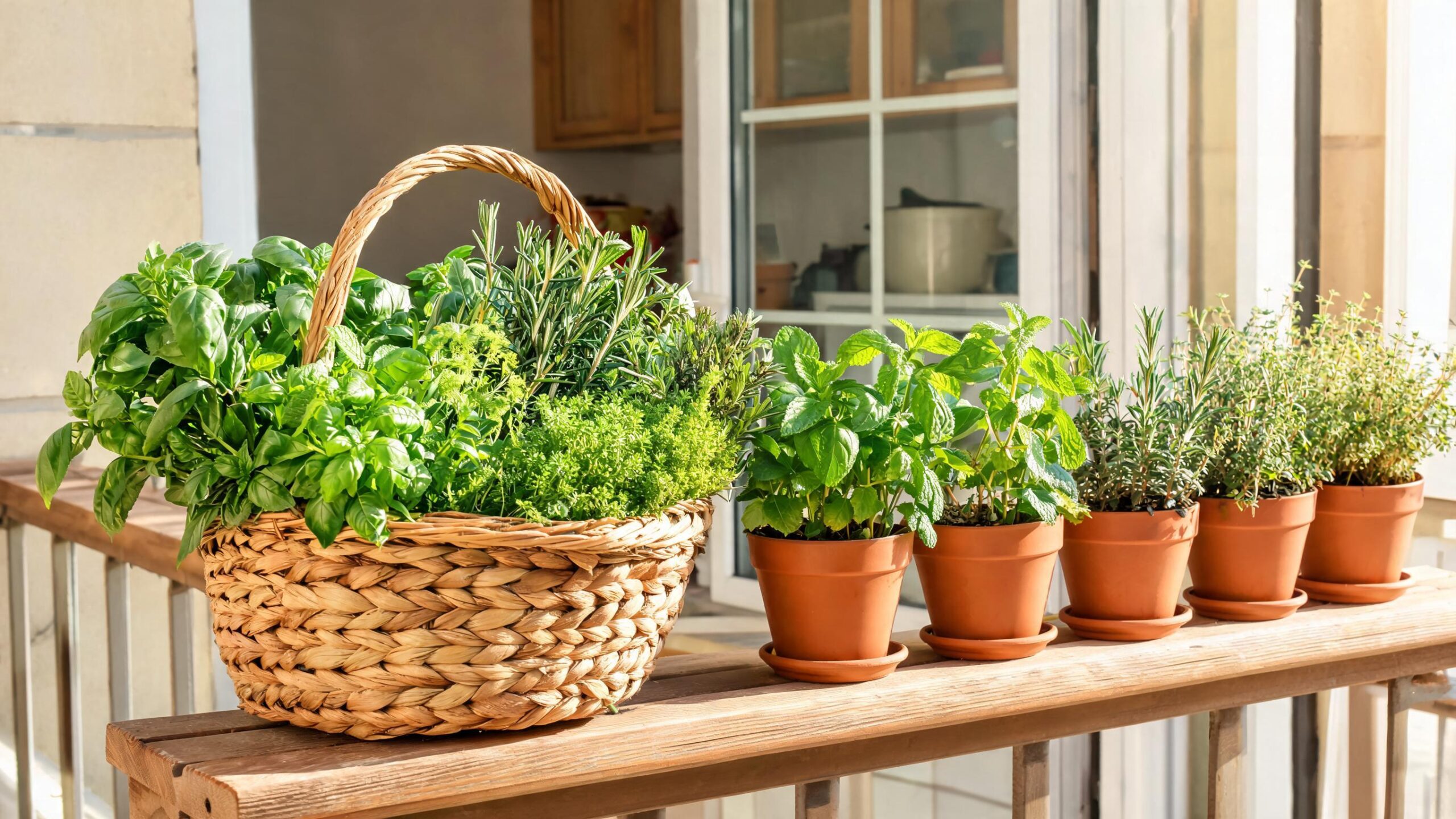
Individual pots are perfect for herbs that prefer their own space, especially mint, rosemary, sage, and thyme. Separate containers also make watering easier because different herbs have different moisture needs.
Mint in particular should almost always be grown in its own pot because it spreads aggressively and can crowd out neighbouring plants.
Trough planters
Long rectangular troughs are useful for grouping herbs with similar water and light requirements. A sunny trough might hold thyme, oregano, and dwarf rosemary. A slightly shadier one could hold parsley, chives, and coriander.
Tiered planters and vertical herb stands
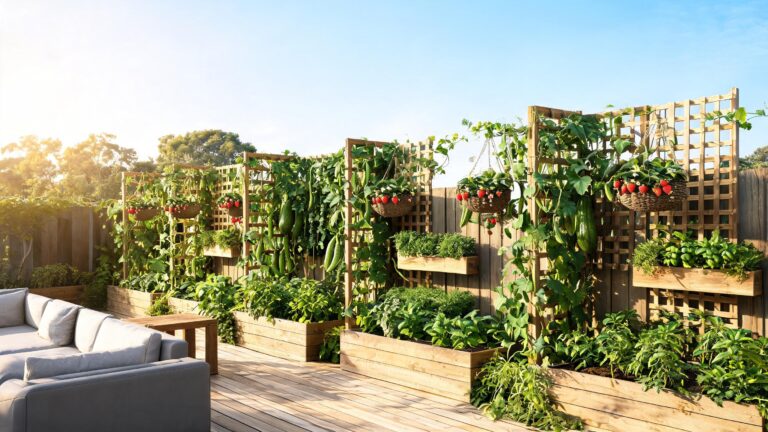
If floor space is limited, vertical systems can dramatically increase production. Tiered shelving, ladder planters, and stackable herb towers suit compact balconies well, provided they still allow for drainage and airflow.
These systems are especially useful for renters because they often do not require permanent installation.
Hanging baskets
Hanging baskets can work for trailing or compact herbs, but they dry out quickly in wind and summer heat. They are best used for herbs you can monitor closely, such as trailing thyme or compact oregano, rather than thirsty plants like basil.
What to Look for in Balcony Herb Planters
Not every attractive container performs well for edible gardening. When selecting balcony herb planters NZ gardeners should prioritise function first, then style.
Drainage holes
This is non-negotiable. Herbs dislike waterlogged roots, and poor drainage is one of the fastest ways to kill container plants. Every planter should have adequate holes at the base.
Size and depth
Small starter pots may look tidy, but they often dry out too quickly and restrict root growth. Most herbs perform better in containers at least 15–20 cm deep, while larger herbs like rosemary benefit from deeper and wider pots.
Material
Plastic and resin pots are lightweight and practical for balconies. Terracotta looks beautiful and offers good breathability, but it dries out faster and can be heavy. Metal planters can heat up quickly in full sun and may stress roots during hot weather.
Weight and stability
Balconies can be windy, especially in exposed urban sites. Choose planters that are stable enough not to tip easily. If using tall containers, add weight low in the pot or position them against a wall.
Water retention
Because balconies are often warmer and windier than ground-level gardens, planters that balance drainage with moderate moisture retention are ideal. Self-watering planters can be useful for busy gardeners, especially for basil, parsley, and coriander.
Best Herbs for Balcony Herb Planters in NZ
The best herbs for a balcony are those that match your available sunlight, local temperatures, and how often you want to water. Start with a manageable selection and expand once you understand your balcony’s conditions.
These are ideal for Mediterranean herbs and summer crops. Grow rosemary, thyme, oregano, sage, and basil. In very hot spots, basil may appreciate a little afternoon shelter from reflective heat.
Partly shaded balconies
Parsley, chives, mint, coriander, and Vietnamese mint often perform better than sun-loving woody herbs. If you get only 3–4 hours of direct light, focus on leafy herbs rather than those grown for concentrated aromatic oils.
Windy balconies
Use heavier planters, place herbs near walls or screens, and favour sturdy plants like rosemary, thyme, chives, sage, and parsley. Basil and coriander can struggle in constant wind because their soft foliage dries out quickly.
Cool balconies in southern regions
In cooler parts of New Zealand, hardy herbs such as parsley, thyme, chives, oregano, mint, and sage are dependable choices. Basil is best treated as a warm-season annual and planted once nights are consistently mild.
How to Set Up Balcony Herb Planters Step by Step
1. Assess sunlight
Observe your balcony for a few days and note how many hours of direct sun it receives. Most herbs prefer at least 5–6 hours, though parsley, mint, and coriander can manage with a bit less.
2. Check wind exposure
If your balcony is exposed, install a screen, use trellis panels, or cluster containers together to reduce moisture loss and stem damage.
3. Choose the right planter sizes
Give each herb enough root room. A common beginner mistake is planting too many herbs into a shallow decorative container. It may look full at first, but growth soon stalls.
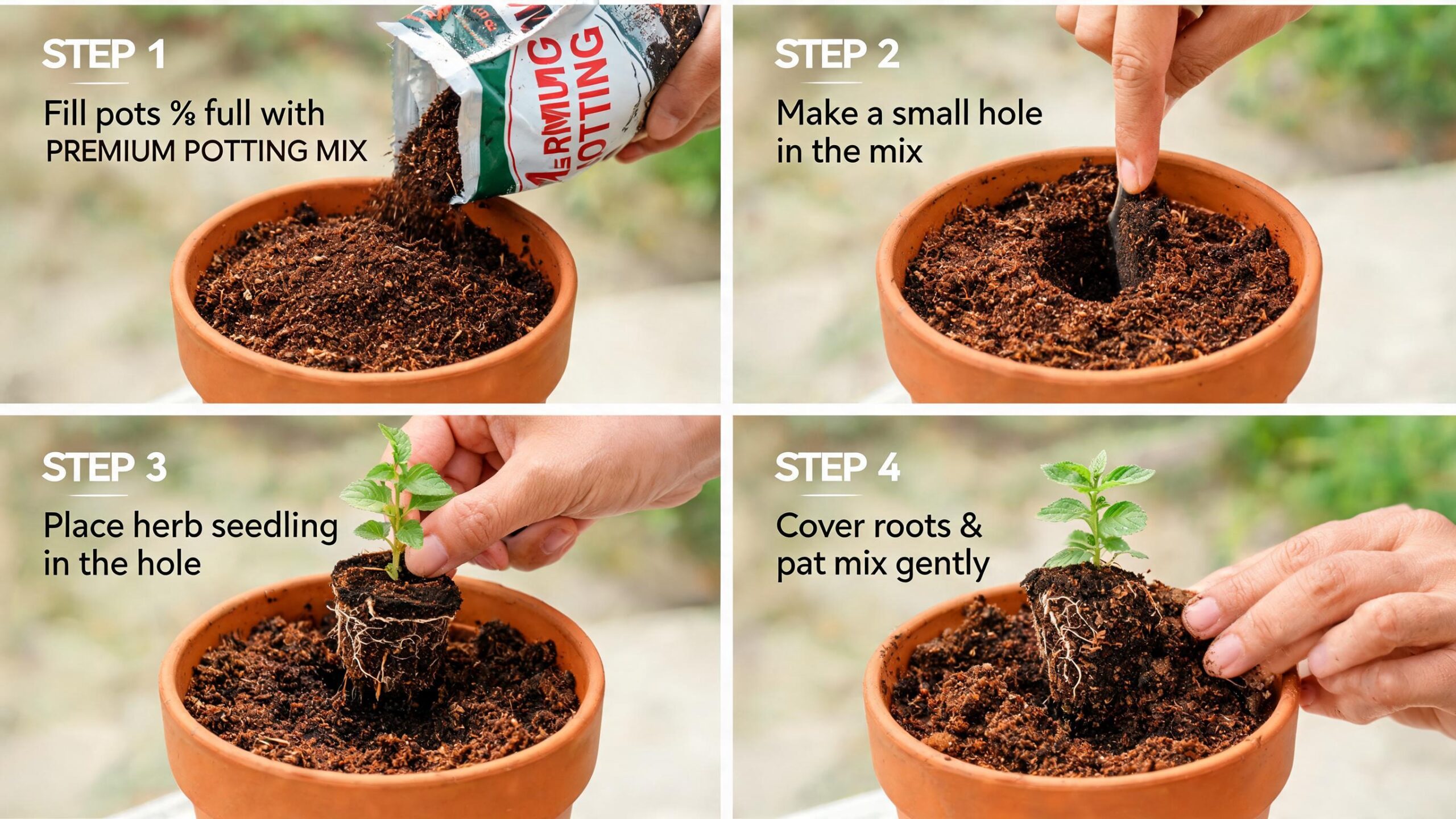
4. Use quality potting mix
Do not use garden soil in containers. Instead, use a premium potting mix suited to edibles or containers. For Mediterranean herbs, improve drainage by mixing in coarse pumice, perlite, or fine bark. For leafy herbs, add compost sparingly to increase moisture retention.
5. Plant by water needs
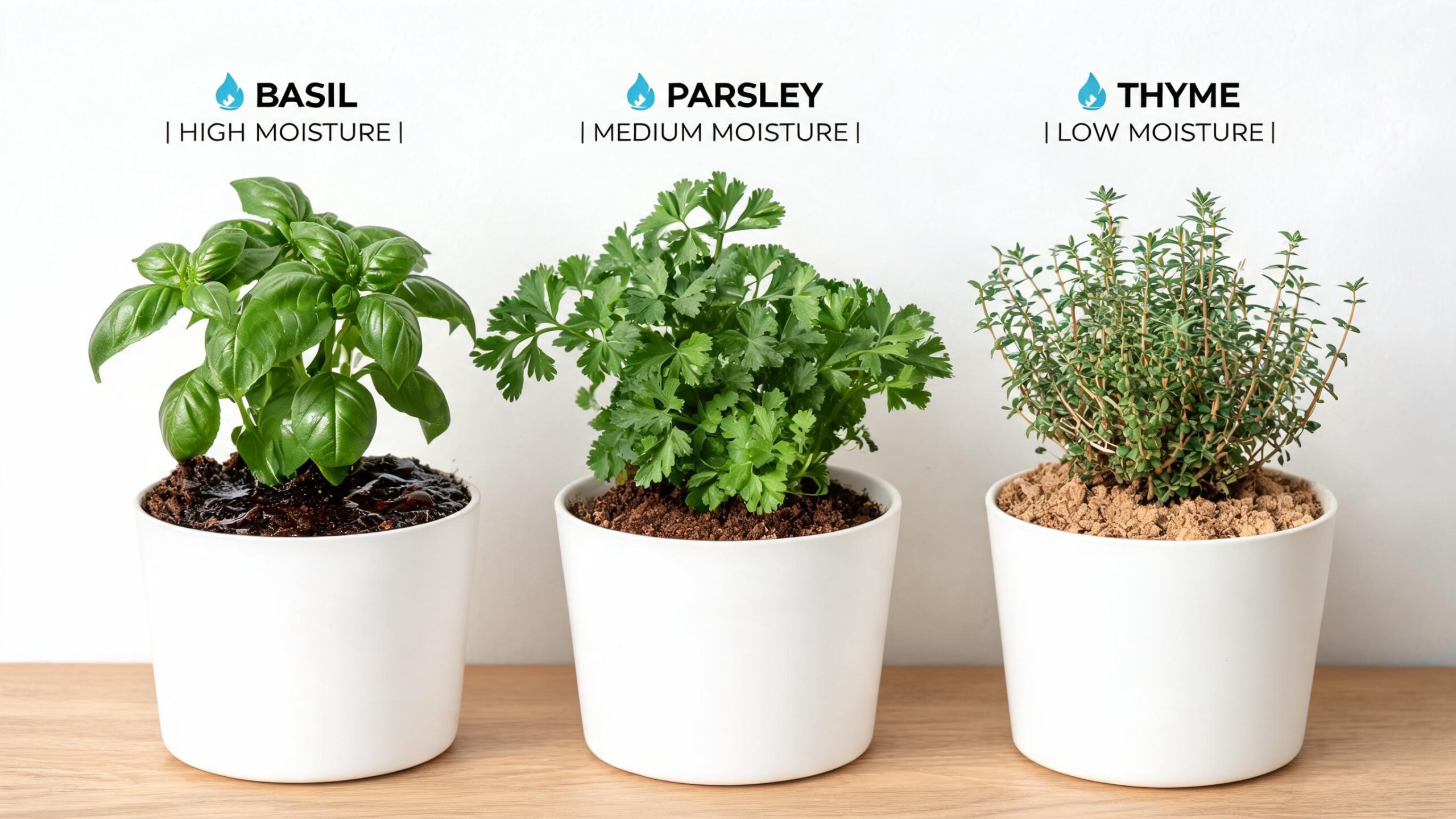
Group herbs with similar preferences. Put rosemary, thyme, sage, and oregano together. Keep basil, parsley, and coriander in a separate planter so they can receive more consistent moisture.
6. Water thoroughly after planting
Water until liquid runs from the drainage holes. This settles the mix around the roots and eliminates dry pockets.
7. Mulch lightly if needed
A thin top layer of fine bark, coconut fibre, or untreated sugarcane mulch can help slow moisture loss, especially in larger containers. Keep mulch away from herb stems.
Best Potting Mix for Balcony Herb Planters NZ Gardeners Use
Potting mix is one of the biggest factors in container success. Cheap mixes often collapse quickly, hold too much water, or dry unevenly. A premium container blend is worth the investment.
As a general guide:
For basil, parsley, coriander, and chives: use a moisture-retentive but free-draining premium potting mix.
For thyme, rosemary, oregano, and sage: use potting mix amended with extra drainage materials such as pumice or perlite.
For mint: use a fertile, moisture-holding mix and monitor watering closely during warm weather.
If you want stronger growth, incorporate a slow-release fertiliser suitable for herbs or edible container plants at planting time. This is especially useful when establishing a new balcony garden with multiple planters.
How Much Sun Do Balcony Herbs Need?
Most culinary herbs produce the best flavour in bright light. However, there is a difference between “bright” and “harsh.” New Zealand’s UV can be intense, and herbs growing on balconies next to pale concrete or glass may experience heat stress faster than plants in garden beds.
Cool-season light: coriander performs best with sun in the cooler part of the day
If your balcony gets very hot afternoon sun, consider shade cloth during peak summer, especially for leafy herbs.
Watering Balcony Herb Planters Correctly
Container herbs dry out much faster than garden herbs, especially on elevated balconies exposed to sun and wind. Watering should be based on the season, planter size, plant type, and weather conditions rather than a strict calendar schedule.
General watering guidance
Check moisture daily in summer
Water when the top 2–3 cm of mix feels dry for leafy herbs
Allow the top layer to dry more between waterings for Mediterranean herbs
Water deeply rather than lightly splashing the surface
Basil, parsley, mint, and coriander prefer more even moisture. Thyme, rosemary, oregano, and sage prefer to dry slightly between waterings. Overwatering woody herbs is a common issue in New Zealand container gardens, especially during humid or wet spells.
Feeding and Fertilising Herbs in Containers
Because regular watering flushes nutrients out of pots, balcony herbs need occasional feeding to stay productive. The goal is steady, moderate growth rather than overly lush, weak foliage.
Herb Type
Feeding Frequency
Best Fertiliser Approach
Leafy herbs like basil, parsley, coriander
Every 2–4 weeks in active growth
Liquid fertiliser for edibles or light slow-release feed
Woody herbs like thyme, rosemary, sage
Light feeding every 6–8 weeks
Low to moderate strength fertiliser, avoid overfeeding
Mint and vigorous herbs
Every 3–4 weeks
Balanced liquid feed or compost-enriched potting mix
Too much nitrogen can reduce flavour intensity, especially in Mediterranean herbs. Feed enough to keep plants healthy, but not so much that they become soft and floppy.
Seasonal Care for Balcony Herb Planters in New Zealand
Spring
This is the best time to refresh potting mix, divide chives and mint, plant new herbs, and begin feeding. In cooler regions, wait for consistent warmth before planting basil.
Summer
Growth is rapid, but water stress is the biggest risk. Harvest often, pinch basil to stop flowering, and provide afternoon protection if your balcony overheats.
Autumn
Cool-season herbs such as parsley and coriander often improve. Reduce feeding as growth slows. Check drainage before wetter weather arrives.
Winter
Growth slows on most balconies, especially in the South Island. Avoid overwatering. Hardy herbs usually persist, but tender herbs may need replacing in spring.
Climate Considerations Across New Zealand
Warm northern regions
Gardeners in Northland, Auckland, Bay of Plenty, and similar areas can grow herbs for long periods of the year. Summer heat may require more frequent watering and a little shade for leafy herbs. Humidity can also increase fungal issues if planters are overcrowded.
Temperate central regions
In places like Hamilton, Taranaki, Wellington, and Nelson, most common herbs grow well with some seasonal adjustment. Wind protection is often especially important in exposed urban sites.
Cool southern regions
In Christchurch, Dunedin, Invercargill, and colder inland areas, hardy herbs are your most dependable choices through winter. Basil is best grown in the warmest months only, and containers may need extra shelter from frost and southerly winds.
Best Layout Ideas for a Small Balcony Herb Garden
The kitchen-use layout
Keep your most-used herbs closest to the door: parsley, basil, chives, and mint. Put less frequently harvested woody herbs further back. This increases convenience and encourages regular picking.
The dry and moist zones layout
Create one area for dry-loving herbs and one for thirsty herbs. This is one of the smartest ways to simplify watering and reduce plant losses.
The vertical edible wall
Use stackable shelves or mounted pocket planters for compact herbs like thyme, oregano, chives, and parsley. Place larger pots such as rosemary and mint on the floor for stability.
How to Harvest Herbs for Maximum Production
Regular harvesting keeps most herbs compact and productive. It also prevents flowering in leafy herbs like basil and coriander, although coriander naturally bolts faster in warm weather.
Pick little and often rather than removing too much at once
Harvest basil by pinching above a pair of leaves
Cut parsley outer stems first, leaving the centre to regrow
Trim thyme and oregano lightly but regularly
Cut chives down to a few centimetres above the base
Never remove more than one-third of the plant at one time
Frequent harvesting is one of the easiest ways to improve yield from balcony herb planters NZ gardeners keep in active use.
Common Problems With Balcony Herb Planters
Yellow leaves
This can be caused by overwatering, nutrient depletion, poor drainage, or cold stress. Check whether the potting mix is staying soggy and whether roots have enough air.
Leggy growth
Usually caused by insufficient sun or irregular harvesting. Herbs grown in low light become stretched and less flavourful.
Wilting despite wet soil
This often points to root rot rather than thirst. Improve drainage immediately and remove badly affected growth.
Herbs flowering too quickly
Basil and coriander can bolt under heat or stress. Keep them evenly watered, harvest often, and provide some relief from intense afternoon sun where needed.
Pests
Aphids, whitefly, and spider mites can appear on balcony herbs, especially in sheltered, warm corners. Rinse plants with water, improve airflow, and use edible-safe treatments if necessary.
Beginner Mistakes to Avoid
Using pots without drainage: decorative containers often look appealing but can quickly lead to root problems.
Planting incompatible herbs together: rosemary and basil do not want the same watering routine.
Choosing containers that are too small: tiny pots dry out too fast and restrict growth.
Ignoring wind: balcony exposure can damage soft herbs and dramatically increase water loss.
Overcrowding: poor airflow raises the risk of mildew, weak growth, and pest issues.
Not feeding container herbs: even low-maintenance herbs eventually exhaust potting mix nutrients.
Recommended Supplies for a Better Balcony Herb Garden
If you want a productive, low-fuss setup, a few quality supplies make a big difference. Useful upgrades include:
Premium potting mix for edibles or containers
Slow-release fertiliser for herbs and vegetables
Liquid seaweed or balanced edible plant feed
Self-watering planters for thirsty herbs
Raised planter boxes for larger balconies
Compact irrigation systems or drip spikes for summer
Lightweight vertical stands or shelving units
For balconies with limited sunlight in winter, small grow lights can also help keep tender herbs going, especially in sheltered enclosed spaces.
Expected Yield From Balcony Herb Planters
Herbs are not usually measured by kilograms in the way vegetables are, but they can be surprisingly productive. A few well-managed containers can provide multiple handfuls each week during active growth.
As a rough guide:
One healthy parsley pot can supply regular kitchen cuttings for months
A basil planter can provide weekly harvests through summer if pinched properly
A mature rosemary plant can supply frequent sprigs year-round in mild areas
Mint, chives, thyme, and oregano often produce more than a household needs once established
The real value of balcony herb gardening is freshness, convenience, and steady small harvests rather than bulk output.
FAQ About Balcony Herb Planters NZ
What are the best herbs to grow in balcony herb planters in NZ?
The best choices are parsley, chives, mint, thyme, oregano, rosemary, sage, coriander, and basil. Your final selection should depend on sunlight, wind exposure, and climate. Hardy herbs are easiest for beginners, while basil is best for warm-season growing.
Do herbs grow well on windy balconies?
Yes, but some cope better than others. Rosemary, thyme, sage, and chives are generally more wind tolerant than basil or coriander. Use heavier pots, place planters against walls, and add screening if your balcony is highly exposed.
How often should I water balcony herb planters?
In summer, you may need to check them daily. Leafy herbs usually need more frequent watering than woody Mediterranean herbs. Always water based on potting mix moisture rather than habit, because rainfall, wind, and sun exposure change quickly.
Can I grow multiple herbs in one planter?
Yes, but only if they have similar needs. Parsley, chives, and coriander can work together in the right conditions. Rosemary and thyme also pair well. Avoid mixing thirsty herbs with dry-loving herbs in the same container.
What size planter is best for herbs on a balcony?
Most herbs do well in containers at least 15–20 cm deep, while larger herbs such as rosemary prefer 30 cm or more. Bigger planters hold moisture better and support stronger root systems, making them easier to manage in hot weather.
Do balcony herb planters need full sun?
Not always. Many herbs prefer full sun, but parsley, mint, and coriander can still crop well with part sun. If your balcony receives only a few hours of direct light, choose leafy herbs over strongly sun-loving woody herbs.
How do I stop herbs from dying in pots?
Use containers with drainage holes, start with premium potting mix, match herbs to your light conditions, and avoid overwatering. Most container herb losses happen because of poor drainage, tiny pots, or incorrect plant grouping.
Can I grow herbs on a balcony year-round in New Zealand?
Yes, many herbs can be grown year-round, especially in mild northern areas. In cooler regions, hardy herbs continue well through winter, while tender herbs like basil are better treated as seasonal plants grown in late spring and summer.
Conclusion
Balcony herb planters NZ gardeners use successfully are not complicated, but they do need to be chosen and managed with care. Start with the right containers, use quality potting mix, group herbs by similar needs, and pay close attention to sun, wind, and watering. Even a very small balcony can produce a steady supply of fresh herbs for cooking, garnishing, teas, and everyday enjoyment.
If you want a simple, rewarding edible garden in a compact space, balcony herb planters are one of the best places to begin. With a few smart choices now, your NZ balcony can become a practical, beautiful, and highly productive herb garden all year round.
We use cookies to improve your experience, analyze traffic, and display personalized ads.
By clicking "Accept", you consent to the use of cookies in accordance with our Privacy Policy.