Vegetable Planting Calendar NZ: Your Month-by-Month Guide to a Thriving Garden
Getting your timing right is the single biggest factor separating a bumper harvest from a straggly, disappointing patch — and that’s exactly why a reliable vegetable planting calendar NZ gardeners can trust is worth its weight in compost. Because Aotearoa spans subtropical Northland right down to frosty Central Otago, “when to plant” isn’t a one-size-fits-all answer; it shifts depending on your region, your soil, and the microclimate sitting right outside your back door.
This guide breaks the New Zealand growing year into its four true seasons, gives you region-specific timing, and hands you the practical, boots-in-the-dirt detail you need — soil prep, spacing, fertilising, and pest watch-outs included — so you can plant with confidence whether you’re in a Hamilton lifestyle block, a Wellington courtyard, or a Southland market garden.
In New Zealand, sow warm-season crops like tomatoes, courgettes and beans after the last frost in spring (September–November), plant leafy greens and brassicas through autumn (March–May) for a winter harvest, and use a winter gardening guideapproach of protected cropping and soil rest between June and August. A summer gardening guide should focus on watering, mulching and succession sowing of fast crops like lettuce and radish.
Spring (Sep–Nov): sow tomatoes, capsicum, cucumber, beans and pumpkin once soil warms past 15°C.
Summer (Dec–Feb): harvest and succession-sow salad greens, sweetcorn, and beans; mulch heavily.
Autumn (Mar–May): plant brassicas, garlic, onions, and root vegetables for winter eating.
Winter (Jun–Aug): grow cold-hardy greens, broad beans and peas; prep beds with compost and sheep pellets.
Regional timing shifts by 2–6 weeks between subtropical Northland and frost-prone inland Canterbury/Otago.
Understanding NZ’s Growing Seasons and Regions
New Zealand’s Southern Hemisphere calendar runs opposite to the Northern Hemisphere, so spring planting starts in September, not March. Getting this the right way round matters enormously — sowing tomato seedlings in what would be a Northern Hemisphere “spring” month like May here would land them straight into frost.
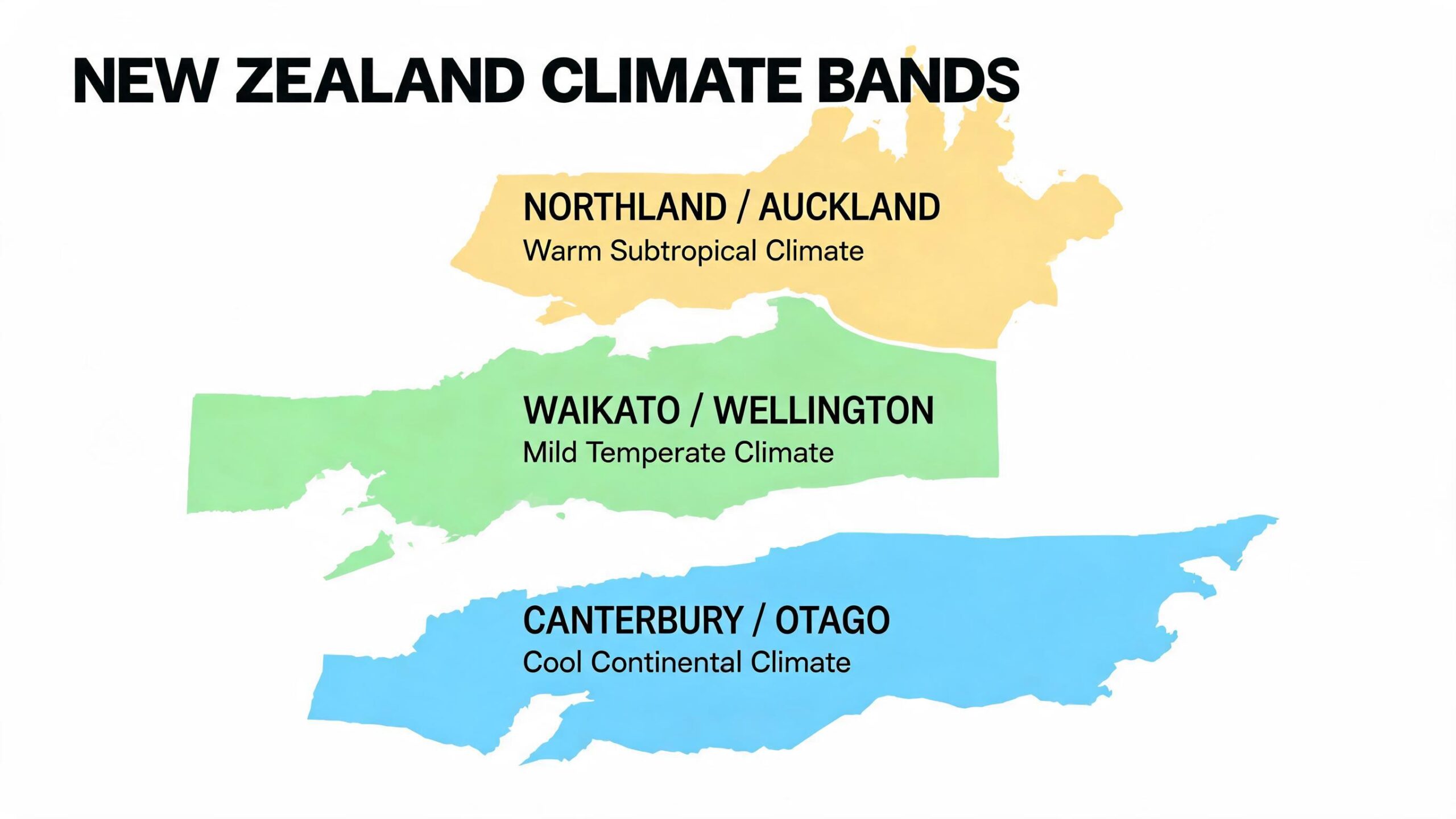
The Three NZ Climate Bands
Your regional microclimate has more influence on planting dates than the calendar month alone. Kiwi gardeners often notice that identical seed packets behave completely differently depending on where they’re sown.
Region Type
Examples
Last Frost (Spring)
First Frost (Autumn)
Planting Notes
Subtropical/Warm
Northland, Auckland, Bay of Plenty, Gisborne, Hawke’s Bay
Rare or none
Late May–June
Longest growing season; tender crops can go in from September
Wait for soil to warm before transplanting frost-tender seedlings
Alpine/Frost-prone
Canterbury, Central Otago, Southland, Marlborough, inland high country
Mid-November
March
Use cloches, frost cloth, or greenhouses to extend the season
As detailed by the frost date research summarised by Eden Hana’s growing guides, warmer northern regions clear frost risk earliest, while Otago and Southland’s coolest pockets sometimes never fully clear it for the most tender crops in a given season. If you’re inland in frost-prone areas, treat every calendar date in this guide as a guide only — check your local ground temperature and frost forecast before committing seedlings to open soil.
Spring Gardening Guide: September to November Planting
A solid spring gardening guide for New Zealand starts with soil preparation, not seed sowing. Once the whenua (soil/land) has warmed past roughly 15°C at a 10cm depth, it’s time to get moving.
September
Direct sow beetroot, carrots, lettuce, radish, rocket, peas, and spring onions. In warmer Northland and Auckland gardens, tomato and capsicum seedlings can be hardened off outdoors from late September, while Waikato, Wellington and cooler regions should hold off until soil temperatures stabilise.
October
This is prime time across most of the country for courgette, cucumber, pumpkin, sweetcorn, and dwarf and climbing beans. Feed beds with blood and bone worked in two weeks before planting, and top with a layer of sheep pellets for a slow-release nitrogen boost.
November
Last call for main-crop tomatoes, capsicum and eggplant in temperate zones; alpine and Southland gardeners are often only just planting these out now. Basil, chilli and okra thrive once night temperatures stay reliably above 12°C.
Soil pH target: 6.0–6.8 for most vegetables; test with an inexpensive soil pH kit from your local garden centre.
Spacing: allow 40–60cm for sprawling crops like pumpkin and courgette; 20–30cm for beans and beetroot.
Watering: deep water 2–3 times weekly rather than a daily light sprinkle, to encourage deep root growth.
Summer Gardening Guide: December to February Planting
By the time summer arrives, most of your bed prep is done, and a good summer gardening guide shifts focus to maintenance, succession sowing, and beating the heat rather than mass planting.
December–January
Succession-sow fast crops every 2–3 weeks: lettuce, radish, dwarf beans, and beetroot keep the harvest flowing. In hot inland Canterbury and Central Otago summers, afternoon shade cloth over lettuce and brassica seedlings prevents bolting and bitterness.
February
Start sowing your autumn brassica seedlings (broccoli, cabbage, cauliflower) in trays now, ready to transplant out from March. This overlap is the secret many experienced Kiwi gardeners rely on to avoid a hungry gap between summer and autumn harvests.
Mulch with pea straw or lucerne hay to retain moisture and suppress weeds through the hottest months.
Watch for tomato psyllid and whitefly on solanaceous crops in warm, humid Bay of Plenty and Northland gardens.
Feed heavy fruiting crops (tomatoes, capsicum) fortnightly with a diluted seaweed/kelp tea for potassium and trace elements.
Autumn Gardening Guide: March to May Planting
Autumn is arguably the busiest and most rewarding planting window in the entire vegetable planting calendar NZ gardeners follow, because it sets up the whole winter harvest. A thorough autumn gardening guide covers both the last tender crops and the first cold-hardy ones.
March
Sow broccoli, cauliflower and cabbage seedlings, plus silverbeet, spinach and Asian greens like bok choy, mizuna and tatsoi — these cold-hardy leafy vegetables tolerate the dropping temperatures well and often taste sweeter after a light frost.
April
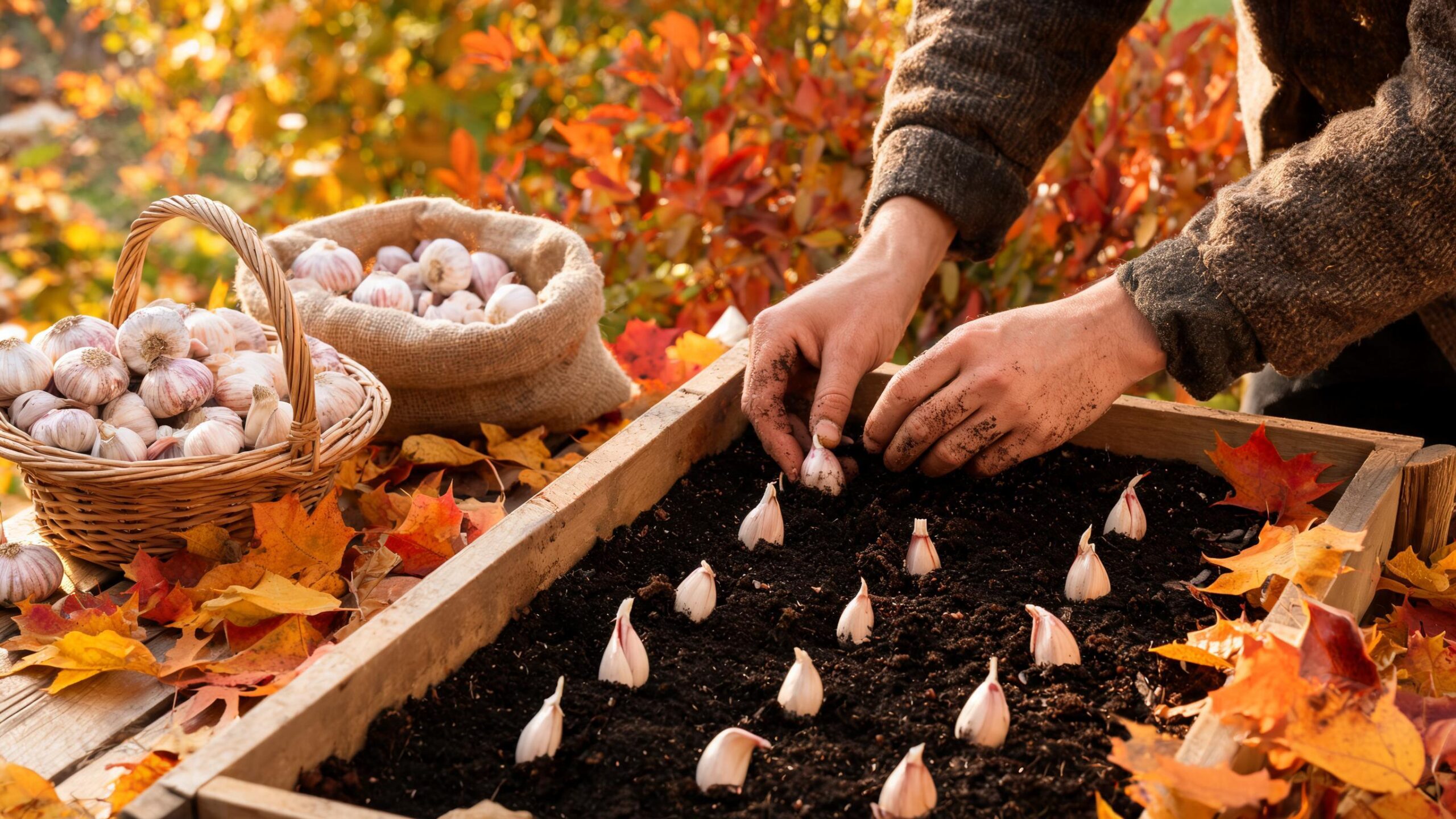
Garlic goes in from mid-April through May in most regions — it needs the winter chill to form good bulbs. Onions, broad beans, and peas also do well sown directly now. As Daltons’ autumn and winter vegetable planting guide notes, broad beans can be direct sown from April with support to at least a metre as they grow.
May
Final window for garlic and overwintering onions in cooler regions. Root vegetables like carrots, parsnip and swede sown now mature slowly through winter for a sweet, frost-kissed harvest.
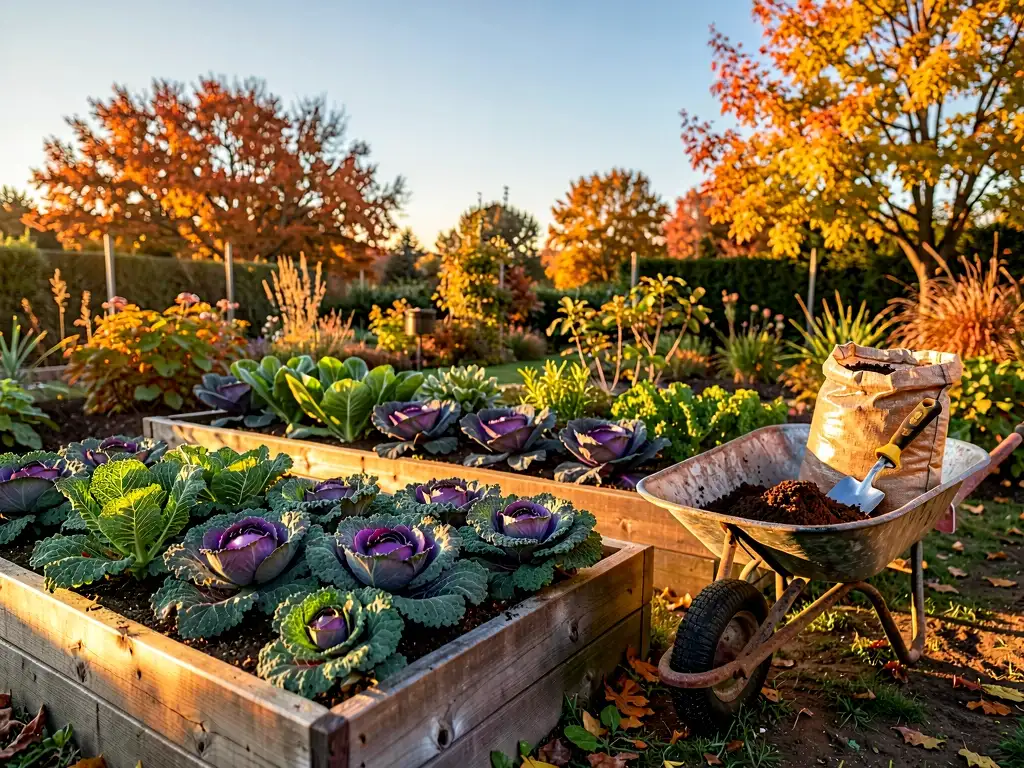
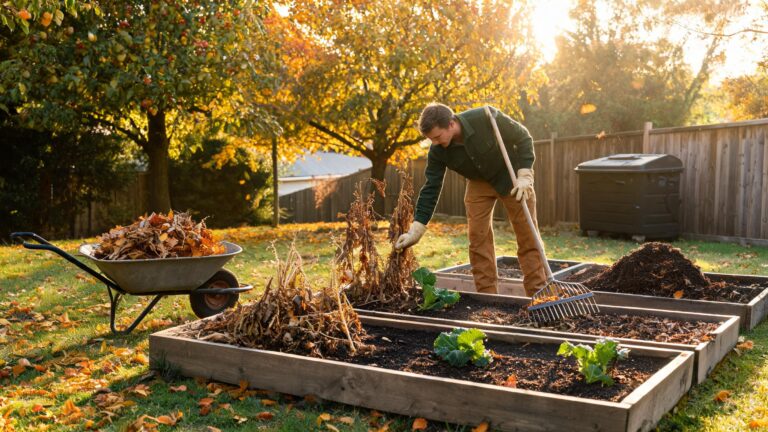
Work in compost and well-rotted sheep pellets to rebuild soil structure after summer’s heavy feeders.
Reduce watering frequency as days shorten, but don’t let brassica seedlings dry out during establishment.
In frost-prone inland areas, delay transplanting tender seedlings and favour direct-sown hardy varieties instead.
Winter Gardening Guide: June to August Planting
Winter doesn’t mean an empty garden. A practical winter gardening guide for New Zealand conditions is about protected cropping, soil recovery, and patient, slow-growing produce rather than mass sowing.
June–July
Harvest continues from your autumn brassica and leafy green plantings. This is the season to plant bare-root fruit trees and asparagus crowns, and to sow broad beans and peas in cooler regions if you missed the autumn window. Cloches and low tunnels extend what you can grow in Canterbury and Otago through this period.
August
Start seed trays indoors or in a heated propagator for early tomatoes, capsicum and cucumber ready for spring transplanting. In subtropical Northland and Auckland gardens, early potatoes can often go in from late August.
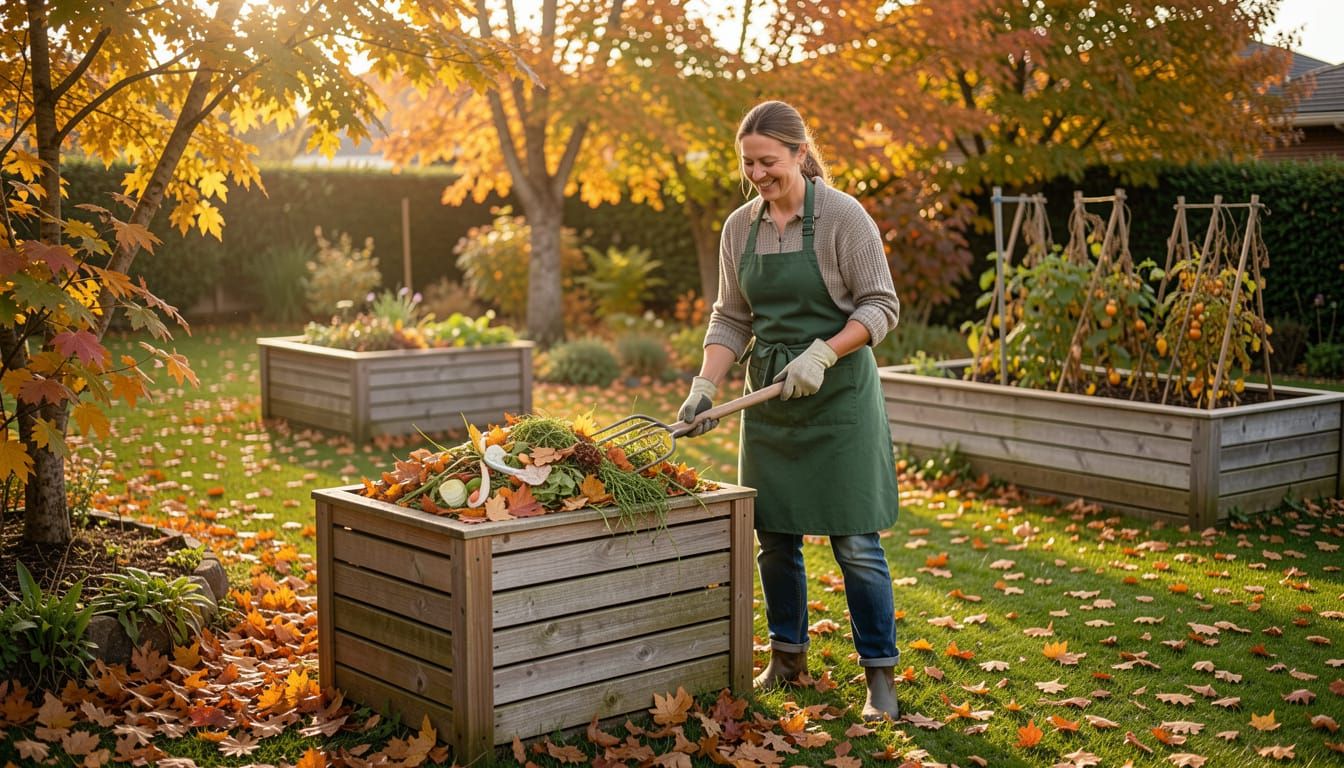
Rest and rebuild depleted beds with a green manure crop or a thick compost/blood and bone mulch.
Check stored garlic, onions and pumpkin regularly for rot in humid coastal areas.
Clean and sharpen tools, and service cloches or greenhouse polythene ready for the spring rush.
Full Month-by-Month Planting Table
Month
Season
Sow/Plant
Key Tasks
September
Spring
Peas, lettuce, carrots, beetroot, spring onion
Prep beds, feed with blood and bone
October
Spring
Beans, courgette, pumpkin, sweetcorn
Mulch, monitor for slugs and bronze beetle
November
Spring
Tomato, capsicum, eggplant, basil
Stake tall crops, begin regular feeding
December
Summer
Successive lettuce, radish, dwarf beans
Deep watering, mulch for moisture retention
January
Summer
Autumn brassica seedlings (trays)
Watch for psyllid, whitefly, guava moth
February
Summer
Silverbeet, spinach, Asian greens
Feed fruiting crops with kelp tea
March
Autumn
Broccoli, cabbage, cauliflower
Prepare soil for garlic and onions
April
Autumn
Garlic, onions, broad beans, peas
Reduce watering, mulch against cold
May
Autumn
Carrots, parsnip, swede
Final garlic planting in cool regions
June
Winter
Broad beans (cool regions), bare-root fruit trees
Use cloches/frost cloth in alpine zones
July
Winter
Asparagus crowns
Rest beds, add green manure crop
August
Winter
Tomato/capsicum seed trays indoors, early potatoes (warm regions)
Service greenhouse, clean tools
Soil, Fertilising and Regional Growing Conditions
New Zealand’s soils vary hugely — from the free-draining pumice and volcanic loams of the Bay of Plenty and Waikato, to heavy clay across parts of Canterbury and Auckland, to sandy coastal soils in Northland and the Manawatū. Understanding your whenua is just as important as knowing your planting calendar.
Working with Volcanic and Clay Soils
Volcanic loams (common around Taranaki, Waikato and the central North Island) drain well and warm quickly in spring, giving an earlier start to warm-season crops. Heavy clay soils benefit from generous compost and gypsum additions to improve structure, plus raised beds to avoid winter waterlogging — a common frustration for Canterbury and Otago gardeners.
Feeding Through the Seasons
Blood and bone: ideal slow-release feed worked into beds two weeks before planting.
Sheep pellets: excellent all-round conditioner and nitrogen source, especially for leafy crops.
Seaweed/kelp tea: a fortnightly liquid feed that boosts potassium for flowering and fruiting vegetables.
Compost: the backbone of soil health — aim to add a fresh layer at the start of every season.
Common NZ Garden Pests and Diseases by Season
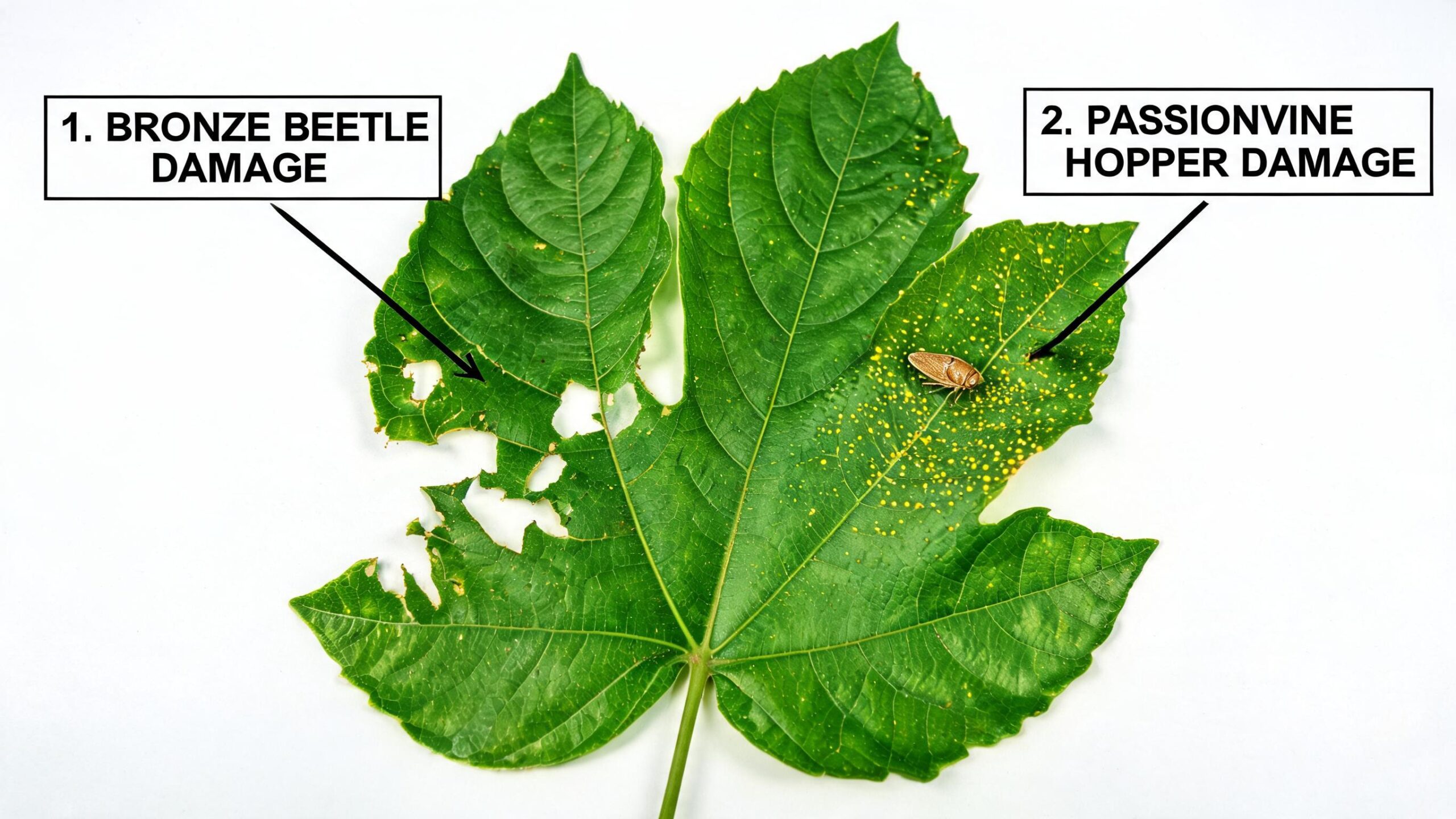
Knowing what to watch for stops small problems becoming a wiped-out crop. Regional pest pressure varies — passionvine hopper and guava moth are far more common in warm northern gardens, while bronze beetle and psyllid affect a much wider range of regions.
Passionvine hopper: sap-sucking pest common in Northland and Auckland; sooty mould often follows.
Bronze beetle: chews leaf edges of seedlings in spring; hand-pick at dusk or use targeted controls.
Tomato/potato psyllid: causes yellowing and stunted growth in solanaceous crops nationwide.
Guava moth: increasingly established in northern regions, affecting fruiting crops and feijoas.
Powdery mildew: common on courgette and cucumber in humid summer conditions; improve airflow and avoid overhead watering.
Clubroot and other brassica diseases: rotate crops and lime acidic soils to reduce risk.
Key Takeaways
New Zealand’s Southern Hemisphere seasons mean spring planting begins in September, not autumn as in the Northern Hemisphere.
Regional microclimates shift planting windows by several weeks — always check local frost risk before transplanting tender seedlings.
Autumn (March–May) is the critical window for garlic, onions, brassicas and root vegetables destined for winter harvest.
Winter growing relies on protection (cloches, frost cloth, greenhouses) and soil recovery rather than heavy new planting.
Feed seasonally with blood and bone, sheep pellets, and seaweed tea to match crop demands through the year.
Frequently Asked Questions
When should I start my vegetable garden in New Zealand?
Most home gardeners start their main planting push in spring, from September through November, once frost risk has passed and soil temperatures climb above 15°C. Warmer Northland and Auckland gardens can start a few weeks earlier than cooler Waikato, Canterbury or Otago regions.
What vegetables can I plant right now in winter?
Winter planting is limited but not impossible — broad beans, peas, and garlic (in cooler regions) can still go in during June, while bare-root fruit trees and asparagus crowns are best planted now. Focus energy on protecting existing brassicas and leafy greens with cloches or frost cloth instead.
How do I protect my vegetables from frost in NZ?
Use frost cloth, cloches, or a simple greenhouse to shield tender seedlings overnight, and water beds in the late afternoon so soil retains warmth. In frost-prone inland areas like Central Otago and Canterbury, delay transplanting warm-season crops until well into November.
Why is my clay soil struggling to grow vegetables?
Heavy clay soils, common in parts of Canterbury and Auckland, drain poorly and can suffocate roots in winter. Dig in generous amounts of compost and gypsum, and consider raised beds to improve drainage and root health.
What’s the best time to plant garlic in New Zealand?
Garlic is best planted from mid-April through May, as it needs the cooler winter months to trigger bulb formation. Planting too late, into June or beyond, generally results in smaller bulbs at harvest.
Do planting dates differ much between the North and South Island?
Yes, significantly. Subtropical Northland and Auckland can plant tender crops from September, while alpine and frost-prone regions like Central Otago and inland Canterbury often wait until mid-November for the same crops.
How often should I feed my vegetable garden through the seasons?
Apply blood and bone or sheep pellets at the start of each season as a base feed, then supplement fruiting and flowering crops fortnightly with a diluted seaweed or kelp tea during their active growing months.
Conclusion: Growing with the Seasons, Not Against Them
Mastering your own vegetable planting calendar NZ conditions demand isn’t about memorising rigid dates — it’s about reading your soil, your microclimate, and the rhythm of the seasons around you. Whether you’re following a spring gardening guide to get tomatoes in the ground, leaning on an autumn gardening guide to set up your winter brassicas, relying on a summer gardening guide to keep the harvest flowing, or working through a winter gardening guide focused on protection and soil rest, timing tuned to your patch of whenua will always outperform a generic overseas calendar.
Get your hands in the soil this season, keep notes on what worked in your own backyard, and let each harvest teach you a little more about the garden you’re building for the years ahead.
We use cookies to improve your experience, analyze traffic, and display personalized ads.
By clicking "Accept", you consent to the use of cookies in accordance with our Privacy Policy.