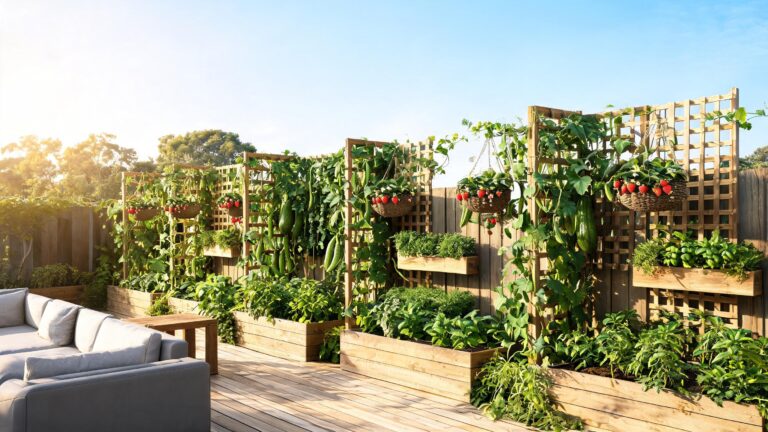
How to Grow Lettuce in NZ: A Complete Spring Vegetable Planting Guide
If you’re wondering how to grow lettuce successfully in New Zealand, you’re in good company — lettuce is one of the most rewarding, fastest-cropping vegetables for Kiwi gardeners, from a sunny Auckland courtyard to a frost-prone Central Otago plot. This spring gardening guide walks you through everything from soil prep and sowing to pest control and harvest, tailored specifically to New Zealand’s seasons, soils, and microclimates.
Lettuce (Lactuca sativa) is a cool-season leafy green that thrives when nights are mild and days aren’t scorching — which is exactly why spring (September to November) is prime time to get it into the ground across most of Aotearoa. Whether you’re planting in raised beds in Waikato clay, containers on an Auckland balcony, or open rows in Canterbury loam, this guide gives you the practical, step-by-step detail you need.
Sow lettuce seed 3mm deep in a sunny, well-drained spot from early spring through to autumn, keeping the soil consistently moist until germination (4–7 days). Feed weekly with a liquid fertiliser like fish and seaweed tonic, water at the base rather than overhead to reduce disease risk, and harvest outer leaves from around 6 weeks for a continuous supply.
Best NZ sowing window: September to April in warmer regions; September to March in cooler areas
Soil needs: Free-draining, humus-rich soil with a pH of 6.0–7.0
Spacing: 20–30cm apart depending on variety
Watering: Regular, even moisture — lettuce roots are shallow and dry out fast
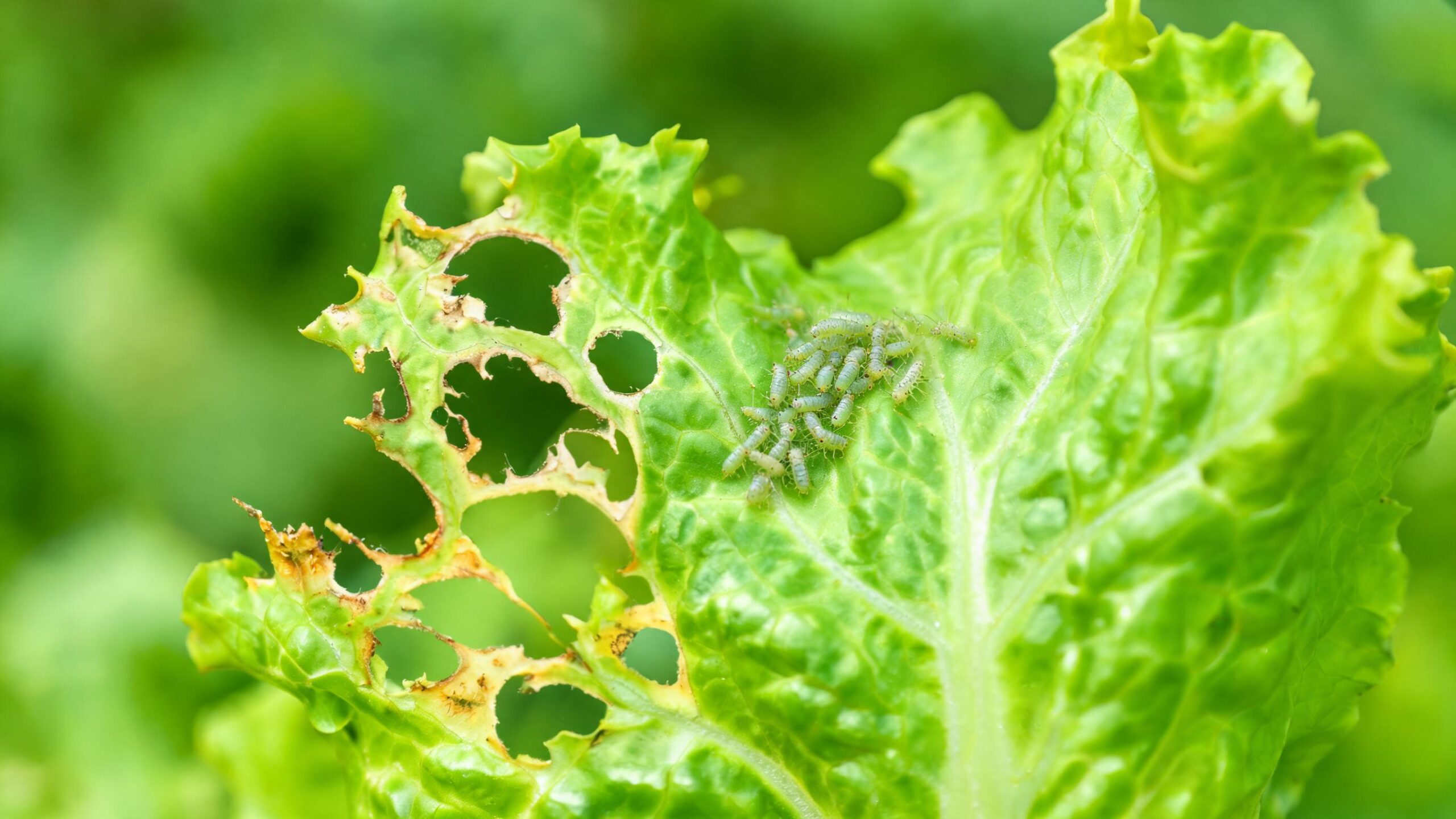
Key threat: Currant-lettuce aphid (Nasonovia ribisnigri), snails, and slugs
Why Spring Is Prime Time for Lettuce in New Zealand
Lettuce germinates from soil temperatures as low as 10°C but bolts (runs to seed and turns bitter) once temperatures consistently push above 25–28°C. That makes spring the sweet spot for most of the country: soil is warming, day length is increasing, and the harsh heat of a Kiwi summer hasn’t arrived yet. This is why any solid spring vegetable planting guide for New Zealand puts lettuce near the top of the list.
Following a seasonal vegetable planting calendar matters more with lettuce than with almost any other crop, because timing directly affects flavour and texture. Sow too late into summer without shade protection and you’ll get stringy, bitter leaves and premature flowering, particularly in Northland and Auckland’s warmer inland pockets.
Regional Timing Across New Zealand
Region
Climate Type
Best Sowing Months
Notes
Northland / Auckland
Subtropical, mild winters
August–April (avoid peak Jan–Feb heat)
Provide afternoon shade cloth in summer; near year-round growing possible
Waikato / Bay of Plenty
Temperate, humid summers
September–March
Watch humidity-driven downy mildew; good airflow essential
Wellington / Manawatū
Temperate, windy
September–March
Use windbreaks; mulch to retain moisture
Canterbury / Central Otago
Alpine, frost-prone
Late September–February
Delay direct sowing until frost risk passes; use cloches for early starts
Choosing the Right Lettuce Variety for Your Garden
Not all lettuce performs the same way in New Zealand conditions. Selecting the right type for your region and season is the single biggest factor in avoiding bolting and bitterness.
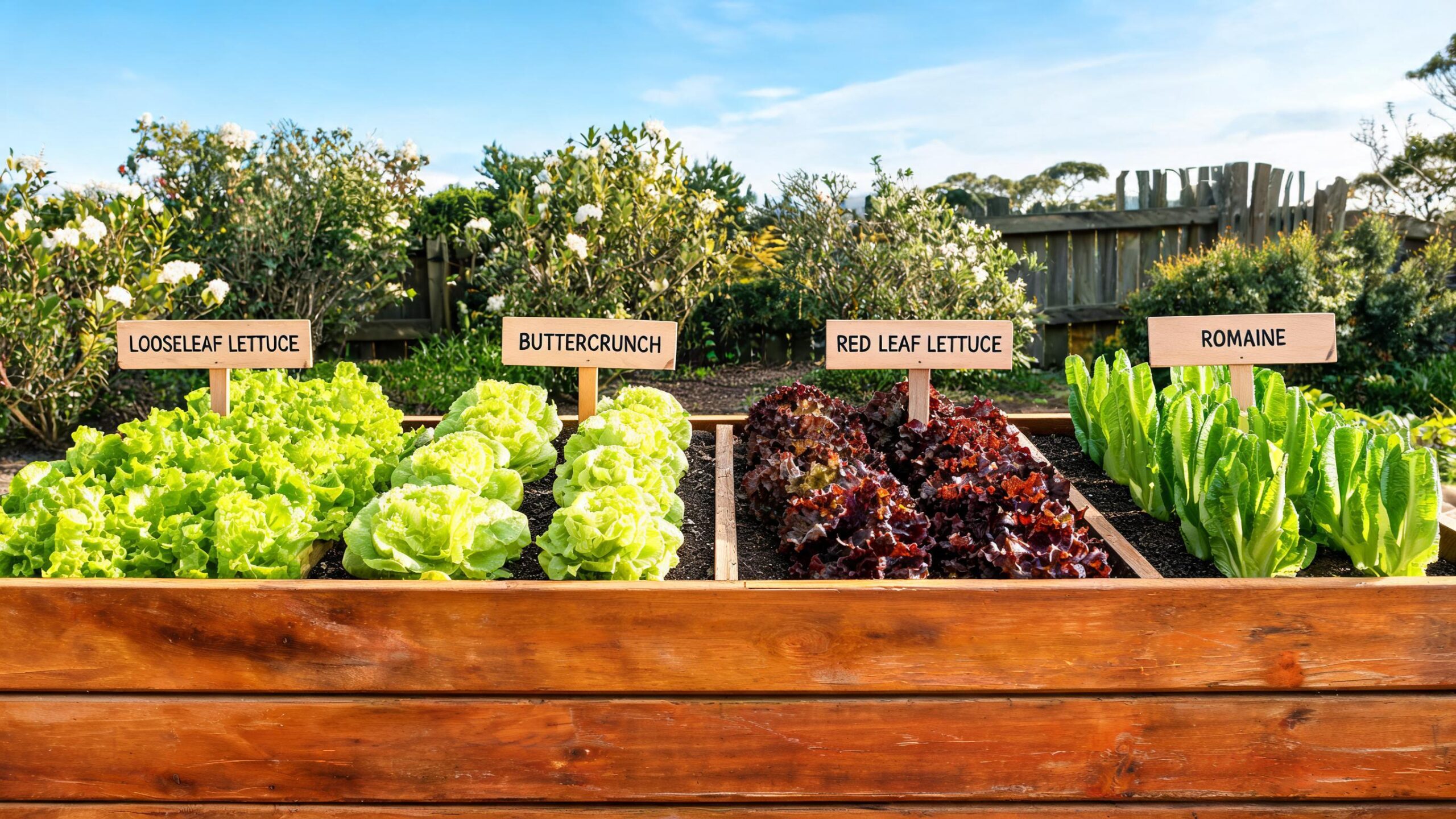
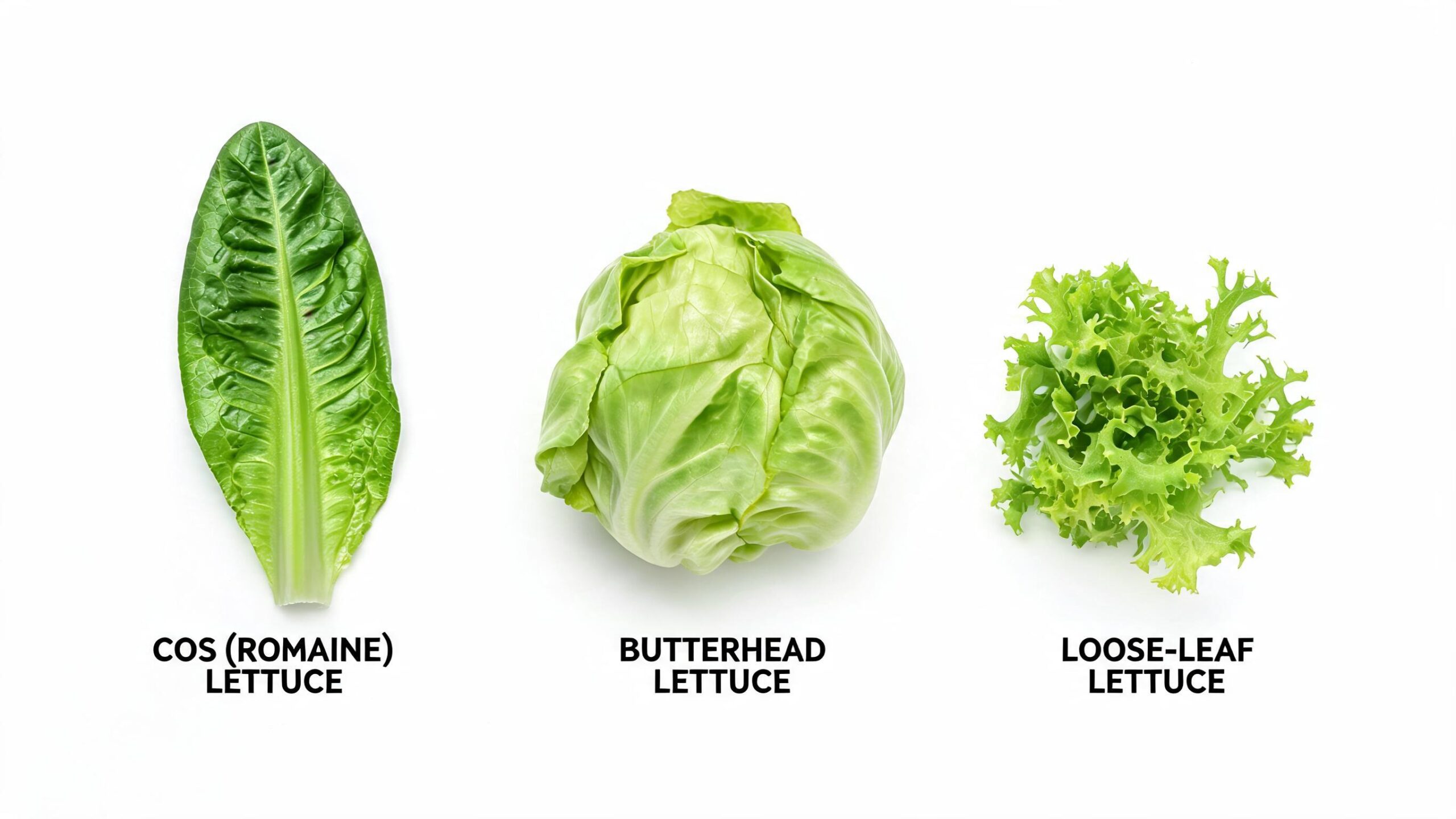
Cos (Romaine): Upright, crunchy, heat-tolerant — a reliable all-rounder for most NZ regions
Loose-leaf / Cut & Come Again: Fast-maturing, ideal for successive sowing and small spaces; regrows after cutting
Iceberg / Hearting types: Best suited to cooler spring conditions; slower to mature and prone to bolting in heat
Butterhead: Soft, sweet leaves, good shoulder-season performer
Little Gem: Compact, sweet, and one of the more heat-tolerant hearting types — good for warmer North Island gardens
According to Tui Garden’s lettuce growing guide, Cos and Little Gem varieties can be grown virtually all year round in milder New Zealand climates, while hearting iceberg types and frilly oak-leaf lettuces are best reserved for spring planting when temperatures are still moderate.
Soil Preparation for New Zealand Conditions
Lettuce has shallow, fibrous roots, so soil structure and moisture retention matter more than depth. New Zealand’s soil types vary enormously by region, and each needs a slightly different approach.
Working With Your Local Soil (Whenua)
Volcanic clay (Waikato, Taranaki): Naturally fertile but can compact and hold too much moisture — dig in compost and coarse sand to improve drainage
Sandy loam (coastal Northland, parts of Canterbury): Drains fast and needs more frequent watering plus added organic matter to retain moisture
Peat soils (parts of Waikato lowlands): Rich in organic matter but can be acidic — test and adjust pH before planting
Heavy clay (many suburban sections nationwide): Break up with gypsum, compost, and raised beds to prevent waterlogging
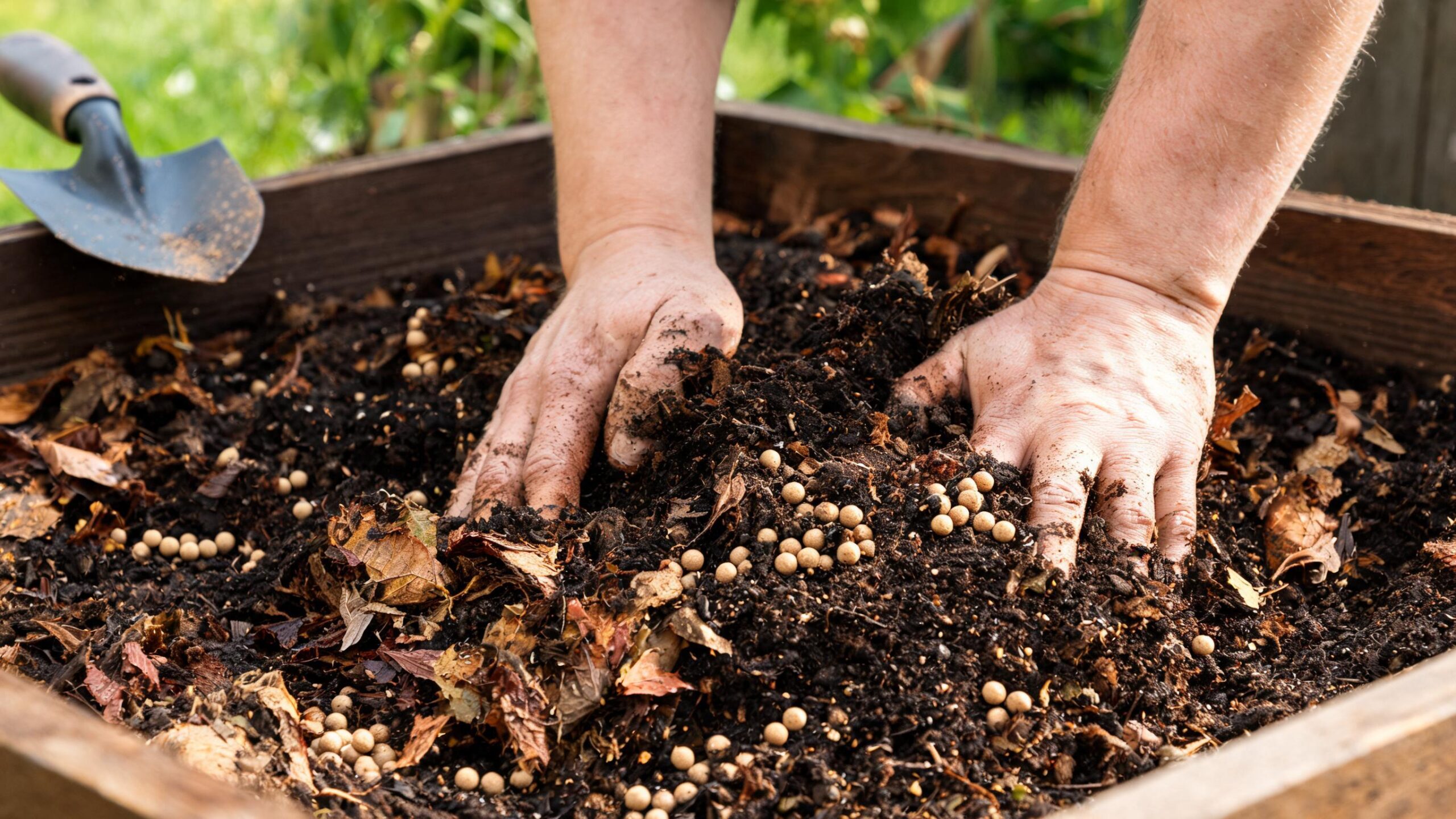
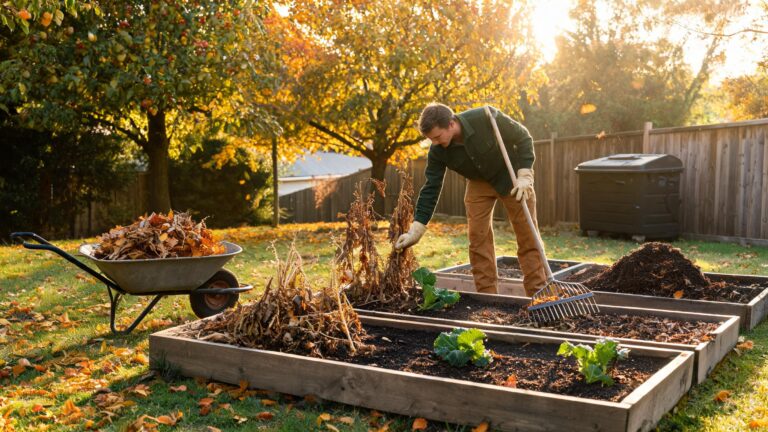
Aim for a soil pH between 6.0 and 7.0. If your whenua tests acidic (common in peat and high-rainfall areas), work in garden lime a few weeks before sowing. Before planting, dig through well-rotted compost, sheep pellets, and a handful of blood and bone per square metre to build a nutrient reserve, then rake to a fine, crumbly tilth since lettuce seed is tiny and needs good soil contact.
How to Sow and Plant Lettuce Step by Step
Choose your spot: Full sun in spring and autumn; part shade or afternoon shelter in the height of summer, especially in warmer North Island gardens.
Prepare the bed: Work in compost, sheep pellets, and blood and bone two to three weeks before sowing.
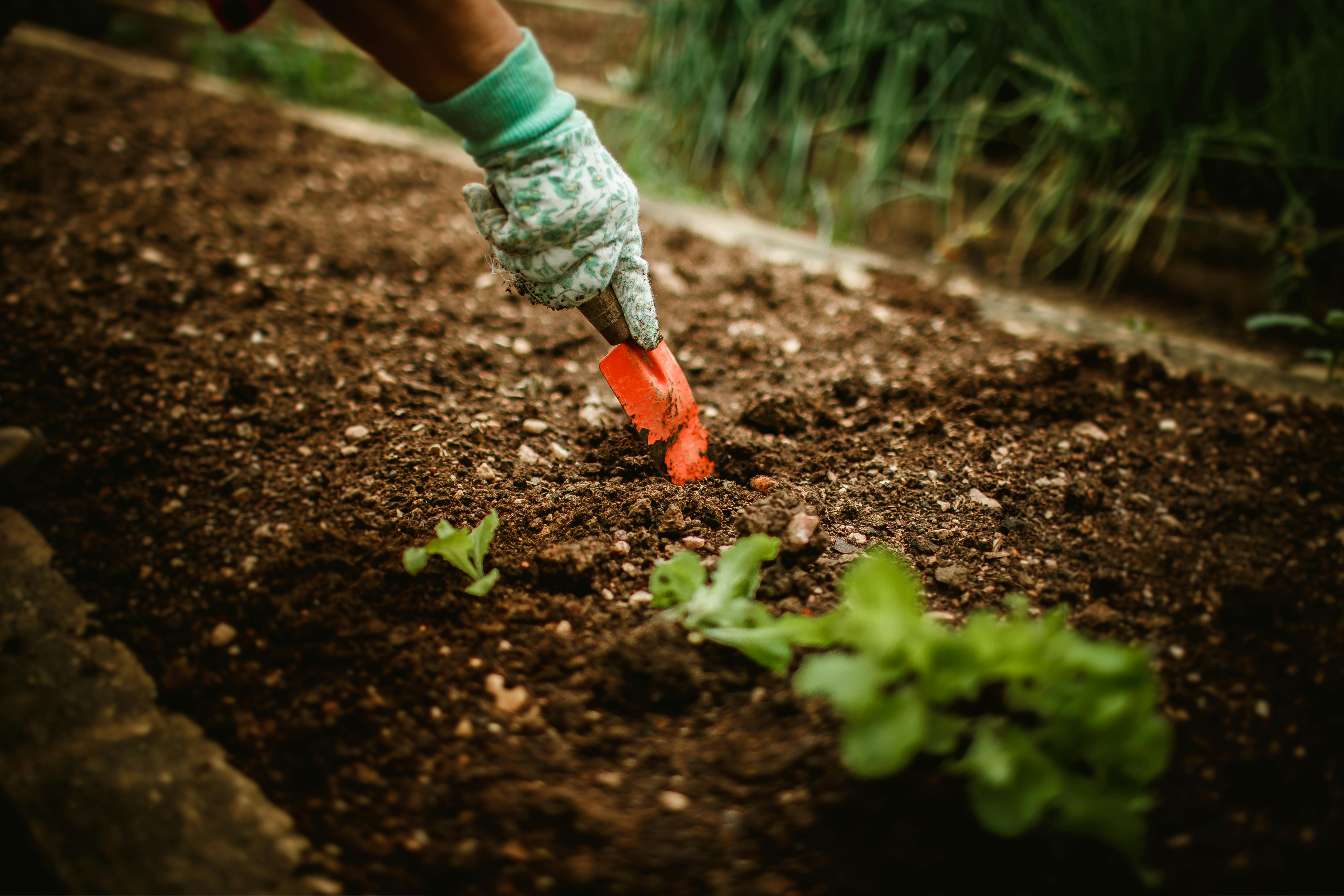
Sow shallow: Lettuce seed is photodormant, meaning it needs light to germinate — sow it just 3mm deep, or simply press it onto the surface of moist seed-raising mix rather than burying it.
Space correctly: Thin seedlings to 20–30cm apart depending on variety, or plant seedlings directly at this spacing to skip the thinning stage.
Keep consistently moist: Germination takes 4–7 days; the seedbed must never dry out during this window.
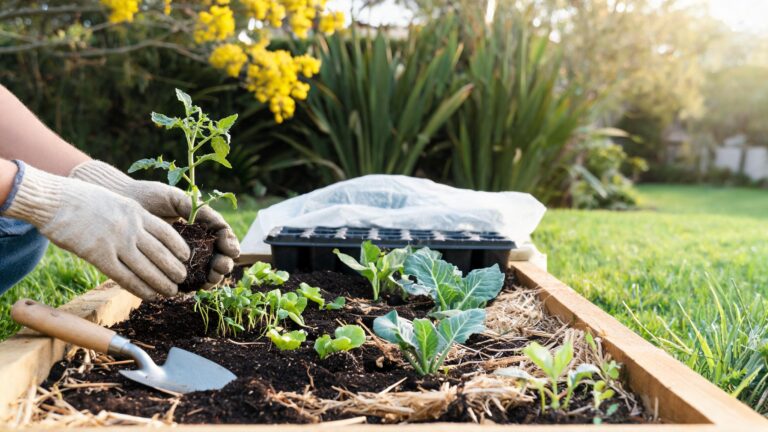
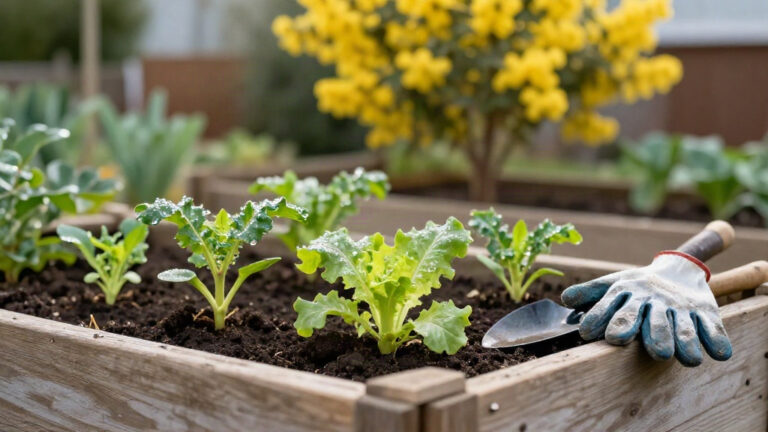
Transplant seedlings: If starting in trays or punnets, transplant once seedlings have their first true leaves, watering in well with a diluted seaweed tonic to reduce transplant shock.
Succession sow: Sow a fresh short row every two to three weeks through spring and into early summer for a continuous harvest rather than one big glut.
Watering, Mulching and Feeding
Lettuce is roughly 95% water, so consistency is everything. Irregular watering causes bitter flavour, tip burn, and premature bolting — all common complaints Kiwi gardeners raise about disappointing lettuce crops.
Watering: Water deeply two to three times a week rather than a light daily sprinkle, always at soil level rather than overhead, to reduce fungal disease risk
Mulching: Apply a 3–5cm layer of pea straw or lucerne mulch around plants to retain soil moisture and suppress weeds, particularly valuable in free-draining sandy soils
Feeding: Feed weekly with a liquid fish and seaweed tonic or a balanced vegetable liquid feed — lettuce is a fast, leafy grower and responds strongly to regular nitrogen
Sheep pellets: A side-dressing of sheep pellets midway through growth gives a gentle, slow-release boost without the risk of over-fertilising
Kiwi gardeners often notice that lettuce grown with a weekly seaweed feed produces noticeably more tender, sweeter leaves than unfed plants — the quicker lettuce grows, the less bitter and fibrous it stays.
Common Pests and Diseases in NZ Lettuce Crops
New Zealand lettuce growers face a specific set of regional pest and disease pressures, and awareness of these is essential for a clean harvest.
Currant-Lettuce Aphid
Currant-lettuce aphid (Nasonovia ribisnigri) has been established in New Zealand since 2002 and remains the most significant lettuce pest nationwide, particularly troublesome in Canterbury. It hides deep in the heart of the plant, making it hard to spot and difficult to wash out once hearting types are infested. Research summarised by the New Zealand Plant Protection Society’s resistance management guidelines recommends favouring loose-leaf and cut-and-come-again varieties where aphid pressure is high, since aphids struggle to establish in open-leaf types compared with tight-hearting lettuce. Encouraging natural predators such as ladybirds, lacewings, and hoverflies is also an effective, low-spray approach for home gardeners.
Slugs and Snails
Damp Kiwi spring conditions are ideal for slugs and snails, which can shred young seedlings overnight. Use beer traps, crushed eggshell barriers, or iron-based slug bait, and water in the morning rather than evening to keep foliage drier overnight.
Downy Mildew and Sclerotinia
Cooler, humid regions like Waikato and the Bay of Plenty can see downy mildew and Sclerotinia rot, especially with overhead watering and crowded plantings. Improve airflow with correct spacing, water at the base of plants, and rotate lettuce beds each season to reduce soil-borne disease build-up.
Bolting
Bolting is triggered by heat stress or moisture fluctuation rather than a true pest, but it’s the most common lettuce complaint from home gardeners nationwide. Prevent it by choosing bolt-resistant varieties for late-spring sowings, keeping soil consistently moist, and providing afternoon shade once temperatures regularly exceed 25°C.
Growing Lettuce in Containers and Raised Beds
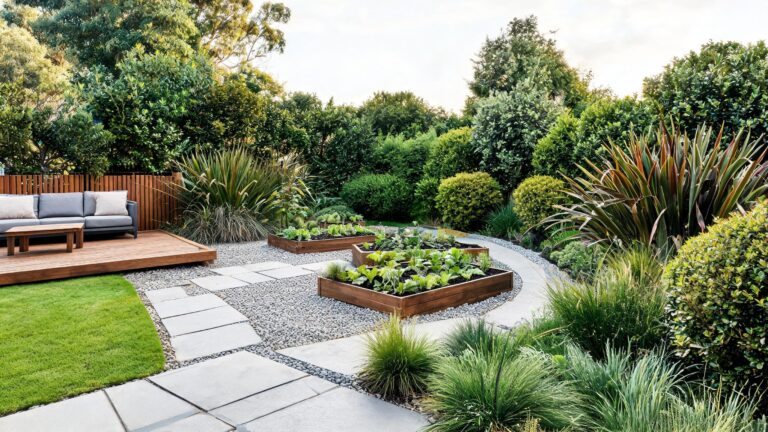
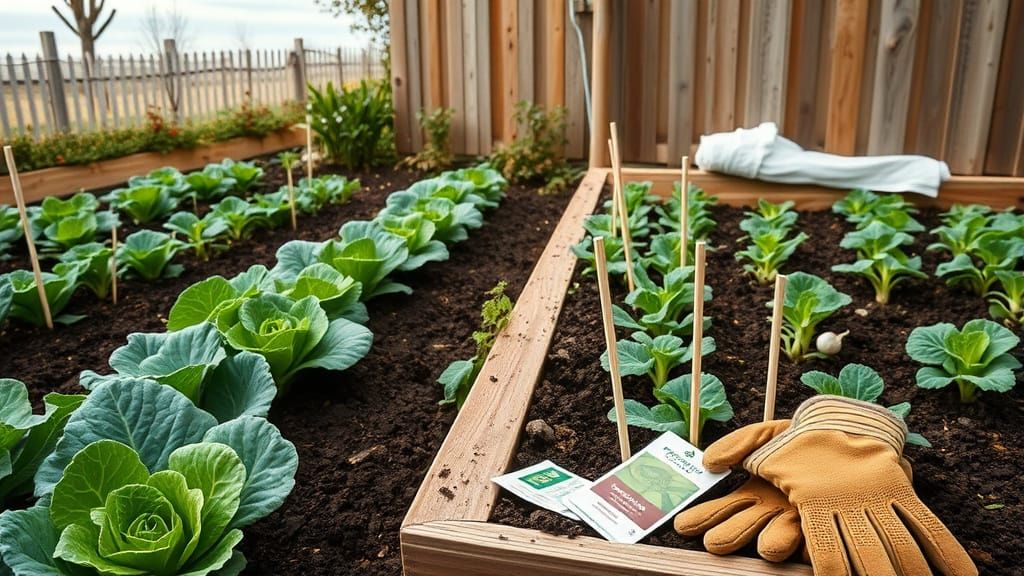
Lettuce is one of the best crops for small-space and container growing, making it ideal for townhouse gardens, balconies, and community plots. Use a container at least 20cm deep filled with a quality vegetable potting mix, ensure good drainage holes, and water more frequently than you would in-ground since containers dry out faster. Raised beds filled with a blended mix of compost, sheep pellets, and topsoil give excellent results in areas with heavy clay, offering better drainage and warmer soil in early spring.
Harvesting Your Lettuce
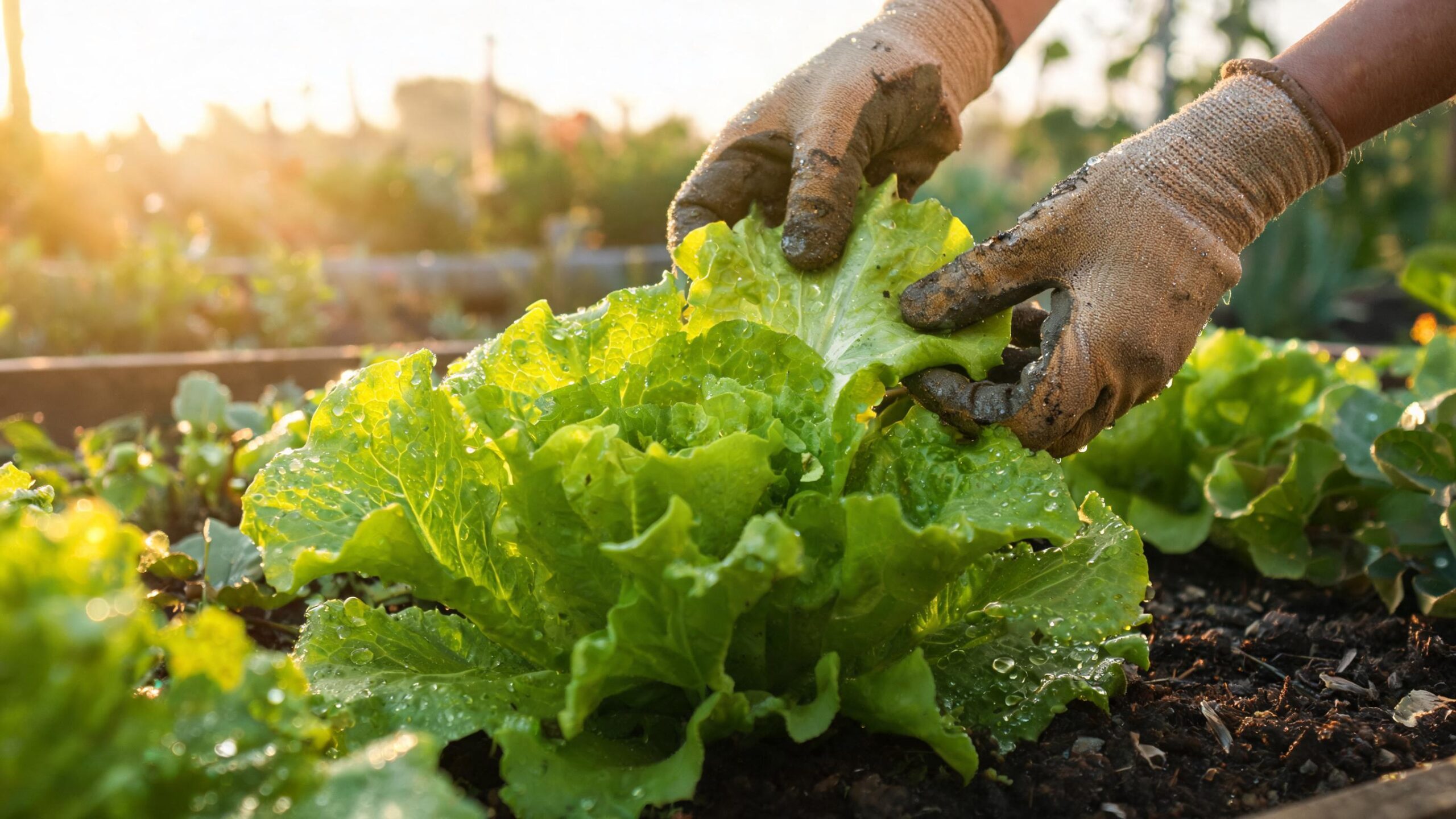
You don’t need to wait for a full head to form. Loose-leaf and cut-and-come-again varieties can be harvested from around six weeks by picking outer leaves as needed, snapping them off close to the base while leaving the centre to keep producing. Hearting types like Cos and Iceberg are ready when the head feels firm to a gentle squeeze, typically 8–12 weeks from sowing. Harvest in the cool of the morning for the crispest, sweetest leaves, and use a sharp knife to cut heads just above soil level.
Key Takeaways
Spring (September–November) is the ideal window across most of New Zealand for starting lettuce, following the seasonal vegetable planting calendar for your specific region
Choose loose-leaf or Cos varieties if aphid pressure or summer heat is a concern in your area
Feed weekly, water at the base, and mulch to keep growth fast and leaves sweet rather than bitter
Succession sow every 2–3 weeks for a continuous harvest instead of one large glut
Monitor for currant-lettuce aphid, slugs, and downy mildew as the main regional threats
Frequently Asked Questions
When is the best time to plant lettuce in New Zealand?
Spring, from September through November, is the best all-round window for most regions, as soil is warming but hasn’t reached bolting temperatures yet. In cooler areas like Canterbury and Otago, wait until frost risk has passed, while warmer regions like Auckland can sow lettuce almost year-round with summer shade protection.
How do I stop my lettuce from bolting in summer?
Bolting happens when lettuce experiences heat or moisture stress, triggering it to flower early. Choose bolt-resistant, heat-tolerant varieties like Cos or Little Gem for late-spring sowings, keep soil consistently moist with mulch, and provide afternoon shade cloth once temperatures regularly exceed 25°C.
What soil is best for growing lettuce in NZ?
Lettuce prefers free-draining, humus-rich soil with a pH of 6.0–7.0. In heavy clay or volcanic soils common in Waikato and Taranaki, dig in compost and coarse organic matter to improve drainage, and in acidic peat soils, add garden lime a few weeks before sowing.
How do I protect lettuce seedlings from slugs and snails?
Damp spring conditions bring out slugs and snails that can destroy young seedlings overnight. Use iron-based slug bait, crushed eggshell or diatomaceous earth barriers, and water in the morning rather than the evening to keep foliage drier at night.
Can I grow lettuce in containers in New Zealand?
Yes, lettuce is one of the easiest crops for container gardening. Use a pot at least 20cm deep with quality vegetable potting mix and good drainage, water more frequently than in-ground plantings, and position in full sun in spring or part shade during peak summer heat.
How often should I water lettuce?
Water deeply two to three times a week rather than light daily sprinkles, always aiming water at the base of the plant rather than overhead foliage to reduce disease risk. Consistent moisture is critical, as fluctuating watering causes bitter flavour and premature bolting.
What is the biggest pest threat to lettuce in New Zealand?
Currant-lettuce aphid (Nasonovia ribisnigri) is New Zealand’s most significant lettuce pest, hiding deep within hearting varieties where it’s hard to detect and wash off. Loose-leaf varieties are less vulnerable, and encouraging natural predators like ladybirds and lacewings helps keep populations low without heavy spraying.
How long does lettuce take to grow in NZ?
Loose-leaf and cut-and-come-again types can be harvested from around six weeks, while hearting varieties like Cos and Iceberg typically take 8–12 weeks to mature fully. Growth speed depends heavily on temperature, feeding frequency, and consistent watering.
Final Thoughts for Kiwi Gardeners
Mastering how to grow lettuce in New Zealand comes down to timing, moisture, and matching variety to your region’s climate — get those three right and you’ll have a steady harvest of crisp, sweet leaves from spring right through to autumn. Use this article alongside any good spring vegetable planting guide to plan your wider vegetable patch, sow little and often, feed weekly, and keep a close eye out for aphids and slugs. Look after your whenua with good compost and organic matter, and your lettuce patch will reward you season after season with fresh, homegrown kai straight from the garden.
We use cookies to improve your experience, analyze traffic, and display personalized ads.
By clicking "Accept", you consent to the use of cookies in accordance with our Privacy Policy.