Best Soil for Potatoes in NZ: The Complete Kiwi Growing Guide
If you’ve ever pulled up a scabby, misshapen crop of spuds after months of watering and waiting, chances are the problem started in the ground, not the seed potato. Getting the soil for potatoes right is the single biggest factor separating a bumper harvest from a disappointing one in New Zealand gardens, and it’s also the foundation for knowing how to plant potatoes in NZ successfully whether you’re on volcanic Auckland loam, Waikato peat, or frost-prone Canterbury clay.
Potatoes thrive in loose, free-draining, slightly acidic soil (pH 5.0–6.5) that’s been enriched with well-rotted compost or aged animal manure at least a few weeks before planting. Kiwi growing conditions across the motu vary hugely, so soil prep needs to be tailored to your region, whether that’s lightening heavy Waikato clay with gypsum and compost or boosting sandy Northland soils with organic matter to hold moisture.
Aim for a pH between 5.0 and 6.5 – slightly acidic soil helps suppress common scab
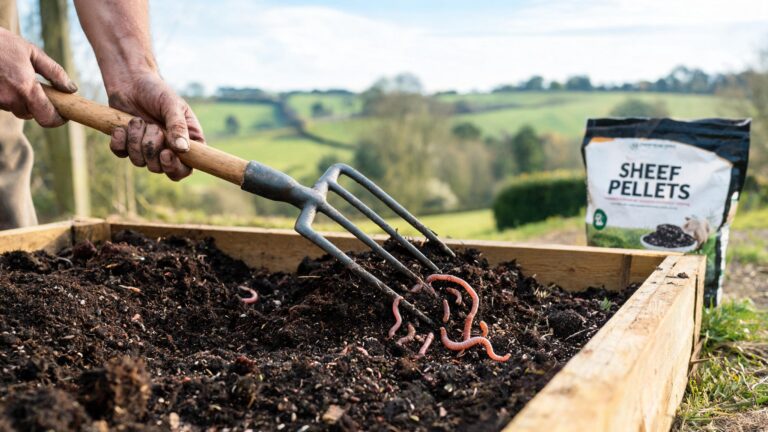
Dig in compost, sheep pellets, or well-rotted manure 2–4 weeks before planting
Ensure excellent drainage; potatoes rot quickly in waterlogged, heavy clay
Mound or hill soil around stems as plants grow to protect developing tubers from sunlight (which causes greening)
Avoid fresh lime or wood ash right before planting, as it raises pH and encourages scab
Why Soil Matters More Than Variety for NZ Potatoes
Potato tubers form underground, which means every bit of soil texture, moisture, and nutrition directly shapes the size, shape, and skin quality of your crop. Unlike leafy greens that mostly draw from the topsoil, potatoes are pushing swelling tubers through the whenua itself, so compacted, waterlogged, or nutrient-poor ground shows up immediately as small, forked, or diseased spuds.
New Zealand’s varied geology, from the Bay of Plenty’s rich volcanic loam to Otago’s stony schist-derived soils, means there’s no single formula that works everywhere. Understanding your local soil for potatoes baseline is the first real step before you even choose a variety like Rocket, Jersey Benne, Agria, or Māori heritage varieties such as Urenika (taewa).
Ideal Soil Type and Structure
Deep, friable, well-drained soil is essential for growing potatoes in New Zealand. Potatoes need loose ground so tubers can expand without stress cracking or forking, and so excess water can drain away from the developing crop.
What Makes Soil “Potato-Ready”?
Sandy loam – ideal texture, drains freely and warms quickly in spring, common in parts of Manawatū and coastal Canterbury
Volcanic loam – naturally fertile and friable, found across much of the Waikato, Bay of Plenty, and Taranaki; often needs little more than compost
Heavy clay – common in parts of Auckland and Canterbury, needs serious improvement with gypsum, compost, and coarse sand before it will grow decent potatoes
Peat soils – found in parts of the Waikato basin, hold moisture well but may need extra potash and drainage management
Commercial growers across New Zealand consistently favour deep, easily worked, free-draining land on flat to gently rolling contours, exactly the same principle applies at home garden scale, according to Tupu.nz’s commercial potato growing guidance.
Fixing Heavy Clay Soil for Potatoes
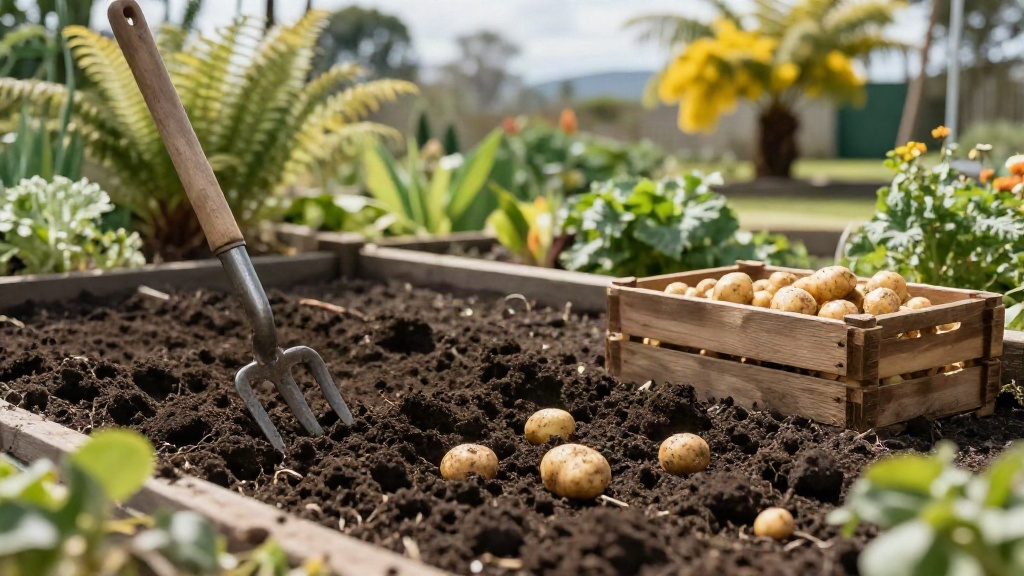
If you’re gardening on sticky Auckland clay or tight Canterbury pan soil, don’t plant potatoes straight into it. Dig in generous amounts of compost, well-rotted sheep pellets, and coarse river sand to a depth of at least 30cm, or better yet, grow your potato crop in a raised bed or mounded ridge filled with quality vegetable mix. Adding gypsum can also help break up clay particles over time without altering soil pH.
Soil pH for Growing Potatoes in NZ
Potatoes prefer slightly acidic soil, with a pH range of 5.0 to 6.5 considered ideal for New Zealand conditions. This acidity isn’t just a preference, it actively suppresses common scab, a disease that thrives in neutral to alkaline soils above pH 6.5 and leaves rough, corky lesions on tuber skins.
Test your soil pH with an inexpensive soil test kit before planting
If your pH sits above 6.5, avoid adding lime and consider using elemental sulphur or aluminium sulphate to lower it gradually
According to Tui Garden’s expert advice, applying around 100g of aluminium sulphate per square metre, dug into the top 15cm of soil, can shift pH from neutral toward the mid-5s over several applications
Never lime a bed you’re about to plant potatoes into; save lime for brassica beds instead
How to Prepare Soil Before Planting Potatoes
Good preparation four to six weeks out makes all the difference to how your crop performs through spring and summer.
Choose a sunny, open site – potatoes need at least 6 hours of full sun daily and good air movement to reduce blight risk
Dig or fork the bed to 30cm deep, breaking up any compacted layers or clay pans
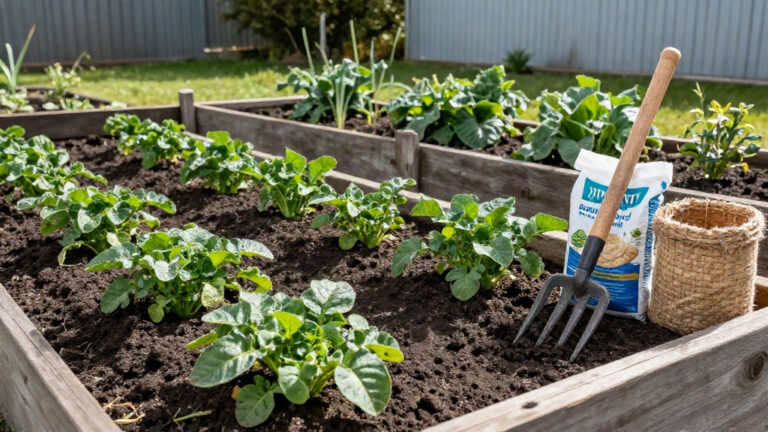
Incorporate organic matter – work in 2–3 buckets of compost or well-rotted sheep pellets per square metre
Add blood and bone or a balanced vegetable fertiliser at planting time for a steady nitrogen and phosphorus supply
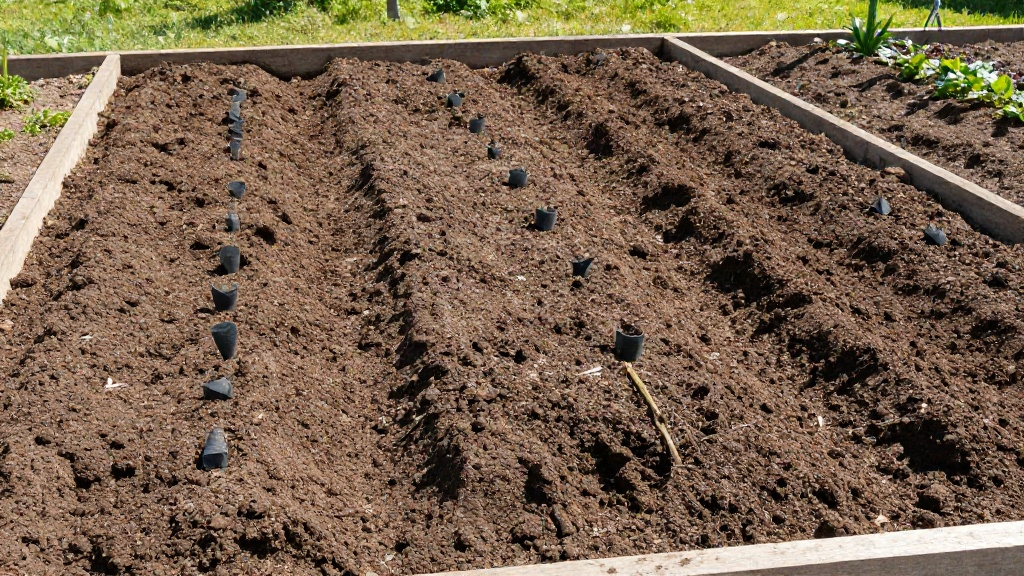
Rake the surface level and form ridges or trenches roughly 15cm deep, spaced 60–75cm apart
Avoid planting where potatoes, tomatoes, or other nightshades grew in the last two to three years to reduce disease carryover
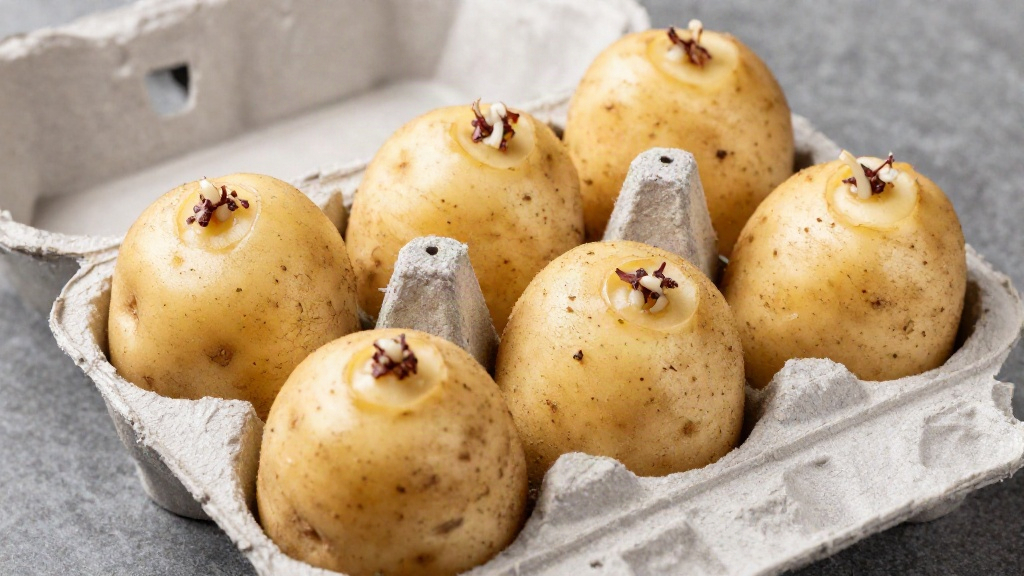
This groundwork is really the heart of how to plant potatoes in NZ successfully. Get the bed right first, and the actual planting becomes straightforward: simply place chitted seed potatoes eye-up into the prepared trench and cover with 10–15cm of soil.
Fertilising and Feeding Potato Soil the Kiwi Way
Potatoes are hungry feeders, particularly for potassium, which fuels tuber bulking. Kiwi gardeners commonly rely on:
Blood and bone – dug in at planting for slow-release nitrogen and phosphorus
Sheep pellets – excellent all-round organic conditioner and mild fertiliser, widely available from Daltons and other NZ suppliers
Potash or sulphate of potash – applied as tubers begin forming to improve size and starch content
Seaweed or kelp tea – a gentle liquid feed that boosts trace elements and root vigour without pushing excess leafy growth
Compost teas – applied fortnightly during active growth for a light nutrient top-up
Avoid excessive fresh nitrogen (like raw poultry manure), which pushes lush foliage at the expense of tuber development and can also increase disease susceptibility.
NZ Seasonal Timing for Potato Planting
Southern Hemisphere timing is everything, and getting this wrong is one of the most common mistakes gardeners make when following overseas advice.
Region
Best Planting Window
Soil Considerations
Northland / Auckland
Late July – September (early crop)
Warm subtropical soils allow earlier planting; watch for waterlogging in winter-wet clay
Waikato / Bay of Plenty
September – October
Fertile volcanic loam; wait for soil to warm above 10°C
Wellington / Manawatū
September – November
Improve drainage on heavier soils before planting
Canterbury / Central Otago
October – November
Frost-prone; delay planting until frost risk drops and soil has warmed
As a general national rule, spring (September–November) is the main planting season, though frost-free northern gardeners often get away with a late winter planting for an early Christmas crop.
Microclimates and Regional Soil Variation
New Zealand’s growing conditions shift dramatically over relatively short distances, and potato soil prep should reflect that.
Subtropical Northland and Auckland
Warm, humid conditions mean soils rarely freeze, but heavy summer rain on clay-heavy sections can drown young plants. Raised mounds and extra compost for drainage are essential here, along with vigilance for blight in humid, still air.
Temperate Waikato and Bay of Plenty
Volcanic loam here is often gardener’s gold, naturally fertile, well-structured, and easy to work. Kiwi gardeners in this belt often notice they need less soil amendment than elsewhere, though peaty pockets near wetlands may need extra potash.
Alpine and Frost-Prone Canterbury / Central Otago
Cooler soils warm later in spring, so patience pays off, planting too early into cold, wet ground invites tuber rot. In frost-prone inland areas, delaying planting until soil temperature reaches a consistent 10°C, and mulching heavily once shoots emerge, protects young growth from late frosts.
Common Soil-Related Pests and Diseases in NZ Potato Crops
Healthy, well-drained soil is your first line of defence, but several soil-linked pests and diseases regularly trouble New Zealand potato growers.
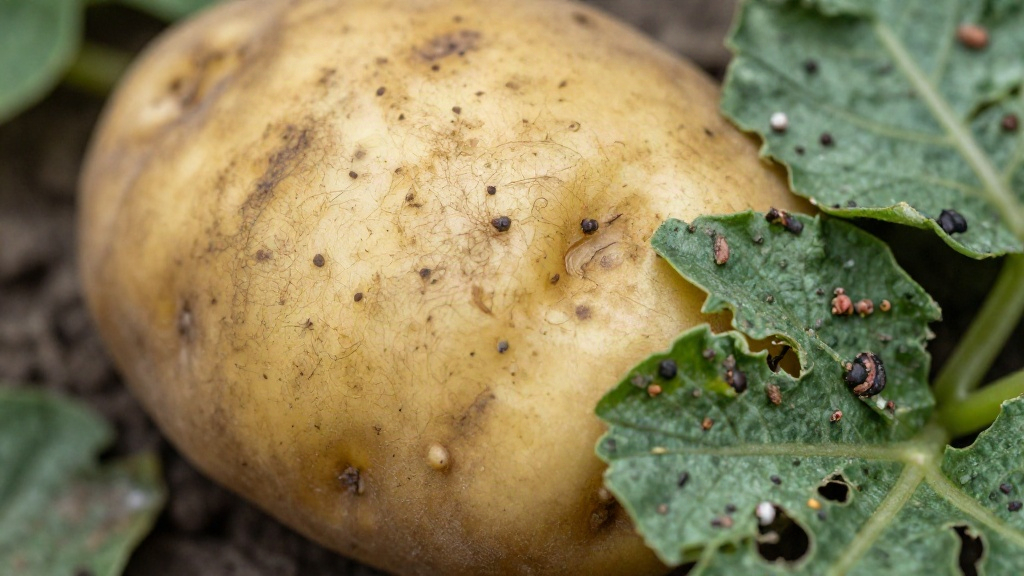
Common scab – corky lesions caused by soil bacteria that thrive in alkaline, dry conditions; prevented by keeping pH below 6.5 and soil consistently moist during tuber formation
Tomato/potato psyllid (TPP) – a significant biosecurity pest first detected in New Zealand in 2006 that spreads the bacterium causing “zebra chip,” a disfiguring internal discolouration of tubers; according to Lincoln University’s research on psyllid management, calcium treatments can help make plants less attractive to the pest
Potato blight – a fungal disease favoured by damp, humid soil surfaces and poor airflow; improve spacing and avoid overhead watering late in the day
Rhizoctonia (black scurf) – soil-borne fungus causing black, crusty patches on tuber skin, worse in cold, wet soils
Root-knot nematodes – more common in sandy northern soils, causing stunted, misshapen tubers
Container and Raised Bed Soil Mixes for Potatoes
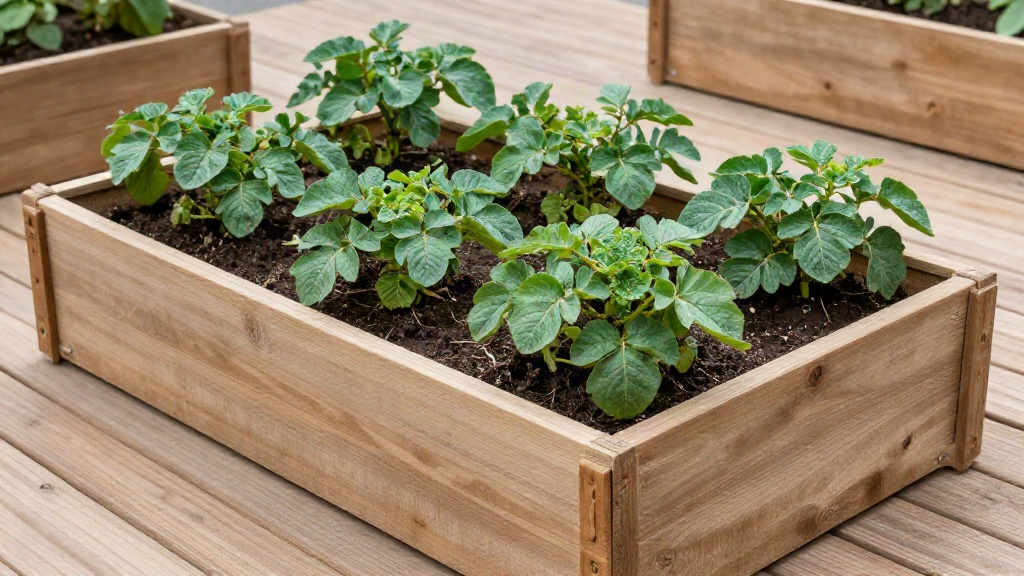
For gardeners with poor natural soil, small sections, or balcony growing spaces, a quality potting or raised bed mix designed for vegetables works brilliantly. Look for a free-draining mix enriched with compost and slow-release fertiliser, and top up with more mix as plants grow to keep tubers covered and protected from light. This method also sidesteps soil-borne disease risks entirely, a handy option if you’re rotating away from a bed with scab or psyllid history.
Key Takeaways
Potatoes need loose, free-draining, slightly acidic soil (pH 5.0–6.5)
Improve heavy clay with compost, gypsum, and coarse sand well before planting
Feed with blood and bone, sheep pellets, and potash rather than heavy nitrogen
Match planting timing to your region’s soil temperature, not the calendar alone
Watch for scab, psyllids, and blight, all strongly influenced by soil health and drainage
Frequently Asked Questions
What is the best soil pH for growing potatoes in NZ?
Potatoes grow best in slightly acidic soil with a pH between 5.0 and 6.5. This range helps naturally suppress common scab, a disease that becomes more aggressive in neutral to alkaline soils. Test your soil before planting and adjust with sulphur or aluminium sulphate if needed, avoiding lime altogether in potato beds.
Can I grow potatoes in clay soil in NZ?
Yes, but heavy clay needs significant improvement first. Dig in generous compost, well-rotted manure, and gypsum to break up compaction, or grow potatoes in raised mounds or beds filled with better draining mix. Without this prep, clay soils commonly cause misshapen tubers and rot.
How do I stop my potatoes getting scab?
Common scab thrives in dry, alkaline soil, so keep the bed consistently moist during tuber formation and avoid adding lime or wood ash. Maintaining soil pH below 6.5 significantly reduces scab incidence, along with practising crop rotation away from previous nightshade beds.
What fertiliser is best for potato soil in New Zealand?
Blood and bone dug in at planting, followed by sheep pellets or compost as a soil conditioner, suits most NZ gardens well. Add potash as tubers begin bulking to improve size and quality, and use seaweed tea as a gentle liquid boost during the growing season.
When is the best time to plant potatoes in New Zealand?
Most regions plant from September through November, though warmer northern gardens can start in late winter for an earlier crop. Frost-prone inland areas like Central Otago and inland Canterbury should wait until soil has warmed and frost risk has passed, usually October onward.
Why are my potato plants stunted with yellowing leaves?
Stunted, yellowing growth with curled leaf edges is a classic sign of tomato/potato psyllid infestation, a serious biosecurity pest in New Zealand. Check the undersides of leaves for small nymphs and sugary residue, and remove affected plants promptly to limit spread to nearby crops.
Should I add lime to my potato bed?
No, avoid liming potato beds. Lime raises soil pH, which encourages common scab, one of the most frustrating potato diseases for home gardeners. Save lime applications for brassica beds in your crop rotation instead.
Do potatoes grow well in raised beds in NZ?
Yes, raised beds are ideal, especially where natural soil is heavy clay or poorly drained. Fill with a quality vegetable mix enriched with compost, and hill soil up around stems as plants grow to protect developing tubers and maximise yield in a controlled space.
Growing Great Potatoes Starts With the Whenua
Getting the soil for potatoes right, loose, well-drained, slightly acidic, and generously fed with compost or sheep pellets, sets up everything else that follows in your growing season. Whether you’re working volcanic Waikato loam or battling Auckland clay, a little soil prep now pays off in clean, healthy tubers come harvest. Take care of your patch of whenua, match your planting timing to your region’s conditions, and you’ll find that how to plant potatoes in NZ really comes down to good soil, good timing, and a bit of Kiwi patience.
We use cookies to improve your experience, analyze traffic, and display personalized ads.
By clicking "Accept", you consent to the use of cookies in accordance with our Privacy Policy.