The Ultimate Guide: How to Grow Winter Vegetables in NZ
Winter in New Zealand doesn’t mean your garden has to sit dormant. In fact, the cooler months offer a fantastic opportunity to cultivate crisp, sweet, and highly nutritious crops that thrive in chilly conditions. Whether you are dealing with the mild, subtropical rain of Northland or the biting, heavy frosts of Central Otago, learning to grow winter vegetables in NZ will transform your backyard into a year-round food source. There are a variety of best crops for winter gardening in New Zealand.
Many gardeners make the mistake of abandoning their raised beds when the temperature drops, assuming nothing will survive. However, with the right soil preparation, correct variety selection, and an understanding of frost-hardy plants, your winter garden can be incredibly productive. This comprehensive guide provides expert horticultural strategies to ensure a bountiful harvest throughout the coldest months.
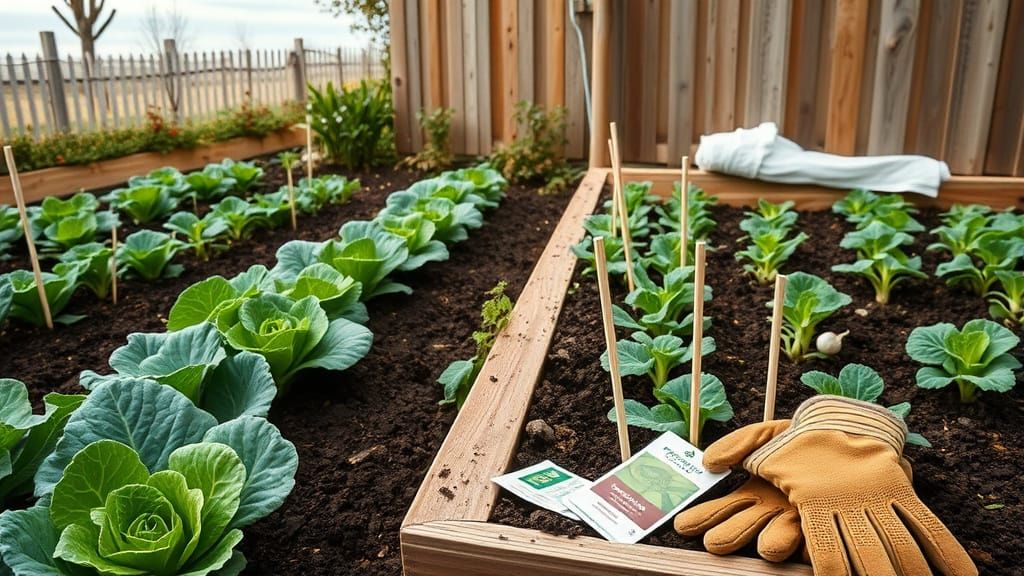
Growing winter vegetables in New Zealand requires planting frost-hardy varieties in late summer or autumn so their root systems establish before the deep cold sets in. You must select cool-climate crops like brassicas, root vegetables, leafy greens, and alliums. Ensure your soil is well-draining, highly enriched with compost, and situated in a spot that receives maximum winter sunlight.
Top crops: Broccoli, cabbage, cauliflower, kale, broad beans, carrots, spinach, and garlic.
Timing is critical: Sow seeds from February to April; plant seedlings by May.
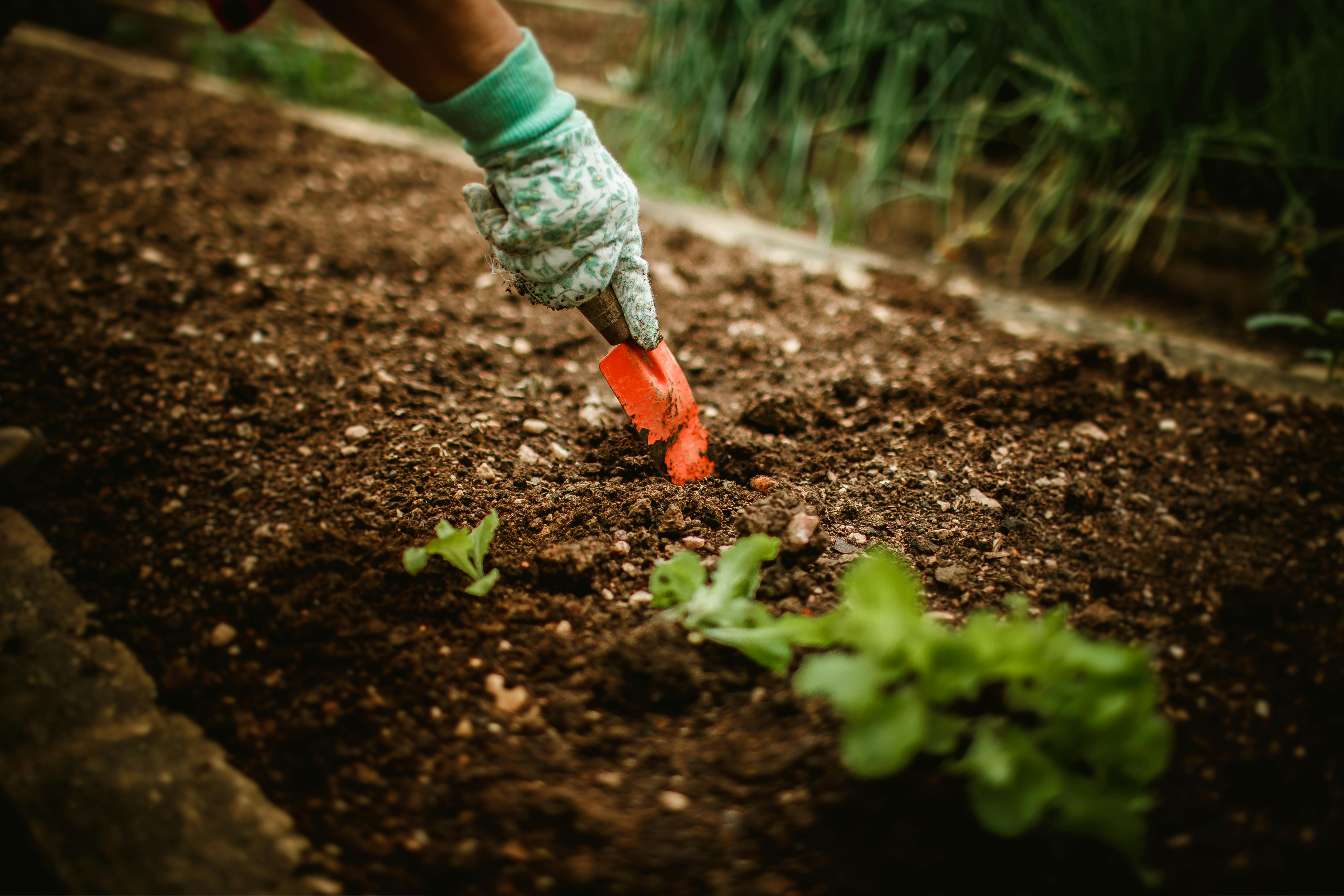
Soil matters: Winter rains cause rot; raise your garden beds or heavily amend soil to ensure rapid drainage.
Sunlight requirements: Aim for at least 5 to 6 hours of direct sun daily.
Frost protection: Use cloches, frost cloth, and heavy mulch in southern or alpine regions to protect young plants.
Top Plant Choices to Grow Winter Vegetables in NZ Successfully
To succeed in cold-weather gardening, you must choose plants naturally adapted to short days and low temperatures. Below is a detailed breakdown of the best botanical families and specific vegetables for the New Zealand winter.
The Brassica Family: Heavyweight Winter Champions
Brassicas are a genus of plants in the mustard and cabbage family, prized for their extreme cold tolerance and high nutritional value.
In New Zealand, brassicas form the backbone of the winter garden. They are robust, frost-resistant, and provide heavy yields. Gardeners often notice that light frosts actually improve the flavour of brassicas, as the cold causes the plants to produce protective sugars.
Broccoli
Broccoli is a cold-hardy green vegetable that develops a large, flowering head before it blooms. It prefers slightly alkaline soil to prevent clubroot.
Sowing: Sow in seed trays from February. Plant out seedlings in March and early April.
Spacing: Plant 40–60 cm apart.
Soil pH: 6.5 – 7.0. Add garden lime if your soil is too acidic.
Pro Tip: Do not pull the plant out after cutting the main central head. Leave the stem in the ground, and it will produce smaller, tender side shoots for several weeks.
Cabbage
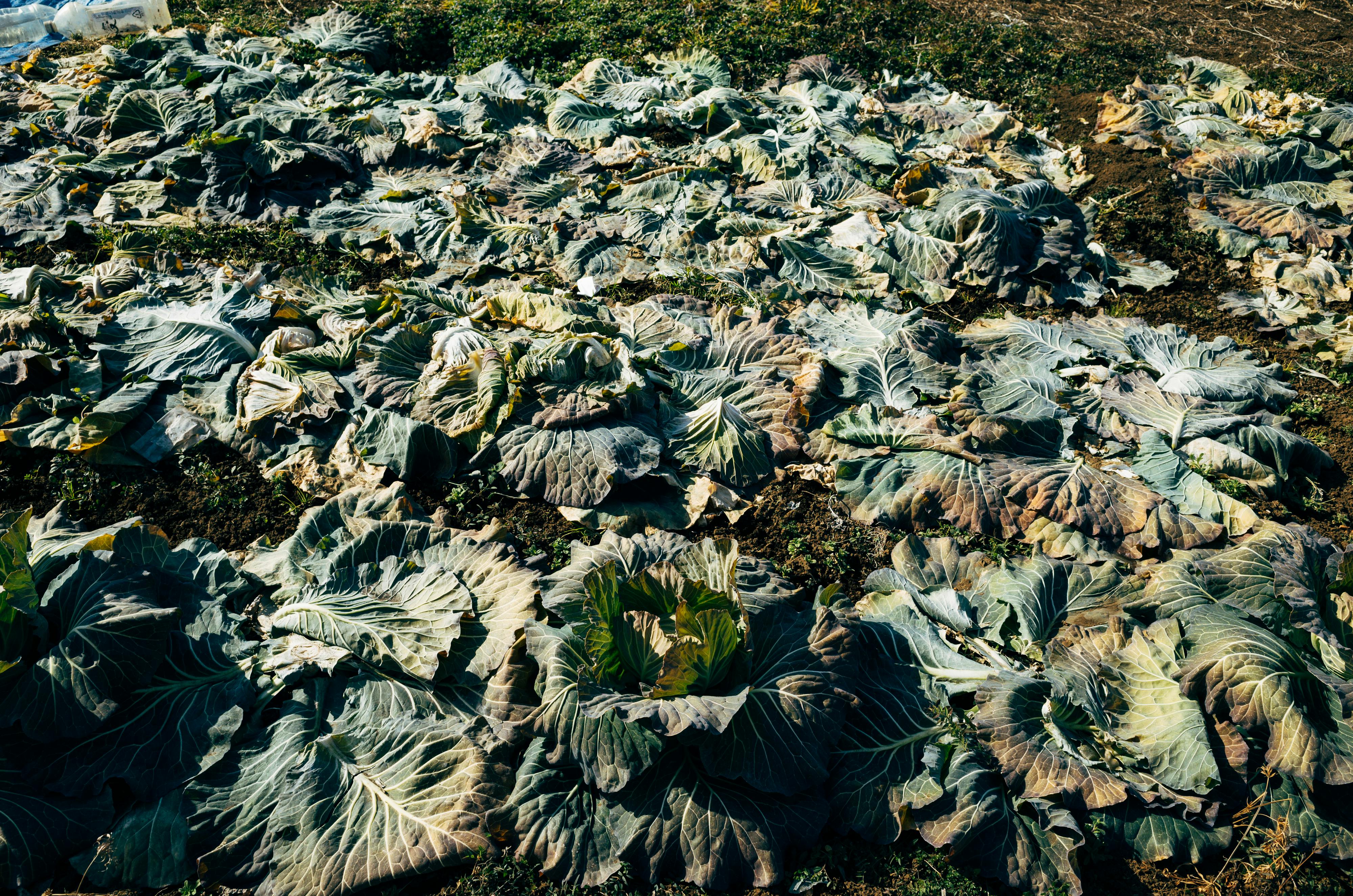
Cabbage is a dense, leafy vegetable that grows in a tight spherical head. Winter varieties like Savoy and Drumhead are exceptionally tough.
Sowing: Sow late summer for a late autumn/winter harvest.
Spacing: 40–50 cm apart, depending on the variety size.
Watering: Cabbages require consistent moisture. Uneven watering can cause the heads to split open.
Pest Control: Keep an eye out for the White Cabbage Butterfly caterpillar in early autumn before the cold properly sets in.
Cauliflower
Cauliflower is a slow-growing brassica cultivated for its tightly packed white florets (the “curd”). It is slightly more temperamental than broccoli.
Sowing: Start seeds in late January or February. They require a long growing season.
Feeding: Cauliflowers are heavy feeders. Dig in generous amounts of sheep pellets and blood and bone prior to planting.
Care trick: As the white head develops, snap one or two of the large outer leaves and fold them over the top of the curd. This prevents frost burn and stops the sun from turning the head a bitter yellow.
Brussels Sprouts
Brussels sprouts are tall-growing stalk plants that produce miniature cabbage-like buds along the stem. They are heavily dependent on cold weather for their signature sweet flavour.
Timing: These require up to 120 days to mature. Sow in January/February and plant out no later than March.
Spacing: Space them at least 80–90 cm apart, as they grow into large, towering plants.
Staking: Due to winter winds in exposed NZ regions, firmly stake the central stalk to prevent the plant from toppling over.
Root Crops: Sweetened by the Frost
Root vegetables are edible plants grown for their underground, starchy taproots or tubers.
In winter, root vegetables are incredibly reliable because the soil insulates them from the harshest above-ground elements. When the ground temperature drops, these plants convert their stored starches into sugars, acting as a natural anti-freeze and resulting in a much sweeter harvest.
Carrots
Carrots are bright, taproot vegetables that thrive in cool, deeply worked soils.
Sowing: Carrots do not transplant well. You must direct sow the seeds into the garden bed.
Soil Prep: Ensure the soil is stone-free and deeply tilled to at least 30 cm. Do not add fresh manure, as this causes the carrots to “fork” (grow multiple legs).
Spacing: Thin seedlings to 5 cm apart. Poor thinning is the most common mistake made by beginners.
Parsnips
Parsnips are creamy-white, long taproots with a sweet, earthy, and slightly nutty flavour.
Germination: Parsnip seeds are notoriously slow to germinate and lose viability quickly. Always use fresh seeds from the current year.
Frost Benefit: Leave parsnips in the ground until after the first heavy frost. The intense cold dramatically improves their sweetness.
Harvest: Can take 120+ days. They will sit happily in the soil throughout the entire winter, acting as a living pantry.
Swedes and Turnips
Swedes and turnips are bulbous root crops that mature quickly and tolerate extreme cold.
Timing: Turnips mature very fast (50–70 days) and can be succession planted. Swedes take longer (100–120 days).
Spacing: Thin to 15 cm apart.
Usage: Both the root and the green tops are completely edible and highly nutritious.
Leafy Greens: Continuous Winter Harvesting
Leafy greens are fast-growing plants cultivated primarily for their tender foliage.
Winter greens are essential for a continuous harvest. Unlike heading vegetables that give a single yield, “cut-and-come-again” greens can provide fresh salads and cooking foliage for months on end.
Silverbeet (Swiss Chard)
Silverbeet is an upright, robust green with thick, crinkled leaves and sturdy white or brightly coloured stems.
Resilience: One of the most fail-proof vegetables you can grow in New Zealand. It tolerates frost, rain, and varying soil types.
Harvesting: Never cut the whole plant. Instead, twist and pull the outer, older leaves at the base, leaving the inner crown to continue producing new growth.
Spacing: 30–40 cm apart.
Spinach
Spinach is a low-growing, dark green leafy vegetable that explicitly prefers cold weather; it bolts (goes to seed) in the summer heat.
Sowing: Direct sow or plant seedlings in well-draining soil.
Feeding: Apply a high-nitrogen liquid fertiliser (like seaweed or fish emulsion) every three weeks to encourage lush, green leaf production.
Varieties: Winter Giant is an excellent heritage variety for New Zealand winters.
Winter Lettuces and Asian Greens
While summer lettuces turn bitter and die in the cold, specific winter varieties thrive.
Lettuce: Choose cold-hardy varieties like Mignonette, Cos, or Oakleaf. Grow in sheltered spots or under cloches.
Asian Greens: Mizuna, Tatsoi, and Pak Choy grow rapidly in cold weather. They are perfect for stir-fries and can be harvested in as little as 30-40 days.
The Legumes: Winter Soil Builders
Legumes are pod-producing plants that possess a symbiotic relationship with soil bacteria, allowing them to fix atmospheric nitrogen into the soil.
Growing legumes over winter not only provides a delicious crop but also acts as a green manure, drastically improving your soil fertility for the following spring planting.
Broad Beans (Fava Beans)
Broad beans are tall, robust, frost-hardy plants that produce thick pods filled with large, flat beans.
Sowing: May through July is the ideal planting window in most of New Zealand. Broad beans love the cold.
Support: The plants can grow up to 1.5 metres tall. The heavy winter winds in NZ will snap them if they are not securely staked and tied with twine.
Pest Tip: When the plant reaches full height and is flowering heavily, pinch off the very top growing tip. This deters blackfly aphids and redirects the plant’s energy into swelling the bean pods.
Peas
Winter peas are a sweet, climbing legume that can be grown for both their edible pods (snow peas) and internal seeds (shelling peas).
Sowing: Direct sow into the soil. Treat seeds with a fungicide if your soil is notoriously wet, as cold, damp soil can cause the seeds to rot before germination.
Structure: Provide climbing mesh, chicken wire, or bamboo teepees for the tendrils to grip.
The Alliums: Long-Term Winter Residents
Alliums are members of the onion family, characterized by their pungent sulfur compounds and long, slow growing seasons.
Alliums are incredibly hardy but require patience. They are planted in the depths of winter and are not harvested until mid-summer.
Garlic
Garlic is an essential bulbous allium grown from individual cloves.
The Golden Rule: Plant on the shortest day of the year (late June) and harvest on the longest day of the year (late December).
Planting Depth: Push cloves into the soil pointy-end up, about 5 cm deep.
Spacing: 10 cm between cloves, 20 cm between rows.
Soil: Requires free-draining soil mixed with copious amounts of compost. Garlic will rot in waterlogged winter soil.
Onions and Leeks
Onions and leeks provide essential culinary bases for winter soups and stews.
Leeks: Plant seedlings into deep trenches. As they grow, gradually hill the soil up around the stems to “blanch” them (keeping the stems white, sweet, and tender).
Onions: Plant seedlings in late autumn. Keep the beds completely weed-free, as onions have shallow root systems and hate competing for nutrients.
Essential Soil and Site Preparation for Winter Crops
The success of your winter garden is determined almost entirely by how well you prepare the soil before the cold rains arrive. Winter gardening presents unique environmental challenges: lower light levels, freezing temperatures, and heavy precipitation.
Step 1: Ensure Exceptional Drainage
The number one killer of winter vegetables in New Zealand is not frost—it is rot. Cold, waterlogged soil suffocates roots and breeds fungal diseases.
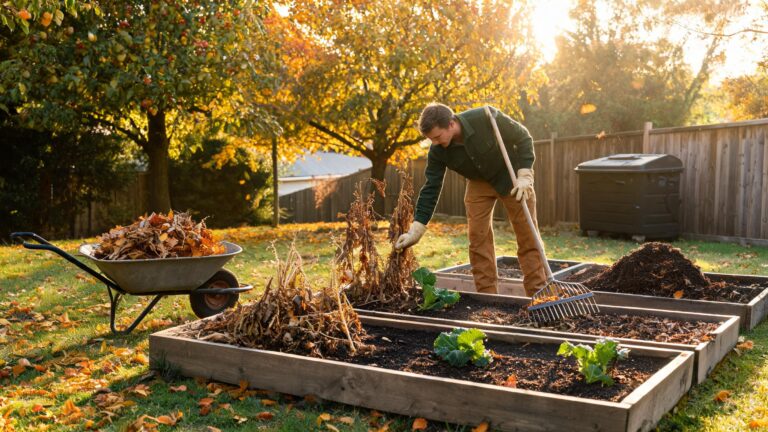
Raise the beds: If you are gardening in heavy clay (common in Auckland and the Waikato), you must mound your soil or build raised wooden beds at least 20–30 cm high.
Aerate: Broadfork or deeply dig the soil in early autumn to break up hardpans that trap water.
Step 2: Maximize Sunlight Exposure
The winter sun in New Zealand sits very low on the northern horizon. A spot that receives full sun in December may be completely shaded by a fence or house in July.
Observe your garden’s shadow patterns in late autumn.
Plant your winter crops in the northernmost, most exposed part of the garden to capture the maximum 5 to 6 hours of necessary daylight.
Step 3: Enrich with Organic Matter
Because soil microbiology slows down dramatically in cold soil, nutrients become less available to plant roots. You must front-load your soil with accessible nutrition.
Dig in a 5 cm layer of high-quality compost, aged sheep pellets, and blood and bone fertilizer before planting.
Ensure the pH is balanced (ideally 6.5) by applying garden lime if necessary, which also aids in calcium uptake.
Climate Variations: From Warm Northland to Frosty Otago
New Zealand’s distinct climatic zones require different winter gardening strategies. You must adapt your planting times and protective measures based on your local geography.
The Warm/Subtropical North (Northland, Auckland, Bay of Plenty)
Conditions: Frosts are rare or non-existent. The main challenge is heavy winter rainfall and high humidity, which encourages fungal diseases like powdery mildew and rust.
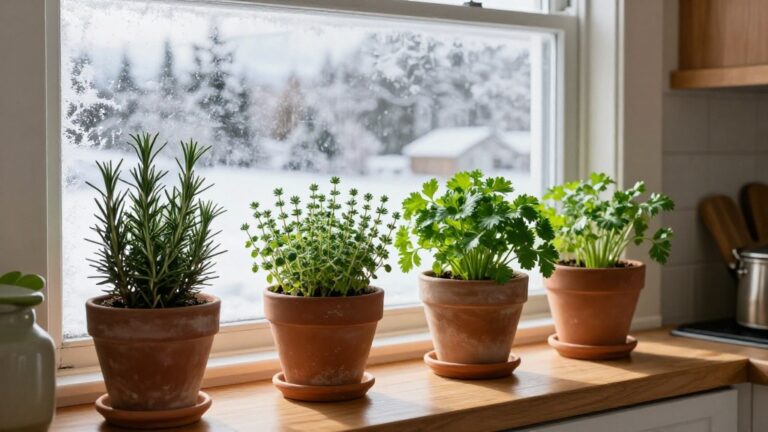
Strategy: Drainage is your primary focus. You have a longer planting window and can continue sowing seeds well into May. You can successfully grow Asian greens, winter lettuces, and even successfully overwinter some herbs like coriander and parsley without protection.
The Temperate Middle (Waikato, Wellington, Nelson, Marlborough)
Conditions: Moderate winter rainfall with frequent light-to-medium frosts. High winds (especially in Wellington) are a major factor.
Strategy: Wind protection is vital. Stake your broad beans and tall brassicas firmly. Planting must be completed by late April to ensure root systems are established before the soil temperatures plummet in June.
The Deep South and Alpine (Canterbury, Otago, Southland)
Conditions: Severe, heavy frosts. Soil can freeze solid. Snow is possible.
Strategy: Timing is absolutely critical. Seedlings must be well-established before the end of April. Rely heavily on the toughest crops: swedes, parsnips, kale, and Brussels sprouts. Utilize physical frost protection.
Frost Cloth: Drape horticultural fleece over hoops to trap radiant heat from the earth.
Mulching: Apply a thick, 10 cm layer of straw mulch around the base of plants to insulate the root zone from freezing temperatures.
Feeding and Watering: Winter Care Requirements
Winter garden maintenance differs vastly from summer care. Over-watering and over-feeding are common errors.
Winter Watering Guidelines
Evaporation rates in winter are extremely low. In many parts of New Zealand, natural rainfall is more than sufficient for winter vegetables.
Test before watering: Push your finger 5 cm into the soil. If it feels moist, do not water.
Morning watering only: If there is a dry spell, water your plants in the morning. Watering in the evening leaves foliage wet overnight, which invites frost damage and fungal rot.
Frost prep watering: Counter-intuitively, if a severe frost is predicted, watering the soil lightly in the afternoon can help. Moist soil absorbs and holds more solar heat during the day than dry soil, releasing it slowly at night.
Winter Fertilising
Because plant growth slows down in the cold, applying heavy doses of granular synthetic fertiliser is ineffective; the plants simply cannot absorb it, and winter rains will leach it away.
Use liquid seaweed tonic every three to four weeks. Seaweed extracts strengthen plant cell walls, naturally increasing their resistance to frost and cold stress.
If plants look pale or yellow, apply a fast-acting liquid fish emulsion to provide a gentle, easily absorbable nitrogen boost.
Common Winter Gardening Mistakes
Avoid these frequent pitfalls to guarantee a successful winter harvest:
Planting Too Late: The most critical error. If you plant seedlings in June, the soil is too cold for roots to grow. The plant will sit in suspended animation and eventually rot. Always plant in autumn (March to May).
Forgetting to Thin Root Crops: Carrots and parsnips planted too closely will twist around each other and fail to bulk up. Thin them ruthlessly.
Ignoring Slugs and Snails: Winter is peak season for molluscs. They love cool, damp conditions and will decimate young brassica seedlings overnight. Use pet-safe slug bait or beer traps aggressively.
Harvesting Frozen Plants: If you wake up to a heavy frost, do not touch or harvest frozen leafy greens. The frozen cells will rupture, and the leaves will turn to mush. Wait until the mid-morning sun has gently thawed the plant before harvesting.
Winter Vegetable Sowing and Harvesting Table
Use this comprehensive schedule as a quick reference guide for your New Zealand winter garden. Note that maturity times will be slower in deep winter than in autumn.
Vegetable
Ideal Sowing / Planting Time
Spacing (cm)
Time to Harvest
Expert Care Note
Broccoli
Feb – April
40 – 50
60 – 90 days
Leave stalks for secondary shoot production.
Broad Beans
April – July
20
90 – 120 days
Requires tall stakes. Pinch out top when flowering.
Plant in trenches and hill up soil to blanch stems.
Silverbeet
Feb – May
30
50 – 80 days
Tolerates most conditions. Pick outer leaves continually.
Swedes
Jan – March
15
100 – 120 days
Leave in the ground until after the first frost for sweetening.
Frequently Asked Questions (FAQ)
What vegetables survive the hardest frosts in NZ?
The most frost-hardy vegetables include kale, Brussels sprouts, swedes, parsnips, and leeks. These plants not only survive freezing temperatures but actually improve in flavour, as the cold triggers the conversion of plant starches into sweet, protective sugars.
Can I plant tomatoes in a NZ winter?
No, tomatoes are highly frost-tender summer crops. If planted outside in a New Zealand winter, they will quickly blacken and die at the first frost. The only exception is growing them in a fully heated, climate-controlled commercial glasshouse.
Why are my winter brassicas turning purple?
Purple leaves on broccoli, cauliflower, or cabbage during winter indicate a phosphorus deficiency. Cold soil temperatures make it difficult for plant roots to uptake phosphorus. Apply a liquid seaweed tonic to help stimulate root function and nutrient absorption.
How often should I water my winter vegetable garden?
Very rarely. Due to low evaporation rates and frequent winter rain in New Zealand, outdoor winter gardens often need no manual watering. Only water if the soil is dry 5 cm below the surface, and always water in the morning to prevent overnight freezing.
When is the best time to plant garlic in New Zealand?
The traditional and most reliable time to plant garlic in New Zealand is on the shortest day of the year, which falls around June 21st. The cloves are then harvested on the longest day of the year in late December.
Do I need to fertilise winter vegetables?
Heavy granular fertilisers are largely ineffective in winter because cold soil limits microbial activity. Instead, focus on enriching the soil with compost prior to planting, and use gentle, fast-acting liquid feeds like fish emulsion or seaweed every few weeks if plants look yellow.
Conclusion
Mastering how to grow winter vegetables in NZ is a rewarding endeavour that guarantees fresh, nutritious food when supermarket prices are at their highest. By prioritizing excellent soil drainage, timing your autumn planting correctly, and selecting robust, frost-sweetened crops like brassicas and root vegetables, you can conquer the cold. Do not let your garden beds sit empty this winter—get out there, sow those seeds, prepare your soil, and enjoy a thriving, frost-hardy harvest all season long.
We use cookies to improve your experience, analyze traffic, and display personalized ads.
By clicking "Accept", you consent to the use of cookies in accordance with our Privacy Policy.