How to Grow Potatoes in NZ: A Complete Kiwi Growing Guide
Learning how to grow potatoes in NZ is one of the most rewarding projects you can take on in the vege patch, whether you’re working with volcanic clay in Auckland, sandy loam in Canterbury, or a few grow bags on a Wellington balcony. Potatoes are forgiving, high-yielding, and genuinely satisfying to dig up — there’s nothing quite like the first fork-full of home-grown spuds tumbling out of the whenua. This guide walks you through everything from choosing seed potatoes to harvesting a bumper crop, tailored specifically to New Zealand’s climate, soils, and seasonal calendar.
Plant certified seed potatoes 10–15cm deep in free-draining, sun-drenched soil enriched with compost and sheep pellets, spacing them 25–40cm apart depending on variety. Chit (sprout) your seed potatoes for 2–4 weeks before planting, mound soil around the growing stems every few weeks, and feed with a low-nitrogen potato fertiliser. Most NZ regions plant from August/September through to January, with warmer northern gardens able to stagger plantings almost year-round.
Plant seed potatoes 10–15cm deep, 25–40cm apart, in rows 30–80cm apart depending on variety size
Choose a full-sun spot with well-drained, slightly acidic soil (pH 5.0–6.5)
Mound or “hill up” soil regularly to protect tubers from sunlight and encourage yield
Feed every 3–4 weeks with a low-nitrogen, potassium-rich potato fertiliser
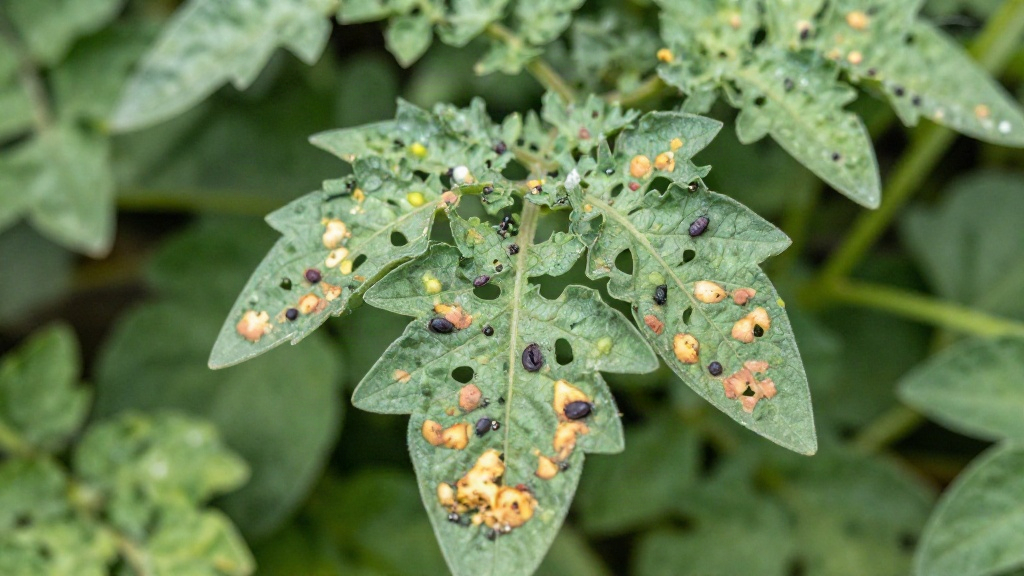
Watch for potato/tomato psyllid, tuber moth, and late blight — especially in humid coastal regions
When to Plant Potatoes in New Zealand
Timing is everything when it comes to how to grow potatoes in NZ successfully, because our long, narrow country has huge climatic variation between Northland and Southland. As a general rule, potatoes go in the ground once the risk of hard frost has passed and soil temperatures sit above 10°C, though frost-hardy gardeners in cooler regions often use cloches or frost cloth to get an early start.
Region
Typical Planting Window
Notes
Northland and Auckland (subtropical)
Late July – February
Mild winters allow very early crops and even a second planting; watch for humidity-driven blight
Waikato and Bay of Plenty (temperate)
September – January
Reliable frost-free window from mid-September; volcanic loam suits potatoes well
Wellington and Lower North Island
September – December
Wind shelter is essential; mound early to protect young shoots
Canterbury and Central Otago (alpine, frost-prone)
October – December
Wait until after the last frost; use frost cloth for early plantings
Southland and inland high country
November – December
Shortest, coolest growing season; choose fast-maturing early varieties
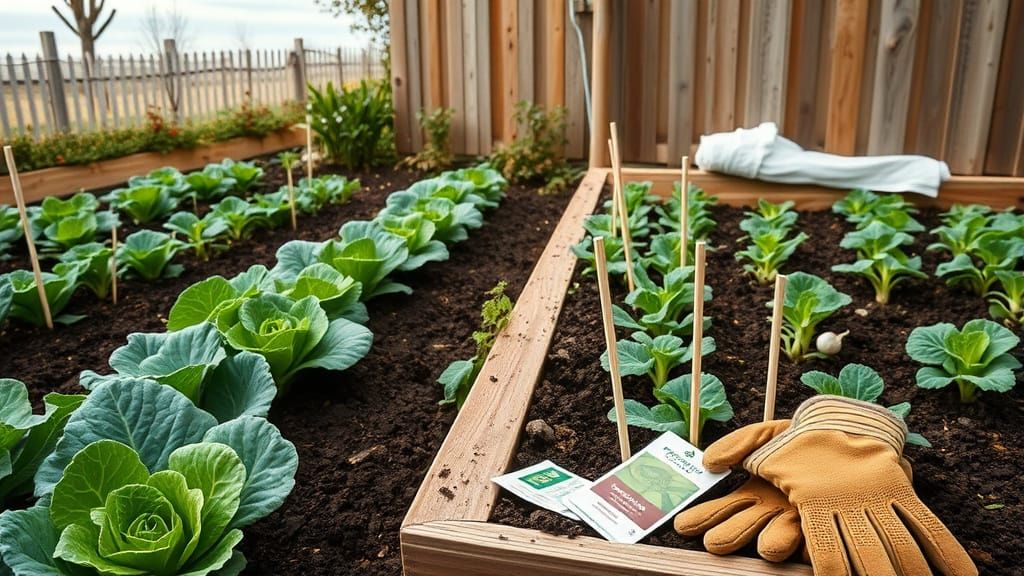
In frost-prone inland areas of Canterbury and Central Otago, patience pays off — planting too early into cold, wet soil invites rot rather than an early harvest. Coastal Northland and Auckland gardeners, by contrast, can sometimes sneak a crop in through late winter, which is why many Kiwi growers fold potato planning into their broader winter gardening guide alongside brassicas and root vegetables, using cloches to bridge the gap into spring.
Choosing Seed Potatoes and Varieties
Always start with certified, virus-free seed potatoes rather than supermarket spuds, which may carry disease and are often treated with sprout inhibitors. NZ garden centres and seed catalogues stock reliable certified lines each season.
Early varieties (Rocket, Swift, Cliff’s Kidney): Ready in 9–12 weeks, ideal for a fast harvest of “new potatoes”
Second earlies (Nadine, Ilam Hardy): Ready in 12–16 weeks, popular boiling and salad potatoes
Maincrop (Agria, Moonlight, Red Rascal): Ready in 16–21 weeks, best for baking, roasting, and long storage
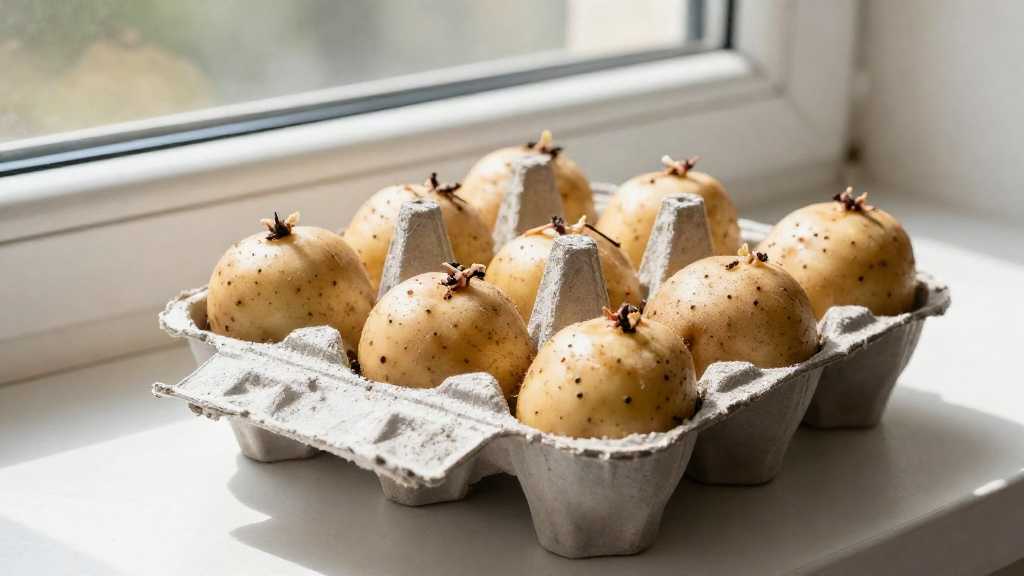
According to the Yates New Zealand growing guide, chitting seed potatoes — standing them in an egg carton in a bright, frost-free spot out of direct sunlight for two to four weeks until short, sturdy sprouts appear — gives plants a significant head start and improves overall yield.
How to Grow Potatoes in NZ: Step-by-Step Planting
1. Prepare the Soil
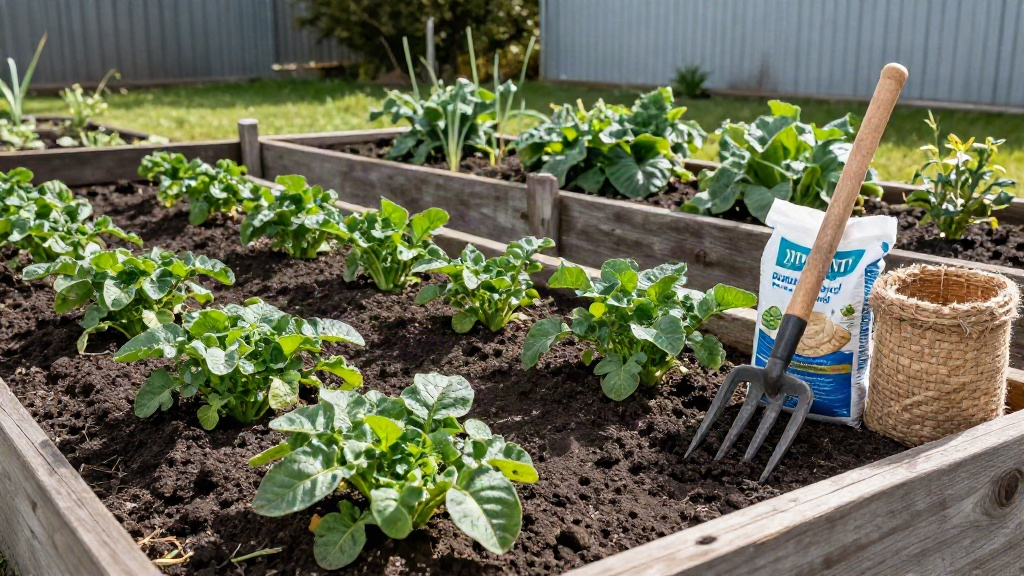
Potatoes are hungry, gross feeders that thrive in free-draining, slightly acidic soil (pH 5.0–6.5). Heavy clay soils common around Auckland and Waikato lifestyle blocks should be built up into raised mounds or beds 15cm above the surrounding ground to prevent waterlogging and tuber rot. Dig in generous compost, well-rotted sheep pellets, and a dressing of blood and bone a week or two before planting.
2. Dig Trenches and Plant
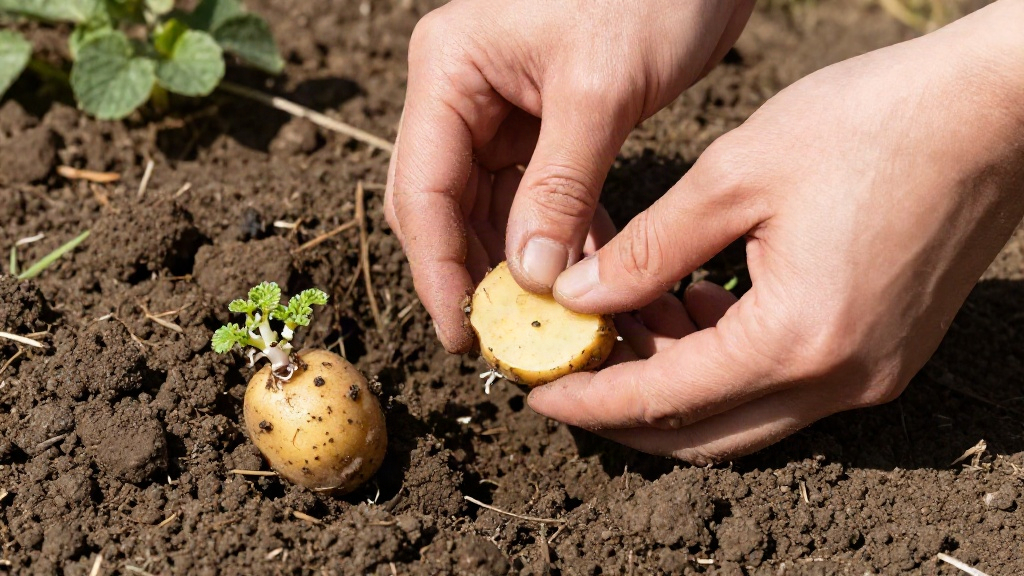
Mark out furrows or trenches 10–15cm deep, running north-south so both sides of the mound get even sun exposure through the day. Space early varieties 25–30cm apart in rows 60–80cm apart; give maincrop varieties more room at 30–40cm within rows spaced 80cm apart, as they bulk up considerably. Place chitted seed potatoes sprout-side up, sprinkle in a potato-specific fertiliser (low nitrogen, higher potassium to favour tuber growth over leafy top growth), and backfill with 5cm of soil.
3. Water and Wait
Water in well after planting, then hold off until shoots emerge — usually two to three weeks. Overwatering bare soil before germination encourages rot rather than growth.
4. Mound (Hill Up) as Shoots Grow
Once green shoots reach about 15–20cm tall, draw soil, compost, or mulch up around the stems, leaving just the top few leaves exposed. Repeat this mounding process every few weeks until mounds reach roughly 30cm high. Mounding is essential: sunlight turns exposed tubers green and produces solanine, a bitter, toxic compound, so keeping developing potatoes buried and shaded is non-negotiable for a safe, tasty crop.
Feeding, Watering, and Mulching for Bigger Yields
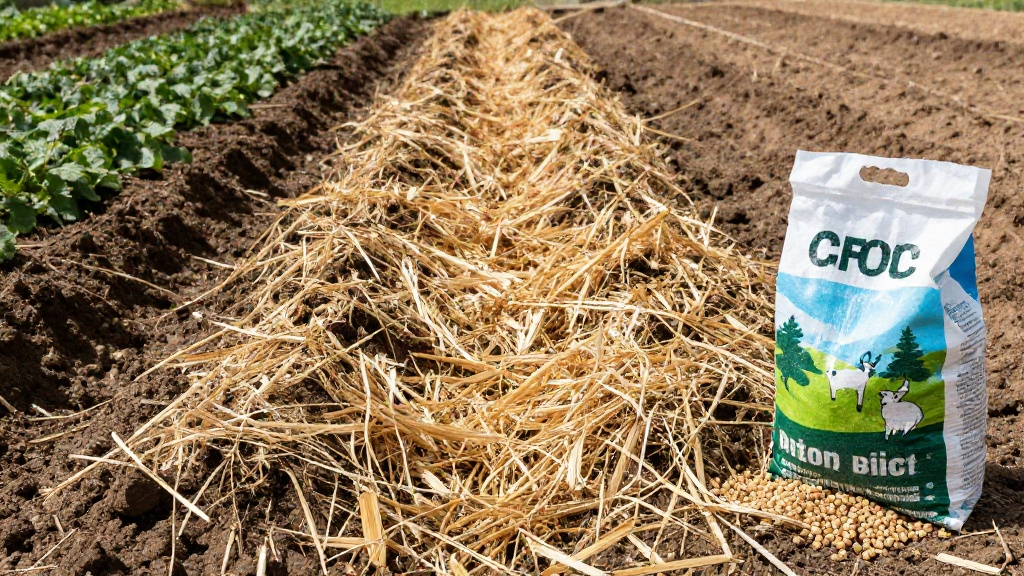
Feed potato plants every three to four weeks through the growing season with a dedicated potato fertiliser or a light dressing of sheep pellets and seaweed tonic, avoiding high-nitrogen feeds that push leafy growth at the expense of tubers. Keep soil consistently moist but never waterlogged — inconsistent watering is a leading cause of hollow heart and misshapen tubers. Once summer heat arrives, a thick mulch of pea straw or lucerne helps retain moisture and keeps developing tubers cool and dark.
Common Potato Pests and Diseases in New Zealand
Potatoes face a distinct set of challenges across NZ’s regions, and knowing what to watch for is central to mastering how to grow potatoes in NZ without losing a crop late in the season.
Tomato/potato psyllid: This sap-sucking pest can transmit the bacterium responsible for zebra chip disease, causing discoloured, striped tubers. Research summarised by the Lincoln University psyllid research programme highlights how monitoring and early intervention have helped Canterbury growers protect commercial crops, and home gardeners should inspect leaf undersides regularly for the tiny, mobile nymphs.
Potato tuber moth: More common in warmer northern regions; larvae tunnel into tubers, especially those exposed near the soil surface — another reason thorough mounding matters.
Late blight (Phytophthora infestans): A fungal disease favoured by humid, wet conditions, common in Auckland and Bay of Plenty summers. Water at soil level rather than over foliage, and remove affected leaves promptly.
Powdery scab and common scab: Skin blemishes linked to overly alkaline or waterlogged soil; maintaining slightly acidic, well-drained conditions largely prevents this.
Slugs and slaters: Particularly troublesome in damp Wellington and West Coast gardens; beer traps and diatomaceous earth around mounds help manage populations organically.
Crop rotation is one of the simplest defences available: never plant potatoes where tomatoes, capsicums, or other potatoes grew in the previous one to two seasons, since they share the same soil-borne diseases.
Growing Potatoes in Containers, Grow Bags, and Raised Beds
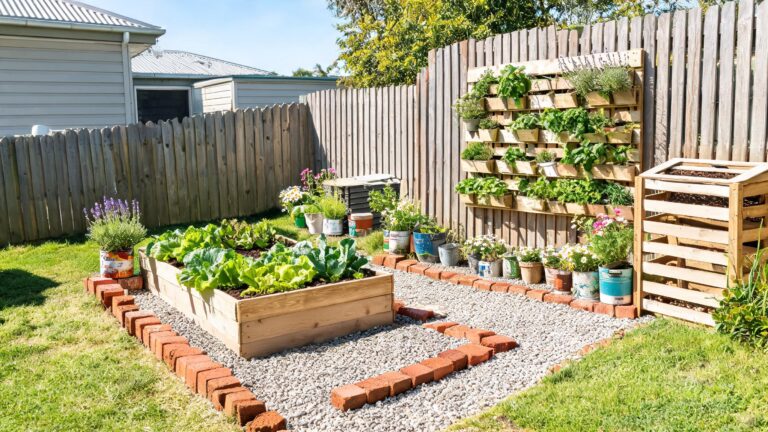
Urban and small-section Kiwi gardeners can grow excellent potatoes without a traditional row garden. Choose a container or purpose-made potato grow bag at least 40 litres in size with generous drainage holes.
Add a 10cm layer of quality vegetable mix to the base
Place three to five sprouted seed potatoes on top, sprouts facing up
Cover with 5cm of mix and water in with a seaweed tonic
Continue adding mix as shoots emerge, always leaving a few leaves exposed, until you reach near the top of the container
Keep the container in part shade if summer temperatures climb, but ensure foliage still gets plenty of sun
Container growing is particularly forgiving in clay-heavy Auckland sections, where drainage is otherwise a constant battle.
Harvesting and Storing Your Potato Crop
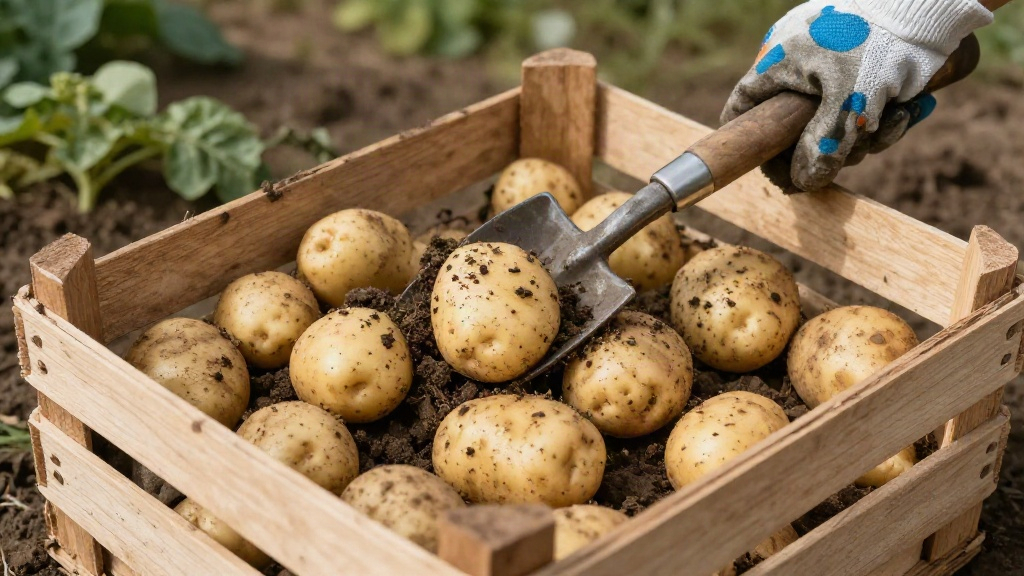
Early varieties can be harvested as “new potatoes” once flowering begins, roughly nine to twelve weeks after planting — gently forage around the mound edges by hand for a few tubers without disturbing the whole plant. Maincrop potatoes are ready once the foliage yellows and dies back completely, usually 16–21 weeks after planting, typically in late summer to autumn across most of the country.
Lift tubers carefully with a garden fork, working from the outside of the mound inward to avoid piercing them
Cure freshly dug maincrop potatoes in a cool, dark, well-ventilated spot for one to two weeks before storage
Store in paper sacks or wooden crates away from light, ideally between 4–10°C, never in the fridge (cold converts starch to sugar and affects flavour)
Discard any green, soft, or damaged tubers rather than eating them
Key Takeaways
Use certified seed potatoes and chit them for two to four weeks before planting
Match planting time to your region — Northland can start in late winter, while Canterbury and Otago should wait until after the last frost
Mound soil regularly to protect tubers from sunlight and boost yield
Feed with a low-nitrogen potato fertiliser every three to four weeks
Rotate crops and monitor for psyllid, tuber moth, and blight to protect next season’s harvest
Frequently Asked Questions
What is the best month to plant potatoes in New Zealand?
Most NZ gardeners plant from September through November once soil has warmed and frost risk has passed. Northland and Auckland growers can often start in late July or August, while Canterbury and Otago gardeners should wait until October or November to avoid frost damage to young shoots.
Can I grow potatoes in winter in NZ?
In frost-free coastal Northland and parts of Auckland, a late-winter planting is possible with cloche protection, but most of the country should treat potatoes as a spring-to-summer crop within a broader winter gardening guide focused on brassicas, garlic, and root vegetables instead.
Why are my potato tubers turning green?
Green tubers form when sunlight reaches potatoes near the soil surface, triggering solanine production, which is mildly toxic. Prevent this by mounding soil consistently over developing tubers throughout the growing season and mulching heavily once summer heat sets in.
How do I improve heavy clay soil for growing potatoes?
Build raised mounds or beds 15cm above the surrounding clay, and dig in plenty of compost, sheep pellets, and coarse organic matter to improve drainage. Heavy, poorly drained clay is one of the leading causes of tuber rot and scab in NZ gardens.
How often should I water and feed potato plants?
Water consistently to keep soil evenly moist, increasing frequency during hot, dry spells, but avoid waterlogging. Feed every three to four weeks with a low-nitrogen, potassium-rich potato fertiliser or sheep pellets and seaweed tonic to support strong tuber development.
What causes holes or tunnels in harvested potatoes?
Tunnelling is usually potato tuber moth larvae, which target tubers exposed near the soil surface, particularly in warmer northern regions. Thorough mounding, mulching, and prompt harvesting once foliage dies back significantly reduce this risk.
Do I need to rotate where I plant potatoes each year?
Yes — avoid planting potatoes in the same spot, or where tomatoes or capsicums grew, for at least two to three years. This crop rotation breaks the cycle of soil-borne diseases like blight and scab that build up in the whenua over time.
Growing a Reliable Potato Harvest, Season After Season
Mastering how to grow potatoes in NZ comes down to matching regional timing, using certified seed potatoes, and staying consistent with mounding, feeding, and watering through the season. Whether you’re working a Waikato vege patch, a Canterbury raised bed, or a stack of grow bags on an Auckland deck, a little attention to your soil and local climate rewards you with weeks of fresh, home-grown spuds. Get your seed potatoes chitting now, prepare the whenua with compost and sheep pellets, and enjoy the simple, satisfying harvest that follows.
We use cookies to improve your experience, analyze traffic, and display personalized ads.
By clicking "Accept", you consent to the use of cookies in accordance with our Privacy Policy.