What to Plant in October: NZ’s Ultimate Spring Gardening Guide
October is the busiest month on any Kiwi gardener’s calendar — soil is warming, frost risk is retreating in most regions, and your whenua is finally ready to produce serious kai. Knowing exactly what to plant in October makes the difference between a patchy spring garden and a productive one that carries you right through to Christmas. This spring gardening guide covers everything New Zealand growers need: vegetables, herbs, flowers, and fruit, mapped against your local microclimate and frost dates.
In October, New Zealand gardeners can direct-sow and transplant a wide range of cool- and warm-season crops as soil temperatures climb past 12–16°C. Early October favours frost-tolerant vegetables like peas, potatoes, and brassicas, while frost-tender crops such as tomatoes, courgettes, and beans should wait until Labour Weekend or later in cooler inland zones.
Frost-hardy vegetables (peas, potatoes, beetroot, silverbeet) can go in from the start of October almost anywhere in NZ.
Warm-season crops (tomatoes, capsicums, cucumbers, sweetcorn) should be held back until soil hits 16°C+ and frost risk has passed.
Northland and Auckland gardeners are typically two to three weeks ahead of Waikato and Canterbury.
Herbs like basil should wait until nights are reliably above 10°C.
October is prime time for planting roses, passionfruit, and citrus, plus sowing summer flowering annuals.
Why October Matters in the NZ Vegetable Planting Calendar
October sits at the heart of mid-spring across Aotearoa, and it’s the pivot month in any vegetable planting calendar because soil temperatures cross the critical thresholds that determine germination success. Below roughly 10°C, seeds like beans and courgettes will simply rot rather than sprout, whereas cool-season crops like peas and brassicas thrive in these conditions.
As day length increases and average soil temperatures climb from around 12°C early in the month to 16–18°C by Labour Weekend, gardeners get a genuine green light to move from cool-season staples into the first wave of summer crops. Getting this timing right — rather than rushing frost-tender seedlings out too early — is the single biggest factor in avoiding setback or total crop loss from a late frost.
Understanding NZ’s Regional Microclimates
New Zealand’s length means October looks very different depending on where you garden. Matching your planting decisions to your specific microclimate, rather than a single national date, is essential for reliable results.
Region
Typical Soil Temp (Early Oct)
Safe to Plant Tender Crops
Notes
Northland & Auckland (subtropical)
16–18°C
Early-mid October
Frosts largely finished; tomatoes and courgettes can go out early
Waikato & Bay of Plenty (temperate)
13–15°C
Mid-late October
Watch for occasional cold snaps overnight, especially inland
Wellington & lower North Island
12–14°C
Labour Weekend onward
Wind exposure can be as limiting as frost — stake and shelter seedlings
Canterbury & inland Otago (alpine/frost-prone)
8–11°C
Mid-November
Ground frosts common into October; use cloches to get a head start
Nelson & coastal Otago
13–15°C
Late October
Sheltered coastal pockets warm faster than inland valleys
Vegetables to Plant in October
October’s vegetable planting calendar splits neatly into two waves: hardy crops you can plant immediately, and tender crops that need a little more warmth before they go in the ground.
Direct Sow Now (Frost-Hardy Crops)
Peas and sugar snap peas — sow directly, provide a trellis or stakes early
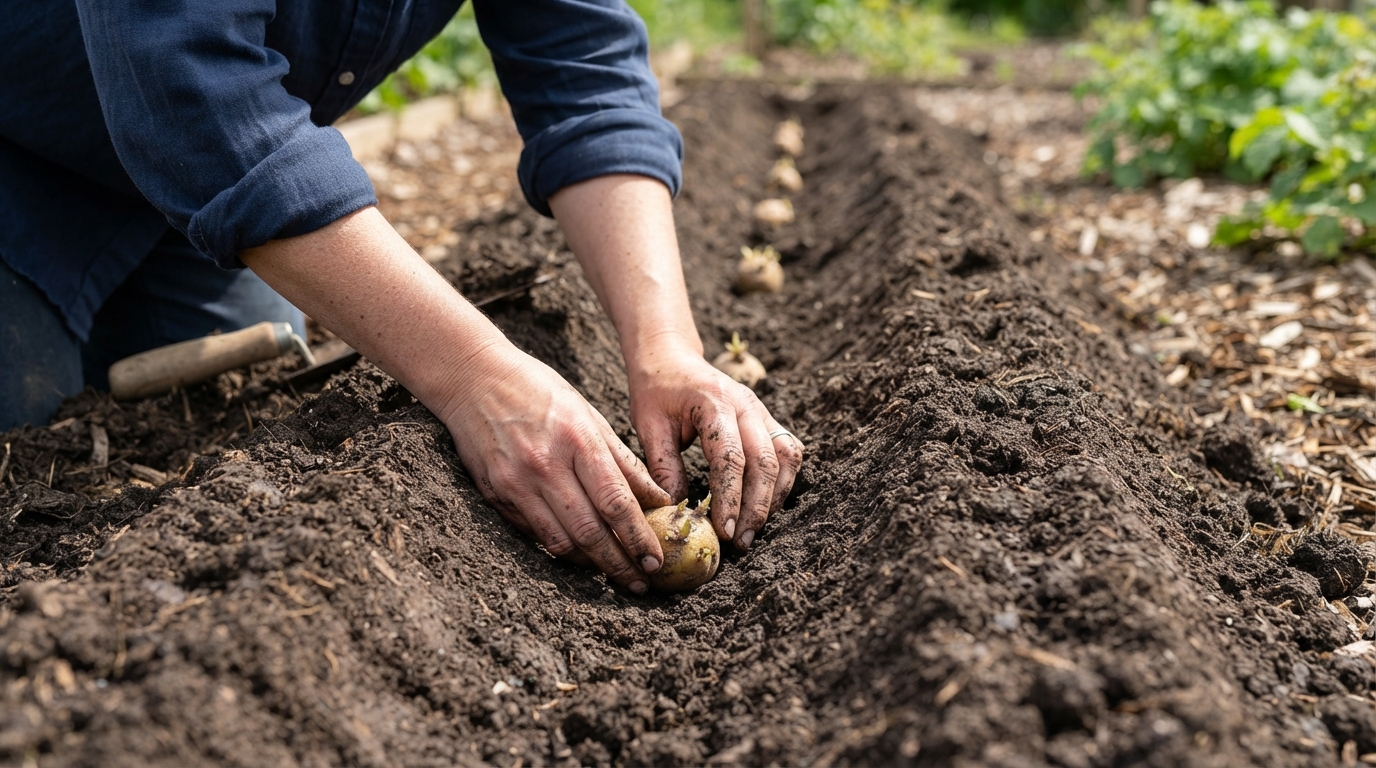
Potatoes (maincrop) — chit tubers for two weeks before planting into ridged beds
Beetroot, carrots, and radish — sow direct into fine, stone-free soil
Silverbeet and spinach — reliable, fast-cropping leafy greens
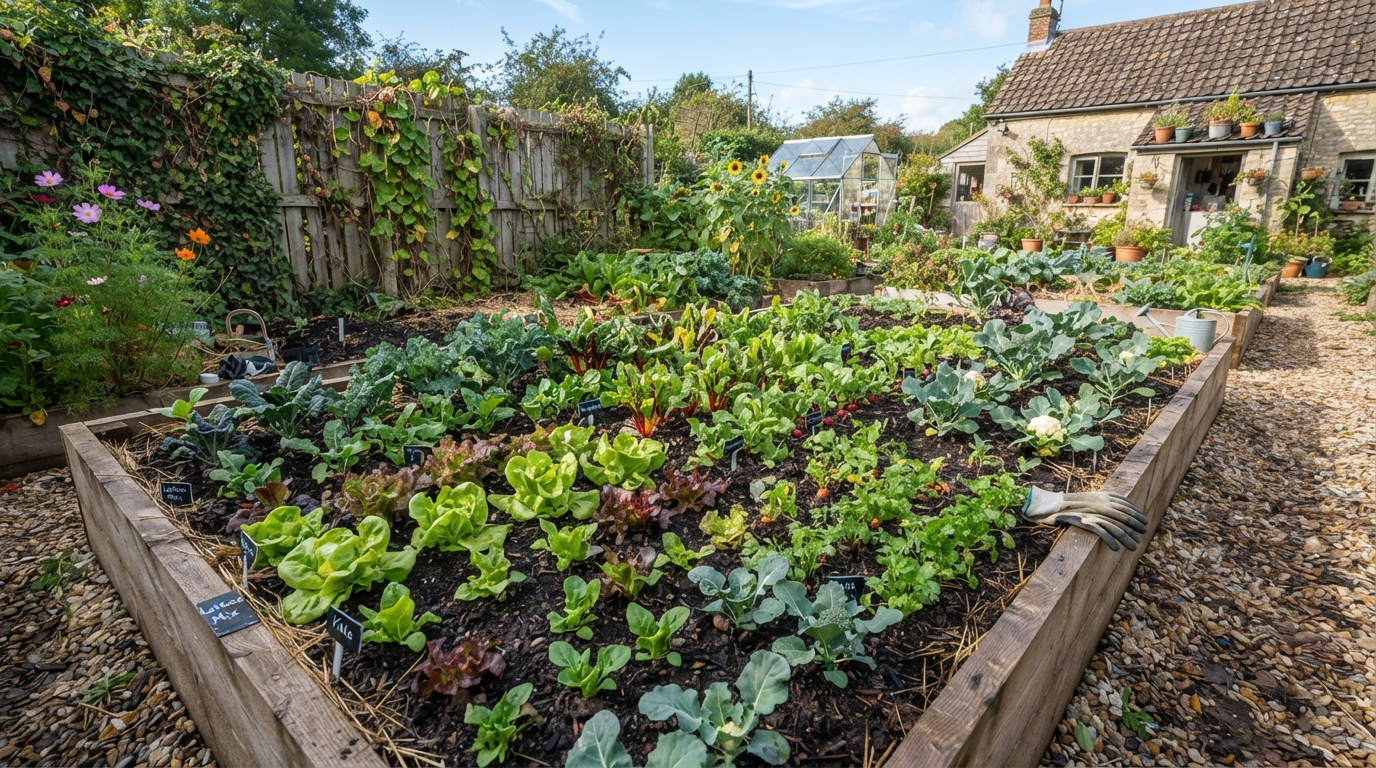
Brassicas: cabbage, cauliflower, broccoli, and kale — from seedling or seed
Leeks and spring onions — slow growers, so get these in early
Rocket, mesclun, and lettuce — succession sow every 2–3 weeks for continuous salads
Plant From Late October (After Frost Risk Passes)
These warm-season crops need consistently warm soil and should be planted around Labour Weekend in most regions, later again in frost-prone inland areas.
Tomatoes — harden off seedlings for a week before transplanting, stake at planting time
Courgettes, cucumbers, pumpkins, and squash — direct sow or plant seedlings once soil hits 16°C
Sweetcorn — sow in blocks rather than single rows for reliable pollination
Capsicums, chillies, and eggplant — best started under cover and planted out once nights are mild
Beans (dwarf and climbing) — direct sow once frost danger has fully passed
Melons and watermelon — need the warmest, most sheltered spot in the garden
Herbs to Plant in October
October is a great month to fill out the herb garden, though a few tender herbs need a touch more patience.
Parsley, chives, dill, and coriander — sow direct once frost has passed
Basil — wait until nights are reliably above 10°C, as it hates cold soil
Thyme, oregano, sage, and rosemary — perennial herbs that establish well from seedling now
Mint — plant in a contained pot to stop it taking over the bed
Flowers and Bulbs for October Colour
Ornamental gardeners have plenty to work with this month, from quick-flowering annuals to summer bulbs.
Sunflowers, cosmos, cornflower, and zinnias — direct sow once soil warms to around 16°C
Marigolds, petunias, lobelia, and alyssum — excellent for pots, borders, and hanging baskets
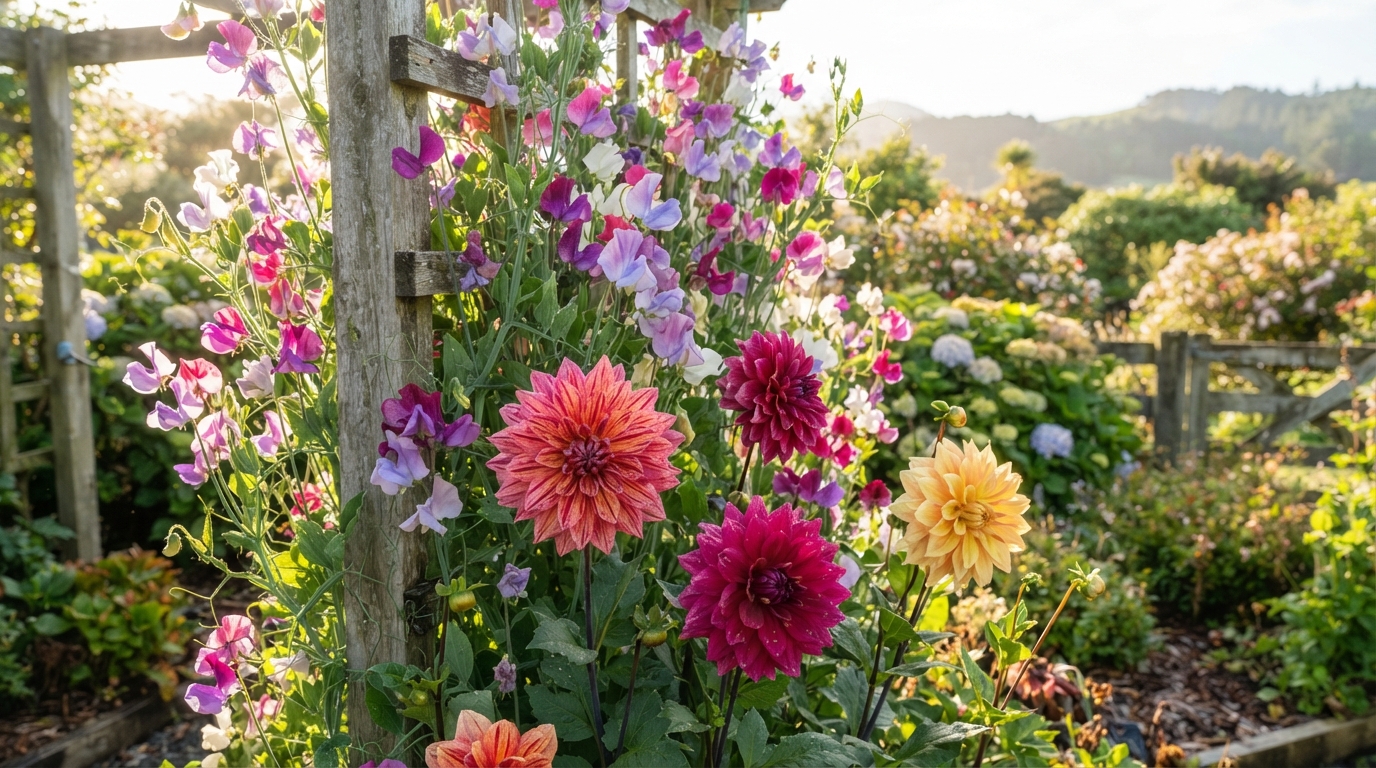
Sweet peas — get climbing supports in place before transplanting
Dahlias and gladioli — plant tubers/corms now for a summer flowering display
New roses — plant into beds enriched with compost and a slow-release fertiliser
Fruit Trees and Perennials Worth Planting Now
October is also an ideal window for establishing longer-term fruiting plants while the soil is workable and rainfall is still reliable.
Passionfruit vines — choose a north-facing, free-draining spot; October onward is prime planting time
Citrus (lemon, orange, mandarin, lime) — plant now to establish roots before summer heat
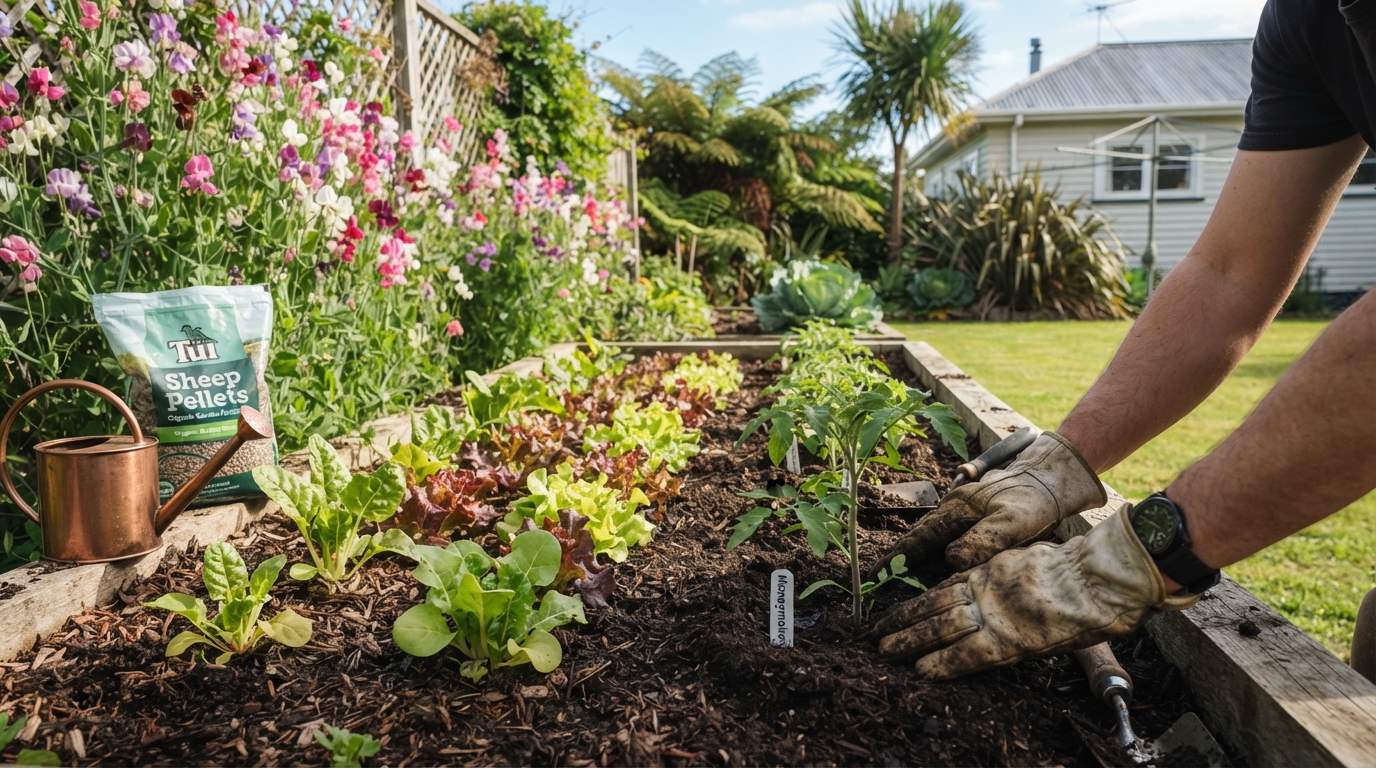
Rhubarb and strawberries — perform best in a sunny bed topped with compost and sheep pellets
Tamarillo and feijoa — well suited to warmer North Island microclimates
Asparagus crowns — a long-term investment that rewards patient gardeners for a decade or more
Soil, Feeding, and Watering Tips for October
Getting the growing medium right matters as much as timing. NZ soils vary enormously — from the free-draining volcanic clay of the central North Island to the sandy loam of coastal regions and the peat soils found in parts of the Waikato basin — so amend accordingly.
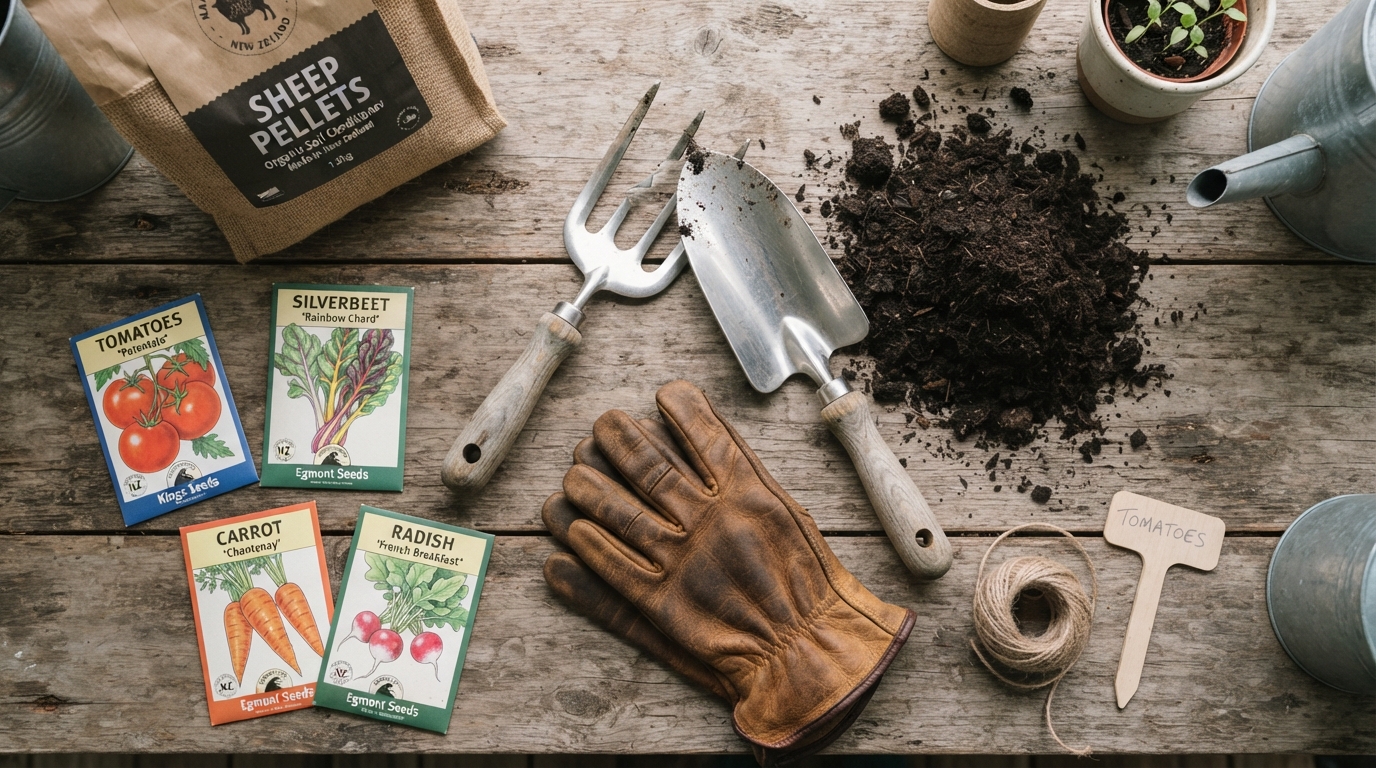
Work in blood and bone or sheep pellets two weeks before planting to feed soil biology without burning young roots.
Most vegetables prefer a soil pH between 6.0 and 6.8; test with a simple kit and add lime if your soil is on the acidic side, common in peat and volcanic clay areas.
Apply a seaweed or kelp tea fortnightly on new transplants to reduce transplant shock and build root resilience.
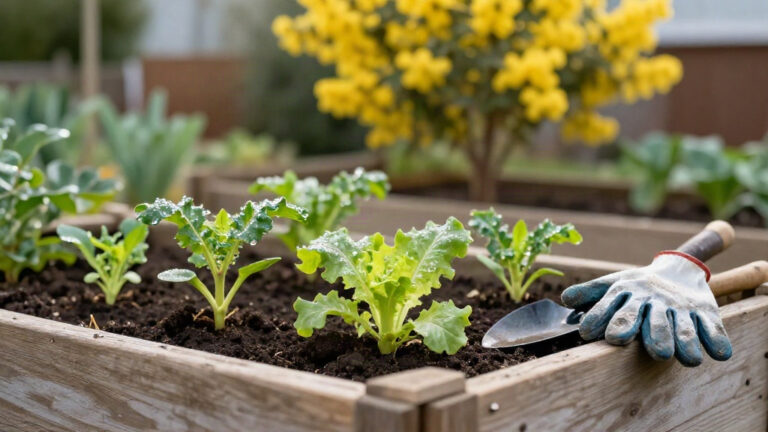
Mulch beds with pea straw or bark once seedlings are established to conserve moisture as spring winds pick up.
Space vegetables according to mature size — leafy greens at 20–30cm, tomatoes and courgettes at 60–80cm — to maintain airflow and reduce fungal disease pressure.
Watering in Windy Spring Conditions
October’s notorious spring winds dry out topsoil fast, especially in exposed Wellington and Canterbury gardens. Water deeply two to three times a week rather than lightly every day, and consider a drip irrigation kit for raised beds to keep moisture consistent while you’re away from the plot.
October Pests and Diseases to Watch For
Warming temperatures wake up pest populations right alongside your seedlings, so early vigilance pays off.
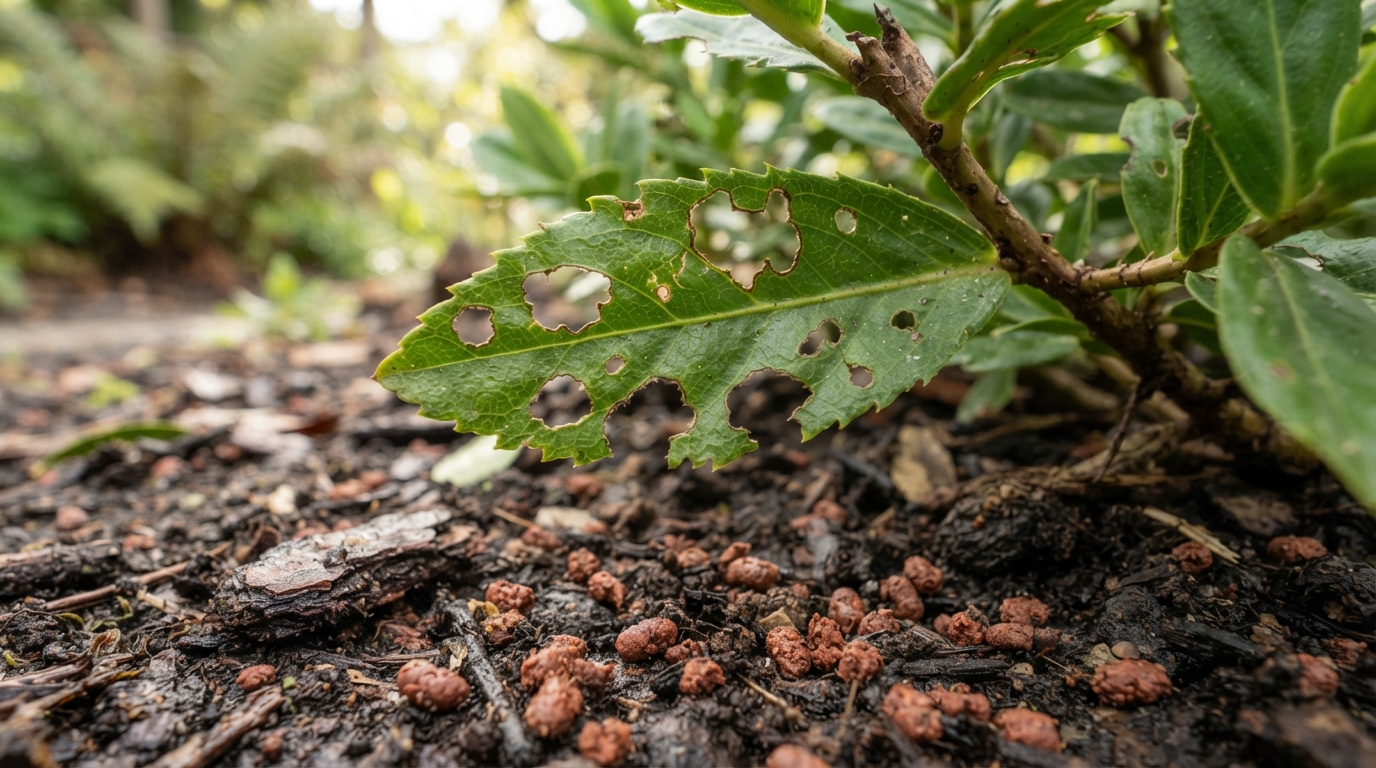
Bronze beetle — chews ragged holes in citrus, roses, and grapevine foliage; hand-pick at dusk or use an approved insecticide on high-value plants.
Passionvine hopper nymphs — appear on soft new growth of many ornamentals and fruiting vines; a strong hose blast dislodges early infestations.
Slugs and snails — thrive in damp spring soil and can wipe out seedlings overnight; use iron-based baits that are safer around pets.
Powdery mildew — appears as pest pressure and humidity rise later in spring; improve airflow through correct plant spacing to reduce risk.
Guava moth — an emerging concern in warmer Northland and Auckland gardens affecting stonefruit and feijoa; monitoring fruit for early exit holes is recommended by the Ministry for Primary Industries biosecurity guidance.
October Garden Checklist by Task
Chit and plant maincrop potatoes into ridged, well-drained beds.
Direct sow peas, beetroot, carrots, and radish.
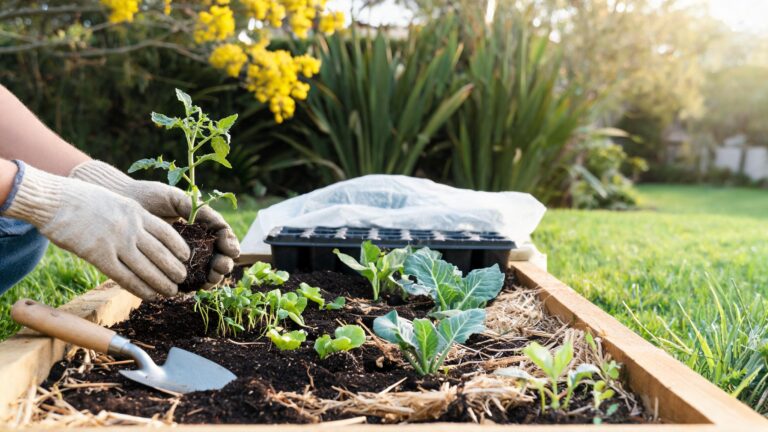
Transplant hardened-off brassica and lettuce seedlings.
Prepare warm beds with compost and sheep pellets ahead of Labour Weekend plantings.
Stake sweet peas, peas, and climbing beans early to avoid root disturbance later.
Start feeding citrus and passionfruit as new growth appears.
Watch for bronze beetle and slug activity on emerging seedlings.
Mulch beds once seedlings are 5–10cm tall to retain spring moisture.
Frequently Asked Questions
Can I plant tomatoes in October in New Zealand?
Yes, but only once frost risk has fully passed and soil has warmed to around 16°C. In warmer regions like Auckland and Northland this can be early October, while Canterbury and inland Otago gardeners are usually safer waiting until Labour Weekend or mid-November.
What vegetables can I direct sow in October?
Peas, potatoes, beetroot, carrots, radish, silverbeet, spinach, and leafy salad greens can all be direct sown in October across most of New Zealand. These hardy crops tolerate the cooler soil temperatures typical of early to mid-spring.
Is it too late to plant potatoes in October?
No, October is prime time for planting maincrop potatoes throughout NZ. Chit your seed potatoes for around two weeks beforehand, then plant into ridged beds enriched with compost for a Christmas harvest of new potatoes.
What flowers should I plant in October for summer colour?
Sunflowers, cosmos, zinnias, marigolds, and sweet peas are excellent October choices for a vibrant summer display. Direct sow seeds once soil reaches about 16°C, and get climbing supports ready before transplanting sweet peas.
When should I plant courgettes and cucumbers in NZ?
Wait until late October or Labour Weekend when frost risk has passed and soil is consistently warm. These frost-tender cucurbits will rot or stall in cold, wet soil, so patience in cooler inland regions pays off with stronger plants.
What herbs are best to plant in October?
Parsley, chives, dill, and coriander can be sown directly once frosts finish, while basil should wait for reliably warm nights above 10°C. Perennial herbs like thyme, oregano, and rosemary establish well from seedlings this month.
Does October planting differ between the North and South Islands?
Yes, significantly. Northland and Auckland gardens can plant tender crops two to three weeks earlier than Waikato or Wellington, while frost-prone inland Canterbury and Central Otago often need to wait until mid-November for warm-season vegetables.
Final Thoughts for Your October Garden
Getting your timing right in October sets the tone for your entire growing season, and this spring gardening guide gives you the framework to plant with confidence rather than guesswork. Whether you’re following a strict vegetable planting calendar or simply reacting to the weather outside your window, matching your choices to your region’s soil temperature and frost risk is what separates a thriving spring garden from a disappointing one. Get your hands into the whenua this month, feed your soil well, and your October plantings will be rewarding you with fresh kai well into summer.
We use cookies to improve your experience, analyze traffic, and display personalized ads.
By clicking "Accept", you consent to the use of cookies in accordance with our Privacy Policy.