Sustainable Lawn Alternatives NZ: Smarter, Greener Options for Kiwi Gardens
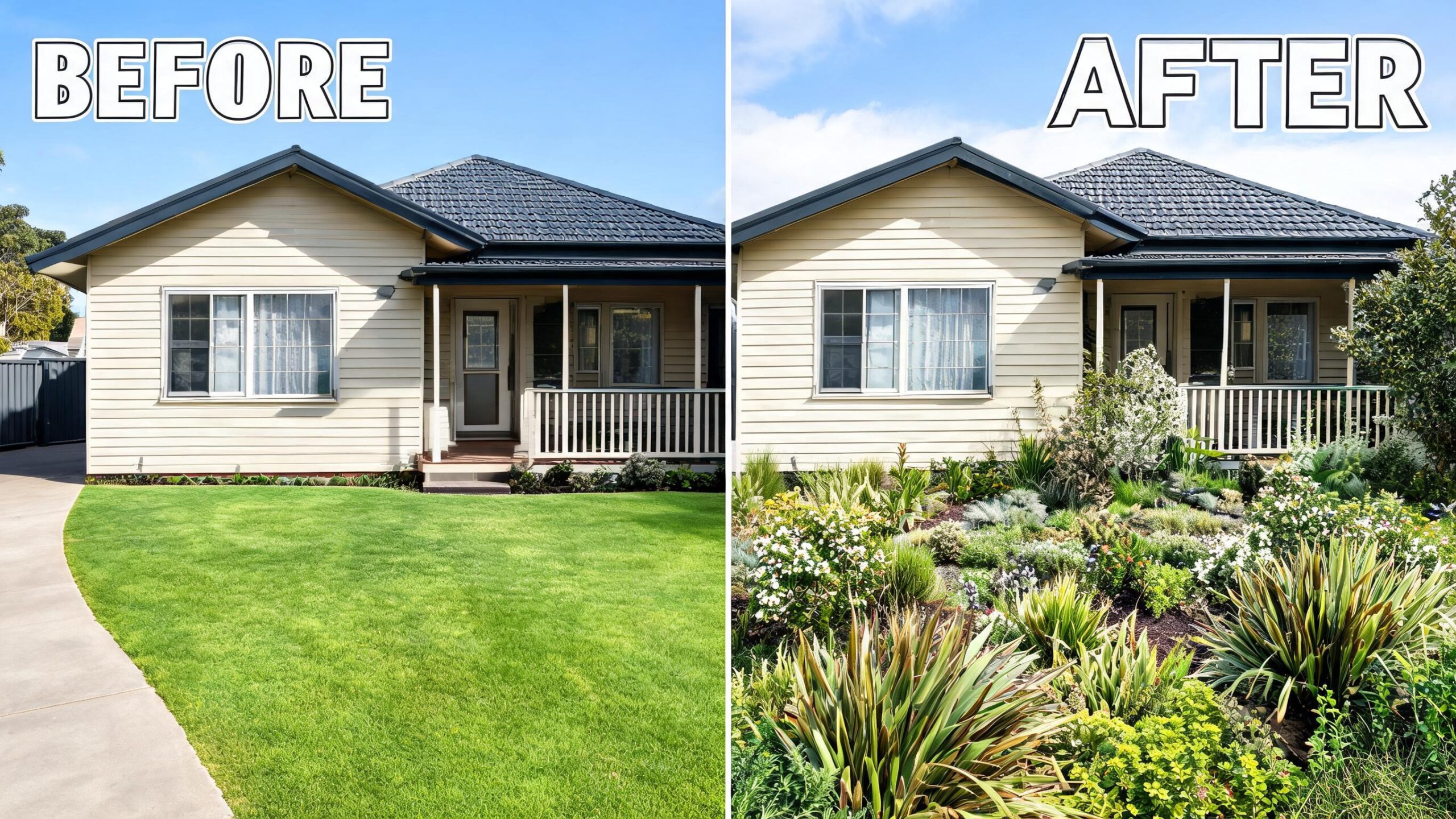
Traditional grass lawns have long been a default feature in many homes, but for modern gardeners, they are not always the most practical or sustainable choice. If you are searching for sustainable lawn alternatives NZ gardeners can actually use, the good news is that there are plenty of beautiful, low-maintenance, and water-wise options suited to New Zealand conditions. From native ground covers and meadow-style plantings to gravel gardens, edible spaces, and clover lawns, replacing part or all of a thirsty lawn can reduce mowing, cut water use, support biodiversity, and create a far more interesting garden.
For Kiwi homeowners dealing with summer dry spells, poor soils, shaded sections, or simply the never-ending chore of mowing, lawn alternatives are no longer niche. They are becoming one of the smartest ways to design a resilient garden. Whether you want a soft green space for children, a pollinator-friendly front yard, or a modern low-care landscape, the right solution depends on how you use the area, your climate, and how much maintenance you are willing to do.
In this guide, we will cover the best sustainable lawn alternatives for New Zealand gardens, how to choose the right one for your site, and how to replace an existing lawn successfully without creating a maintenance headache later.
Why More New Zealand Gardeners Are Choosing Sustainable Lawn Alternatives
A conventional lawn can look neat and familiar, but it often comes with high ongoing costs in time, water, fertiliser, edging, weed control, and fuel or electricity for mowing. In many parts of New Zealand, especially during warm and dry periods, lawns can quickly turn brown unless they are regularly watered. That can make them an expensive and environmentally inefficient use of garden space.
Sustainable lawn alternatives NZ homeowners are adopting offer several major benefits:
Lower water use than conventional turf
Reduced mowing and trimming
Less fertiliser and chemical input
Better biodiversity for bees, butterflies, and beneficial insects
Improved resilience in drought, shade, or poor soils
More visual interest than a plain grass lawn
Opportunity to use native species adapted to local conditions
That does not mean every lawn must disappear. In many gardens, the most practical approach is to keep a smaller area of lawn where it serves a real purpose, then convert the rest into lower-input planting, permeable landscaping, or productive garden zones.
How to Choose the Best Lawn Alternative for Your Garden
Before removing grass, think carefully about what the space needs to do. The best lawn replacement for a sunny front garden may be completely wrong for a heavily used backyard or a shaded path edge.
Start With Function First
Ask these questions before choosing among sustainable lawn alternatives NZ properties can support:
Will the area be walked on daily?
Do children or pets need a play surface?
Is it mainly for visual appeal?
Does the site get full sun, part shade, or deep shade?
Is the soil dry, wet, sandy, or clay-heavy?
Do you want a native planting style, edible garden, or formal design?
A stepping-stone ground cover can work beautifully in a lightly used area, but not where a dog runs repeatedly. A gravel garden may be ideal in a hot coastal section, while a mossy or shade-tolerant planting makes more sense under trees.
Consider Your Climate Zone
New Zealand gardens vary enormously. What thrives in Northland may struggle in inland Canterbury or a frosty Central Otago garden.
Warm regions: drought tolerance and summer heat performance matter most
Temperate regions: flexibility is wider, but drainage is still key
Cool regions: frost hardiness and winter wet tolerance are essential
Always match plants and materials to local rainfall, sun exposure, and seasonal temperatures rather than relying on overseas advice written for very different conditions.
Best Sustainable Lawn Alternatives NZ Gardeners Should Consider
There is no single best replacement for every site. Instead, the smartest gardens use the right solution in the right place. Below are the most practical and attractive sustainable lawn alternatives for New Zealand homes.
1. Native Ground Covers
Native ground covers are one of the most ecologically valuable choices for Kiwi gardens. They can soften the landscape, suppress weeds, reduce erosion, and create habitat while blending naturally into modern or informal planting styles.
Suitable New Zealand native options may include low-growing species such as Leptinella, Selliera radicans, and other regionally appropriate spreading plants available through native nurseries. These often work best in lightly trafficked areas rather than heavy play spaces.
Best for: ornamental spaces, low traffic, biodiversity-friendly gardens
Pros: supports native ecology, often lower input once established, distinctive look
Cons: slower to establish than turf, can be harder to source, traffic tolerance varies
2. Clover Lawns
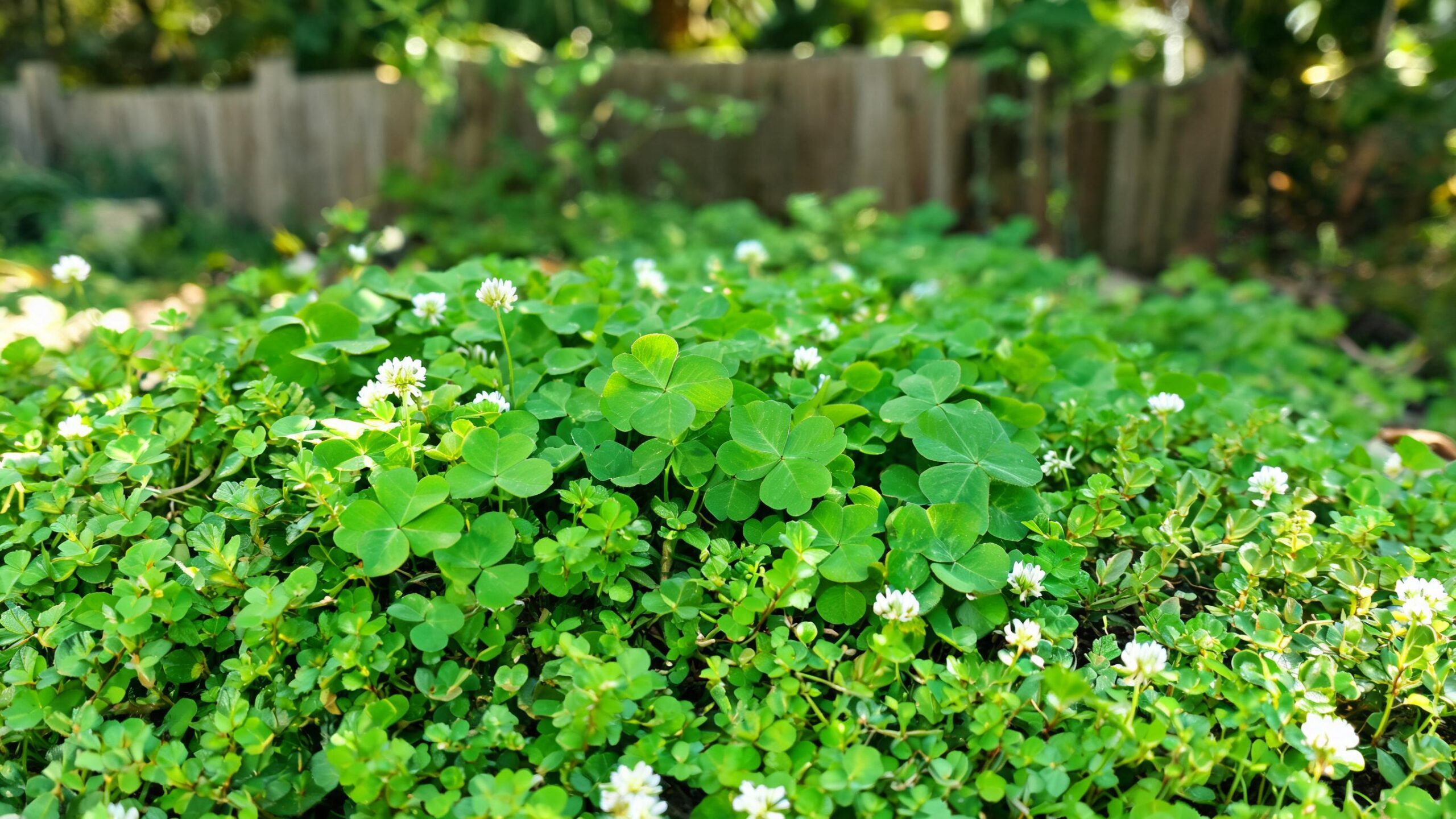
Clover has become one of the most popular lawn alternatives because it stays greener than many grass lawns in dry weather, fixes nitrogen naturally, and usually needs less mowing. White clover is the most common choice, either on its own or blended with fine turf grasses for a more durable mixed sward.
It creates a softer, more relaxed appearance than a formal bowling-green lawn, but that is part of its appeal. Bees love the flowers, so it may not be ideal for barefoot use if flowering is allowed heavily in active spaces. More frequent mowing can reduce bloom where needed.
Best for: family gardens, mixed-use lawns, eco-conscious front yards
Cons: less formal look, may stain clothing, flowering can attract bees
3. Creeping Thyme and Other Low Aromatic Covers
Creeping thyme offers a fragrant, flowering, low-growing carpet for sunny, well-drained sites. It is especially effective between pavers, beside paths, or in small courtyards where a tapestry effect is more desirable than a classic lawn.
It is not the right choice for rough play or frequent running, but it is excellent for decorative spaces where occasional light foot traffic is expected. In warm, sunny regions, thyme can be a standout low-water option.
Best for: sunny patios, path edges, ornamental low-use areas
Cons: slower spread, dislikes wet feet, poor choice for heavy wear
4. Meadow-Style Planting
Meadow gardens replace closely mown grass with a mix of grasses and flowering perennials. They create movement, texture, seasonal colour, and habitat for insects. This approach works especially well in larger frontages, sloping sites, or informal landscapes where a naturalistic style suits the property.
In New Zealand, meadow-inspired planting should be adapted carefully to local conditions and managed intentionally so it does not look neglected. Good edging, mown paths, or defined borders make a big difference.
Best for: large areas, informal gardens, wildlife-friendly landscapes
Pros: high biodiversity value, lower mowing frequency, visually rich
Cons: not suitable for active play, seasonal maintenance still required, can look messy without design structure
5. Gravel Gardens and Permeable Hardscaping
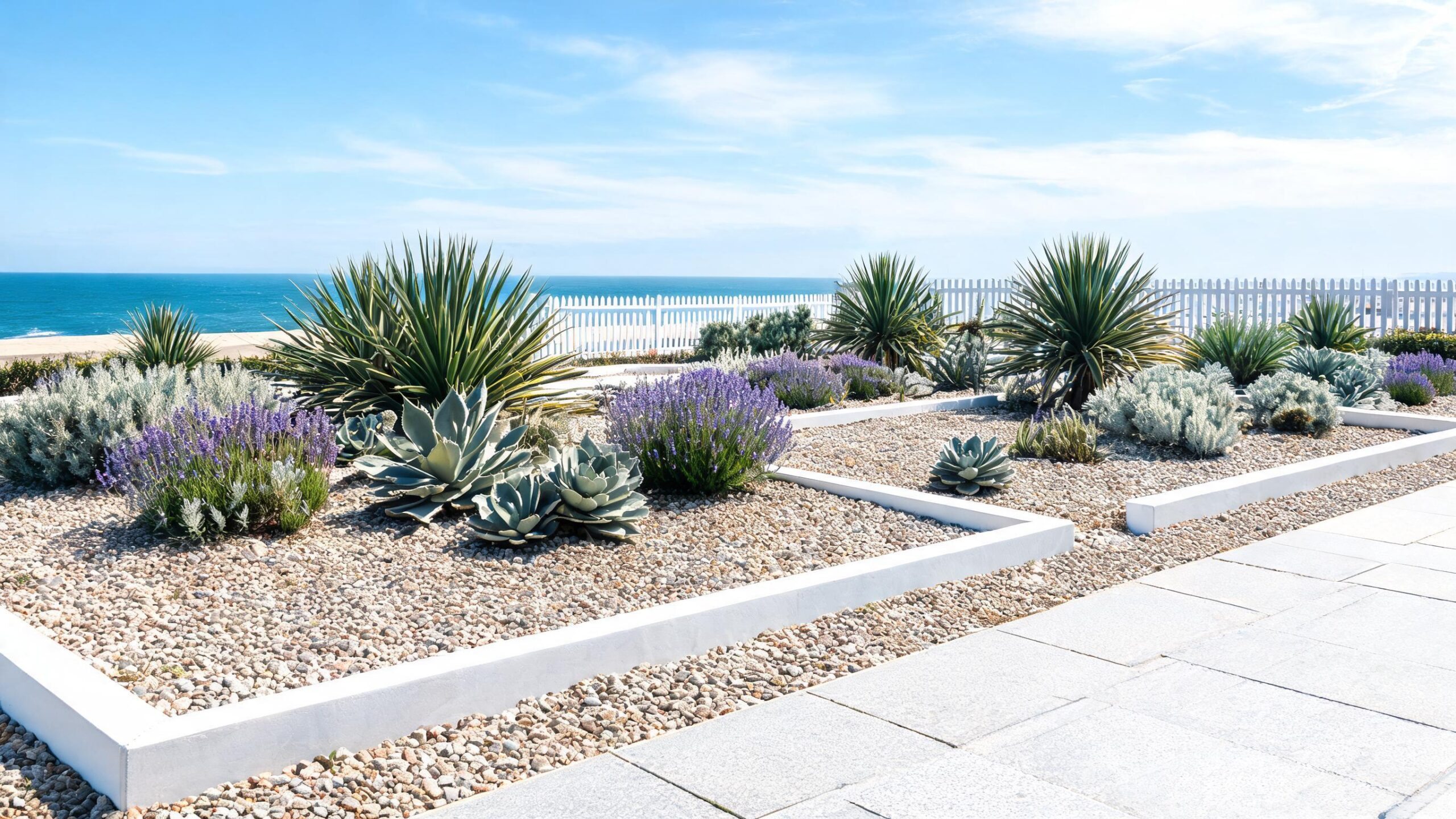
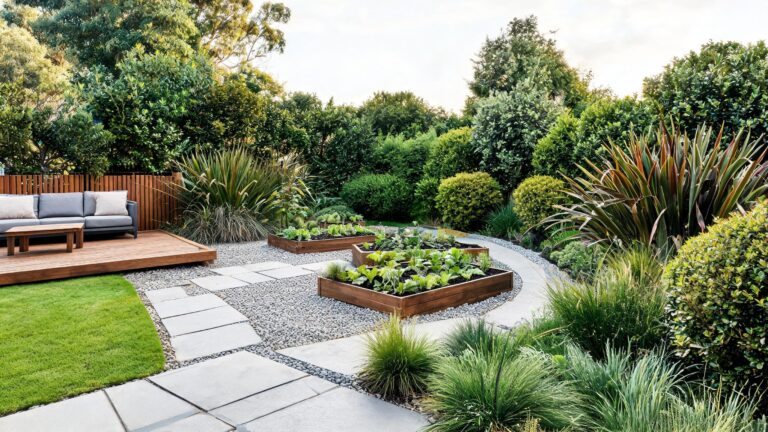
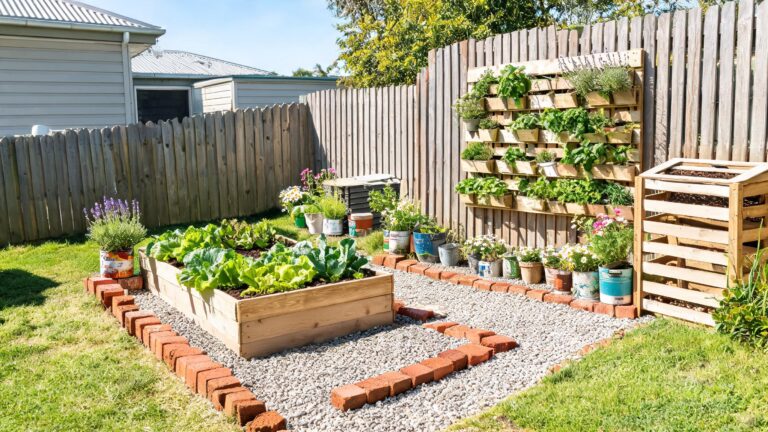
Not every lawn replacement has to be a plant. In dry, sunny, or highly trafficked spaces, gravel gardens and permeable surfaces can be among the most practical sustainable lawn alternatives NZ properties need. A gravel-based design with drought-tolerant planting can dramatically cut irrigation, eliminate mowing, and provide a modern, architectural look.
Choose local gravel or chip that suits the style of the house, and combine it with hardy plants such as lomandra, dwarf hebes, libertia, or succulents where climate allows. Weed suppression fabric is often overused; in many cases, a properly prepared base with mulch and dense planting is more sustainable over time.
Best for: front yards, dry sites, utility areas, modern landscapes
Pros: no mowing, excellent drainage, low water use, neat appearance
Cons: can heat up in full sun, not ideal for children’s play, weeds can still appear if poorly installed
6. Mulched Planting Beds
One of the simplest lawn alternatives is to remove grass and expand garden beds. Mulched planting beds filled with shrubs, perennials, grasses, and ground covers can be far more attractive and functional than an underused patch of turf.
This approach works particularly well around boundaries, under trees, on awkward slopes, and in narrow side yards where mowing is inconvenient. Organic mulch improves soil over time and helps retain moisture.
Best for: shaded edges, sloping sections, low-use spaces
Pros: flexible, attractive, better for soil health, easy to customise
Cons: requires design planning, young beds need weeding while filling in
7. Edible Gardens
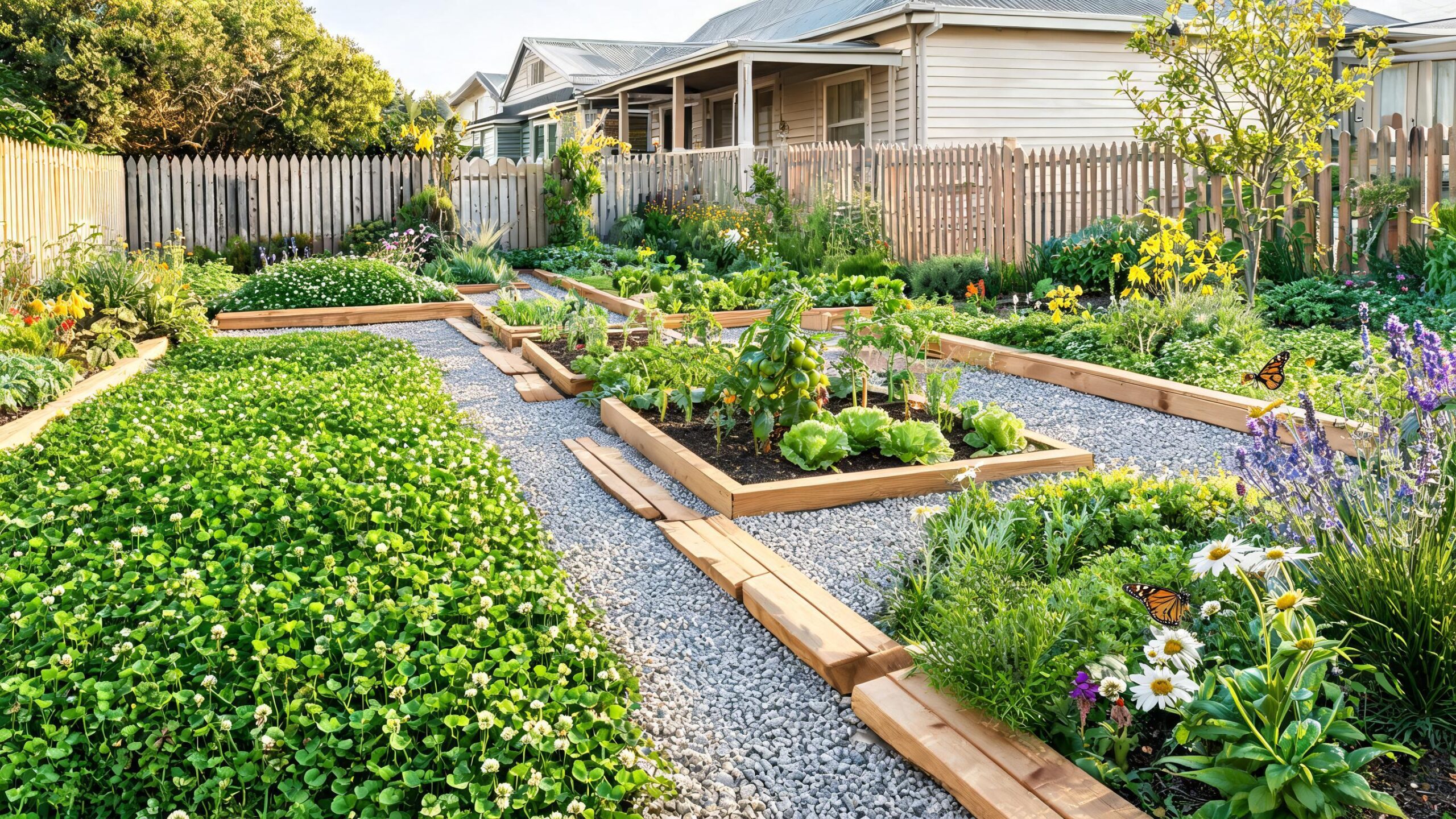
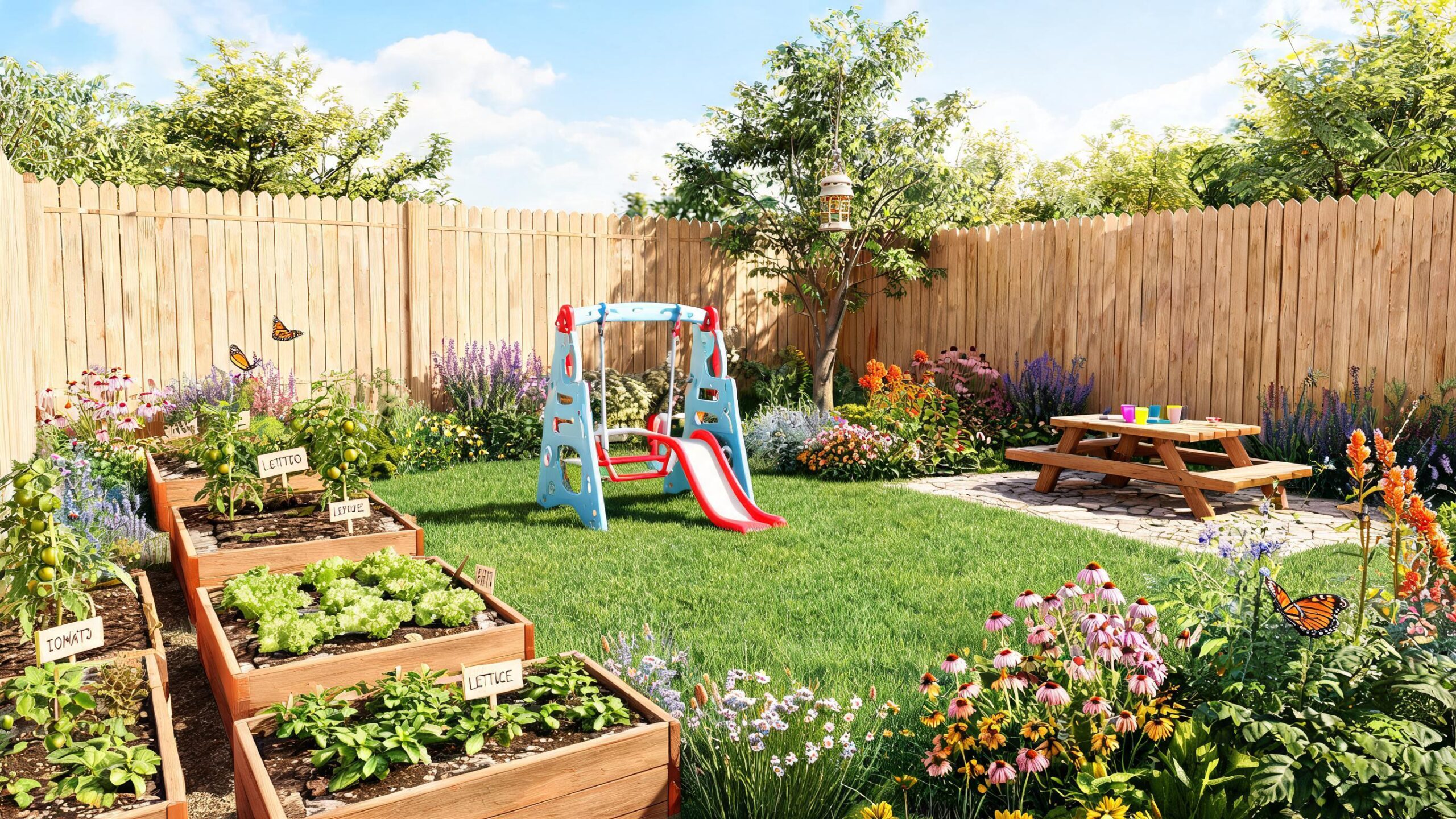
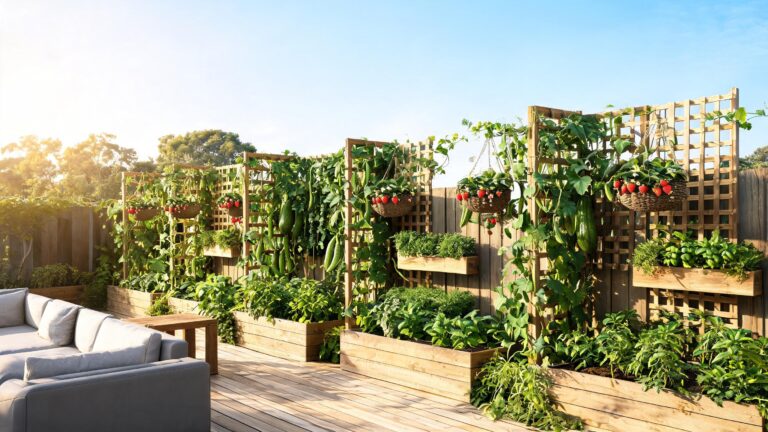
If your lawn is mostly decorative and rarely used, converting part of it into food production can be one of the most rewarding choices. Raised beds, herb spirals, berry patches, and espaliered fruit can all replace grass while making the garden more productive.
This is especially useful in sunny backyards where turf offers little practical value. Raised beds also improve drainage and access, making them ideal for beginner gardeners.
Best for: sunny backyards, productive homes, families wanting food gardens
Pros: practical yield, attractive structure, easy to maintain in raised beds
Cons: requires seasonal care, watering and feeding still needed for crops
8. Shade-Tolerant Alternatives for Dark Areas
Grass often performs poorly under trees, beside fences, or in narrow shaded sections. Rather than struggling to maintain lawn where it does not want to grow, use shade-loving alternatives such as dense mulched beds, ferns, clumping shade perennials, or carefully selected low-growing covers suited to filtered light.
In damp, shaded areas, improving drainage and reducing root competition may be just as important as plant choice.
Best for: under trees, southern sides, enclosed courtyards
Pros: solves poor lawn performance, softer look, less frustration
Cons: plant choice is narrower, establishment may be slower under tree roots
Quick Comparison Table: Sustainable Lawn Alternatives NZ Gardeners Can Use
Option
Traffic Tolerance
Water Needs
Maintenance Level
Best Conditions
NZ Suitability
Native ground covers
Low to light
Low to moderate
Low once established
Depends on species; sun or part shade
Excellent
Clover lawn
Moderate
Moderate to low
Low to moderate
Sun to part shade
Excellent
Creeping thyme
Light
Low
Low
Full sun, free-draining soil
Best in warmer or drier sites
Meadow planting
Low
Low to moderate
Moderate seasonal care
Sunny, open spaces
Very good with local adaptation
Gravel garden
Moderate for walking paths
Very low
Low
Sunny, well-drained areas
Excellent
Mulched planting beds
None
Low to moderate
Moderate during establishment
Sun or shade
Excellent
Raised edible beds
None
Moderate
Moderate
Full sun
Excellent
Which Lawn Alternative Works Best by Climate?
Warm and Humid Regions
In places such as Northland, Auckland, Bay of Plenty, and other mild coastal areas, humidity and summer heat can push some plants hard while encouraging vigorous weed growth. Clover lawns, native ground covers, mulched beds, and subtropical-leaning ornamental plantings often perform well. Drainage still matters, especially in heavier rainfall zones.
Temperate Regions
Much of New Zealand falls into a temperate gardening pattern where a wide range of lawn alternatives can succeed. This is ideal for mixed designs using a reduced lawn area, perennial beds, gravel paths, and patches of low ground cover. Establishing in autumn or spring usually gives the best results.
Cool and Frost-Prone Regions
In inland or southern districts, frost tolerance becomes much more important. Meadow plantings, hardy clovers, robust native species, mulched shrub beds, and cold-tolerant perennials are often safer options than tender drought lovers. Avoid choosing plants based solely on pictures from overseas websites that may reflect much warmer conditions.
How to Replace a Lawn Successfully
Switching to sustainable lawn alternatives NZ gardeners love is easiest when done with a clear plan. Ripping up grass without preparing the site usually leads to weeds, poor plant establishment, and frustration.
Step 1: Decide Whether to Remove All or Part of the Lawn
Start by evaluating how much lawn you actually need. Many households benefit from keeping a smaller core lawn for recreation and converting awkward, dry, shaded, or unused zones first.
Step 2: Observe Sun, Shade, Drainage, and Traffic
Spend at least a few days noticing how the site behaves. Is it soggy after rain? Baked and dry in summer? Trampled by pets? Deeply shaded after midday? These details should drive your choice.
Step 3: Remove Existing Turf
There are several practical methods:
Manual removal: good for small areas, immediate results
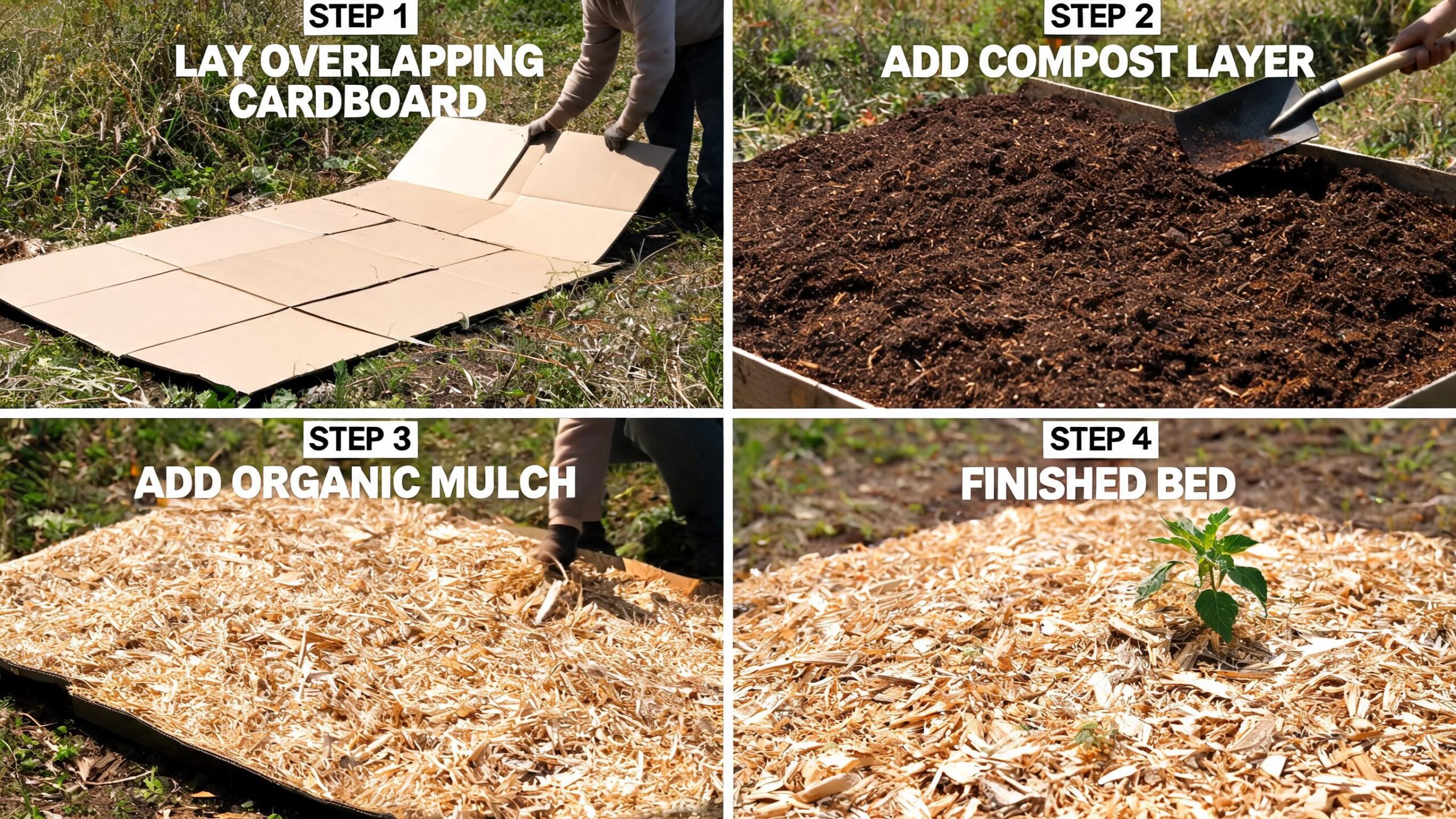
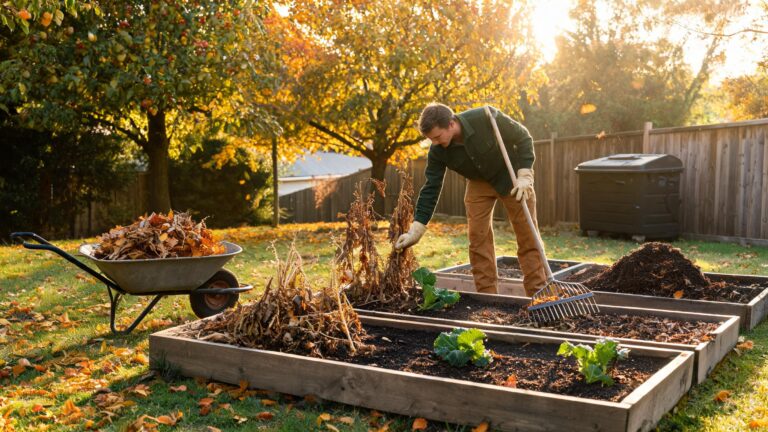
Sheet mulching: layers of cardboard and compost to smother grass over time
Solarisation: useful in warm weather, though slower and more site-dependent
For gardeners wanting a chemical-free approach, sheet mulching is often one of the easiest methods. Use plain cardboard, wet it thoroughly, and top with compost and mulch.
Step 4: Improve the Soil Only as Needed
Not every replacement needs rich soil. In fact, many drought-tolerant plants do better in lean, well-drained conditions. For edible beds, however, adding compost and quality garden mix is essential. If you are building raised beds, invest in a reliable soil blend rather than filling them with poor subsoil.
Natural monetisation-friendly additions worth considering include premium soil mixes, compost, slow-release organic fertilisers, irrigation kits, and raised bed systems that make conversion faster and more reliable.
Step 5: Plant Densely Enough to Suppress Weeds
One common mistake is spacing plants too far apart. That leaves bare ground where weeds quickly colonise. Follow the mature spread guidance of your chosen species and aim for a planting density that allows the area to knit together within one to two growing seasons.
Step 6: Mulch Thoroughly
Mulch is critical in most lawn replacement projects. It reduces moisture loss, suppresses weeds, buffers temperature fluctuations, and improves the finished look. Organic mulch works well around planting beds, while decorative mineral mulch can suit dry-style landscapes.
Step 7: Water During Establishment
Even drought-tolerant plants need regular moisture while they establish roots. The first summer is the most important. A simple drip irrigation system or soaker hose can make establishment much more successful while using less water than sprinklers.
Best Design Approaches for a More Sustainable Front or Backyard
The most successful lawn alternatives are not just practical. They are well designed. Here are a few layout strategies that work particularly well in New Zealand gardens.
Keep Lawn Only Where It Earns Its Place
If you need open space for children or pets, keep a compact lawn zone in the most useful part of the section and redesign the rest. This often gives the best balance between functionality and sustainability.
Use Paths and Defined Edges
Alternative landscapes look more intentional when they include crisp edges, mown borders, stepping stones, timber edging, or gravel paths. This is especially important with meadow planting or looser native-style designs.
Create Garden Rooms
Instead of one large open lawn, divide the space into smaller functional areas such as:
an outdoor seating zone
a raised vegetable bed area
a pollinator planting strip
a small patch of durable lawn
a dry gravel garden near the driveway
Mix Materials for Better Performance
You do not need one solution across the whole section. Some of the best sustainable lawn alternatives NZ homes use are hybrids: clover for play, mulch under trees, gravel by entryways, and edible beds in sunny corners.
Maintenance Expectations: Low Maintenance Does Not Mean No Maintenance
A common misconception is that replacing a lawn means never doing maintenance again. In reality, every garden surface needs some care. The goal is not zero work but lower-input, more meaningful work.
Typical Maintenance by Option
Clover lawn: occasional mowing, edging, weed control if needed
Ground covers: weeding during establishment, occasional trimming
Meadow planting: seasonal cutting back and editing
Gravel garden: occasional weed removal, top-up gravel over time
Mulched beds: re-mulching and pruning
Edible gardens: the highest maintenance, but also the most productive
The payoff is that this work often supports better garden health, more biodiversity, and more visual appeal than simply mowing every weekend.
Common Mistakes When Replacing a Lawn
Choosing Plants Based Only on Appearance
A beautiful ground cover from a photo may fail completely if your site is too wet, too shady, or too frosty. Always match the plant to the place.
Ignoring Traffic Levels
Many lawn alternatives are not suitable for rough wear. If people or pets move through the area daily, include stepping stones, paths, or a tougher surface.
Planting Too Sparsely
Wide spacing can leave the area looking unfinished for years and allows weeds to dominate. Dense planting saves maintenance in the long term.
Failing to Prepare the Existing Lawn Properly
Grass is persistent. If old turf is not removed or smothered thoroughly, it will grow back through new plantings.
Expecting Instant Results
Some alternatives look best after one or two seasons of establishment. Plan for a transition period and support plants well in their first year.
Using the Same Solution Everywhere
One type of lawn replacement rarely fits an entire property. Different areas often need different treatments based on light, use, and drainage.
Useful Products That Can Make Lawn Conversion Easier
While smart design is more important than buying gadgets, a few products can genuinely help when installing sustainable lawn alternatives:
Quality soil mixes for raised beds and planting pockets
Locally sourced seed blends for clover or meadow-style areas
Investing in good foundational materials often matters far more than spending heavily on decorative extras.
Sample Lawn Replacement Ideas for Different Types of NZ Homes
Small Urban Front Yard
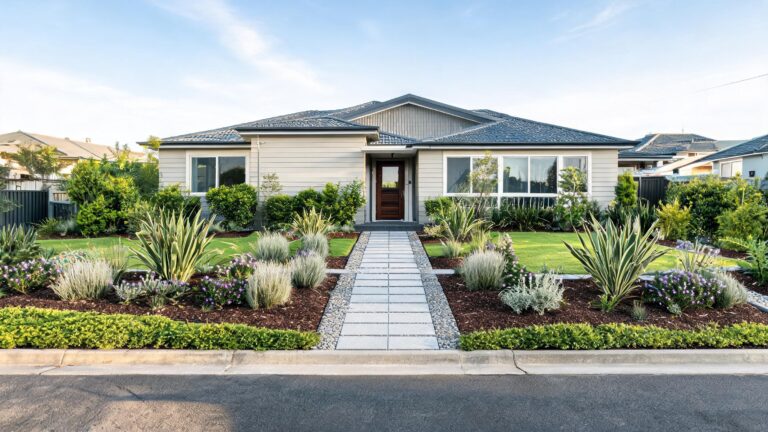
Replace most turf with a gravel garden, clipped structural shrubs, and low native or drought-tolerant ground covers. Add stepping pavers and one feature tree for shade and height.
Family Backyard
Keep a modest clover-rich play lawn in the centre, then convert corners and fence lines to mulched planting beds, raised vegetable boxes, and pollinator flowers.
Coastal Garden
Use salt-tolerant and wind-tough species with gravel mulch, boardwalk-style paths, and hardy low plantings rather than trying to maintain lush turf in exposed conditions.
Lifestyle Block or Large Section
Instead of mowing extensive low-value grass, keep access paths and gathering spaces trimmed while converting broader areas to orchard, meadow, native shelter belts, or low-input planting zones.
FAQ
What is the best sustainable lawn alternative in NZ?
The best option depends on how the space is used. For light traffic and biodiversity, native ground covers are excellent. For a practical green surface, clover lawns are often the most accessible. For hot, dry areas, gravel gardens and mulched drought-tolerant plantings can outperform both.
Is clover better than grass for New Zealand gardens?
Clover can be better than standard grass in many situations because it usually needs less fertiliser, stays greener in dry conditions, and supports pollinators. However, it gives a softer, less formal look and may not handle very heavy wear as well as a durable turf blend.
Can I replace my lawn with native plants?
Yes, many New Zealand gardeners are replacing underused lawn areas with native ground covers, shrubs, and mixed plantings. The key is choosing species suited to your local region, drainage, and sunlight. Native plantings work especially well in ornamental and low-traffic areas.
Are lawn alternatives really lower maintenance?
Usually yes, but they are not maintenance-free. You may mow less, use less water, and apply fewer inputs, but you will still need to weed, trim, mulch, or edit the planting over time. Good design and dense planting reduce long-term maintenance significantly.
What can I use instead of grass in a shady area?
In shady areas, mulched beds with ferns, shade-tolerant perennials, or suitable low-growing covers are often far more successful than lawn. Grass commonly struggles under trees and beside buildings, so replacing it with shade-adapted planting is usually the better long-term solution.
How do I remove lawn without chemicals?
You can dig out small lawn areas by hand or use sheet mulching with cardboard, compost, and mulch to smother the grass. This is one of the easiest chemical-free methods for home gardeners and works especially well if you can allow a little time before planting densely.
Will lawn alternatives increase property appeal?
Well-designed lawn alternatives can absolutely improve street appeal, especially when they suit the home and climate. A thoughtful mix of paths, ground covers, planting beds, and defined edges often looks more modern and intentional than a patchy, drought-stressed lawn.
Should I remove my whole lawn at once?
Not necessarily. Many gardeners get better results by replacing lawn in stages, starting with areas that are difficult to mow, too dry, too shady, or rarely used. This spreads the cost, reduces risk, and helps you learn what performs best in your specific garden.
Conclusion
Choosing sustainable lawn alternatives NZ gardeners can rely on is not about giving up beauty or function. It is about creating a garden that works better for your climate, lifestyle, and values. Whether you choose a clover lawn, native ground covers, mulched planting beds, meadow-style borders, gravel gardens, or productive raised beds, the right alternative can cut maintenance, save water, and bring more life into your outdoor space.
Start with the areas that cause the most frustration, match each solution to the conditions on site, and allow time for the new landscape to establish. With a thoughtful plan, your garden can become more resilient, more interesting, and far better suited to modern New Zealand living. A smarter, greener outdoor space is absolutely within reach.
We use cookies to improve your experience, analyze traffic, and display personalized ads.
By clicking "Accept", you consent to the use of cookies in accordance with our Privacy Policy.