Pruning Strawberries in NZ: The Complete Kiwi Gardener’s Guide
If your strawberry patch looks like a jungle of leaves and skinny runners by mid-summer, pruning strawberries correctly is the fix your harvest has been waiting for. Getting this simple task right is one of the biggest levers Kiwi gardeners can pull to boost fruit size and sweetness, and it’s just as important as knowing how to grow strawberries in the first place. Whether you’re tending a raised bed in Hamilton, a barrel planter in Tauranga, or a frost-prone patch in Cromwell, this guide covers exactly what, when, and how to cut on your strawberry plants across every New Zealand region.
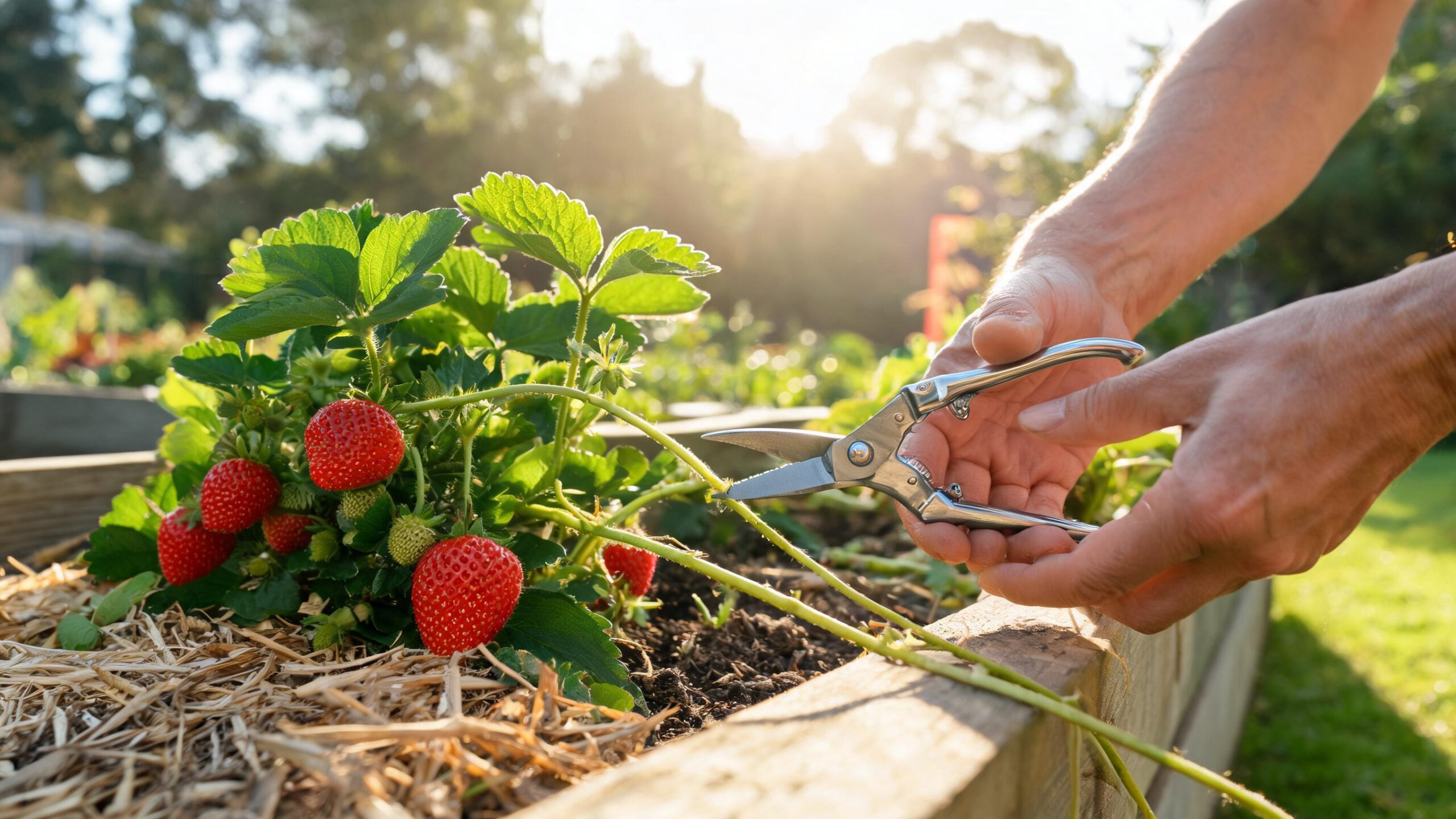
Strawberries don’t need traditional pruning like fruit trees, but they do need regular maintenance cuts to stay productive. In New Zealand, this means removing runners as they appear during the main fruiting season (spring through summer), stripping off dead, diseased, or tatty outer leaves, and giving the whole plant a hard tidy-up cut back in autumn (March–May) once cropping has finished.
Remove runners at 2–3cm long unless you want new plants, to redirect energy into fruit
Strip brown, yellow, or mildew-affected leaves anytime you spot them
Cut plants back to about 2.5cm above the crown in autumn after the final harvest
Never cut into the crown itself — this is the plant’s growing point and will kill it
Use clean, sharp secateurs or snips to avoid tearing tissue and spreading disease
Why Pruning Strawberries Matters for NZ Gardens
Strawberry plants are perennials, but they’re vigorous ones — left unchecked, a healthy mother plant will throw out multiple runners, each trying to establish its own root system. According to BerryWorld NZ’s research summary on runner growth, unpruned runners can reduce fruit yield by 15–30% because the plant diverts energy into vegetative growth instead of berries.
In New Zealand’s variable climate — think humid Northland summers versus dry Central Otago heat — a well-pruned plant also has better airflow through its canopy. This matters enormously for disease control, since our warm, moist coastal regions are prime territory for botrytis grey mould and powdery mildew.
The Difference Between Pruning and Deadheading Runners
True “pruning” on strawberries mostly means three distinct jobs: runner removal, leaf tidying, and the post-harvest cutback. Unlike roses or fruit trees, you’re not making structural cuts to encourage branching — you’re managing energy allocation so the crown puts its resources into flowers and fruit rather than spreading itself thin across the whenua.
When to Prune Strawberries in New Zealand (Seasonal Calendar)
Timing your pruning to the Southern Hemisphere calendar is essential — New Zealand strawberry care follows a completely different rhythm to Northern Hemisphere guides, so ignore any advice mentioning May or June planting windows.
Season (NZ)
Months
Pruning Task
Late Winter
Aug
Remove winter-damaged leaves before new growth starts; check crowns for frost damage
Spring
Sep – Nov
Pinch out early flower trusses on new first-year plants until October; remove any runners forming early
Summer
Dec – Feb
Regular runner removal every 1–2 weeks during peak fruiting; strip dead lower leaves
Autumn
Mar – May
Major post-harvest cutback; remove all runners not being propagated; clear old straw mulch and leaf litter
Kiwi gardeners often notice that plants left un-pruned through a warm Bay of Plenty summer become tangled masses of runners by February, with fruit shrinking noticeably by the third flush. Regular snips keep the crown focused.
How to Grow Strawberries and Prune Them Correctly
Understanding how to grow strawberries successfully in New Zealand starts with the same soil and site basics that make pruning effective — a healthy, well-fed plant responds far better to maintenance cuts than a stressed one.
Getting the Growing Basics Right First
Sunlight: Full sun, at least 6 hours daily — essential in cooler Waikato and Canterbury gardens
Soil type: Free-draining sandy loam is ideal; heavy volcanic clay in the Waikato and Auckland regions needs generous compost and sheep pellets worked through, or raised mounded rows
Soil pH: Slightly acidic, around 5.5–6.5
Spacing: 30–40cm apart in rows running north to south for even light
Planting time: May to August is the classic Kiwi window — Northland and Auckland gardeners can start as early as May, while Canterbury and Otago growers should wait until late July or August to avoid crown damage from hard frosts
Feed with a dedicated strawberry fertiliser or blood and bone from late September through December, and top up with a seaweed or kelp tea fortnightly during fruiting for a potassium boost that improves flavour and firmness.
Step-by-Step: Removing Strawberry Runners
Inspect plants weekly during spring and summer for thin, wiry stems trailing from the crown
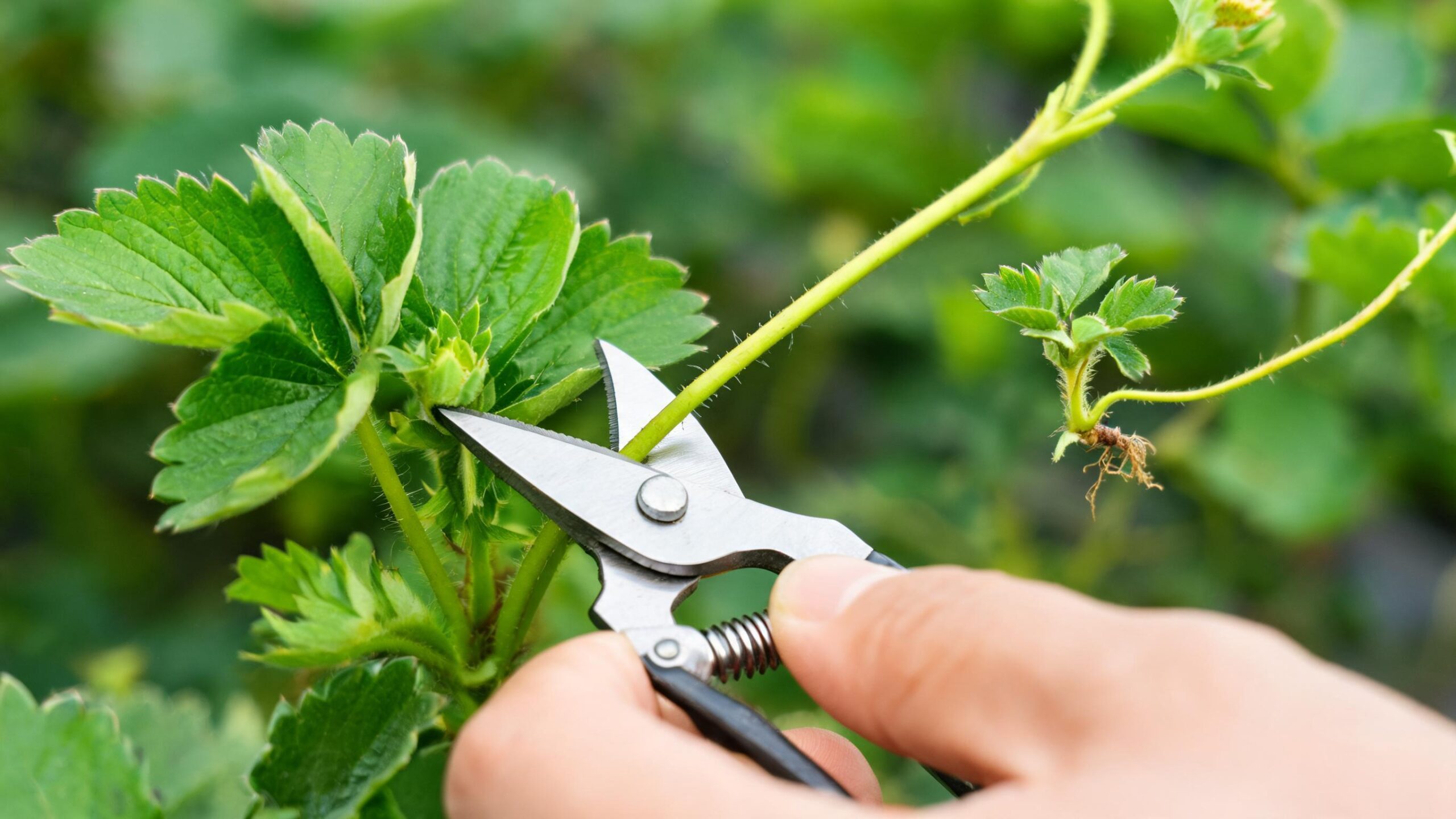
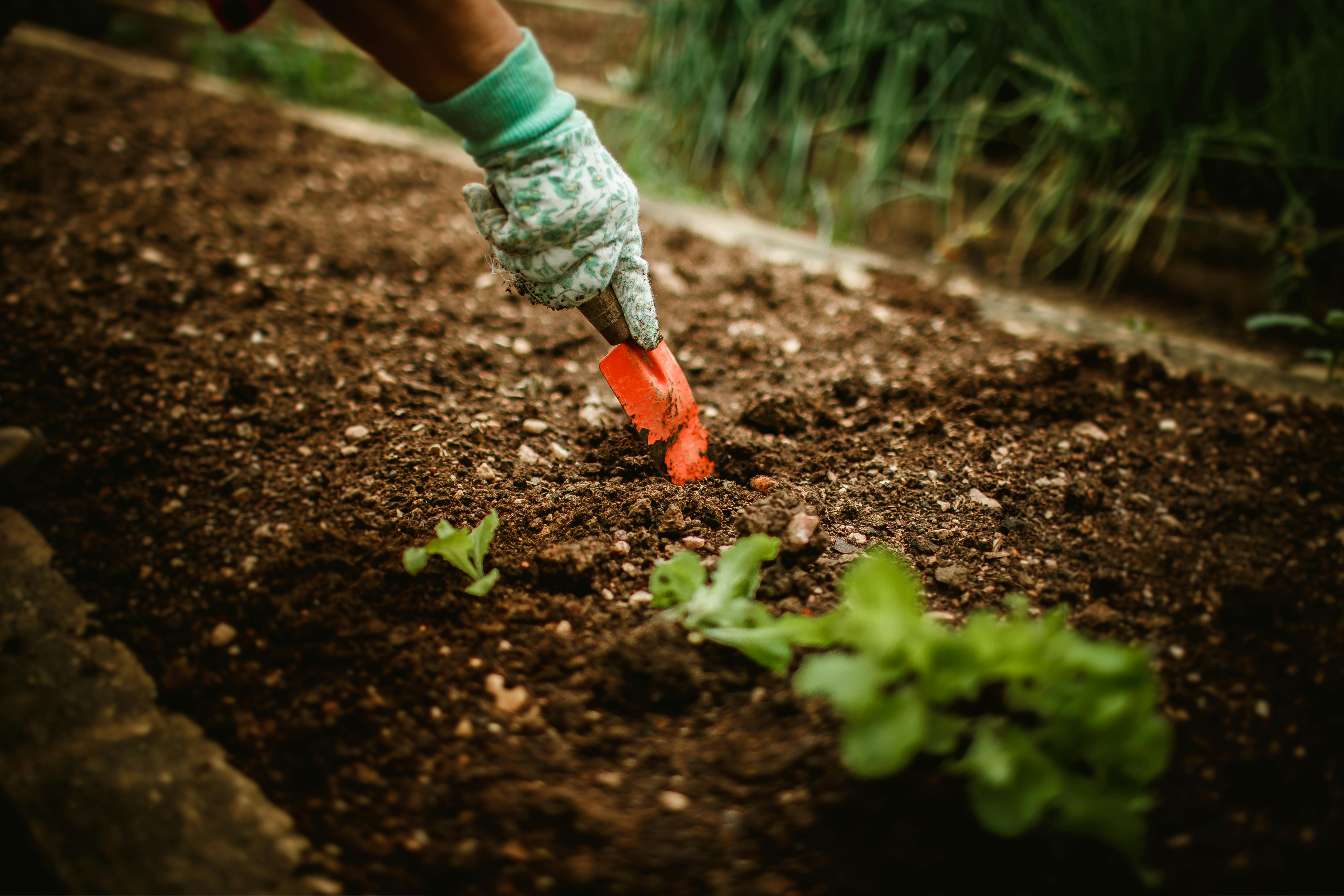
If you don’t want new plants, snip the runner off close to the mother plant using clean secateurs as soon as you spot it, ideally when it’s only 2–3cm long
If you do want new plants, let 2–3 runners develop per mother plant (no more, or you’ll exhaust her)
Peg the runner’s plantlet into a small pot of potting mix or straight into soil using a bent wire staple, keeping it in firm contact with the ground
Once roots have established (usually 3–4 weeks), sever the connecting stem to separate the new plant
This matches guidance from Tui Garden’s advice on strawberry runners, which notes that cutting runners while leaving a small stem stub helps anchor new plants into soil when transplanted.
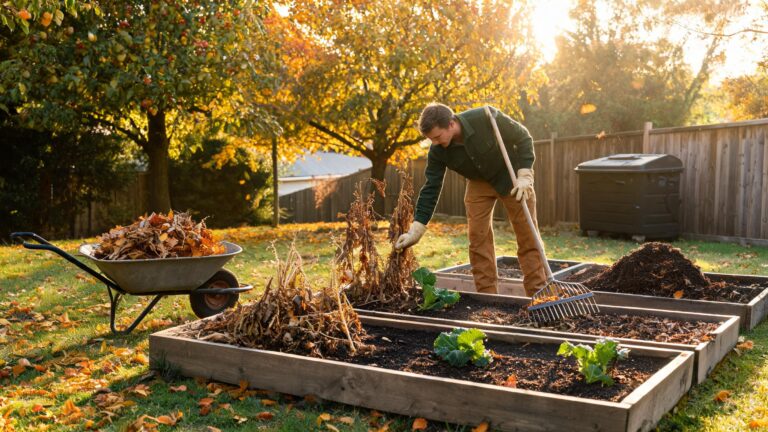
Step-by-Step: The Autumn Cutback
Wait until fruiting has completely finished, typically March to May depending on your region
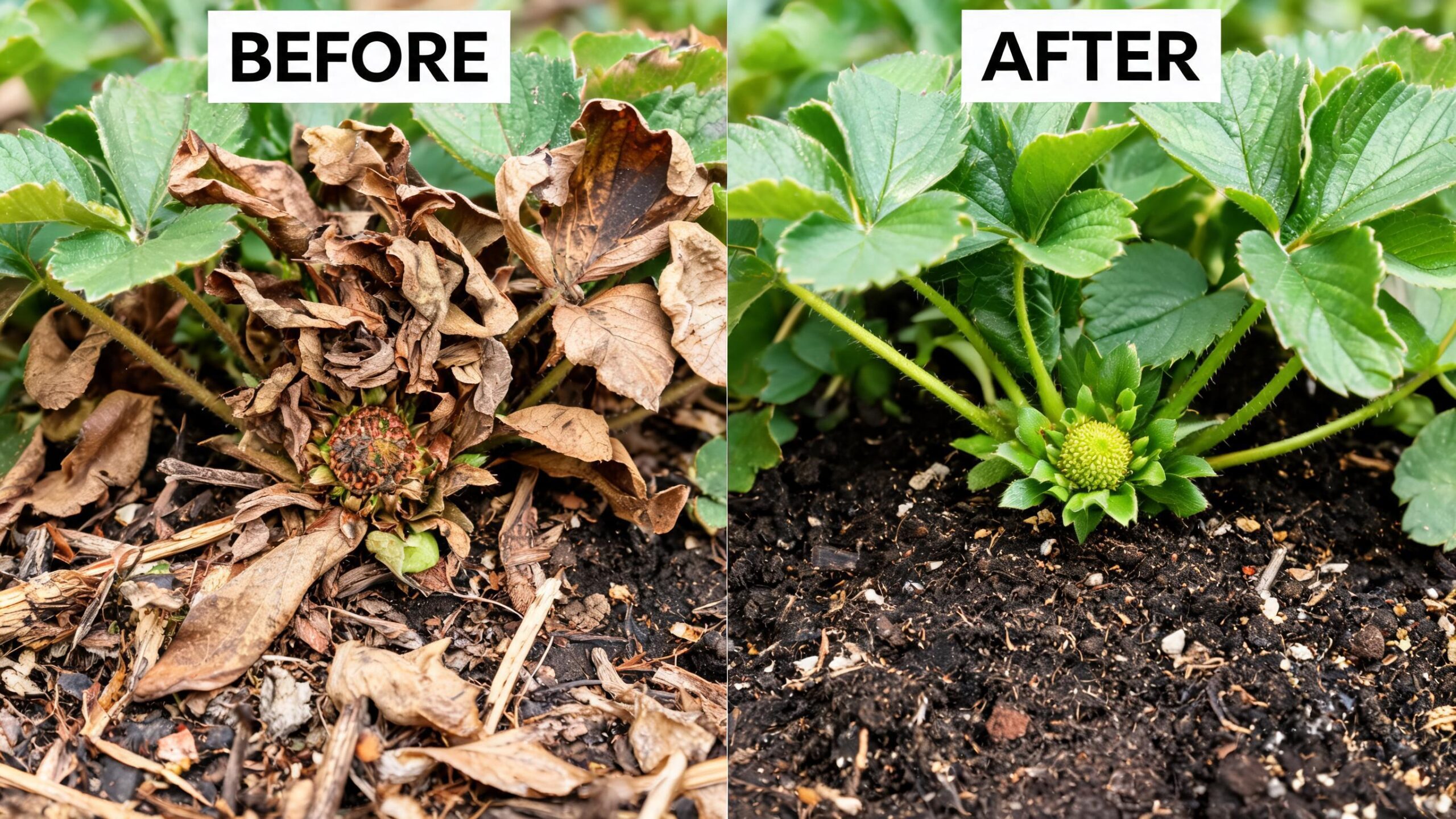
Remove all older, coarse outer leaves, cutting close to the base with clean snips
Cut back any remaining runners you’re not propagating
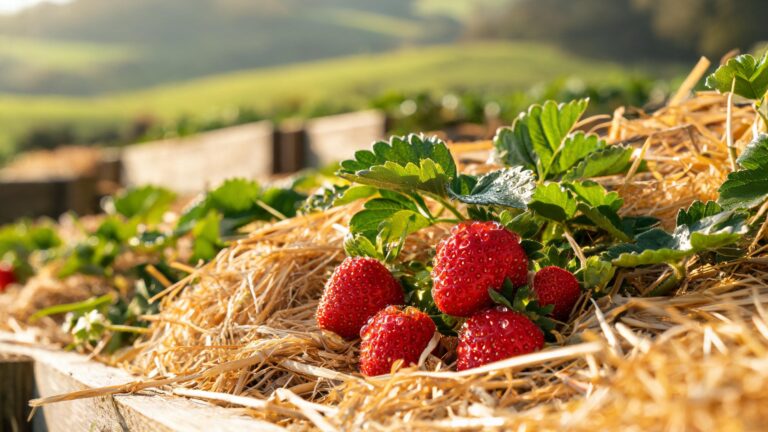
Clear away old straw mulch and leaf litter from around the crown — this material harbours overwintering fungal spores and slugs
Leave the central crown and youngest inner leaves intact; never cut into the crown itself
Apply a fresh side-dressing of strawberry fertiliser or sheep pellets, then re-mulch with clean pea straw once new growth resumes
Some commercial growers mow plants down to about 2.5cm above soil level at season’s end, but for home gardens, hand-snipping individual leaves is gentler on the crown and reduces disease risk from crushed foliage.
Regional Pruning Notes Across New Zealand
Microclimates change the pruning calendar more than most gardeners expect.
Subtropical Northland and Auckland: Warmer, humid winters mean growth barely stops — check for runners even in June and July, and prioritise leaf thinning for airflow to fend off botrytis
Temperate Waikato and Bay of Plenty: The classic pattern applies well here; heavy clay soils benefit from raised, mounded rows so pruned plants don’t sit in waterlogged ground over winter
Alpine and frost-prone Canterbury and Central Otago: Delay autumn cutback slightly until growth has genuinely slowed, and avoid heavy pruning right before a frost event, as fresh wounds are more vulnerable to cold damage
Common Pests and Diseases That Affect Pruning Decisions
Good pruning hygiene is one of your best defences against New Zealand’s common strawberry problems.
Problem
Signs
Pruning-Related Action
Botrytis (grey mould)
Fuzzy grey mould on fruit and flowers, especially after wet weather
Remove and destroy affected fruit and leaves immediately; improve airflow via leaf thinning
Powdery mildew
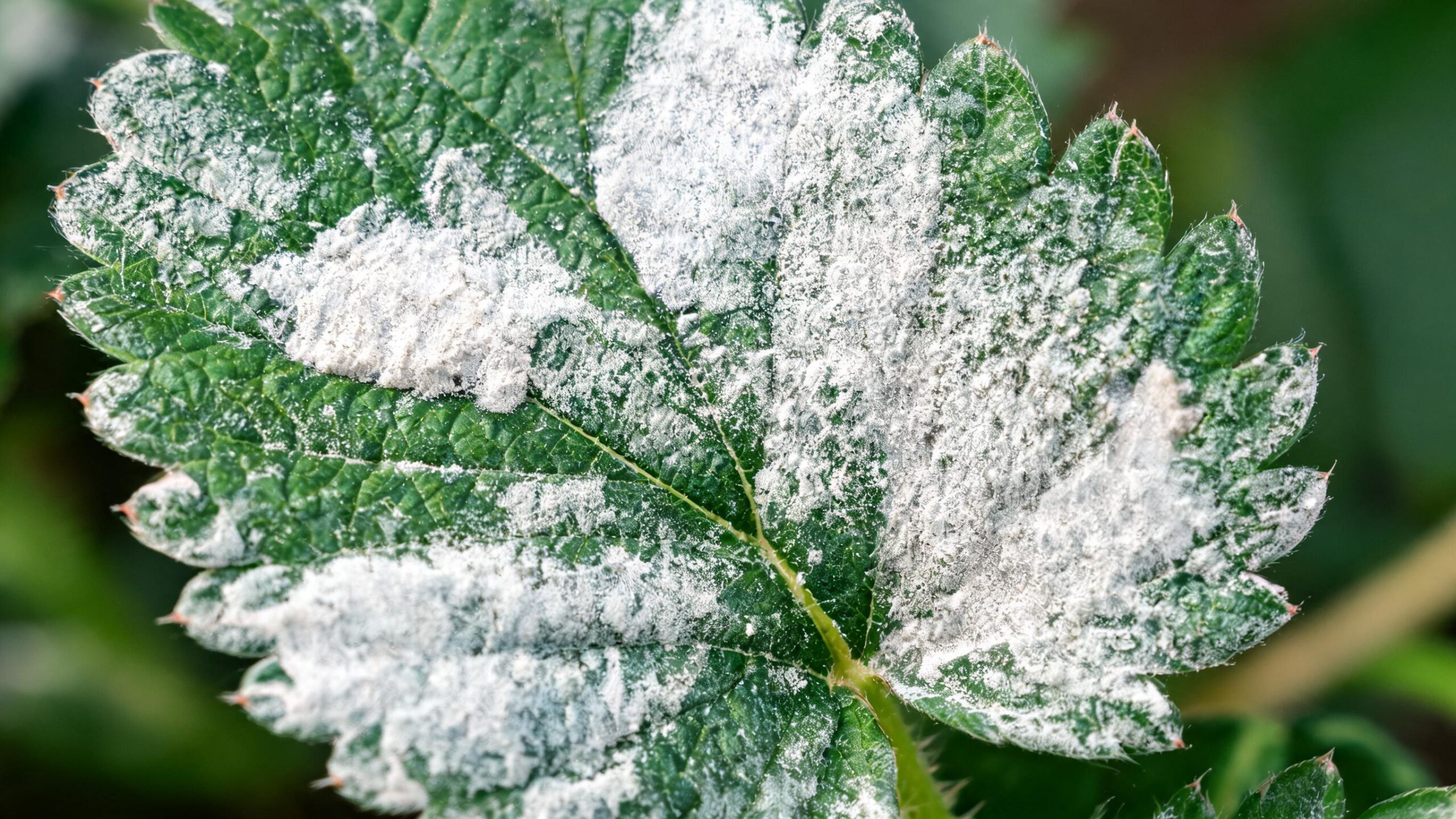
Leaf edges curl upward with a pink tinge; white fungal patches under leaves
Strip affected leaves and bin (don’t compost); thin canopy to reduce humidity around crown
Aphids
Curled new growth, sticky residue on leaves
Prune off heavily infested shoot tips before spraying
Slugs and snails
Ragged holes in leaves and fruit
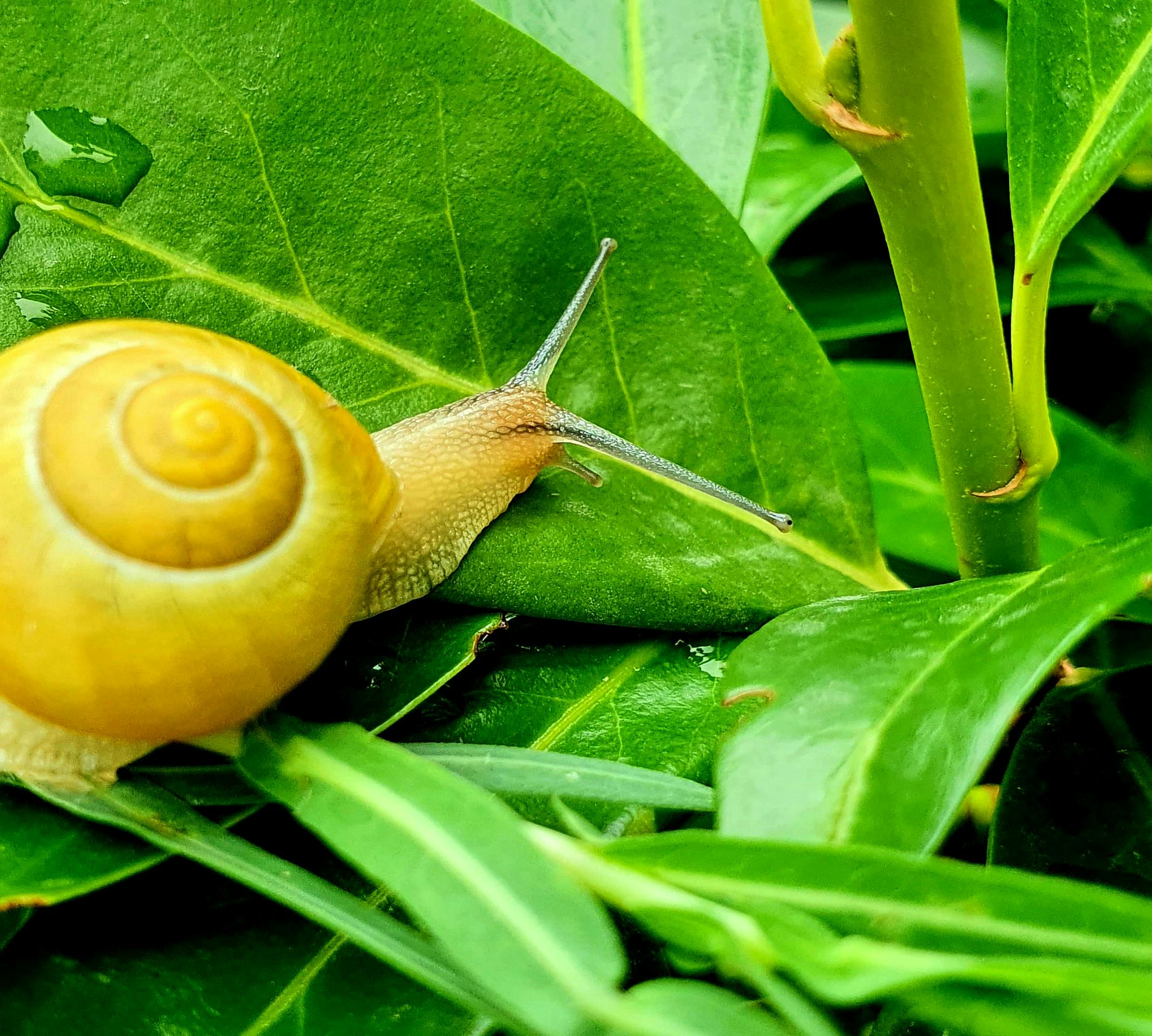
Clear old mulch and dead leaf litter where they shelter
According to disease guidance published by Strawberry Growers New Zealand’s technical disease sheet, powdery mildew spreads fastest in humid conditions between 15–30°C — exactly the sticky summer weather common in coastal Bay of Plenty and Northland gardens, making regular leaf pruning for airflow a genuinely useful defence, not just tidiness.
Tools and Products That Make Pruning Easier
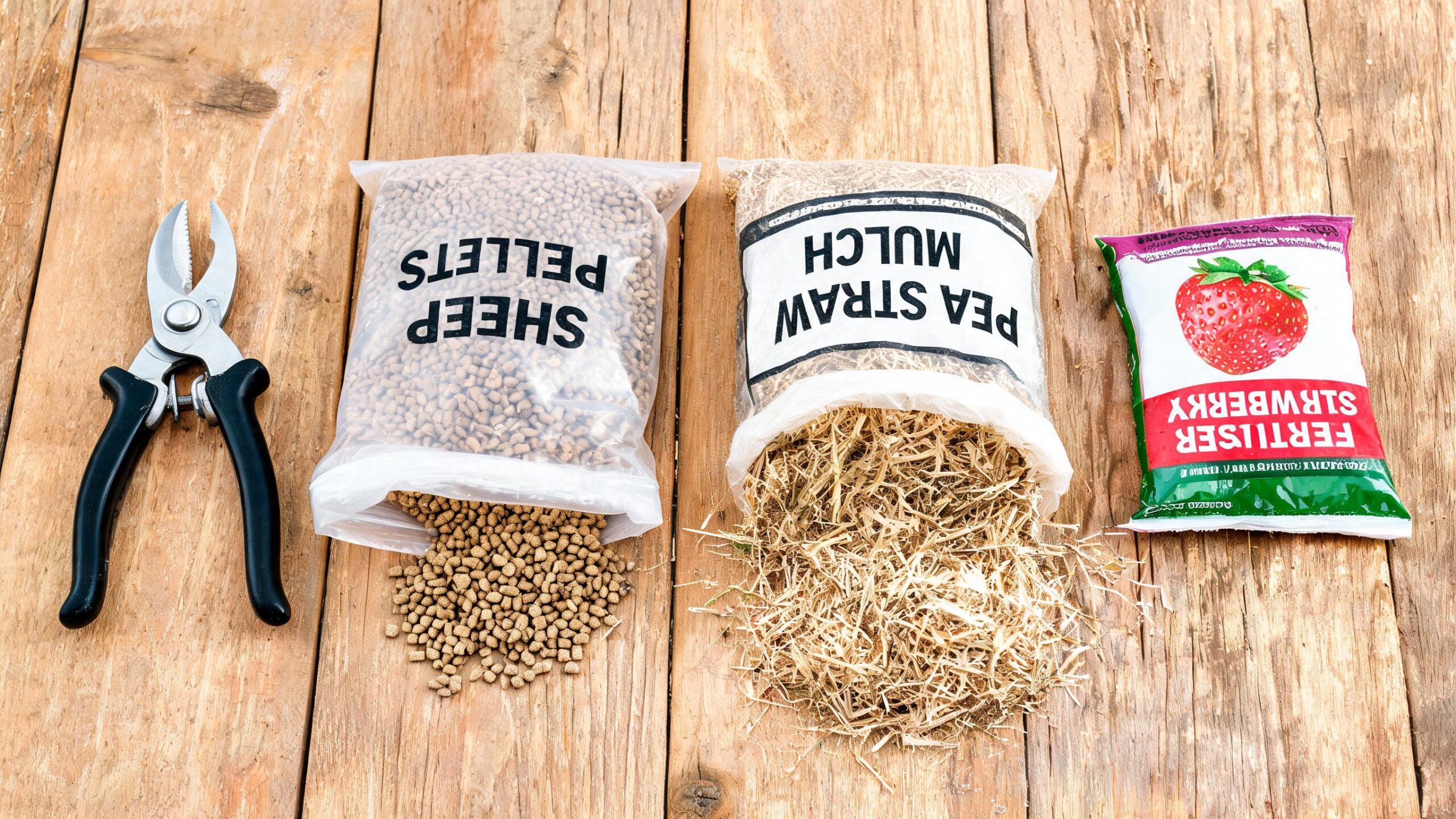
A sharp, clean pair of snips or secateurs is non-negotiable — torn tissue heals slower and invites disease. Many Kiwi gardeners keep a dedicated small pair just for berries and herbs. Pair your pruning routine with a good strawberry-specific fertiliser, sheep pellets for soil conditioning between seasons, and clean pea straw mulch to replace what you clear away in autumn. A simple cloche or frost cloth is worth having on hand in Canterbury and Otago gardens to protect freshly pruned crowns during a cold snap.
Key Takeaways
Strawberries need maintenance cuts, not structural pruning — focus on runners, dead leaves, and an autumn tidy-up
Remove runners young (2–3cm) unless propagating, to protect yield
Never cut into the crown — it’s the plant’s only growing point
Autumn cutback (March–May) after harvest sets the plant up for a strong spring return
Clearing old mulch and leaf litter during pruning is your best defence against botrytis and powdery mildew
Frequently Asked Questions
Do strawberry plants need to be pruned every year in NZ?
Yes. While it’s not heavy structural pruning, an annual autumn tidy-up after harvest and ongoing runner removal through spring and summer keeps plants productive. Skipping this for a season or two often causes a noticeable drop in berry size and an increase in disease pressure.
Should I cut strawberry leaves back in winter?
Only remove leaves that are clearly dead, brown, or diseased during winter. Healthy green leaves, even if a bit tatty, are still photosynthesising and protecting the crown from frost, particularly useful in frost-prone Waikato and Canterbury gardens.
How do I know if I’m cutting too close to the crown?
The crown is the woody, central point where leaves and roots meet — it should never be nicked or removed. If you can see white or pale internal tissue after a cut, you’ve gone too close. Always cut runners and leaves a small distance away from this central point.
Can I prune strawberries in pots the same way as garden beds?
Yes, the same runner removal and autumn cutback principles apply, though container-grown plants in Auckland’s warmer microclimates may keep producing runners for longer into winter and need slightly more frequent checks.
What happens if I leave all the runners on my strawberry plants?
The mother plant redirects significant energy into establishing the runners’ root systems rather than fruit, which research summarised by BerryWorld NZ links to yield reductions of up to 30%. It’s fine to leave a couple if you want free new plants, but unlimited runners will shrink your harvest.
Is it too late to prune strawberries if my plants are already flowering?
No — you can still remove runners and dead leaves around flowering plants without harming blooms, just avoid disturbing the crown or knocking off open flowers and developing fruit while you work.
Growing Strong Strawberries Starts With Good Pruning
Mastering pruning strawberries is one of the simplest, highest-return jobs in the Kiwi fruit garden — a few minutes with clean snips every fortnight through spring and summer, plus one solid autumn tidy-up, sets your plants up for a genuinely bigger, sweeter crop. Combine it with the fundamentals of how to grow strawberries well — good sun, free-draining soil, and steady feeding — and your patch will reward you season after season. Get out into the whenua, snip with confidence, and let your strawberry crowns put all their energy where it counts: into the fruit.
We use cookies to improve your experience, analyze traffic, and display personalized ads.
By clicking "Accept", you consent to the use of cookies in accordance with our Privacy Policy.