How to Grow Peas in NZ: The Complete Kiwi Gardener’s Guide
There’s nothing quite like popping open a fresh pea pod straight off the vine in your own backyard — and if you’ve ever wondered how to grow peas successfully across Aotearoa’s varied climate, you’re in the right place. Whether you’re gardening in frost-prone Canterbury, the subtropical warmth of Northland, or a typical Waikato backyard plot, peas are one of the most forgiving and rewarding crops for both beginner and experienced growers. This guide walks you through everything from soil prep to harvest, and doubles as a handy spring gardening guide for anyone planning their September-to-November planting season.
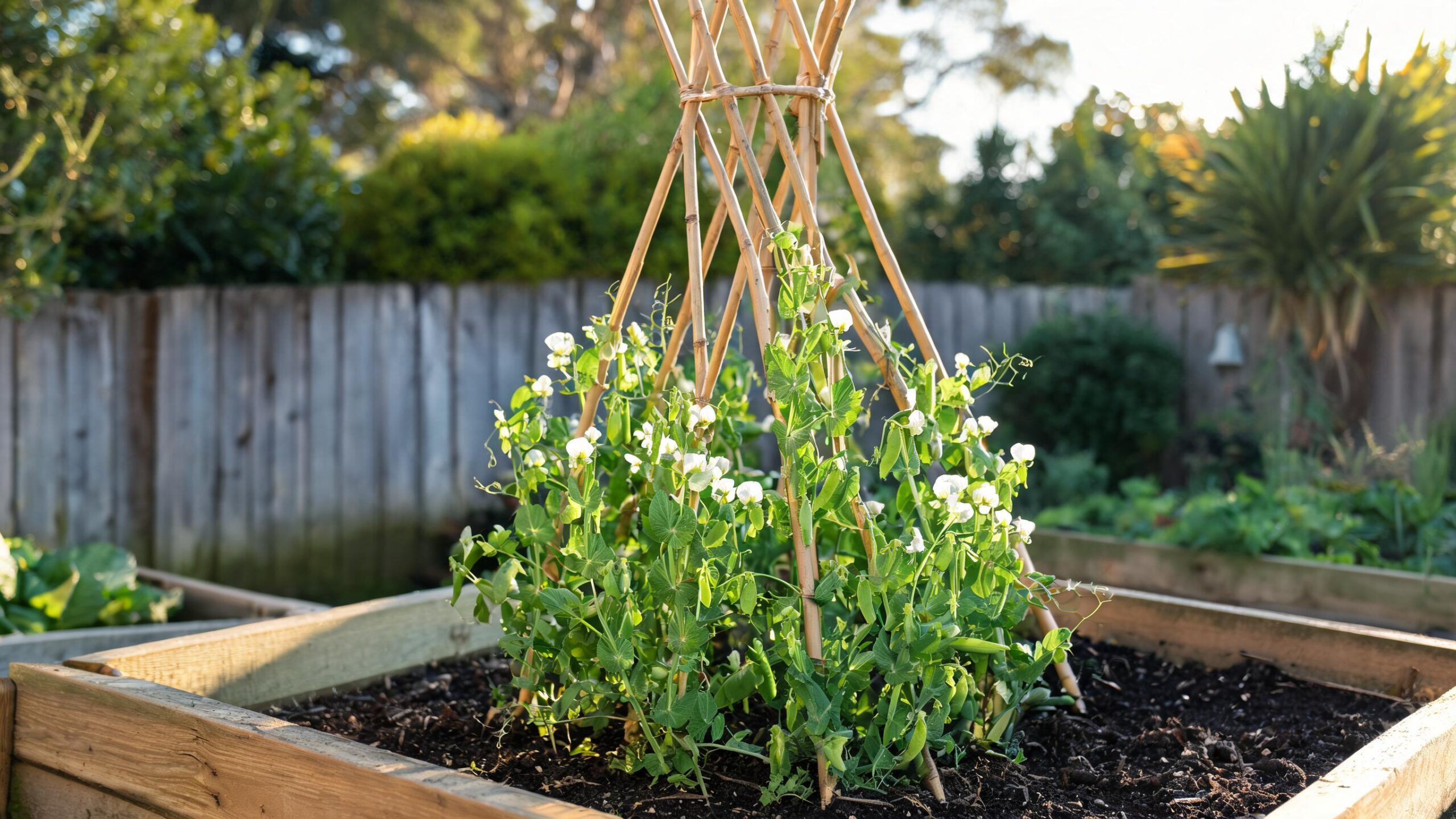
Peas thrive in New Zealand’s cool-season conditions and are typically sown from late winter through spring (August–November) or again in late summer to autumn (February–April) in milder regions. They need full sun, free-draining soil enriched with compost or sheep pellets, and consistent moisture without waterlogging. Most varieties benefit from a trellis, teepee, or netting for support, and pods are ready to pick 55–70 days after sowing.
Best sowing time: August–October (spring) or February–April (autumn, in mild regions)
Sun requirement: Full sun, sheltered from strong wind
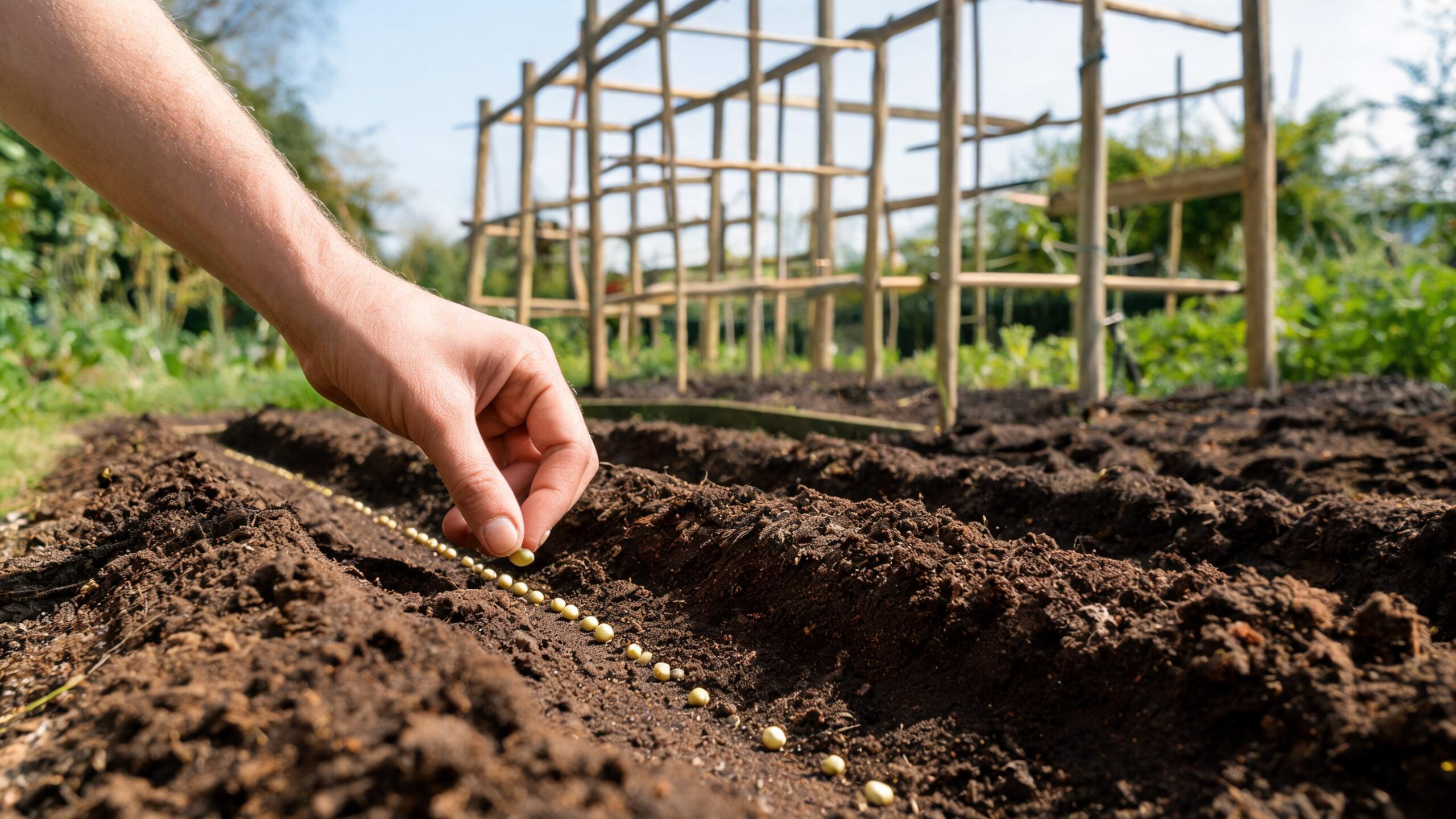
Spacing: 5–10cm between plants, 40–50cm between rows
Time to harvest: 55–70 days from sowing
Why Peas Suit the New Zealand Garden
Peas (Pisum sativum) are a cool-season legume crop well-suited to New Zealand’s temperate climate. They are nitrogen-fixing plants, meaning their roots host bacteria that pull nitrogen from the air and deposit it into the whenua (soil), naturally improving fertility for future crops like brassicas or leafy greens.
Kiwi gardeners love peas because they’re low-maintenance, fast-cropping, and produce reliably even in cooler, damp conditions that would stall warm-season crops like tomatoes or courgettes. They’re an excellent entry point for anyone building out their vegetable planting calendar for the first time, since success rates are high even with minimal experience.
Best Time to Plant Peas in NZ
Peas dislike extreme heat, which makes New Zealand’s mild seasons ideal. Sow seed directly into the garden from late winter into spring, and again from late summer into early autumn in warmer regions. Avoid sowing through the peak of summer, as high temperatures cause poor pod set and bitter, tough peas.
Regional Timing Guide
Region
Sowing Window
Notes
Northland & Auckland (subtropical)
March–May and July–October
Mild winters allow near year-round sowing; avoid mid-summer heat
Waikato & Bay of Plenty (temperate)
August–October and February–March
Classic spring window is most reliable; watch for late frosts
Wellington & lower North Island
August–November
Wind shelter is essential for climbing varieties
Canterbury & Central Otago (alpine, frost-prone)
September–November
Wait until soil warms past 7–10°C; frost can damage young seedlings
This regional breakdown forms the backbone of any solid spring vegetable planting guide, since pea timing really does shift depending on how cold your last frost date runs.
Choosing Your Pea Variety
New Zealand seed suppliers stock several reliable varieties, each suited to different garden setups.
Greenfeast – A classic mid-season dwarf variety producing heavy crops of large, sweet pods; benefits from light staking.
Earlicrop Massey – An early, heavy-cropping dwarf (bush) type that needs no trellis, ideal for small plots or containers.
Novella – A self-supporting semi-leafless variety that tangles together for natural support, great for tight spaces.
Snow peas – Climbing types eaten pod and all; require a sturdy trellis up to 1.5–2m.
Sugar snap peas – Available in both dwarf and climbing forms, prized for their crisp, edible pods.
If you’re short on trellis space, dwarf varieties like Earlicrop Massey or Novella are the practical choice, while climbing snow peas and sugar snaps reward gardeners with vertical space and a solid teepee or fence line.
Preparing Your Soil
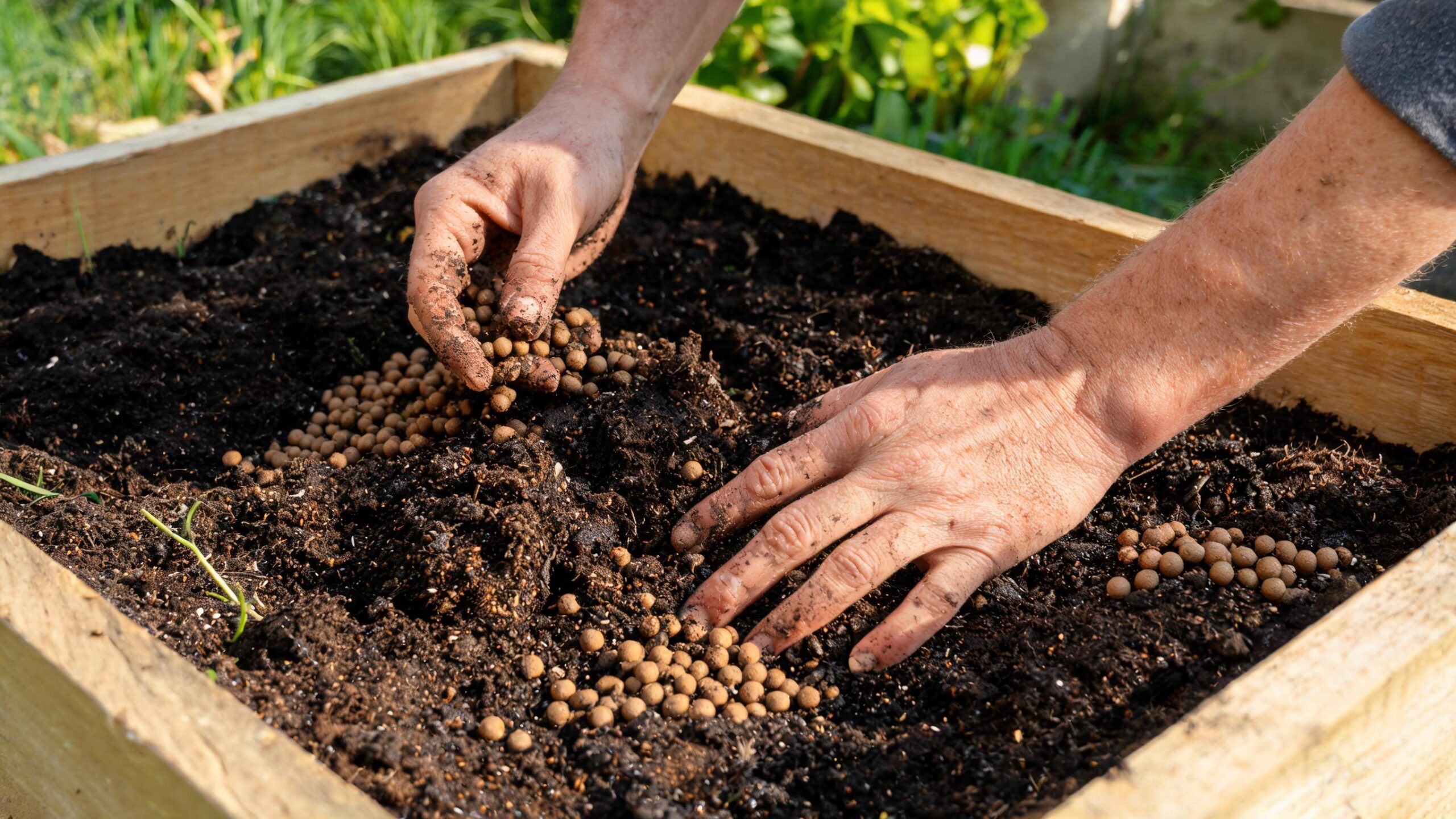
Peas perform best in free-draining soil that’s rich in organic matter. Before sowing, work compost, sheep pellets, or a natural blood and bone fertiliser into the bed to a spade’s depth (around 20cm). Kiwi gardeners on heavy Waikato clay or Auckland volcanic clay soils should add extra compost or coarse sand to improve drainage, since waterlogged soil quickly rots pea seed before it germinates.
Aim for a soil pH between 6.0 and 7.5. If your soil tests acidic — common in peat soils and some volcanic regions — work in garden lime a few weeks ahead of planting. Avoid heavy nitrogen fertilisers at planting time, since peas fix their own nitrogen; too much nitrogen encourages leafy growth at the expense of pods.
Soil Prep Checklist
Choose a sunny position sheltered from strong wind
Dig in compost or aged sheep pellets to 20cm depth
Add garden lime if soil is acidic (test first)
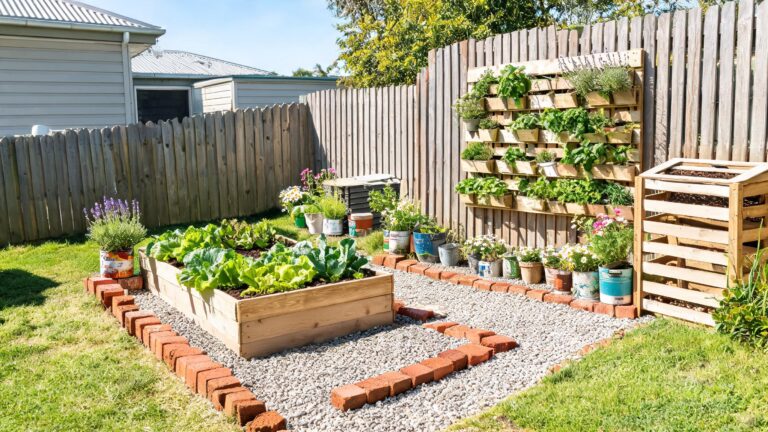
Avoid waterlogged or heavy clay pockets — raise beds if drainage is poor
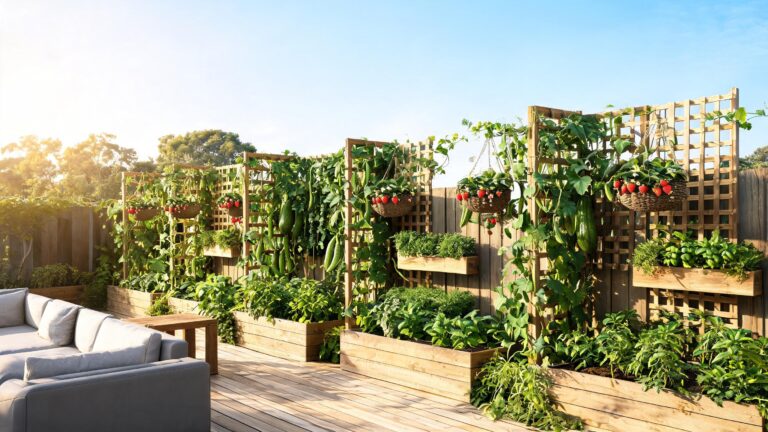
Set up your trellis, teepee, or netting before sowing to avoid disturbing roots later
How to Sow Pea Seeds
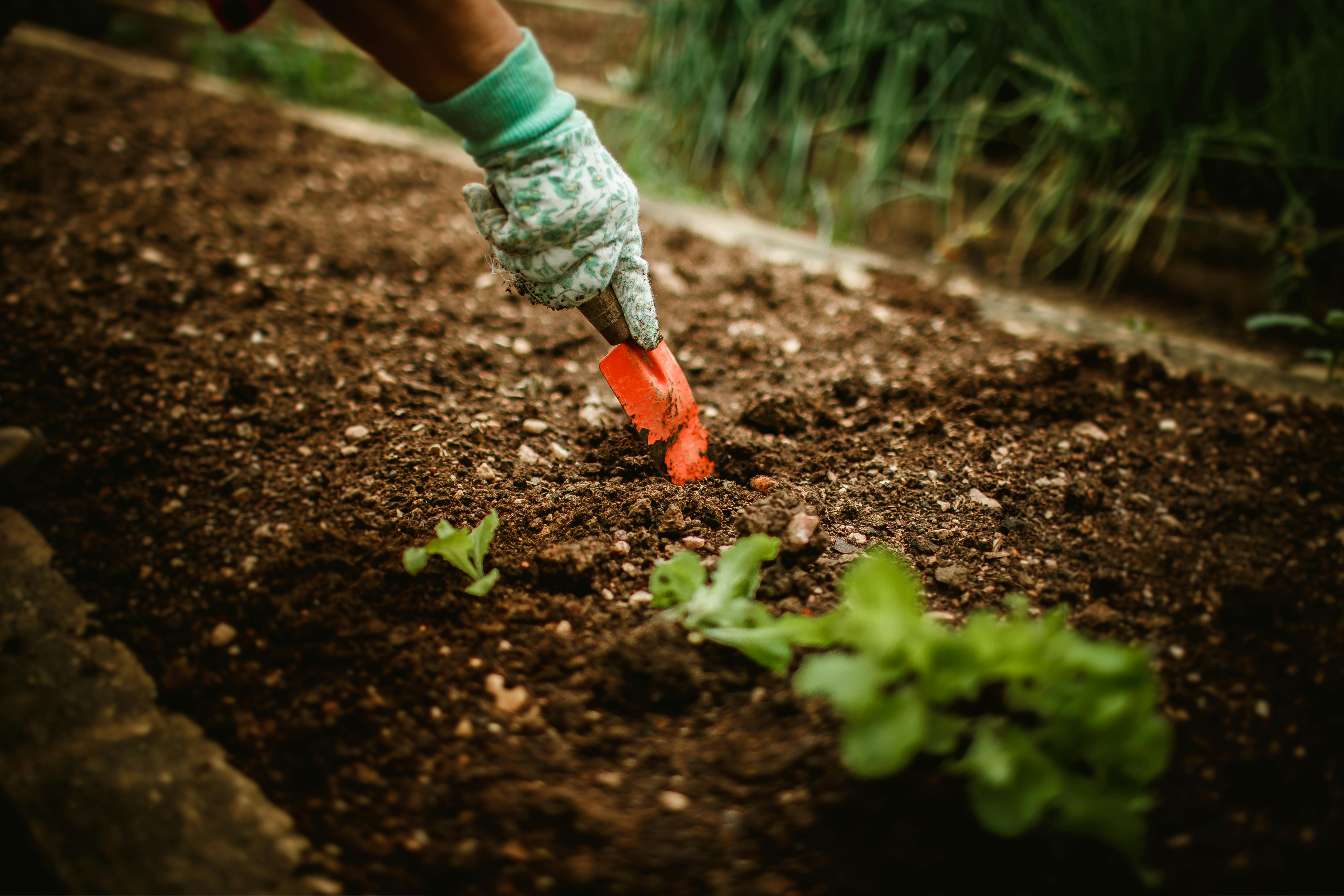
Sow seeds directly where they are to grow — peas dislike root disturbance and transplant poorly.
Water the bed well after sowing, then hold off on further watering for a day or two to prevent seed rot.
Keep soil moist but never soggy during germination, which typically takes 7–10 days.
Once seedlings reach 5–7cm, thin overcrowded clusters and guide young tendrils onto your support structure.
Gardeners with heavy clay or slug-prone gardens often start seed in punnets or toilet rolls under cover, then transplant the whole root ball (undisturbed) once seedlings are established. This trick minimises transplant shock while still protecting seed from cold, wet soil early in the season.
Caring for Your Pea Plants
Watering
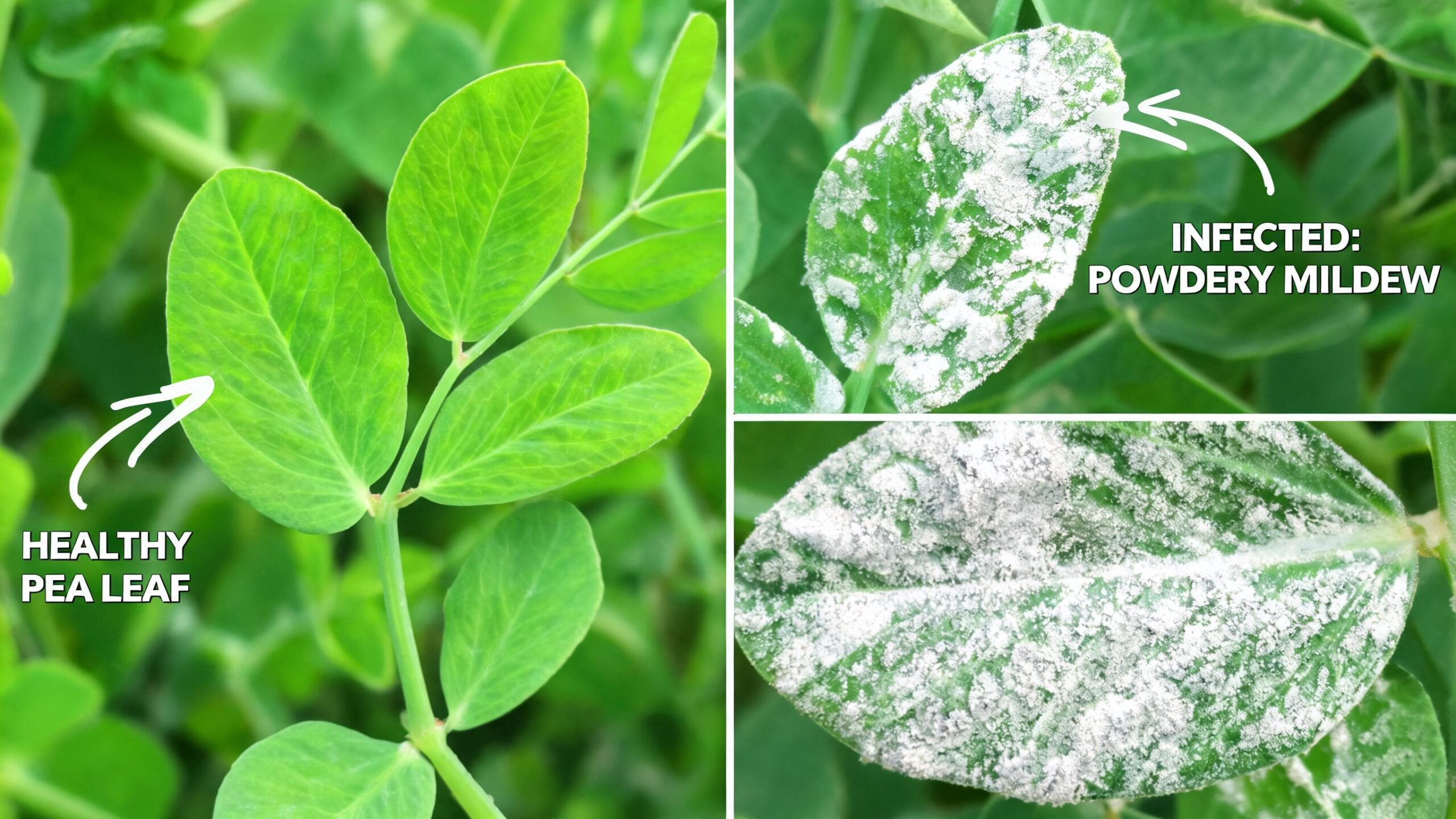
Water regularly and deeply, especially once flowering begins and pods start to swell — this is the most drought-sensitive stage. Water at the base of the plant rather than overhead, as wet foliage encourages powdery mildew, a common issue in humid Bay of Plenty and Northland gardens during late spring.
Feeding
Once flower buds form, apply a liquid vegetable food or a seaweed and kelp tea fortnightly to support pod development. Kiwi gardeners often notice stronger yields after a light side-dressing of sheep pellets mid-season, paired with a potassium-rich feed rather than heavy nitrogen.
Mulching
Apply a layer of pea straw or compost mulch around the base of plants to conserve moisture, suppress weeds, and moderate soil temperature — particularly useful in drier Hawke’s Bay or Canterbury conditions.
Support Structures
Even “dwarf” varieties like Greenfeast benefit from light staking, as unsupported plants sprawl on the ground and become more prone to fungal disease and slug damage. Bamboo teepees, wire netting, or a simple trellis work well; set these up before or immediately after sowing to avoid disturbing developing roots.
Common Pests and Diseases
New Zealand pea crops face a handful of recurring problems, most of which are manageable with good hygiene and timing.
Problem
Signs
Kiwi Garden Solution
Slugs and snails
Chewed seedlings, slime trails
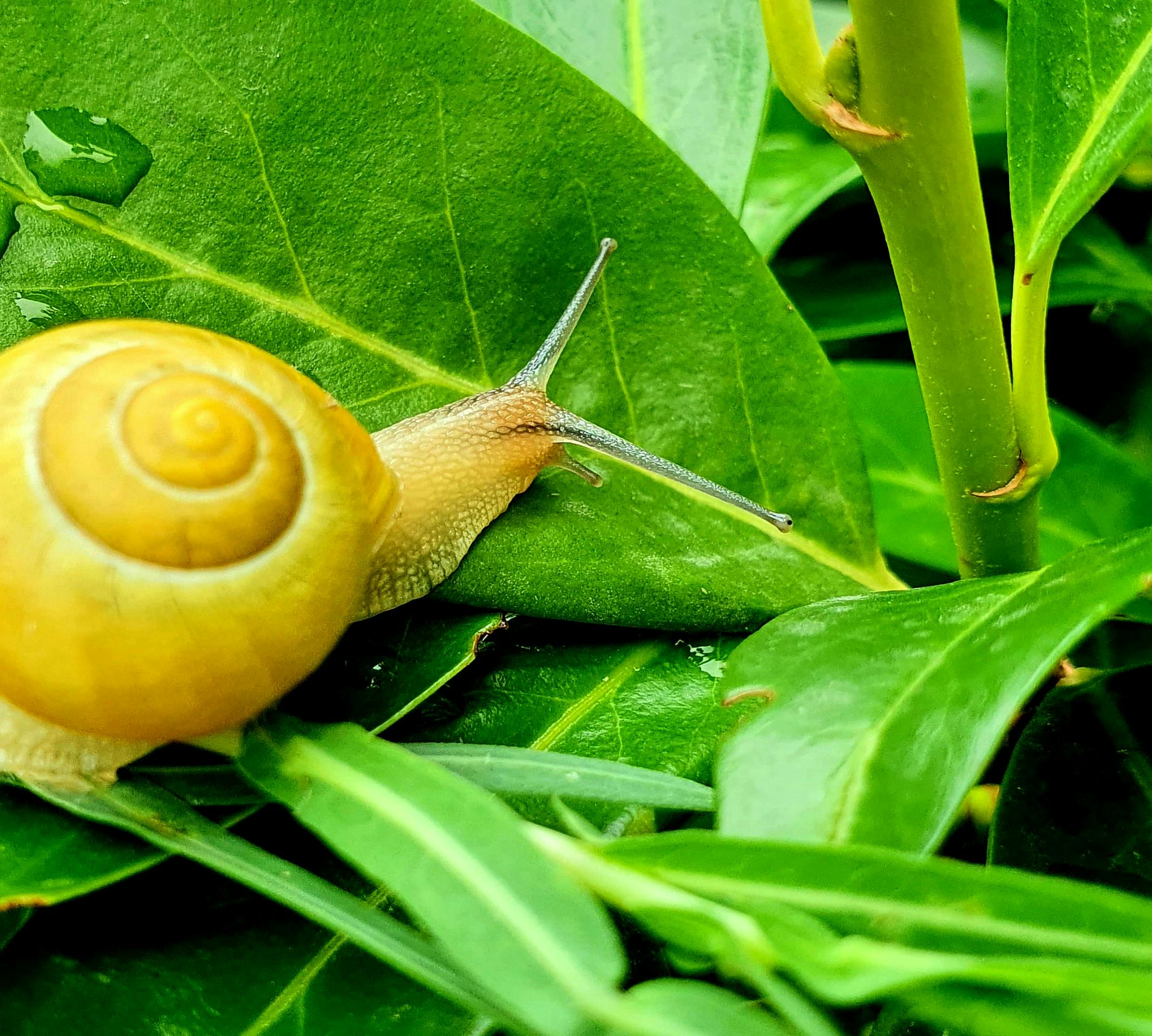
Beer traps, crushed eggshell barriers, or organic slug bait; protect young seedlings with cut-down plastic bottles
Powdery mildew
White powdery coating on leaves, common in humid late spring
Water at soil level, improve airflow with proper spacing, remove affected foliage promptly
Pea weevil
Notched leaf edges on young plants
Generally cosmetic; healthy plants outgrow minor damage
Aphids
Clusters on new growth, sticky honeydew
Blast off with a hose, encourage ladybirds, or use an insecticidal soap
Root rot
Yellowing, wilting in waterlogged soil
Improve drainage; avoid overwatering, especially in clay-heavy gardens
Peas are generally less troubled by the region-specific pests that plague other NZ crops — you won’t typically see guava moth or lemon tree borer bothering a pea patch — but biosecurity vigilance still matters for the wider garden. For broader pest identification support, the Ministry for Primary Industries pest and disease identification resources are a useful reference if you spot anything unfamiliar.
Harvesting Your Peas
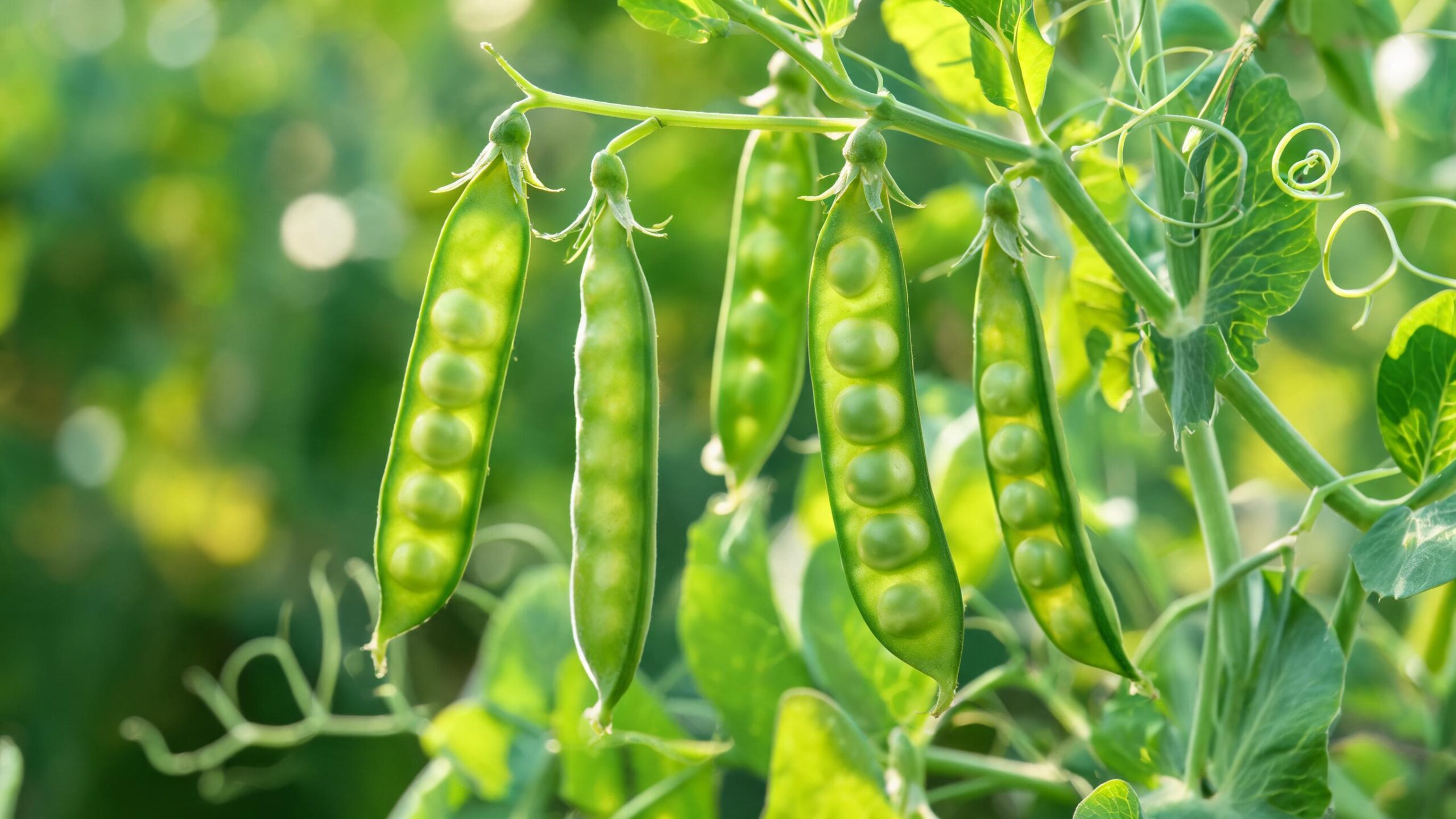
Most varieties are ready to harvest 55–70 days after sowing. Pick regularly, every couple of days once pods begin forming — frequent picking signals the plant to keep producing, while pods left too long become starchy and tough.
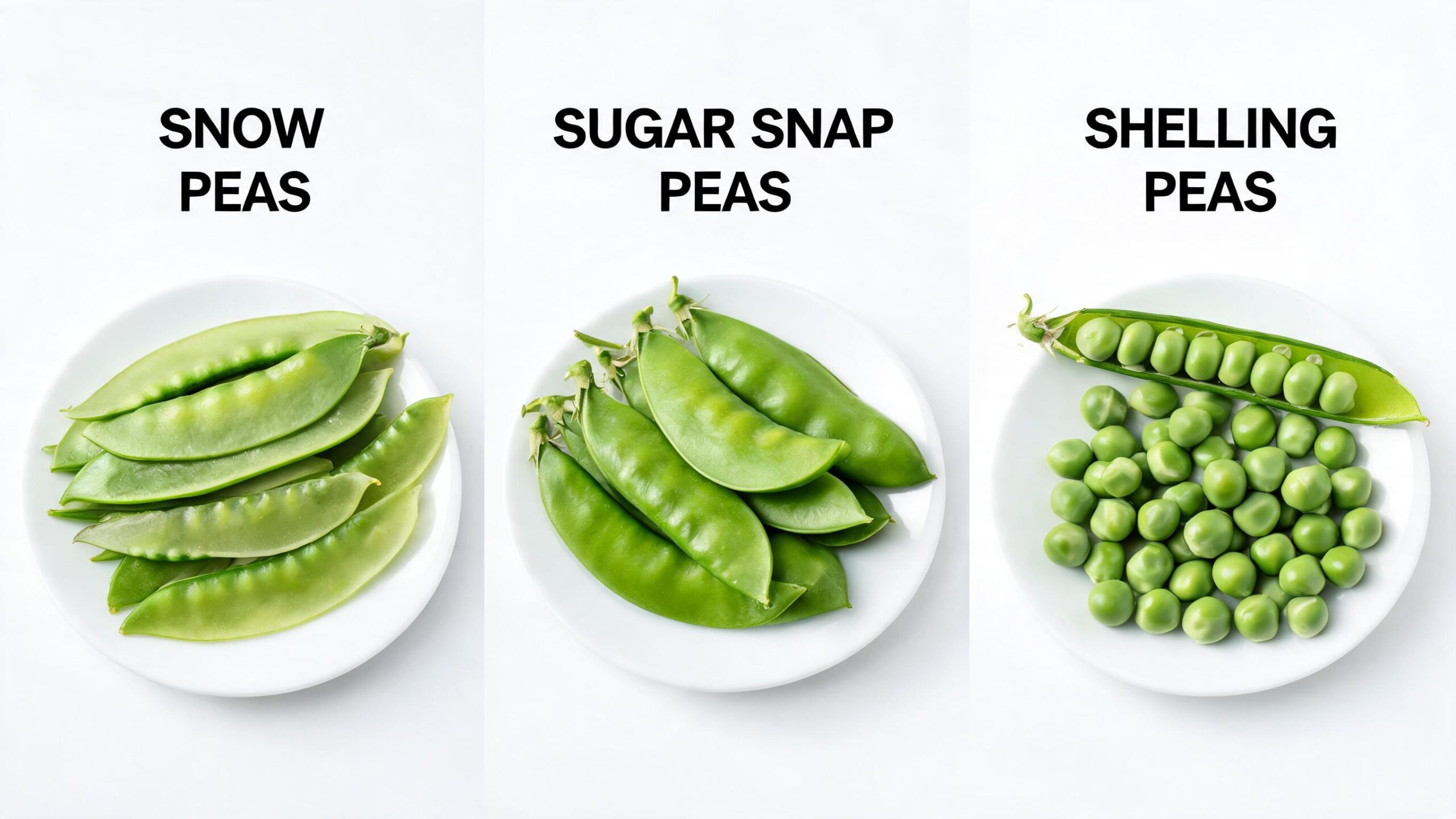
Shelling peas (Greenfeast, Earlicrop Massey): Harvest when pods are plump and full but still bright green.
Snow peas: Pick while pods are flat, before peas inside swell noticeably.
Sugar snap peas: Harvest when pods are plump but still crisp and sweet.
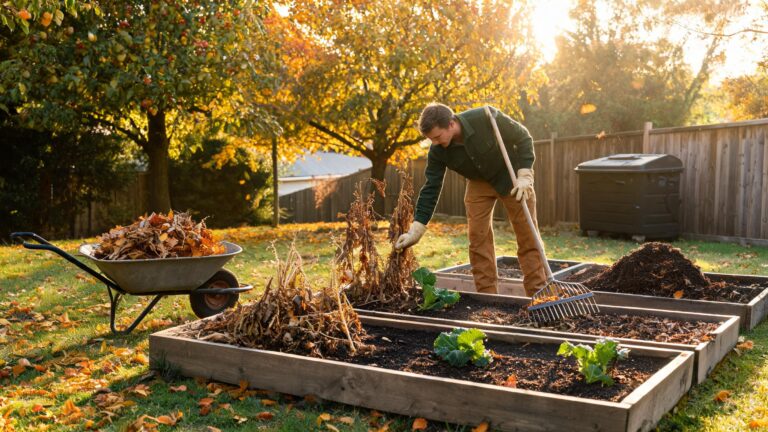
At the end of the season, cut plants off at soil level rather than pulling them out — leaving the nitrogen-fixing roots in the whenua enriches the bed for your next planting, a simple but effective trick many experienced Kiwi growers swear by.
Growing Peas in Containers
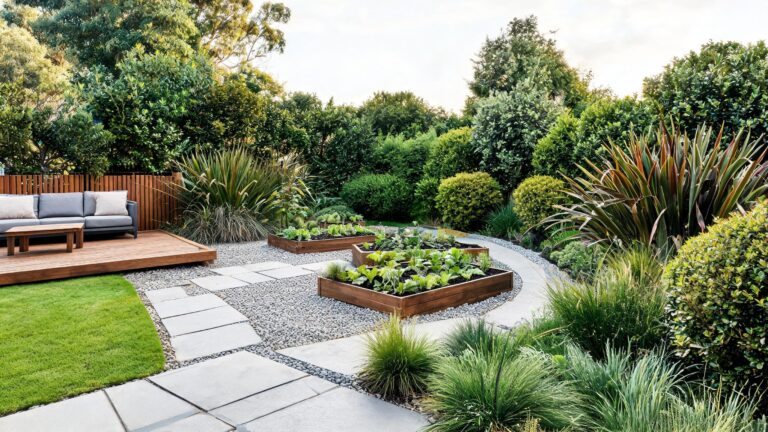
Peas adapt well to container growing for gardeners on balconies or in small urban plots common around Hamilton and Auckland. Choose a container at least 30–40cm deep with good drainage holes, fill with a quality vegetable mix, and select compact varieties like Earlicrop Massey or dwarf sugar snap types that need minimal staking. Water more frequently than in-ground plantings, as containers dry out faster, especially in warm Northland conditions.
Key Takeaways
Sow peas directly into the garden — they dislike transplanting and root disturbance.
Time your planting around your region’s frost dates, following this vegetable planting calendar as a general reference for spring and late-summer sowing windows.
Prepare free-draining, compost-enriched soil and avoid excess nitrogen fertiliser.
Support even dwarf varieties to reduce disease risk and improve airflow.
Pick pods often to encourage continuous production through the season.
Frequently Asked Questions
When is the best time to plant peas in New Zealand?
The best windows are late winter to spring (August–November) and late summer to early autumn (February–April) in milder regions. Avoid sowing through peak summer heat, as high temperatures reduce pod quality and can stop flowering altogether in warmer parts of the country.
Do peas need a trellis to grow well?
Climbing varieties like snow peas and tall sugar snaps definitely need a trellis, teepee, or netting. Even dwarf bush varieties like Earlicrop Massey benefit from light staking, since unsupported plants sprawl, pick up soil-borne disease, and become harder to harvest.
How do I stop my pea seeds rotting in the ground?
Pea seed rots easily in cold, waterlogged soil. Sow into free-draining, well-prepared beds, water once at sowing, then hold off for a day or two before watering again. On heavy clay soils, mound compost or use raised beds to improve drainage before sowing.
Can peas handle frost in Canterbury or Central Otago?
Established pea plants tolerate light frosts reasonably well, but young seedlings are vulnerable. In frost-prone inland areas, wait until soil temperatures climb above 7–10°C before sowing, or protect early seedlings with cloches until the frost risk passes.
Why are my pea pods small or the plants not producing?
This is often caused by excess nitrogen fertiliser (which promotes leafy growth over flowering), irregular watering during flowering, or sowing too late into hot summer conditions. Feed with a potassium-focused liquid fertiliser once flowers appear rather than a high-nitrogen product.
What’s the difference between snow peas and sugar snap peas?
Snow peas are harvested flat, before the peas inside swell, and are prized for their crisp, edible pods in stir-fries. Sugar snap peas are picked when the pod is plump and rounded, offering a sweeter, crunchier bite with the pod eaten whole.
Can I grow peas in pots on a balcony?
Yes — choose a container at least 30–40cm deep, use a quality vegetable potting mix, and pick compact varieties such as Earlicrop Massey or dwarf sugar snap peas. Water more often than garden-grown peas, since containers dry out faster.
Growing Peas: A Rewarding Start to Your Kiwi Garden
Learning how to grow peas is one of the most satisfying first steps into productive home gardening in New Zealand — the plants are forgiving, the harvest is quick, and the soil benefits linger long after the vines are gone. Whether you’re following this as a standalone spring gardening guide or slotting peas into a wider crop rotation plan, the fundamentals stay the same: good sun, free-draining soil, steady moisture, and a bit of support for the vines to climb. Get your bed prepped, choose a variety that suits your space, and get those seeds into the whenua — your future self will thank you when the first sweet pods are ready to pick.
We use cookies to improve your experience, analyze traffic, and display personalized ads.
By clicking "Accept", you consent to the use of cookies in accordance with our Privacy Policy.