How to Grow Cauliflower in New Zealand: A Complete Spring Gardening Guide
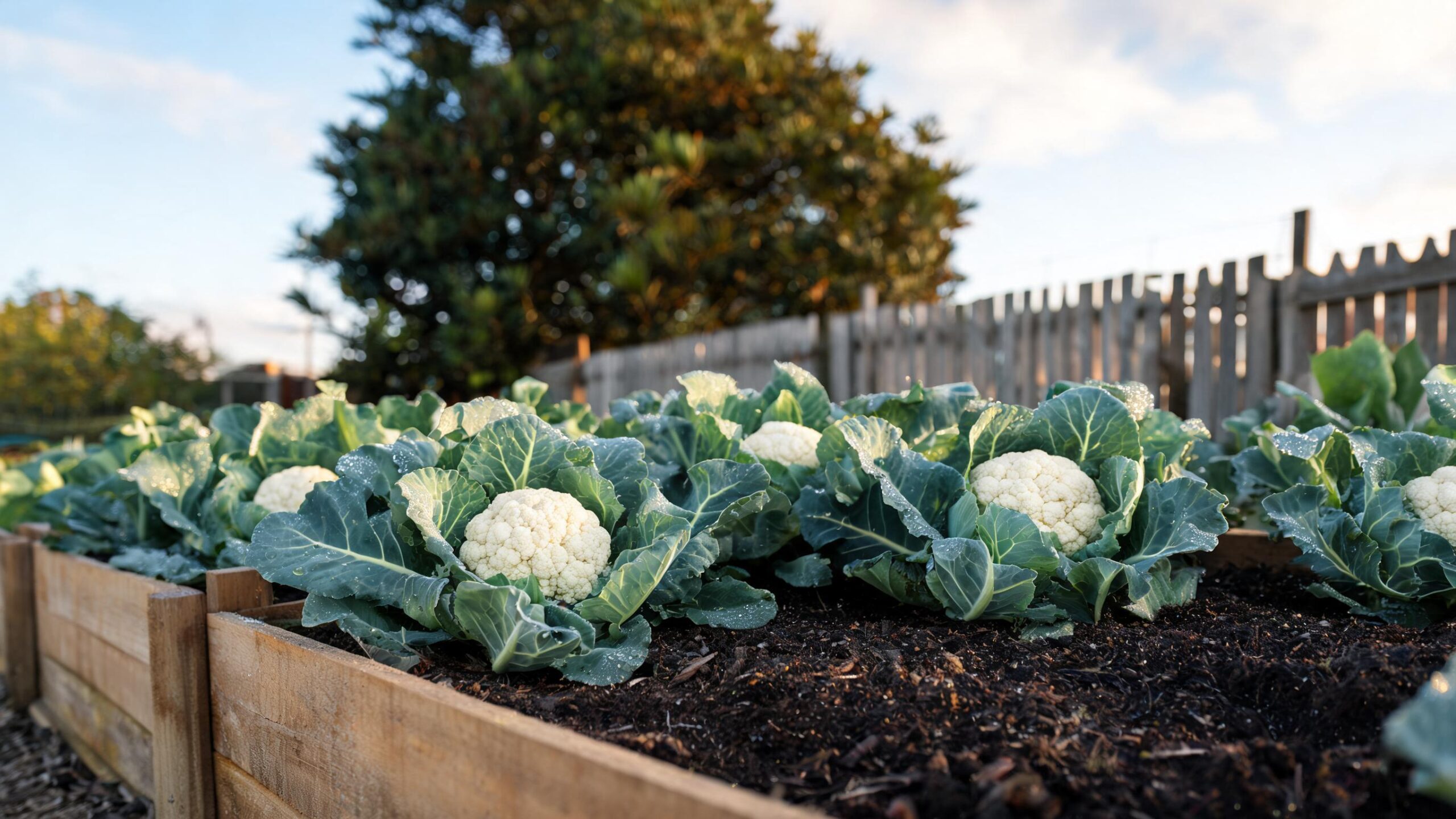
If you’ve ever bitten into a home-grown cauliflower head still warm from the whenua and wondered why it tastes nothing like the supermarket version, you’re not alone. Learning how to grow cauliflower successfully in Aotearoa comes down to timing, cool temperatures, and rich, moisture-retentive soil — and once you nail those three things, this brassica rewards you generously. Whether you’re following a spring gardening guide for the first time or you’re a seasoned grower topping up your rotation, cauliflower is one of the most satisfying crops in any New Zealand vegetable patch.
This guide walks you through everything from soil prep and sowing windows through to pest control, regional timing, and harvest — tailored specifically to New Zealand’s Southern Hemisphere seasons and microclimates, from subtropical Northland to frost-prone Central Otago.
Cauliflower thrives in New Zealand’s cool seasons — sow seed or plant seedlings in late winter to early spring (August–October) for a late spring to summer harvest, or in late summer to autumn (February–April) for a winter crop. It needs full sun, fertile free-draining soil enriched with compost and blood and bone, consistent moisture, and protection from hot, dry spells that cause the curd to “button” or bolt.
Best sown/planted: late winter–early spring or late summer–autumn, avoiding the height of summer heat
Soil: rich, well-drained loam with pH 6.0–7.0, heavily amended with compost and sheep pellets
Spacing: 50cm apart each way, in rows 50–70cm apart
Watering: deep and consistent — irregular watering causes small, misshapen or bitter heads
Main threats: white butterfly caterpillars, aphids, clubroot, and bolting in hot weather
Understanding Cauliflower and NZ Growing Conditions
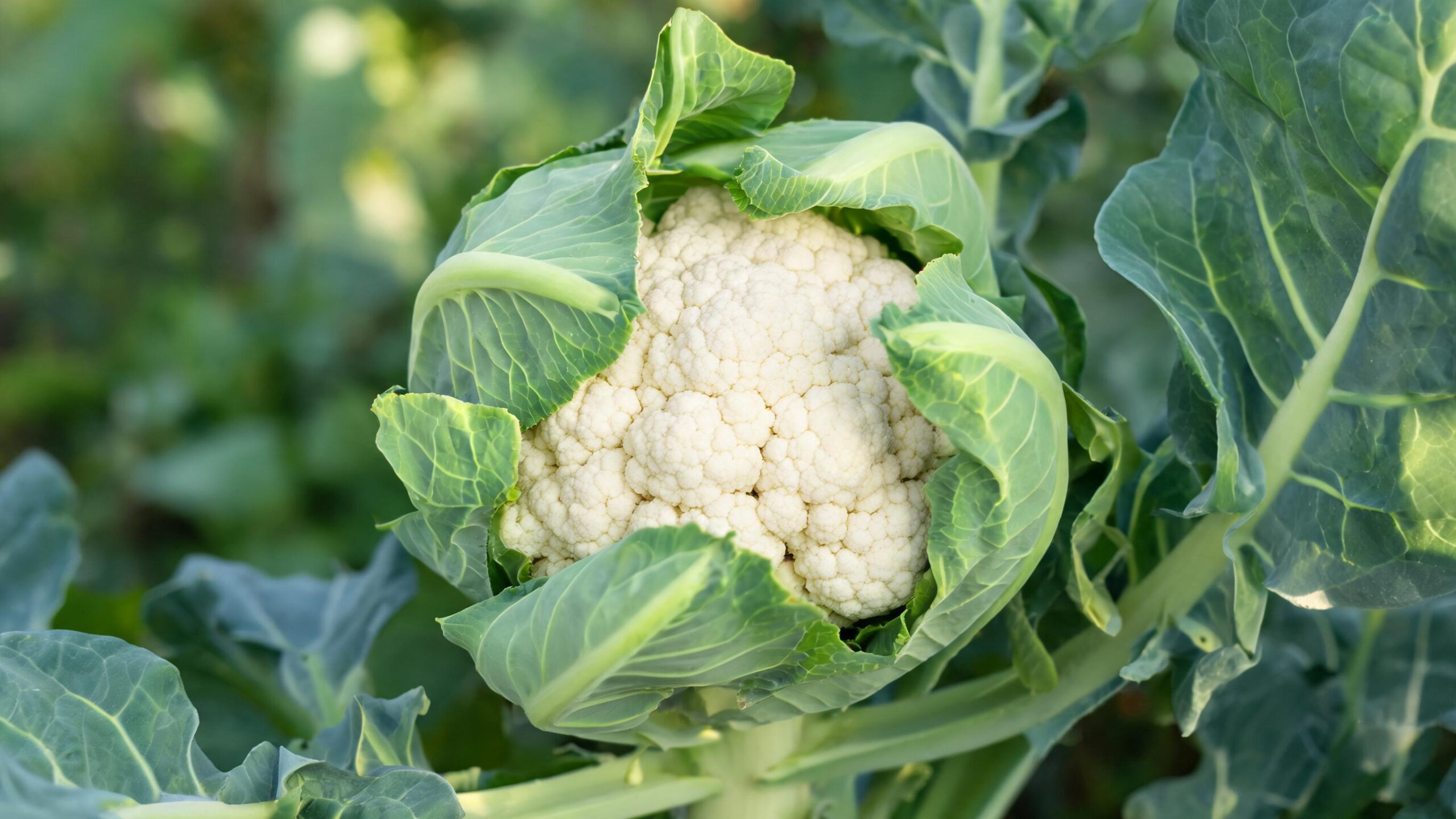
Cauliflower (Brassica oleracea var. botrytis) is a cool-season brassica grown for its dense, edible curd — the tight cluster of undeveloped flower buds we eat. In New Zealand, it grows as a cool-climate annual, meaning it performs best when daytime temperatures sit between roughly 10°C and 24°C. Push it into hot, dry summer conditions and the plant will bolt or produce small, loose, “ricey” heads instead of the firm white curd you’re after.
Unlike broccoli, which will happily throw up side shoots after the main head is cut, cauliflower is largely a one-shot crop — once you harvest the curd, the plant is finished. That makes timing and consistent care even more important if you want a reliable supply through Kiwi autumn and winter.
Why Timing Matters More Than Anything Else
Kiwi gardeners often notice that cauliflowers planted too late in spring “button” — forming tiny, premature heads — because a cold snap followed by a heat spike stresses the plant. Getting the sowing window right, using a proper vegetable planting calendar, is the single biggest factor separating a bumper cauliflower harvest from a disappointing one.
When to Plant Cauliflower: NZ Seasonal Timing
Following a Southern Hemisphere spring planting guide is essential here, because cauliflower’s growing calendar is the exact opposite of Northern Hemisphere advice you’ll find online. In New Zealand:
Spring (September–November): Sow seed in trays from late winter under cover, then transplant seedlings out from September once the worst frosts have passed, for a summer harvest before the hottest weather sets in.
Summer (December–February): Generally too hot for reliable curd formation in most regions — this is a resting period for cauliflower unless you’re in a cool, elevated microclimate.
Autumn (March–May): The classic main-season window. Sow or transplant from February through April for a crop that matures through the cooler autumn and winter months.
Winter (June–August): Established autumn-sown plants continue maturing; in mild northern regions, you can start trays under cover late winter ready for spring planting out.
Because sowing windows shift by region and by variety’s days-to-maturity, keeping a personal vegetable planting calendar pinned to your shed wall (or phone) makes a genuine difference to timing your successive sowings correctly.
Regional Variation Across New Zealand
Region
Climate Type
Best Planting Windows
Key Notes
Northland & Auckland
Subtropical, mild winters
Late summer–autumn (Feb–Apr) and late winter (Aug)
Avoid mid-summer heat; autumn crops thrive in mild winter warmth
Waikato & Bay of Plenty
Temperate, humid summers
March–April and September
Watch for slug and snail pressure in humid conditions
Wellington & lower North Island
Windy, temperate
March and September
Stake or shelter seedlings from strong, drying winds
Canterbury & Central Otago
Alpine, frost-prone
September–October (spring) after last frost
Autumn sowings risk winter frost damage to young curds; choose frost-hardy varieties
Otago & Southland coastal
Cool temperate
Early spring, avoiding deep winter frosts
Shorter growing season — choose fast-maturing varieties
Soil Preparation for Cauliflower Success
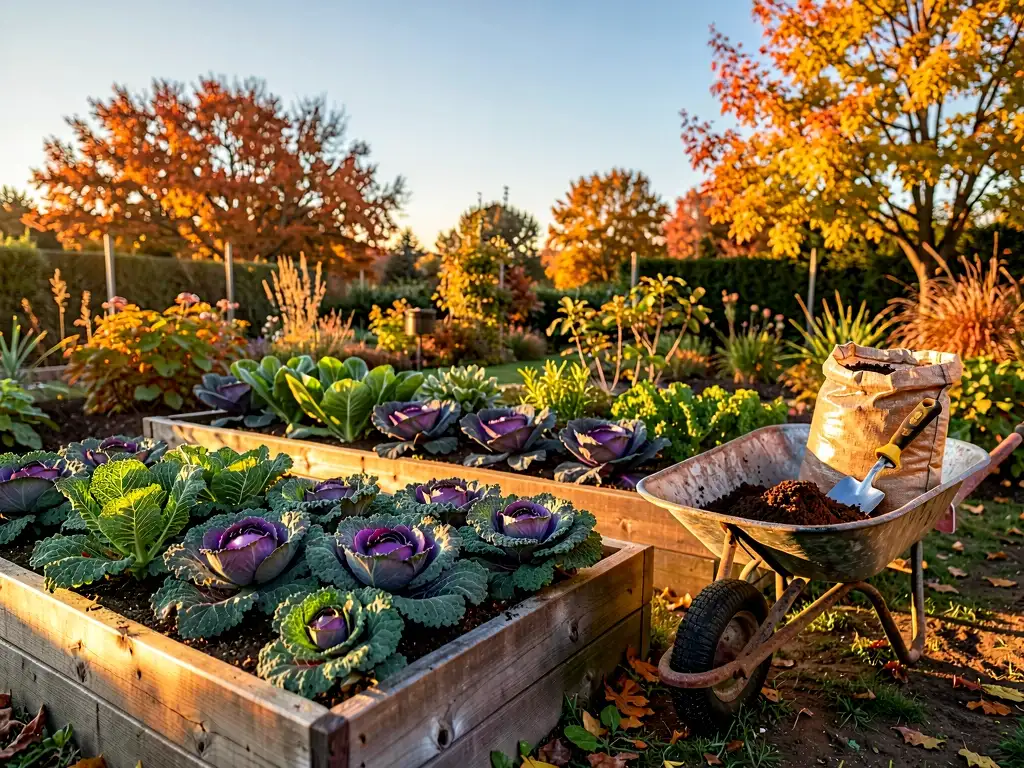
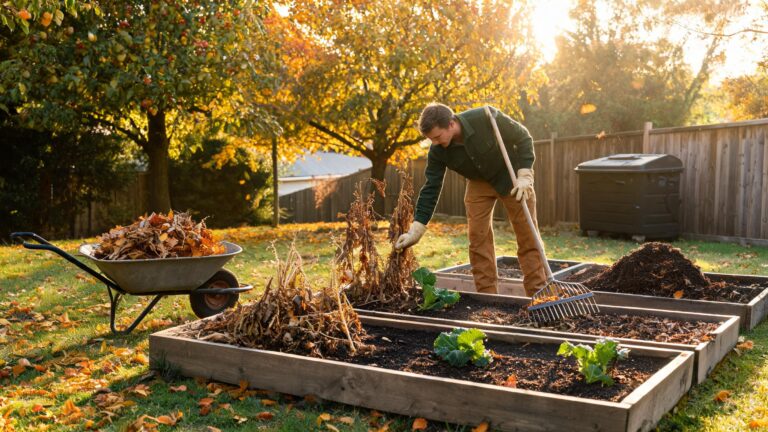
Cauliflower is a genuinely hungry feeder, and skimping on soil prep is the fastest route to small, loose or bitter heads. Get the bed ready at least two to three weeks before planting.
Soil Type and pH
Cauliflower prefers a fertile, moisture-retentive loam with a pH of 6.0–7.0. Heavy Waikato clay and volcanic Auckland clay soils both need generous organic matter dug in to improve drainage and structure, while free-draining sandy loam (common around coastal Canterbury and Hawke’s Bay) benefits from extra compost to hold moisture during dry spells.
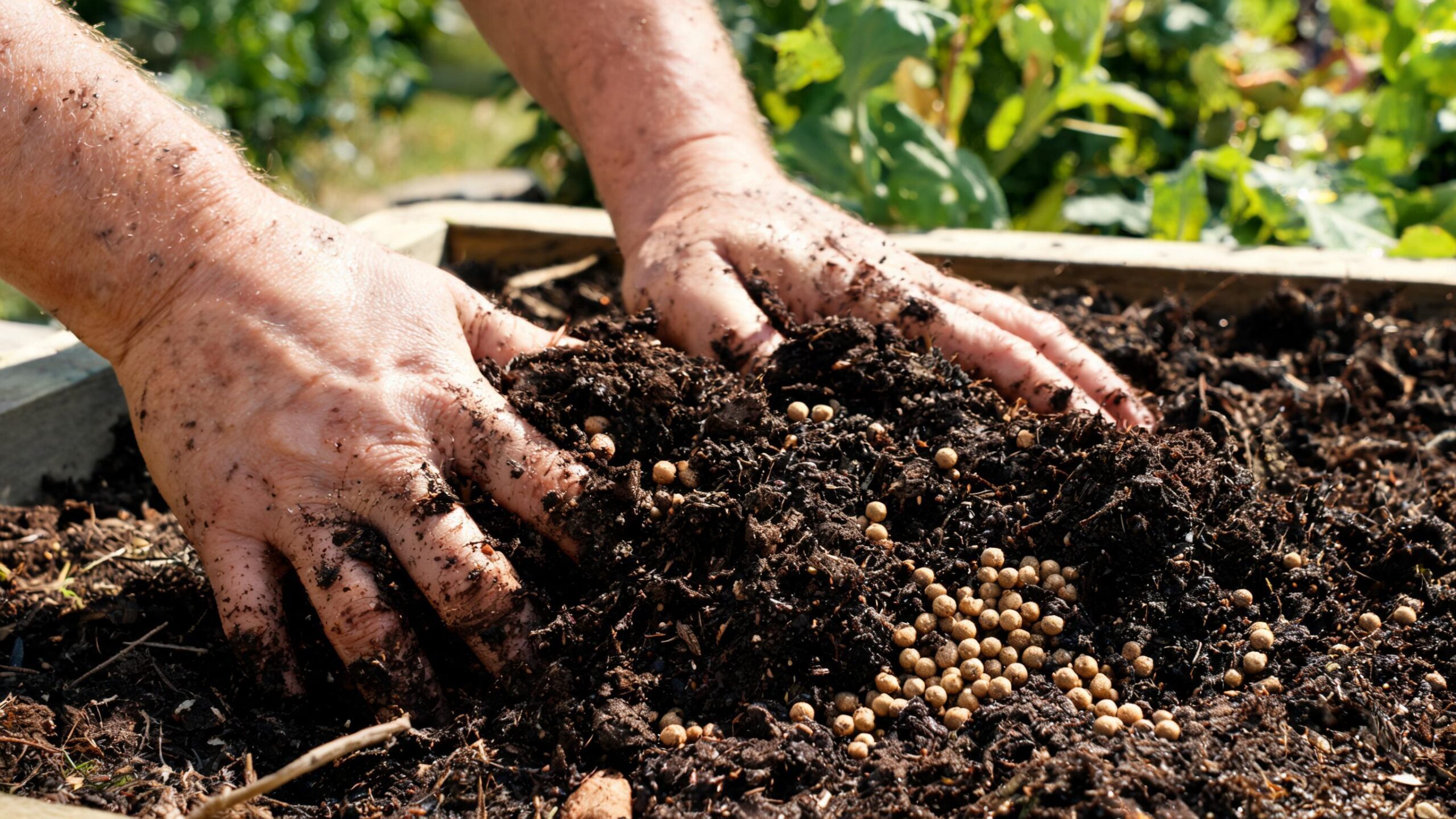
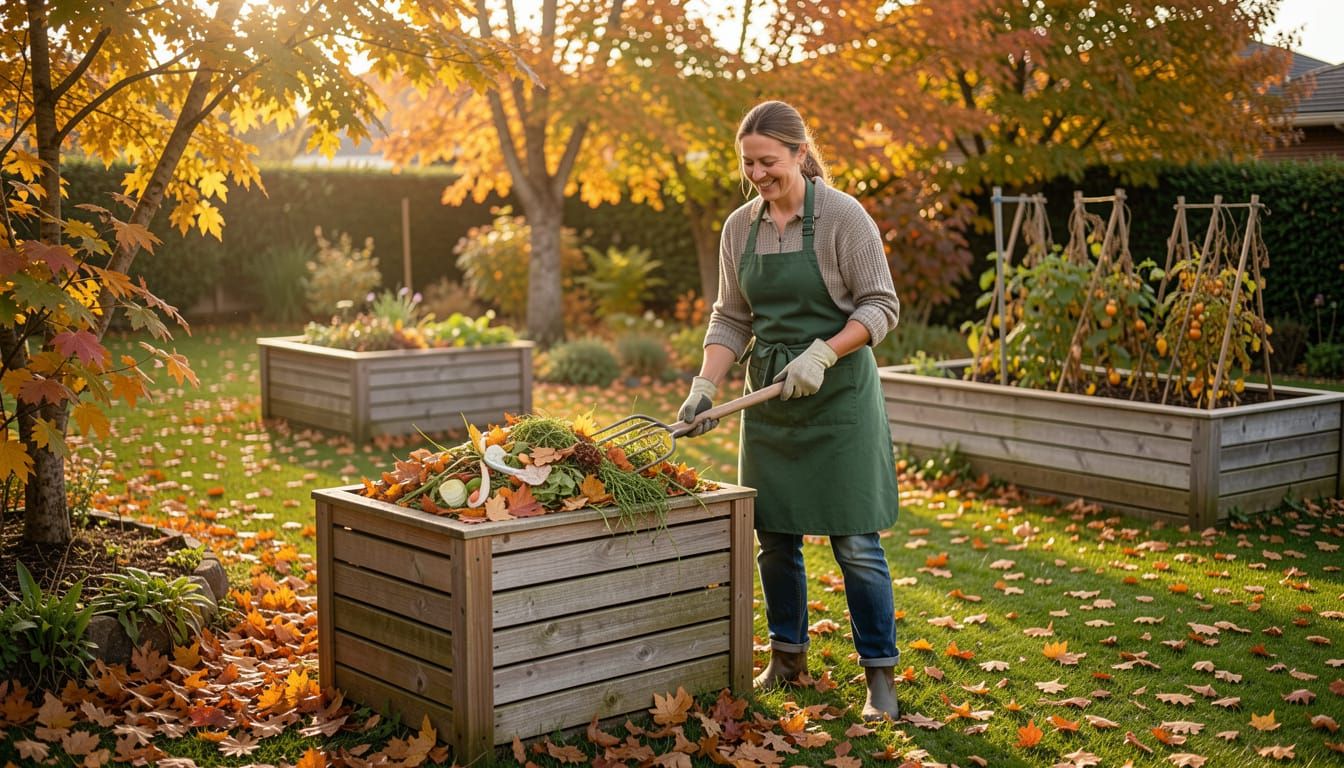
Dig in 2–3 buckets of well-rotted compost or aged sheep pellets per square metre.
Add a handful of blood and bone per plant, or a balanced organic fertiliser, worked into the topsoil.
Avoid planting where brassicas (cabbage, broccoli, kale, or cauliflower itself) have grown in the past two years — this crop rotation break helps prevent clubroot and other soil-borne brassica diseases, a point echoed by Yates’ New Zealand growing guidance.
If your soil sits below pH 6.0, add garden lime a few weeks ahead of planting to sweeten it and reduce clubroot risk.
Sowing and Transplanting Cauliflower
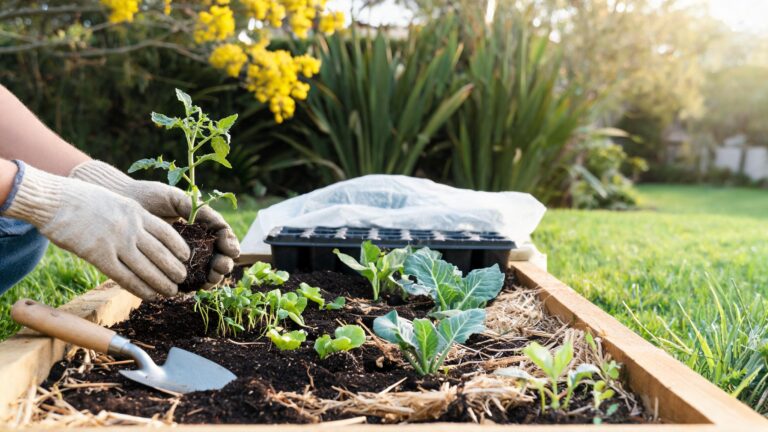
You can start cauliflower from seed in trays, direct-sow into the garden, or buy punnets of seedlings from your local garden centre — all three work well in New Zealand conditions.
Starting From Seed
Fill trays or root trainers with a quality seed-raising mix.
Sow seed roughly 6mm deep and cover lightly.
Keep consistently moist (never waterlogged) in a warm, bright spot — germination typically takes 10–14 days at 18–24°C.
Once seedlings reach 6–7cm and have their second set of true leaves, harden them off gradually before transplanting outdoors.
Transplanting and Spacing
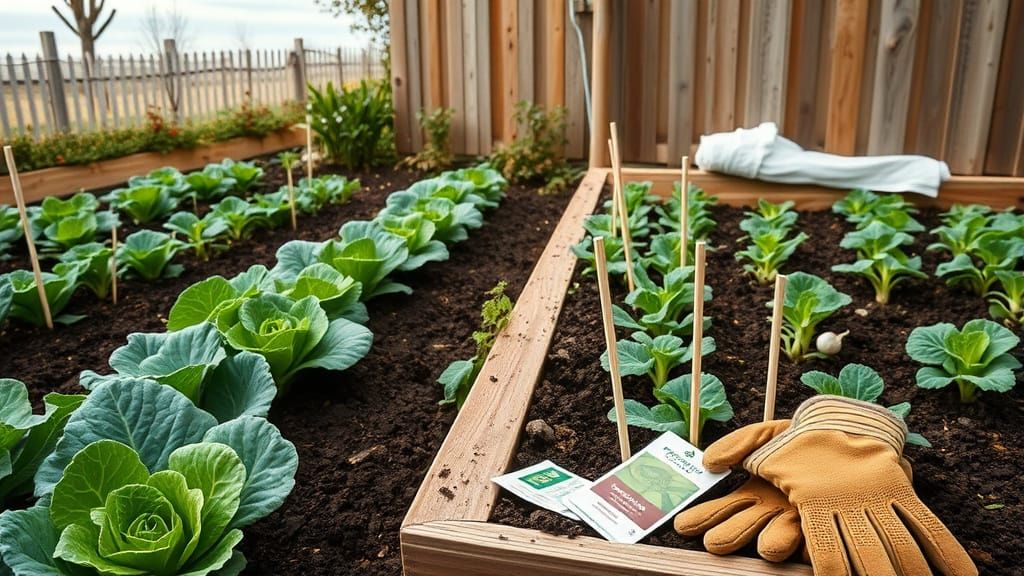
Choose an overcast day or plant in the early morning or evening to reduce transplant shock. Space plants 50cm apart in rows 50–70cm apart — cauliflower needs generous room to develop its full leaf canopy, which shields the developing curd. Water thoroughly before and after planting, and firm the soil gently around the base.
Ongoing Care: Watering, Feeding and Mulching
Consistency is everything with cauliflower. Irregular watering is one of the most common causes of small, misshapen, or bitter heads in home gardens.
Watering: Water deeply and regularly, aiming to keep soil evenly moist rather than alternating wet and dry. Increase frequency once curds begin forming.
Mulching: Apply a layer of pea straw or lucerne mulch around (not touching) the stem to conserve moisture and suppress weeds — especially valuable in free-draining sandy soils.
Feeding: Feed every 2–3 weeks with a liquid seaweed or fish-based fertiliser, or side-dress with sheep pellets, to support this heavy feeder through to curd formation.
Blanching: Once the curd starts to form, fold two or three outer leaves over the top and secure loosely with a peg or twine. This “blanching” step protects the head from sunburn and yellowing, keeping it beautifully white and tender.
Common Pests and Diseases in NZ Gardens
Cauliflower shares its brassica-family vulnerabilities with cabbage and broccoli, and New Zealand gardens have a distinct pest and disease profile to watch for.
White Butterfly Caterpillars
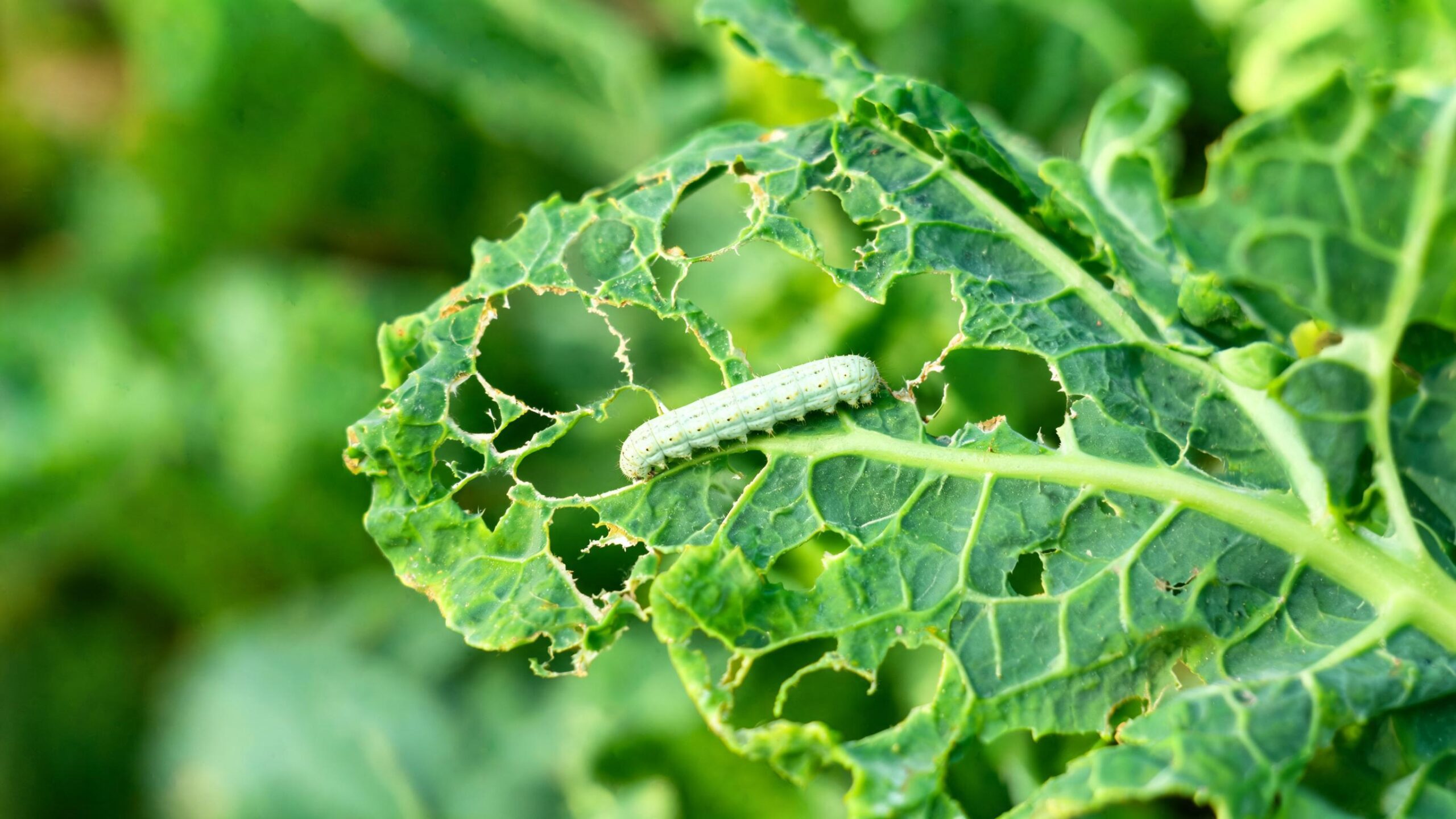
The most persistent cauliflower pest nationwide, white butterfly caterpillars chew ragged holes through leaves and can strip a seedling in days. Netting young plants with insect mesh from the moment they’re transplanted is the most reliable organic control, alongside handpicking eggs and caterpillars during regular inspections.
Aphids
Grey cabbage aphids cluster on the undersides of leaves and around the curd, particularly in humid Bay of Plenty and Waikato gardens. A firm blast of water or an insecticidal soap spray usually keeps numbers in check before they spread.
Clubroot
This soil-borne fungal disease causes stunted, wilting plants with swollen, distorted roots, and can persist in soil for years. It’s more common in acidic, poorly drained soils, which is why crop rotation and liming are so important as preventative measures rather than cures.
Slugs and Snails
Young seedlings are especially vulnerable in damp Auckland and Waikato gardens after rain. Beer traps, crushed eggshell barriers, or an iron-based slug bait around new transplants help protect tender growth.
Harvesting Cauliflower
Cauliflower is ready to harvest once the curd is firm, tightly packed, and has reached a good size for the variety — usually somewhere between 15 and 20cm across, though this varies. Don’t wait too long: curds left in the garden past their prime turn loose, grainy, and can develop a bitter flavour as they start to flower.
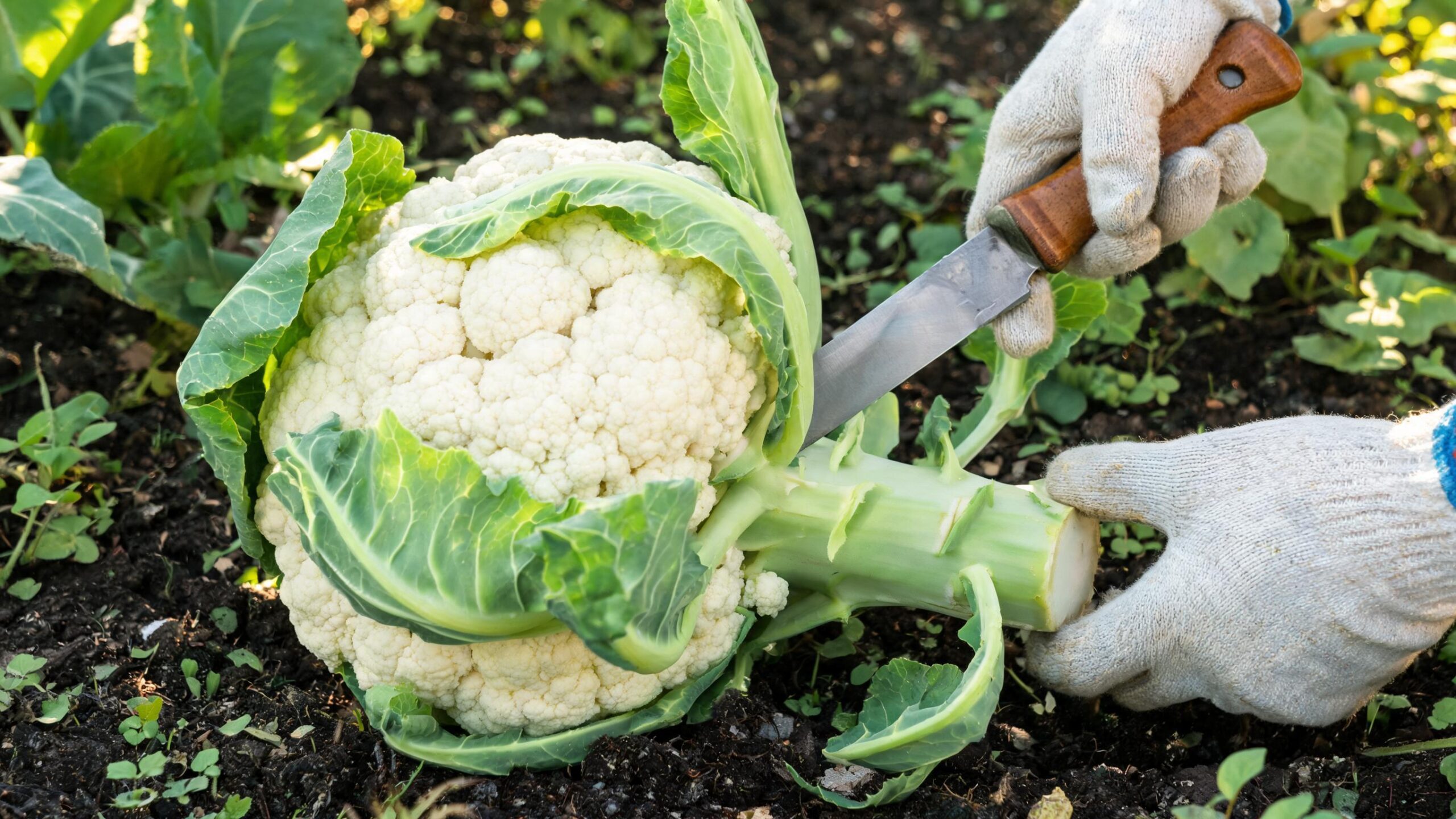
Cut the head with a sharp knife, leaving a few wrapper leaves attached for protection, then compost the rest of the plant since cauliflower won’t regrow a second head. Store unwashed heads in the fridge, where they’ll keep well for around a week.
Growing Cauliflower in Containers
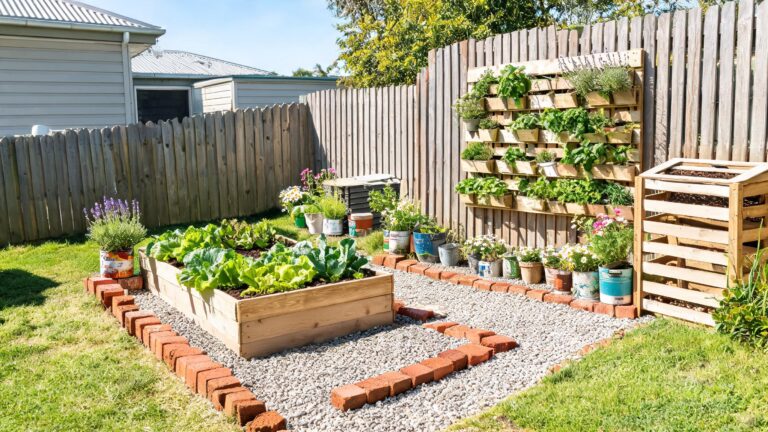
Space-poor gardeners and balcony growers can still succeed with cauliflower, provided the container is generous. Choose a pot at least 30–40cm deep and 40cm wide, filled with a rich potting mix, and position it somewhere sheltered that gets around six hours of full sun. Container-grown cauliflower dries out faster than garden beds, so daily watering checks during warm weather are essential.
Key Takeaways for Kiwi Gardeners
Cauliflower needs cool temperatures (10–24°C) — plant in spring or autumn, never the height of summer.
Rich, well-drained, compost-enriched soil with a neutral pH gives the best curd development.
Consistent watering prevents small, bitter, or misshapen heads.
Blanch curds by folding leaves over them to keep them white and protected from sun.
Net young plants against white butterfly caterpillars from day one.
Rotate brassica crops every two years to reduce clubroot risk.
FAQs
When is the best time to plant cauliflower in New Zealand?
The two main windows are late winter to early spring (August–September) for a summer harvest, and late summer to autumn (February–April) for a winter harvest. Avoid planting through the peak heat of December and January, since hot, dry conditions cause poor curd formation and bolting in most regions.
Why is my cauliflower not forming a proper head?
This is usually caused by heat stress, inconsistent watering, or nutrient deficiency. A sudden temperature swing, especially a cold spell followed by heat, can trigger premature “buttoning,” where tiny undersized heads form too early. Keeping soil consistently moist and feeding regularly through the growing season largely prevents this.
How do I protect cauliflower from frost in Canterbury or Otago?
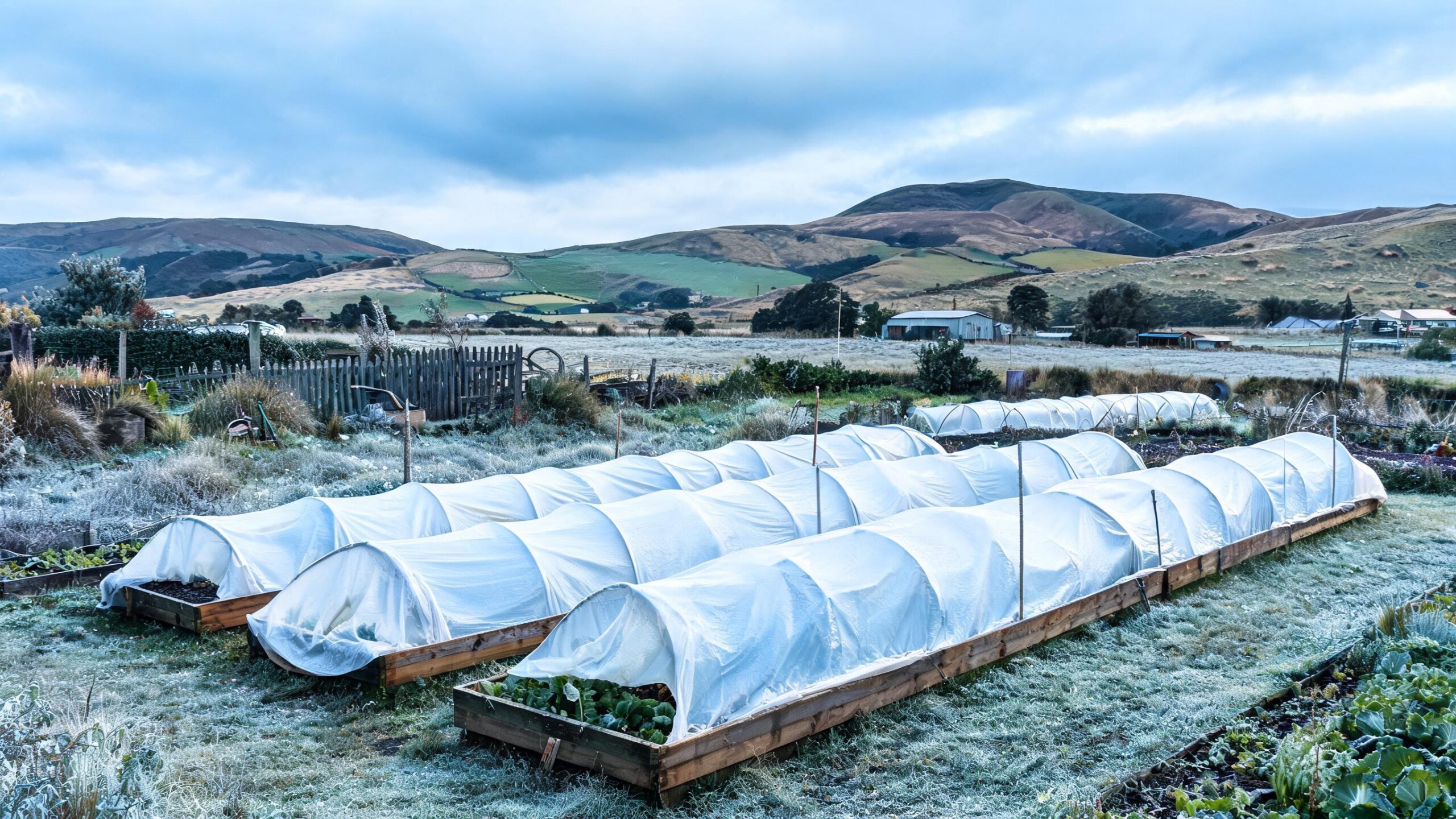
Use frost cloth or cloches over young seedlings on cold nights, and mulch around the base to insulate roots. Established plants tolerate light frost reasonably well, but severe frost can damage forming curds, so time autumn sowings to mature before the coldest part of winter in frost-prone inland areas.
What causes yellow or discoloured cauliflower heads?
Sun exposure is the most common cause — the curd yellows and can develop a bitter taste without protection. Fold two or three outer leaves over the developing head and secure them loosely once the curd starts to form, a simple blanching technique that keeps it white.
Can I grow cauliflower in clay soil common in Waikato and Auckland?
Yes, but heavy volcanic or clay soils need significant improvement first. Dig in generous compost, sheep pellets, and coarse organic matter to improve drainage and aeration, since cauliflower dislikes waterlogged roots even though it needs consistent moisture.
How far apart should cauliflower plants be spaced?
Space plants around 50cm apart in each direction, with rows 50–70cm apart. Crowded plants compete for nutrients and light, which typically results in smaller, underdeveloped curds and increased disease pressure from poor air circulation.
What’s the difference between growing cauliflower and broccoli in NZ gardens?
Both are brassicas with similar soil, spacing, and pest needs, but cauliflower is generally fussier about temperature consistency and produces one main head per plant, whereas broccoli often regrows smaller side shoots after the main head is harvested, giving a longer picking season.
Do I need to net cauliflower plants?
Yes — insect mesh or fine netting from the day of transplanting is the most effective way to stop white butterfly caterpillars, which can otherwise skeletonise young cauliflower leaves within days, particularly during warmer months in northern regions.
Growing Cauliflower Successfully in Your NZ Garden
Mastering how to grow cauliflower in New Zealand really comes down to respecting its love of cool, consistent conditions and feeding it generously through a long growing season. Follow a solid spring gardening guide for your region, keep a vegetable planting calendar handy for successive sowings, and stay ahead of white butterfly and clubroot pressure, and you’ll be rewarded with dense, snowy-white curds worth the wait. Get your soil right, time your planting to your local microclimate, and give your whenua the care it deserves — your next cauliflower harvest will taste all the better for it.
We use cookies to improve your experience, analyze traffic, and display personalized ads.
By clicking "Accept", you consent to the use of cookies in accordance with our Privacy Policy.