How to Grow Silverbeet in New Zealand: A Complete Kiwi Growing Guide
If there’s one leafy green that earns its keep in nearly every Kiwi backyard, it’s silverbeet. Learning how to grow silverbeet successfully means understanding a few simple truths about our soils, our seasons, and our climate — from the frost-prone paddocks of Central Otago to the humid, near-tropical gardens of Northland. This vegetable, sometimes called Swiss chard overseas, is one of the most forgiving crops you can plant, and once established it will feed your whānau for months on end with minimal fuss.
This guide forms part of our broader spring gardening guide series for New Zealand growers, and it doubles as an essential entry in any spring vegetable planting guide because spring is, hands down, the best window to get silverbeet away for a long, productive season. Whether you’re working a raised bed in Hamilton clay, a sandy Bay of Plenty plot, or a container on an Auckland balcony, this article covers everything from soil prep to pest control, region by region.
Silverbeet (Beta vulgaris subsp. cicla) is a hardy, cut-and-come-again leafy green that grows almost year-round across most of New Zealand, though it performs best when sown or planted from early spring (September) through to autumn. It thrives in full sun to part shade, in fertile, well-drained soil enriched with compost and sheep pellets, and rewards regular watering and feeding with a continuous harvest for 6–12 months from a single planting.
Best planting window: Early spring (September–November) for the biggest, most reliable crop, with a second sowing in autumn.
Soil needs: Fertile, moisture-retentive, well-drained soil with a pH of 6.0–7.0.
Sun requirements: Full sun in cooler regions; part shade acceptable in warmer, subtropical Northland gardens over summer.
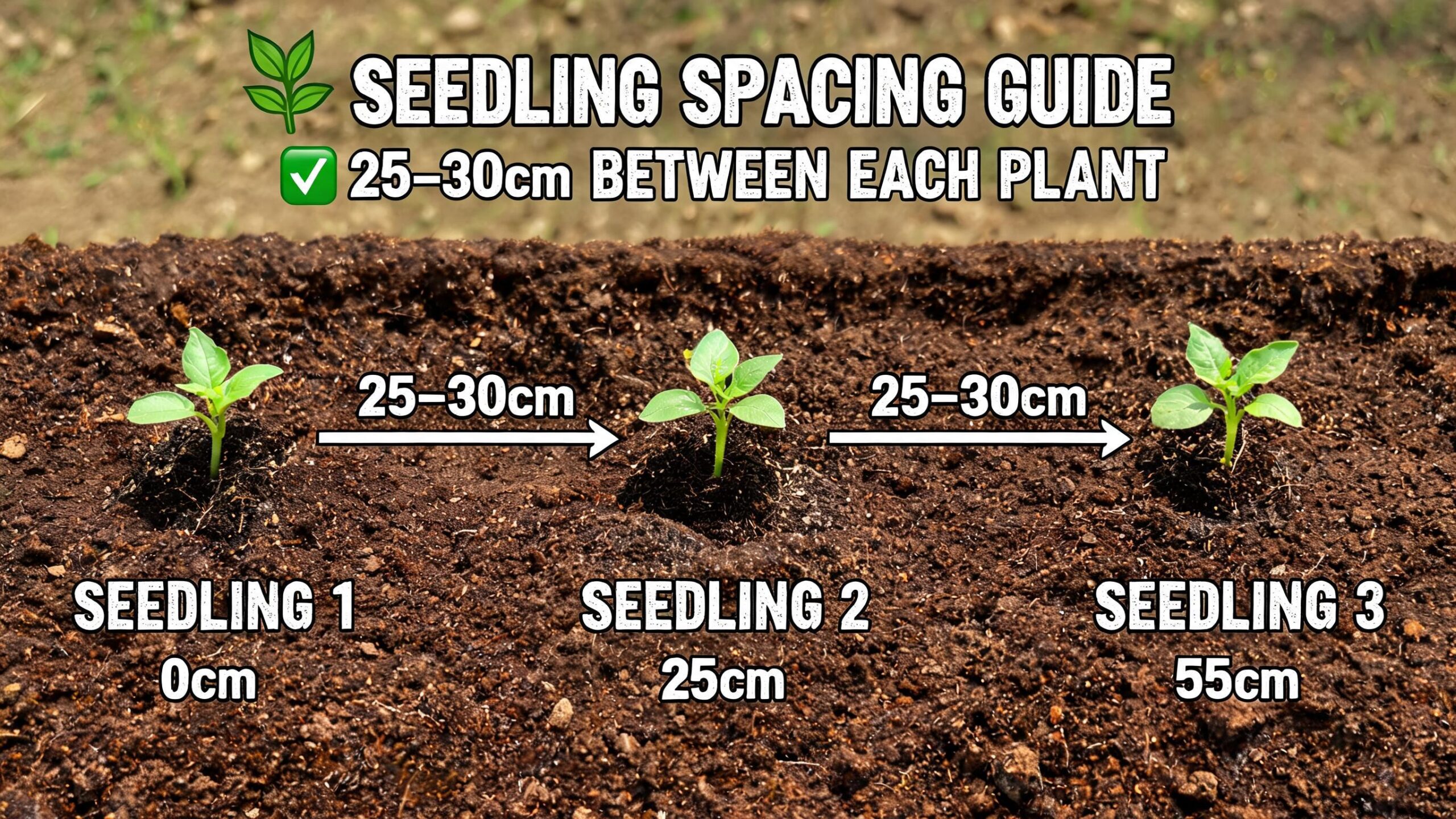
Spacing: 25–30cm between plants, rows 40–60cm apart.
Harvest window: Ready to pick outer leaves from 8–10 weeks after sowing, with harvesting continuing for many months.
Why Silverbeet Deserves a Spot in Your Spring Vegetable Planting Guide
Silverbeet is often overlooked in favour of showier crops like tomatoes or courgettes, but for reliability and yield-per-square-metre, it’s hard to beat. It’s a relative of beetroot and shares that same deep taproot system and mineral-rich foliage, making it a nutritional powerhouse packed with iron, vitamin K, and antioxidants.
For anyone building out a spring vegetable planting guide for their own whenua, silverbeet earns its place because it bridges seasons. Sown in September or October, it will crop right through summer and often into the following winter if you keep picking the outer leaves and stop it from bolting. Few other vegetables give this kind of extended return from a single planting.
Silverbeet vs Spinach: What’s the Difference?
Kiwi gardeners frequently confuse silverbeet with spinach, but they behave quite differently in the garden. True spinach (Spinacea oleracea) is a cool-season annual that bolts to seed rapidly in warm weather and has a short cropping life of just a few weeks. Silverbeet, by contrast, is biennial, far more heat-tolerant, and will happily produce leaves for the better part of a year, which is why it’s the far more practical choice for New Zealand’s variable climate.
When to Plant Silverbeet in New Zealand
Timing is everything with silverbeet, and this is where understanding New Zealand’s Southern Hemisphere calendar really pays off. Unlike Northern Hemisphere guides that suggest planting in spring around April or May, New Zealand’s planting spring runs from September through November, with autumn (March–May) as a secondary window.
Region
Recommended Planting Months
Notes
Northland & Auckland (subtropical)
Almost year-round, with a lull in the hottest weeks of January–February
Provide part shade and extra mulch over summer to prevent leaves scorching and plants bolting
Waikato & Bay of Plenty (temperate)
September–November and again February–April
Ideal for two solid crops per year; watch for humidity-related fungal issues in late summer
Wellington & Manawatū
September–October, and February–March
Wind protection recommended for young seedlings
Canterbury & Central Otago (alpine, frost-prone)
October–November, after the last frost
Use cloches for early spring sowings; avoid winter plantings without frost protection
Nelson, Tasman & Marlborough
September–April
Long, mild growing season allows for successive sowings every 6–8 weeks
As part of our seasonal spring gardening guide content, we always recommend home gardeners sow their first silverbeet seed or seedling batch as soon as soil temperatures sit reliably above 10°C, which for most of the North Island is early to mid-September, and closer to late September or October for cooler South Island districts.
Choosing the Right Variety for Your Garden
New Zealand seed and plant retailers stock several excellent silverbeet varieties, each suited to slightly different growing conditions and kitchen uses.
Fordhook Giant: The classic white-stemmed silverbeet, extremely vigorous and reliable, ideal for beginners and bulk harvesting.
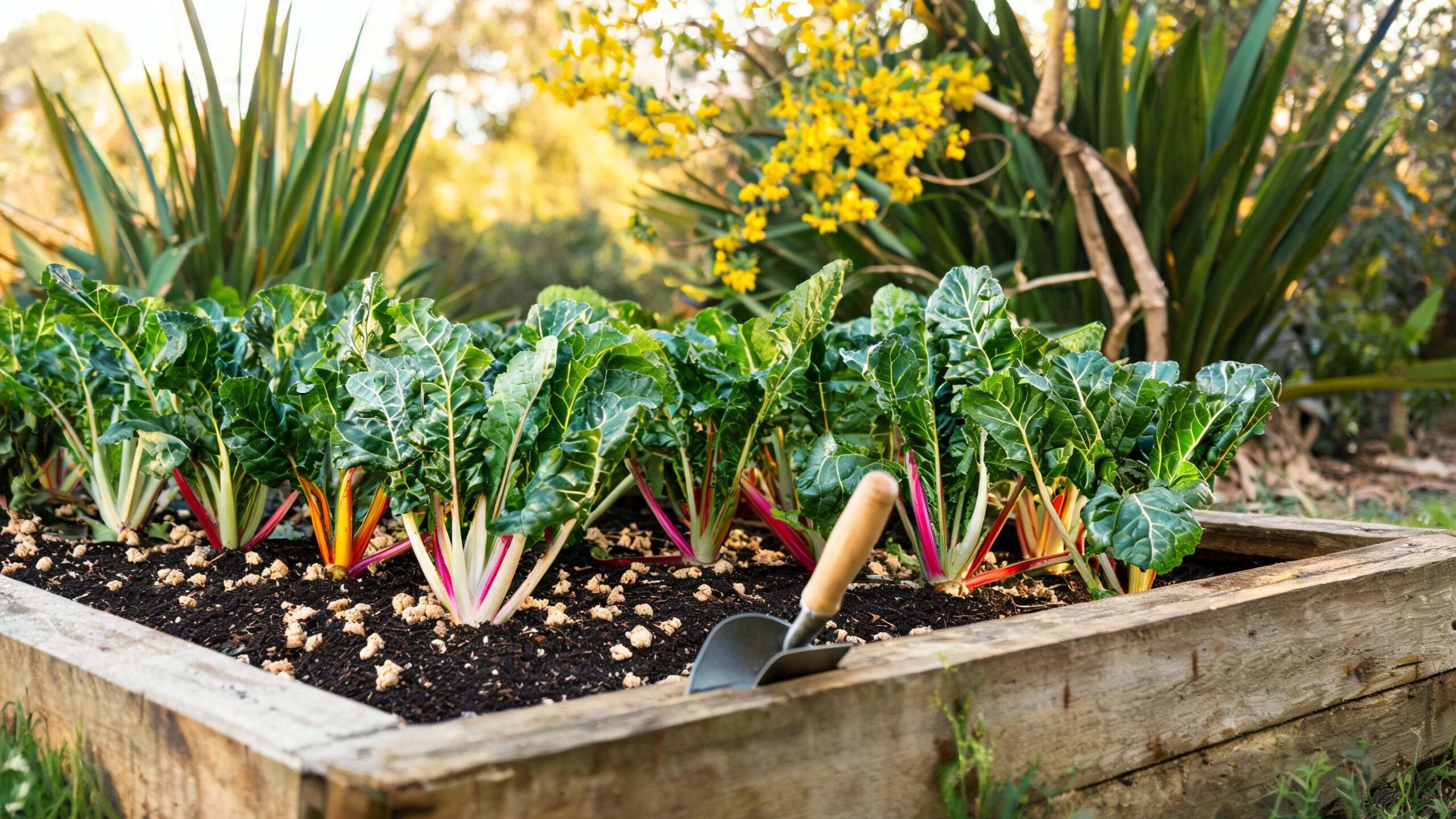
Rainbow Chard / Bright Lights: A colourful mix of red, yellow, orange, and pink stems, ornamental enough for a flower border while still being fully edible.
Ruby Chard: Deep red stems and veins with dark green leaves, popular for both looks and flavour.
Perpetual Spinach (Leaf Beet): A milder-flavoured, smaller-leafed type that behaves more like spinach but with silverbeet’s resilience.
Preparing Your Soil: Getting the Whenua Right
Silverbeet is genuinely one of the least fussy vegetables when it comes to soil type, but a bit of preparation dramatically improves yield and leaf quality. This crop is a heavy feeder, so building fertility into the whenua before planting is worth the extra ten minutes with a fork.
Soil Type by Region
New Zealand’s soil types vary enormously by region, and each benefits from slightly different amendments:
Volcanic clay (Waikato, Taranaki, Bay of Plenty): Naturally fertile but can compact and hold too much moisture in winter. Dig in compost and coarse sand or pumice to improve drainage.
Sandy loam (Hawke’s Bay, Canterbury Plains): Drains fast but loses nutrients quickly. Add well-rotted compost and sheep pellets to boost water and nutrient retention.
Peat soils (parts of Waikato, Hauraki Plains): Acidic and can be low in trace elements; lime lightly if pH drops below 6.0 and supplement with blood and bone.
Heavy clay (parts of Auckland, Wellington): Needs generous organic matter and raised beds to prevent waterlogging around the taproot.
Step-by-Step Bed Preparation
Clear the bed of weeds and previous crop debris.
Fork over the soil to a depth of at least 30cm, as silverbeet’s roots can extend surprisingly deep.
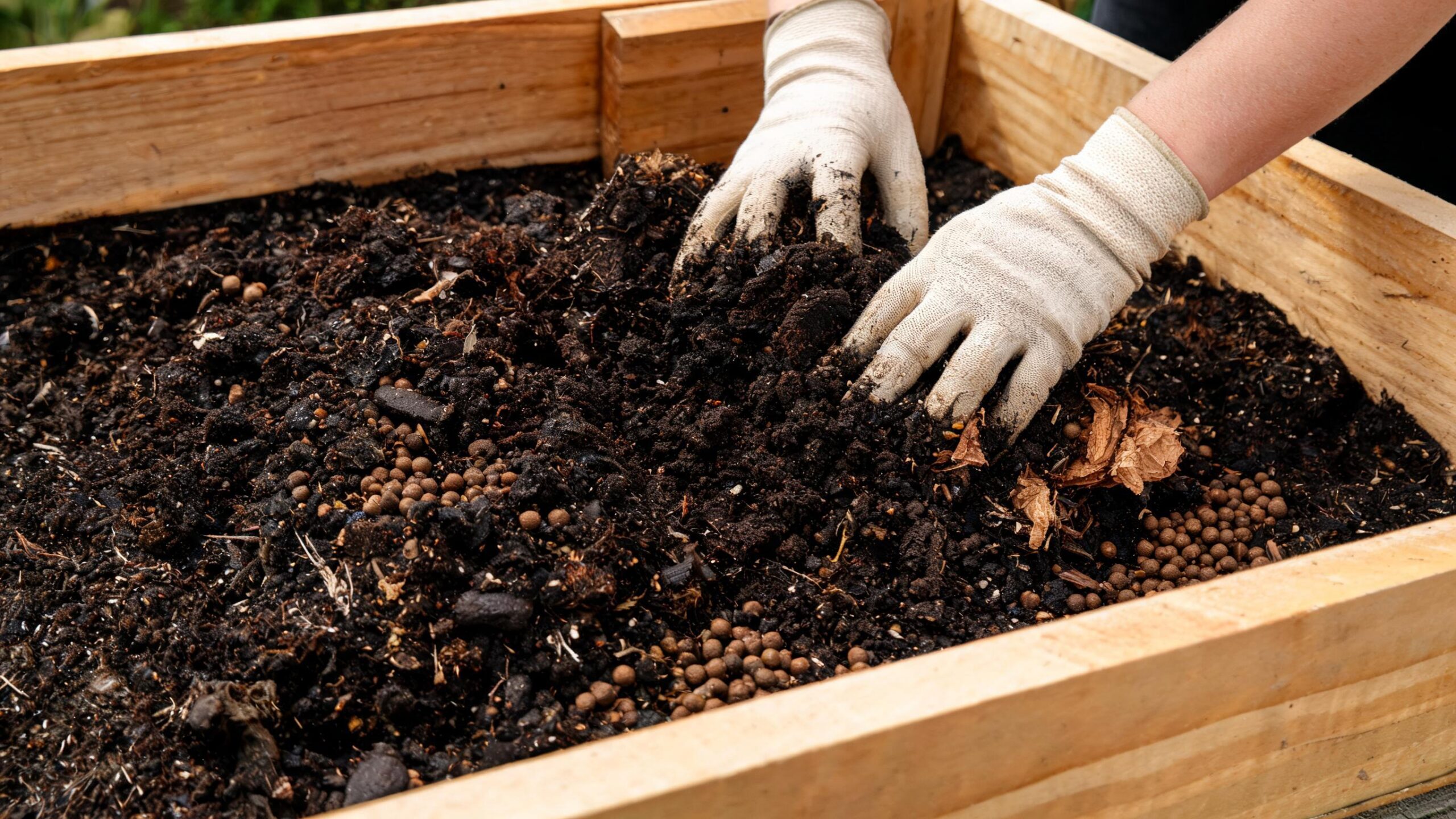
Dig in 3–5cm of well-rotted compost or Daltons Compost across the bed.
Mix in a handful of sheep pellets or blood and bone per square metre to build slow-release fertility.
Check soil pH; aim for 6.0–7.0. Add garden lime if your soil is notably acidic (common on peat and volcanic soils).
Rake the surface level and water the bed thoroughly a day or two before planting.
How to Sow and Plant Silverbeet
You can grow silverbeet either by direct sowing seed or by transplanting seedlings, and both methods work well in New Zealand conditions.
Sowing Seed Directly
Soak seeds in water for a few hours before sowing to soften the corky seed coat and speed germination.
Keep the seedbed evenly moist; germination typically takes 14–21 days depending on soil temperature.
Thin seedlings once they reach 6–8cm high, leaving the strongest plant every 25–30cm. Use the thinnings as tender salad greens rather than wasting them.
Planting Seedlings
Choose punnets with healthy, unstressed seedlings free of yellowing leaves.
Water seedlings well before transplanting and let them drain.
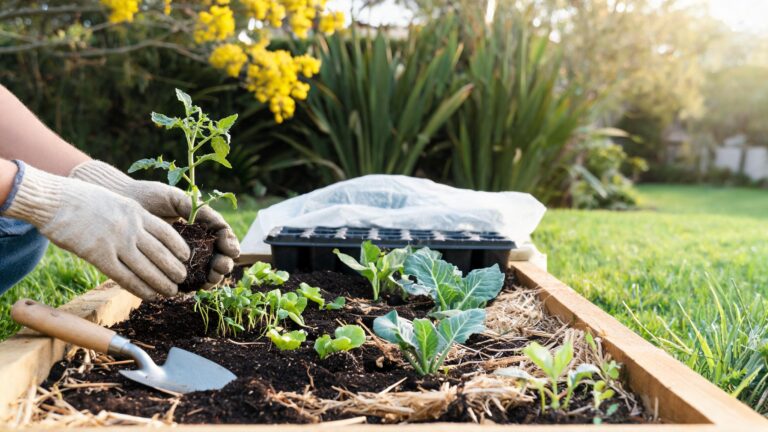
Dig a hole roughly twice the width of the root ball and backfill with vegetable mix or compost-enriched soil.
Space plants 25–30cm apart to allow airflow and full leaf development.
Firm the soil gently and water in thoroughly.
Transplant in the early morning or late afternoon to reduce transplant shock from hot midday sun.
Watering, Feeding and Mulching
Because silverbeet leaves are largely water by weight, consistent moisture is the single biggest factor separating lush, tender leaves from tough, bitter ones.
Watering: Water every 2–3 days in normal conditions, and daily during hot, dry spells, particularly in Hawke’s Bay, Canterbury, and Northland summers. Water at the base to avoid wetting foliage and encouraging fungal disease.
Feeding: Silverbeet is a hungry crop. Apply a monthly side-dressing of sheep pellets or blood and bone, and supplement fortnightly with a liquid seaweed or fish-based feed such as Yates Thrive Natural Fish Seaweed+ or Aquaticus Garden Booster to keep leaves dark, glossy, and productive.
Mulching: Apply a 5cm layer of pea straw, sugar cane mulch, or bark around (not touching) the base of plants. This locks in moisture, suppresses weeds, and keeps roots cool during summer heat.
Growing Silverbeet in Containers
Silverbeet adapts brilliantly to container gardening, making it ideal for townhouse gardens, balconies, and smaller urban sections common around Hamilton and Auckland.
Use a container at least 30cm deep and wide, as roots need room to develop.
Fill with a quality potting mix enriched with compost, such as Daltons or Living Earth vegetable mixes.
Space plants slightly closer than in-ground (around 20cm apart) since the shading effect helps keep soil cooler.
Feed container-grown silverbeet more frequently, as nutrients leach out faster with regular watering.
A large pot can comfortably hold 8–12 plants, giving a surprisingly generous harvest from a small footprint.
Common Pests and Diseases in NZ Gardens
Silverbeet is relatively trouble-free compared to brassicas, but Kiwi gardeners should still keep an eye out for a handful of common culprits.
Pests
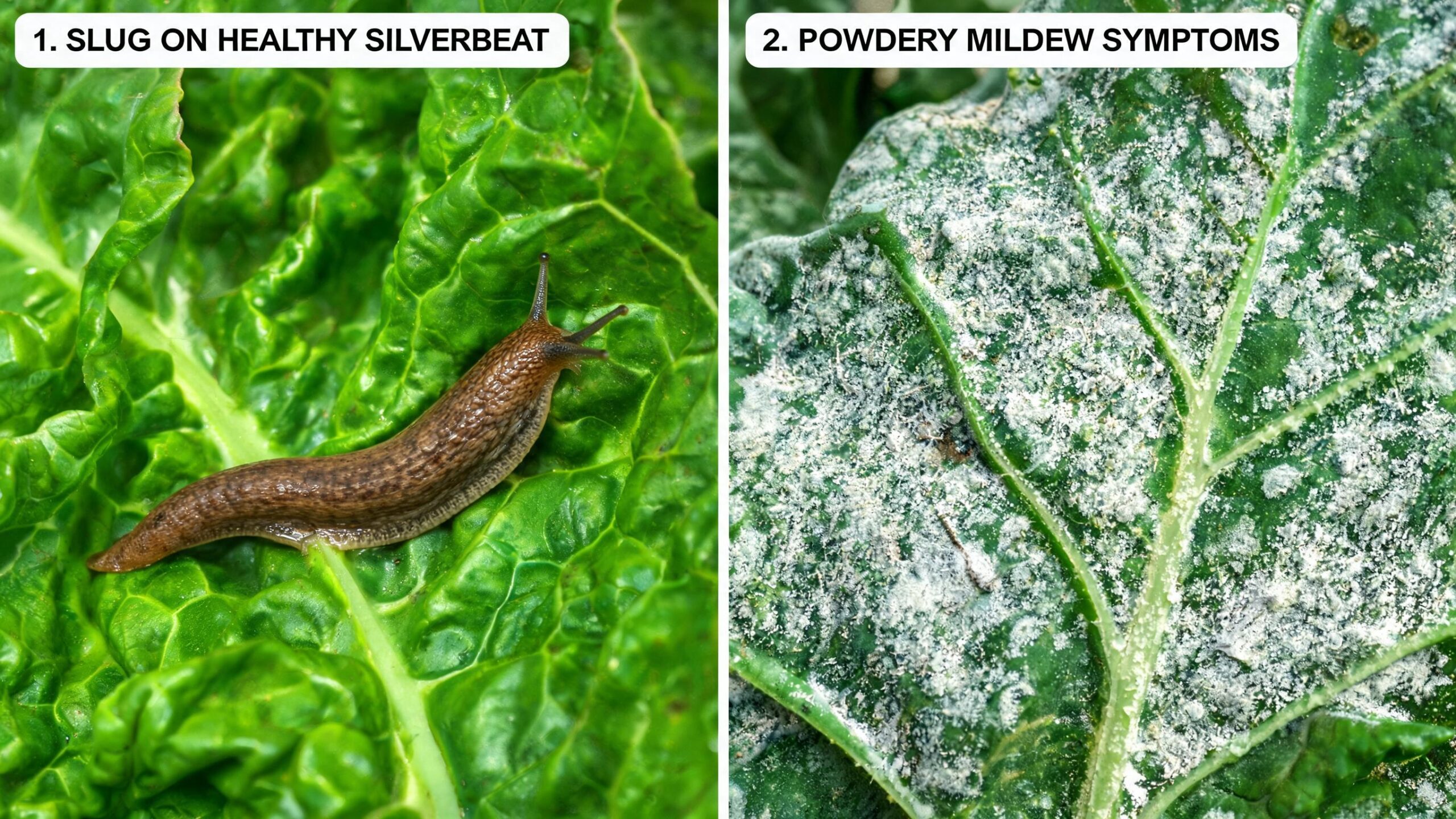
Snails and slugs: The most common problem nationwide, leaving ragged holes and silvery slime trails, especially on young seedlings. Use iron-based baits like Quash, or scatter crushed eggshells or wood ash around the base of plants.
Aphids: Small sap-sucking insects that cluster on new growth, particularly in warmer months. Spray with an organic insecticidal soap or encourage ladybirds and hoverflies as natural predators.
White butterfly caterpillars: While they prefer brassicas, they’ll occasionally nibble silverbeet leaves. Cover young plants with insect mesh if pressure is high in your area.
Birds: Sparrows and blackbirds can shred young seedlings. Netting is a simple, effective deterrent.
Diseases
Powdery mildew: Appears as a greyish-white coating on leaves, favoured by hot, humid weather and common in beet crops throughout New Zealand, as noted by Bayer Crop Science’s New Zealand disease guide. Improve airflow through wider spacing and avoid overhead watering.
Leaf spot: Shows as small brown or reddish spots on foliage. Remove affected leaves promptly and avoid working around wet plants to limit spread.
Downy mildew: More common in cooler, damp regions like Southland and inland Otago; improve drainage and spacing to reduce humidity around the plant.
Kiwi gardeners often notice that a well-mulched, well-fed silverbeet plant shrugs off most minor pest damage without intervention — healthy soil biology genuinely is the best defence.
Harvesting Silverbeet the Right Way
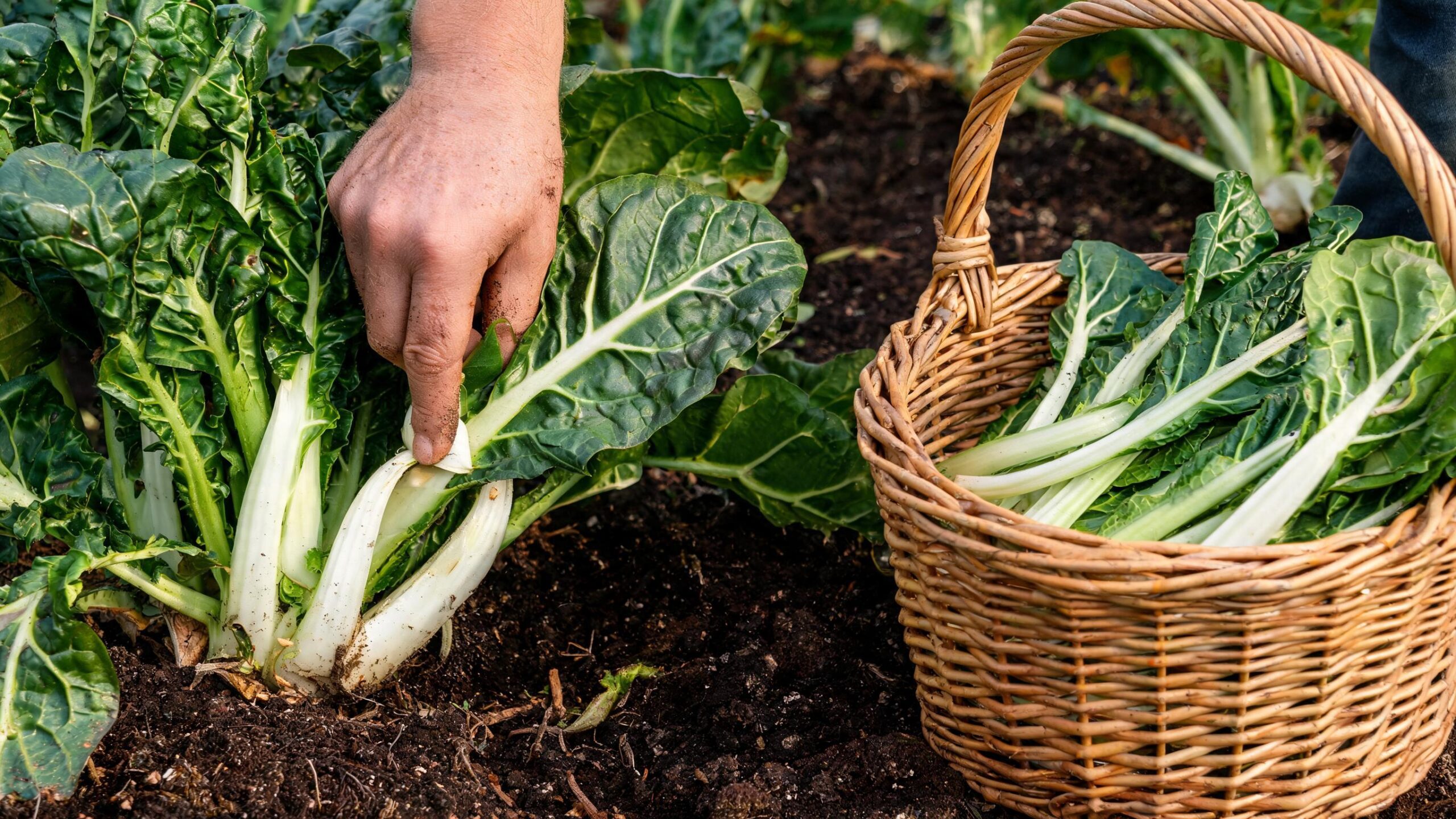
Silverbeet is a cut-and-come-again crop, meaning you never harvest the whole plant at once unless you’re clearing the bed at season’s end.
Begin harvesting outer leaves once plants reach 8–10 weeks old.
Hold the stalk near the base and twist or cut cleanly to remove it, leaving the central growing point intact.
Always leave at least 4–5 inner leaves on the plant to allow continued growth.
Harvest regularly — every week or two — to encourage tender new leaf production and delay bolting.
Pinch out any flower stalks that appear to extend the harvesting period, particularly as temperatures rise in early summer.
Native Flora Context and Companion Planting
While silverbeet itself is an introduced European vegetable, it sits comfortably in a mixed New Zealand kai garden alongside native companions. Planting harakeke (flax) as a windbreak along garden boundaries can shelter tender seedlings in exposed coastal or inland Canterbury sites, while kōwhai and other native shrubs support the beneficial insect populations that keep aphid numbers in check. Interplanting silverbeet with alliums like garlic and onions is also a traditional companion planting technique that can help deter some sap-sucking pests.
Regional Growing Tips
In frost-prone inland areas such as Central Otago and inland Canterbury, hold off direct sowing until soil has warmed in mid-October and use cloches to protect young seedlings from late frosts. In subtropical Northland and Auckland, silverbeet can genuinely be grown year-round, but expect it to bolt faster in the height of summer, so succession sow every six to eight weeks to maintain a continuous supply. Waikato and Bay of Plenty gardeners sit in the sweet spot climatically, with reliable results from both a spring and an autumn sowing in the same volcanic soils that make this region so productive for vegetables generally.
Key Takeaways
Silverbeet is one of the easiest, most productive crops for any New Zealand spring gardening guide, thriving in a wide range of soils from volcanic clay to sandy loam.
Sow or plant from September through November for the strongest results, with a secondary autumn planting window in most regions.
Feed heavily with compost, sheep pellets, and seaweed-based liquid feeds, as silverbeet is a genuinely hungry crop.
Watch for snails, slugs, aphids, and powdery mildew, all manageable with good spacing, mulching, and organic controls.
Harvest outer leaves regularly rather than the whole plant to keep silverbeet cropping for many months.
Frequently Asked Questions
Can I grow silverbeet all year round in New Zealand?
In warmer northern regions like Northland and Auckland, yes, silverbeet can be grown almost year-round. In cooler regions such as Canterbury or Otago, it’s best sown from early spring through to early autumn, with winter plantings needing frost protection like cloches to survive successfully.
Why does my silverbeet keep bolting to seed?
Bolting is usually triggered by heat stress, inconsistent watering, or plants being left too long between harvests. Keep soil consistently moist, mulch well to cool the root zone, and harvest leaves regularly to delay the plant’s natural urge to flower and set seed.
How do I stop snails and slugs from destroying my seedlings?
Young silverbeet seedlings are especially vulnerable. Use an iron-based slug and snail bait such as Quash, scatter crushed eggshells or wood ash around the base of plants, and consider raising seedlings in trays until they’re more established before transplanting into open ground.
Is silverbeet suitable for New Zealand’s heavy clay soils?
Yes, but heavy clay needs amending first. Dig in plenty of compost and coarse organic matter to improve drainage, or consider building a raised bed filled with quality vegetable mix if your clay soil holds water excessively over winter.
How often should I water silverbeet in summer?
During hot, dry weather, water every two to three days, or daily in extreme heat, since silverbeet’s broad leaves lose moisture quickly. Mulching heavily around the base with pea straw or sugar cane mulch will significantly reduce how often you need to water.
What’s the difference between silverbeet and rainbow chard?
They’re the same species, Beta vulgaris subsp. cicla. Rainbow chard, also sold as Bright Lights, is simply a more colourful cultivar with red, yellow, orange, and pink stems, whereas standard silverbeet like Fordhook Giant typically has plain white stems.
Can silverbeet be grown successfully in pots on an apartment balcony?
Absolutely. Use a container at least 30cm deep filled with a quality potting mix, feed fortnightly with a liquid fertiliser, and water regularly. A single large pot can support eight to twelve plants and provide months of harvestable leaves.
Final Thoughts on Growing Silverbeet in New Zealand
Mastering how to grow silverbeet is one of the most rewarding entry points into home vegetable gardening anywhere in Aotearoa. It forgives beginner mistakes, tolerates a wide range of soils and microclimates, and rewards consistent watering and feeding with months of harvestable greens from a single planting. As part of your annual spring vegetable planting guide, silverbeet deserves a prime spot in the garden bed alongside your tomatoes, beans, and brassicas.
Get your soil right, choose a variety that suits your kitchen and your climate, and commit to regular picking, and your whenua will reward you with a genuinely low-maintenance, high-yield crop. Get those seeds or seedlings in the ground this spring, and enjoy the satisfaction of homegrown greens on your table well into the cooler months ahead.
We use cookies to improve your experience, analyze traffic, and display personalized ads.
By clicking "Accept", you consent to the use of cookies in accordance with our Privacy Policy.