Vegetable Gardening in August NZ: Your Ultimate Late-Winter to Early Spring Planting Guide
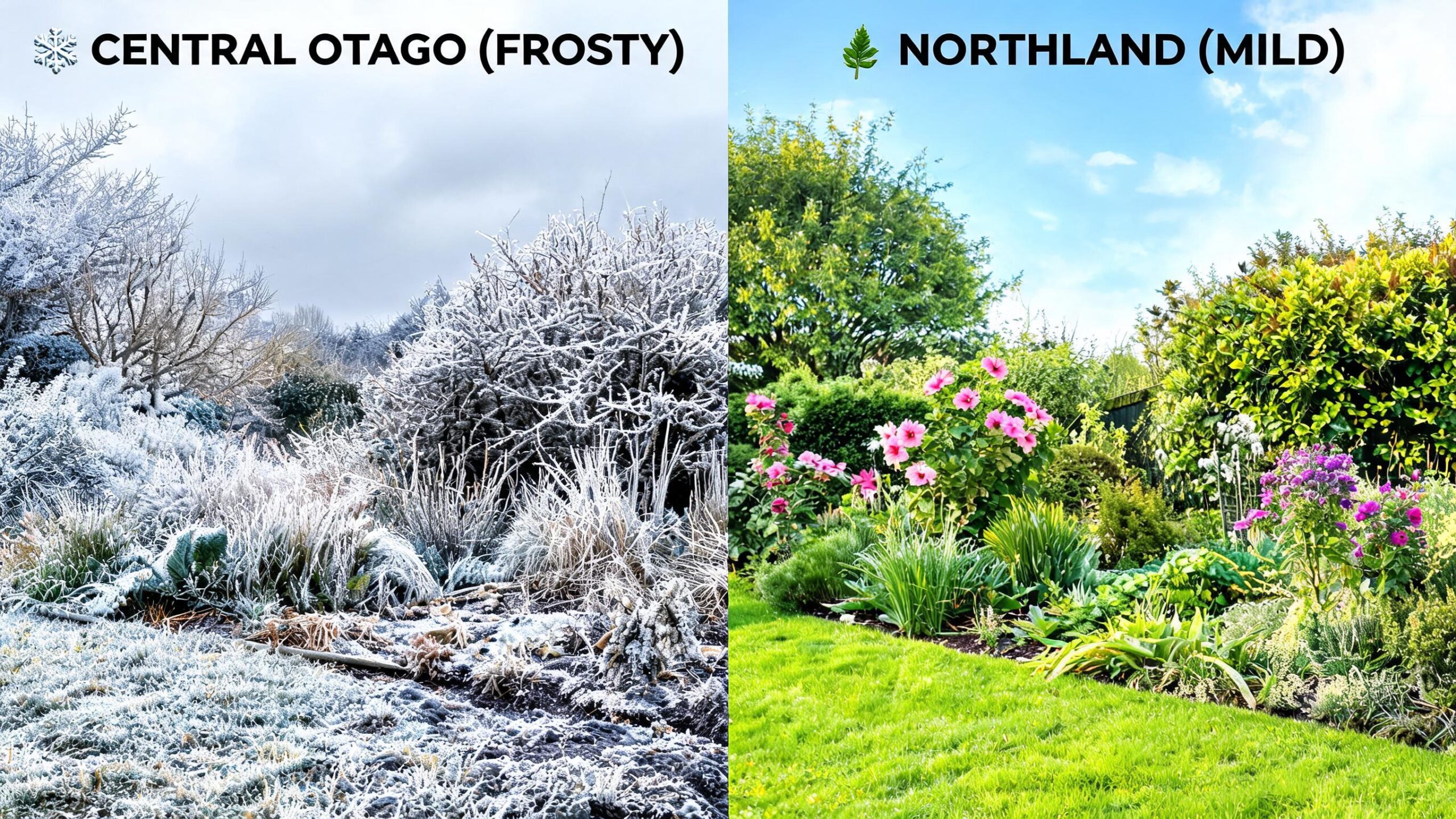
August is a pivotal month for vegetable gardening in August NZ, sitting right at the hinge between late winter and early spring across Aotearoa. For Kiwi growers itching to get their hands back into the whenua after a cold few months, this is the month of preparation, early sowing, and setting up the season ahead. Whether you’re gardening in frost-hardened Central Otago or the mild, humid pockets of Northland, August rewards those who plan carefully and work with — not against — their local microclimate.
This guide covers exactly what to plant, how to prepare your soil, and which pests and diseases to watch for, all tailored to New Zealand’s Southern Hemisphere calendar. Think of August as nature’s transition month — the days are lengthening, soil temperatures are slowly climbing, and it’s the perfect time to start building momentum before the main event: spring.
Quick Answer: What to Plant in NZ Vegetable Gardens in August
In August, NZ gardeners should focus on cold-hardy crops that tolerate lingering frosts while beginning indoor or undercover sowing of warmer-season vegetables for transplanting later. Direct sowing outdoors is still risky in most regions except the far north, so cloches, greenhouses, and seed trays on a sunny windowsill do a lot of heavy lifting this month. Soil preparation — digging in compost, sheep pellets, and blood and bone — is just as important as the planting itself.
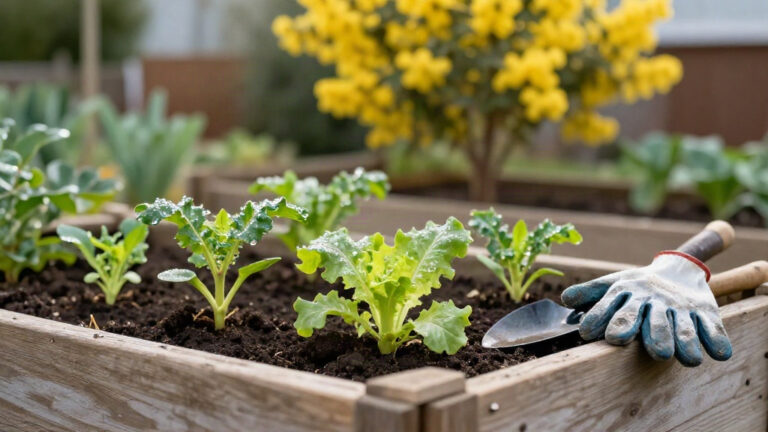
Sow broad beans, peas, spinach, and silverbeet directly outdoors in frost-free coastal areas.
Start tomatoes, capsicums, chillies, and eggplants indoors or in a heated propagator.
Plant seed potatoes in Northland and Auckland; wait until September further south.
Prepare garden beds with compost, sheep pellets, and lime where soil pH needs lifting.
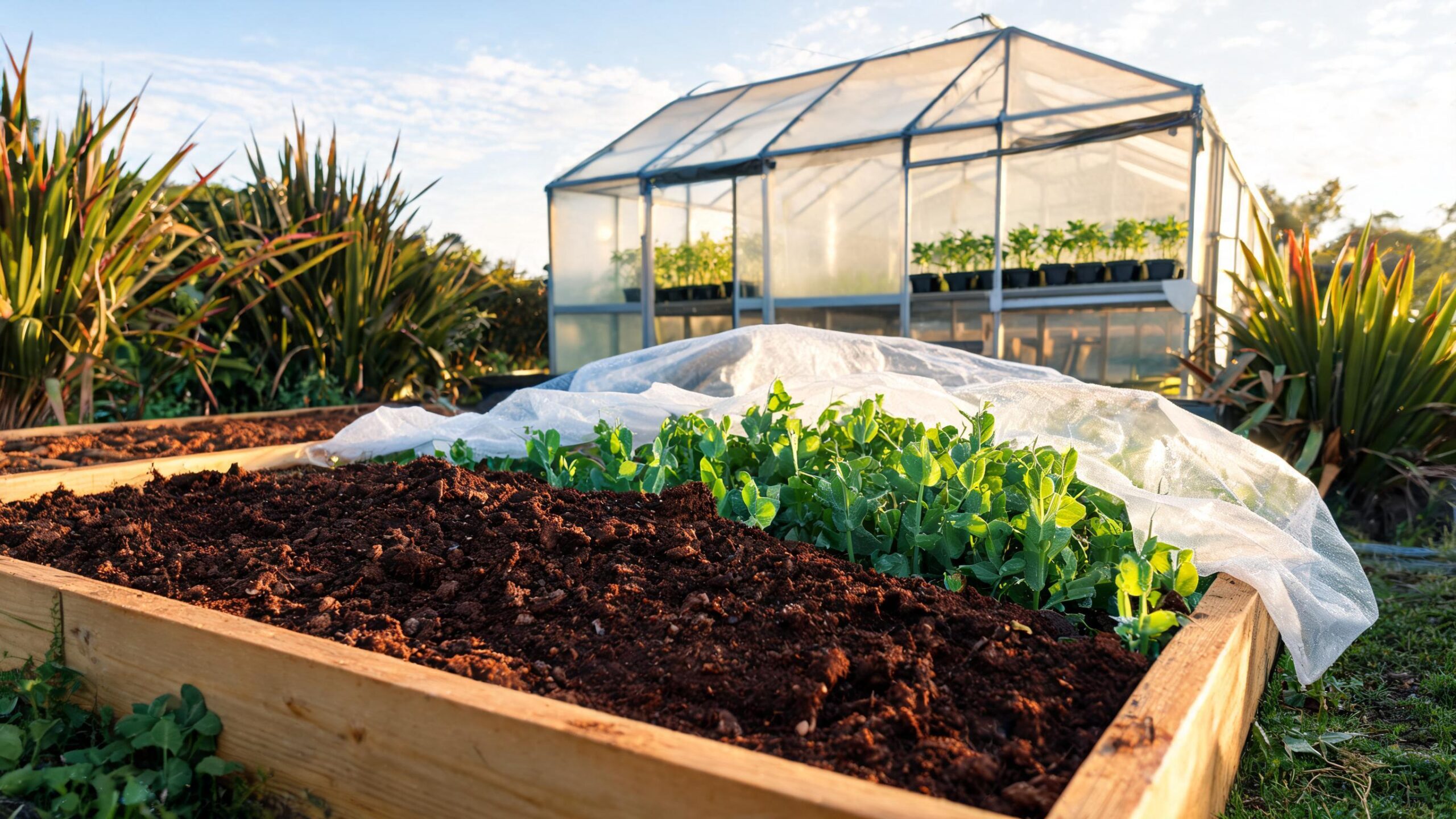
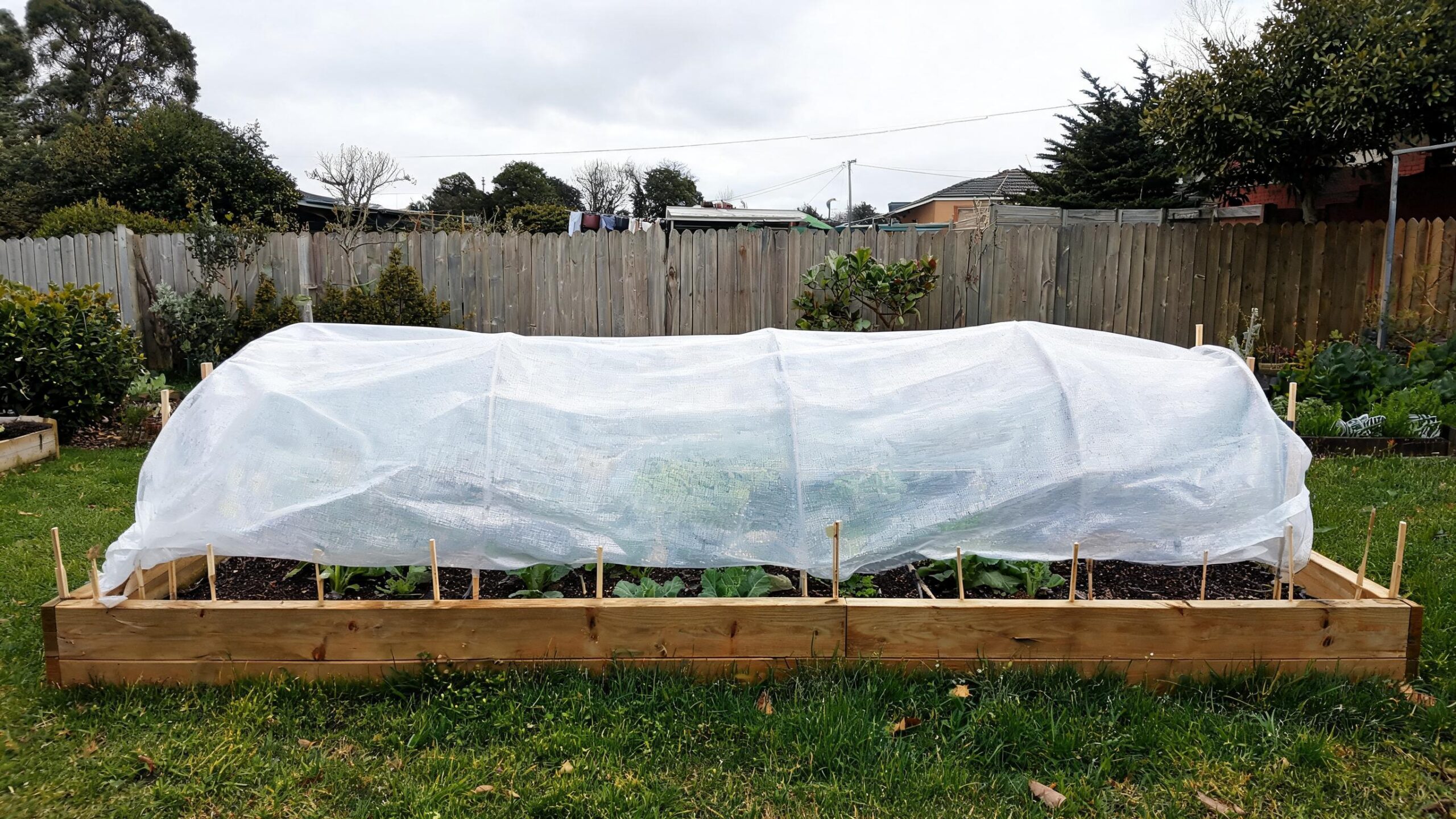
Protect existing brassicas and leafy greens from late frosts using frost cloth or cloches.
Understanding NZ’s August Growing Conditions
August sits at the tail end of winter (June–August) and the very cusp of spring (September–November) on the Southern Hemisphere calendar. Soil temperatures typically range from 8°C to 12°C depending on region, which is still too cool for heat-loving crops like tomatoes and cucumbers to germinate reliably outdoors. Frosts remain common inland and in the south, while coastal and northern gardens often see their last hard frost pass by mid-to-late August.
Understanding your region’s specific conditions is essential before committing seeds to soil. New Zealand’s varied topography means a “one size fits all” planting calendar simply doesn’t work.
Regional Microclimates: Where You Garden Matters
Region
Typical August Conditions
What to Plant Now
Northland & Auckland (subtropical)
Mild, minimal frost, humid
Potatoes, broad beans, early tomatoes under cover, kumara slips prep
Hamilton and wider Waikato gardeners sit in that useful middle ground — mild enough for early sowing under cover, but still cold enough overnight that frost cloth is a wise investment through August.
Vegetable Gardening in August NZ: What to Sow and Plant
Direct Sow Outdoors (Frost-Free Areas Only)
Broad beans (bok choy companion planting works well here) — sow 5cm deep, 20cm apart.
Peas — climbing and dwarf varieties, provide support early.
Spinach and silverbeet — cold-tolerant leafy greens that shrug off light frost.
Radishes — a fast, forgiving crop for impatient gardeners.
Start Indoors or Under Cover
This is where most of August’s action happens for the majority of NZ gardeners. A heated propagator, sunny windowsill, or small greenhouse lets you jump the gun on frost-tender crops.
Tomatoes — start now for a head start on the classic Kiwi summer crop.
Capsicums and chillies — slow germinators that benefit from an early indoor start.
Eggplants — needs consistent warmth (18–22°C) to germinate reliably.
Cucumbers and zucchini — sow late August in warmer regions, early September elsewhere.
Seed Potatoes
In Northland and Auckland, chitted seed potatoes can go into the ground in August. Further south, hold off until September when frost risk drops — planting too early in frost-prone Waikato or Canterbury soils often results in blackened, frost-damaged foliage that sets growth back weeks.
Soil Preparation: Building a Strong Foundation for Spring
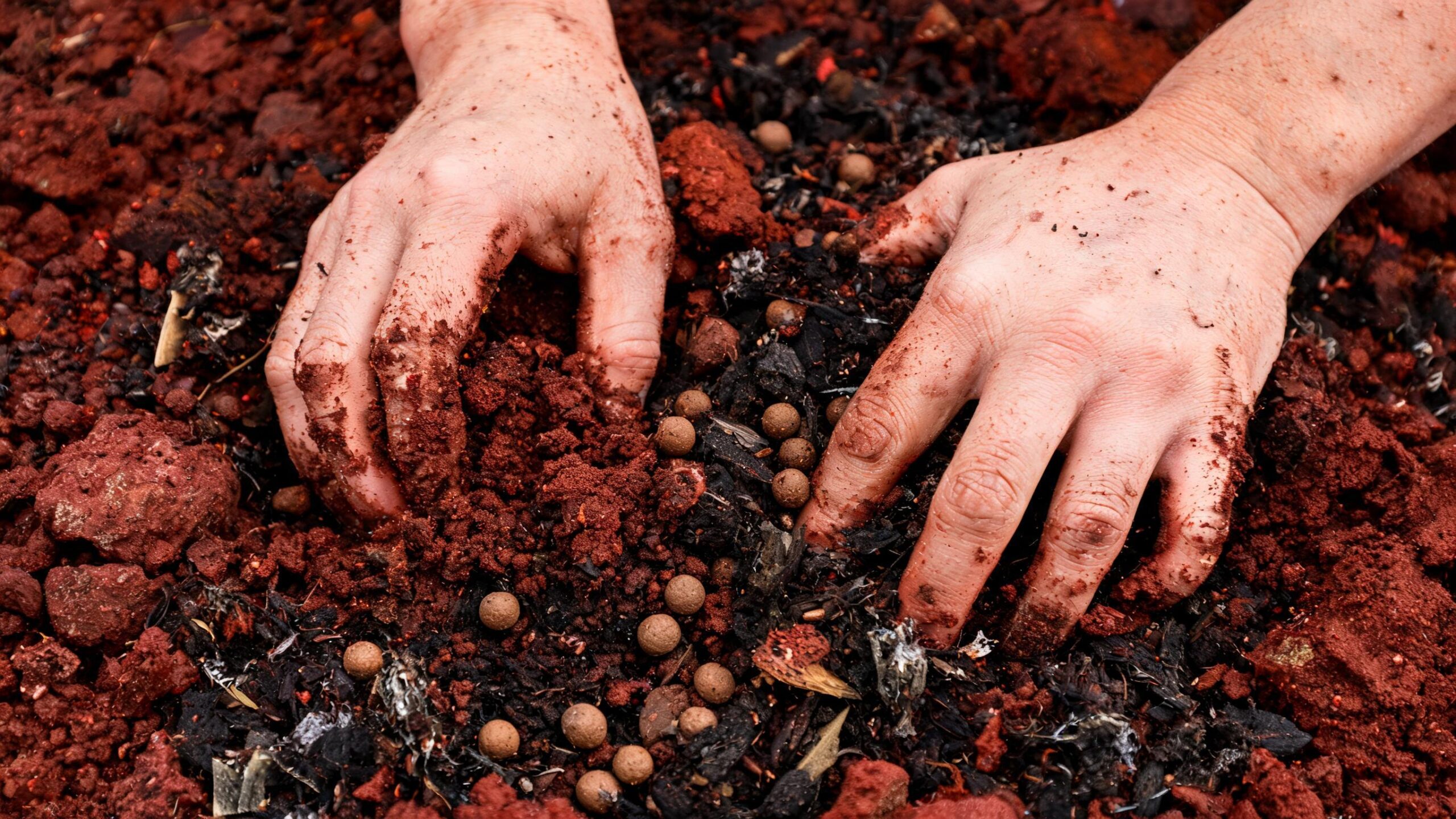
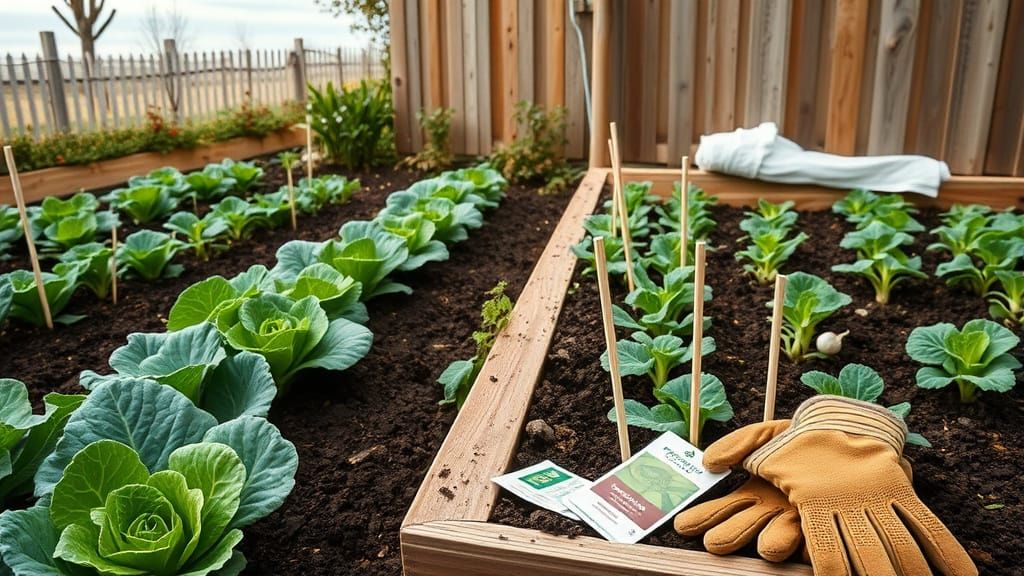
August is prime time to feed and condition your soil before the spring planting rush. New Zealand soils vary enormously — from the free-draining pumice and sandy loam of the Bay of Plenty to the heavy volcanic clay common across Waikato and Auckland.
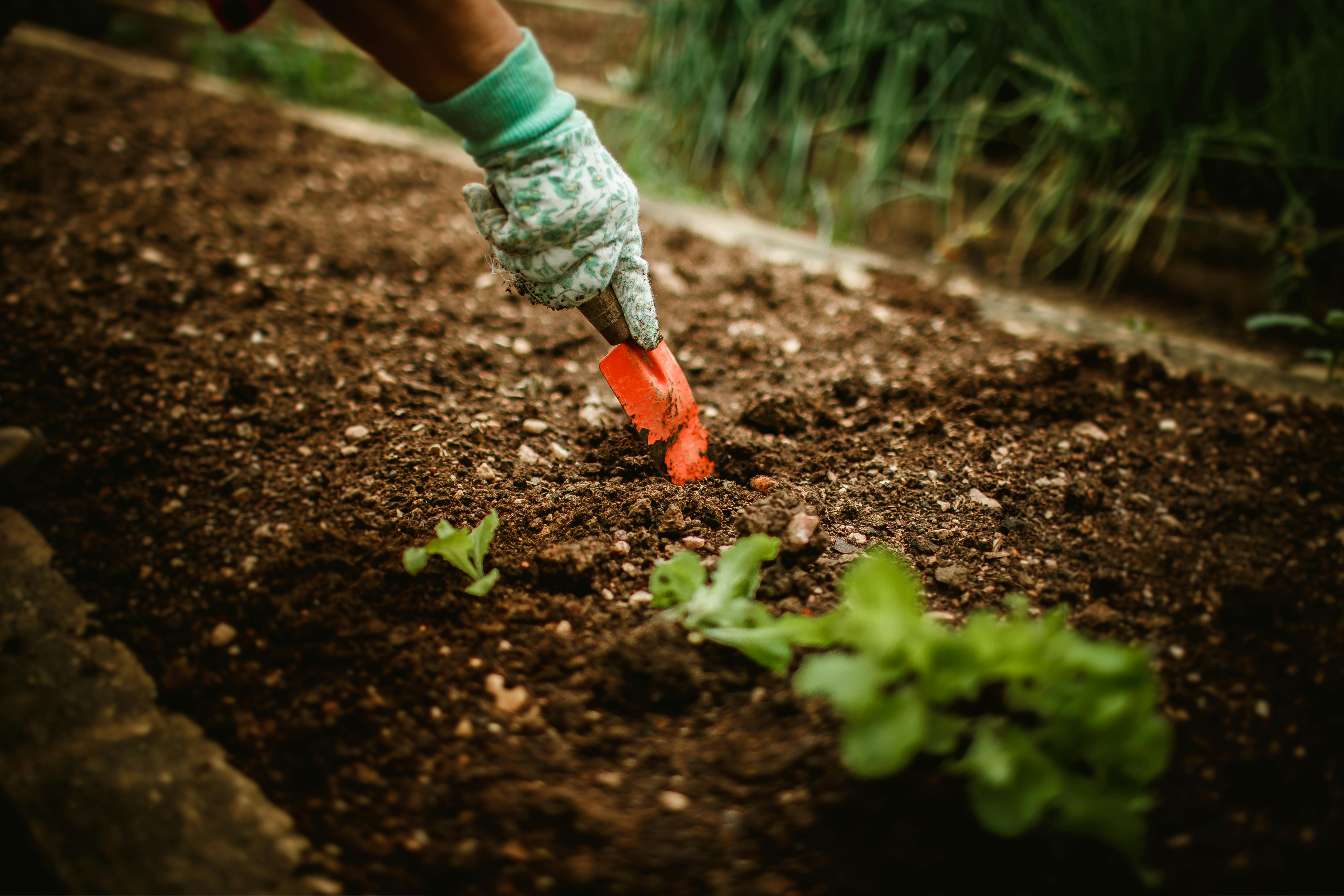
Dig in well-rotted compost or sheep pellets at 2–3kg per square metre to boost organic matter.
Apply blood and bone as a slow-release nitrogen and phosphorus source ahead of hungry spring crops.
Test soil pH — most vegetables prefer 6.0–7.0; add lime if your Waikato clay soils test acidic.
Break up heavy clay with gypsum or coarse compost to improve drainage before wet spring weather hits.
Water in a diluted seaweed or kelp tea to encourage beneficial soil microbial activity.
This groundwork pays dividends once you move into your full spring gardening guide routine from September onward, when soil temperatures rise and the bulk of summer vegetables go in the ground.
Frost Protection and Season Extension
Protecting existing crops and new seedlings from frost damage remains a top priority through August, particularly in Canterbury, inland Waikato, and Central Otago.
How Do I Protect Vegetables from Frost in August?
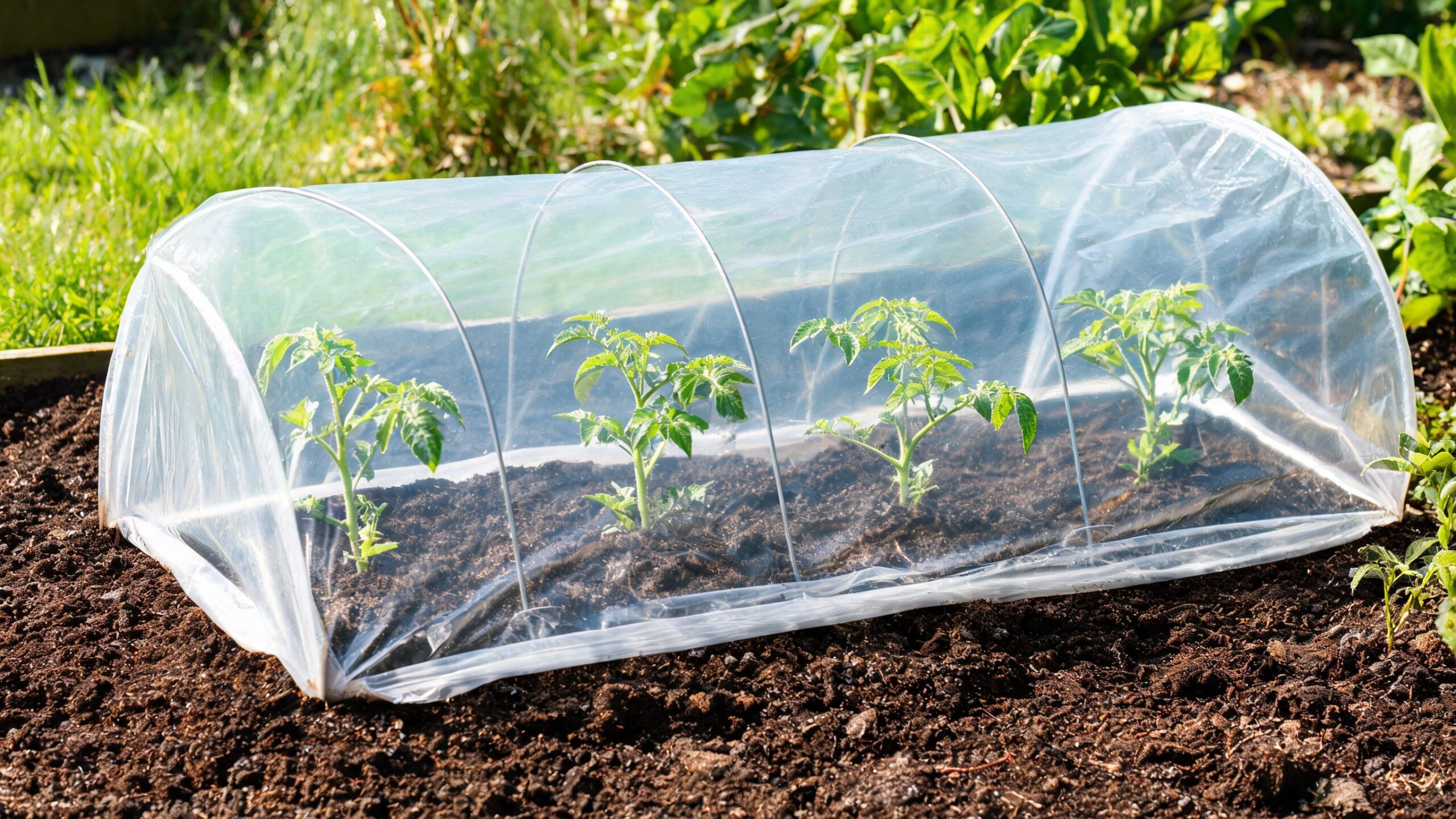
Use frost cloth (available at most garden centres including Bunnings and Mitre 10) draped loosely over vulnerable brassicas and leafy greens overnight, removing it during the day to allow airflow and light. Cloches and mini poly-tunnels create a protected microclimate for early tomato and capsicum seedlings, raising ambient temperature by several degrees. In frost-prone inland areas, Kiwi gardeners often notice that watering beds in the late afternoon (rather than morning) helps retain soil warmth overnight, reducing frost damage risk.
Common Pests and Diseases to Watch in August
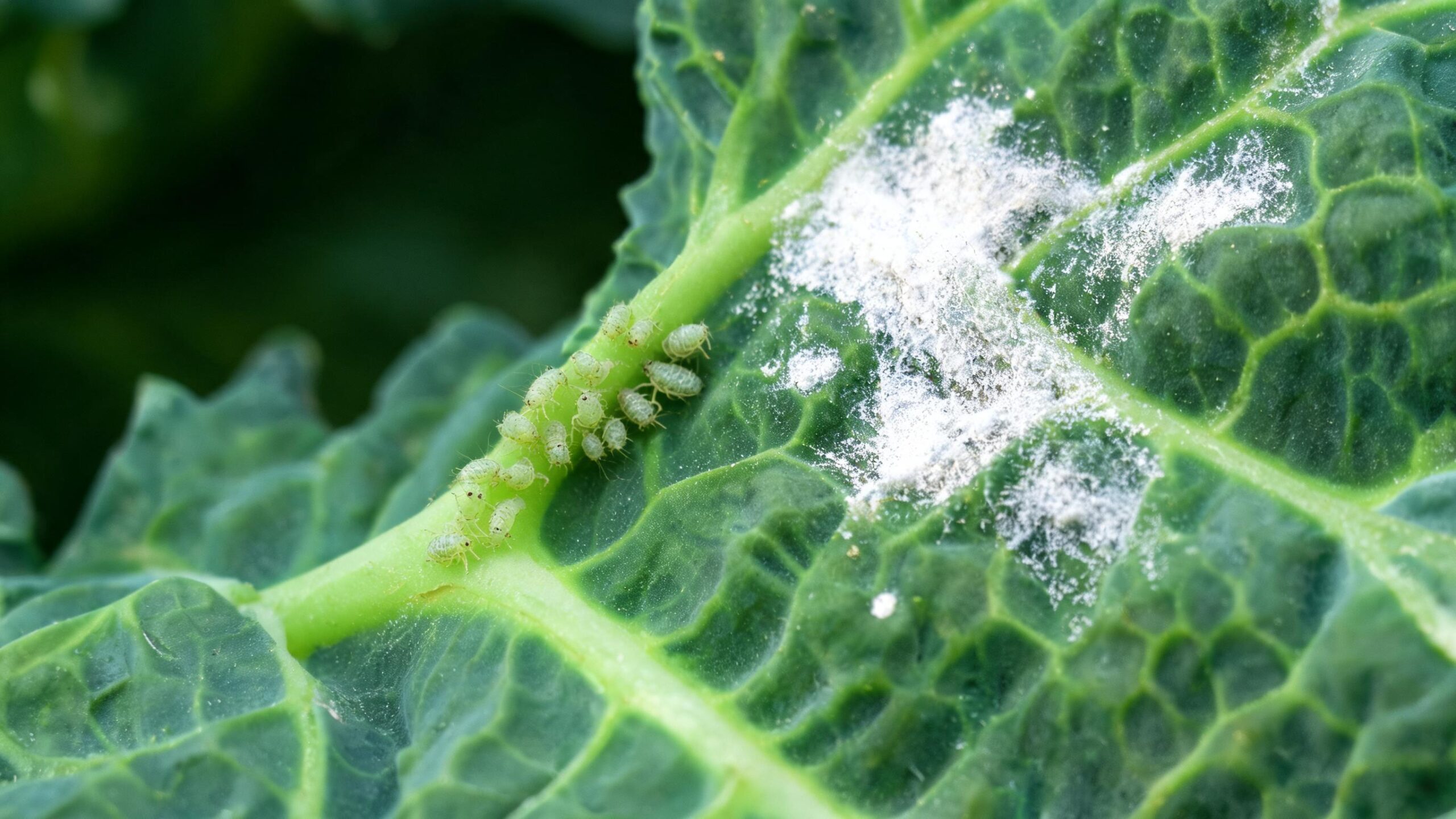
Cooler, damp August conditions bring their own pest and disease pressures, even before the warmer-weather pests of summer arrive.
Encourage ladybirds, use insecticidal soap sparingly
Psyllids
Potato and tomato family seedlings
Fine mesh netting over young plants, monitor closely
Biosecurity remains a serious consideration for New Zealand growers year-round; gardeners noticing unusual pest activity should check the current advisories via the Ministry for Primary Industries biosecurity reporting guidelines before treating or disposing of affected plant material.
Tools and Supplies for an Efficient August Garden
Setting up properly in August saves headaches later in the season. A few practical additions make a real difference for NZ home gardeners this month.
A quality seed-raising mix and trays for indoor tomato and capsicum starts.
A small heated propagator for reliably germinating slow, warmth-loving seeds.
Frost cloth or a basic cloche/mini greenhouse for season extension.
Sheep pellets and blood and bone for soil conditioning ahead of spring planting.
A soil pH testing kit to fine-tune amendments before the main growing season.
Native Flora and Companion Considerations
While August is dominated by edible crop planning, it’s also worth tending to the wider whenua. Harakeke (native flax) and kowhai continue to provide shelter and food for native birds through the cooler months, and maintaining these alongside your vegetable plot supports a healthier garden ecosystem overall, including beneficial pollinators that will matter once spring flowering begins.
Key Takeaways for August Vegetable Gardening in NZ
Focus on soil preparation and indoor seed starting rather than heavy outdoor sowing.
Regional microclimate determines timing — Northland gardeners can plant potatoes now, while Central Otago should wait.
Protect existing crops with frost cloth and cloches through remaining cold snaps.
Use this month to build the foundation your full spring gardening guide routine will rely on come September.
Frequently Asked Questions
Can I plant tomatoes outside in August in NZ?
No, tomatoes should not go outdoors in August anywhere in New Zealand due to frost risk. Start seeds indoors or in a heated propagator now, then transplant hardened-off seedlings outside from late September to November depending on your region.
Is August too early to plant potatoes?
In Northland and Auckland, August is a good time for early seed potatoes. In cooler regions like Waikato, Canterbury, and Otago, it’s safer to wait until September when frost risk drops significantly.
What vegetables can I direct sow outdoors in August?
Broad beans, peas, spinach, silverbeet, and radishes all tolerate August’s cooler soil and occasional frost, making them reliable direct-sow choices for most North Island and coastal South Island gardens.
How do I fix clay soil before spring planting?
Dig in generous amounts of compost, sheep pellets, or gypsum to improve structure and drainage in heavy volcanic clay common across Waikato and Auckland. Doing this in August gives amendments time to work into the soil before September planting.
Why are my seedlings getting eaten overnight?
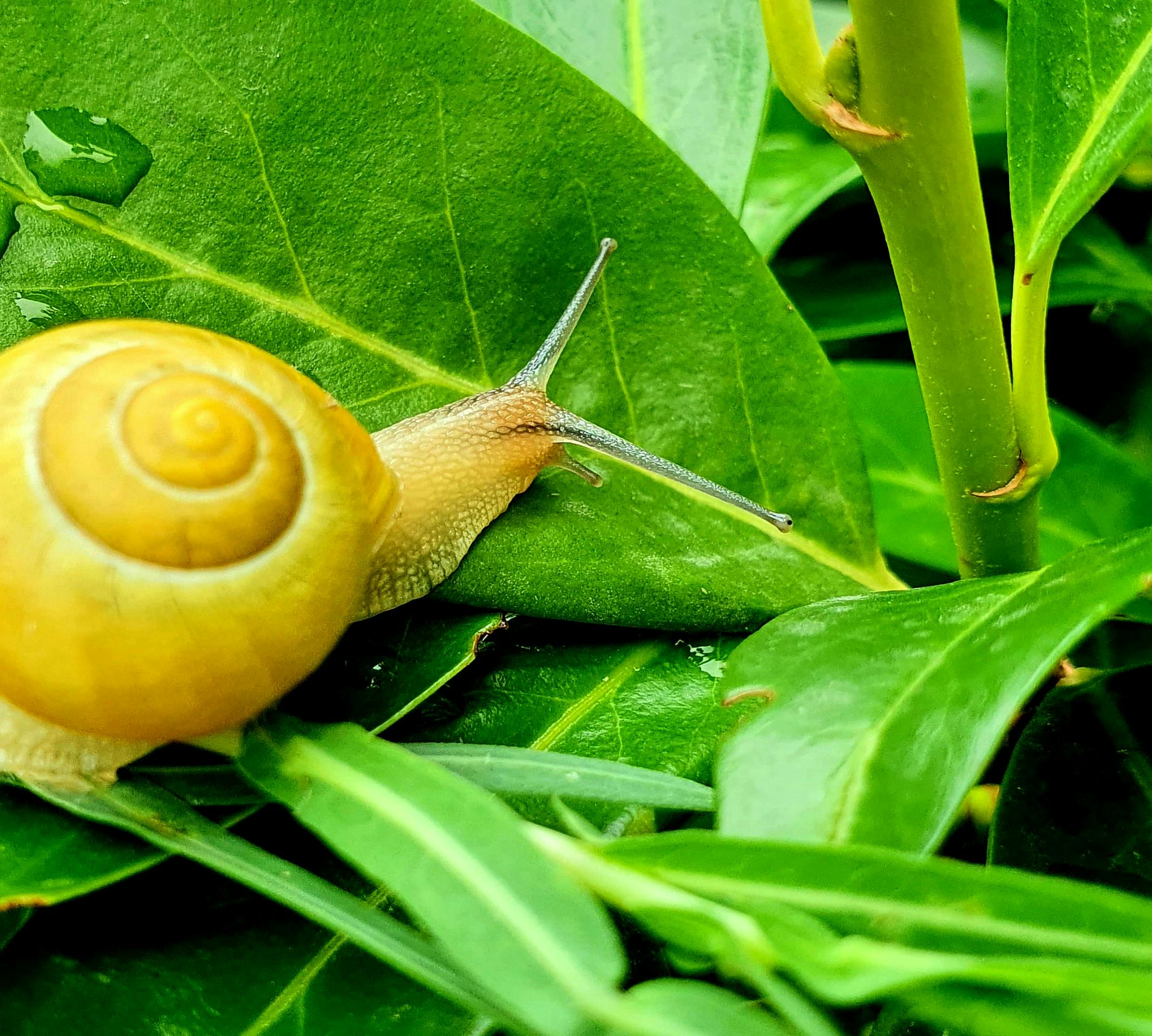
Slugs and snails are highly active in the cool, damp conditions typical of August. Use organic iron-based slug bait, beer traps, or copper tape around vulnerable seedling trays and beds.
Should I use frost cloth every night in August?
Only when frost is forecast — overusing frost cloth can trap excess moisture and encourage fungal issues like powdery mildew. Remove it during the day to allow sunlight and airflow to reach your plants.
Conclusion: Setting Up for a Productive Spring
Vegetable gardening in August NZ is all about patience and preparation — conditioning your soil, starting seeds under cover, and protecting what’s already growing from late frosts. Get these fundamentals right now, and you’ll move into your spring gardening guide season with strong seedlings, healthy soil, and a genuine head start on the Kiwi growing calendar. Get out into the whenua this month, even if it’s just to turn over a bed or check on your seedling trays — every bit of care now pays off in a productive, abundant spring garden.
We use cookies to improve your experience, analyze traffic, and display personalized ads.
By clicking "Accept", you consent to the use of cookies in accordance with our Privacy Policy.