How to Grow Roses in NZ: A Complete Kiwi Growing Guide
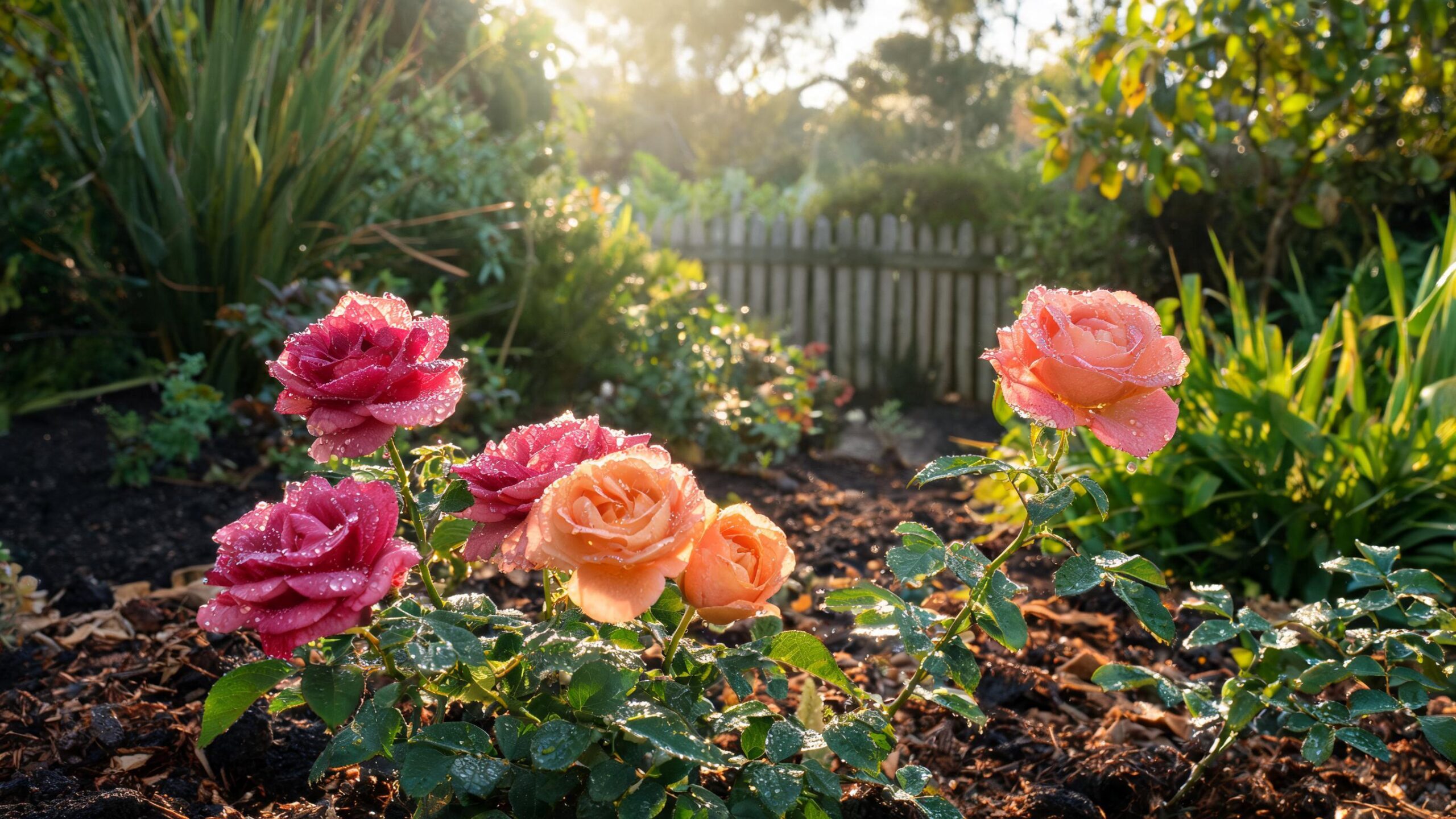
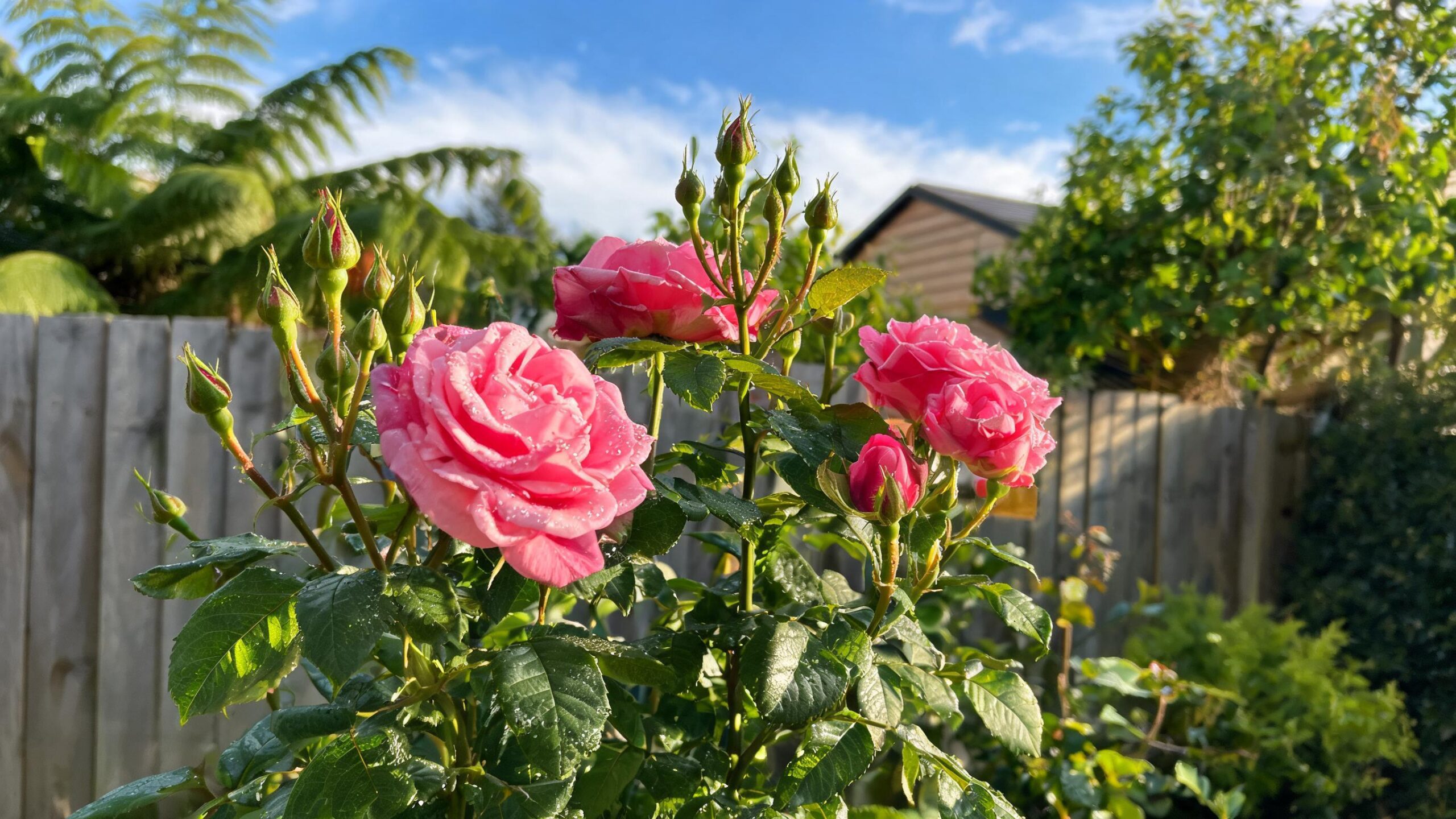
Learning how to grow roses successfully in New Zealand comes down to matching the right variety with your local climate, giving them a sunny, well-drained home, and sticking to a simple seasonal rhythm of feeding, watering, and winter pruning. Whether you’re gardening in the humid warmth of Northland, the temperate Waikato, or the frost-prone high country of Central Otago, roses reward a bit of consistent care with months of colour and fragrance from spring through to autumn.
Roses thrive across almost all of Aotearoa when planted in full sun (at least five hours a day), in free-draining soil enriched with compost and sheep pellets. Winter (June–August) is planting and pruning season, while spring is when roses put on their big growth spurt and first flush of blooms — which is exactly why every serious spring gardening guide for New Zealand gardens flags rose feeding and pest checks as a top priority task.
Plant bare-root roses from June to August, or potted roses year-round
Choose a sunny, sheltered spot with soil that drains well — clay loam enriched with compost is ideal
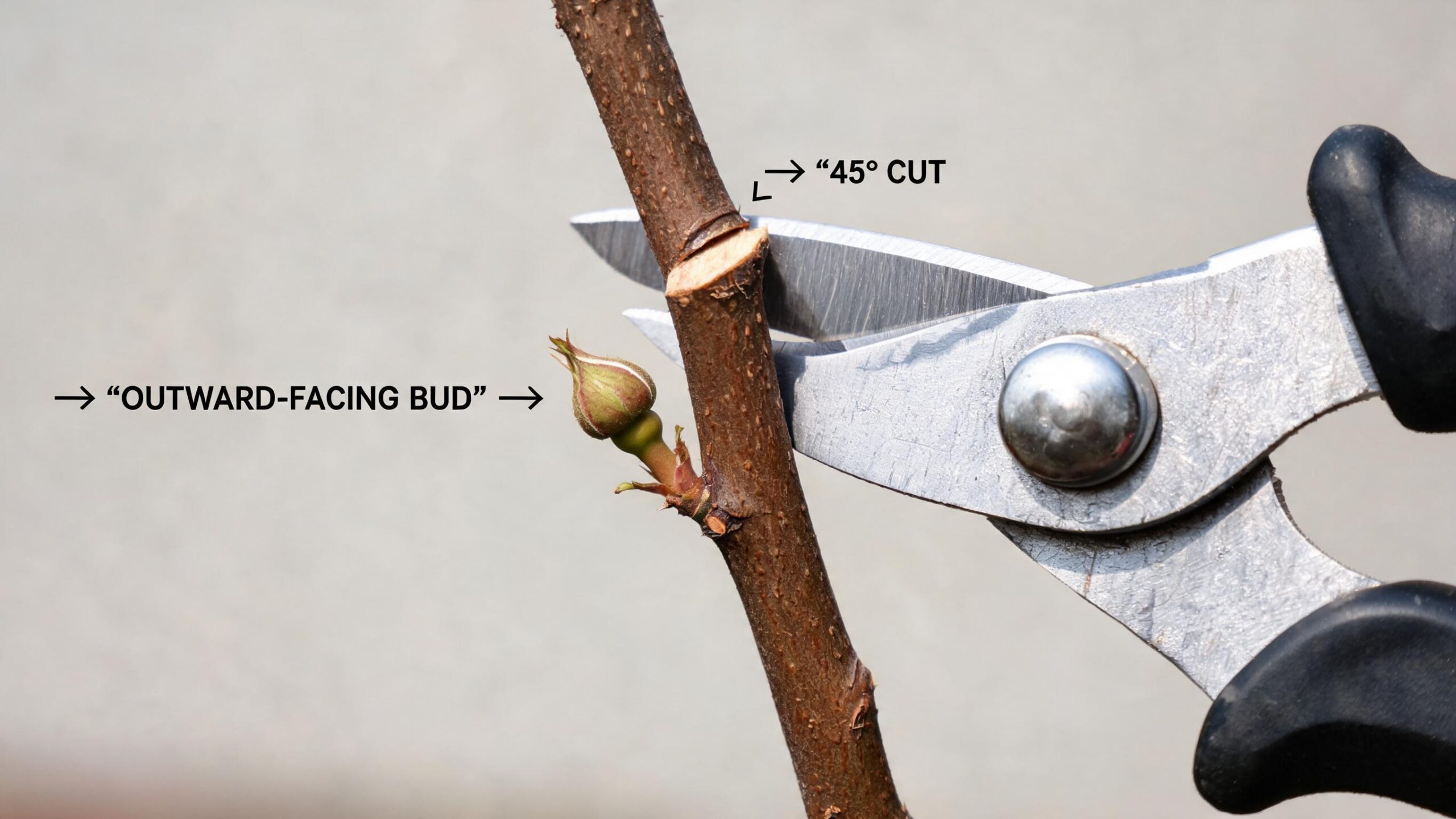
Prune hard in mid-to-late winter, cutting to an outward-facing bud at a 45-degree angle
Feed with sheep pellets, blood and bone, or a dedicated rose fertiliser from spring through summer
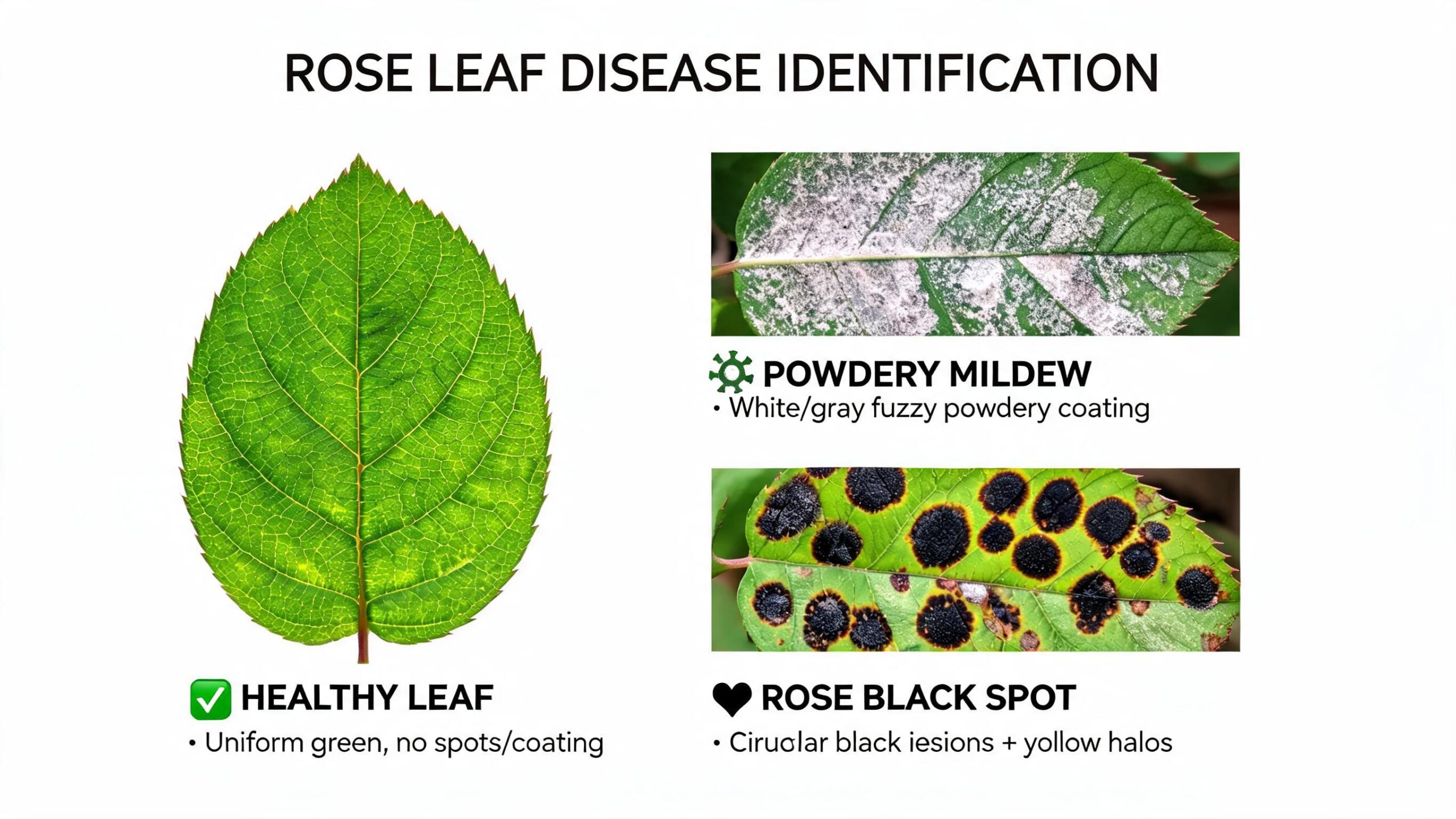
Watch for aphids, black spot, and powdery mildew, especially in humid northern regions
Choosing the Right Rose for Your NZ Climate
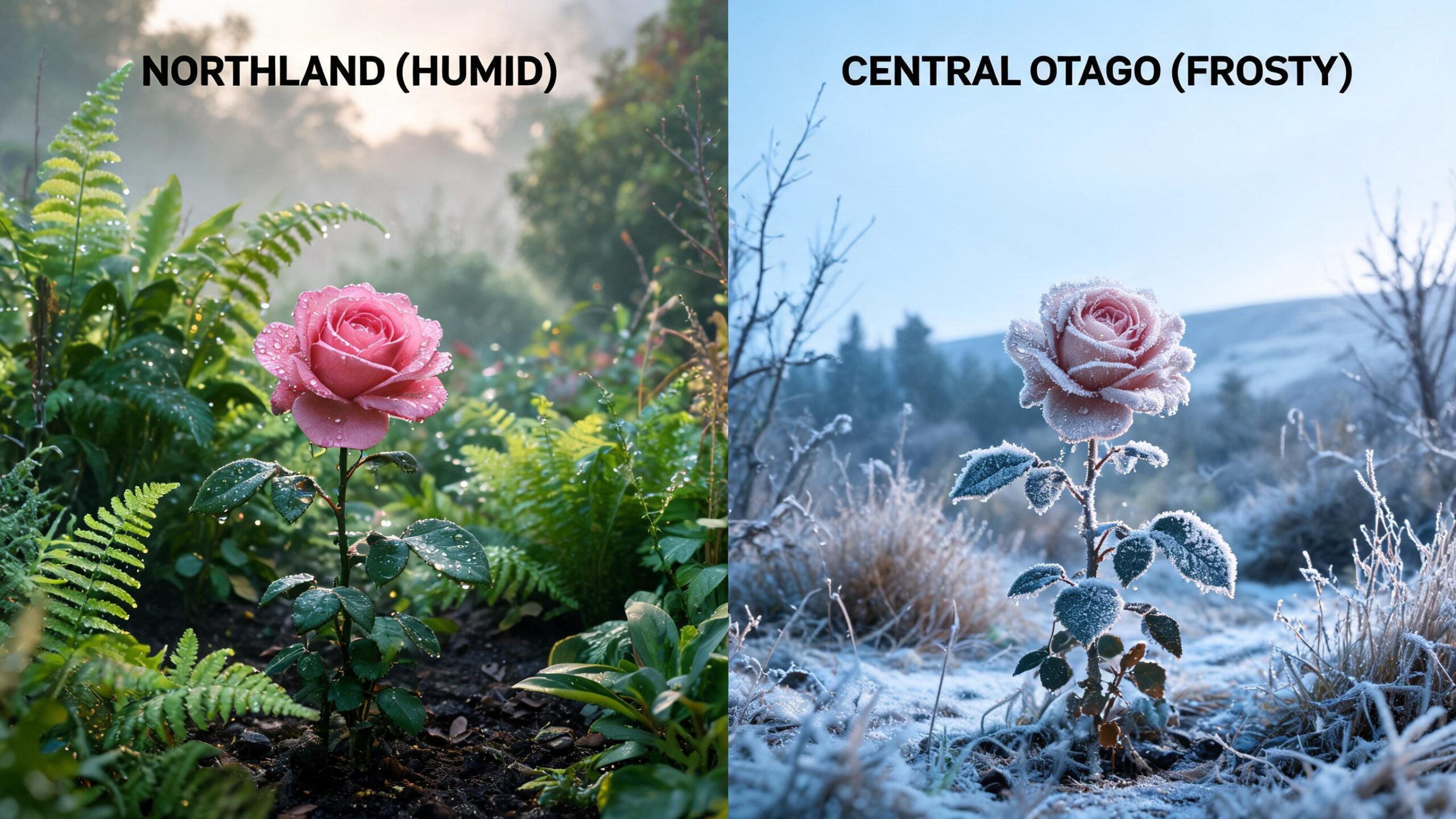
New Zealand’s varied microclimates mean the “best” rose for a Kanohi garden in Kerikeri isn’t necessarily the best choice for a section in Cromwell. Understanding your regional conditions before you buy is one of the most overlooked steps in how to grow roses successfully long-term.
Subtropical Northland and Auckland
Warm, humid summers mean fungal diseases like black spot and powdery mildew appear earlier and more aggressively here. Choose disease-resistant floribundas and modern shrub roses bred for tough conditions, and prioritise good airflow between plants rather than cramming them close together.
Temperate Waikato and Bay of Plenty
This is close to rose-growing sweet spot territory — reasonably mild winters for planting and pruning, and warm (but not scorching) summers. Waikato’s volcanic clay loam soils generally hold moisture and nutrients well, though heavy clay benefits hugely from added compost and gypsum to improve drainage before planting.
Alpine and Frost-Prone Canterbury/Central Otago
Cold winters actually suit roses well, as they need a proper dormant period to reset for spring. However, delay pruning slightly later than the North Island (into late August) so new growth isn’t caught out by a late frost. Hardy hybrid teas and old-fashioned shrub roses tend to perform best in these cooler, drier climates.
Best Time to Plant Roses in NZ
Bare-root roses are sold in garden centres through winter and should go into the ground from June through August while the plant is dormant, giving roots time to establish before the spring growth surge. Potted, container-grown roses are more forgiving and can technically be planted any time of year, though avoiding the height of summer heat reduces transplant stress.
Step-by-Step Planting Instructions
Choose a sunny position that hasn’t grown roses before, ideally getting sun for at least half the day, with morning sun preferred.
The day before planting, soak bare-root roses in a bucket of water (a seaweed tonic such as Seasol helps prevent transplant shock).
Dig a hole roughly twice the width and depth of the root ball or pot.
Mix through generous compost, sheep pellets, and a rose-specific planting mix like Tui Rose & Shrub Mix.
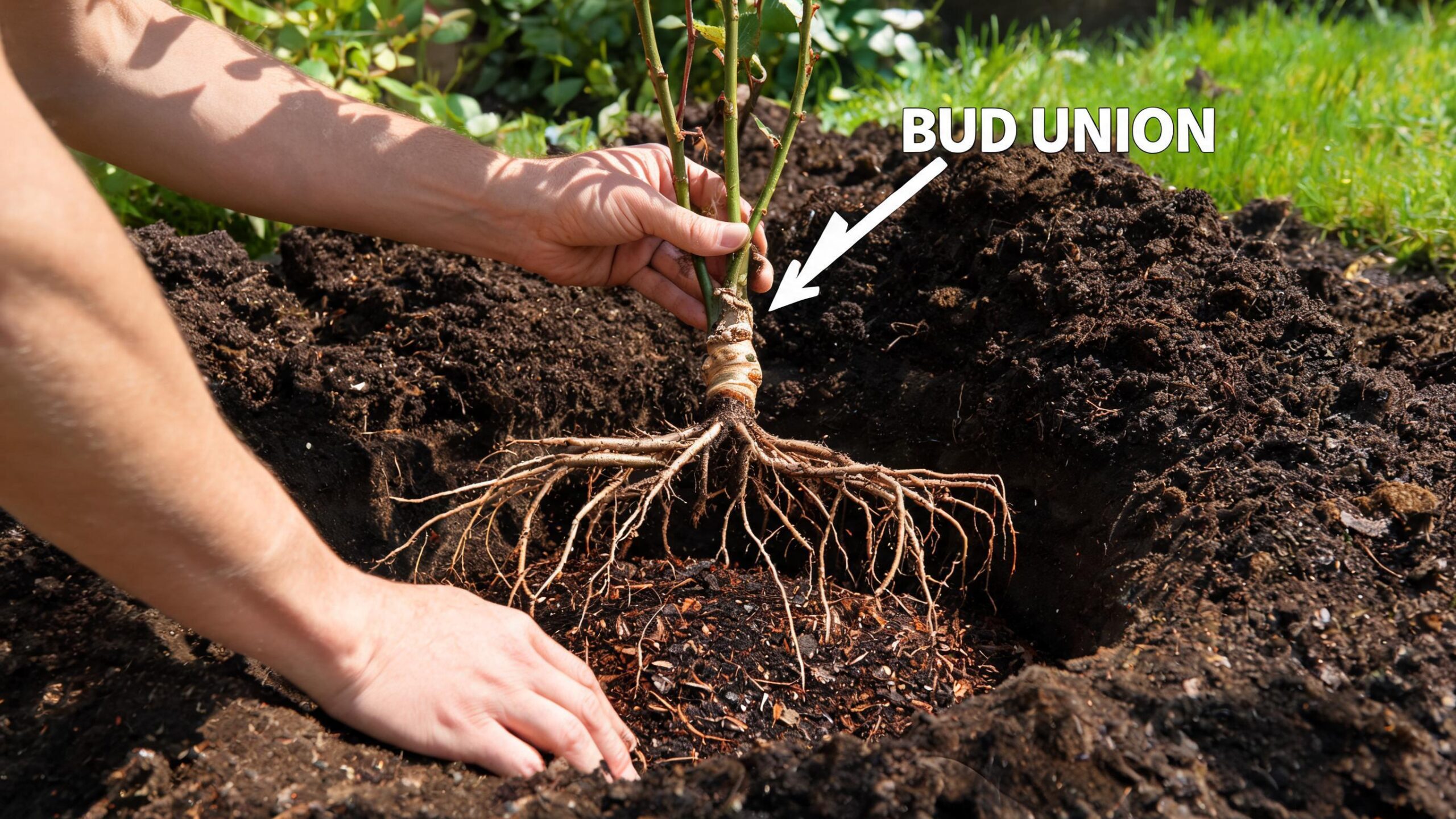
Position the rose so the bud union (the swollen bump where the variety was grafted onto its rootstock) sits just above the surrounding soil level.
Backfill gently, firm the soil, and water in thoroughly to eliminate air pockets.
Apply a layer of mulch — bark chips or pea straw work well — keeping it a few centimetres clear of the stem.
Soil, Sun, and Spacing Requirements
Roses are not fussy about soil type, but they perform best in clay loam with good water-holding capacity that is never waterlogged. If you’re gardening on sandy or light soils common around coastal Northland or Canterbury, dig in plenty of compost to boost water retention. Heavy volcanic clay, typical across much of the Waikato and central North Island, benefits from added organic matter and occasional gypsum to open up drainage.
Soil Type
Common NZ Regions
Amendment Needed
Volcanic clay
Waikato, Bay of Plenty, Taranaki
Compost, gypsum, sheep pellets to improve drainage
Sandy loam
Coastal Northland, Canterbury Plains
Compost and mulch to retain moisture
Clay loam
Much of the North Island interior
Minimal amendment; ideal rose soil as-is
Peat
Waikato lowlands, parts of Southland
Lime to correct acidity, plus grit for drainage
Roses need at least five hours of direct sun daily to flower well and stay disease-resistant — shaded, stuffy corners are a fast track to fungal problems. Space bush roses 60–90cm apart and standards further apart again, so air can circulate freely between plants. Aim for a soil pH of around 6.0–6.5; if your soil tests more acidic (common in peat and volcanic areas), a light application of garden lime in autumn helps correct this before spring growth begins.
Feeding and Watering Roses Through the Seasons
Roses are heavy feeders during their growing season. Establishing a seasonal fertilising rhythm is central to any thorough spring gardening guide written for New Zealand conditions, since spring feeding sets the plant up for its first big flush of blooms.
Late winter/early spring: Apply a balanced rose fertiliser or blood and bone as new growth emerges after pruning.
Spring through summer: Feed every 4–6 weeks with a granular rose food, and water in with a diluted seaweed/kelp tonic to support root health.
Late December/January: A follow-up feed encourages a strong autumn flush of blooms.
Autumn: Ease off fertilising as growth slows and the plant prepares for dormancy.
Winter: Little to no watering needed once roses drop their leaves, except in warmer northern regions where they may stay semi-evergreen.
Once established, water deeply and less frequently rather than little sprinkles — this encourages roots to grow deep, making plants far more drought-tolerant through Kiwi summers. Maintain a permanent mulch layer of compost, leaf mould, or grass clippings around the base to conserve moisture and suppress weeds year-round.
Pruning Roses: When and How
Winter pruning, done while the plant is dormant, is the single most important annual maintenance task for healthy, productive roses. Across most of New Zealand, mid-to-late winter (July into August) is prime pruning time, though Central Otago and other frost-prone inland areas often push this back to late August so tender new shoots aren’t hit by a late frost.
Pruning Steps
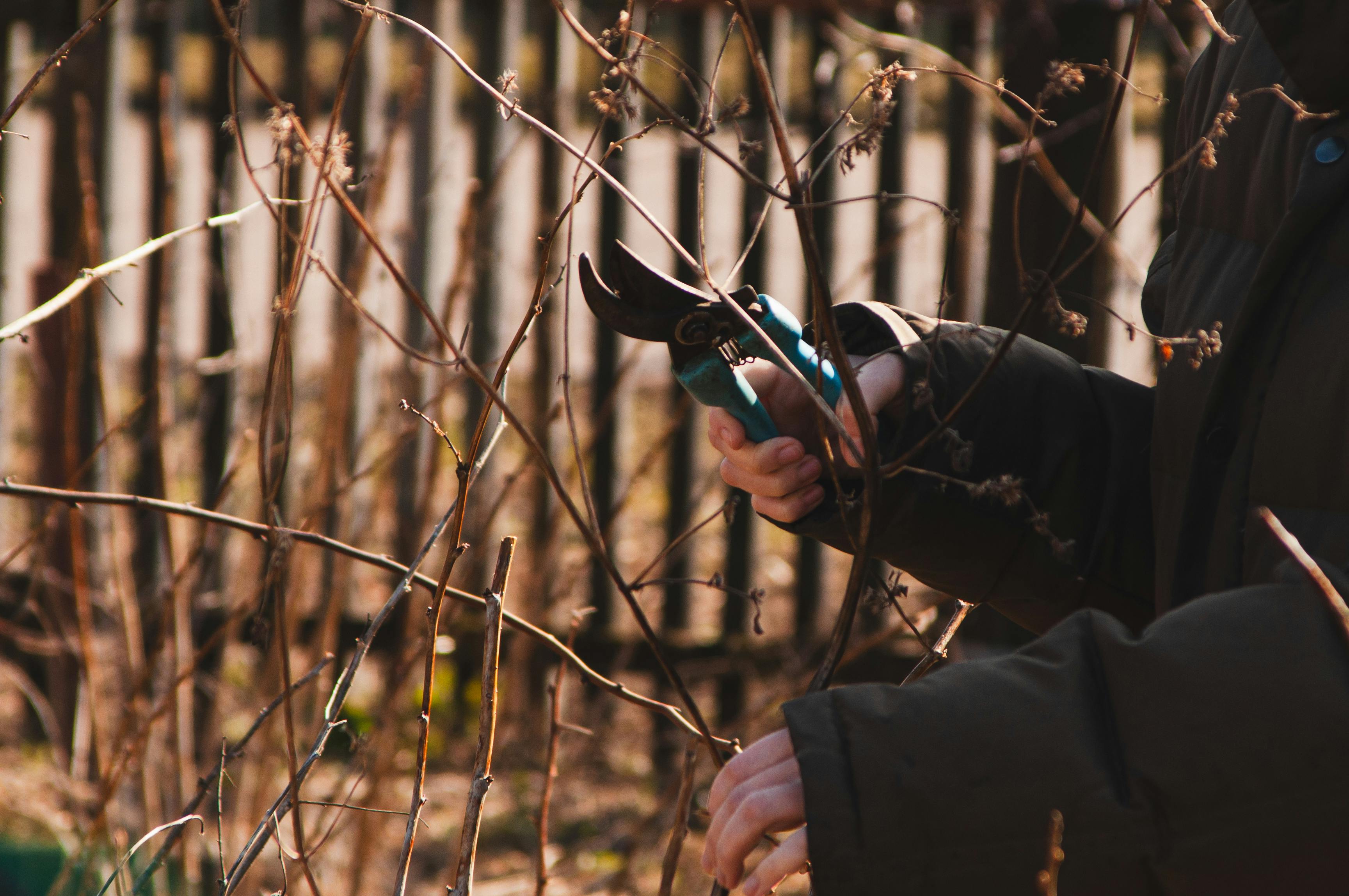
Remove all dead, damaged, or diseased wood first, cutting right back to healthy tissue.
Take out any crossing branches and growth thinner than a pencil.
Clear the centre of the bush to leave three to four strong main canes in an open, vase-like shape for good airflow.
Cut back remaining canes by roughly a third to half, angling each cut at 45 degrees around 5mm above an outward-facing bud.
Remove any suckering growth emerging from below the graft union.
A light summer tidy-up after flowering encourages further blooms but should never be as severe as the winter prune.
Common NZ Rose Pests and Diseases
Roses are magnets for pests and fungal disease in New Zealand’s warm, humid summers, particularly in the upper North Island. Recognising problems early is essential to keeping plants healthy without resorting to heavy spraying.
Aphids
Small sap-sucking insects that cluster on new growth and buds. A strong blast of water from the hose, repeated over several days, often knocks numbers down; insecticidal soap or products like Yates Rose Gun Spray are effective for persistent infestations. Ladybirds and lacewings are useful natural predators worth encouraging in the wider garden.
Black Spot
The most serious rose disease in NZ conditions, showing as dark circular spots on leaves that yellow and drop. It’s worsened by poor air circulation and overhead watering. Clean up fallen leaves and debris (spores overwinter in litter), water at the base rather than over foliage, and apply a fungicide or neem oil spray if it appears.
Powdery Mildew
A white, dusty coating on leaves and buds, most common in humid northern gardens with poor airflow. Improve spacing and pruning to boost ventilation, and treat with a registered fungicide if the problem persists.
Passionvine Hopper and Bronze Beetle
While not rose specialists, these widespread NZ garden pests can occasionally damage foliage and new shoots, particularly in Waikato and Bay of Plenty gardens. Regular inspection and targeted spraying keep numbers manageable without harming beneficial insects.
Many modern rose varieties, particularly compact floribundas and patio roses, are perfectly suited to container growing on a deck, courtyard, or apartment balcony — a great option for smaller urban sections increasingly common around Hamilton and Auckland. Use a quality potting mix blended with compost, choose a pot at least 40cm wide and deep, and feed and water more frequently than in-ground roses since container soil dries out faster and nutrients leach quickly.
Key Takeaways for Growing Roses in NZ
Plant bare-root roses June–August; potted roses any time, avoiding peak summer heat
Choose a sunny, airy spot with at least five hours of sun and free-draining, compost-enriched soil
Prune hard in mid-to-late winter, adjusting timing later in frost-prone regions
Feed regularly through spring and summer with sheep pellets, blood and bone, or granular rose food
Stay ahead of aphids, black spot, and powdery mildew with good airflow and prompt treatment
Frequently Asked Questions
What is the best time to plant roses in New Zealand?
Bare-root roses are best planted from June to August while dormant, giving roots time to settle before spring growth begins. Potted roses can be planted almost any time of year, though it’s wise to avoid planting during the peak heat of summer, when transplant stress is higher and watering demands increase significantly.
How often should I water established roses?
Water deeply but infrequently once roses are established, rather than frequent light sprinklings. Deep watering encourages roots to grow downward, making the plant more resilient during dry Kiwi summers. Reduce watering considerably in winter once the plant drops its leaves and enters dormancy.
How do I protect roses from frost in Central Otago or Canterbury?
Delay winter pruning until late August in frost-prone inland areas so new shoots aren’t damaged by a late cold snap. A thick layer of mulch around the base insulates roots, and avoiding heavy fertilising too early in spring prevents tender new growth from being caught out.
My clay soil is heavy — can I still grow roses?
Yes, clay loam is actually considered close to ideal for roses due to its good water and nutrient-holding capacity. Simply dig in generous amounts of compost and sheep pellets before planting, and consider adding gypsum to heavy volcanic clay common in Waikato gardens to further improve drainage.
Why do my roses keep getting black spot?
Black spot thrives in humid conditions with poor airflow, which is why it’s especially common in Northland and Auckland gardens. Improve spacing between plants, water at soil level rather than over foliage, clean up fallen leaves regularly, and apply neem oil or a fungicide spray at the first sign of spotting.
Do I need to feed roses in winter?
No, roses need little to no feeding through winter dormancy. Resume feeding as new growth emerges in late winter or early spring, then continue every four to six weeks through the main growing season for the best blooms.
Can roses grow in pots on a small NZ section or balcony?
Absolutely — compact floribunda and patio rose varieties do very well in large containers with quality potting mix. Feed and water more often than in-ground roses since pots dry out and lose nutrients faster, and choose a sunny, sheltered spot for the best flowering results.
Growing Beautiful Roses, Season After Season
Mastering how to grow roses in New Zealand really comes down to respecting the seasonal rhythm our climate demands: winter planting and pruning, spring feeding and flowering, and vigilant summer pest and disease watch. Get the sunny position, free-draining soil, and seasonal timing right, and your roses will reward the effort with flush after flush of colour well into autumn. Treat your whenua with care, stay consistent with the basics, and your garden will thank you with roses worth showing off to the neighbours.
We use cookies to improve your experience, analyze traffic, and display personalized ads.
By clicking "Accept", you consent to the use of cookies in accordance with our Privacy Policy.