How to Grow Radishes in NZ: The Fast, Foolproof Root Crop for Every Kiwi Garden
If you want proof that gardening doesn’t have to be complicated, radishes are it. Learning how to grow radishes is one of the quickest wins in New Zealand vegetable growing — from seed to harvest in as little as 25 to 35 days, making them perfect for impatient gardeners, kids doing their first planting, or anyone filling gaps in a raised bed between slower crops like brassicas or leeks. Across Aotearoa, from subtropical Northland to frosty Central Otago, radishes reward minimal effort with a genuinely satisfying harvest.
This guide walks you through everything a New Zealand home gardener needs: soil prep, sowing technique, regional timing, common pest and disease issues, and troubleshooting for split or woody roots. Whether you’re following a spring gardening guide for the first time or you’re a seasoned grower topping up your vegetable planting calendar, radishes deserve a permanent spot in your patch.
Radishes grow best in full sun (at least 6 hours daily) in loose, free-draining soil with a pH of 6.0–7.0. Sow seed directly 1cm deep and 3–5cm apart in rows spaced 20–30cm apart — radishes hate being transplanted, so skip seed trays. Keep soil evenly moist to avoid split or woody roots, and harvest as soon as roots reach marble to golf-ball size, usually 25–35 days after sowing.
Best NZ sowing window: late winter through autumn (August–April), with spring and early autumn giving the sweetest, crispest roots.
Soil: light, well-drained, free of fresh manure or clumpy clay.
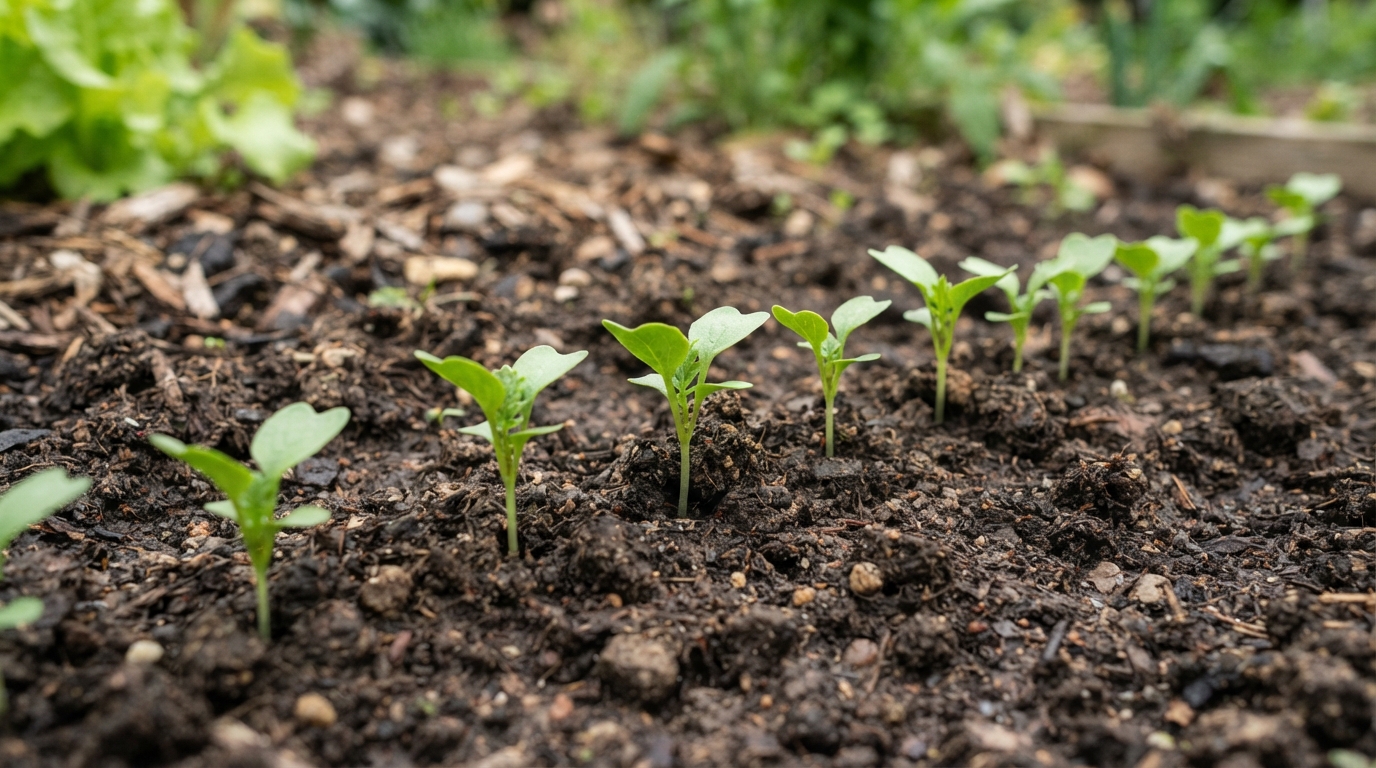
Spacing: 3–5cm between plants, thin seedlings once true leaves appear.
Watering: consistent, even moisture — irregular watering causes bolting and bitterness.
Harvest window: narrow — pull radishes promptly once they hit usable size or they turn woody.
Why Radishes Belong in Your Spring Vegetable Planting Guide
Radish (Raphanus sativus) is a cool-season brassica-family root crop, and in New Zealand it’s one of the standout inclusions in any spring planting guide. Spring (September to November) delivers the mild, steadily warming temperatures radishes need to size up quickly without bolting to seed — the biggest headache with radishes grown through a hot Kiwi summer.
Because radishes mature so fast, they’re often the first crop many gardeners sow when the soil starts to warm after winter. They’re also brilliant as a “catch crop” — sown between rows of slower vegetables like tomatoes or capsicums while those seedlings establish, effectively doubling the productivity of your bed space. Kiwi gardeners often notice that radishes sown in early spring have a milder, sweeter flavour than the same variety sown in the heat of January, when roots can turn hot and pithy from stress.
Where Radishes Fit on Your Vegetable Planting Calendar
A well-organised vegetable planting calendar treats radishes as a repeat-sow, gap-filling crop rather than a once-a-season planting. Because they mature in about a month, successive sowing every 2–3 weeks keeps a continuous supply coming rather than one large glut that bolts or gets woody before you can eat it all.
Season (NZ)
Months
Radish Suitability
Notes
Late Winter
August
Good in warmer regions
Wait for soil to warm in frost-prone inland areas
Spring
September–November
Excellent
Prime sowing window; mild, steady growth, low bolt risk
Summer
December–February
Fair, needs care
Water and shade midday heat to prevent bolting/pithiness
Autumn
March–May
Excellent
Second prime window; cooling temps suit sweet, crisp roots
Winter
June–July
Poor in cold regions
Slow growth in Canterbury/Central Otago frosts; fine in Northland/Auckland
Choosing a Sunny Spot and Preparing the Soil
Radishes need at least six hours of direct sun daily, though in warmer northern regions like Auckland and Northland, light afternoon shade in summer can help prevent roots turning hot and fibrous. Avoid deeply shaded corners — weak light produces leggy tops and undersized, disappointing roots, as noted in Yates New Zealand’s radish growing guide.
Soil preparation matters more than most gardeners expect for such a small crop. Radishes need loose, stone-free, free-draining soil to form smooth, uniform roots — heavy clay or compacted ground causes forked, misshapen radishes. Here’s how to get it right across common New Zealand soil types:
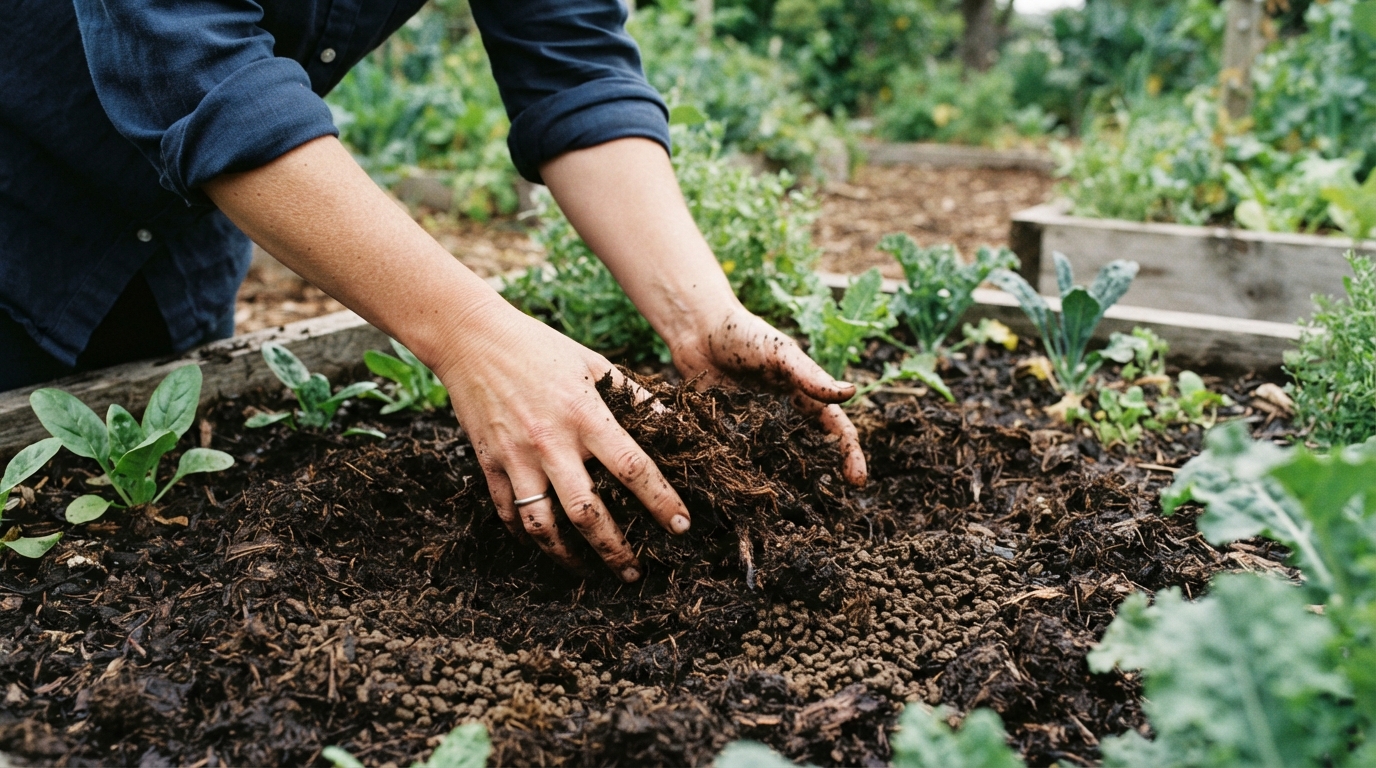
Volcanic clay (Waikato, Bay of Plenty): work in compost and sheep pellets to lighten the structure and improve drainage before sowing.
Sandy loam (coastal regions, parts of Canterbury): naturally suited to radish; add compost to retain moisture, since sandy soils dry out fast and trigger bolting.
Peat soils (parts of Waikato/Hauraki Plains): generally excellent for root crops, but check pH — peat can run acidic, so lime lightly if pH drops below 6.0.
Heavy clay (inland/hill country): dig in Daltons Premium Garden Mix or similar coarse organic matter to break up clods, as recommended by Daltons’ radish growing guide.
Avoid fresh manure or overly rich soil — radishes don’t need heavy feeding, and excess nitrogen encourages leafy tops at the expense of root development. A light application of blood and bone dug into the bed before sowing, as advised by Bunnings New Zealand, is usually all the fertility radishes require. Aim for a soil pH between 6.0 and 7.0; test with an inexpensive soil pH kit if you’re unsure, particularly on volcanic or peat-based whenua.
How to Sow Radish Seed Directly
Radish is always grown from seed sown straight into the ground or container — never transplanted. The tender root is easily damaged during transplanting, which causes forking, stunting, or bolting. Follow these steps for reliable germination:
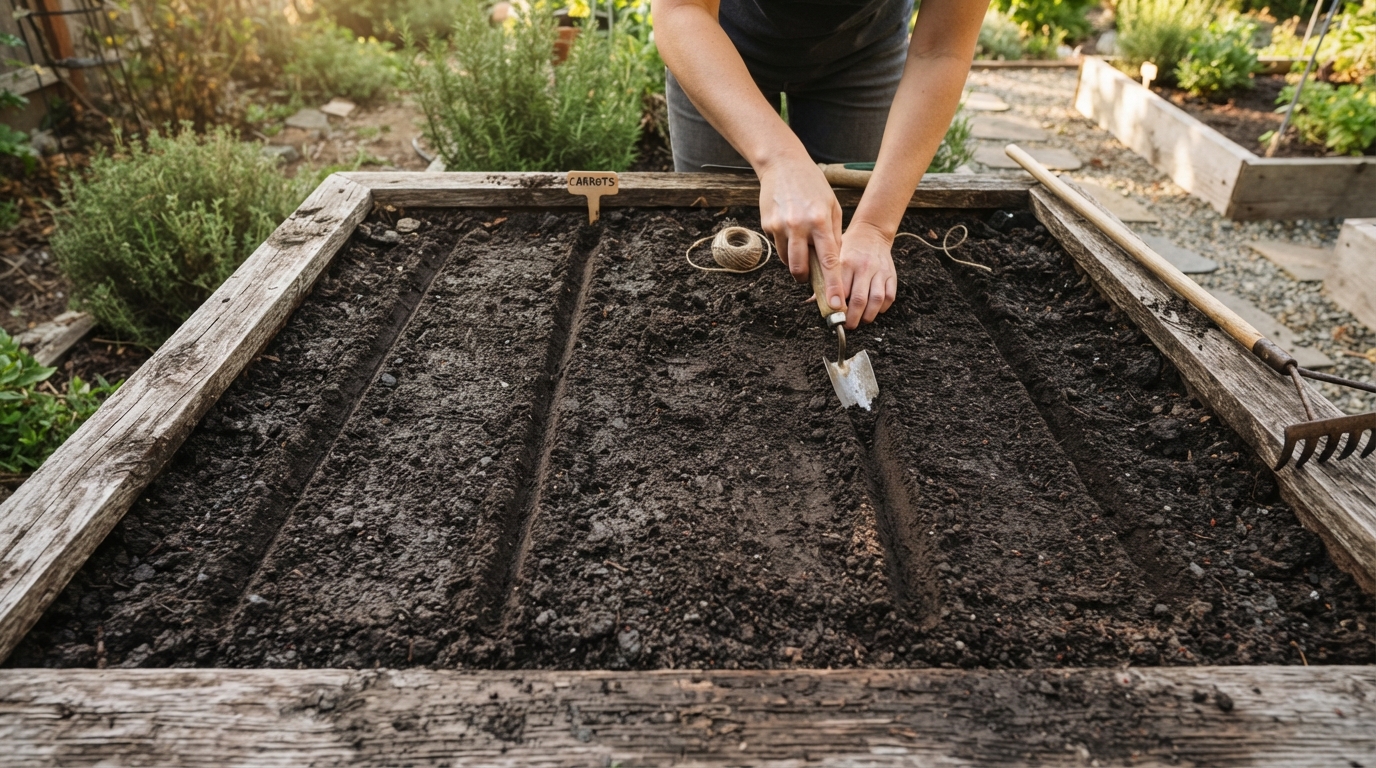
Rake the bed to a fine, crumbly texture, removing stones and clods.
Draw shallow rows about 20–30cm apart using a stick or the edge of a hoe.
Sow seeds 1cm deep, spacing them roughly 3–5cm apart along the row.
Lightly cover with fine soil or seed-raising mix and firm gently with your palm.
Water in with a fine spray, keeping the surface consistently damp until germination, which typically takes 5–10 days.
Once seedlings show their first true leaves, thin to the final spacing — don’t waste the thinnings, they’re edible in salads.
If you’re growing in containers, choose pots at least 20–25cm deep filled with a dedicated vegetable mix, as suggested in the Tui Garden radish growing guide. Deep enough root run prevents the stunted, misshapen roots common in shallow pots.
Regional Sowing Notes: Microclimates Matter
New Zealand’s growing conditions vary enormously from north to south, and radish timing should flex accordingly:
Subtropical Northland/Auckland: can sow almost year-round, though midsummer heat demands shade cloth and extra watering to avoid pithy, hot-tasting roots.
Temperate Waikato/Bay of Plenty: spring and autumn are peak windows; volcanic soils need loosening but hold moisture well once amended.
Alpine/frost-prone Canterbury/Central Otago: wait until soil temperatures lift in early-to-mid spring; a cold snap can slow germination to a crawl. In frost-prone inland areas, cloches or cold frames give seedlings a head start.
Watering, Mulching and Feeding
Consistency is everything with radishes. Uneven watering — drying out, then flooding — is the number one cause of split roots, and drought stress triggers premature bolting where the plant sends up a flower stalk instead of bulking its root. Water little and often rather than deeply and rarely, aiming for evenly moist (not waterlogged) soil throughout the growing period.
A light mulch of pea straw or sugarcane mulch around seedlings helps retain that even moisture and suppresses weeds, which compete strongly with radish’s shallow root system. Radishes rarely need heavy feeding, but a fortnightly liquid feed such as a seaweed and kelp tonic or diluted fish emulsion can boost growth rate without pushing excessive leaf growth the way synthetic nitrogen fertilisers can.
Common NZ Pests and Diseases Affecting Radishes
Radishes are a brassica-family crop, so they share several pest and disease pressures with cabbages and broccoli. Watch for the following issues, which Yates New Zealand’s common radish problems guide identifies as the most frequent complaints from home gardeners:
Flea Beetles and Aphids
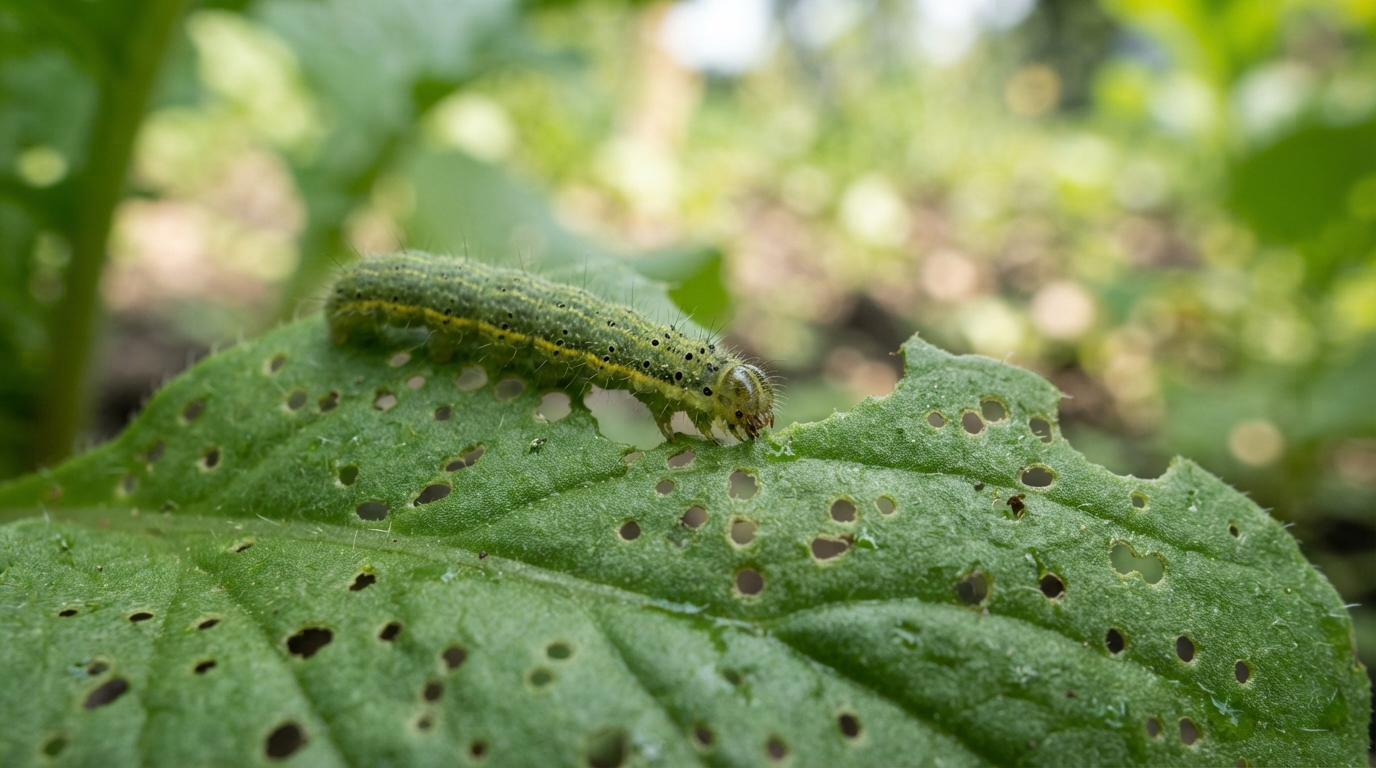
Small beetles that riddle leaves with shot-holes, and aphid colonies that cluster on new growth, are both common on young radish foliage. Light infestations rarely affect root quality; for heavier outbreaks, an insecticidal soap or a citrus-based organic spray such as Yates Nature’s Way controls both without harsh chemical residues on a fast-cropping vegetable you’ll eat within weeks.
Cabbage White Butterfly Caterpillars
The white butterfly (Pieris rapae) lays eggs on brassica-family leaves nationwide, and radish tops are not immune. Caterpillars chew ragged holes in foliage. Netting young plants or handpicking caterpillars early usually keeps damage below the threshold that affects root growth.
Slugs and Snails
Slugs and snails target tender radish seedlings especially in damp, high-rainfall regions like Taranaki and the West Coast. Slug and snail pellets scattered around the base of seedlings, or beer traps for a chemical-free approach, protect the vulnerable early growth stage.
Clubroot
Clubroot is a soil-borne fungal disease that swells and distorts brassica roots, and it can persist in soil for years once established. It’s a significant issue for commercial brassica growers in parts of New Zealand, as documented by industry research into biocontrol options such as the Smart Radish clubroot suppression trial. Home gardeners can reduce risk through crop rotation, avoiding planting radishes or other brassicas in the same bed year after year, and maintaining soil pH above 6.8, since clubroot thrives in acidic conditions.
Troubleshooting: Split, Woody or Bitter Radishes
Most radish problems trace back to moisture or timing rather than pests. Here’s how to diagnose and fix the common complaints:
Problem
Likely Cause
Fix
Split roots
Irregular watering — dry spell followed by heavy soaking
Water evenly and consistently; mulch to buffer soil moisture swings
Woody, tough texture
Left in the ground too long past maturity
Harvest promptly once roots reach marble-to-golf-ball size
Hot, bitter flavour
Heat stress, usually mid-summer sowing
Sow in spring or autumn; provide afternoon shade in hot regions
Bolting to flower
Drought stress or extreme temperature swings
Keep soil consistently moist; avoid sowing in peak summer heat
Forked or misshapen roots
Stony, compacted or heavy clay soil; transplant shock
Loosen and de-stone soil before sowing; always sow direct, never transplant
All leaf, no root
Overcrowding or excess nitrogen
Thin seedlings properly; avoid heavy manure or high-nitrogen fertiliser
Harvesting and Storing Your Radish Crop
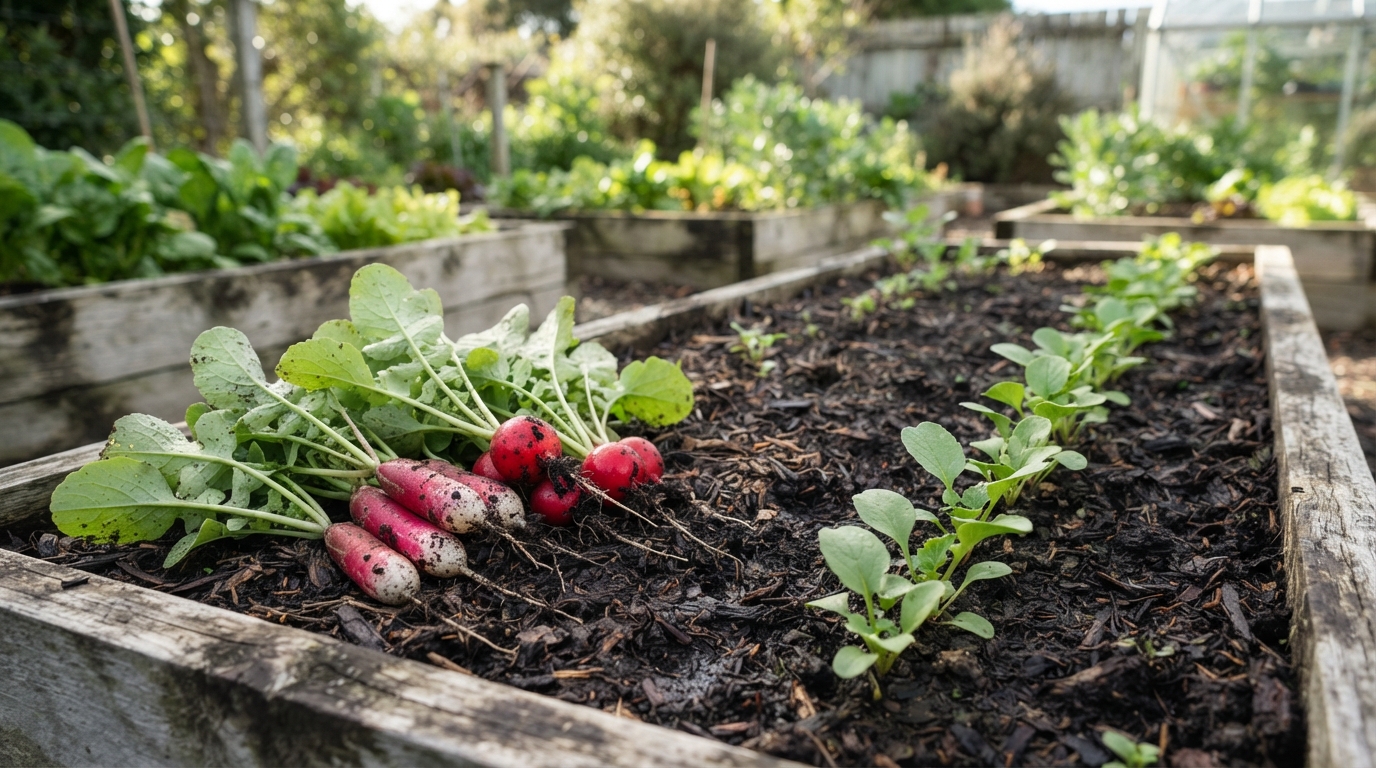
Timing the harvest is the trickiest part of growing radishes, precisely because they mature so fast. Check roots by gently brushing away soil at the shoulder once plants are 25 days old, and pull them as soon as they reach usable size — typically marble to golf-ball sized, depending on variety. Left in the ground even a week too long, radishes turn woody, cracked and unpleasantly hot.
Twist off the leafy tops shortly after harvest to stop moisture loss into the foliage.
Avoid washing roots before storage if you’re not using them immediately — store slightly soiled in a perforated bag in the fridge crisper.
Use within one to two weeks for best crunch and flavour; radishes lose their signature crispness the longer they sit.
Radish leaves are edible too — young leaves can be added to soups or sautéed like a mild green.
Best Radish Varieties for New Zealand Gardens
New Zealand seed suppliers stock a range of radish varieties suited to different tastes and growing styles:
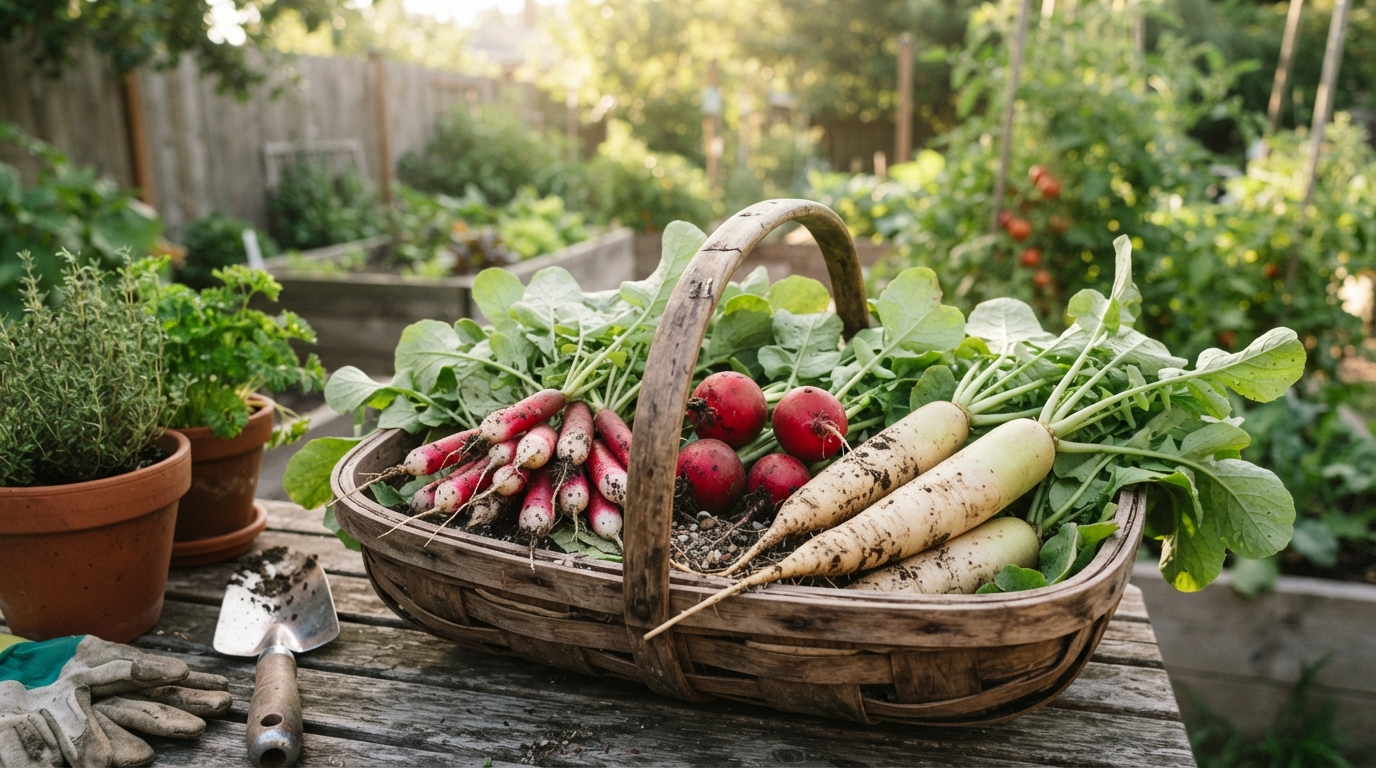
French Breakfast: classic elongated red-and-white root, mild flavour, fast to mature.
Red Globe / Cherry Belle: round, bright red, the standard salad radish and a reliable beginner choice.
Daikon: a large white Asian radish that grows much longer and needs deeper, looser soil (dig at least 30cm deep) but stores well and suits stir-fries and pickling.
White Icicle: long, slender, crisp white roots with a milder bite than red varieties.
Kings Seeds and other New Zealand suppliers note that most radish varieties, including popular F1 hybrids, follow the same core rule: sow shallow, in fine, moist soil, no more than twice the seed’s diameter deep, as detailed in Kings Seeds’ radish growing notes.
Radishes as a Companion and Soil-Building Crop
Beyond the kitchen, radishes have a quiet reputation among Kiwi gardeners as a useful companion plant. Their fast germination helps mark rows of slower-sprouting seeds like carrots or parsnips sown in the same bed. Their rapid, penetrating taproot can also help break up lightly compacted topsoil ahead of heavier root crops — though for genuine soil structure improvement on a larger scale, growers sometimes use dedicated forage radish or daikon cover crops, distinct from the salad varieties grown for eating.
For gardeners working with whenua that’s been under lawn or hard-packed for years, a first round of radishes alongside compost and sheep pellets is a gentle, productive way to start reconditioning the soil before committing to longer-season crops.
Key Takeaways for Growing Radishes in NZ
Radishes are one of the fastest vegetables to grow in New Zealand, reaching harvest in 25–35 days from direct sowing.
Sow seed directly — radishes do not transplant well.
Spring and autumn are the two prime windows on any New Zealand vegetable planting calendar, avoiding the bolting risk of peak summer heat.
Loose, free-draining soil with even moisture prevents the most common problems: split, woody or hot-tasting roots.
Watch for flea beetles, cabbage white caterpillars, slugs, and — in brassica-heavy gardens — clubroot, and rotate crops to manage soil-borne disease risk.
Harvest promptly at marble-to-golf-ball size; radishes left too long lose their crisp, mild character.
Frequently Asked Questions
What is the best time to plant radishes in New Zealand?
Spring (September–November) and autumn (March–May) are the best windows, offering mild, steady temperatures that produce sweet, crisp roots without triggering bolting. Radishes can technically be sown almost year-round in warmer regions like Auckland and Northland, but midsummer sowings need extra water and some afternoon shade to avoid hot, pithy roots.
Why are my radishes all leaf and no root?
This usually comes down to overcrowding or excess nitrogen. Thin seedlings properly to 3–5cm apart so each plant has room to bulk its root, and avoid rich manure or high-nitrogen fertiliser, which pushes leafy top growth at the expense of the root itself.
Can radishes handle frost in cooler parts of New Zealand?
Mature radish plants tolerate light frost reasonably well, but germinating seedlings are more vulnerable. In frost-prone inland areas like Central Otago or inland Canterbury, wait until soil has warmed in early-to-mid spring, or use a cloche to protect young seedlings from hard frosts.
How do I stop my radishes from splitting?
Split roots almost always come from inconsistent watering — a dry spell followed by heavy rain or a big soak. Water evenly and regularly, and apply a light mulch layer to help the soil retain steady moisture between waterings.
Do radishes need fertiliser?
Not heavily. A light dressing of blood and bone worked into the soil before sowing, followed by an occasional liquid seaweed or kelp feed, supplies enough nutrients. Rich, freshly manured soil tends to produce leafy tops rather than well-formed roots.
How close together should radish seeds be planted?
Sow seeds roughly 3–5cm apart in rows spaced 20–30cm apart, then thin seedlings to their final spacing once true leaves appear. Crowded radishes compete for space and often bulk up poorly.
Can I grow radishes in a container garden?
Yes — radishes are well suited to pots at least 20–25cm deep, filled with a good vegetable mix. Round varieties like Red Globe or Cherry Belle generally suit containers better than the longer daikon types, which need more root depth.
Why do my radishes taste hot and bitter?
Heat and drought stress are the usual culprits, often from sowing in the height of summer or letting the soil dry out between waterings. Sow in spring or autumn where possible, and keep watering consistent through warmer stretches to keep flavour mild and crisp.
Growing Radishes: A Quick Win for Every Kiwi Garden
Few crops reward a beginner gardener as quickly or reliably as radishes — and once you understand how to grow radishes in New Zealand’s varied climates, they become an easy, repeatable staple you can slot into almost any spring vegetable planting guide or gap in the garden calendar. Prep your soil well, keep the moisture even, and harvest promptly, and you’ll have a crisp, homegrown crop ready before most other vegetables have even properly germinated. Get your seeds in the whenua this season, and let your garden — and your kai — benefit from one of gardening’s simplest pleasures.
We use cookies to improve your experience, analyze traffic, and display personalized ads.
By clicking "Accept", you consent to the use of cookies in accordance with our Privacy Policy.