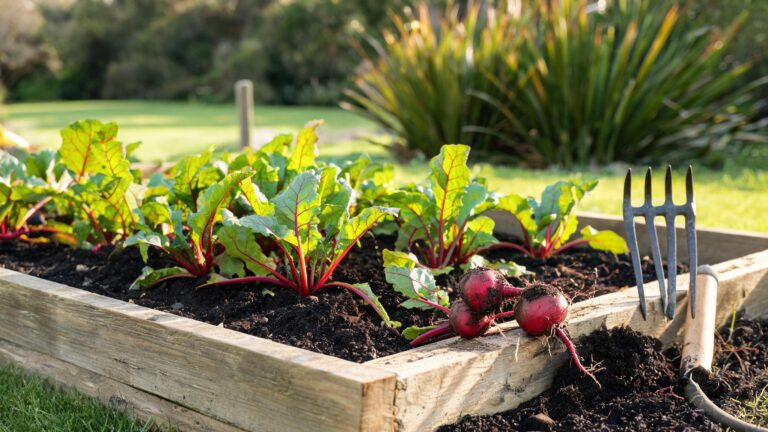
Growing Beetroot in Pots: The Ultimate NZ Spring Gardening Guide for Bumper Roots
If you’ve been putting off growing beetroot in pots because you think you need a big vegie patch, it’s time to think again. Beetroot is one of the most forgiving root crops for container growing in Aotearoa, and with spring temperatures warming the whenua across the country, this is the perfect window to get seeds in. Whether you’re gardening on a Queenstown deck, an Auckland balcony, or a suburban Hamilton courtyard, this spring gardening guide walks you through exactly how to grow beetroot in beetroot in containers so you get plump, sweet roots every time.
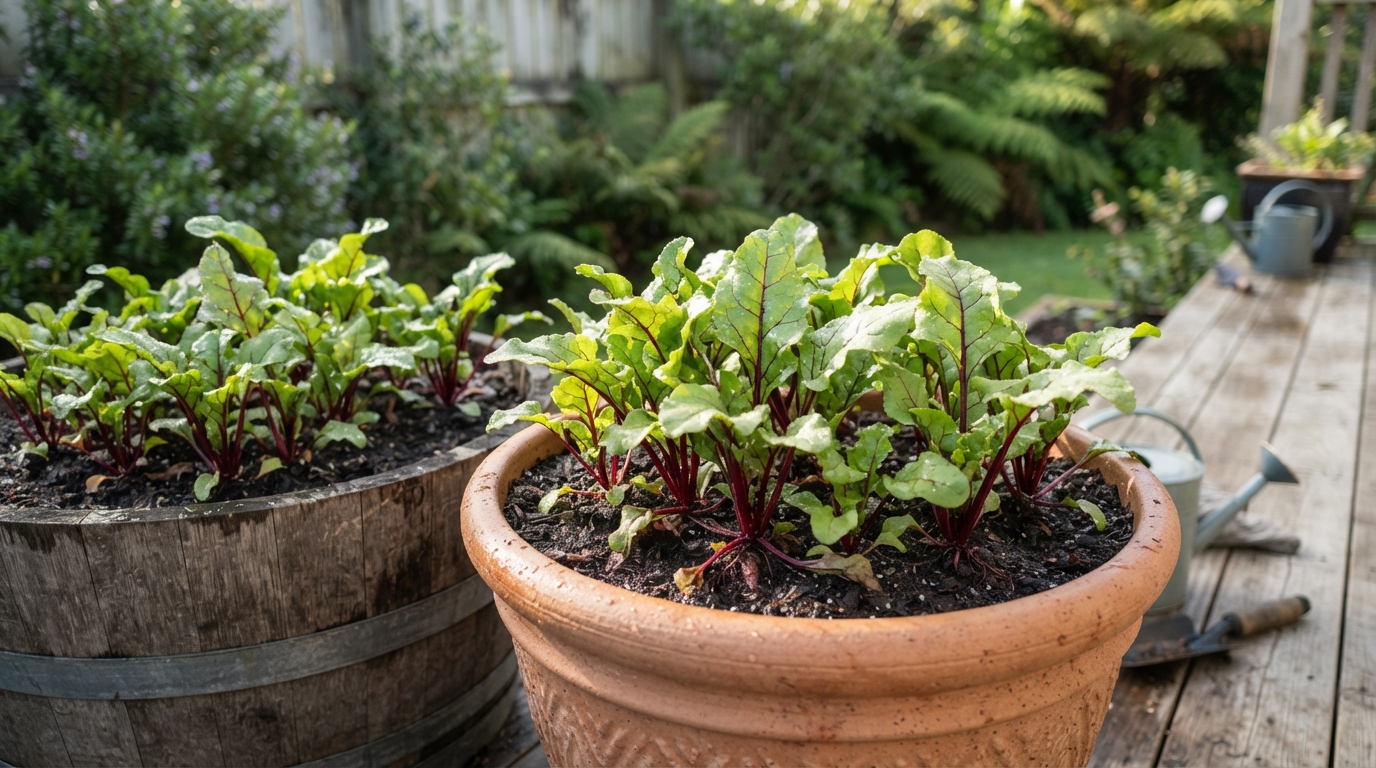
Beetroot grows well in containers at least 25–30cm deep and 30cm wide, filled with a free-draining vegetable mix enriched with compost or sheep pellets. Sow seed directly into the pot from early September through to autumn across most of New Zealand, keep the mix evenly moist, and thin seedlings to around 7–10cm apart for full-size roots.
Minimum pot depth: 25–30cm; wider pots let you grow multiple plants per container
Best sowing window: early spring (September) through to early autumn in most NZ regions
Feed lightly but consistently — too much nitrogen produces leafy tops and stringy roots
Harvest in 8–12 weeks depending on variety and region
Why Beetroot Suits NZ Container Gardening
Beetroot (Beta vulgaris) is a compact, shallow-rooted biennial grown as an annual for its swollen taproot and edible leafy tops. It’s genuinely one of the easiest vegetables to grow in a pot because it doesn’t need deep soil like carrots or parsnips, tolerates the cooler, changeable spring weather common across most of New Zealand, and matures quickly enough to slot into a crowded courtyard rotation.
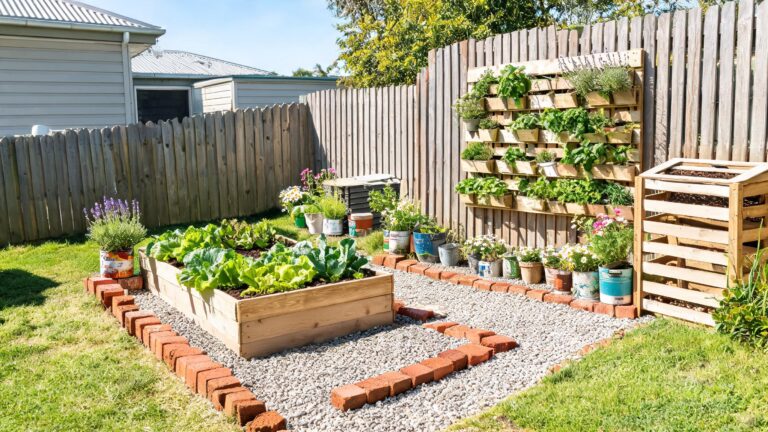
For gardeners without access to open ground — renters, apartment dwellers, or those retrofitting a small urban plot — pots and half-barrels solve the two biggest beetroot bugbears: heavy clay soils that cause forking, and poor drainage that leads to rot. A dedicated container gives you full control over the growing medium, which matters hugely if your whenua is Waikato peat, Auckland volcanic clay, or the free-draining but nutrient-hungry sandy loams of Canterbury.
What You’ll Need
A container at least 25–30cm deep and 30–40cm wide (half wine barrels, grow bags, and glazed ceramic pots all work well)
Quality vegetable or container mix, such as Tui Vegetable Mix or Daltons Vegetable Mix
Compost, well-rotted sheep pellets, or blood and bone for feeding
Beetroot seed — reliable NZ varieties include Yates Derwent Globe, Yates Baby Beets, and heirloom Chioggia from Kings Seeds or Mr Fothergill’s
A sunny spot with at least 5–6 hours of direct light daily
A watering can or drip line for consistent moisture
How to Grow Beetroot in Pots Step by Step
Knowing how to grow beetroot successfully in a container comes down to getting three things right: depth, spacing, and consistent moisture. Follow these steps for a reliable harvest.
1. Choose and Prepare Your Container
Pick a pot with a minimum depth of 25cm — 30cm is safer if you’re growing larger globe varieties like Detroit Dark Red rather than baby beets. Make sure drainage holes are generous; beetroot hates sitting in waterlogged mix, which quickly leads to rot and forked roots. Line the base with a few centimetres of coarse gravel or broken crock only if your container lacks drainage holes, otherwise this isn’t necessary with a good potting mix.
2. Fill With the Right Growing Medium
Beetroot wants a light, friable, free-draining mix rather than heavy garden soil straight from the ground. Combine a bagged vegetable mix with roughly one-third mature compost and a handful of sheep pellets or blood and bone worked through before sowing. Aim for a slightly alkaline pH of 6.0–7.0; if your existing mix is on the acidic side, a light dusting of garden lime a couple of weeks before sowing will help prevent the corky black patches associated with boron and calcium deficiency.
3. Sow Seed at the Right Depth and Spacing
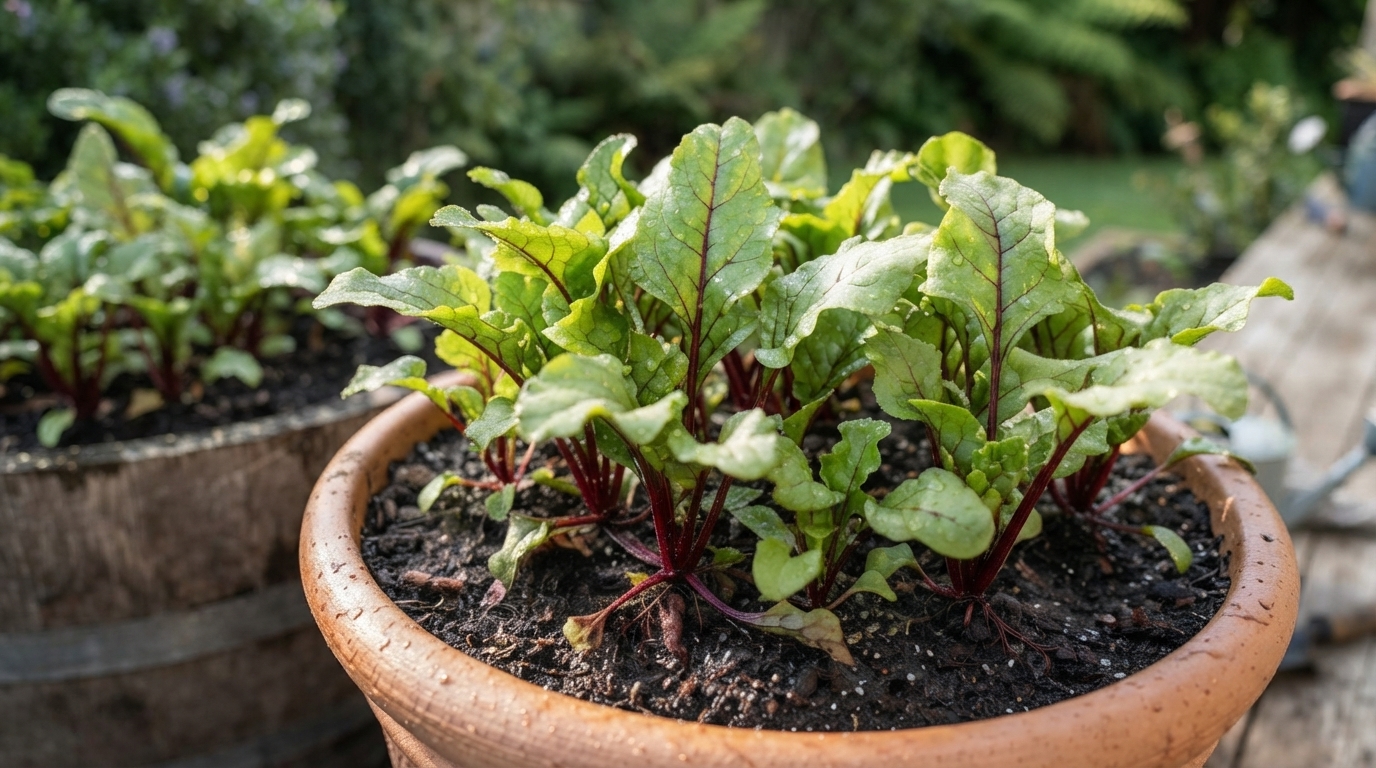
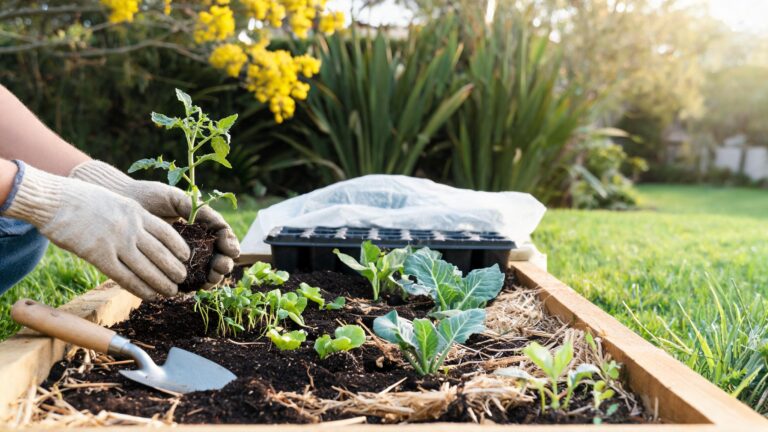
Sow seed directly into the container rather than transplanting where possible, since beetroot resents root disturbance. Push seeds in about 1–1.5cm deep, spaced 5cm apart initially. Each beetroot “seed” is actually a small dried fruit that can contain two or three embryos, so you’ll often get seedling clusters that need thinning.
4. Thin Seedlings for Full-Size Roots
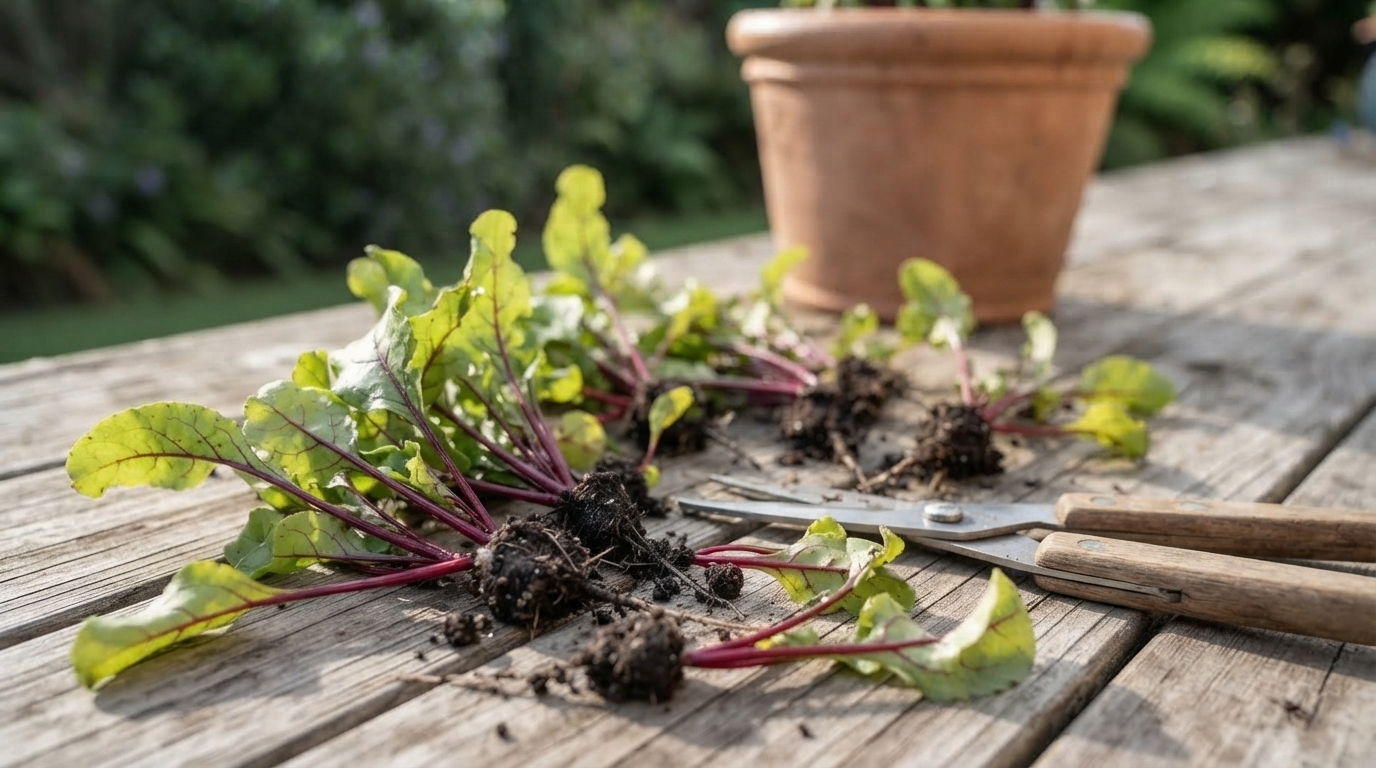
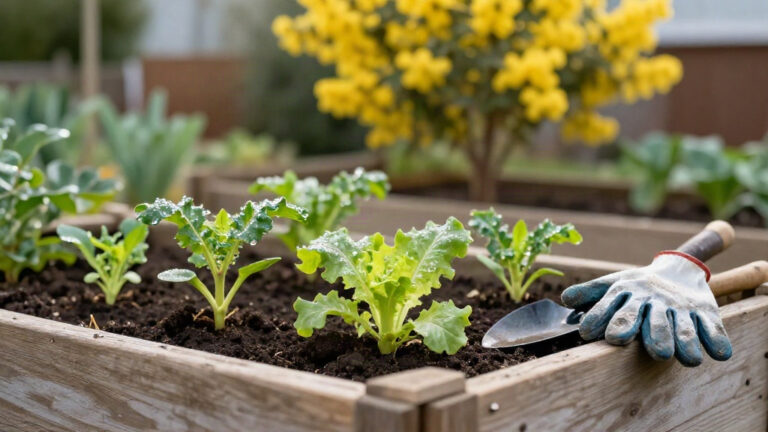
Once seedlings reach 3–4cm tall, thin to a final spacing of 7–10cm between plants. Snip surplus seedlings at soil level with scissors rather than pulling, which avoids disturbing the roots of neighbouring plants. The thinnings themselves are delicious tossed through a salad, so nothing goes to waste.
5. Water and Feed Consistently
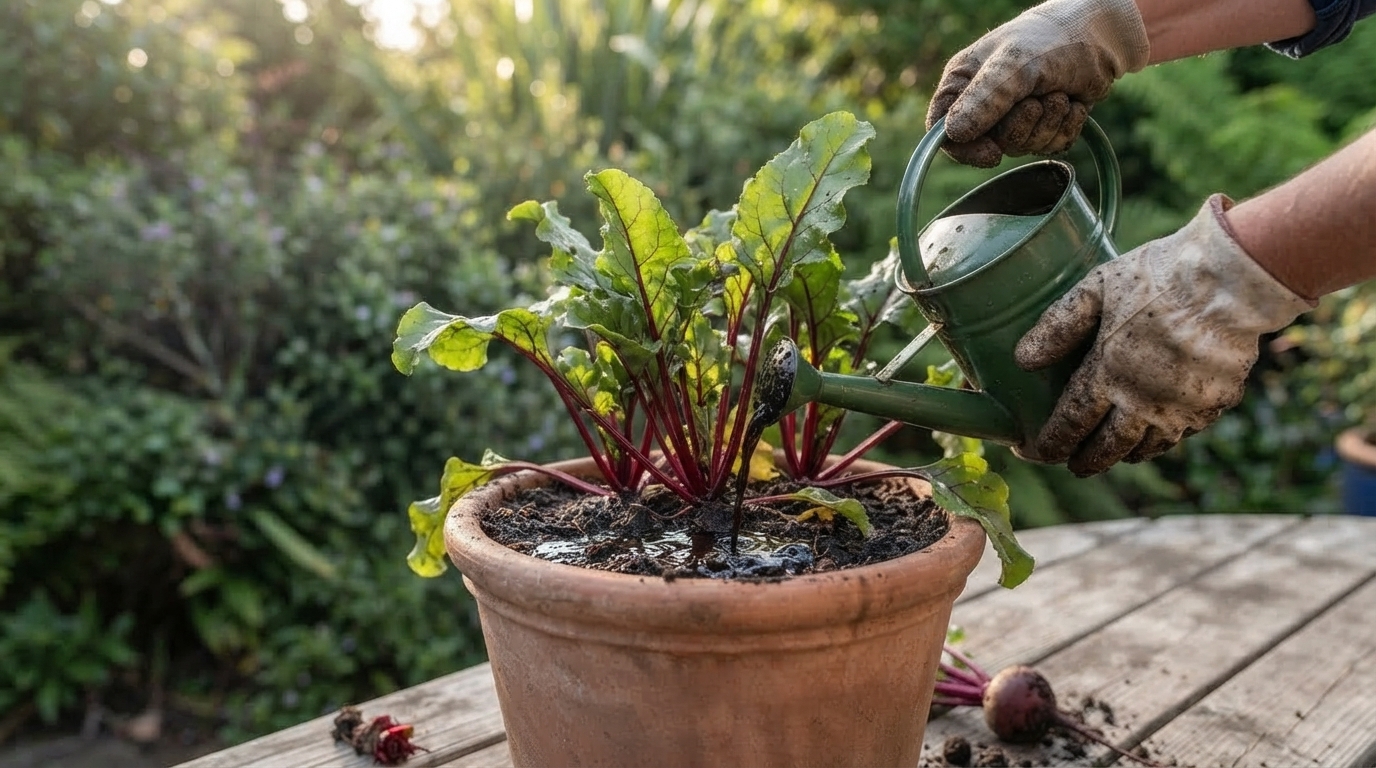
Keep the mix evenly moist but never soggy — inconsistent watering is the single biggest cause of woody, stringy beetroot in containers, since pots dry out far faster than open ground, especially in exposed or windy sites. A weekly liquid feed of seaweed tea or fish and seaweed emulsion keeps growth steady without triggering the excess leaf growth that comes from heavy nitrogen feeds like fresh manure.
6. Harvest at the Right Size
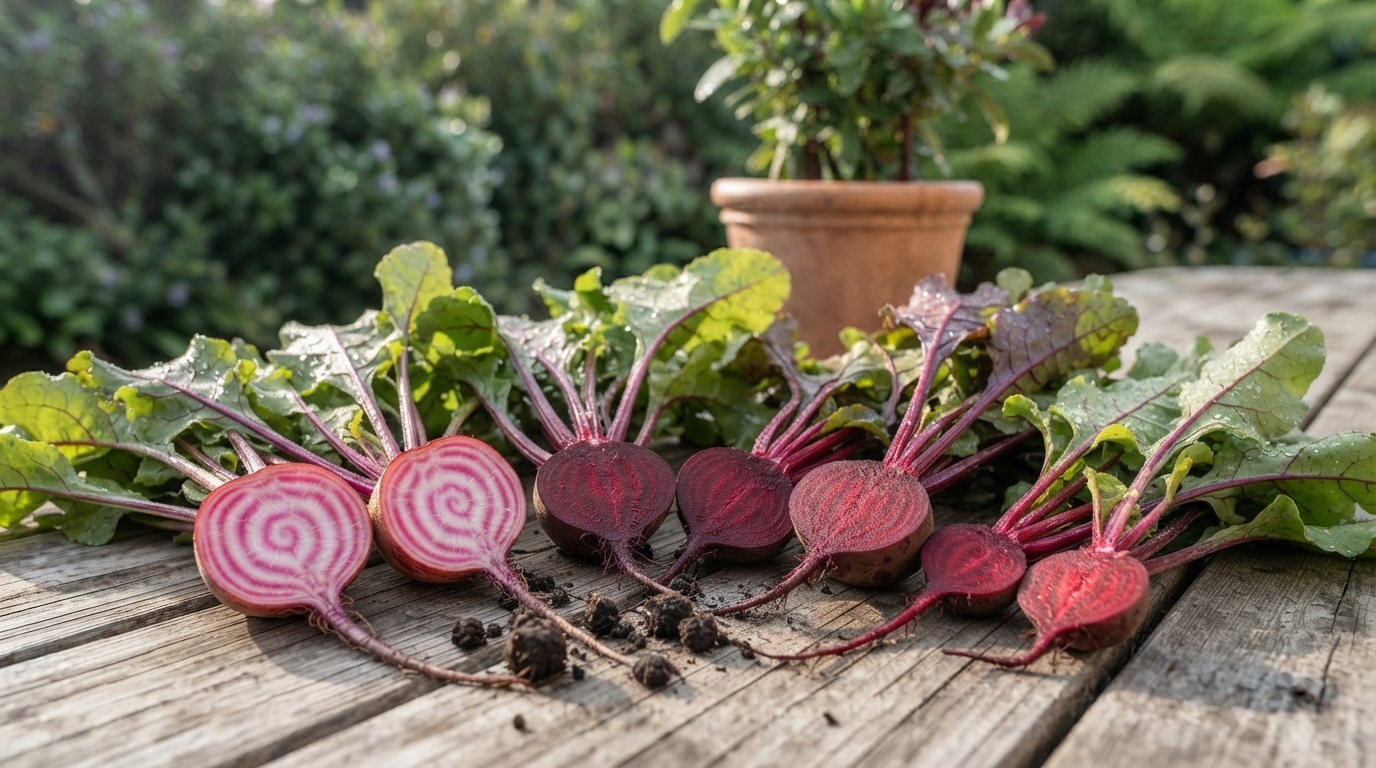
Most container varieties are ready in 8–12 weeks. Start picking as soon as roots reach golf-ball size to thin the remaining crop and let it bulk up further, or leave until roots are 5–7cm across for classic beetroot size. Twist the leafy tops off about 5cm above the crown rather than cutting, which reduces the “bleeding” beetroot is famous for.
Variety
Root Shape
Days to Harvest
Best Container Use
Yates Baby Beets
Small, round
7–8 weeks
Shallow pots, quick succession crops
Yates Derwent Globe
Deep red globe
10–12 weeks
Standard 25–30cm pots
Chioggia (heirloom)
Candy-striped globe
9–11 weeks
Ornamental pots, salad beets
Bull’s Blood
Round root, burgundy leaves
10–12 weeks
Dual-purpose leaf and root harvest
Detroit Dark Red
Large globe
11–12 weeks
Deeper barrels and half-barrels
NZ Seasonal Timing for Container Beetroot
New Zealand’s Southern Hemisphere calendar means spring runs September to November, and this is genuinely the sweet spot for beetroot, since soil temperatures between 10°C and 25°C give the fastest, most even germination. This spring gardening guide applies most reliably from Northland right through to Otago, though timing shifts slightly by region.
Northland and Auckland (subtropical/warm temperate): Beetroot can be sown almost year-round in pots, with only the height of summer (risk of bolting in prolonged heat above 28°C) and deep winter frosts to watch for.
Waikato and Bay of Plenty (temperate): Sow from early September through to March; a second sowing in late summer gives an autumn harvest before the ground cools.
Wellington and lower North Island: Wind exposure dries pots out fast, so sow slightly later in September once the worst spring gales ease, and mulch the surface with straw or pea straw.
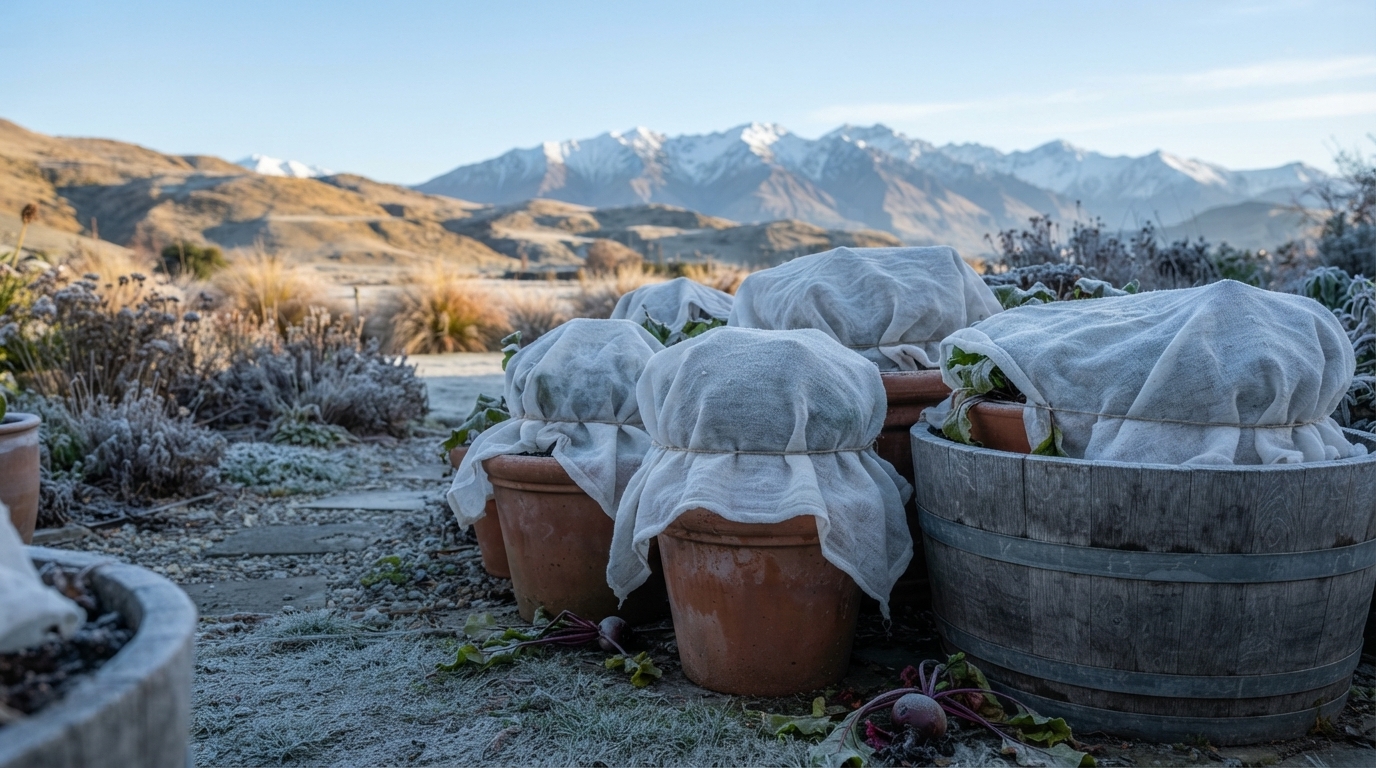
Canterbury and Central Otago (alpine/frost-prone): Wait until soil has warmed past 10°C, usually mid-to-late September, and move pots to a sheltered, sun-facing wall until the frost risk passes.
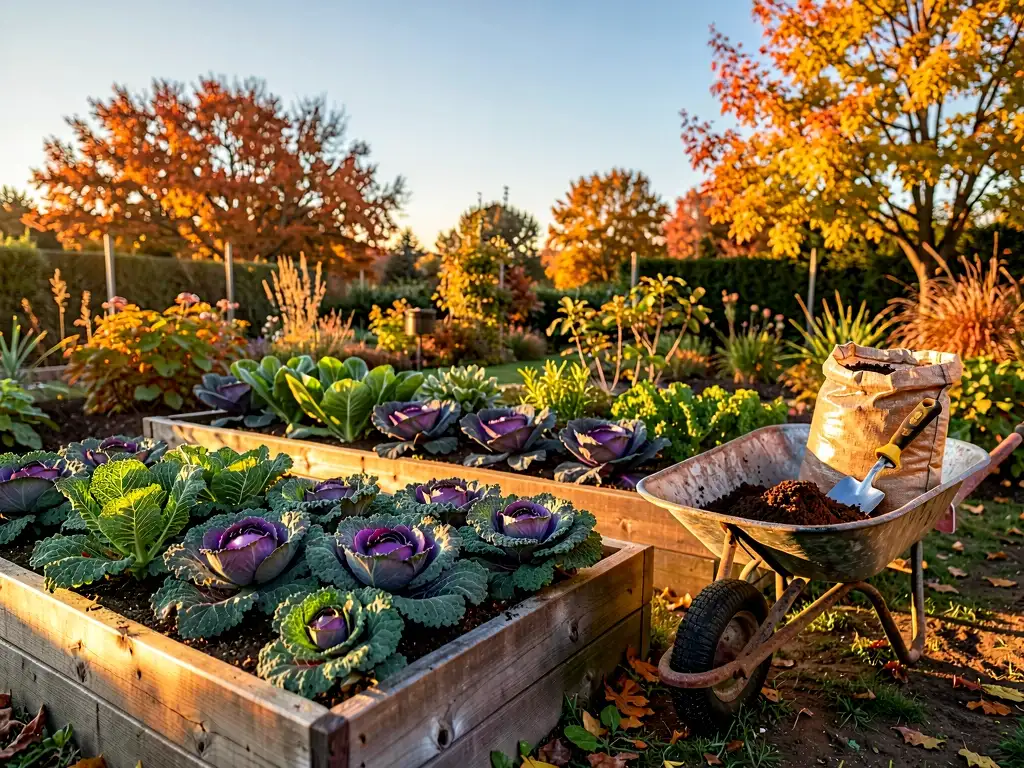
Because beetroot matures relatively fast in a pot, it slots neatly into a broader vegetable planting calendar as a filler crop between longer-season vegetables like tomatoes or courgettes, or as a reliable follow-on once your spring brassicas are lifted.
Common Pests, Diseases and Problems
Beetroot is genuinely one of the more trouble-free crops for NZ container growers, but a handful of issues crop up regularly, particularly with young seedlings and in humid coastal microclimates.
Slugs and Snails
Young beetroot seedlings are a favourite target, especially in damp Auckland and Wellington microclimates. Kiwi gardeners often notice overnight damage on newly emerged seedlings before they’ve even thinned the row. A ring of crushed eggshell, diatomaceous earth, or a pet-safe slug bait such as Yates Baysol keeps damage to a minimum.
Leaf Miner and Aphids
Pale tunnelling marks on leaves point to leaf miner larvae, while clusters of aphids on new growth are common in warm, still spring weather. Both are largely cosmetic on established plants; a hose-down or insecticidal soap spray usually settles an aphid outbreak without harming the developing root below.
Boron Deficiency (Black Heart)
In free-draining container mixes, boron can leach out with regular watering, leading to internal black or corky patches known as black heart. This is more common in sandy or highly leached potting mixes and is easily prevented with an occasional dilute borax drench or a boron-fortified vegetable fertiliser.
Bolting and Stringy Roots
Cold shocks below 10°C for several weeks can trigger premature flowering (bolting), particularly in exposed frost-prone regions like inland Canterbury. Erratic watering causes tough, stringy roots regardless of region, so consistency matters more than volume.
New Zealand’s biosecurity system also relies on home gardeners staying alert to unusual pest or disease symptoms; growers who notice anything out of the ordinary on root vegetables are encouraged to check guidance from Biosecurity New Zealand’s pest and disease reporting resources before assuming it’s a common garden issue.
Feeding and Soil Health for Container Beetroot
Because container mix has a finite nutrient reserve compared with open garden soil, feeding little and often gives better results than one heavy application. Work compost and a modest handful of sheep pellets into the mix before sowing, then follow up fortnightly with a diluted seaweed or fish-based liquid feed once true leaves appear. Avoid fresh animal manure or heavy nitrogen feeds mid-season — they push leafy top growth at the expense of the root, and can cause forking.
A light top-dressing of mulch, such as pea straw or fine bark, over the surface of the pot helps retain moisture between waterings and moderates soil temperature swings, which matters more in a container than in open ground because pots heat up and dry out faster.
Frequently Asked Questions
What size pot do I need to grow beetroot?
A container at least 25–30cm deep and 30cm wide is the minimum for full-size roots. Shallower pots around 20cm deep still work for baby beet varieties like Yates Baby Beets, but larger globe varieties need the extra depth to bulk out properly.
Can you grow beetroot in pots all year in New Zealand?
In warmer regions like Northland and Auckland, beetroot can be sown almost year-round, but most of the country gets the best results sowing from early spring through to early autumn. Winter sowings in frost-prone areas risk stalled growth or bolting.
How often should I water potted beetroot?
Check the mix daily in warm weather and water whenever the top few centimetres feel dry, aiming for consistently moist rather than saturated soil. Uneven watering is the leading cause of tough, woody beetroot in containers.
Why are my beetroot leaves growing but not the roots?
This usually points to overly rich or nitrogen-heavy feeding, overcrowded plants that haven’t been thinned, or insufficient sunlight. Beetroot needs at least five to six hours of direct sun daily to swell the root properly.
Do I need to thin beetroot seedlings in a pot?
Yes, thinning to 7–10cm apart is essential because beetroot seed often produces clusters of two or three seedlings from a single sowing point. Skipping this step results in crowded, undersized roots competing for the same limited container nutrients.
Can I grow beetroot from seedlings instead of seed?
You can, but beetroot dislikes root disturbance, so direct sowing generally gives better results in containers. If transplanting punnet seedlings, remove around a third of the leaves at planting and water in well to reduce transplant shock.
What’s the best beetroot variety for small pots?
Yates Baby Beets and Chioggia are excellent choices for smaller containers since they mature quickly and don’t need as much root depth as larger globe varieties like Detroit Dark Red.
Final Thoughts for Your Spring Garden
Once you understand the basics of how to grow beetroot in a pot — enough depth, consistent moisture, and light, regular feeding — this is one of the most reliable and rewarding crops you can add to any container setup this season. It’s an ideal candidate for anyone building out a spring gardening guide of easy, high-yield crops, and it fits neatly into a broader vegetable planting calendar as a fast, forgiving filler between longer-season vegetables. Get your seeds in this spring, keep the mix consistently moist, and you’ll be pulling sweet, home-grown beetroot from your pots within a couple of months. Look after the whenua in your containers the way you would your garden beds, and it will reward you with a genuinely bumper harvest.
We use cookies to improve your experience, analyze traffic, and display personalized ads.
By clicking "Accept", you consent to the use of cookies in accordance with our Privacy Policy.