Vegetable Gardening Mistakes NZ Growers Make (And How to Fix Them)
Vegetable gardening mistakes are the single biggest reason Kiwi backyard plots underperform, even in gardens with great soil and plenty of sun. From ignoring frost dates in Central Otago to overcrowding tomatoes in a warm Auckland raised bed, small errors compound quickly across a growing season. The good news: nearly every one of these mistakes is preventable once you understand how New Zealand’s unique climate, soil types, and pest pressures work.
This guide breaks down the most common vegetable gardening mistakes seen across Aotearoa, from Northland’s subtropical humidity to Canterbury’s sharp frosts, and gives you practical, region-specific fixes so your whenua works harder for you, not against you.
Quick Answer: The Most Common Vegetable Gardening Mistakes in NZ
The most common vegetable gardening mistakes in New Zealand are planting to a Northern Hemisphere schedule instead of the Southern Hemisphere calendar, ignoring soil pH and drainage, overcrowding plants, under-mulching in dry summers, and failing to manage regional pests like guava moth, psyllids, and bronze beetle early. Fixing these five areas alone resolves the majority of failed vegetable crops reported by home gardeners nationwide.
Planting tomatoes, capsicums, or courgettes too early risks frost damage in most regions outside the far north.
Skipping a soil test means fertilising blind, often wasting blood and bone or sheep pellets on soil that’s already balanced or badly deficient elsewhere.
Overcrowded seedlings compete for light, airflow, and nutrients, inviting powdery mildew and stunted growth.
Inconsistent watering (feast then drought) causes blossom end rot in tomatoes and bitter, woody root vegetables.
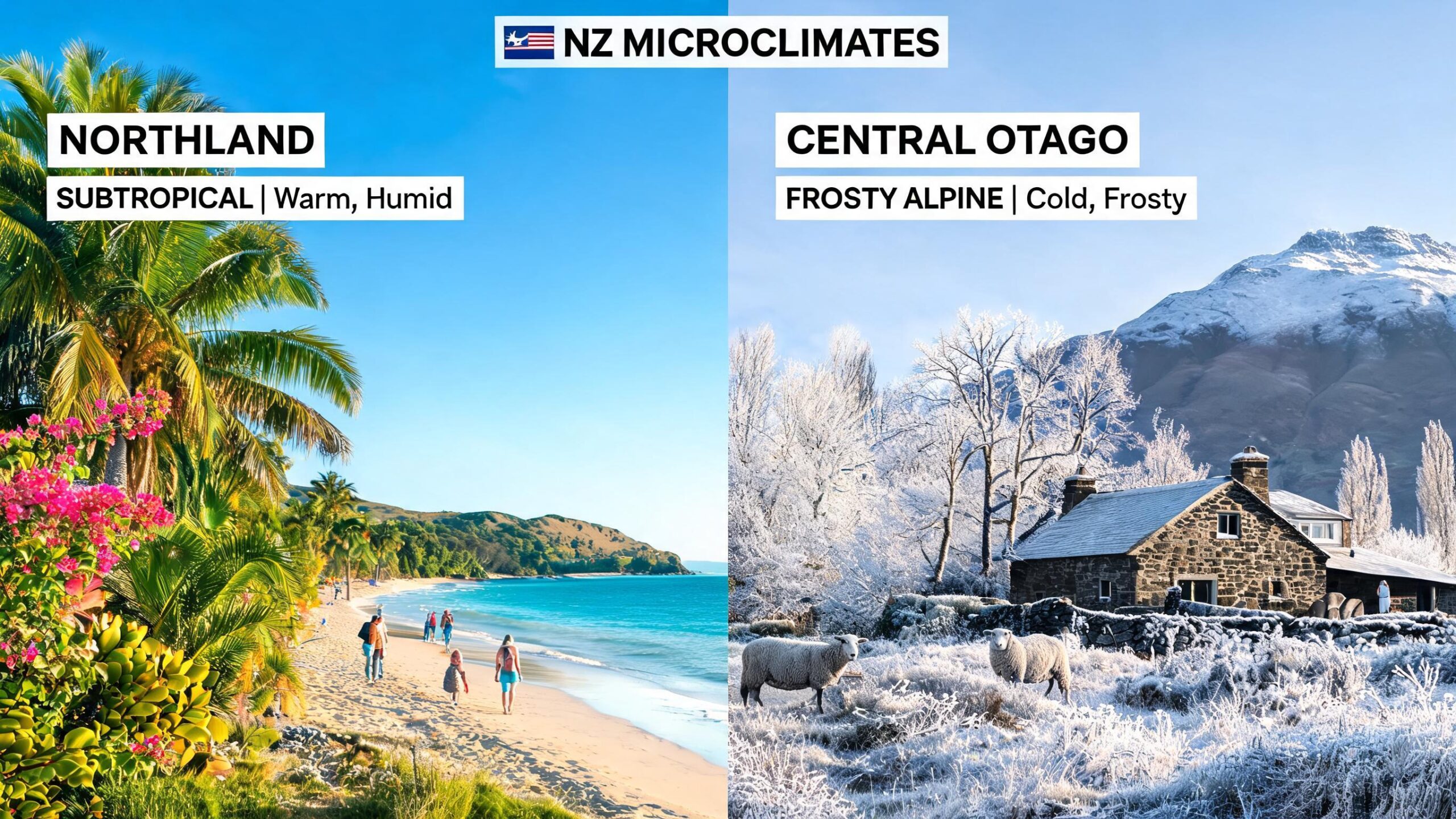
Ignoring your regional microclimate, whether that’s Auckland humidity or Central Otago’s alpine frosts, leads to mistimed sowing and poor germination.
Why Vegetable Gardening Mistakes Are So Common in New Zealand
New Zealand’s growing conditions are deceptively varied for such a small country. A gardener in subtropical Kerikeri can sow tomato seedlings weeks before someone gardening in frost-prone Cromwell, yet both are working from the same generic advice found in overseas gardening content. This mismatch between generic guidance and hyper-local Kiwi conditions is the root cause of most vegetable gardening mistakes.
Add in New Zealand’s distinctive soils, from Waikato’s peaty lowlands to Canterbury’s stony, free-draining plains and Auckland’s heavy volcanic clay, and it becomes clear why a one-size-fits-all approach fails. Understanding your own patch of whenua is the first step toward avoiding costly, season-long errors.
Mistake 1: Ignoring the Southern Hemisphere Growing Calendar
Many beginner gardeners unconsciously follow Northern Hemisphere planting advice absorbed from overseas books, blogs, and social media, sowing tomatoes in what should be autumn or pulling out brassicas just as they’re ready to thrive.
In New Zealand, spring runs September to November, summer is December to February, autumn covers March to May, and winter spans June to August. A reliable vegetable planting calendar anchored to these Southern Hemisphere seasons is non-negotiable for consistent results, and it should be the first resource any new gardener bookmarks.
Warm-season crops (tomatoes, courgettes, sweetcorn, capsicums) go in from late September through November once soil temperatures reach around 15–18°C.
Cool-season crops (brassicas, silverbeet, leeks, peas) are best sown from February through May for autumn and winter harvests.
Frost-tender seedlings should never go outdoors until the risk of frost has genuinely passed in your specific region, not a fixed calendar date.
Mistake 2: Skipping Soil Testing and pH Correction
Most vegetables perform best in soil with a pH between 6.0 and 6.8, but New Zealand’s regional soil types vary enormously. Auckland’s volcanic clay tends to be nutrient-rich but can become waterlogged and compacted, Waikato’s peat soils are often acidic, and Canterbury’s stony loams drain fast but leach nutrients quickly.
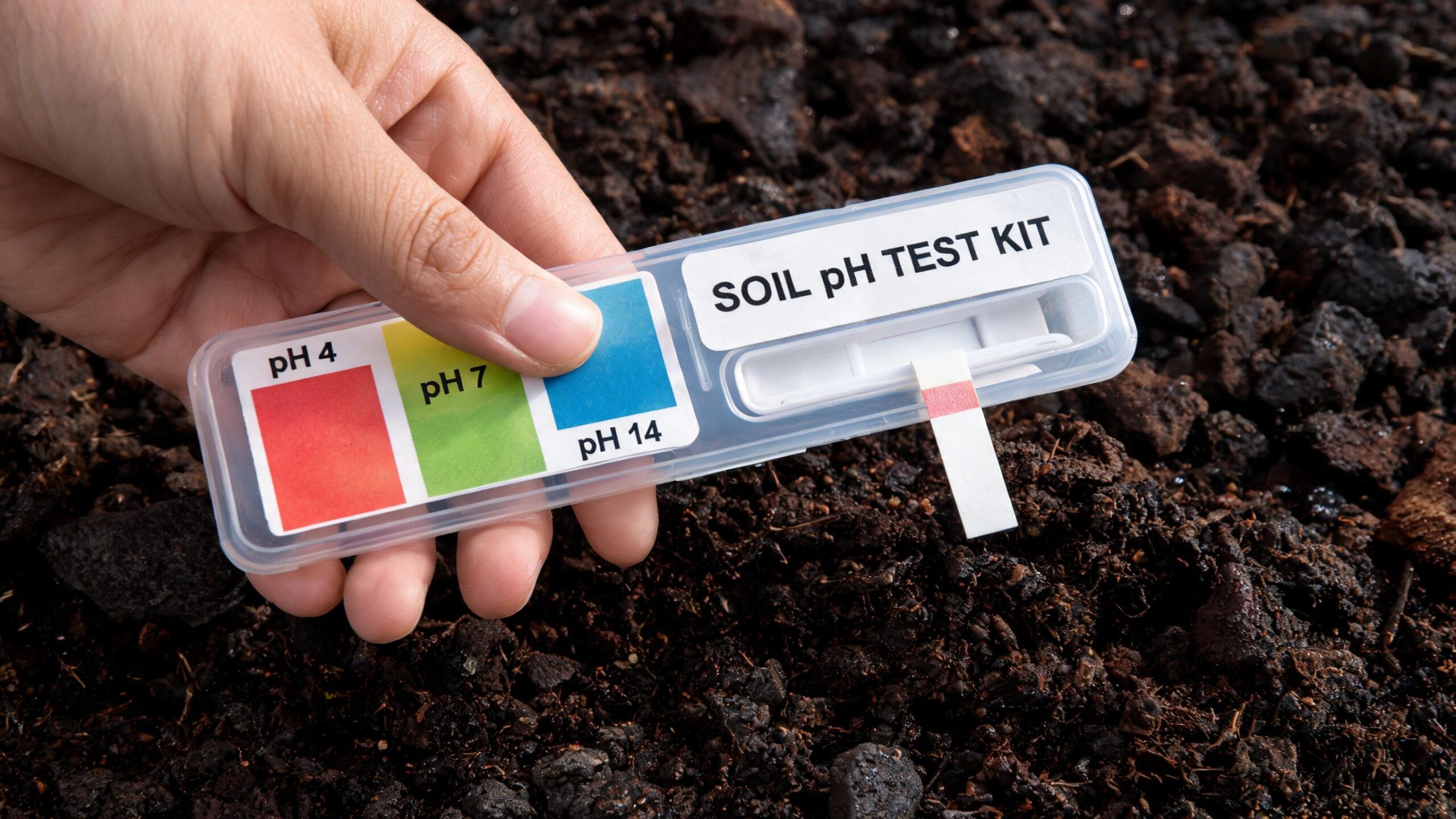
Skipping a soil test is one of the most expensive vegetable gardening mistakes because it leads to blind fertilising, adding lime to already-alkaline soil, or piling on nitrogen when phosphorus is the actual deficiency. A basic pH test kit from a garden centre or hardware store costs under twenty dollars and pays for itself within a single season.
NZ Soil Type
Typical Region
Common Issue
Fix
Volcanic clay
Auckland, Waikato
Compaction, poor drainage
Add gypsum, compost, and raised beds
Peat
Waikato lowlands, Hauraki Plains
Acidic, low in trace elements
Lime lightly, add sheep pellets and trace minerals
Sandy loam
Northland, coastal Bay of Plenty
Fast drainage, nutrient leaching
Mulch heavily, feed little and often with liquid seaweed
Stony/free-draining
Canterbury Plains
Dries out quickly, low organic matter
Dig in compost annually, irrigate consistently
Alpine/schist-derived
Central Otago
Thin topsoil, frost heave
Build up raised beds with quality potting mix and compost
Mistake 3: Overcrowding the Vegetable Patch
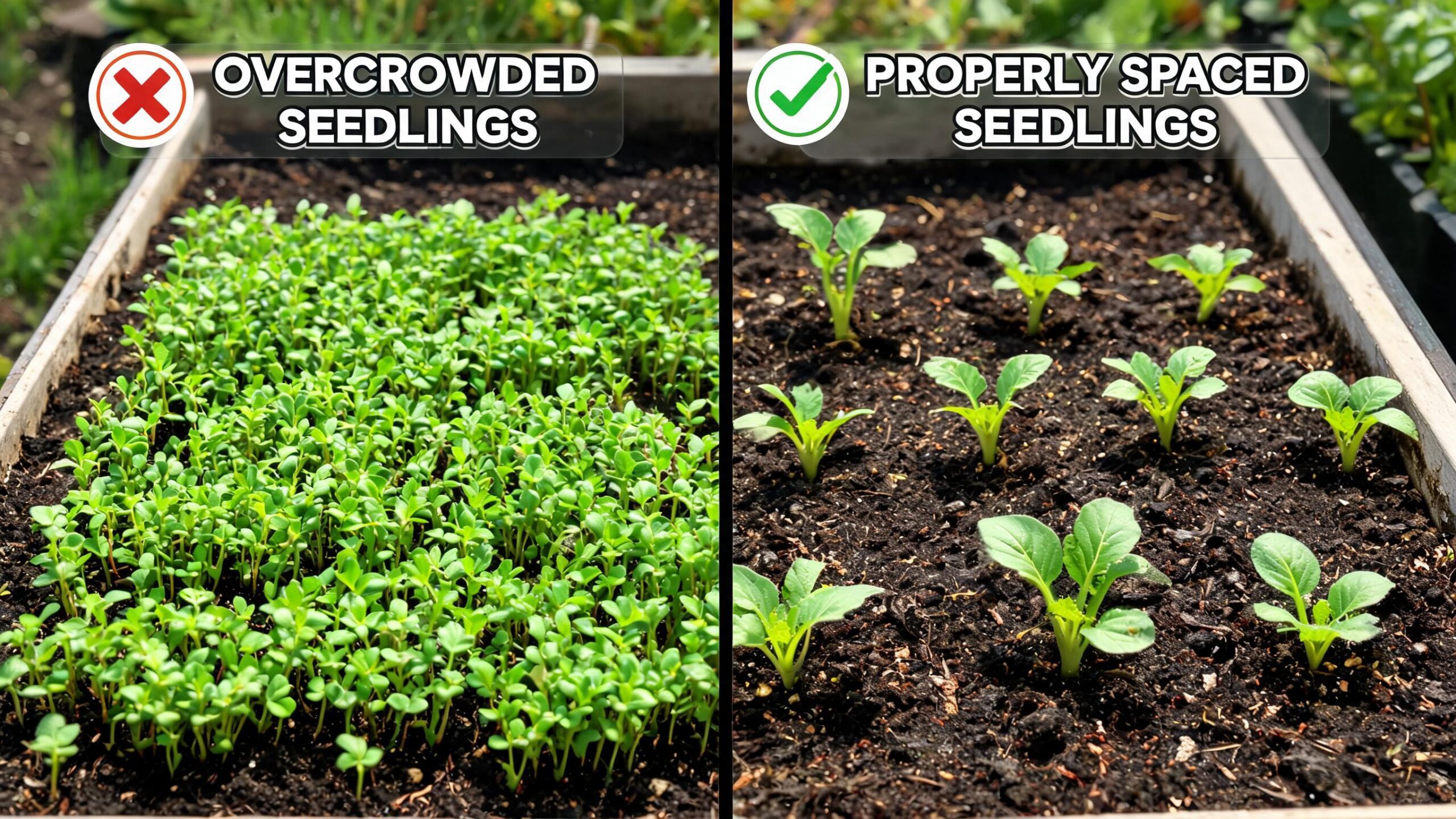
Overcrowding is what it is called when seedlings or direct-sown crops are planted too close together, restricting airflow and light penetration. It is one of the most visually tempting mistakes because a densely packed bed looks productive early on, but it almost always backfires by mid-season.
Crowded plants compete for water and nutrients, develop weak, leggy stems reaching for light, and create the humid, still air that powdery mildew and blight thrive in. Correct spacing also makes weeding, staking, and harvesting far easier.
Always check seed packet or seedling tag spacing recommendations before planting, not after.
Thin direct-sown crops like carrots and beetroot ruthlessly once true leaves appear.
Stagger plantings (succession planting) rather than cramming an entire bed with one sowing.
Leave airflow gaps between rows, especially for tomatoes, courgettes, and cucurbits prone to fungal disease in humid Northland and Bay of Plenty summers.
Mistake 4: Inconsistent Watering and Poor Mulching
Erratic watering, heavy soaking followed by days of neglect, is a leading cause of split tomatoes, bitter cucumbers, and blossom end rot. Vegetables need steady, even moisture, particularly during fruit set in December and January when Kiwi summers can swing from humid downpours to dry, windy spells within a week.
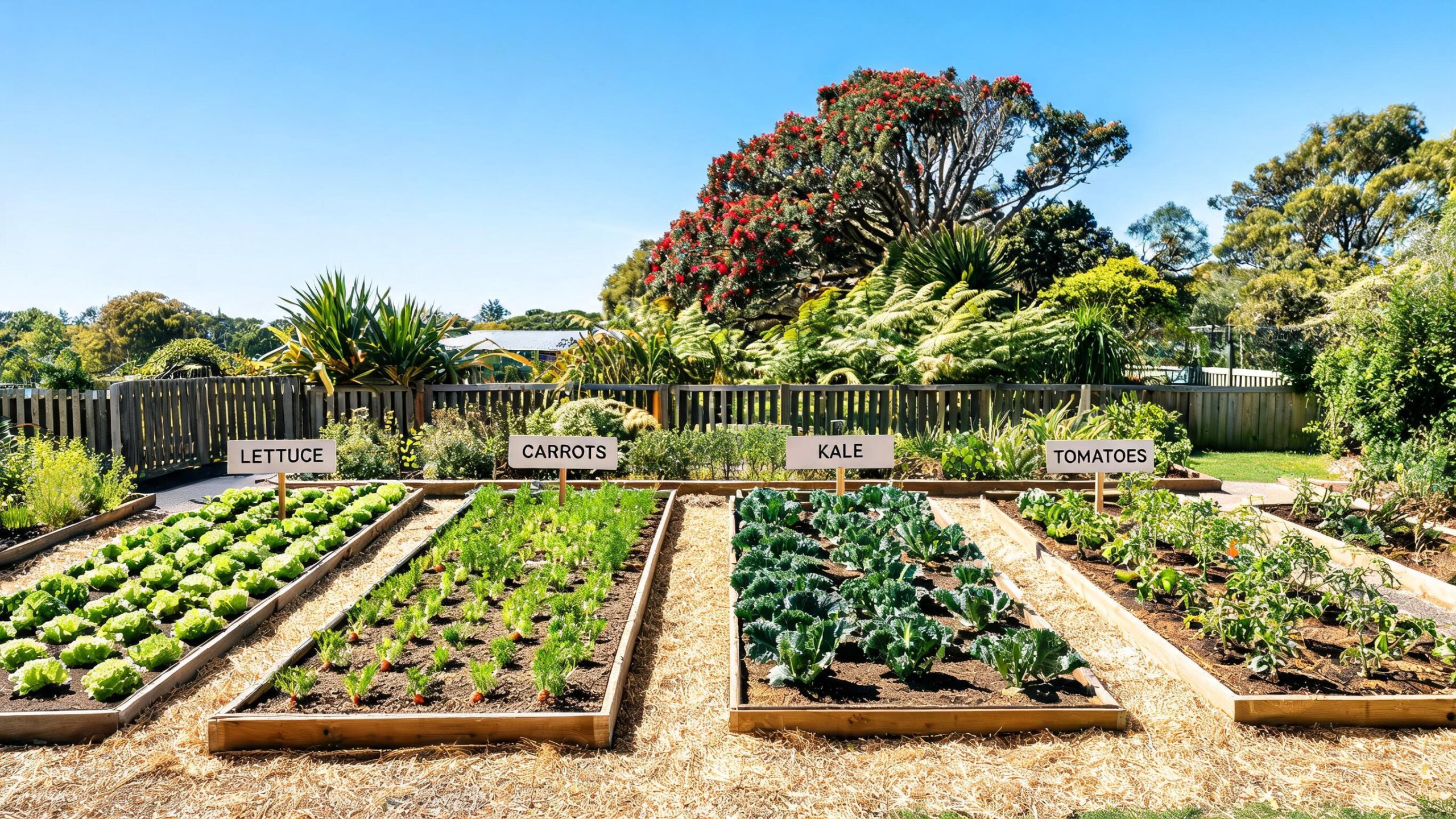
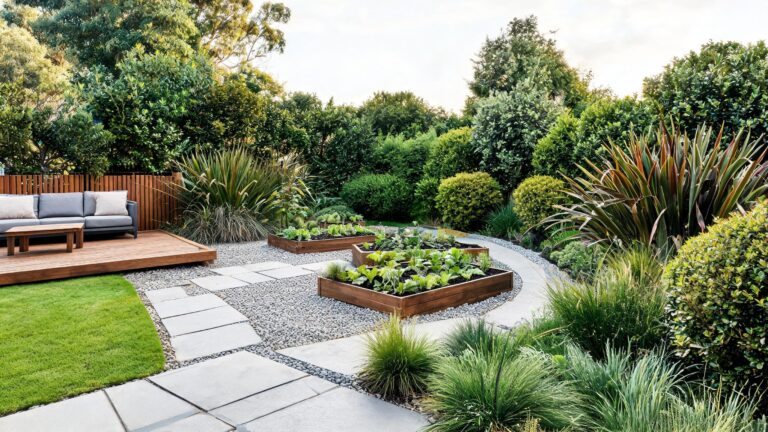
Kiwi gardeners often notice their raised beds dry out far faster than in-ground plots, especially in Canterbury’s nor’west winds or Hawke’s Bay’s dry summers. A 5–7cm layer of mulch, pea straw, bark, or lucerne, holds moisture, suppresses weeds, and moderates soil temperature swings that stress root systems.
Water deeply and less frequently rather than little and often, encouraging deeper root growth.
Install drip irrigation or soaker hoses for consistent moisture delivery, especially in free-draining Canterbury soils.
Mulch immediately after planting, not weeks later once weeds have already established.
Apply seaweed or kelp tea fortnightly through summer to support root resilience during heat stress.
Mistake 5: Underestimating Regional Pest and Disease Pressure
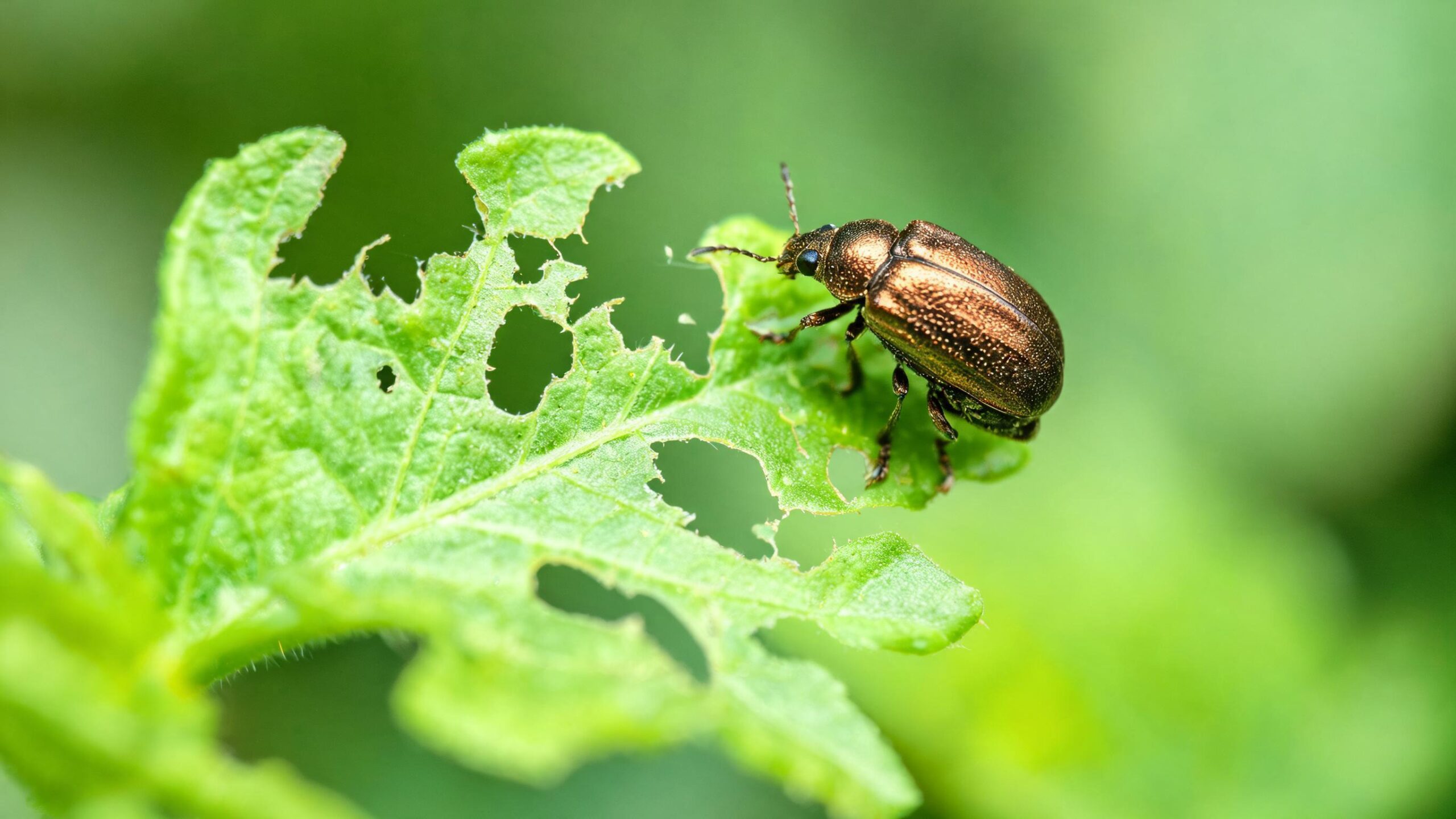
New Zealand’s regional pest landscape catches many gardeners off guard, particularly those who’ve gardened elsewhere or are new to a specific area. Passionvine hopper and guava moth are increasingly common through Northland and Auckland, psyllids attack tamarillo and potato crops nationwide, and bronze beetle chews ragged holes in seedling leaves right across the North Island in spring.
Waiting until damage is visible before acting is the mistake; by then, populations have often already established. Regular inspection, especially of new growth and the undersides of leaves, catches problems while they’re still manageable with simple, low-toxicity interventions.
Improve airflow, avoid overhead watering, milk spray or approved fungicide
For confirmed or suspected biosecurity-significant pests and diseases, gardeners should always check current guidance through Biosecurity New Zealand’s pest and disease reporting service before applying broad treatments, since some organisms are notifiable.
Mistake 6: Fertilising Without a Plan
Randomly scattering blood and bone or sheep pellets without understanding what a crop actually needs at each growth stage wastes money and can even damage plants. Leafy greens like silverbeet and spinach are nitrogen-hungry, while fruiting crops such as tomatoes and capsicums need more phosphorus and potassium once flowering begins.
A simple, staged approach avoids this common vegetable gardening mistake:
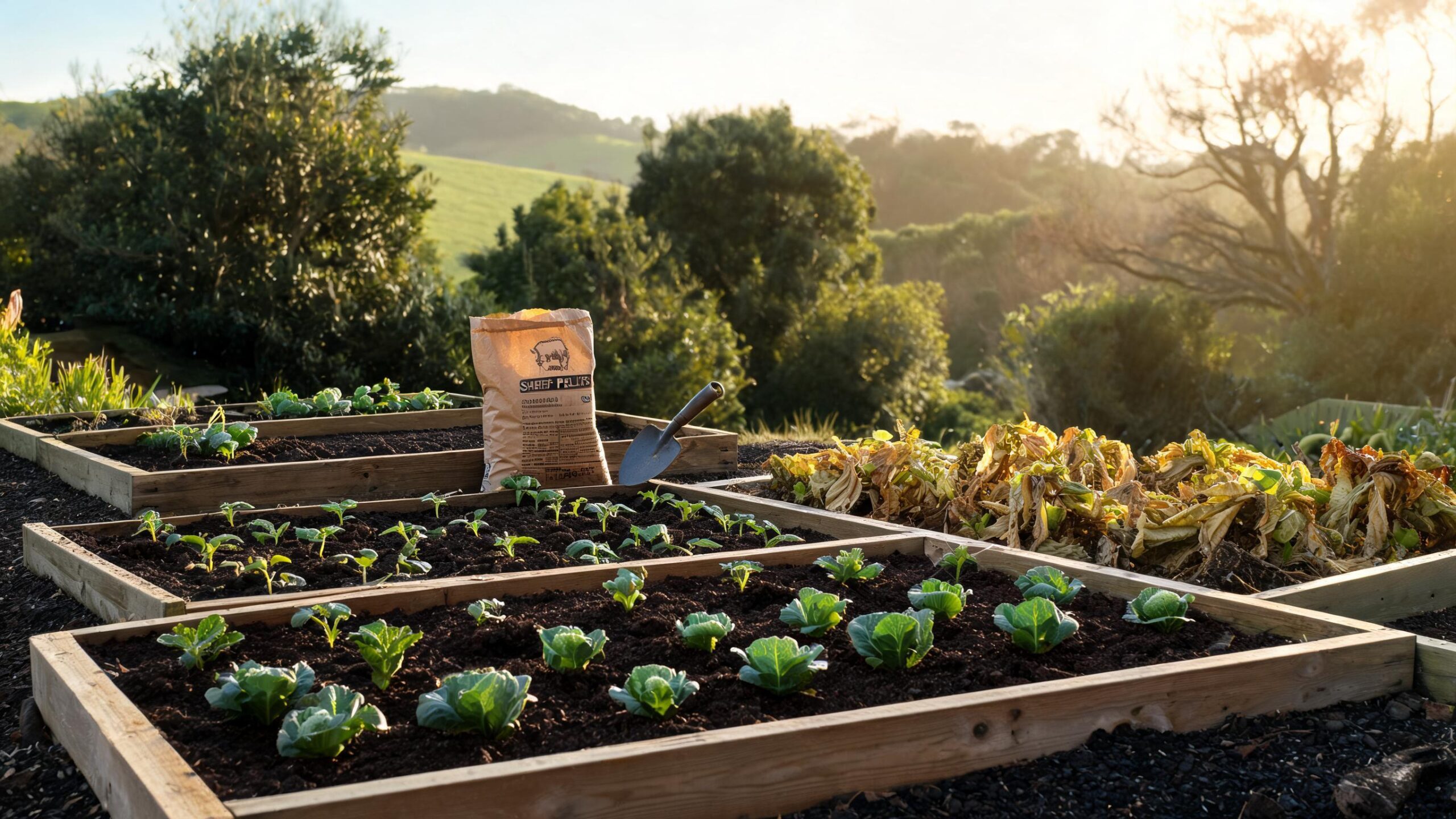
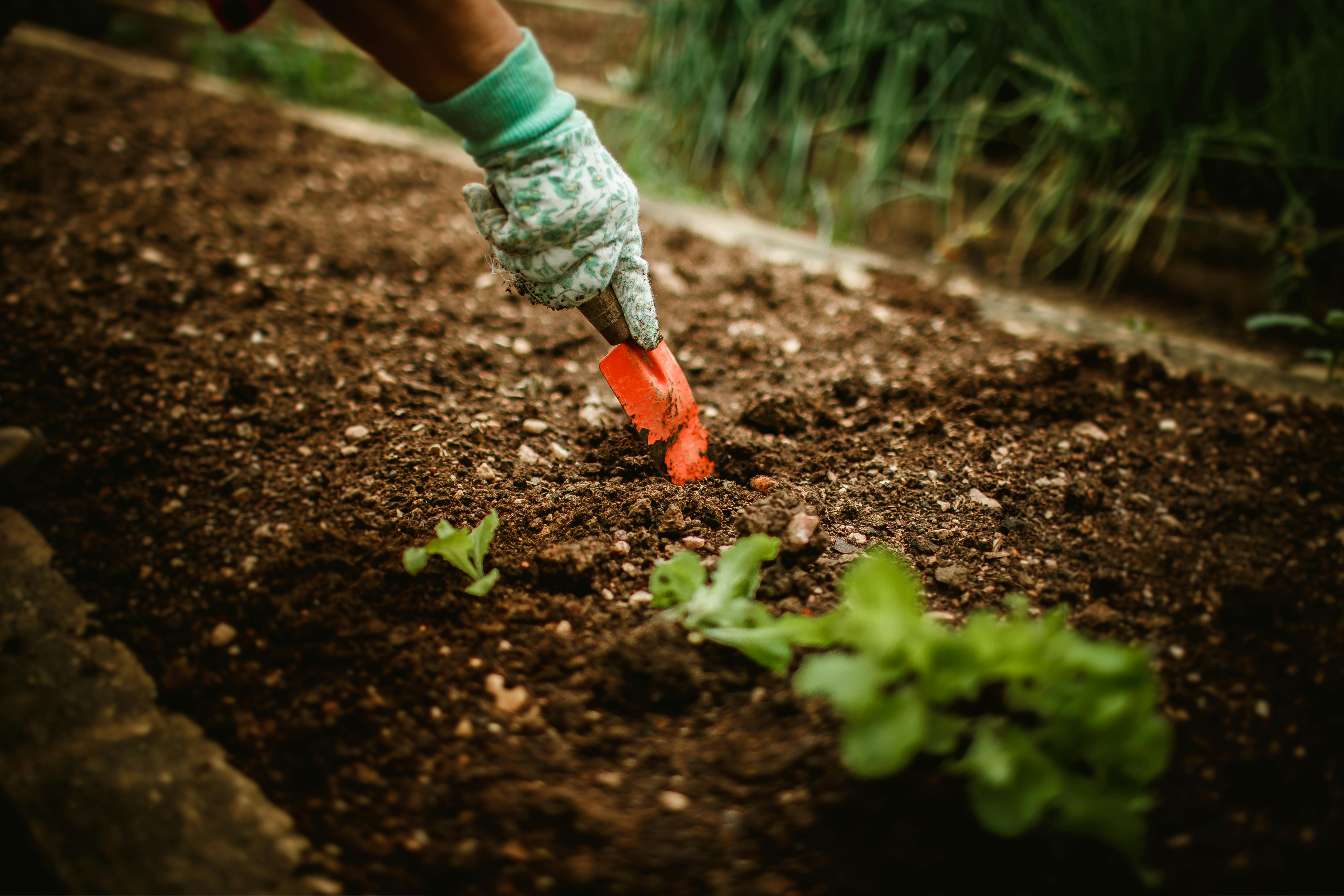
Dig in well-rotted compost and sheep pellets at bed preparation, roughly two to three weeks before planting.
Side-dress nitrogen-hungry leafy crops monthly through their growing period.
Switch to a potassium-rich liquid feed, such as diluted seaweed or tomato-specific fertiliser, once fruiting crops set flowers.
Avoid fresh, unrotted manure directly around root vegetables, as it can cause forking and excess leaf growth at the expense of roots.
Mistake 7: Neglecting Crop Rotation and Bed Rest
Planting the same vegetable family in the same spot year after year is a slow-building mistake that depletes specific nutrients and allows soil-borne pests and diseases, like clubroot in brassicas or nematodes in solanaceous crops, to build up unchecked.
A basic three to four-year rotation between root crops, legumes, brassicas, and fruiting vegetables keeps soil balanced and interrupts pest life cycles naturally. This is particularly important in smaller urban sections and raised beds around Wellington and Christchurch, where garden space is limited and rotation options can feel tight.
Regional Considerations for Avoiding Vegetable Gardening Mistakes
New Zealand’s microclimates mean the same mistake can have very different consequences depending on where you garden. Recognising your region’s quirks is essential to building an accurate vegetable planting calendar that actually works for your section.
Subtropical Northland and Auckland: Humidity drives fungal disease and guava moth pressure; the main mistake here is overwatering and poor airflow rather than underwatering.
Temperate Waikato and Bay of Plenty: Peat and volcanic soils need regular liming and organic matter; mistiming brassica plantings for winter harvest is common.
Wellington and Hawke’s Bay: Strong winds dry out beds fast and can snap unstaked tomatoes and beans; windbreaks and firm staking prevent this.
Alpine and frost-prone Canterbury and Central Otago: Planting frost-tender seedlings even a fortnight too early is the single biggest local mistake; frost cloth and cloches buy crucial extra weeks.
Key Takeaways
Anchor every planting decision to the Southern Hemisphere seasons, not overseas advice.
Test your soil before fertilising rather than guessing.
Space seedlings properly and thin direct-sown crops without hesitation.
Mulch immediately after planting and water deeply, not sporadically.
Inspect for regional pests like bronze beetle and guava moth weekly during their peak seasons.
Rotate crop families every year to protect long-term soil health.
Frequently Asked Questions
What is the biggest vegetable gardening mistake New Zealand beginners make?
The biggest mistake is planting frost-tender vegetables too early using an overseas or generic calendar instead of local frost dates. In frost-prone inland areas like Central Otago or the Waikato basin, even a warm early-spring week can be followed by a damaging late frost, so it pays to wait until soil consistently sits above 15°C before transplanting tomatoes, courgettes, or capsicums.
How do I know if my soil pH is wrong for vegetables?
Yellowing leaves, stunted growth, and poor yields despite regular feeding usually signal a pH imbalance. A simple soil test kit, available from most garden centres, will confirm whether your patch needs lime to raise pH or sulphur-based amendments to lower it, since most vegetables prefer a range of 6.0 to 6.8.
Why do my tomatoes keep getting blossom end rot?
Blossom end rot is almost always caused by inconsistent watering rather than a lack of calcium in the soil itself. Keep moisture levels steady with deep, regular watering and a thick mulch layer, particularly through Canterbury’s dry nor’west spells or Auckland’s humid but patchy summer rain.
When should I start a vegetable planting calendar for my region?
Start planning your seasonal sowing dates from late winter, around August, so seed trays and soil preparation are ready before the spring planting window opens. Warmer northern regions can begin transplanting a few weeks earlier than Otago and Southland, so always adjust timing to your specific local frost dates rather than a national average.
How can I stop bronze beetle from destroying my seedlings?
Bronze beetle damage appears as ragged notches along leaf edges, mostly in spring on young seedlings across the North Island. Diatomaceous earth dusted around seedling bases, beer traps, and removing nearby weedy host plants are effective, low-toxicity controls favoured by many Kiwi gardeners.
Is overcrowding really that harmful to a vegetable garden?
Yes, overcrowding restricts airflow, light, and nutrient access, which weakens plants and increases disease risk significantly. Following seed packet spacing guidelines and thinning direct-sown crops like carrots and beetroot early prevents this common and easily avoidable mistake.
What is the best fertiliser routine to avoid feeding mistakes?
The most reliable routine is compost and sheep pellets at planting, followed by targeted feeding based on growth stage rather than a blanket approach. Leafy crops need more nitrogen, while fruiting vegetables benefit from potassium-rich feeds like liquid seaweed once flowering begins.
Growing With Confidence, Not Guesswork
Avoiding vegetable gardening mistakes comes down to matching your practices to New Zealand’s actual growing conditions rather than generic or overseas advice. Once you’re working from a properly localised vegetable planting calendar, testing your soil, spacing your crops correctly, and watching for regional pests before they take hold, your results will shift dramatically season after season.
Every patch of whenua in Aotearoa has its own personality, shaped by soil, wind, frost, and rainfall, and learning to read those signals is what turns a frustrating vegetable garden into a genuinely productive one. Get the fundamentals right this season, stay observant, and your garden will reward the effort with a healthier, more reliable harvest.
We use cookies to improve your experience, analyze traffic, and display personalized ads.
By clicking "Accept", you consent to the use of cookies in accordance with our Privacy Policy.