Potato Varieties NZ: The Ultimate Kiwi Guide to Choosing and Growing Spuds
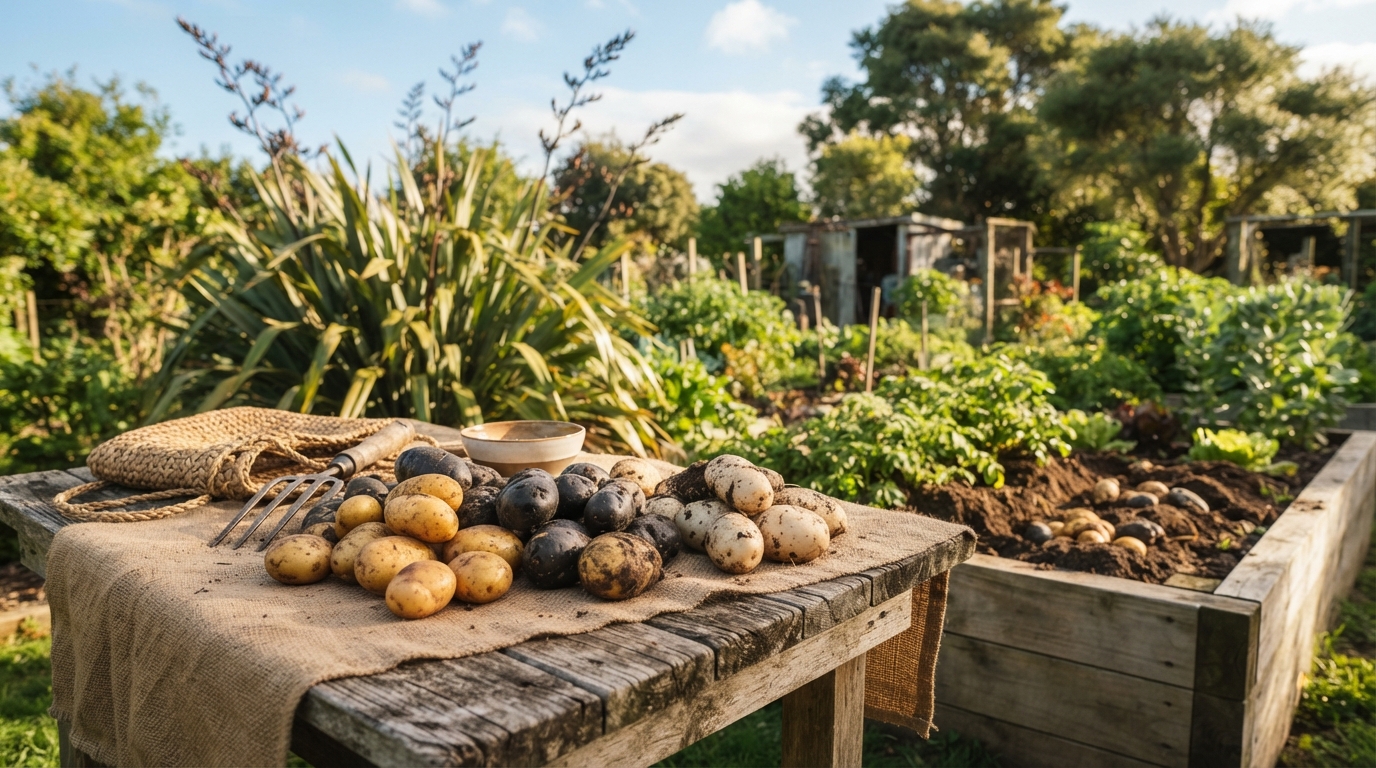
If you’ve ever stood at a garden centre staring at bags of seed potatoes wondering which one will actually thrive in your patch, you’re not alone. Choosing the right potato varieties NZ gardeners can rely on depends on your region, your soil, and what you plan to do with your harvest — mash, roast, boil, or chip. This guide breaks down the best early, second-early, main crop, and heritage potato varieties for Aotearoa, along with the exact timing, soil prep, and pest watch-outs you need for a bumper crop from Northland to Southland.
Quick Answer: Best Potato Varieties for NZ Gardens
The best potato varieties NZ growers plant fall into three groups: earlies (Rocket, Swift, Cliffs Kidney, Jersey Benne) for Christmas new potatoes; second earlies (Ilam Hardy, Maris Anchor, Karaka) for reliable all-rounders; and maincrop (Agria, Desiree, Rua, Nadine, Red Rascal) for storage through winter. Planting runs from July in frost-free northern regions through to January in cooler South Island districts, with certified virus-free seed potatoes giving the most reliable results.
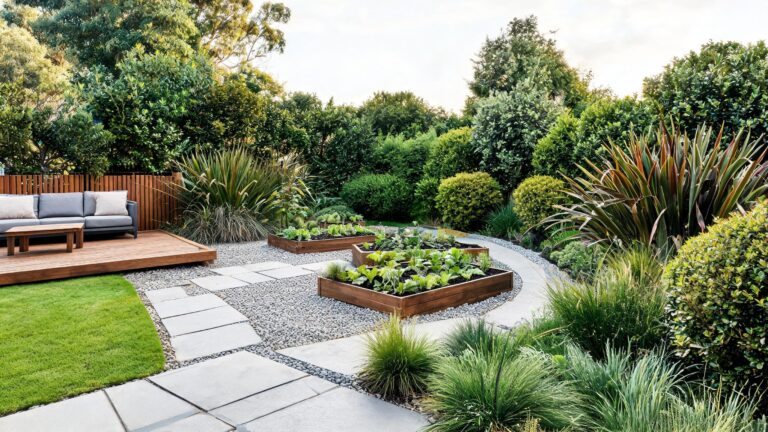
Earlies mature in 60–90 days and suit containers and small plots.
Maincrop varieties like Agria and Rua store well into winter, making them the backbone of any winter gardening guide pantry stock.
Heritage variety Urenika (Māori potato) offers deep purple flesh and cultural significance.
Soil pH of 5.0–6.5 in free-draining, compost-rich ground gives the best tuber set.
Regional timing shifts by up to four months between subtropical Northland and frost-prone Central Otago.
Understanding the Three Potato Categories in New Zealand
New Zealand seed potato suppliers classify varieties into early, second early (or “early main”), and maincrop groups based on days to maturity. Understanding this classification is the first step in learning how to grow potatoes successfully, because it determines when you plant, how you space rows, and when you’ll be lifting tubers.
Early Varieties (60–90 Days)
Early potato varieties are bred for speed, giving Kiwi gardeners that prized crop of buttery new potatoes for Christmas dinner. They have compact green tops and don’t need as much space as maincrop types.
Rocket – Big, round, white-fleshed tubers with good boiling qualities; ready in roughly 60–90 days.
Swift – Cream to yellow flesh, excellent flavour, one of the fastest croppers available in NZ.
Cliffs Kidney – Creamy yellow, kidney-shaped, a classic Christmas variety with a loyal following.
Jersey Benne – Distinctive waxy texture and flavour; takes a fortnight longer than Rocket but worth the wait.
Second Early / All-Rounder Varieties
These bridge the gap between quick earlies and long-storing maincrop, and many perform double duty as both an early and main crop depending on when you plant.
Ilam Hardy – A reliable New Zealand-bred cropper, white flesh, versatile for boiling, baking, and frying.
Maris Anchor – Excellent flavour, good all-round variety that stores well into cooler months.
Karaka – Bred specifically in New Zealand, known for reliable yields and great flavour in the microwave, boiled, or roasted.
Maincrop Varieties (100–140 Days)
Maincrop potatoes are the storage workhorses of any Kiwi vege garden, planted from October through to January and lifted once the foliage yellows and dies back in autumn.
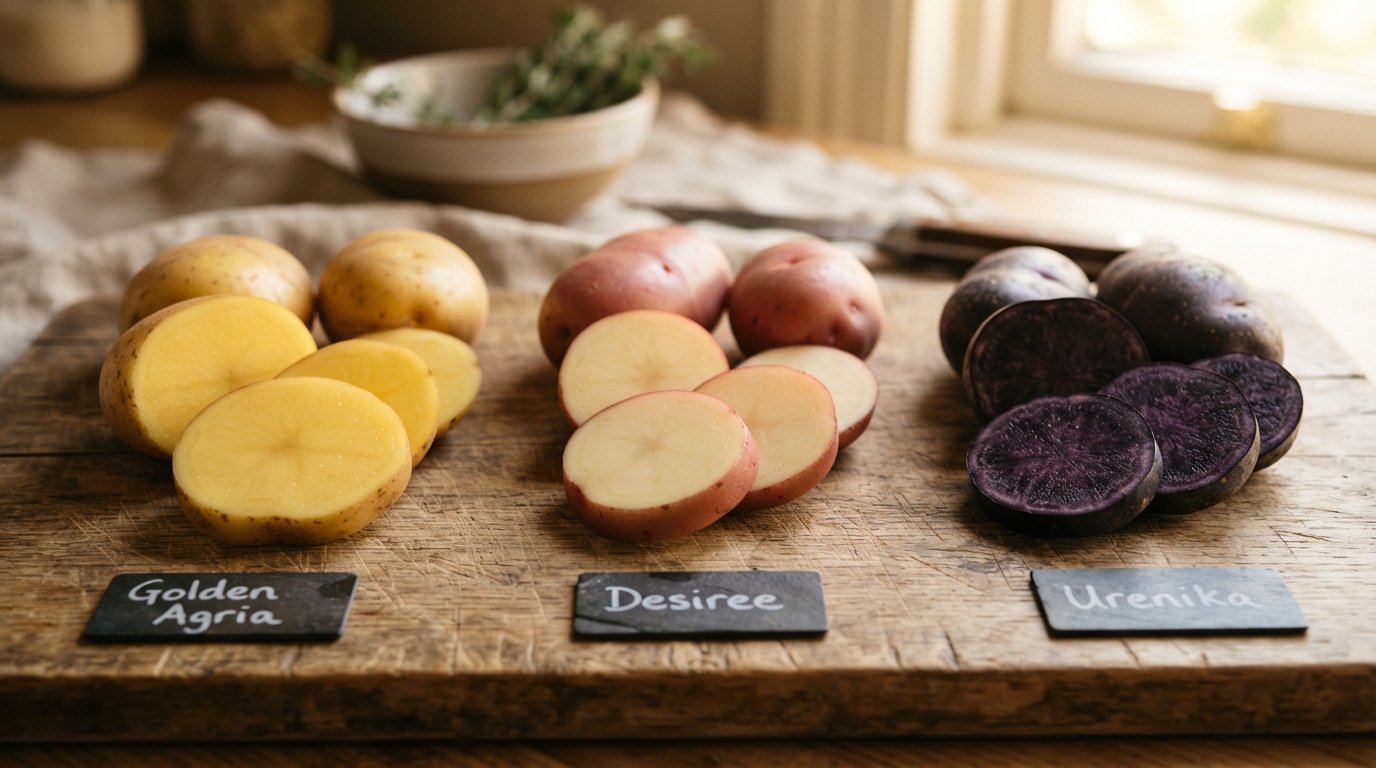
Agria – Large, yellow-fleshed, exceptional for roasting and chips; a firm favourite with commercial and home growers alike.
Desiree – Red skin, yellow flesh, a great all-round chipping potato with solid disease tolerance.
Red Rascal – An improved Desiree with crimson skin, excellent for baking and roasting.
Rua – Firm white flesh, an excellent all-rounder that stores exceptionally well through winter.
Nadine – Smooth white skin, waxy texture, popular for salads and boiling.
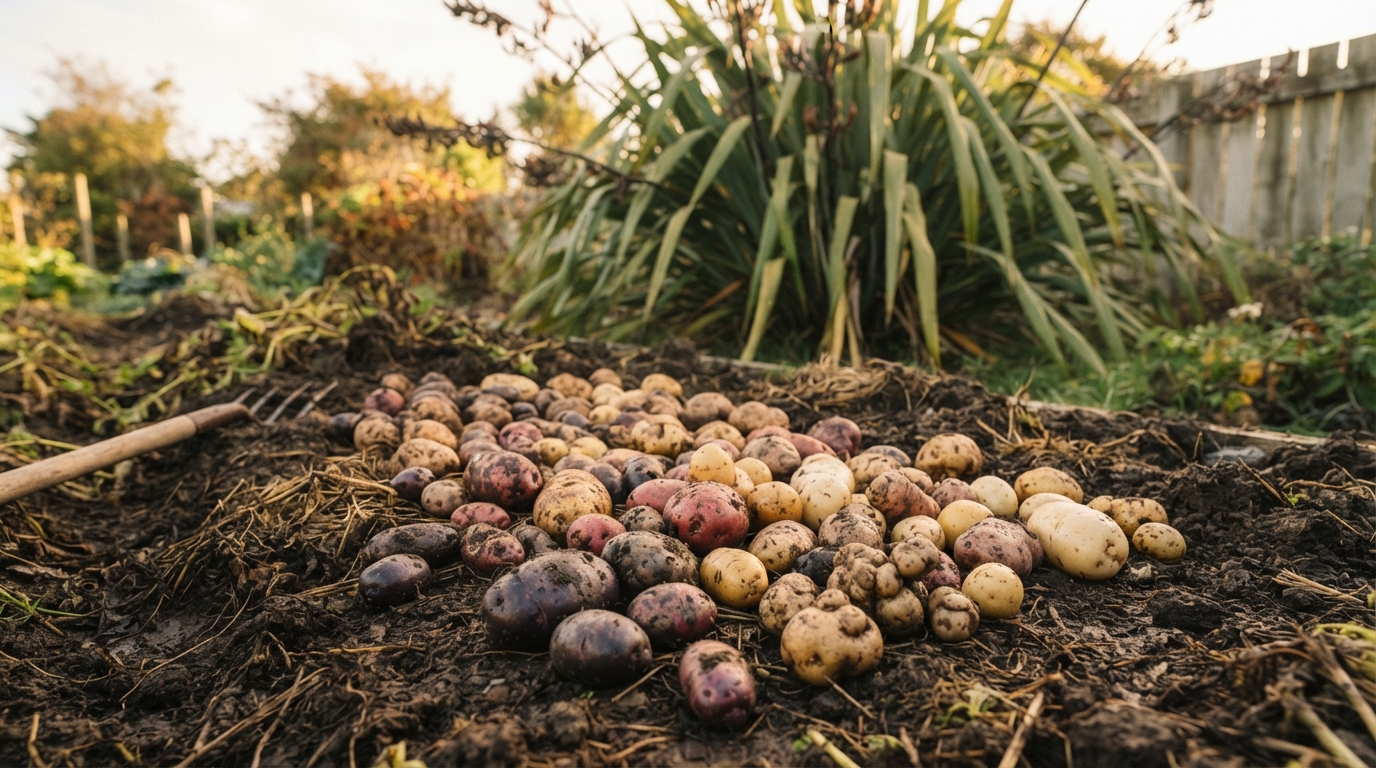
Urenika – A taewa (Māori potato) heritage variety with deep purple-black skin and flesh, rich in antioxidants and steeped in cultural history as one of the original varieties cultivated by Māori before European settlement.
When to Plant Potatoes: NZ Regional Timing
Potato planting time in New Zealand runs on the Southern Hemisphere calendar, with spring (September–November) as the main window, though frost-free pockets allow much earlier starts. Getting the timing right for your specific microclimate is more important than the variety you choose, according to detailed regional advice from Tui Garden’s potato growing guide.
Region
Earliest Planting
Main Planting Window
Notes
Northland / Auckland (subtropical)
Late July – August
August–December
Frost-free pockets allow near year-round cropping
Waikato / Bay of Plenty (temperate)
Late August
September–December
Watch for late frosts on clear inland nights
Wellington / Manawatū
Mid-September
September–January
Wind exposure can delay foliage growth
Canterbury (frost-prone)
Late September
October–December
Wait until soil temp is reliably above 10°C
Central Otago (alpine)
Early-mid October
October–December
Highest frost risk in NZ; cloche new shoots
A simple rule that works nationwide: plant your earlies about a month before your area’s last expected frost, and stagger your maincrop planting through to January so you’re not lifting the whole patch at once.
Soil, Sun, and Spacing for Healthy Tubers
Potatoes want full sun, free-draining soil, and a generous helping of organic matter. On the volcanic loams of the Waikato and Bay of Plenty this comes naturally, but gardeners on Canterbury’s stonier plains or Auckland’s heavier clay pans need to work harder on drainage.
Soil pH: Aim for 5.0–6.5 — slightly acidic soil helps suppress common scab.
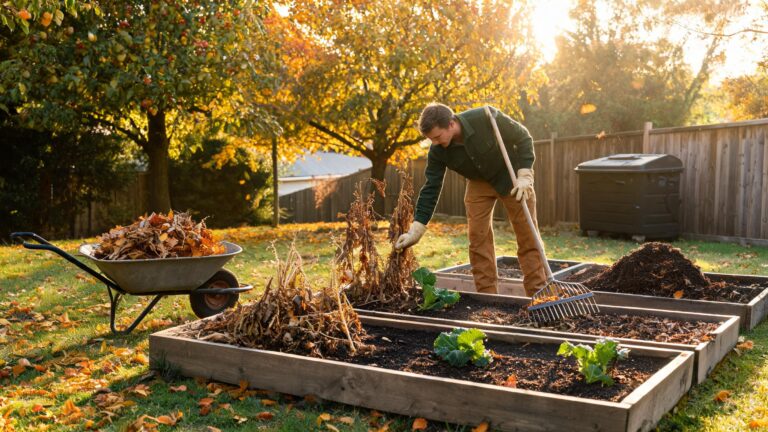
Bed prep: Dig in aged compost or well-rotted sheep pellets several weeks before planting.
Spacing: Plant seed potatoes 20–30cm apart in rows 60–75cm apart, eyes facing up, 2–3cm below the surface initially.
Mounding: Hill soil up around the stems as shoots emerge to protect developing tubers from sunlight (which causes greening) and frost.
Fertilising: Use a lower-nitrogen, potassium-rich feed such as blood and bone with added potash every four weeks; a fortnightly seaweed or kelp tea drench boosts tuber set without pushing excess leafy growth.
Watering and Ongoing Care
Potatoes are thirsty but hate waterlogged roots. Water deeply once a week during dry spells, increasing frequency once flowering begins, as this is when tubers are bulking up. Mulching with straw or pea straw between rows conserves moisture and keeps weeds down, which matters most through the warmer months of Waikato and Northland summers.
Common NZ Potato Pests and Diseases
Knowing what to watch for is just as important as picking good potato varieties NZ conditions favour. Biosecurity New Zealand and regional extension advice flag several recurring threats to home and commercial crops.
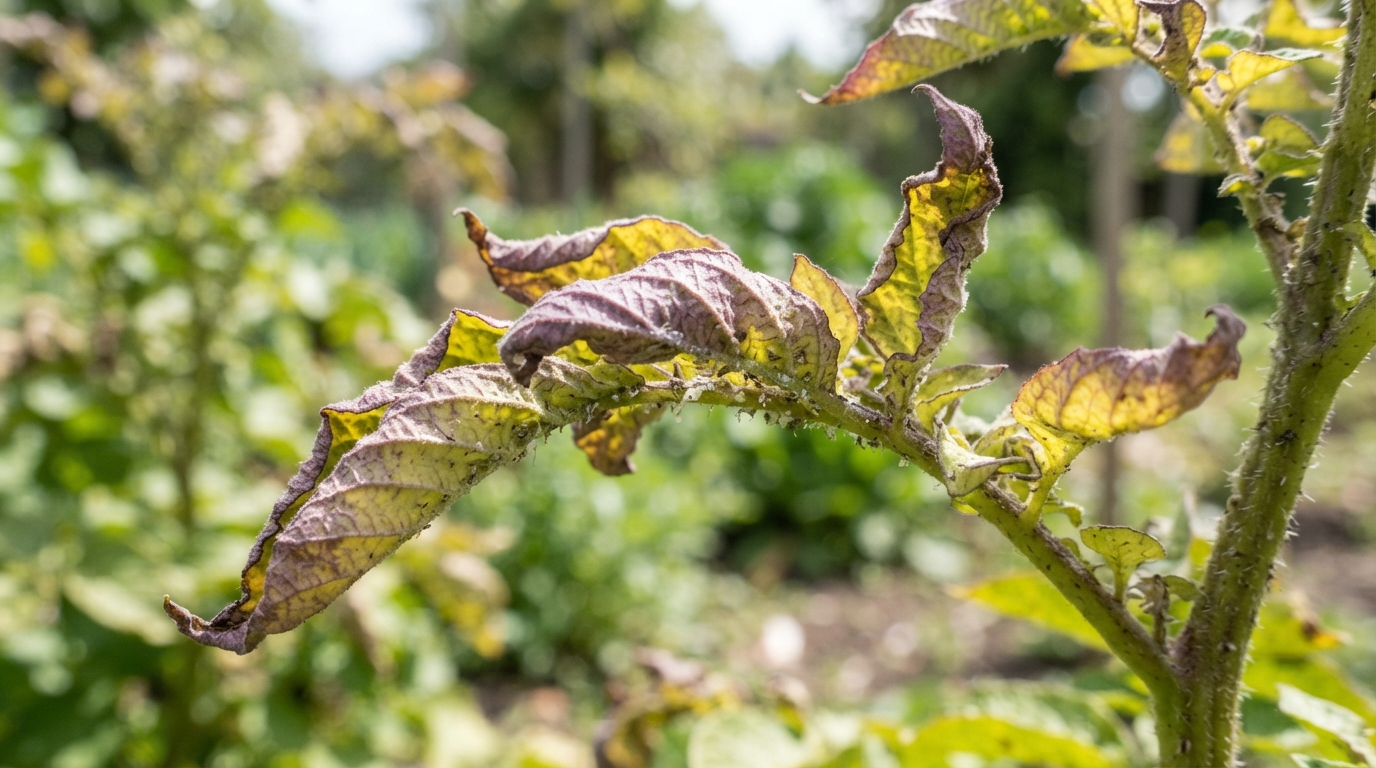
Potato/tomato psyllid – Sap-sucking insect causing yellowed, curled leaves and “zebra chip” symptoms in tubers; common in warmer coastal regions.
Powdery scab and common scab – Soil-borne blemishes, worse in alkaline or poorly drained soil; keep pH acidic and rotate crops.
Late blight (Phytophthora infestans) – A serious fungal disease that thrives in humid, wet conditions typical of a North Island autumn; remove and destroy affected foliage immediately.
Guava moth and bronze beetle – While primarily orchard pests, they can occasionally affect nearby vege beds in Northland and Auckland gardens.
Slugs and slaters – Attracted to damp mulch layers; beer traps or diatomaceous earth around the base of plants help manage numbers.
Early varieties are ready to lift 70–90 days after planting, often when plants begin to flower. Maincrop potatoes should stay in the ground until the foliage has fully yellowed and died back, usually in March or April, which locks in maximum starch content for storage.
Lift tubers on a dry day and let them sit on the soil surface for an hour or two to cure the skins.
Brush off excess soil but avoid washing potatoes destined for long-term storage.
Store in a cool, dark, well-ventilated spot — hessian sacks or paper bags work better than plastic, which traps moisture and encourages rot.
Check stored tubers monthly and remove any showing soft spots or sprouting.
Potatoes as Part of Your Winter Gardening Guide
A well-stocked pantry of maincrop spuds like Agria, Desiree, and Rua is one of the easiest wins in any winter gardening guide for New Zealand households. Because potatoes store for months when cured properly, they bridge the gap between autumn harvests and the first spring plantings, giving home gardeners a steady, homegrown staple through the colder months when little else is coming out of the vege patch. Pairing stored potatoes with other winter crops like leeks, silverbeet, and brassicas rounds out a self-sufficient winter kitchen.
Choosing Seed Potatoes: What to Look For
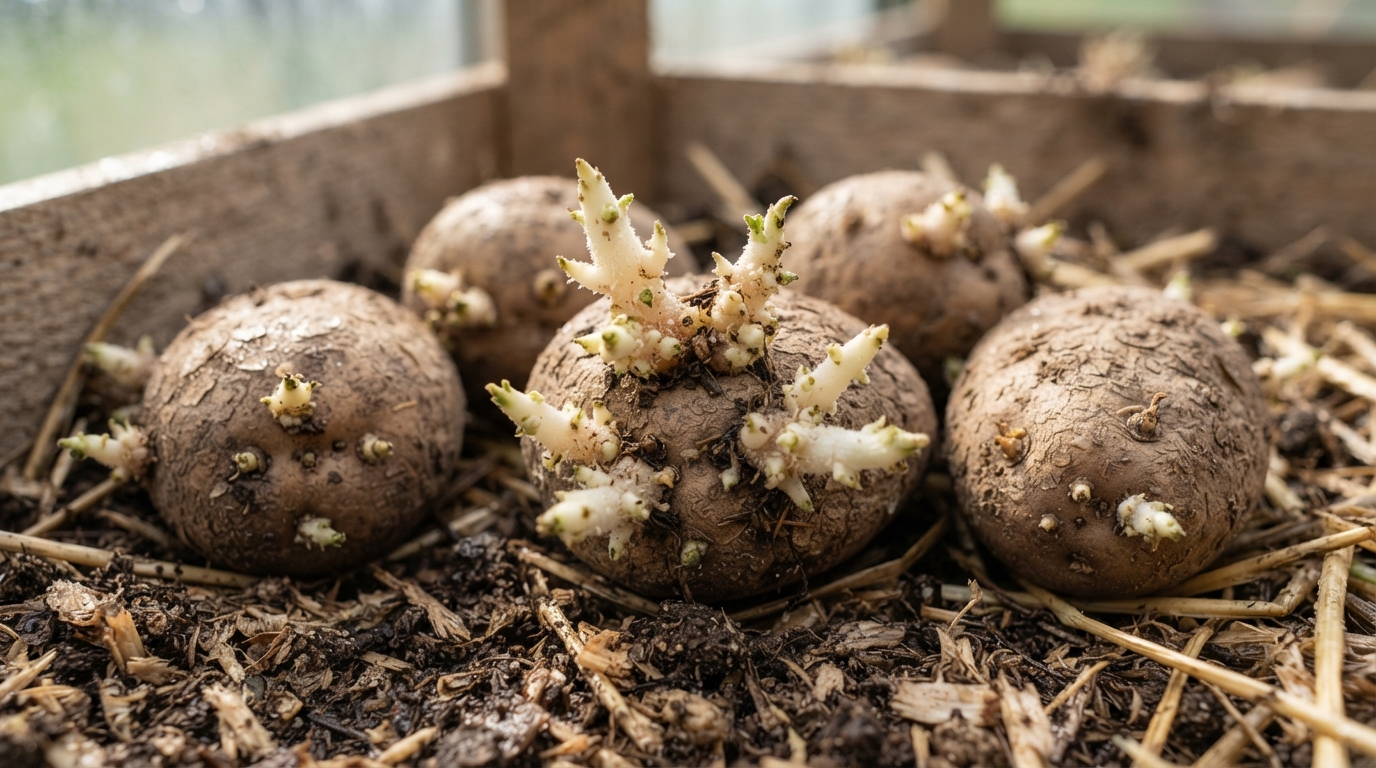
Always buy certified, virus-free seed potatoes from a reputable NZ supplier rather than using supermarket potatoes, which are often treated with sprout inhibitors and can carry viral diseases. Look for firm tubers of similar size, roughly egg-sized, with healthy eyes and no soft or green patches. Chit (pre-sprout) seed potatoes in a cool, bright spot for two to three weeks before planting to give them a head start, especially useful in cooler regions like Canterbury and Otago where the growing season is tighter.
Frequently Asked Questions
What is the best all-round potato variety for New Zealand gardens?
Ilam Hardy is widely regarded as the best all-round potato variety for NZ gardens. It’s a reliable New Zealand-bred cropper suited to boiling, baking, and frying, and performs well across most regions from Northland to Otago given adequate frost protection.
When should I plant potatoes in New Zealand?
Most regions plant potatoes from September to December, though frost-free northern areas can start as early as late July. Time your earlies about a month before your last expected frost date and stagger maincrop plantings through to January for a continuous harvest.
Can I grow potatoes in containers or raised beds?
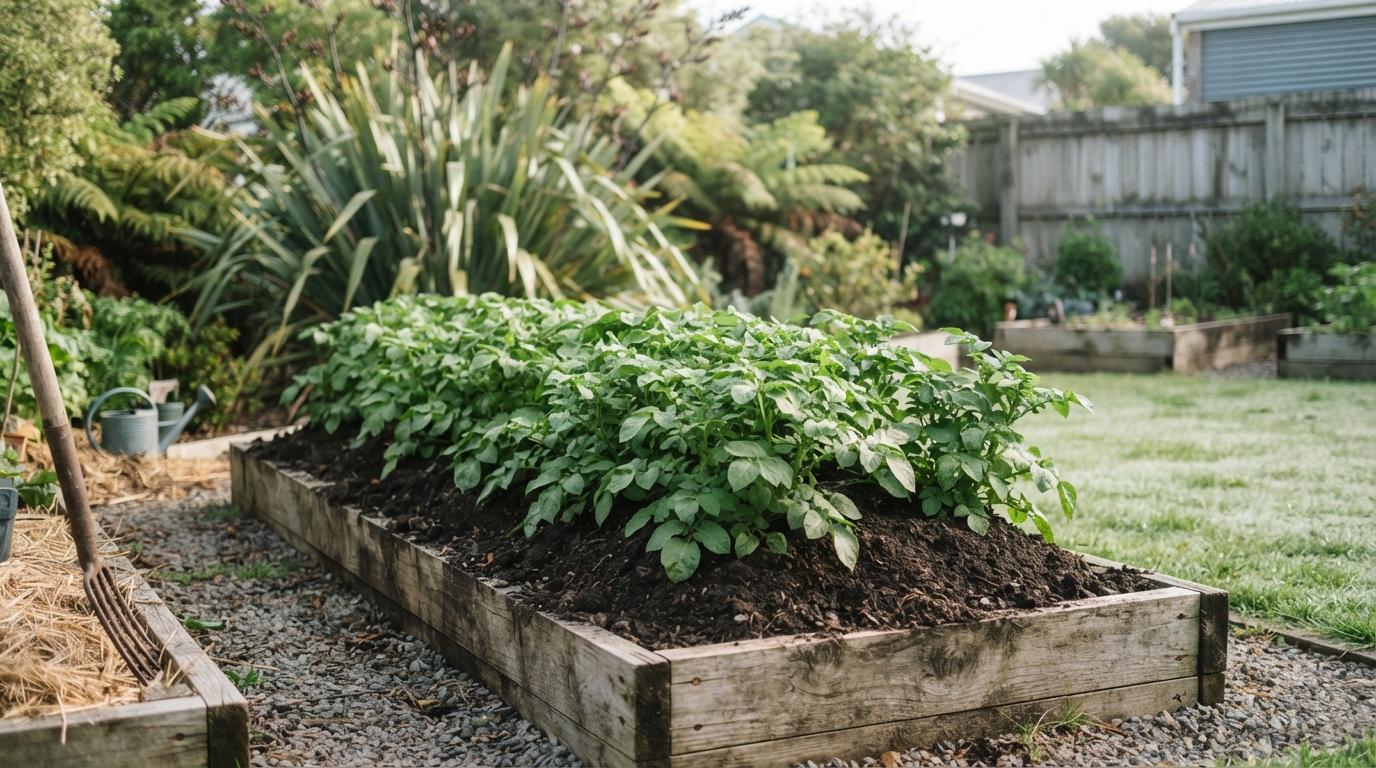
Yes, early varieties like Rocket and Swift are ideal for containers and raised beds because of their compact growth and fast maturity. Use a large pot or grow bag at least 40 litres in size, and keep mounding soil or compost as the plant grows to maximise tuber yield.
Why are my potato leaves turning yellow and curling?
Yellowing, curling leaves are often a sign of potato psyllid damage or nutrient stress from waterlogged soil. Check the undersides of leaves for tiny nymphs and improve drainage; persistent psyllid pressure may require an appropriate horticultural spray from your local garden centre.
How long do potatoes take to mature in NZ conditions?
Early varieties mature in 60–90 days, while maincrop varieties take 100–140 days depending on region and weather. Cooler South Island districts often see maturity at the longer end of these ranges due to shorter, cooler growing seasons.
What’s the difference between an early and maincrop potato?
Early varieties mature quickly for fresh eating and don’t store long, while maincrop varieties take longer to bulk up but cure well for months of winter storage. Most home gardeners plant both types to get fresh new potatoes early and a storage crop later in the season.
Is Urenika worth growing over standard varieties?
Urenika is worth growing for its striking purple flesh, higher antioxidant content, and cultural significance as a traditional Māori taewa variety. It yields slightly less than modern commercial varieties like Agria, but many Kiwi gardeners grow it as a heritage crop alongside their main harvest.
Final Thoughts on Growing Potato Varieties in NZ
Getting to grips with the right potato varieties NZ conditions reward — matched to your region, soil, and storage goals — turns a fiddly first attempt into a reliable annual harvest. Whether you’re chasing new potatoes for Christmas with Rocket and Swift, or banking maincrop Agria and Rua for a hearty winter gardening guide pantry, the fundamentals stay the same: good drainage, full sun, steady feeding, and timely mounding. Get your seed potatoes chitting now, prep your beds with compost and sheep pellets, and give your whenua the care it deserves — your future dinner table will thank you.
We use cookies to improve your experience, analyze traffic, and display personalized ads.
By clicking "Accept", you consent to the use of cookies in accordance with our Privacy Policy.