Carrots Not Growing? A Kiwi Gardener’s Fix-It Guide for Bigger, Straighter Roots
If your carrots not growing the way you’d hoped — thin, stunted, forked, or simply refusing to poke through the soil — you’re not alone, and the good news is that almost every carrot failure in New Zealand gardens comes down to a handful of fixable causes. Whether you’re gardening in volcanic clay in Waikato, sandy coastal loam in Northland, or frost-prone paddocks in Central Otago, carrots are fussy about a few specific things: soil texture, moisture consistency, sowing depth, and timing. This spring gardening guide walks through exactly why carrots stall, fork, or fail to germinate in Aotearoa conditions, and gives you a practical, step-by-step fix so your next sowing actually delivers a decent harvest.
Carrots most commonly fail to grow in NZ gardens because of compacted or stony soil, seed sown too deep, inconsistent moisture during the 14–21 day germination window, overcrowding without thinning, or planting outside the correct seasonal window for your region. Fixing soil structure and watering consistency solves the majority of cases. Understanding how to grow carrots properly in New Zealand’s varied microclimates is the difference between spindly, forked roots and a bumper crop of straight, sweet carrots.
Loosen soil to at least 20–30cm deep and remove stones, clods, and old root material before sowing.
Sow seed no deeper than 5–10mm and keep the surface constantly moist until germination (14–21 days).
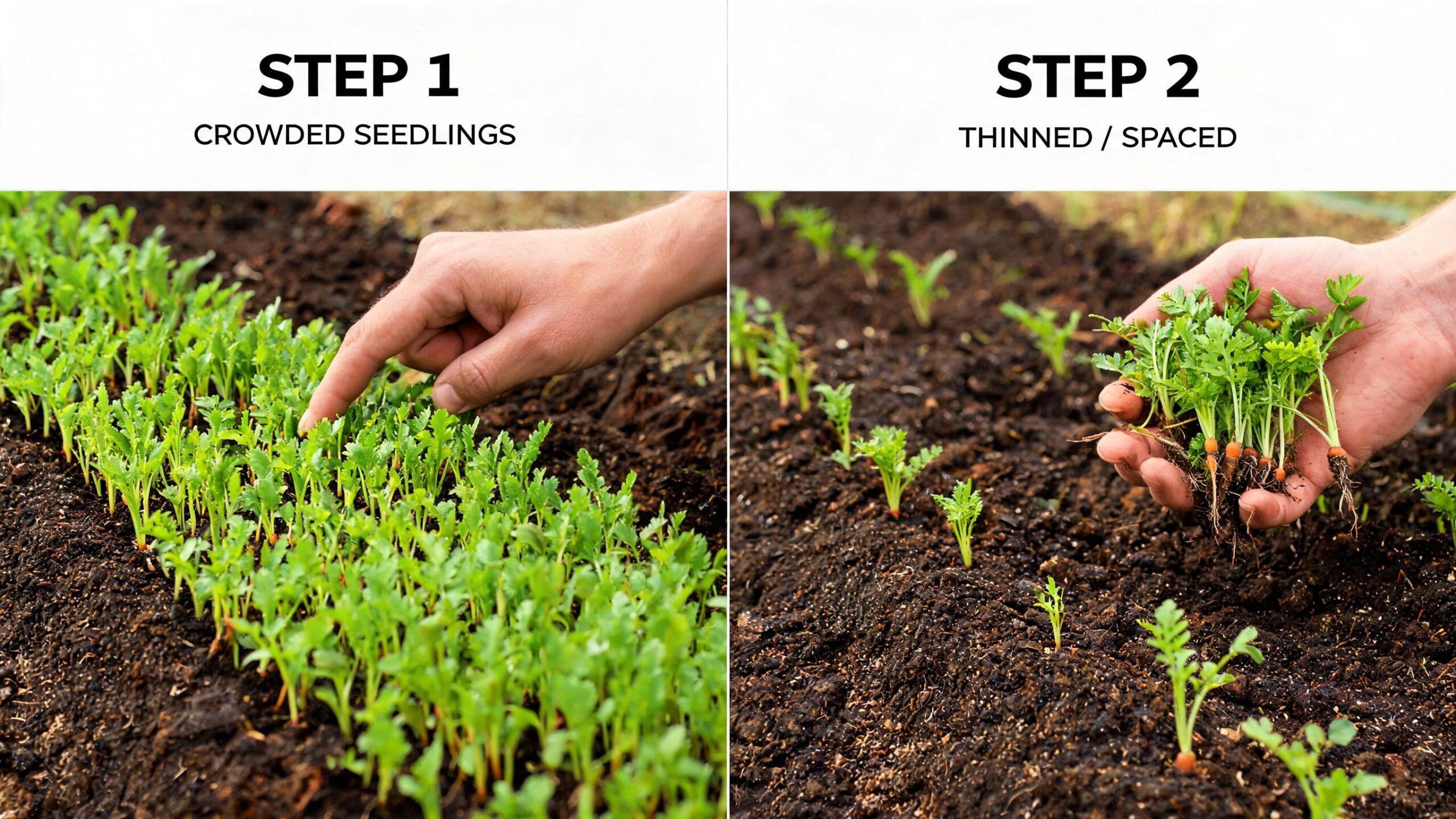
Thin seedlings early to 3–5cm apart to prevent stunted, competing roots.
Avoid fresh manure or high-nitrogen feeds, which cause forking and leafy tops with poor roots.
Time sowings to your region’s soil temperature using a proper vegetable planting calendar rather than guessing.
Understanding Why Carrots Struggle in NZ Gardens
Carrots (Daucus carota) are a taproot crop, meaning the entire edible portion is a single root pushing straight down through the whenua (soil/land). Anything that blocks, dries out, or disturbs that root zone shows up as poor growth above ground. Unlike leafy greens, carrots can’t be transplanted to correct a bad start — they’re sown direct and largely left to fend for themselves, which is exactly why soil prep matters more here than for almost any other vegetable.
Most NZ home gardeners run into trouble in one of four areas: germination failure, stunted or small roots, forked and misshapen carrots, or all-leaf-no-root plants. Each has a distinct cause and a distinct fix, which we’ll break down below.
Poor or Patchy Germination
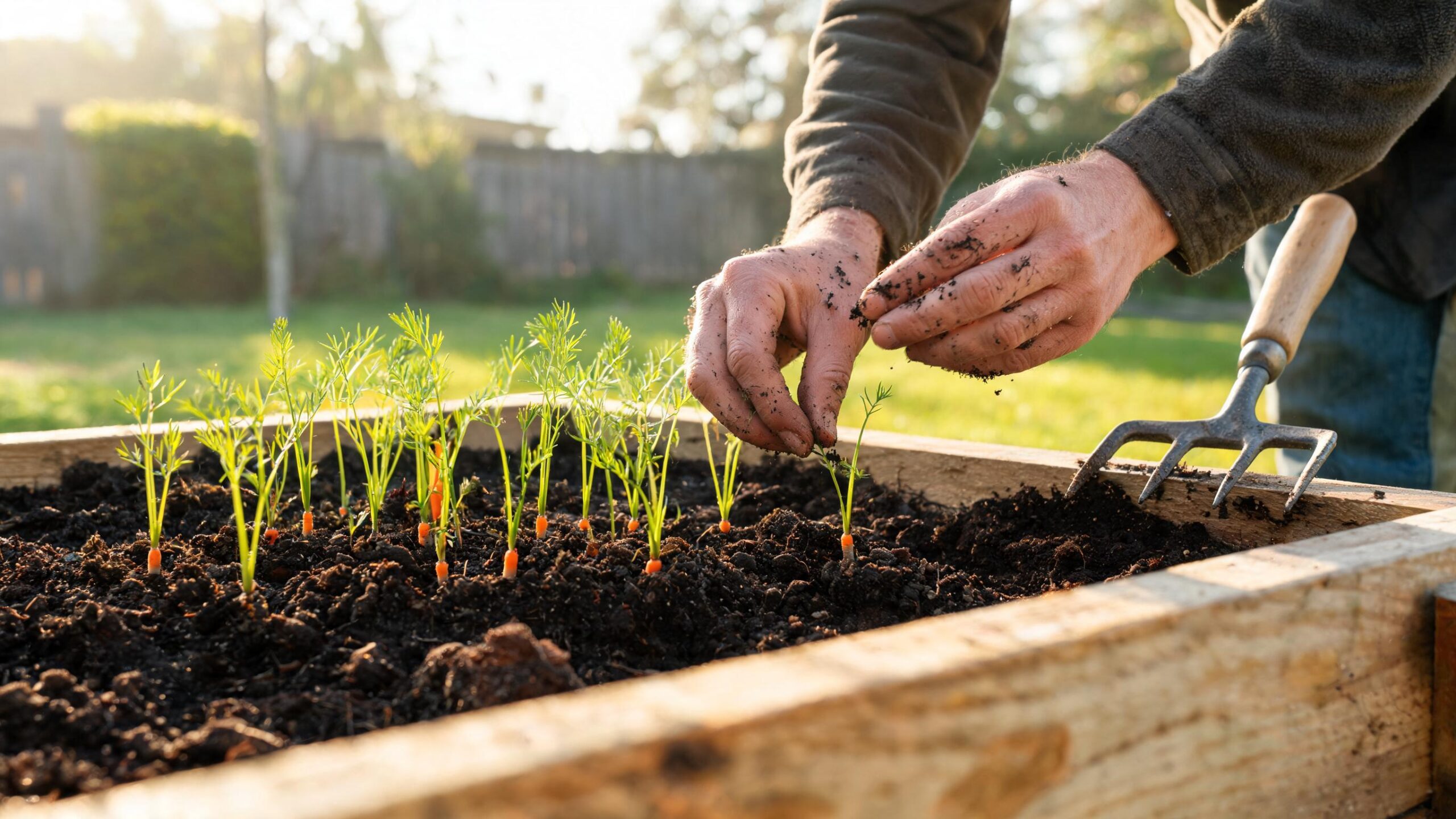
Carrot seed is notoriously slow and fussy to germinate, often taking 14 to 21 days even in ideal conditions. The Yates New Zealand problem-solving team and several NZ growing guides consistently point to the same two culprits: sowing too deep, and the soil surface drying out or crusting over before the seed can sprout.
Sow seed just below the surface — a light scratch-in with your fingers or a rake is enough; carrot seed germinates best in the top 5–10mm of soil.
Keep the seedbed damp every single day during germination, even if that means a light hand-water twice daily in warm, windy Canterbury conditions.
Cover the row with a thin layer of fine compost, seed-raising mix, or damp sacking (removed as soon as shoots appear) to stop crusting.
Use fresh seed each season — carrot seed viability drops off fast after 12 months, a common reason for a completely bare row.
Stunted, Small, or Weak Roots
If your carrots germinate fine but stay pencil-thin or barely swell, overcrowding is almost always the reason. Carrot seed is tiny and gets sown far too thickly by habit; without thinning, dozens of seedlings compete for the same few centimetres of root space and none of them bulk up properly.
Thin seedlings in stages, starting when they reach finger height, down to a final spacing of 3–5cm for standard varieties and up to 8cm for larger main-crop types.
Thin in the cool of the evening and firm the soil back down immediately — this reduces the scent trail that attracts carrot rust fly (more on that below).
Feed lightly with a potassium-leaning fertiliser such as sulphate of potash or a seaweed/kelp tea rather than high-nitrogen blood and bone, which pushes leafy top growth at the expense of the root.
Check your soil pH — carrots prefer a pH of 6.5 to 7. In acidic soils common in parts of the Waikato and Bay of Plenty, a light application of dolomite lime can noticeably improve root bulking.
Forked, Twisted, or Misshapen Carrots
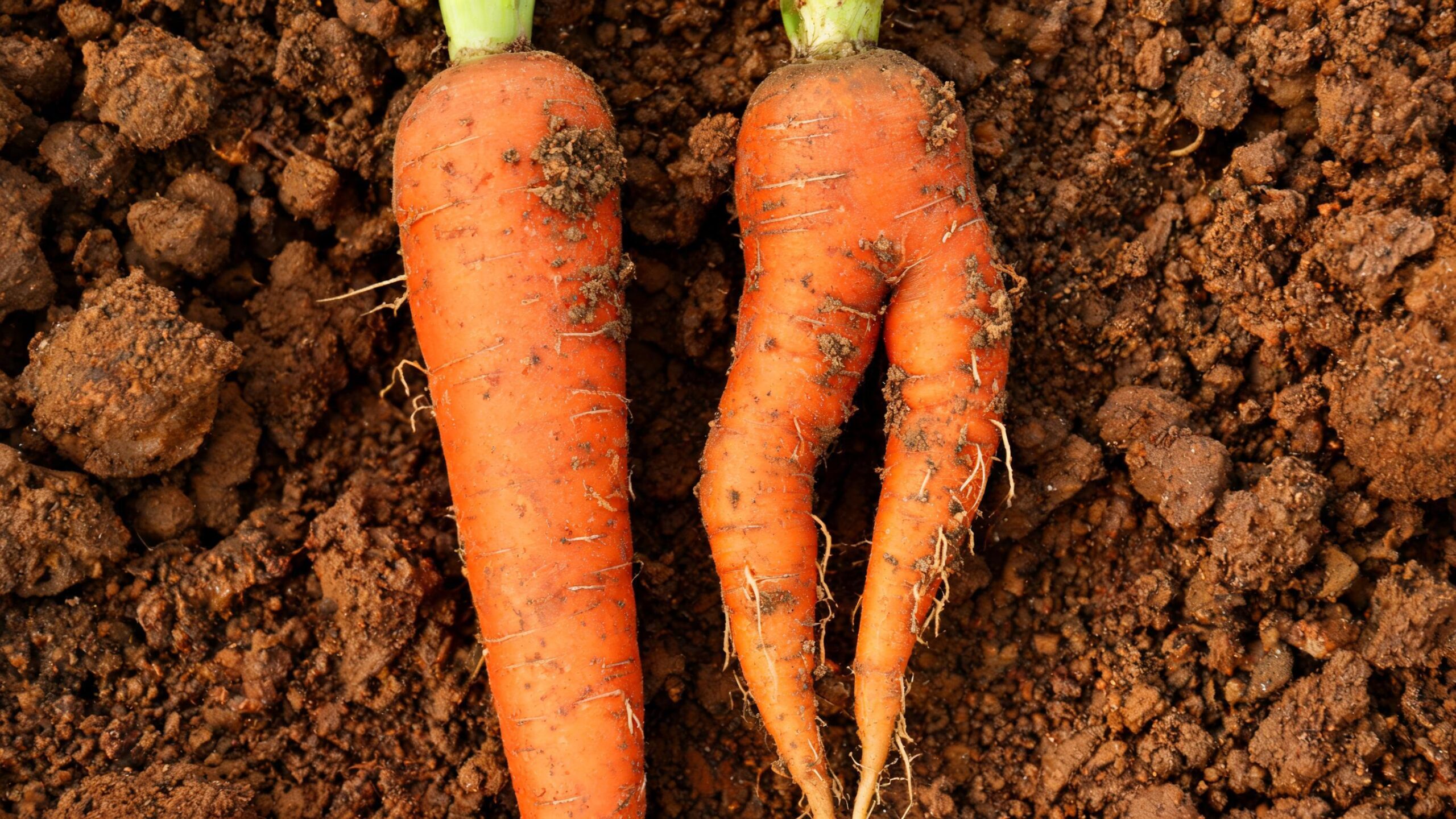
Forked carrots are a classic sign of an obstruction in the soil profile — stones, clumps of clay, chunks of bark, or old root material physically split the taproot as it tries to push down. Fresh manure is another major cause, as its uneven nutrient pockets and ammonia can scorch the sensitive root tip, causing it to fork or stop growing straight.
Dig the bed to a full spade’s depth (20–30cm) and break up all clods before sowing; a broadfork is ideal for heavy clay without inverting the soil structure.
Remove every stone, root fragment, and lump of bark you find — carrots will find the one obstruction you missed.
Never dig fresh manure into a carrot bed. Use only well-rotted compost or aged sheep pellets applied the previous season.
In heavy volcanic clay soils typical of parts of the Waikato, work in coarse river sand or gypsum to improve drainage and crumb structure before sowing.
Root-knot nematodes and the soil-borne pathogen pythium can also cause forking and small sunken brown lesions; if forking persists despite good soil prep, rotate carrots away from that bed for two to three years and boost organic matter to encourage beneficial soil microbes.
All Leaf, No Root
Lush, healthy-looking carrot tops with a disappointingly thin root underneath usually points to too much nitrogen, too much shade, or bolting due to incorrect timing. Carrots need a minimum of six hours of full sun daily to bulk up their roots properly — in shadier urban sections, this is often the overlooked cause.
Spring Gardening Guide: Getting Carrot Timing Right in NZ
Correct timing is arguably the single biggest lever Kiwi gardeners have over carrot success, because sowing outside the right soil-temperature window leads to poor germination, bolting, or tough, woody roots. This spring gardening guide approach means matching your sowing dates to your local microclimate rather than a generic overseas calendar.
Region / Microclimate
Best Sowing Window
Notes
Northland & Auckland (subtropical)
Late winter (Aug) through to autumn (Apr)
Near year-round sowing possible; avoid the hottest mid-summer weeks, which can trigger bolting and bitter roots.
Waikato & Bay of Plenty (temperate)
Spring (Sep–Nov) and again late summer (Feb–Mar)
Soil warms reliably by mid-September; succession sow every 3–4 weeks for a continuous harvest.
Wellington & lower North Island
Spring (Oct–Nov) through summer (Dec–Jan)
Wind exposure can dry seedbeds fast — mulch lightly and water more frequently.
Canterbury & Central Otago (alpine/frost-prone)
Spring (Oct–Nov) after last frost, and midsummer for an autumn crop
Wait until soil temperature sits above 7–10°C; early sowings under cloches germinate far more reliably.
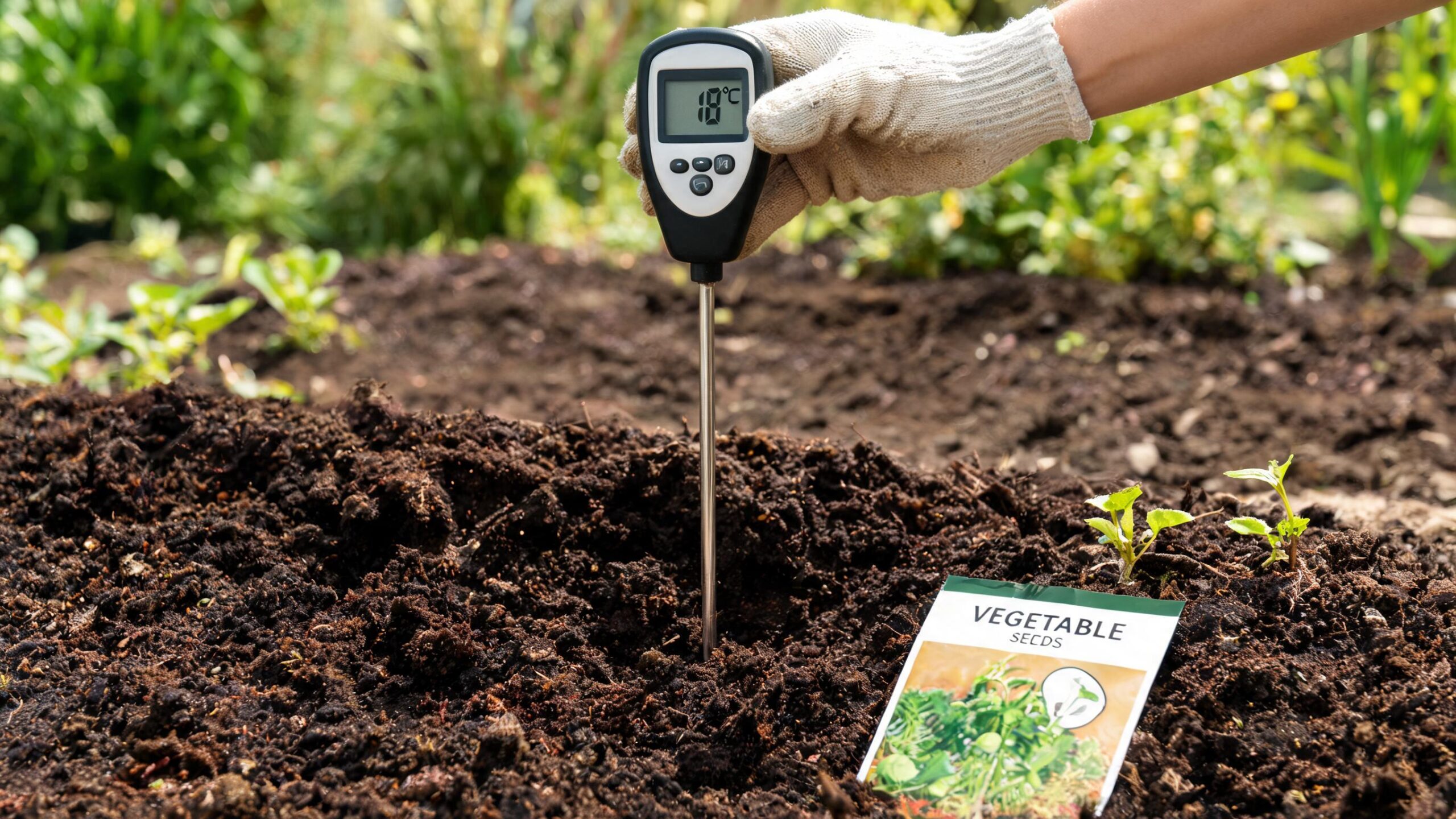
As a general rule, carrot seed germinates poorly below about 7°C soil temperature and struggles above 30°C, which is why early-to-mid spring and late summer are the two reliable windows across most of the country. A soil thermometer pushed 5cm into the bed is a cheap, worthwhile tool for pinning down exactly when your local ground is ready.
How to Grow Carrots: Step-by-Step for NZ Conditions
This section covers how to grow carrots from bed preparation through to harvest, tailored to New Zealand soils and seasons rather than generic Northern Hemisphere advice.
Choose a full-sun position. Carrots need at least six hours of direct sun daily; avoid spots shaded by fences, hedges, or established trees.
Prepare the bed deeply. Dig or broadfork to 20–30cm, removing all stones, clods, and old root debris. Work in well-rotted compost or aged sheep pellets, never fresh manure.
Adjust soil texture. Sandy loam is ideal. Heavy clay soils benefit from added coarse sand, gypsum, or raised beds/containers at least 25cm deep to give roots room to run.
Check and correct pH. Aim for 6.5–7. Add dolomite lime if your soil test comes back more acidic, which is common in high-rainfall Bay of Plenty and Taranaki soils.
Sow seed thinly and shallow. Mix fine carrot seed with dry sand to spread it evenly, and cover with only 5–10mm of fine soil or compost.
Water gently but consistently. Use a fine rose or misting nozzle daily until germination; a dry seedbed for even one hot afternoon can kill emerging seedlings.
Thin in stages. Reduce to a final spacing of 3–5cm once seedlings reach finger height, watering afterward to resettle the soil and mask the scent that attracts pests.
Mulch lightly with pea straw once seedlings are established, to conserve moisture and suppress weeds without smothering the row.
Feed sparingly. A monthly liquid seaweed or kelp tea supports root development without triggering excess leaf growth.
Harvest at maturity (typically 12–16 weeks depending on variety), lifting a test carrot from each end of the row to check size before pulling the whole crop.
Common Pests and Diseases Behind Carrot Failure
Beyond soil and watering issues, several NZ-specific pests and diseases can mimic or worsen the symptoms of poor growth.
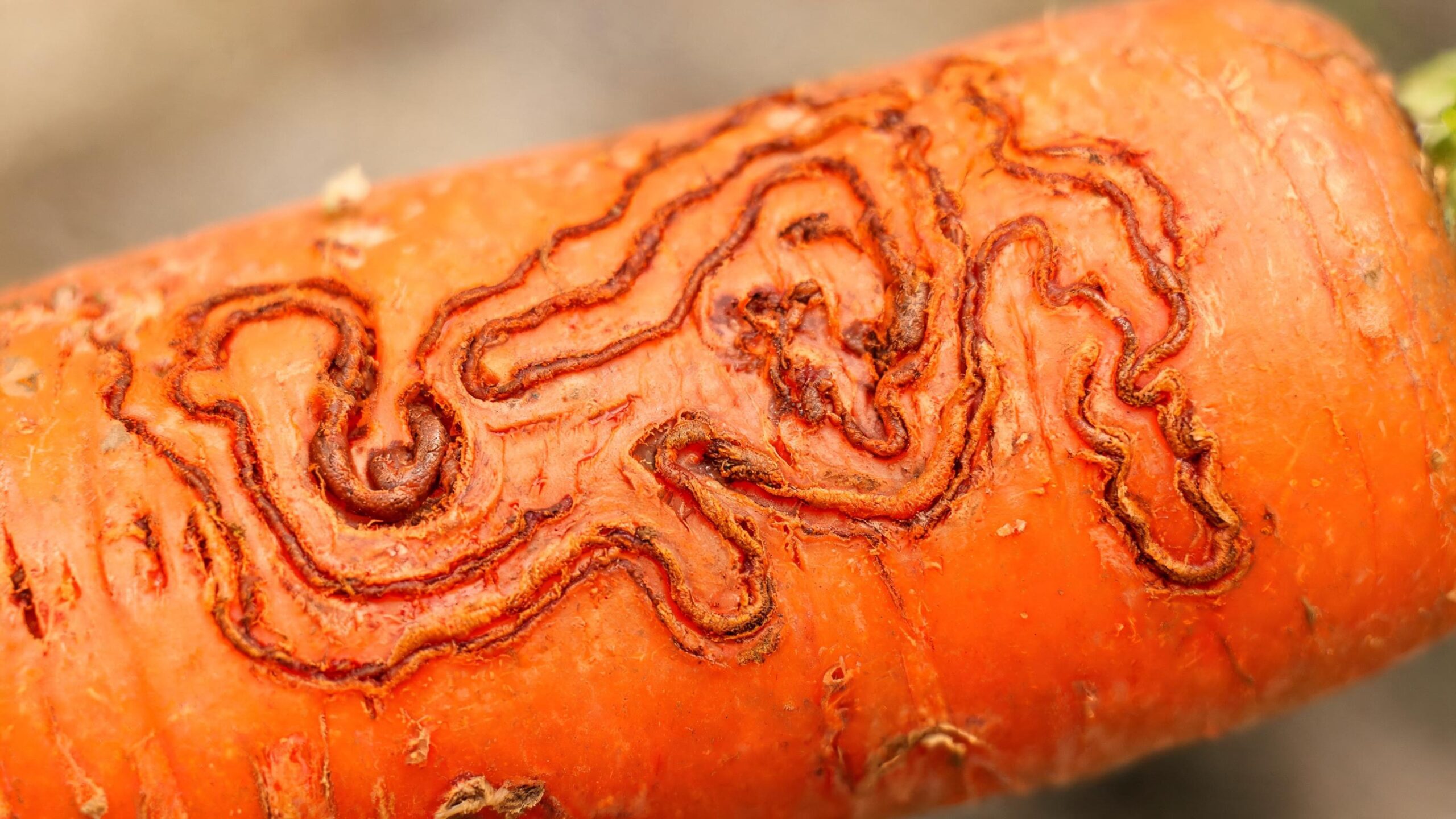
Carrot rust fly is the most significant carrot pest in warmer parts of the country. Larvae tunnel into roots, causing rusty scarring and stunted growth. The Yates New Zealand pest and problem-solving advisory recommends fine insect mesh barriers, since the adult flies travel close to the ground and locate crops largely by scent.
Root-knot nematodes cause forking and root distortion that’s easy to mistake for a soil compaction problem; prevention through crop rotation and improved organic matter is more effective than any in-season treatment.
Pythium, a soil-borne fungal pathogen, causes forking and small sunken brown lesions, and is more common in acidic, poorly drained soils — another reason to keep pH near neutral.
Companion planting with onions, garlic, chives, or leeks between carrot rows helps mask the scent that draws in carrot rust fly, a widely used organic control among Kiwi vegetable growers.
Kiwi gardeners often notice carrot rust fly damage worsens right after thinning, since disturbed soil releases a strong carrot scent that the flies detect from a distance — thinning in the evening and firming soil straight afterward makes a real difference.
Building Carrots Into Your Vegetable Planting Calendar
Carrots work best as a succession crop rather than a single big sowing. Adding a small carrot row to your vegetable planting calendar every three to four weeks through spring and again in late summer keeps a steady supply coming rather than one glut followed by nothing. Rotate the carrot bed to a different spot each year — ideally a three-year rotation — to break the lifecycle of carrot rust fly and soil-borne nematodes that build up when root crops are grown repeatedly in the same *whenua*.
For gardeners working with raised beds or containers, a good quality vegetable-specific potting mix, a fine soil sieve for stone removal, and a set of insect mesh cloches are worthwhile investments that solve several of the problems above in one go — heavy clay compaction, stone obstruction, and rust fly all become non-issues with the right raised bed setup.
Key Takeaways
Loose, stone-free, well-drained soil at pH 6.5–7 is the single biggest factor in successful carrot growth.
Consistent moisture during the 14–21 day germination window prevents patchy or failed seedling emergence.
Thinning early and correctly prevents stunted, competing roots and reduces carrot rust fly attraction.
Match sowing dates to your regional soil temperature rather than a fixed calendar date.
Rotate carrot beds every two to three years to manage nematodes, pythium, and carrot rust fly pressure.
Frequently Asked Questions
Why won’t my carrot seeds germinate at all?
The most common cause is a dry or crusted-over seedbed during the 14–21 day germination period, followed by seed sown too deep. Keep the top 1–2cm of soil consistently moist, sow seed no deeper than 5–10mm, and use fresh seed each season since carrot seed loses viability quickly.
Why are my carrots forked or twisted?
Forking is usually caused by stones, lumpy soil, or fresh manure obstructing the taproot as it grows down. Dig the bed deeply and remove all debris before sowing, and only use well-rotted compost. Root-knot nematodes and pythium fungus can also cause forking in persistent cases.
How do I stop carrot rust fly in my garden?
Cover crops with fine insect mesh since adult flies travel close to the ground, sow seed thinly to reduce thinning, and thin in the evening while firming soil back afterward to mask scent. Companion planting with onions, garlic, or chives also helps deter the flies.
Can I grow carrots in heavy clay soil common in the Waikato?
Yes, but clay needs modification first — dig in coarse sand or gypsum to at least 25cm depth, or grow carrots in raised beds filled with a sandy loam mix. Compacted clay without amendment is one of the leading causes of stunted or forked carrots in this region.
When is the best time to plant carrots in New Zealand?
Spring (September to November) is the reliable window across most of the country once soil temperature sits above 7–10°C, with a second sowing window in late summer for an autumn harvest. Subtropical Northland and Auckland gardeners can sow almost year-round, avoiding only the hottest mid-summer weeks.
Why do my carrots have lush tops but tiny roots?
This is usually caused by excess nitrogen from fertilisers like blood and bone, insufficient sunlight, or bolting due to incorrect seasonal timing. Switch to a potassium-focused feed such as sulphate of potash or seaweed tea, and ensure the bed gets at least six hours of full sun daily.
Do I need to thin carrot seedlings, and how much does it matter?
Thinning is essential — unthinned carrots compete for space and almost never bulk up properly. Thin in stages to a final spacing of 3–5cm once seedlings reach finger height, watering and firming the soil afterward to reduce pest scent trails.
Growing Carrots Successfully in Your NZ Garden
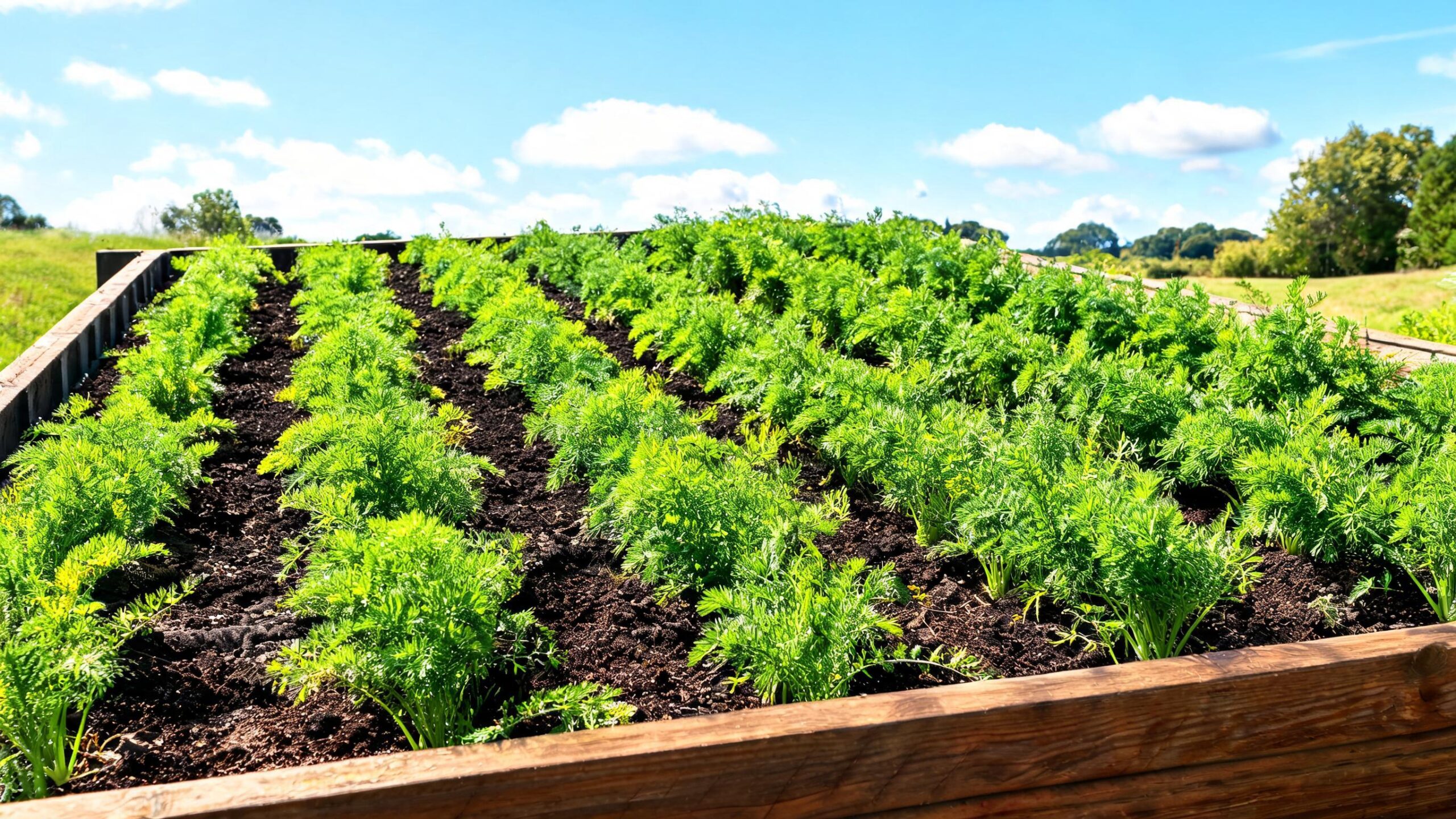
Fixing carrots not growing comes down to getting the fundamentals right: loose stone-free soil, steady moisture during germination, timely thinning, and sowing within the correct window for your region. Follow this spring gardening guide, apply the step-by-step approach to how to grow carrots outlined above, and slot regular carrot sowings into your vegetable planting calendar for a continuous, reliable harvest. Give your whenua the preparation it deserves this season, and those frustrating bare rows or forked roots will become a thing of the past.
We use cookies to improve your experience, analyze traffic, and display personalized ads.
By clicking "Accept", you consent to the use of cookies in accordance with our Privacy Policy.