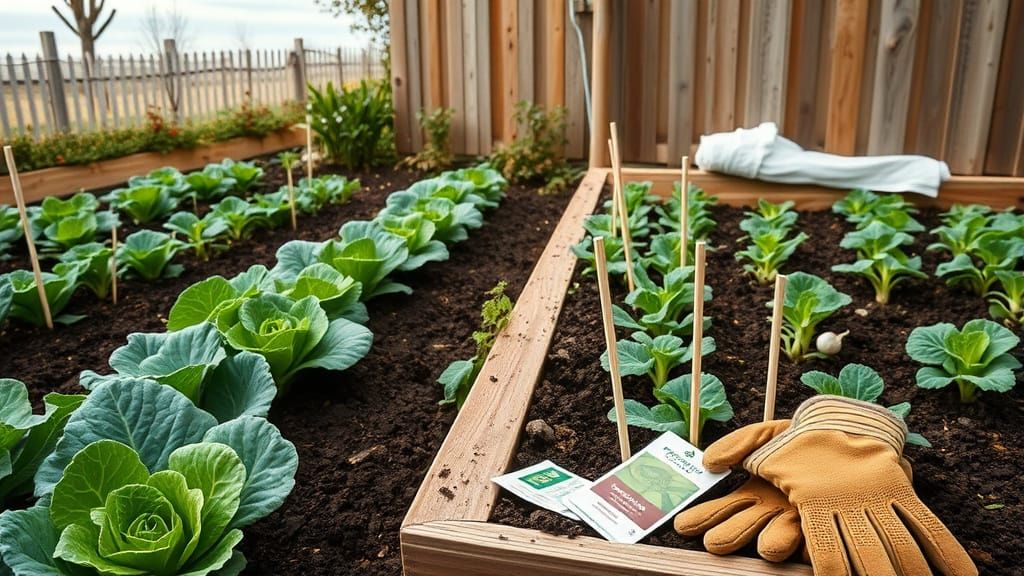
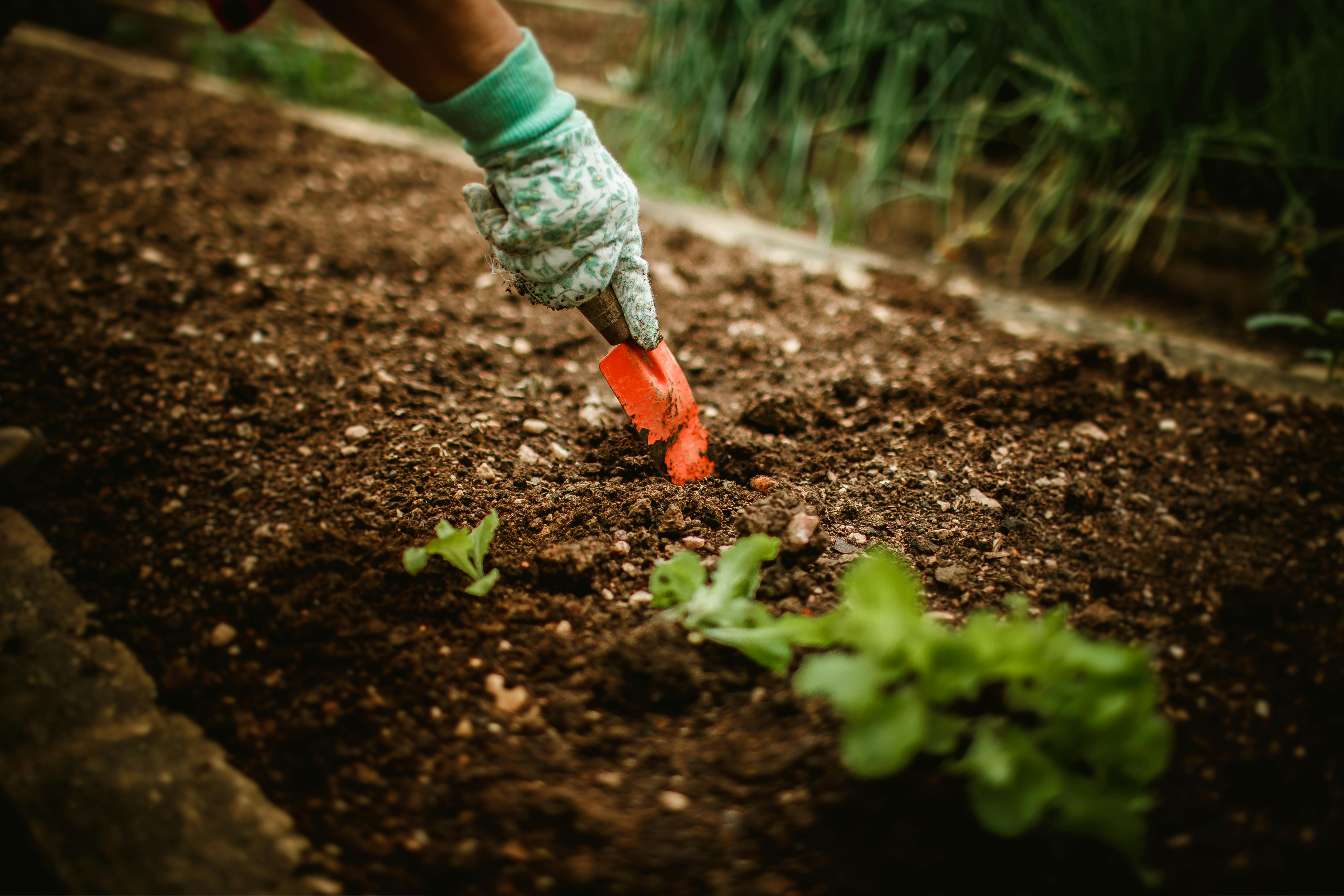
How Often to Water Your Vegetable Garden in NZ: A Region-by-Region Guide
Knowing how often to water your vegetable garden is one of the most common questions Kiwi gardeners ask, and the honest answer is: it depends on your soil, your region, and the season — but there are reliable rules of thumb that work from Kerikeri to Invercargill. Get watering wrong and you’ll see bolting lettuces, split tomatoes, or blossom end rot on your courgettes before you know it. This guide breaks down exactly how often to water your vegetable garden across New Zealand’s different soils and microclimates, so you can build watering into your routine with confidence.
Quick Answer: How Often to Water Your Vegetable Garden in NZ
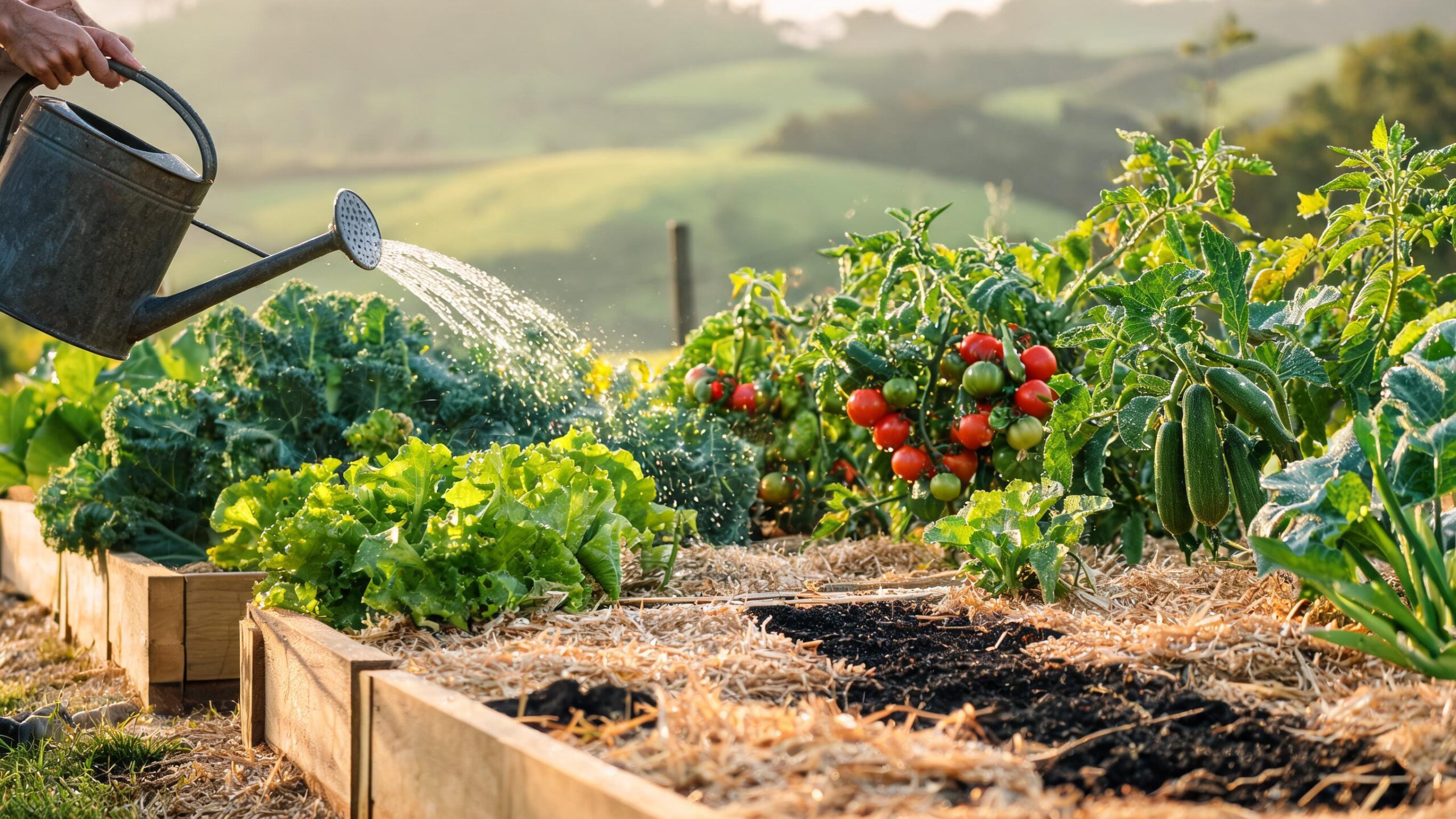
Most vegetable gardens in New Zealand need 1 to 2 deep waterings per week during spring and summer, delivering the equivalent of 25–35mm of water each time, rather than daily light sprinkles. In cooler months (autumn and winter), rainfall usually covers most needs, and watering can drop to once every 7–10 days or less. Sandy loam soils in Northland and coastal Bay of Plenty dry out faster and may need water every 2–3 days in peak summer, while heavier clay soils common around Hamilton, Waikato, and parts of Auckland hold moisture longer and can go longer between waterings.
Water deeply 1–2 times a week rather than a little every day — this trains roots to grow deep and drought-resilient
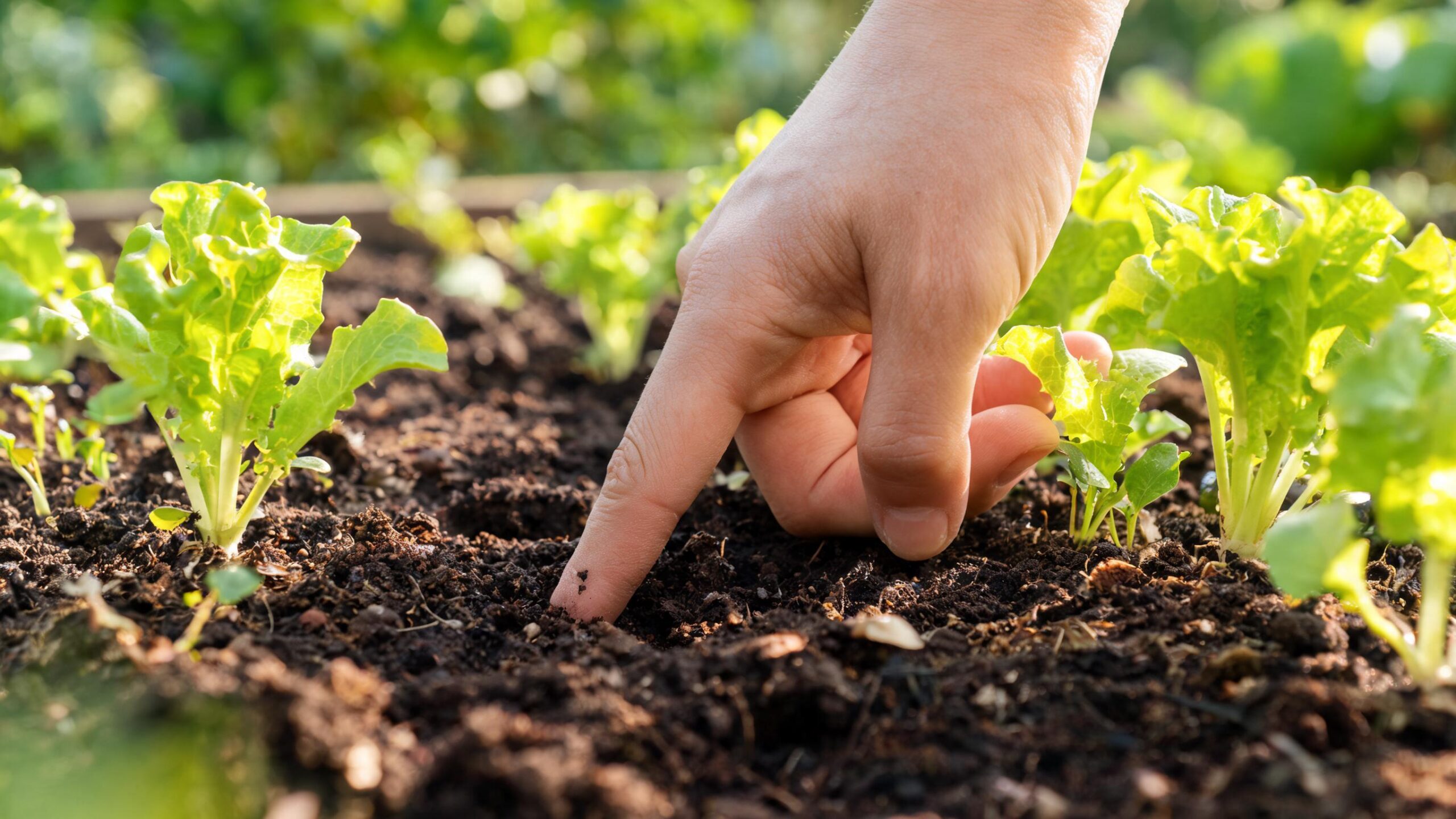
Check soil moisture 5–10cm down with a finger or trowel before watering; if it’s dry at that depth, it’s time
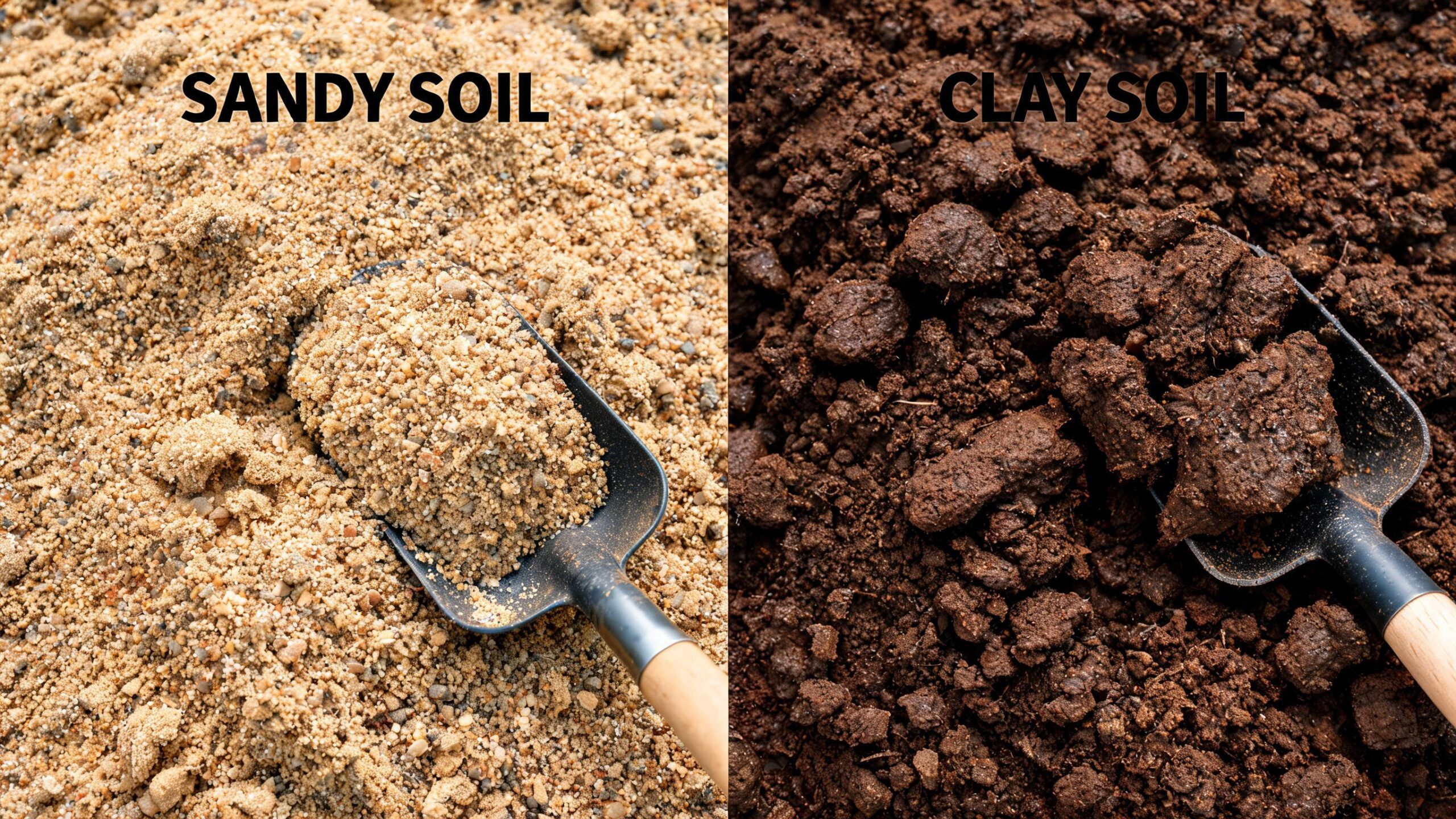
Sandy soils (Northland, coastal areas) need more frequent, lighter watering; clay soils (Waikato, parts of Canterbury) need less frequent, deeper watering
Water early morning to reduce evaporation and fungal disease risk, especially for tomatoes, courgettes, and cucurbits
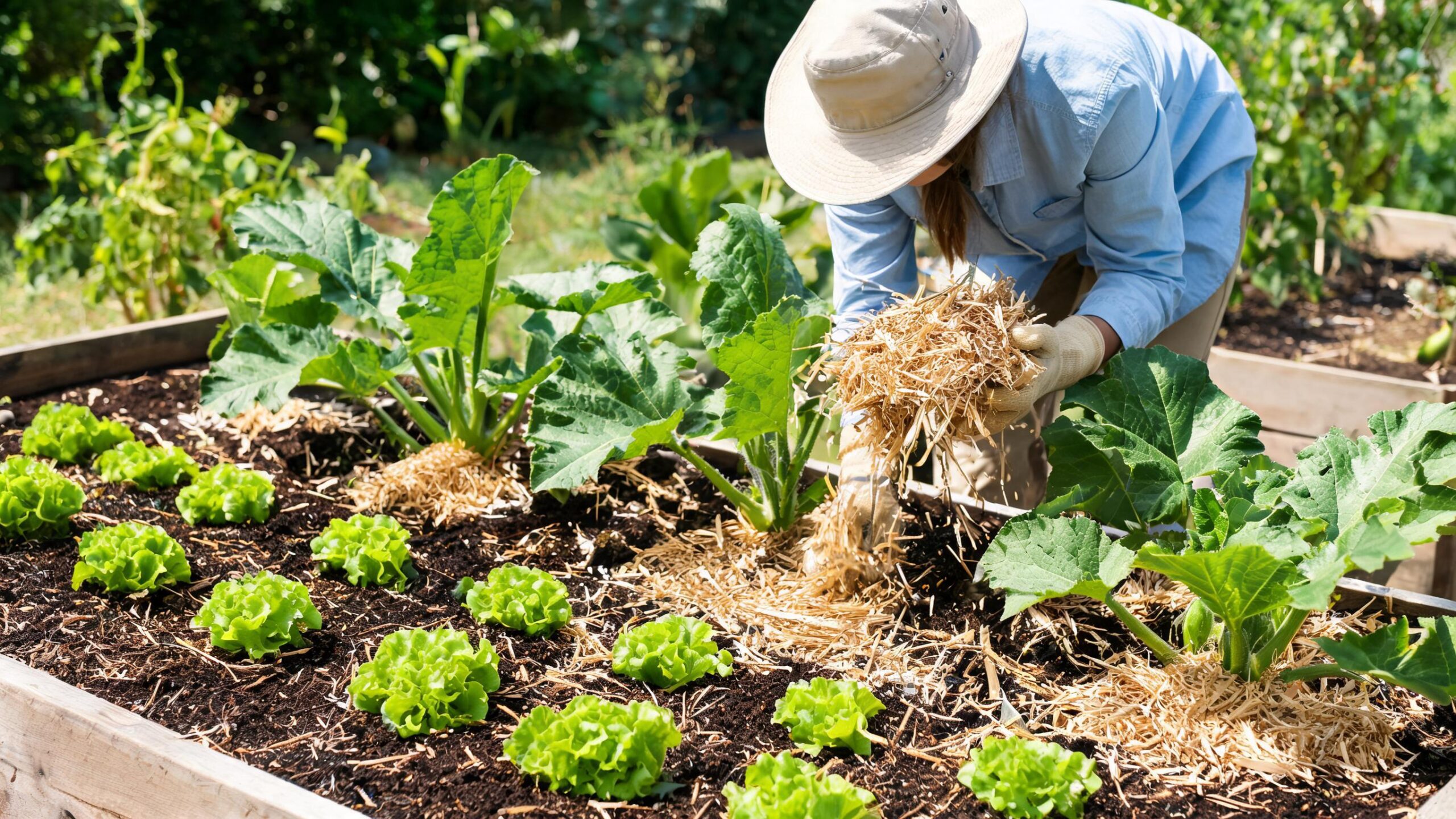
Mulch with pea straw or bark chips to cut watering frequency by up to half over summer
Why Watering Frequency Matters More Than Volume Alone
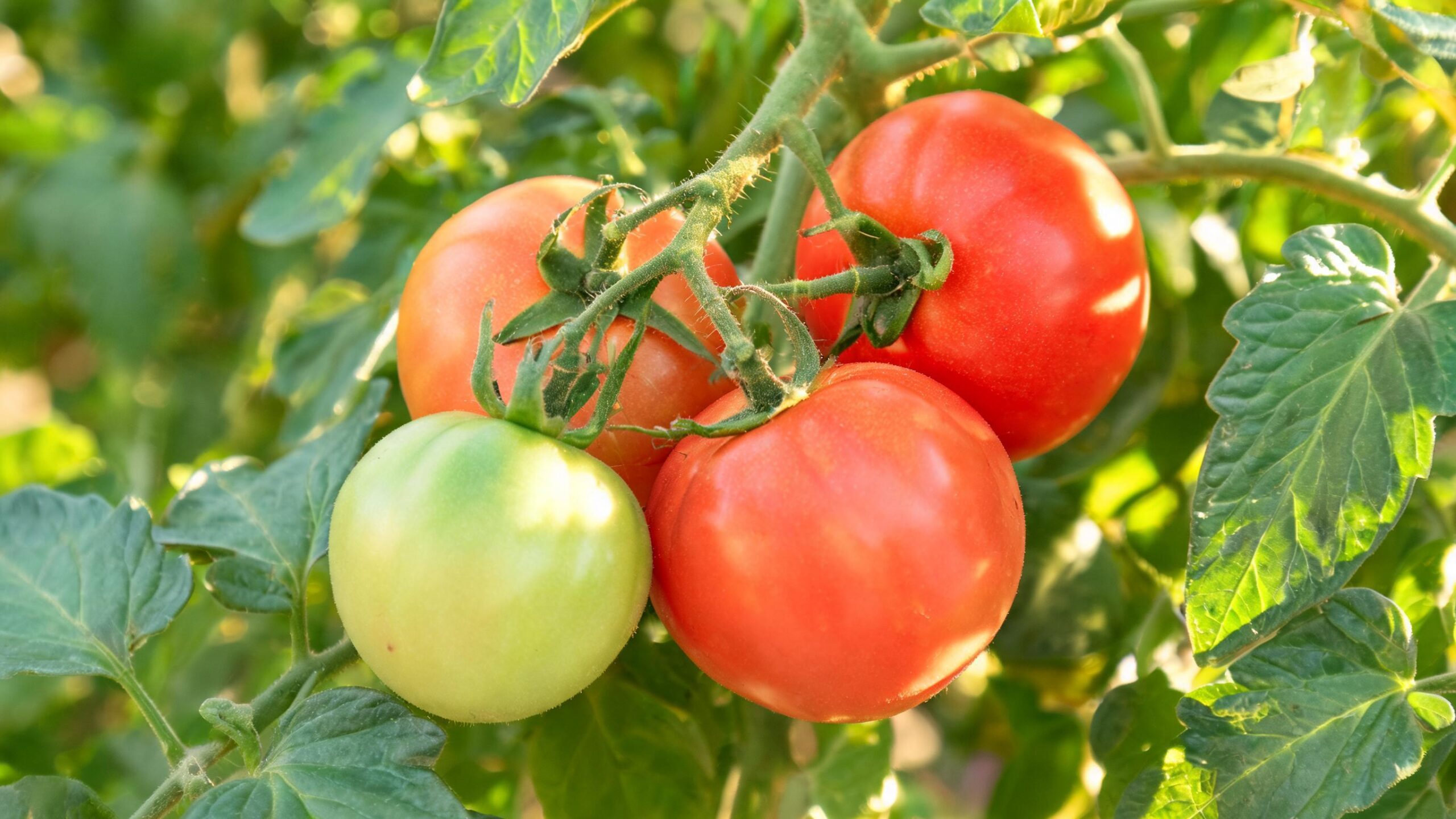
Vegetable roots need consistent moisture to move nutrients from the whenua (soil) into leaves and fruit. Irregular watering — a soak one day, drought the next — causes classic problems like blossom end rot in tomatoes and capsicums, bitter cucumbers, and premature bolting in brassicas and lettuces. The goal isn’t just “enough” water, but a steady rhythm that matches your soil’s ability to hold moisture between waterings.
As the team at Yates New Zealand explains in their guide to watering and mulching, sandy soils generally need more frequent watering but less volume per session, while clay soils need the opposite: less frequent but deeper watering. Whatever your soil type, the golden rule is never let plants reach wilting point before topping up again.
Deep Watering vs Little-and-Often
Deep watering — soaking the soil until moisture penetrates 15–20cm down — encourages roots to grow deep in search of water, making plants more resilient during dry spells and heatwaves. Light daily sprinklings only wet the top few centimetres, encouraging shallow root systems that dry out fast and struggle in wind or heat. For most home vegetable patches, this means watering thoroughly once or twice a week rather than a quick splash every evening.
Vegetable Garden Watering by NZ Region and Microclimate
New Zealand’s climate varies enormously from north to south, and this has a direct bearing on how often you’ll need to water. A spring gardening guide written for subtropical Northland won’t translate directly to frost-prone Central Otago, so it pays to calibrate your watering schedule to your specific microclimate rather than following a generic national rule.
Region
Typical Soil
Summer Watering Frequency
Key Notes
Northland / Auckland (subtropical)
Sandy loam, volcanic clay
Every 2–3 days
High humidity but fast-draining sandy patches dry quickly; watch for extended dry summer spells
Waikato / Bay of Plenty (temperate)
Volcanic loam, some heavy clay
Twice weekly, deep soak
Generally reliable rainfall but summer dry spells demand deep watering to reach root zones in clay
Wellington / Manawatu (windy, coastal)
Sandy loam, clay pockets
2–3 times weekly
Wind significantly increases evaporation; mulch is essential to retain moisture
Extreme temperature swings; water early morning to avoid stress on plants
Southland / Otago coastal
Peat, clay loam
Once or twice weekly
Cooler summers mean lower evaporation; watch for waterlogging in peat soils after rain
Northland and Auckland: Sandy Loam and Fast Drainage
Warm, humid summers combined with sandy or volcanic loam soils mean gardens here dry out quickly, particularly during dry January–February spells. Watering every 2–3 days with a thorough soak, plus a generous mulch layer, keeps roots hydrated without excessive evaporation loss.
Waikato and Bay of Plenty: Balanced but Clay-Prone
Kiwi gardeners in Hamilton and the wider Waikato often deal with heavier volcanic clay that holds moisture well but can crust on the surface, making water run off rather than soak in. Break up the surface lightly before watering and aim for two deep sessions a week rather than daily light watering, which barely penetrates clay.
Canterbury and Central Otago: Dry, Windy, and Frost-Prone
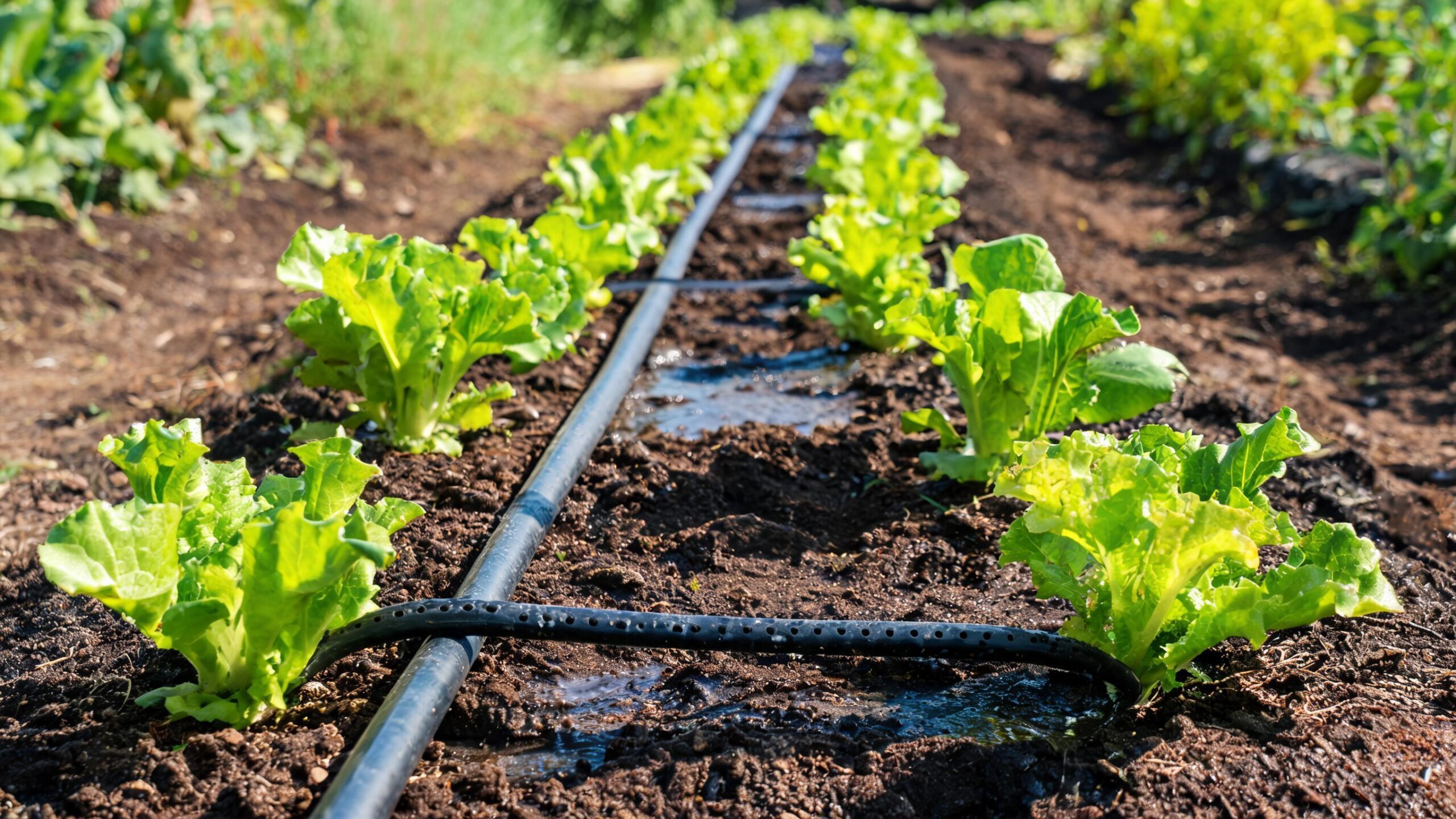
These inland regions see some of New Zealand’s driest summer conditions, with strong nor’west winds accelerating evaporation. Drip irrigation or soaker hoses are particularly effective here, delivering water slowly and directly to root zones without losing much to wind or surface evaporation.
NZ Seasonal Watering Timing: Spring Through Winter
Following the Southern Hemisphere calendar (spring = September–November, summer = December–February, autumn = March–May, winter = June–August), watering needs shift dramatically across the year. This is where a good vegetable planting calendar becomes essential — timing your sowing and watering together avoids stressing young seedlings during their most vulnerable establishment phase.
Spring (September–November)
Newly transplanted seedlings need consistent moisture to establish root systems, typically once or twice weekly depending on rainfall. Soil temperatures are still climbing (aim for at least 15°C before planting tomatoes and cucurbits), so morning watering helps warm beds faster than evening watering.
Summer (December–February)
Peak demand season. Most gardens need deep watering 2–3 times weekly, rising to daily in extended heatwaves above 28–30°C, particularly for shallow-rooted crops like lettuce, spinach, and courgettes. Tomatoes benefit from deep watering every 2–3 days rather than light daily watering, which produces watery, less flavourful fruit.
Autumn (March–May)
As temperatures drop and rainfall becomes more reliable, watering frequency reduces to once weekly or less for established crops. This is a good time to sow winter brassicas and root vegetables, which need consistent but lighter watering than summer crops.
Winter (June–August)
Rainfall typically covers most watering needs across the country. Check soil moisture before adding extra water, especially under cloches or in greenhouses where rain doesn’t reach directly. Overwatering in cold, slow-draining winter soil risks root rot far more than underwatering does.
How to Check If Your Vegetable Garden Actually Needs Water
Rather than watering on a rigid schedule, checking soil moisture directly gives far more accurate results. This simple three-step method works in any NZ soil type:
Push a finger or trowel 5–10cm into the soil near (not directly against) the plant stem
If the soil feels dry and crumbly at that depth, it’s time to water; if it’s still slightly moist, hold off another day or two
Water thoroughly until moisture penetrates at least 15cm — a slow trickle for 20–30 minutes with a hose, or a full watering can session per square metre of bed
According to Tui Garden’s water-saving guide, checking whether soil is moist 10cm below the surface is a reliable indicator across most Kiwi garden soils, and in hot weather this check should happen every four to seven days at minimum.
Watering by Vegetable Type
Different crops have different tolerances and needs. Leafy greens and shallow-rooted vegetables dry out fastest, while deep-rooted crops like pumpkins and tomatoes can tolerate slightly longer gaps between waterings.
Lettuce, spinach, silverbeet: shallow roots dry quickly — water every 2–3 days in summer, keep consistently moist to prevent bolting
Tomatoes and capsicums: deep water every 2–3 days rather than daily; inconsistent watering causes blossom end rot and split fruit
Courgettes, cucumbers, pumpkins: heavy feeders that need regular deep watering, especially once fruiting begins — irregular watering causes bitter or misshapen fruit
Carrots, beetroot, parsnips: keep soil evenly moist for the first few weeks after sowing to prevent forked or split roots, then water weekly once established
Beans and peas: moderate water needs; water deeply once or twice weekly, increasing during flowering and pod set
Brassicas (broccoli, cabbage, cauliflower): consistent moisture prevents premature flowering (bolting) — water weekly, more in dry autumn spells
Practical Ways to Reduce Watering Frequency
Kiwi gardeners often notice that a few simple habits dramatically cut how often they need to reach for the hose, even in dry Canterbury summers or windy Wellington gardens.
Mulch generously: a 5–8cm layer of pea straw, bark chips, or untreated grass clippings can halve summer watering frequency by reducing evaporation
Feed with sheep pellets or blood and bone: healthy, humus-rich soil retains moisture far better than compacted or nutrient-poor ground
Water early morning: this reduces evaporation loss and lowers the risk of fungal diseases like powdery mildew that thrive on damp evening foliage
Install drip irrigation or soaker hoses: especially valuable in dry, windy regions like Canterbury and Central Otago where sprinklers lose significant water to wind drift
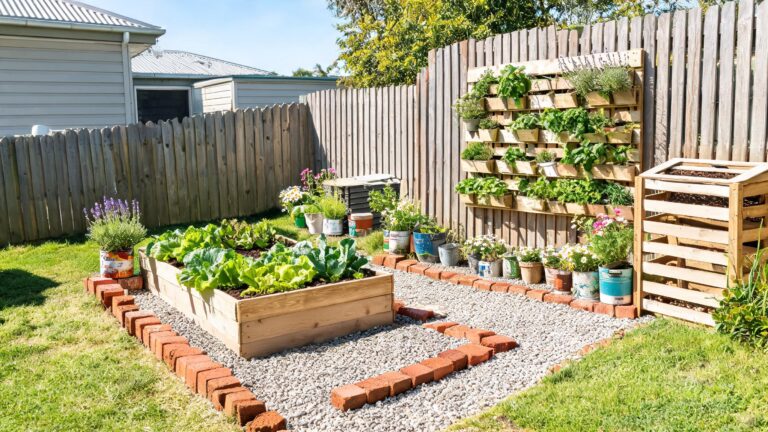
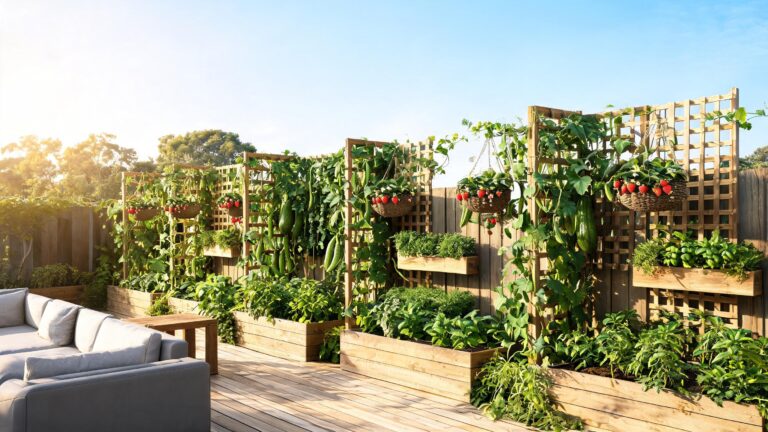
Use raised beds with care: raised beds and containers dry out faster than in-ground plots and typically need more frequent watering, particularly in sandy Northland or Bay of Plenty gardens
Common Watering Mistakes to Avoid
Even experienced gardeners fall into a few predictable traps that undermine an otherwise solid watering routine.
Watering a little every day, which encourages shallow, drought-vulnerable roots instead of the deep root systems that survive summer heat
Watering foliage rather than soil, which wastes water and increases disease risk in humid Northland and Auckland gardens
Ignoring soil type differences — treating clay-heavy Waikato beds the same as sandy Bay of Plenty soil leads to either waterlogging or drought stress
Watering in the heat of the day, when much of the water evaporates before reaching roots and can scorch leaves
Forgetting seedlings and new transplants need more frequent, lighter watering than established plants until their root systems develop
Frequently Asked Questions
How much water does a vegetable garden need per week in NZ?
Most NZ vegetable gardens need the equivalent of 25–35mm of water weekly during spring and summer, delivered through 1–2 deep watering sessions rather than daily light watering. This amount increases during heatwaves or in sandy, fast-draining soils, and decreases in cooler months when rainfall typically covers most needs.
Is it better to water in the morning or evening?
Morning watering is generally best for NZ vegetable gardens, as it allows foliage to dry during the day, reducing fungal disease risk from crops like tomatoes and courgettes. Evening watering can be useful during extreme heatwaves, but keep it light and avoid wetting leaves to prevent overnight dampness that encourages powdery mildew.
How do I know if I’m overwatering my vegetables?
Signs of overwatering include yellowing leaves, wilting despite moist soil, fungal growth, and a sour or rotten smell from the soil. Heavy clay soils common in Waikato and parts of Auckland are particularly prone to waterlogging if watered too frequently, so always check soil moisture at 5–10cm depth before adding more.
Do raised beds need more frequent watering than in-ground gardens?
Yes, raised beds typically dry out faster than in-ground plots because they drain more freely and have greater exposure to air on all sides. Expect to water raised vegetable beds slightly more often, particularly during summer, and consider lining the base with weed mat and adding extra mulch to help retain moisture.
How often should I water a vegetable garden in clay soil like Waikato’s?
Clay soils hold water longer than sandy soils, so once or twice weekly deep watering is usually sufficient, even in summer. Avoid frequent shallow watering on clay, as it tends to run off the surface rather than penetrate, and can encourage shallow root growth that struggles in dry spells.
Should I follow a strict watering schedule or check the soil each time?
Checking soil moisture directly is more reliable than a fixed schedule, since rainfall, temperature, and soil type all shift actual watering needs week to week. Use a finger or trowel to check moisture 5–10cm down, and water only when that layer feels dry, adjusting frequency as the season and weather change.
What’s the best way to plan watering alongside my planting schedule?
Pairing your watering routine with a reliable vegetable planting calendar helps ensure seedlings get consistent moisture during their vulnerable establishment weeks, then transition to a less frequent, deeper watering rhythm once established. This is especially useful when following a seasonal spring gardening guide for timing new plantings across different NZ regions.
Final Thoughts: Building a Watering Routine That Works for Your Whenua
There’s no single answer to how often to water your vegetable garden that applies everywhere in New Zealand — your soil type, region, and the season all shape the right rhythm for your patch. As a starting point, aim for 1–2 deep waterings weekly in spring and summer, check soil moisture before topping up, and mulch generously to stretch every drop further. Get to know your own whenua, adjust as the weather shifts, and your vegetable garden will reward you with steady, healthy growth right through the Kiwi growing season.
We use cookies to improve your experience, analyze traffic, and display personalized ads.
By clicking "Accept", you consent to the use of cookies in accordance with our Privacy Policy.