How to Grow Carrots in New Zealand: The Complete Kiwi Gardener’s Guide
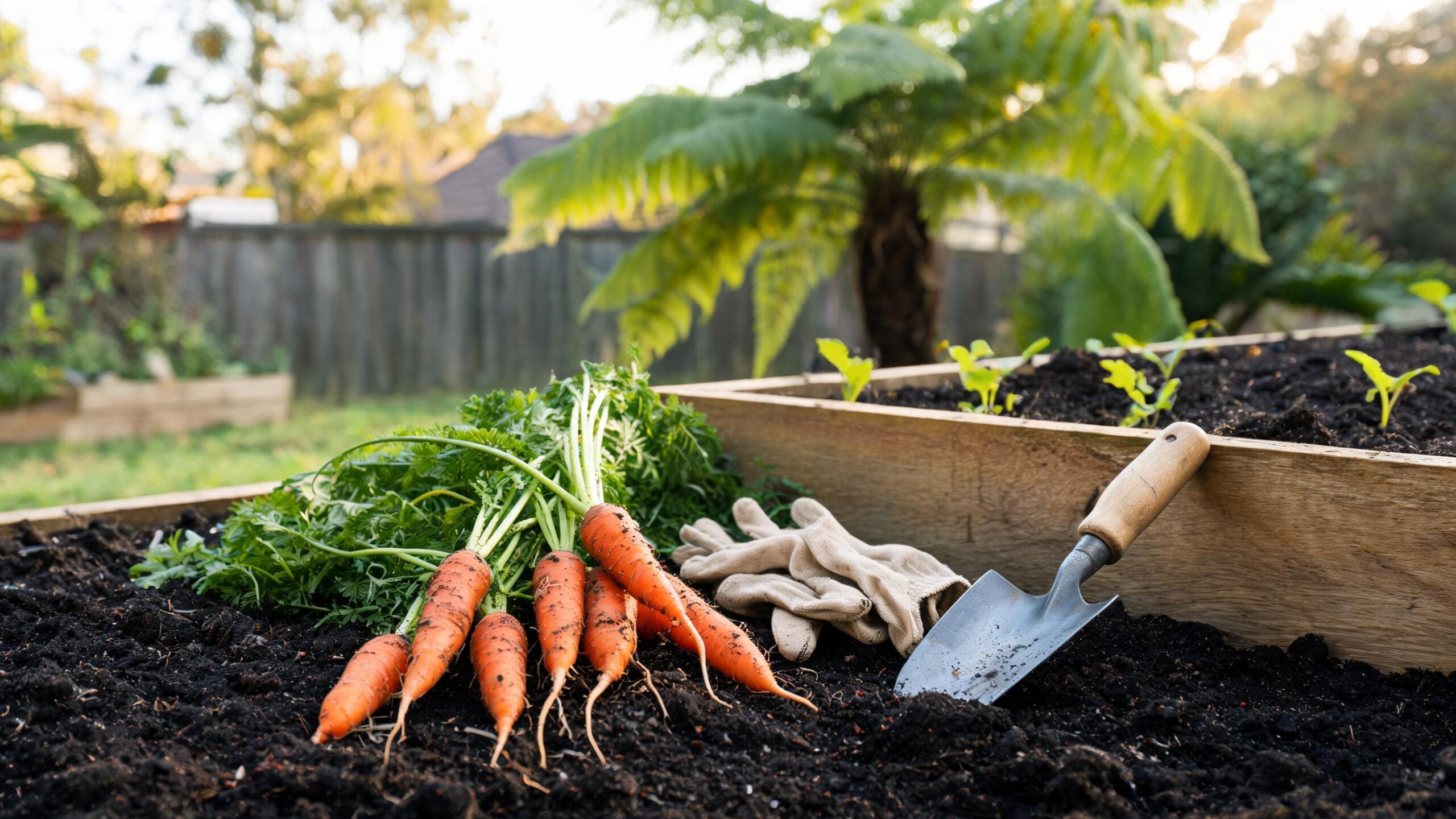
Few vegetables reward a home gardener quite like a fistful of sweet, crunchy, homegrown carrots pulled straight from the whenua. If you’ve ever bitten into a supermarket carrot and wondered why it tastes like cardboard, learning how to grow carrots in your own patch is the fix — and it’s far easier than most beginner gardeners expect, provided you get the soil, timing, and thinning right from the start.
This guide is written specifically for New Zealand growing conditions, from the subtropical warmth of Northland to the frosty inland valleys of Central Otago, and covers everything from soil prep to pest control using products and techniques Kiwi gardeners actually have on hand.
Carrots grow best in New Zealand when direct-sown (never transplanted) into loose, stone-free, well-draining soil in full sun, with seed sown roughly 1cm deep and thinned to 5cm spacing once seedlings are a few centimetres tall. Most of the country can sow from early spring right through to early autumn, with warmer regions like Auckland and Northland able to stretch this into a near year-round crop.
Sow seed directly into the garden 1cm deep — carrots hate being transplanted
Choose full sun and light, well-cultivated soil free of fresh manure
Thin seedlings early to prevent forked or stunted roots
Water consistently to avoid splitting and bitterness
Protect against carrot rust fly using barriers and companion planting
Understanding Carrots for New Zealand Gardens
Daucus carota subsp. sativus is a cool-to-warm season root vegetable that performs reliably across almost every New Zealand climate zone when soil conditions are right. Carrots store their energy in a long taproot, which means the single biggest factor in growing success isn’t fertiliser or watering — it’s how loose, fine, and stone-free your soil is before the seed even goes in the ground.
Unlike leafy greens or brassicas, carrots are notoriously fussy about root disturbance. This is why every credible New Zealand growing guide, including advice from Tui Garden’s carrot growing guide, insists on direct sowing rather than raising seedlings in trays for transplanting.
Best Carrot Varieties for Kiwi Gardens
Variety
Days to Harvest
Best For
Notes
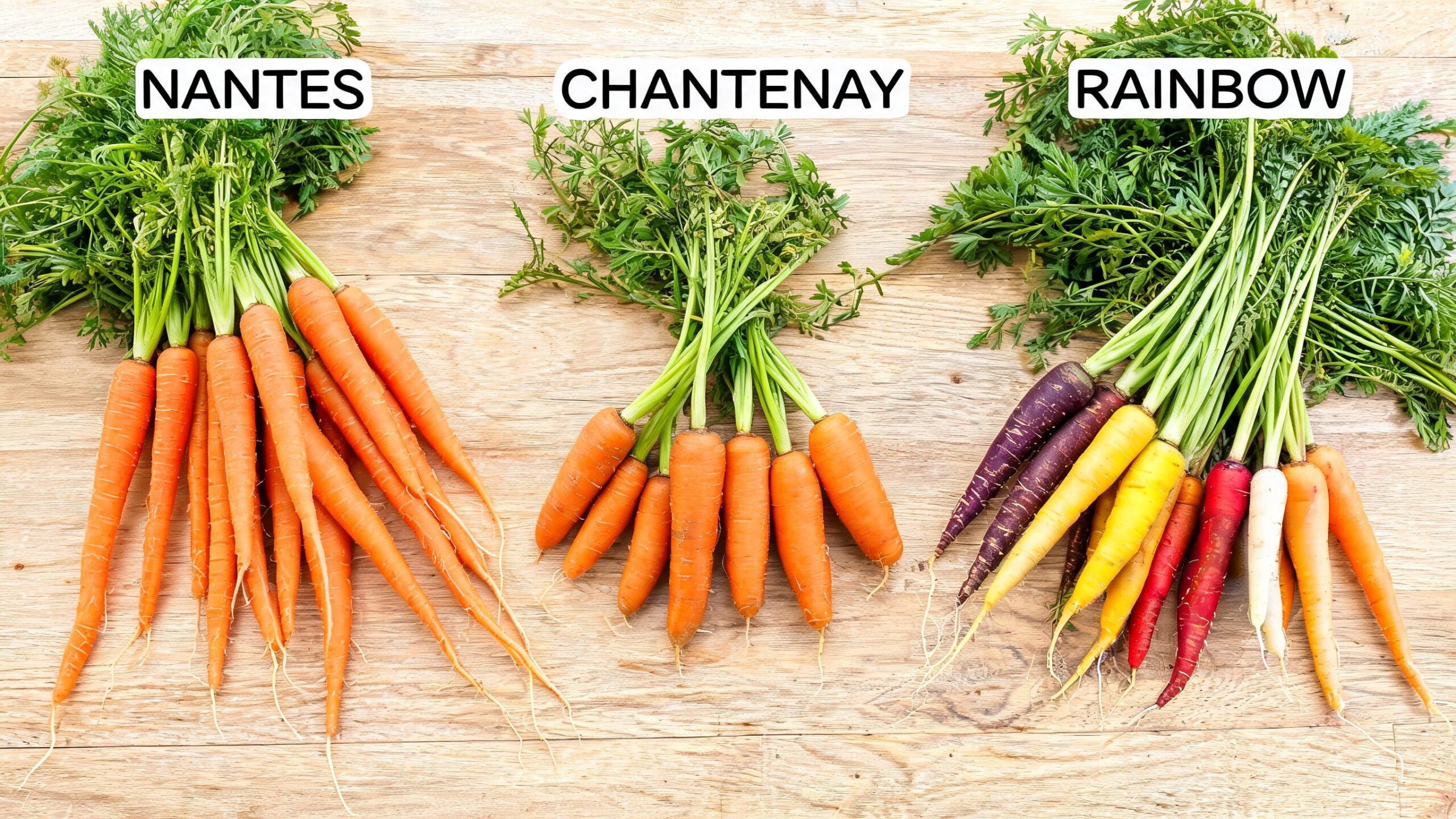
Nantes
65–75 days
General home gardens
Cylindrical, blunt-ended, sweet and reliable — a great all-rounder
Chantenay
70–80 days
Heavy or clay soils
Short, stumpy root copes better with denser Waikato clay loams
Resistafly
75–90 days
Carrot rust fly-prone areas
Bred with tolerance to carrot rust fly, popular in warmer coastal regions
Baby/Mini carrots
50–60 days
Containers and raised beds
Fast maturing, ideal for shallower pots
Purple Haze / Rainbow mixes
65–75 days
Novelty and market gardens
Adds colour variety, popular with kids and farmers’ market growers
When to Plant Carrots in New Zealand
Timing is everything with carrots, and this is where New Zealand gardeners need to throw out any Northern Hemisphere advice they stumble across online. Our growing calendar runs Spring (September–November), Summer (December–February), Autumn (March–May), and Winter (June–August) — and carrots are very much a spring-through-autumn crop for most regions.
What to Plant in September
September marks the true start of the carrot-growing window for most of New Zealand, as soil temperatures climb out of the winter chill. If you’re wondering what to plant in September, carrots sit right alongside beetroot, peas, spinach, and early lettuce as classic early-spring sowings once the soil has warmed sufficiently. This makes September sowings a cornerstone of any solid spring gardening guide for New Zealand vegetable patches.
Northland and Auckland (subtropical): Sow from late August through to April, with a near year-round window in mild coastal pockets.
Waikato and Bay of Plenty (temperate): Sow from mid-September once soil warms above 10°C, continuing through to March.
Wellington and lower North Island: Sow from late September, being mindful of wind exposure drying out fine seedbeds.
Canterbury and Central Otago (frost-prone/alpine): Wait until October when frost risk has largely passed, or use cloches to warm the soil earlier.
Carrot seed is slow to germinate in cold soil — often taking three weeks or more if sown too early. Kiwi gardeners often notice that a batch sown in warm, sun-soaked afternoon soil in late September germinates noticeably faster than an identical batch sown into cold, claggy ground a few weeks prior. If you’re impatient to get ahead in frost-prone inland areas, covering the sown row with clear plastic or a cloche raises soil temperature and speeds germination considerably.
Succession Sowing for a Continuous Harvest
Rather than sowing one large bed in September and harvesting it all at once, sow a short row every four to six weeks from spring through to early autumn. This staggered approach — a technique any thorough spring gardening guide should recommend — means you’re never overwhelmed with carrots all maturing simultaneously, and you’ll have a continuous supply right through summer and into autumn.
How to Prepare Soil for Growing Carrots
Soil preparation is where most first-time carrot growers go wrong, and it’s the single biggest predictor of straight, unforked roots versus a harvest of stunted, twisted stubs.
Soil Type and pH
Carrots want light, free-draining soil with a pH between 6.0 and 6.8. New Zealand’s regional soil variety makes this a genuine consideration:
Volcanic clay (Waikato, Bay of Plenty): Break up thoroughly and incorporate horticultural sand or fine compost to lighten the texture, or choose a stumpy variety like Chantenay that copes better with denser ground.
Sandy loam (Manawatu, coastal Canterbury): Naturally well-suited to carrots, though it may need extra organic matter for moisture retention over summer.
Peat soils (parts of Waikato, Hauraki Plains): Generally excellent for root crops due to their loose, friable structure, though drainage should be monitored in wet winters.
Dig the bed to a depth of at least 30cm, removing every stone, stick, and clod you can find — any obstruction in the soil profile will cause the taproot to fork or twist as it grows downward.
The Golden Rule: No Fresh Manure
This is the one piece of advice that trips up gardeners moving from tomatoes or brassicas to carrots: never add fresh manure or compost heavy in nitrogen directly before sowing. Fresh organic matter causes carrots to fork and grow multiple “legs” as the root searches around lumps of undecomposed material. Instead, sow carrots into a bed that grew a heavily-fed crop the previous season, or work in well-rotted compost and a modest amount of blood and bone several weeks ahead of sowing.
Sheep pellets, a Kiwi gardening staple, can be lightly incorporated well before sowing as they break down gradually, but avoid piling them in fresh right before seed goes in. A light dusting of sieved compost mixed with sea-hume or kelp granules gives carrots the balanced, low-nitrogen start they prefer.
How to Sow Carrot Seeds Correctly
Carrots are almost always direct-sown in New Zealand gardens — buying seedling punnets is rarely worth it, since the taproot resents disturbance and transplanted carrots frequently fork or bolt.
Rake the bed to a fine, crumbly tilth, removing any remaining lumps or debris.
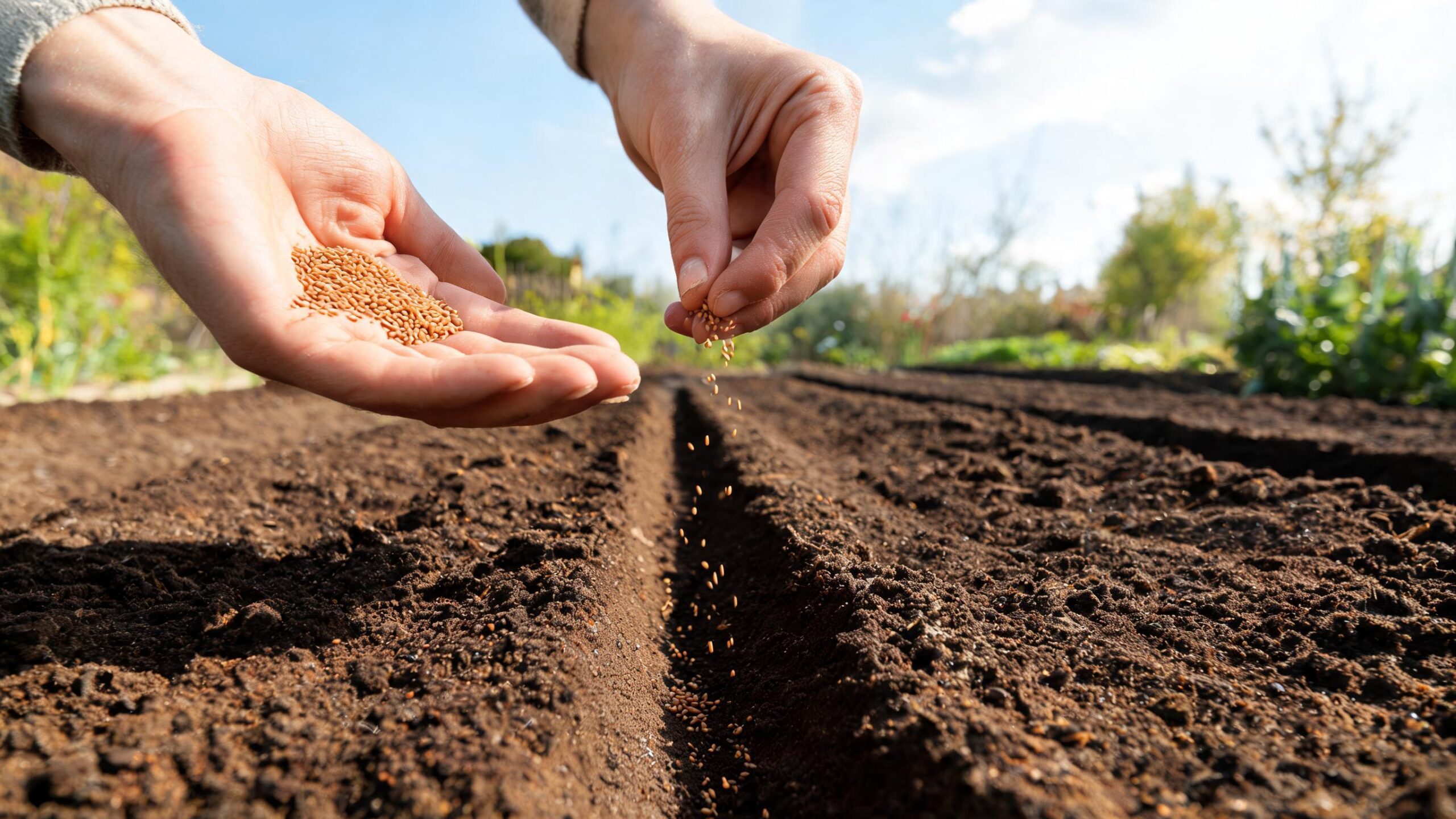
Sow seed as thinly as possible along the furrow — carrot seed is tiny and fiddly, so mixing it with a little dry sand before sowing helps spread it evenly and reduces future thinning work.
Cover lightly with fine soil (around 5mm) and firm down gently to ensure good seed-to-soil contact.
Water in with a fine rose, then keep the row consistently moist until germination, which typically takes 10–21 days depending on soil temperature.
Thinning Seedlings
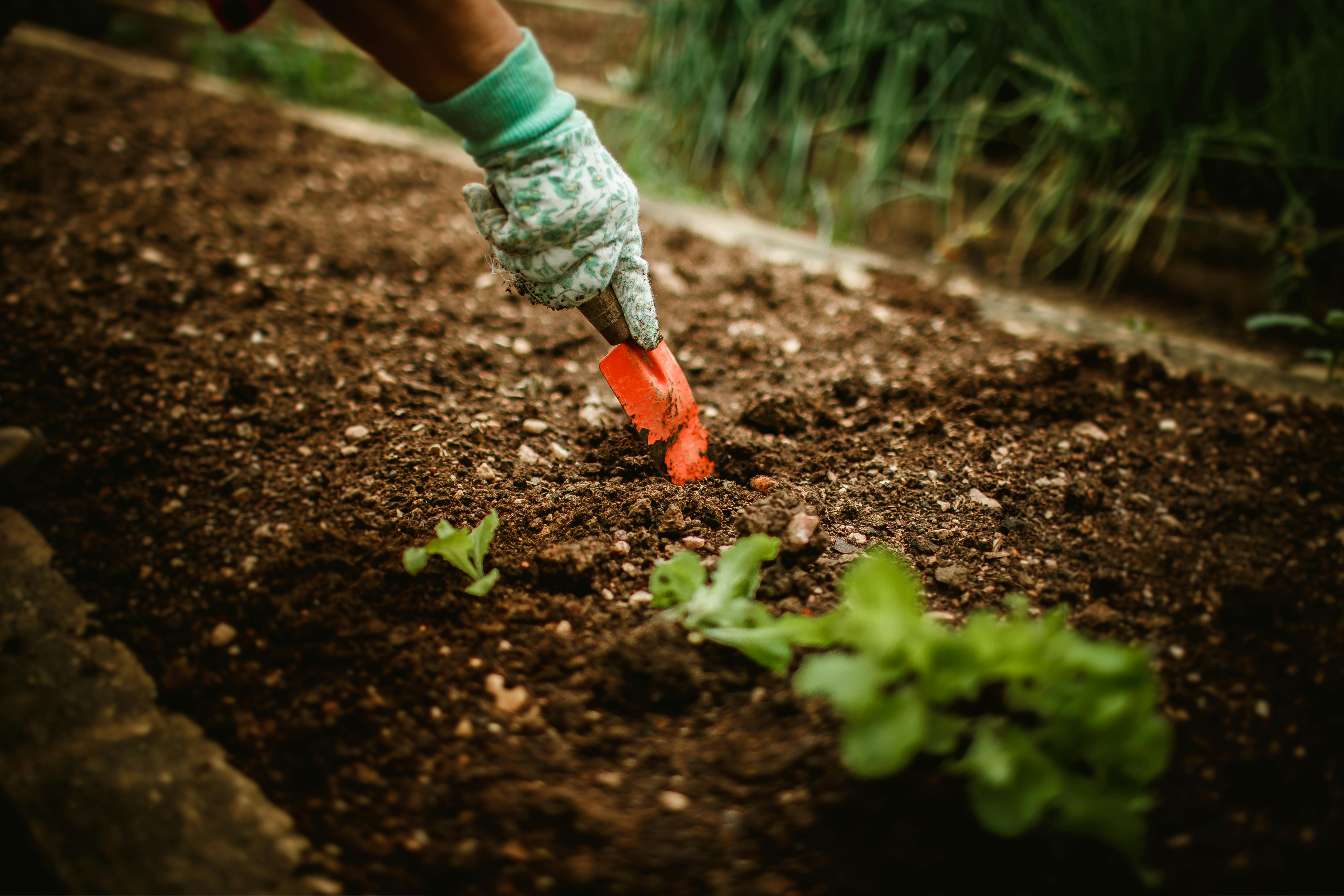
Once seedlings reach 2–3cm tall and can be handled, thin them to a final spacing of around 5cm apart for standard varieties (up to 10cm for larger main-crop types). Thin in the cool of the evening and firm the soil back around remaining seedlings — disturbed soil and the scent of bruised carrot foliage are exactly what attracts carrot rust fly, so handle this job carefully and water afterward to settle everything back down.
Watering, Feeding, and Ongoing Care
Consistency is the name of the game. Carrots need steady moisture from germination through to harvest — erratic watering, particularly a dry spell followed by heavy rain or irrigation, is the classic cause of split roots.
Water deeply once or twice a week rather than little and often, adjusting for rainfall and summer heat.
Apply a light mulch of pea straw once seedlings are established to retain soil moisture and suppress weeds, taking care to keep mulch away from direct contact with the crown.
Feed sparingly with a liquid seaweed or kelp tea every few weeks rather than a high-nitrogen fertiliser, which encourages leafy top growth at the expense of root development.
Keep the shoulders of developing carrots covered with soil or mulch — exposed carrot tops turn green and bitter, and bare shoulders are also an invitation for carrot rust fly to lay eggs.
Common Pests and Diseases in NZ Carrot Crops
Carrot Rust Fly
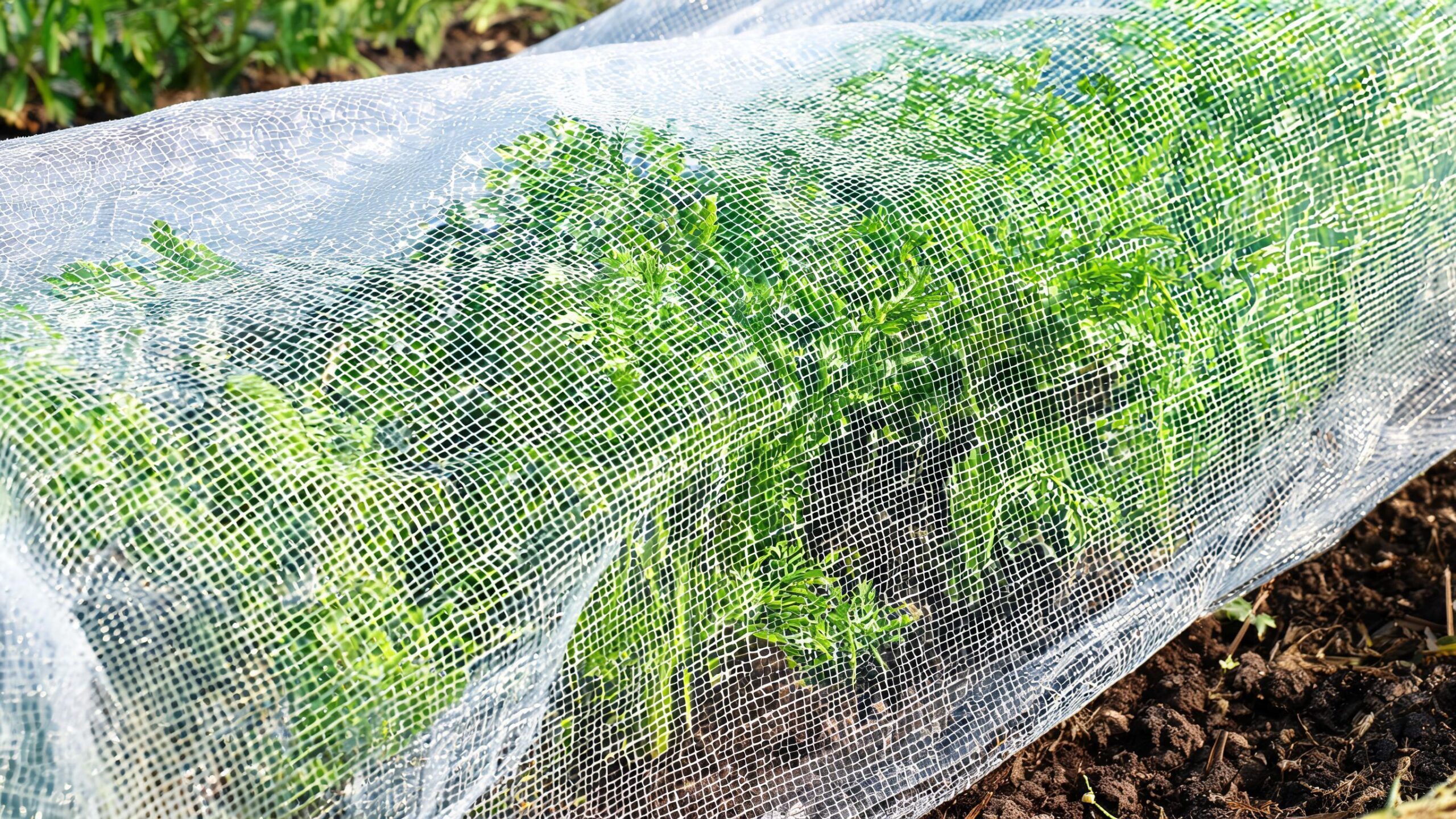
Carrot rust fly is, without question, the most persistent carrot pest across New Zealand home gardens, particularly in warmer regions. The adult fly is attracted by the scent released when carrot foliage is bruised or thinned, laying eggs at the base of plants; the resulting larvae tunnel into the root, leaving rusty brown scarring that ruins the harvest. According to Yates New Zealand’s pest advisory guidance, the flies stay low to the ground — generally under 50cm — which is why raised beds and physical barriers such as fine insect mesh are such effective deterrents.
Use fine garden mesh or windbreak cloth as a physical barrier around susceptible crops.
Sow seed thinly to minimise the need for disruptive thinning.
Rotate carrot, parsnip, celery, and parsley crops annually and avoid replanting root vegetables in the same bed each season.
Companion plant with onions, garlic, chives, or marigolds — their strong scent helps mask the smell that attracts adult flies.
Consider a rust fly-tolerant variety such as Resistafly in badly affected gardens.
Powdery Mildew and Other Fungal Issues
In humid coastal regions such as Northland or the Bay of Plenty, powdery mildew may occasionally appear on carrot foliage during warm, damp autumn conditions. Good airflow between plants (achieved through proper thinning) and avoiding overhead watering late in the day both reduce risk. Affected foliage can generally be removed without harming the root crop below.
Root-Knot Nematodes and Soil Pests
Sowing a mustard green cover crop in autumn and digging it into the soil before spring planting is believed to naturally suppress nematodes and some soil-dwelling insects for several months, offering an organic layer of protection before your spring carrot sowing begins.
Growing Carrots in Containers and Raised Beds
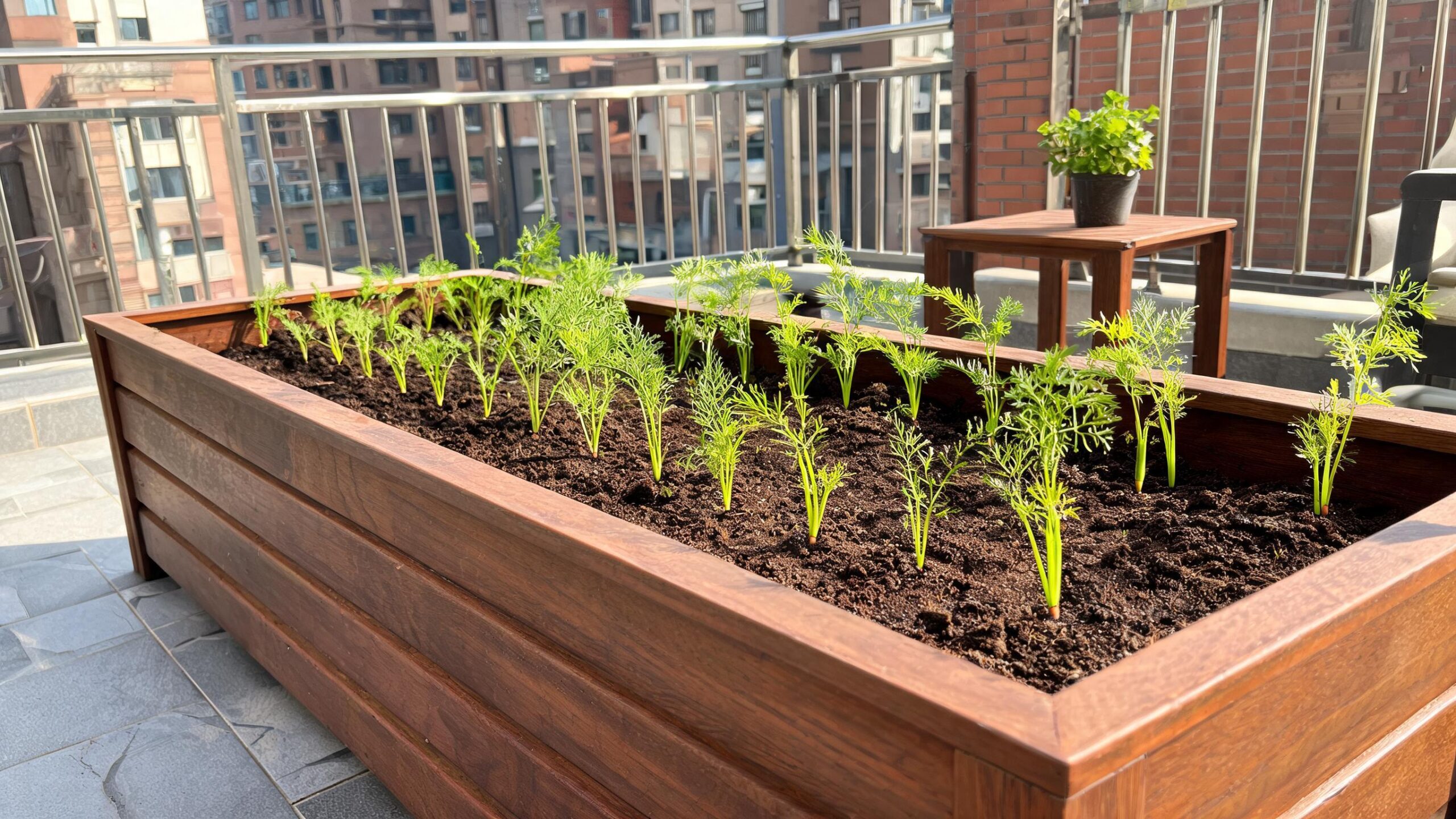
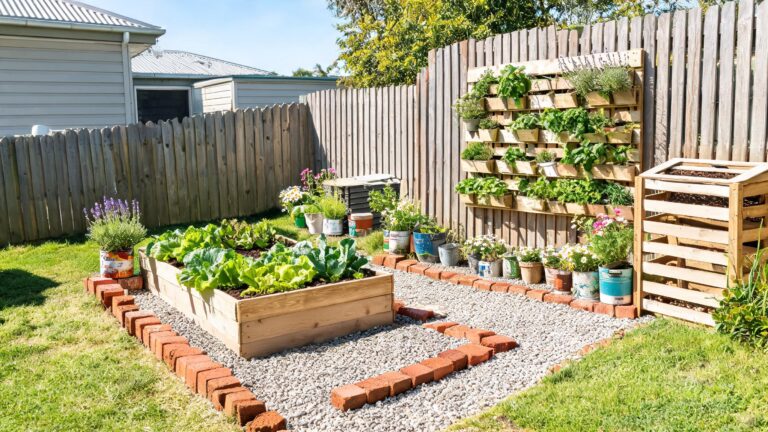
Many Kiwi gardeners, particularly in Auckland and Wellington where section sizes are shrinking, grow excellent carrots in containers. Choose a pot at least 30–40cm deep to give the taproot room to develop fully, and fill with a quality vegetable-specific potting mix rather than garden soil, which is often too heavy and compacted for container root development. Baby or mini carrot varieties are particularly well suited to shallower containers and mature faster, typically ready in 50–60 days.
Raised beds offer the added benefit of naturally lifting your crop above the low-flying carrot rust fly, making them a smart choice in regions where this pest is a known problem.
Harvesting Your Carrots
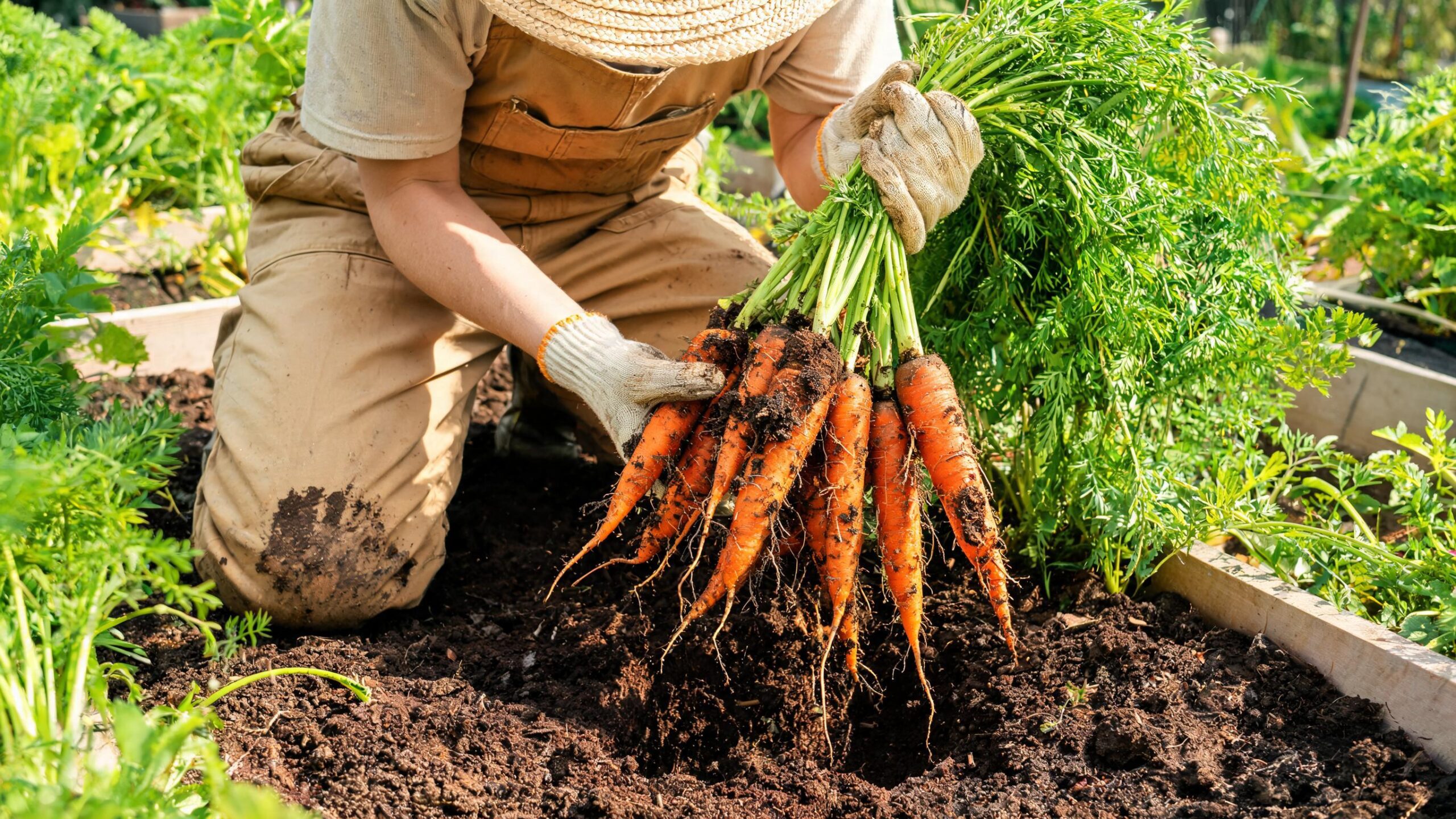
Most varieties are ready to harvest 65–90 days after sowing, though this varies by type and season. Look for the characteristic bulge of the shoulder pushing up through the soil surface, or gently brush soil away to check root size before committing to a full harvest.
Water the bed the evening before harvesting to soften the soil and make pulling easier without snapping roots.
Loosen the soil around the row with a garden fork before pulling, especially in heavier clay soils.
Harvest progressively as needed rather than lifting the entire row at once, allowing remaining carrots more time to size up.
Twist off the leafy tops immediately after harvest to stop moisture being drawn out of the root during storage.
Key Takeaways for Growing Carrots in NZ
Direct-sow carrot seed thinly into loose, stone-free soil — never transplant seedlings.
September through to early autumn is the core sowing window across most of New Zealand, forming a key part of any spring gardening guide for Kiwi vegetable patches.
Avoid fresh manure; feed with well-rotted compost, blood and bone, or sheep pellets applied weeks ahead of sowing.
Thin early and gently to prevent forked roots and reduce carrot rust fly attraction.
Use mesh barriers, raised beds, and companion planting with onions or garlic to manage carrot rust fly organically.
Frequently Asked Questions
Why are my carrots forked or twisted?
Forked carrots are usually caused by stones, clods, or fresh organic matter obstructing the taproot as it grows downward, or by transplanting seedlings rather than direct sowing. Dig your bed to at least 30cm deep, remove all debris, and avoid adding fresh manure or compost immediately before sowing to prevent this issue.
Can I grow carrots through a New Zealand winter?
Carrots can be sown as late as early autumn in most regions and left to mature slowly through the cooler months, though germination and growth slow significantly below 10°C. In frost-prone areas like Central Otago, it’s best to harvest before hard frosts arrive rather than attempting fresh winter sowings.
How do I stop carrot rust fly without chemicals?
Physical exclusion is the most reliable organic method — cover crops with fine insect mesh or windbreak cloth, since the flies rarely fly above 50cm. Combine this with thin sowing, crop rotation, and companion planting alongside onions or garlic to mask the scent that attracts egg-laying females.
What’s the best soil for growing carrots in clay-heavy Waikato gardens?
Break up clay thoroughly to at least 30cm depth and work in horticultural sand or fine, well-rotted compost to lighten the texture. Alternatively, choose a short, stumpy variety like Chantenay, which copes better with denser soils than long, slender Nantes types.
How often should I water carrots?
Water deeply once or twice weekly rather than little and often, adjusting for rainfall and summer heat. Inconsistent watering — particularly a dry spell followed by a heavy soak — is the most common cause of split or cracked carrot roots.
Can I grow carrots in containers on an Auckland balcony?
Yes, provided the container is at least 30–40cm deep with good drainage holes, filled with a quality vegetable potting mix. Baby or mini carrot varieties are particularly well suited to container growing and mature faster than standard main-crop types.
When is the best time to thin carrot seedlings?
Thin once seedlings reach roughly 2–3cm tall and can be handled without snapping, aiming for a final spacing around 5cm apart. Thin in the evening and water afterward to settle the soil, since daytime thinning releases scent that can attract carrot rust fly.
Final Thoughts
Learning how to grow carrots successfully in New Zealand really comes down to three fundamentals: loose stone-free soil, consistent moisture, and timely sowing from spring through autumn. Get the September sowing window right, protect your crop from carrot rust fly with simple barriers and companion planting, and resist the urge to add fresh manure to the bed — and you’ll be rewarded with sweeter, straighter, and altogether more satisfying carrots than anything from the supermarket shelf. Get your hands in the whenua this spring, and let your garden do the rest.
We use cookies to improve your experience, analyze traffic, and display personalized ads.
By clicking "Accept", you consent to the use of cookies in accordance with our Privacy Policy.