Front Yard Makeover NZ Garden: Smart, Beautiful Ideas for a Low-Maintenance Street Appeal Upgrade
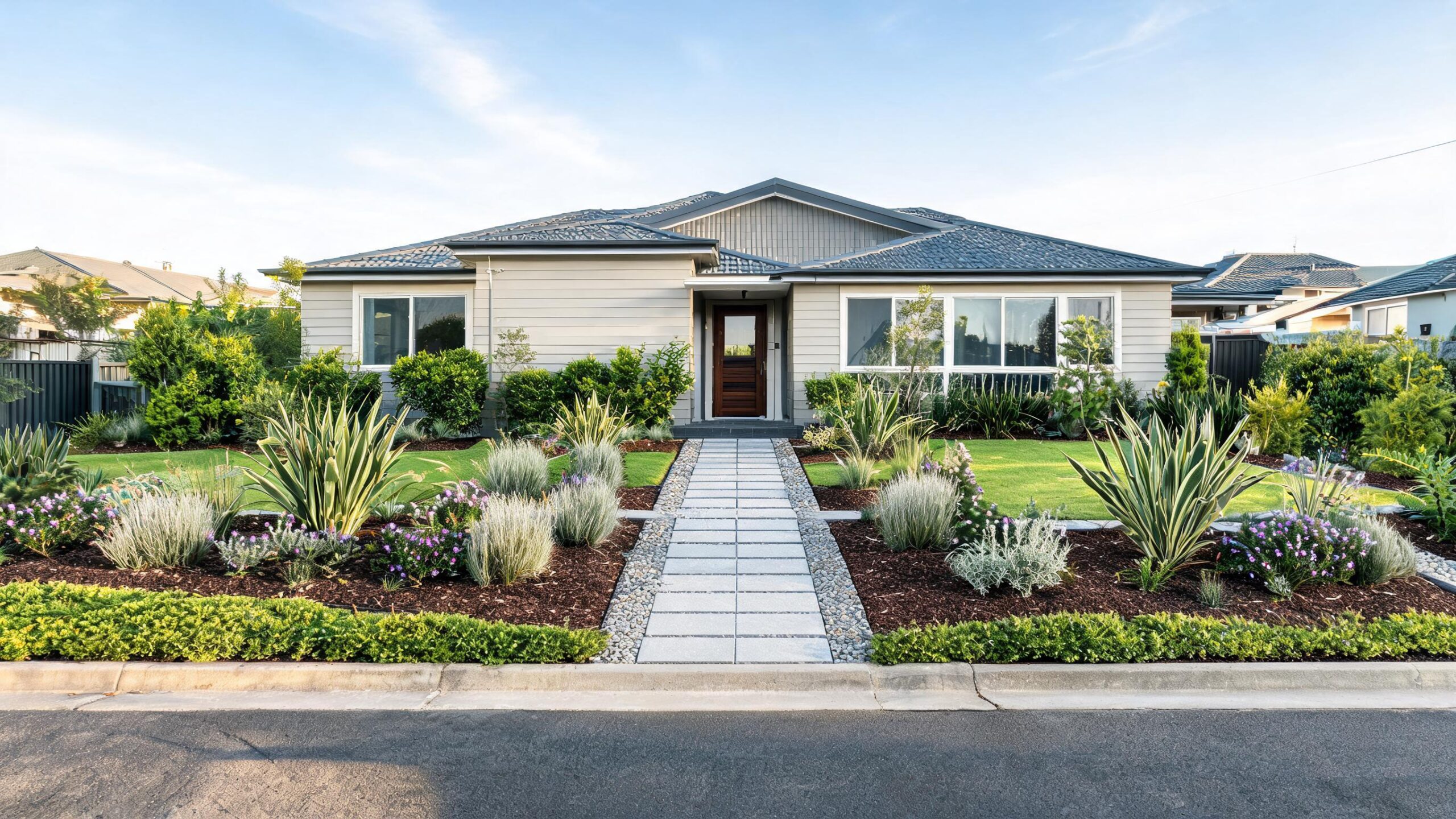
A well-planned front yard makeover NZ garden can completely change how your home looks, feels, and functions. Whether you want stronger street appeal, a tidier low-maintenance space, better drainage, or a front garden that suits New Zealand’s climate, the key is designing for both beauty and practicality. The best front yards do more than look good from the footpath—they welcome visitors, frame the house, and stay manageable through changing seasons.
Across New Zealand, front gardens need to handle everything from coastal winds and salty air to frosts, heavy rain, intense summer sun, and dry periods. That means a successful makeover is not just about picking attractive plants. It is about layout, soil preparation, plant selection, water management, edging, access, and the overall style of the home.
In this guide, you will learn how to plan a front yard transformation that suits NZ conditions, how to choose the right plants and hard landscaping materials, and how to create a polished garden that looks good year-round without becoming a maintenance burden.
The front yard is the first thing people notice about your property. A thoughtful design can lift the appearance of even an ordinary house, increase usable space, and make day-to-day life easier. It can also improve drainage, reduce lawn upkeep, create privacy from the street, and provide habitat for birds and pollinators.
In New Zealand, where many homes sit on exposed sections or deal with sloping sites, a front garden makeover can solve practical problems as well as visual ones. Replacing patchy lawn with layered planting, mulched beds, and clear paths often creates a cleaner and more resilient space than grass alone.
Start with a Clear Front Yard Plan
Before buying plants or ordering landscaping materials, assess what the site is already doing well—and where it is failing. Many front garden projects become expensive because homeowners rush into planting without dealing with structure, drainage, or access first.
Questions to Ask Before You Begin
How much sun does the front yard get in summer and winter?
Is the site exposed to wind, salt spray, or frost?
Does water pool anywhere after rain?
Do you need a safer or wider path to the front door?
How much maintenance are you realistically willing to do?
Do you want more privacy from the street?
Does the house style suit modern, cottage, native, tropical, or formal planting?
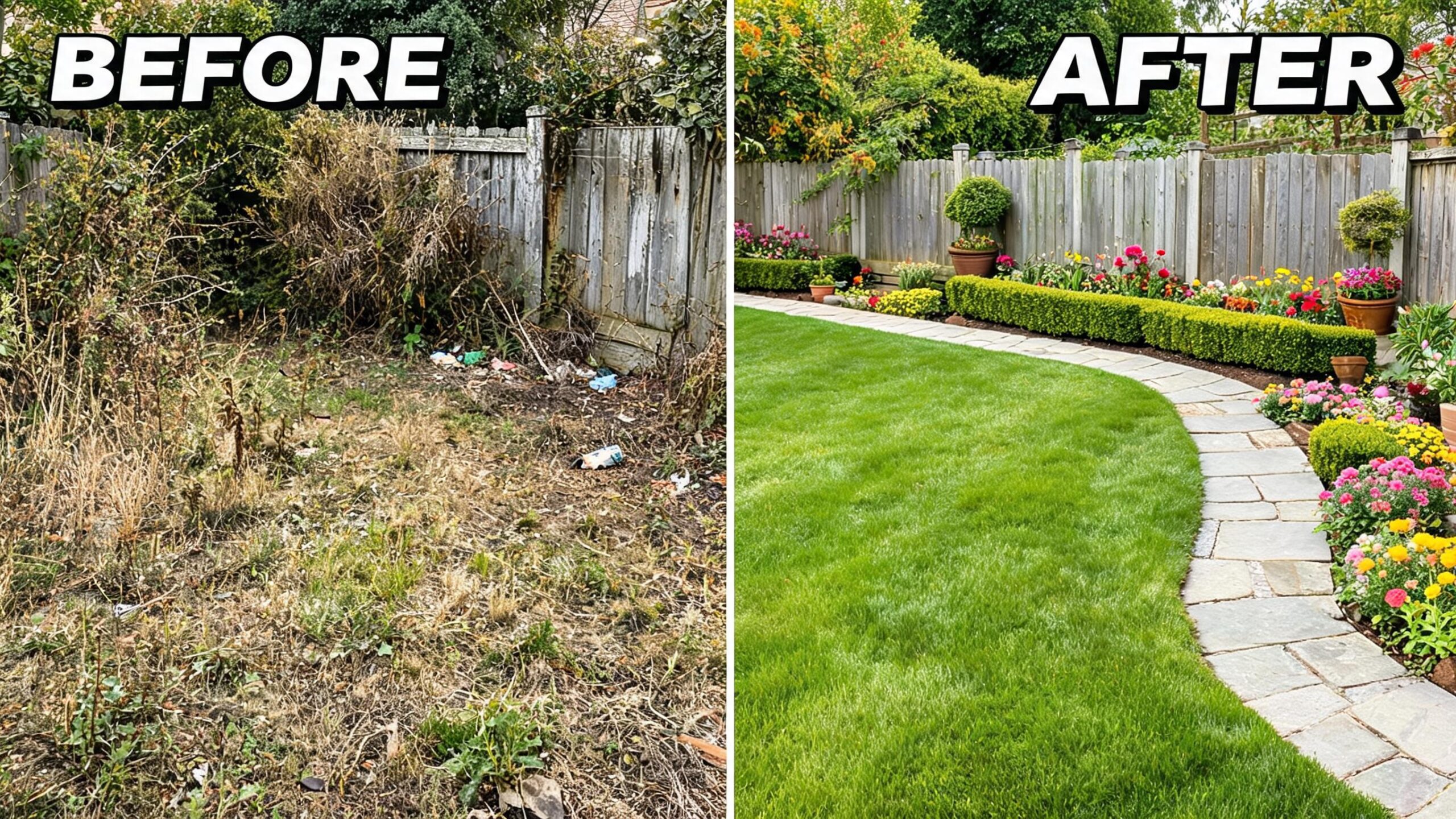
Take photos of the front yard at different times of day. This helps you understand shade patterns, awkward views, and opportunities for feature planting. It also helps when comparing before-and-after progress.
Set Priorities for the Makeover
A front yard makeover NZ garden project usually includes a mix of goals. Rank them in order so your budget goes where it matters most.
Improve street appeal
Reduce lawn and mowing
Create a low-water garden
Add year-round colour
Use more native plants
Increase privacy
Fix drainage or erosion
Modernise an outdated layout
Choose a Style That Matches the House
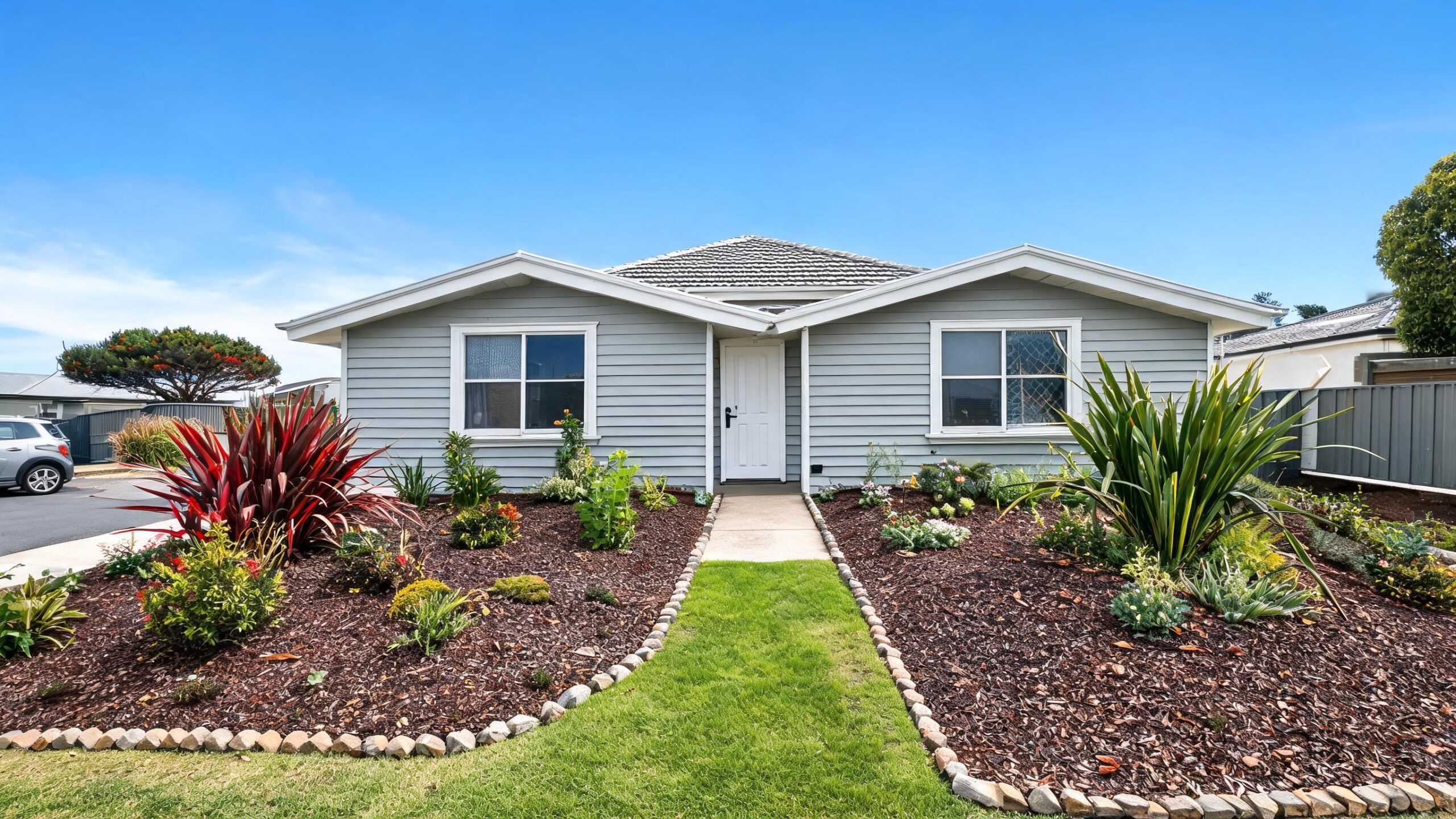
The best front gardens look connected to the home rather than separate from it. A crisp modern house often suits strong lines, repeated planting, gravel, timber, and sculptural foliage. A villa or bungalow may suit layered borders, clipped structure, flowering shrubs, and softer paths. Coastal homes often benefit from hardy grasses, flaxes, and wind-tolerant planting.
Popular Front Yard Styles for New Zealand Homes
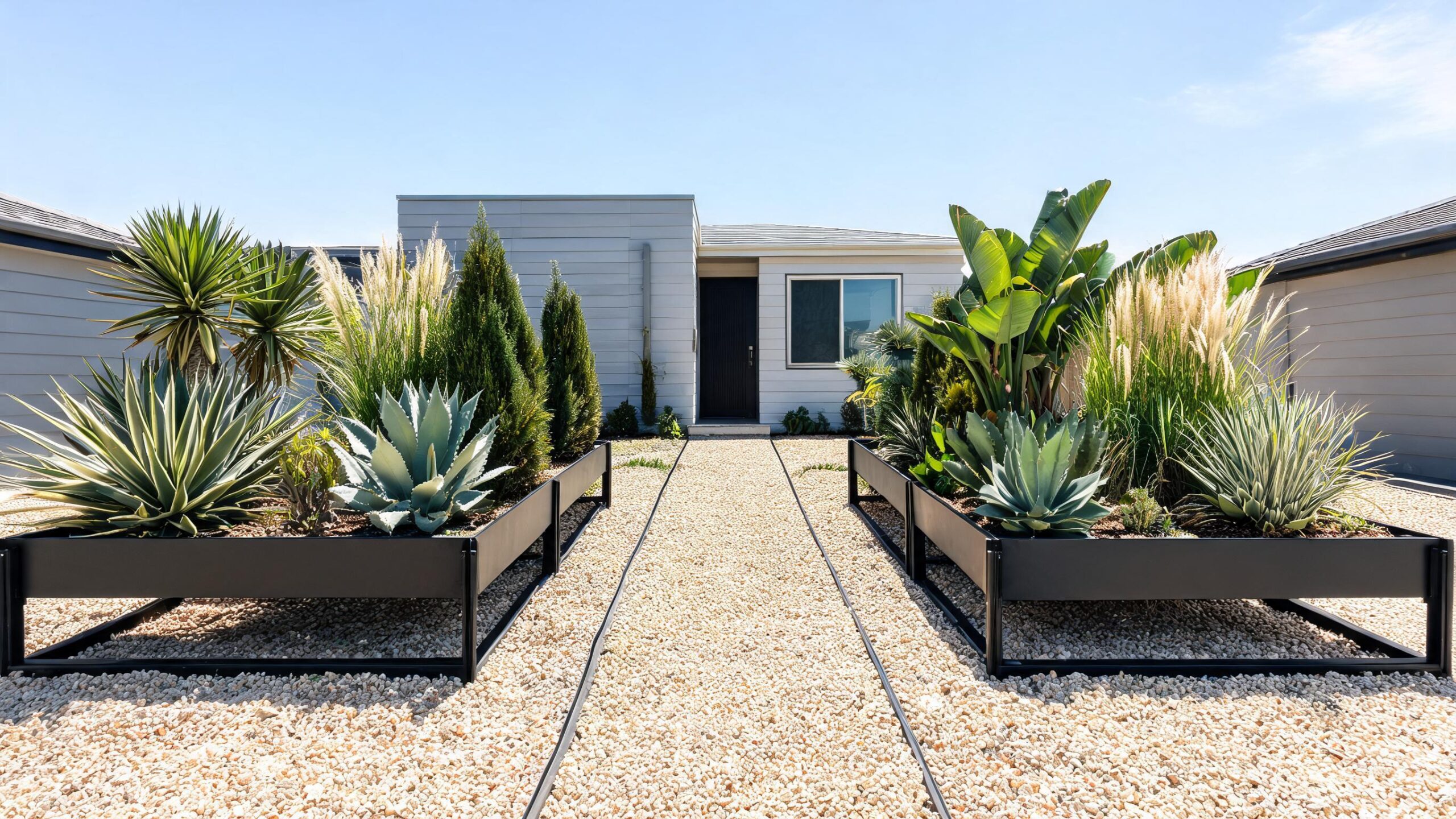
Modern minimalist: clean edging, repeated planting, simple colour palette, gravel, black mulch, structured shrubs
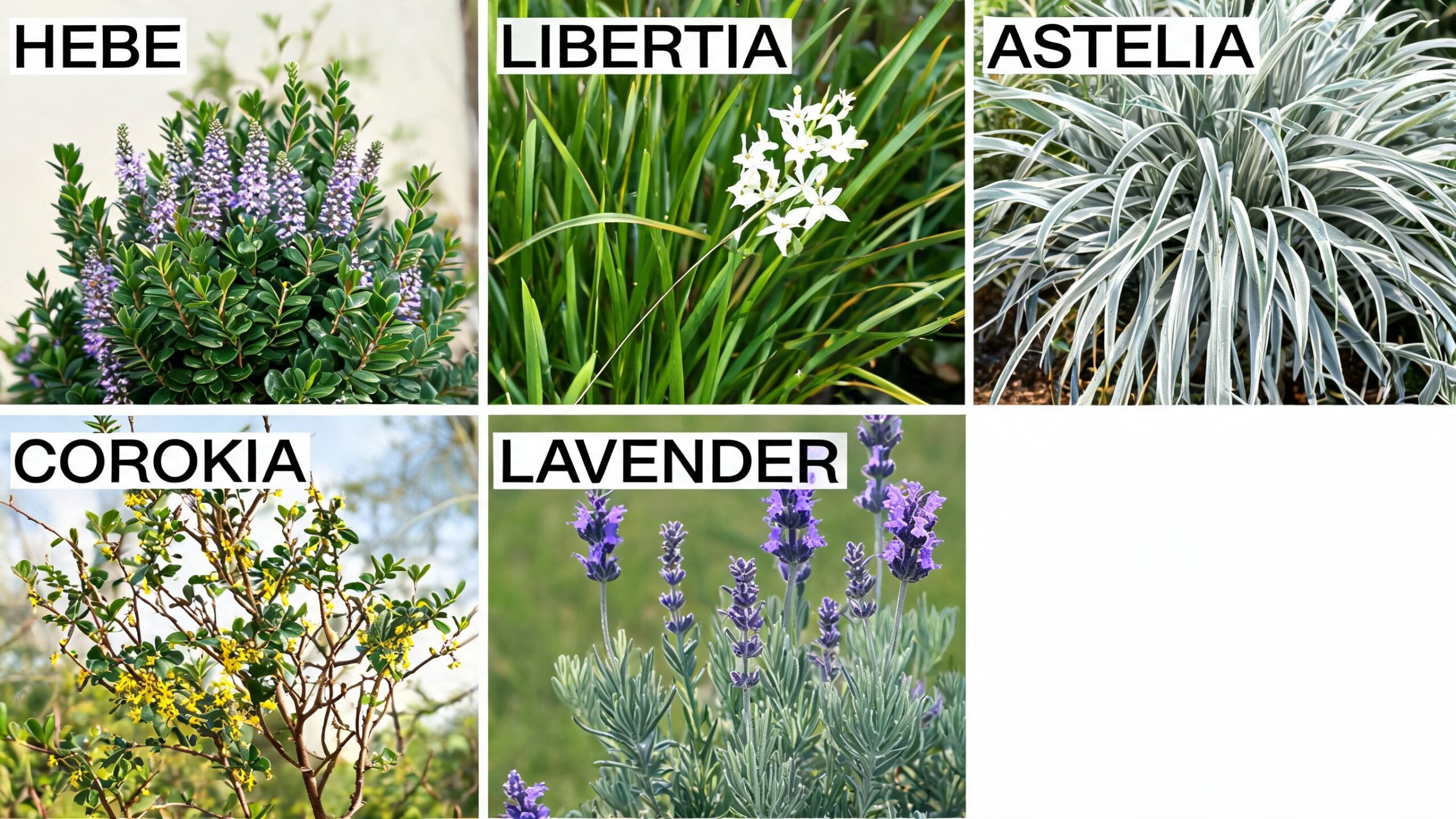
Native NZ: hebes, carex, libertia, flax, astelia, corokia, compact shrubs for habitat and resilience
If you are unsure, use the architecture of the house as your guide. Angular homes generally suit stronger geometric planting, while older character homes often look best with softer mass planting and curves.
Understand NZ Climate Conditions Before Planting
New Zealand gardeners cannot rely on one-size-fits-all advice. Conditions vary significantly between regions, and your front yard may have its own microclimate depending on exposure, slope, and surrounding buildings.
Cool Regions
Cooler inland or southern areas may experience winter frosts, slower spring warm-up, and cold winds. Choose hardy shrubs, perennials, and grasses that can handle cold snaps. Improve drainage to avoid winter root problems.
Temperate Regions
Much of NZ falls into a temperate pattern with decent rainfall, mild seasons, and manageable planting options. This gives the widest range of choices, but drainage and summer dryness still matter.
Warm Regions
Northern and some coastal areas can support a broader plant palette, including subtropical options. However, heat, humidity, strong sun, and occasional dry spells make mulch and irrigation planning important.
Best Layout Principles for a Front Yard Makeover NZ Garden
A good front garden layout balances access, structure, and planting. Most successful front yards rely on a few clear design principles rather than too many plant varieties.
1. Anchor the Space with Structure
Use paths, edging, retaining lines, steps, specimen plants, and repeating shapes to create order. The front yard should look intentional even in winter when not much is flowering.
2. Layer Plant Heights
Place taller plants nearer the house or boundary, medium plants in the mid-layer, and low edging plants near paths. This keeps the front garden readable from the street and avoids blocking windows or sightlines.
3. Repeat Plants for Cohesion
Rather than buying one of everything, repeat the same plants in groups. Repetition makes a garden feel designed and often reduces maintenance because plant needs are more consistent.
4. Reduce Lawn Where It Does Not Perform
Small awkward lawns often create the most work for the least reward. If a strip of grass is hard to mow, dries out quickly, or always looks thin, replace it with mulched beds, gravel, pavers, or mass planting.
5. Make the Entry Obvious
Your path to the front door should be clear, welcoming, and easy to follow. Good front yard design naturally guides visitors where to walk.
Front Yard Makeover Planning Table for NZ Gardens
Element
What to Aim For
Best for NZ Conditions
Common Mistake
Pathways
Safe, clear access to entry
Concrete, pavers, gravel with solid edging
Paths too narrow or slippery
Garden beds
Deep enough for layered planting
Mulched beds with improved soil
Very shallow beds against the house
Lawn
Only where functional and easy to maintain
Use small areas strategically
Keeping poor-performing lawn everywhere
Planting
Hardy, climate-suited, repeated in groups
Natives plus proven ornamentals
Too many random plant choices
Mulch
Suppress weeds and hold moisture
Bark, composted mulch, gravel in dry gardens
Skipping mulch after planting
Drainage
Water moves away from house and paths
Soil improvement, swales, drains if needed
Planting before fixing soggy areas
Lighting
Highlight path and key features
Low-voltage landscape lighting
Ignoring night-time visibility
How to Do a Front Yard Makeover Step by Step
Step 1: Remove What Does Not Work
Start by clearing dead shrubs, tired annuals, invasive weeds, broken edging, and any lawn you plan to replace. If there are mature trees or established structural plants worth keeping, design around them.
Step 2: Fix Drainage and Levels
If water sits near the house, front steps, or path, address it before planting. This may involve regrading, adding drainage channels, improving soil texture, or installing a small retaining wall on sloping sections.
Step 3: Define the Hardscape
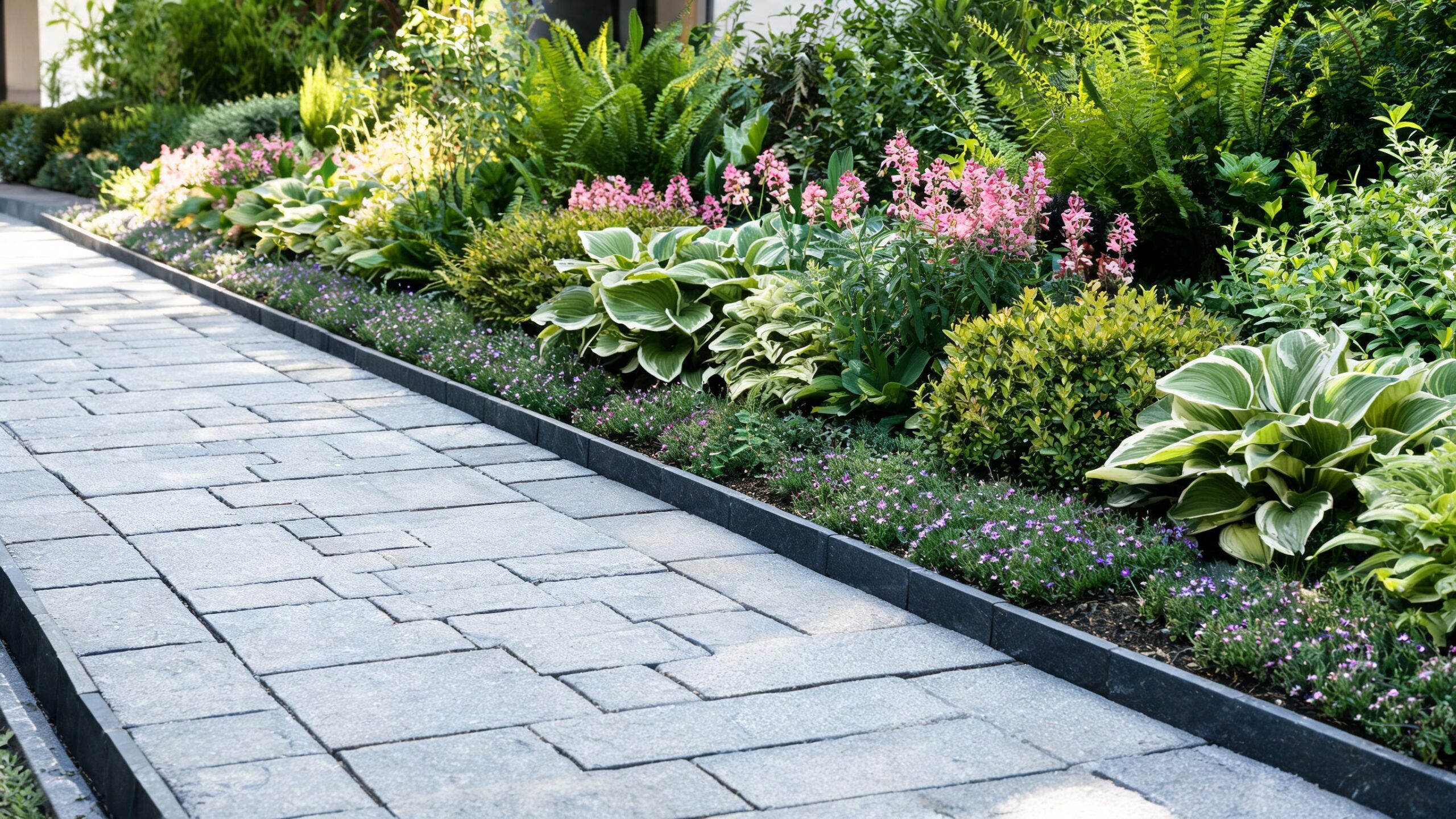
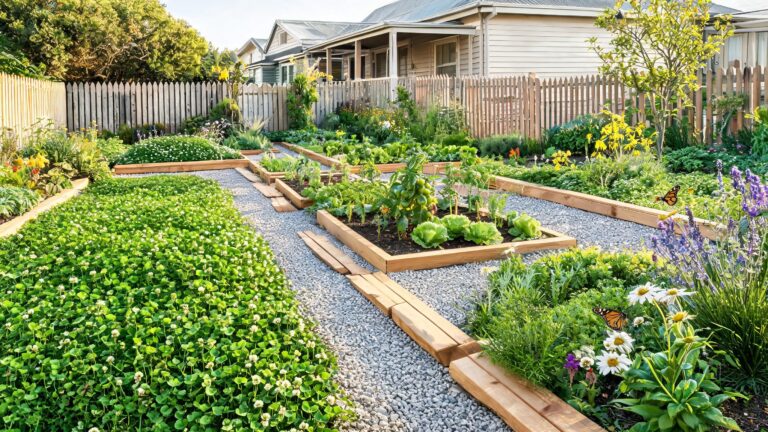
Lay out paths, front steps, edging, paving, gravel areas, raised beds, or letterbox planting. Hard landscaping gives the front yard permanent structure and determines how people move through the space.
Raised beds can be especially useful on poor soil or sloping sites. Stone, timber, corten-look steel, or concrete edging can all work depending on the style of the house.
Step 4: Improve the Soil
Most front yards have compacted soil from foot traffic, construction, or neglected lawn. Dig in quality compost and, where needed, a garden mix suited to shrubs and perennials. For very poor soils, bring in bulk topsoil or a premium planting blend.
Aim for a pH around 6.0 to 7.0 for most ornamental front garden plants, though some species prefer slightly different conditions. Good drainage matters just as much as fertility.
Step 5: Position Plants Before Digging
Place plants in their pots across the bed first. Step back and view them from the street, driveway, and front door. This is the easiest time to adjust spacing, height balance, and symmetry if desired.
Step 6: Plant Properly
Dig holes about twice the width of each root ball and roughly the same depth. Loosen surrounding soil so roots can spread. Plant at the same depth as in the nursery pot, backfill, firm gently, and water in thoroughly.
Step 7: Mulch the Entire Bed
Apply 5 to 8 cm of mulch around plants, keeping it away from stems and trunks. Mulch reduces weeds, evens soil temperature, improves moisture retention, and gives the front yard a finished look.
Step 8: Water Consistently While Plants Establish
Even drought-tolerant plants need regular watering while establishing. For the first few months, water deeply rather than lightly and often. Adjust according to rainfall, soil type, and season.
Best Plants for a Front Yard Makeover in NZ
The best front garden plants are tidy, reliable, and suited to your exact conditions. In most front yards, foliage is just as important as flowers because it provides year-round appeal.
Reliable Structural Plants
Hebe: excellent for compact flowering shrubs, many NZ-suited forms
Corokia: hardy, textural, wind-tolerant, useful for informal hedging
Pittosporum: versatile evergreen shrub, many sizes available
Camellia sasanqua: great for structure, hedging, and seasonal flowers
Buxus alternatives: such as teucrium or corokia where blight or maintenance is a concern
Great Foliage and Texture Plants
Astelia: silver-toned foliage for modern or coastal designs
Libertia: neat strappy leaves with seasonal flowers
Carex: ideal for movement and soft texture
Phormium: strong architectural impact, choose compact cultivars for front yards
Lomandra: low-maintenance grassy texture, handles dry conditions well
Flowering Options for Colour
Lavender: sunny, free-draining sites; loved by pollinators
Salvia: long flowering and drought-tolerant once established
Gaura: airy flowers and long bloom period
Hydrangea: useful in part shade and temperate areas with moisture
Roses: still effective in formal or cottage-style front gardens if maintained well
Native Plant Combinations That Work Well
For a distinctly New Zealand look, combine compact flaxes, hebes, libertia, astelia, carex, and corokia. These plants provide foliage contrast, tolerate varied conditions, and often require less fuss than thirsty exotic borders.
Suggested Planting Guide for NZ Front Yards
Plant
Sun
Spacing
Soil Preference
Best Use
Hebe
Full sun to part shade
60–100 cm
Free-draining, fertile
Low shrubs, colour, structure
Corokia
Full sun
80–120 cm
Well-drained
Hedging, screening, texture
Libertia
Sun to light shade
40–60 cm
Well-drained to average
Edging, mass planting
Astelia
Sun to part shade
60–100 cm
Moist but free-draining
Feature foliage
Lavender
Full sun
50–80 cm
Dry, free-draining
Path edging, fragrance
Lomandra
Full sun to part shade
50–80 cm
Adaptable, well-drained
Low-maintenance texture
Pittosporum
Sun to part shade
1–2 m
Average, well-drained
Structure, screening
Low-Maintenance Front Yard Ideas for NZ Homes
Many homeowners want a beautiful front garden without constant clipping, feeding, and replanting. The easiest way to achieve that is to reduce complexity.
Use Mass Planting Instead of Mixed Patchwork
Choose a smaller plant palette and repeat it. A few strong combinations always look better and are easier to maintain than dozens of different species planted one by one.
Swap High-Maintenance Lawn for Garden Beds
If the lawn is mostly decorative and not used, shrinking it can significantly reduce upkeep. Garden beds with mulch, drought-tolerant plants, and edging are often more resilient in NZ’s summer dry periods.
Choose Evergreen Plants for Year-Round Presence
Evergreen shrubs and strappy foliage plants keep the front yard looking full even in winter. This is especially important in visible spaces where a bare seasonal garden can feel flat.
Install Irrigation If the Site Dries Out Fast
A simple drip irrigation system can save a lot of time during establishment and dry weather. It also helps ensure water reaches roots instead of evaporating from hard surfaces.
Irrigation systems are especially useful for sunny front yards near driveways, concrete, or north-facing walls that intensify heat.
Hard Landscaping Ideas That Lift Street Appeal
Plants alone rarely carry a full front yard makeover. Hardscape details create the visual bones of the garden and help the planting feel polished.
Pathways and Pavers
A widened entry path can instantly make the property feel more welcoming. Large-format pavers create a modern look, while brick or stone suits more traditional homes.
Edging
Strong edging keeps gravel, mulch, and lawn where they belong. It also sharpens the overall design. Steel, timber, concrete, and stone are all effective depending on the aesthetic.
Raised Beds
Raised beds add depth and presence to flat front yards and help manage poor soil. They are also useful for highlighting feature plants near entry areas.
Decorative Gravel
Gravel is excellent in dry-climate or minimalist gardens, especially when paired with structural planting. Use proper underlay and edging so it remains tidy over time.
Letterbox and Entry Planting
The space around the letterbox or gate is often overlooked. A small cluster of hardy feature plants can make the entrance feel intentional and complete.
Soil Preparation and Fertility for a Successful Front Garden
Healthy soil underpins everything in a front yard makeover NZ garden project. Front sections are often compacted and low in organic matter, especially in newer subdivisions or homes where builders’ fill was left behind.
Improve Soil Before Planting
Add compost to improve structure and moisture retention
Use quality garden soil mixes for new beds
Break up compaction where roots need to establish
Check drainage before adding plants that dislike wet feet
Fertiliser Guidance
Most ornamental front yard plants do well with a balanced slow-release fertiliser in spring. Flowering shrubs may benefit from an additional light feed in late spring or early summer. Avoid overfeeding soft growth in exposed or frost-prone areas.
For native-focused gardens, feed lightly and avoid pushing excessive leafy growth. In many cases, compost and mulch will do much of the long-term work.
Seasonal Care for a Front Yard Makeover NZ Garden
SeasonMain TasksWhat to Watch ForSpringPlanting, feeding, mulching, refreshing edgingRapid weed growth, late frosts in cooler regionsSummerDeep watering, deadheading, light pruningDry stress, heat reflection from pavingAutumnNew planting, dividing some perennials, top-up mulchWaterlogging in heavy soils as rain returnsWinterStructural pruning, planning, drainage checksFrost damage, soggy roots, storm impact
How to Make a Small Front Yard Look Bigger
Many NZ urban properties have compact front sections, but smart design can make them feel more spacious.
Use fewer plant varieties and larger groupings
Keep the centre more open and plant around the edges
Repeat colours and textures for visual calm
Use curved beds carefully to soften rigid boundaries
Choose compact cultivars instead of plants that will quickly outgrow the space
Incorporate vertical interest with narrow shrubs or feature planting
Restraint matters. In small front yards, every element is visible at once, so clutter stands out more quickly than in a large backyard.
Common Problems in NZ Front Yards and How to Solve Them
Wet, Soggy Soil
Improve drainage first. Use raised beds, organic matter, and suitable plants. Avoid species that demand sharp drainage if waterlogging is ongoing.
Hot Reflective Sites
Driveways, pale walls, and paving can create heat stress. Use mulch, drip irrigation, and plants that cope with dry heat, such as lavender, lomandra, and some hebes.
Wind Exposure
Coastal or open sites can shred soft foliage and dry out beds quickly. Use sheltering shrubs, hardy natives, and denser planting groupings.
Patchy Lawn
If the lawn repeatedly fails, stop treating it as a lawn problem and start treating it as a design problem. Replace underperforming areas with mulch, planting, or gravel.
Overgrown Foundation Plants
Shrubs planted too close to the house often become bulky and hide windows. Remove or hard-prune what no longer fits, then replant with better-sized choices.
Beginner Mistakes to Avoid
Planting too close together: New plants look small, but overcrowding leads to constant pruning and poor airflow.
Ignoring mature size: That “compact” shrub can still become far too large for a narrow front bed.
Choosing plants for looks alone: Always match plants to sun, wind, and soil conditions.
Skipping soil preparation: Even premium plants will struggle in compacted or poorly drained soil.
Using too many different materials: Too many colours, pavers, mulches, and edging styles create visual mess.
Forgetting maintenance access: Leave space to weed, prune, and move around beds comfortably.
Neglecting mulch: Bare soil dries out, weeds quickly, and looks unfinished.
Budgeting for a Front Yard Makeover
A front yard makeover can be done in stages if needed. Start with the structural essentials: drainage, paths, edging, soil preparation, and key feature planting. Additional plants, lighting, decorative pots, or premium finishes can come later.
Where to Spend More
Quality hard landscaping materials
Good soil mixes and compost
Healthy, well-shaped shrubs and feature plants
Irrigation systems if the site is dry and exposed
Where You Can Save
Use smaller plants in repeated groupings rather than large advanced specimens everywhere
Phase the planting over time
Propagate simple fillers once the main structure is established
Retain any healthy existing plants that genuinely suit the new design
Seeds are less commonly used for the structural backbone of a front yard, but they can be useful for seasonal annual accents or pollinator-friendly filler areas. For permanent planting, tube stock and small shrubs usually provide the best long-term value.
FAQ
What is the best low-maintenance front yard makeover for NZ homes?
The best low-maintenance option usually combines reduced lawn, mulched garden beds, hardy shrubs, repeated planting, and simple hard landscaping. NZ natives, strappy foliage plants, and evergreen structure work especially well because they keep the garden tidy year-round with less watering and pruning.
Which plants are best for a front yard makeover NZ garden?
Good choices include hebes, corokia, pittosporum, libertia, astelia, lomandra, lavender, and compact phormium varieties. The best plant depends on whether your site is windy, frosty, dry, coastal, or shaded. Always choose plants based on conditions rather than appearance alone.
How do I modernise an old-fashioned front yard?
Start by simplifying the layout. Remove tired or overcrowded shrubs, define beds clearly, upgrade paths and edging, and repeat a smaller palette of plants. Structured foliage, decorative gravel, and strong lines can give even an older front yard a cleaner, more contemporary look.
Should I remove my front lawn during a makeover?
If the lawn is difficult to mow, patchy, shaded, or rarely used, reducing or removing part of it often improves the space. Many NZ front yards look better with a smaller, functional lawn and more planting. However, keep lawn where it is useful and performs well.
How much does a front yard makeover in NZ usually cost?
Costs vary widely depending on site size, drainage issues, hard landscaping, and plant size. A simple refresh with soil, mulch, and planting is far cheaper than full regrading, paving, and retaining. Breaking the project into stages is often the smartest approach for homeowners.
When is the best time to start a front yard makeover in New Zealand?
Autumn and spring are usually the best seasons for planting and landscape work. Autumn offers warm soil and improving moisture, while spring supports rapid establishment. In very wet or frosty regions, timing may shift slightly depending on local conditions and soil readiness.
How can I make my small front yard look more attractive?
Use a limited plant palette, repeat shapes and textures, keep the design uncluttered, and highlight the path to the front door. Strong edging, layered heights, and one or two feature plants often create more impact than trying to fit in too many different elements.
What should I put in a sunny, dry front yard in NZ?
Choose drought-tolerant plants such as lavender, salvia, lomandra, some hebes, libertia, and compact flaxes. Improve soil with organic matter, mulch well, and consider installing a drip irrigation system for the establishment period. Gravel can also work well in hot, exposed front gardens.
Conclusion
A successful front yard makeover NZ garden project is about more than planting a few attractive shrubs. It is about shaping a space that suits your home, climate, lifestyle, and maintenance budget. When you combine smart layout planning, well-prepared soil, durable materials, and climate-appropriate plants, your front yard becomes easier to care for and far more inviting.
Whether you want a sleek modern entrance, a native-inspired planting scheme, or a soft cottage-style border, the most important step is to design with purpose. Start with structure, choose plants that truly suit the site, and build the garden in layers. With the right plan, your front yard can become one of the most rewarding parts of your home garden.
We use cookies to improve your experience, analyze traffic, and display personalized ads.
By clicking "Accept", you consent to the use of cookies in accordance with our Privacy Policy.