Low Budget DIY Garden Projects: Affordable Ideas to Transform Any NZ Garden
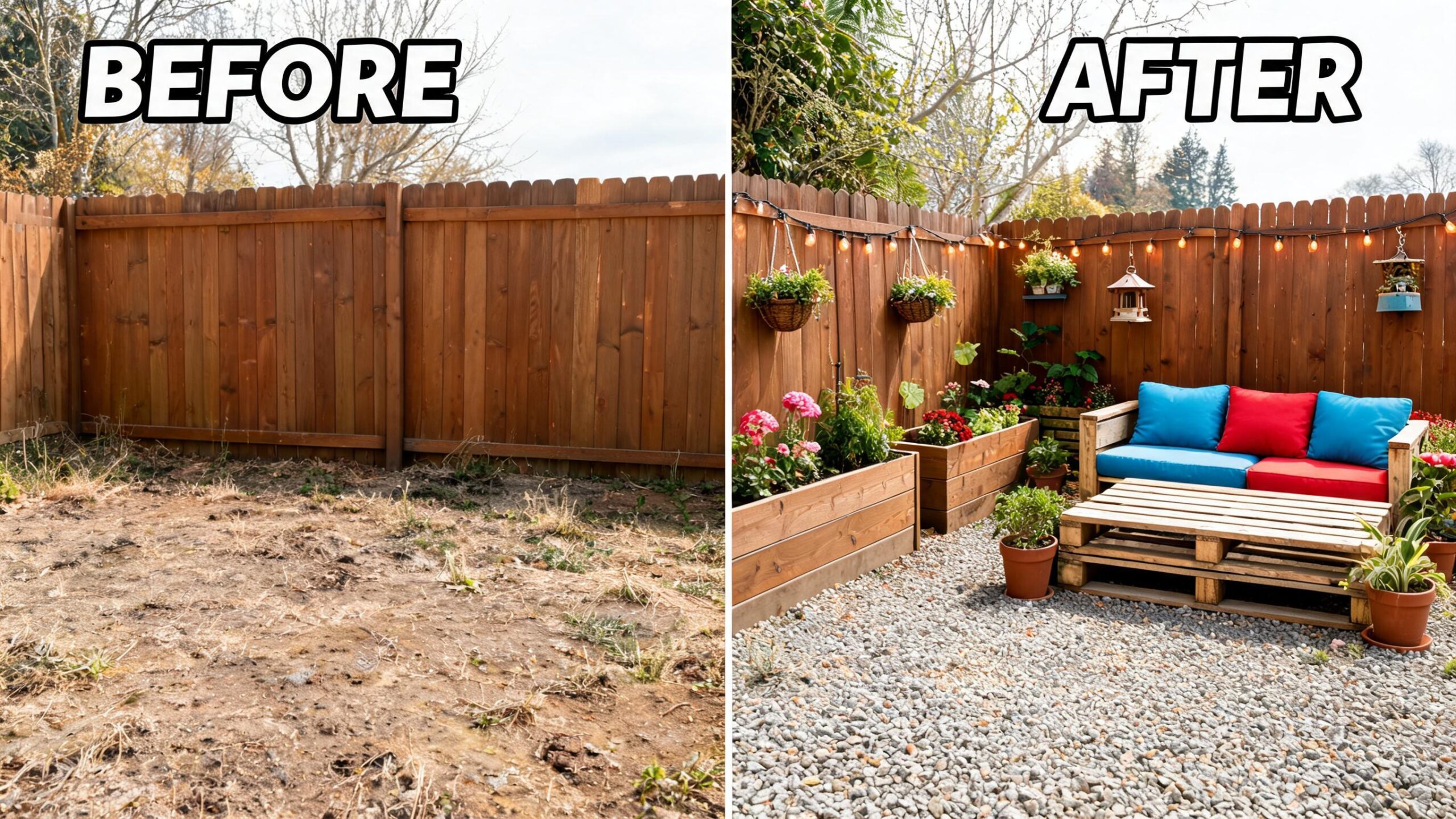
Low budget DIY garden projects are one of the smartest ways to improve an outdoor space without draining your wallet. Whether you have a compact courtyard in Auckland, a windy coastal section in Wellington, or a spacious backyard in Canterbury, there are plenty of practical, attractive, and beginner-friendly garden upgrades you can do on a small budget. With a little planning, some recycled materials, and a free weekend, you can create a garden that looks polished, productive, and far more enjoyable to use.
For New Zealand gardeners, budget matters even more when plant prices, timber, soil mixes, mulch, and landscaping supplies can add up quickly. The good news is that many of the best garden improvements do not require expensive materials or professional help. In fact, some of the most effective DIY projects rely on repurposed items, home-made compost, divided plants, and simple building methods that suit beginners.
In this guide, you will find practical low budget DIY garden projects that improve structure, boost productivity, make maintenance easier, and add personality to your outdoor space. We will also cover how to choose the right project for your climate, which materials are worth buying, where to save money, and the common mistakes that can make a cheap garden project more expensive in the long run.
Why low budget DIY garden projects are worth doing
A beautiful garden does not have to be expensive. In many cases, doing the work yourself gives you better long-term results because you can tailor each improvement to your site, soil, sun exposure, and lifestyle. Budget garden projects are also ideal for learning practical gardening skills without committing to major construction.
Low cost DIY projects can help you:
Create more growing space for vegetables, herbs, and flowers
Improve drainage and soil health with inexpensive amendments
Reduce watering needs through mulching and smart layout choices
Make small gardens feel more organised and attractive
Reuse materials that might otherwise go to landfill
Build confidence before investing in bigger landscaping projects
For beginner to intermediate gardeners, these projects also offer a practical way to spread costs over time. Instead of redesigning the entire garden at once, you can complete one small project each month and steadily build a more functional outdoor space.
How to choose the best budget garden project for your space
Before you start collecting pallets or buying bags of potting mix, it helps to choose projects that solve a real problem. The most successful low budget DIY garden projects are not just decorative. They make your garden easier to use, more productive, or more resilient.
Start with your biggest need
Ask yourself what your garden is missing most. Do you need more planting space? Better edging? Somewhere to grow herbs near the kitchen? A compost area? Privacy from neighbours? If you solve one of those issues first, your effort will pay off quickly.
Match the project to your time and skill level
Some projects can be completed in one afternoon, while others take a full weekend or more. If you are new to DIY, start with edging, mulching, painted pots, seed-raising shelves, or a basic herb box. Leave paving, retaining work, and larger timber structures until you have more confidence.
Use what you already have
Walk around your property before buying anything. Old bricks, buckets, offcuts of timber, plant pots, broken pavers, unused trellis, fencing wire, and leftover paint can all become part of a useful garden feature. Repurposing materials is one of the easiest ways to keep costs down.
Climate considerations for NZ gardeners
New Zealand’s varied climate means the same DIY garden project may perform differently depending on where you live. A cheap garden bed that works well in a dry inland region may rot faster in a wet coastal area unless you choose suitable materials.
Cool regions
In cooler parts of the South Island and elevated inland areas, focus on projects that warm the soil and extend the growing season. Raised beds, cloches, recycled cold frames, and dark mulch can be especially useful. Make sure timber projects have good drainage so they do not stay waterlogged.
Temperate regions
In many temperate parts of New Zealand, you can grow a wide range of plants year round. Prioritise projects that improve soil, create tidy structure, and support crop rotation. Edging, compost bins, vertical supports, and small raised beds all work well.
Warm regions
In warmer northern areas, sun exposure and summer dryness may be bigger concerns than frost. Use low budget DIY garden projects that conserve moisture, such as deep mulching, ollas or slow watering systems, shade cloth frames, and grouped container gardens near irrigation points.
Best low budget DIY garden projects to try
The following projects are practical, affordable, and realistic for home gardeners. Most can be built with basic tools and low-cost supplies from local hardware stores, recycling centres, or items you already have at home.
1. Build a simple raised garden bed
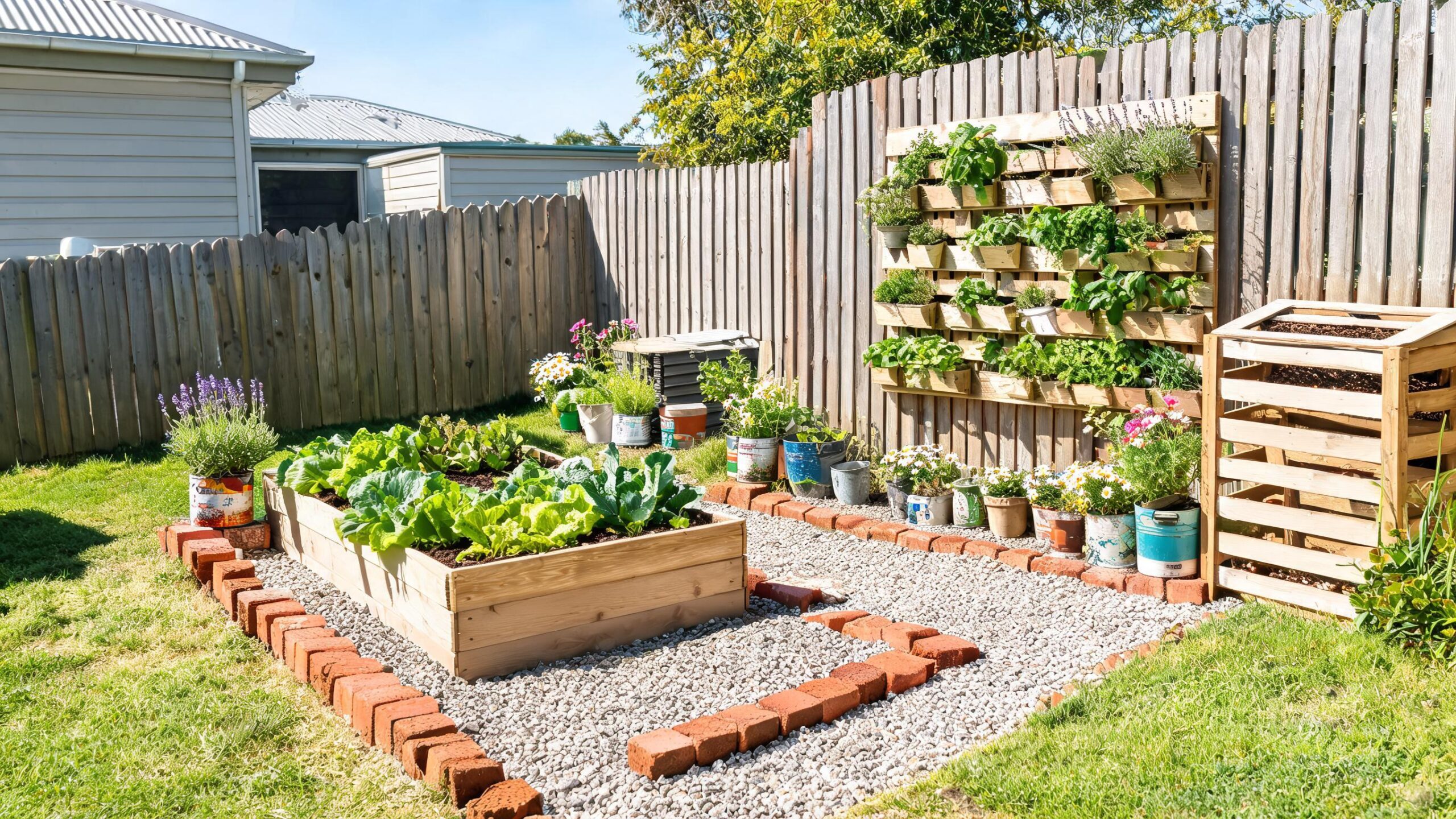
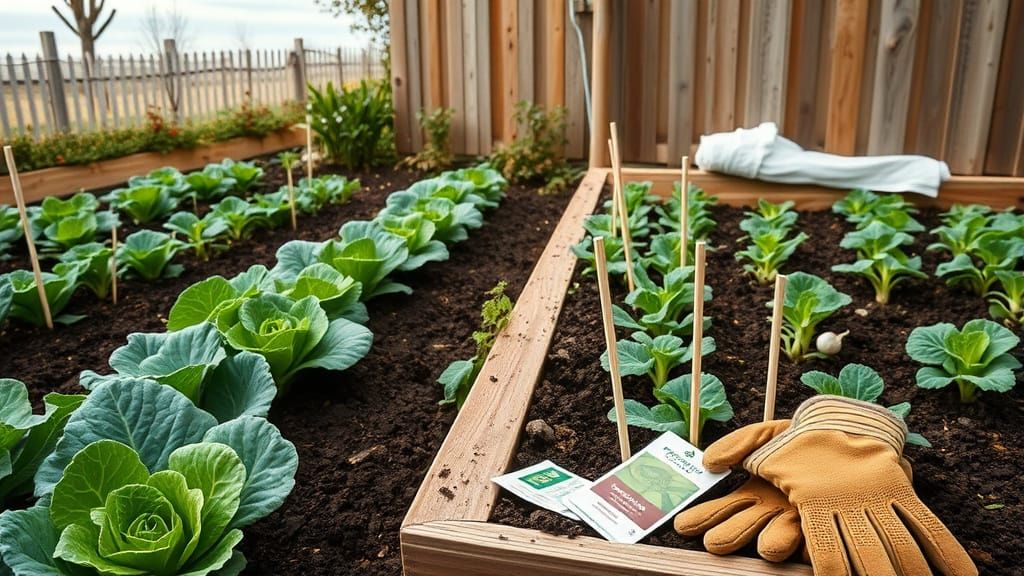
A raised bed is one of the most useful low budget DIY garden projects because it instantly creates a defined growing area. It improves drainage, helps you manage soil quality, and makes planting more organised. You do not need expensive kits. Untreated durable timber, reclaimed hardwood, corrugated edging, or stacked bricks can all work.
Best for: vegetables, herbs, salad greens, strawberries, and cut flowers.
Budget tip: Keep the bed small, around 1.2 m wide, so you can reach the centre from both sides without stepping on the soil. Smaller beds cost less to fill and maintain.
How to make it
Choose a sunny site with at least 6 hours of light for vegetables.
Mark out the bed using string or a hose.
Build a frame from timber, bricks, or other durable material.
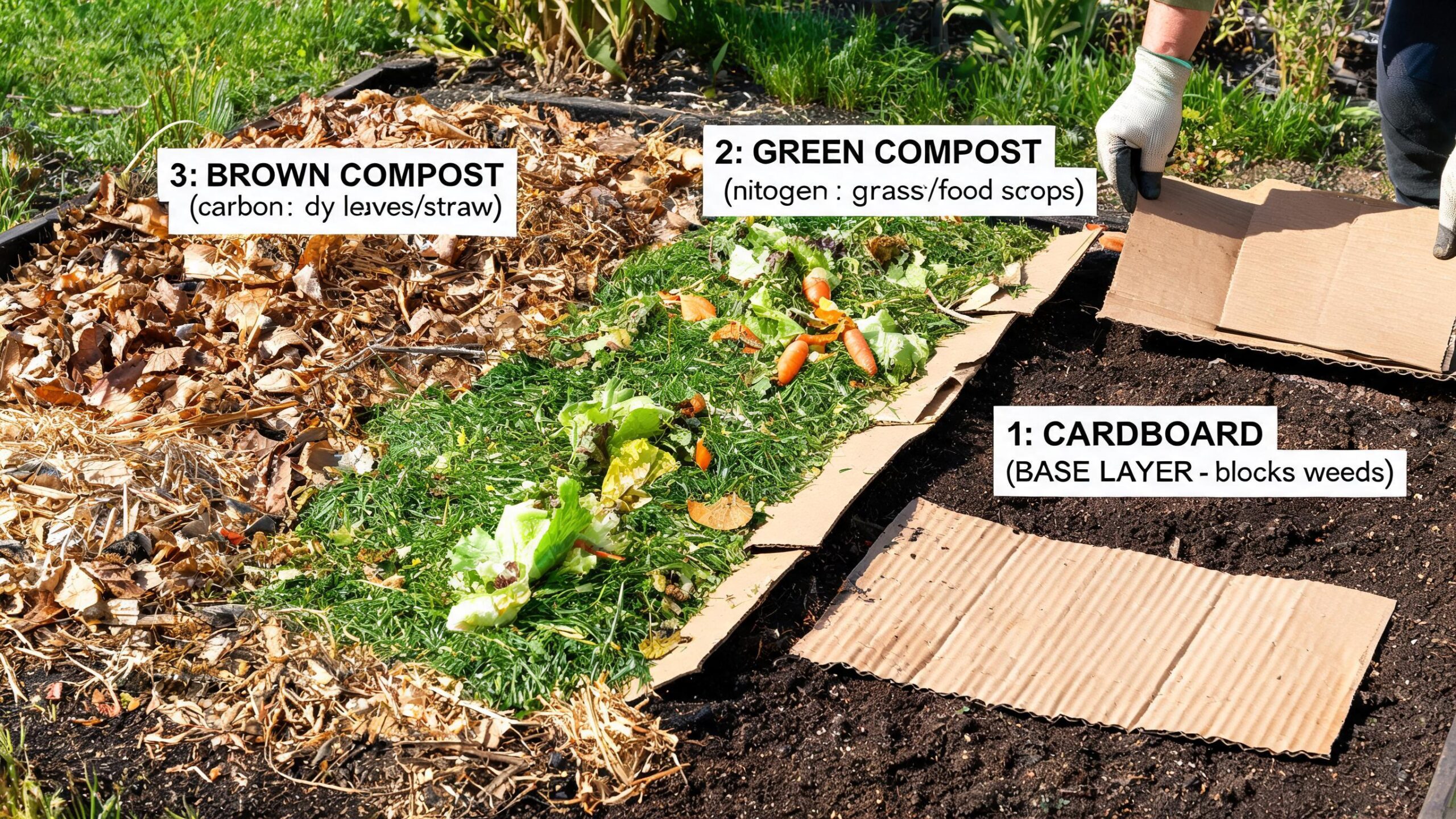
Lay cardboard over grass to suppress weeds.
Fill with a mix of compost, topsoil, and quality garden mix.
Mulch the surface and plant immediately.
If you plan to grow food, avoid using timber treated with chemicals not suitable for edible gardens. Good soil is worth spending money on if your existing ground is poor.
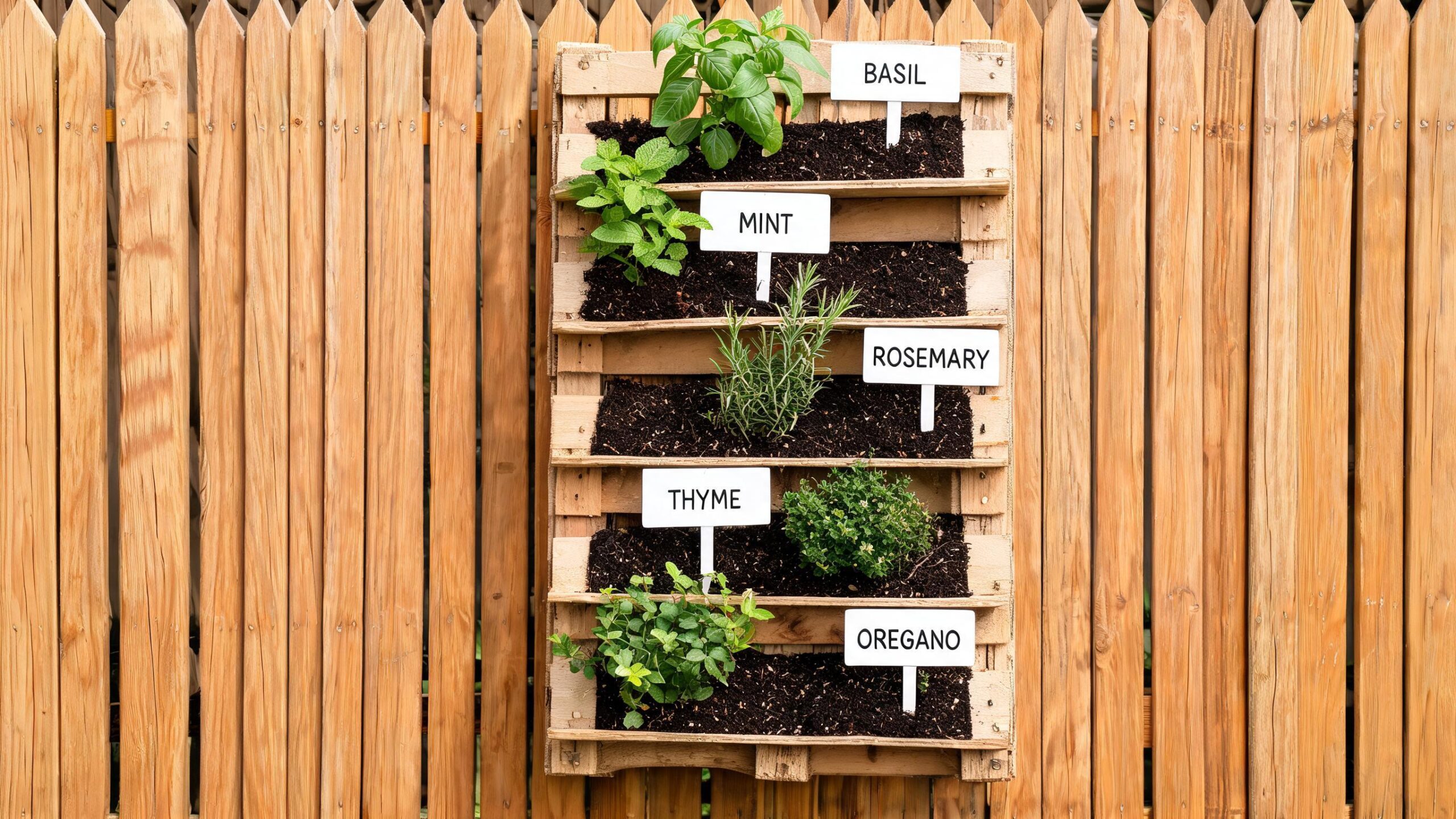
2. Create a pallet herb garden
A pallet herb garden is ideal for small spaces, patios, and renters. It can be leaned against a fence or secured vertically. Herbs such as parsley, thyme, oregano, chives, coriander, and mint can all be grown this way, although mint is best contained separately because it spreads aggressively.
Budget tip: Use a heat-treated pallet in good condition, line the back and base with landscape fabric, and fill the slats with potting mix.
This is one of the easiest low budget DIY garden projects for gardeners who want fresh herbs close to the kitchen without building a full vegetable bed.
3. Make garden edging from recycled materials
Garden edging gives a planting area a finished look and helps keep grass, mulch, and gravel where they belong. It can also reduce maintenance if installed properly. Expensive manufactured edging is not essential. Recycled bricks, pavers, bottles, stones, roof tiles, or short timber lengths can all be repurposed.
Best for: separating lawn from garden beds, defining pathways, and making a garden look more intentional.
Set edging slightly below or just above the soil surface depending on whether you want a visible border or an easier mowing line. In wet regions, avoid untreated softwood that will rot quickly.
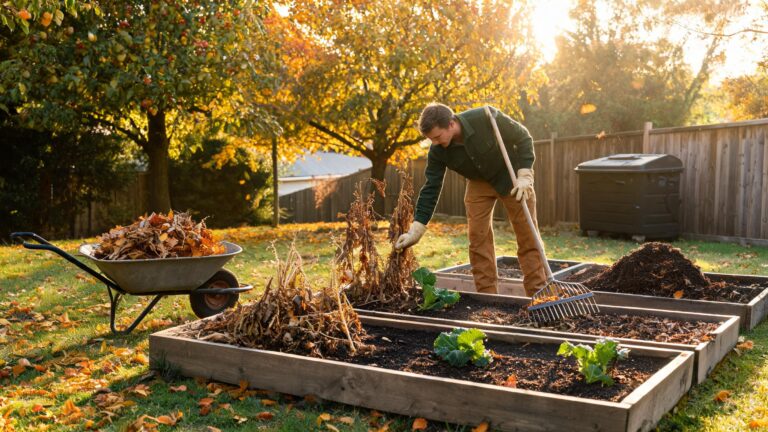
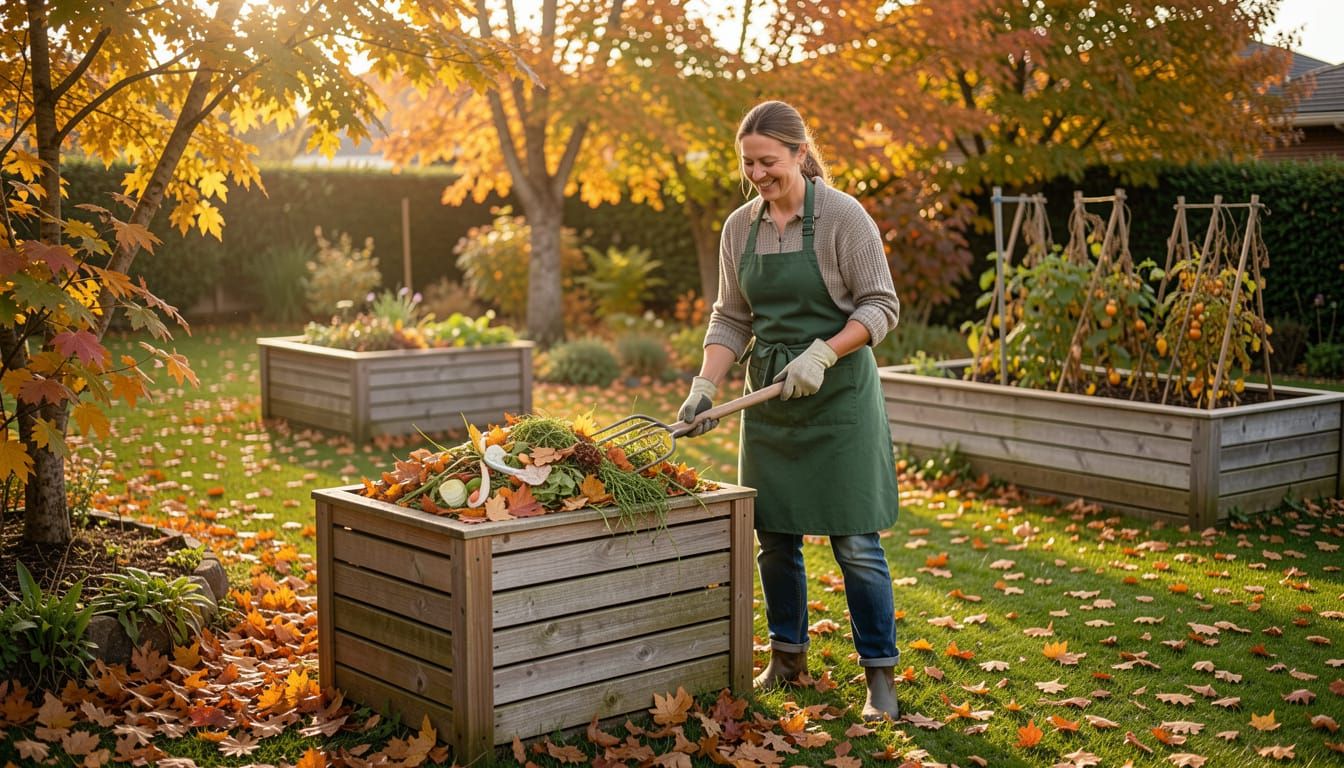
4. Build a compost bin from scrap materials
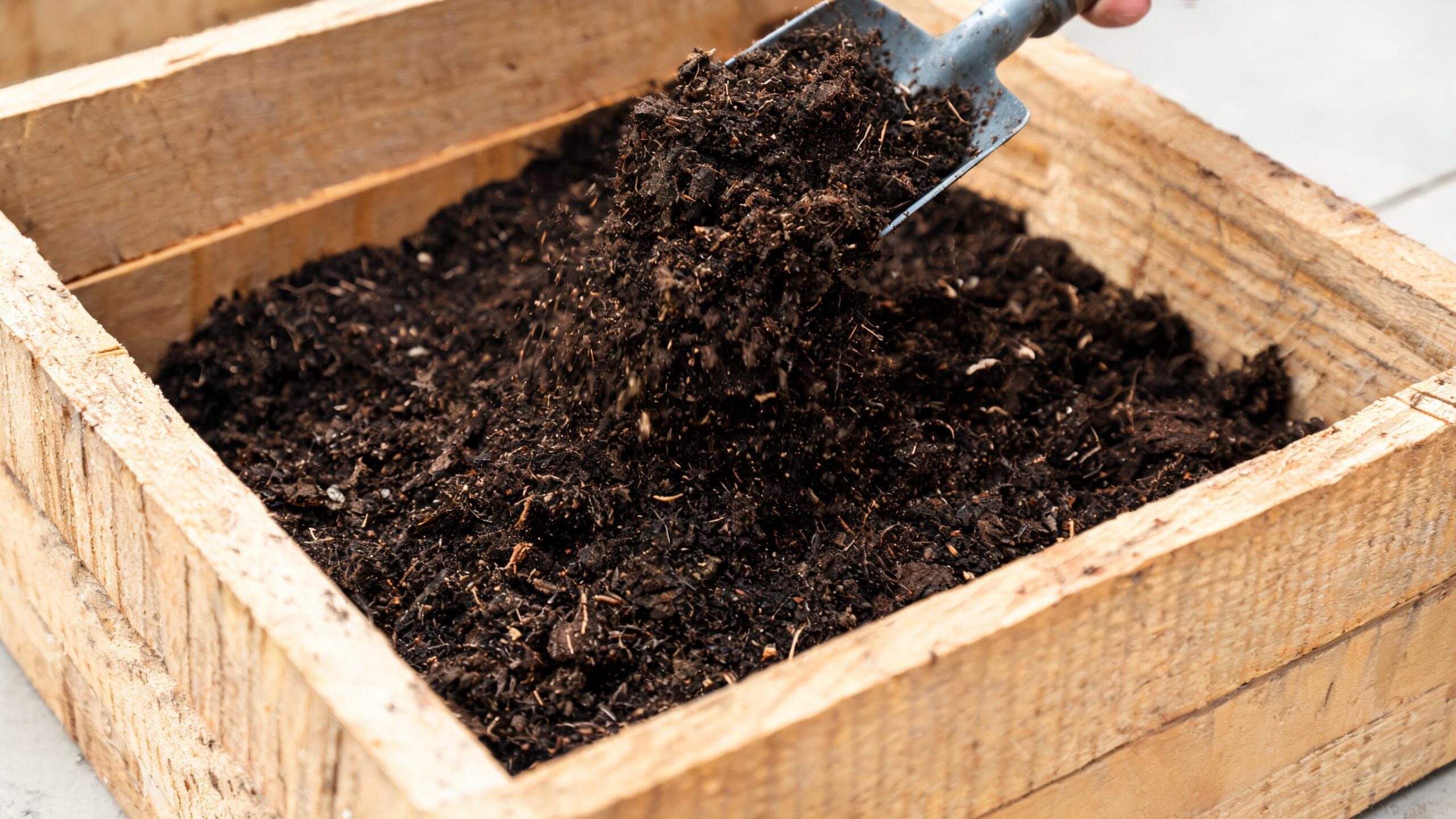
Composting is one of the best investments in any garden, especially if you are trying to garden cheaply. A homemade compost bin turns leaves, grass clippings, kitchen scraps, and garden prunings into valuable organic matter that improves soil structure and fertility.
Budget tip: Four pallets tied together with wire can create a quick and functional compost bay. You can also use recycled timber slats or concrete blocks.
Simple compost recipe
Greens: kitchen scraps, fresh grass clippings, green weeds before seed
Browns: dry leaves, shredded cardboard, paper, straw, small twigs
Moisture: damp like a wrung-out sponge
Air: turn every 1 to 3 weeks
Homemade compost reduces the need to buy as many soil conditioners and is especially useful for raised beds and container mixes.
5. Turn old containers into productive planters
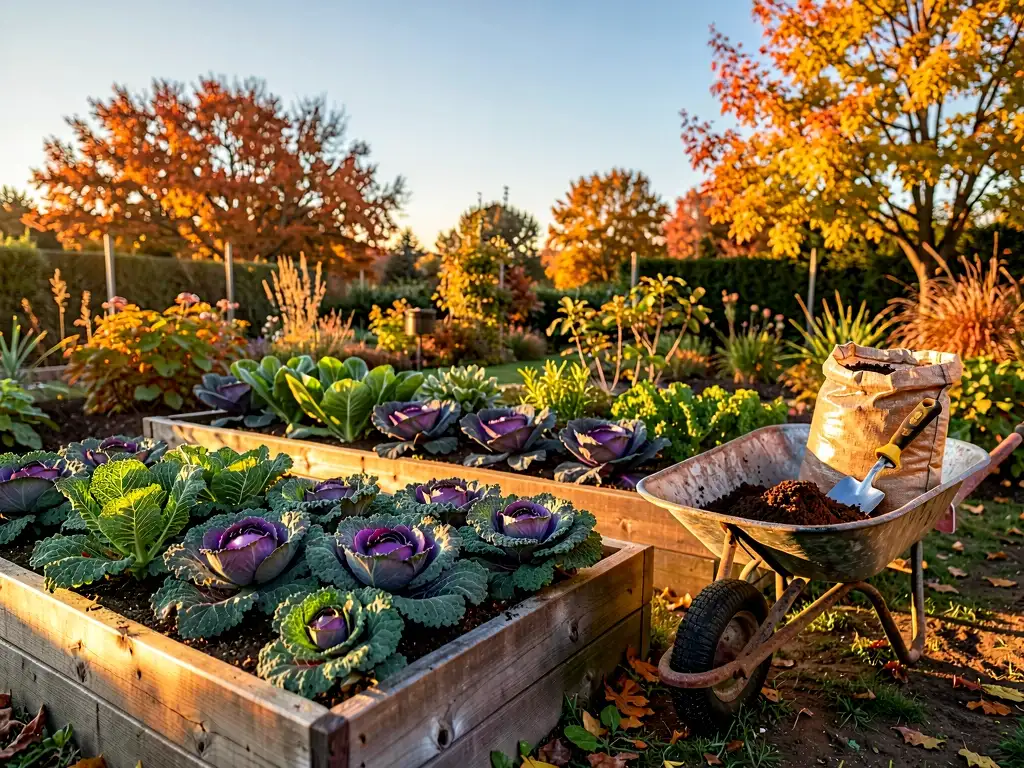
Container gardening does not need matching ceramic pots. Buckets, tubs, wooden crates, metal troughs, and even old wheelbarrows can become attractive planters if they have drainage holes. This is one of the simplest low budget DIY garden projects for small gardens, balconies, and paved spaces.
Best plants: lettuce, spring onions, spinach, chillies, dwarf tomatoes, basil, violas, calendula, and compact citrus.
Budget tip: Spend your money on quality potting mix rather than expensive containers. Healthy roots matter more than what the container looks like.
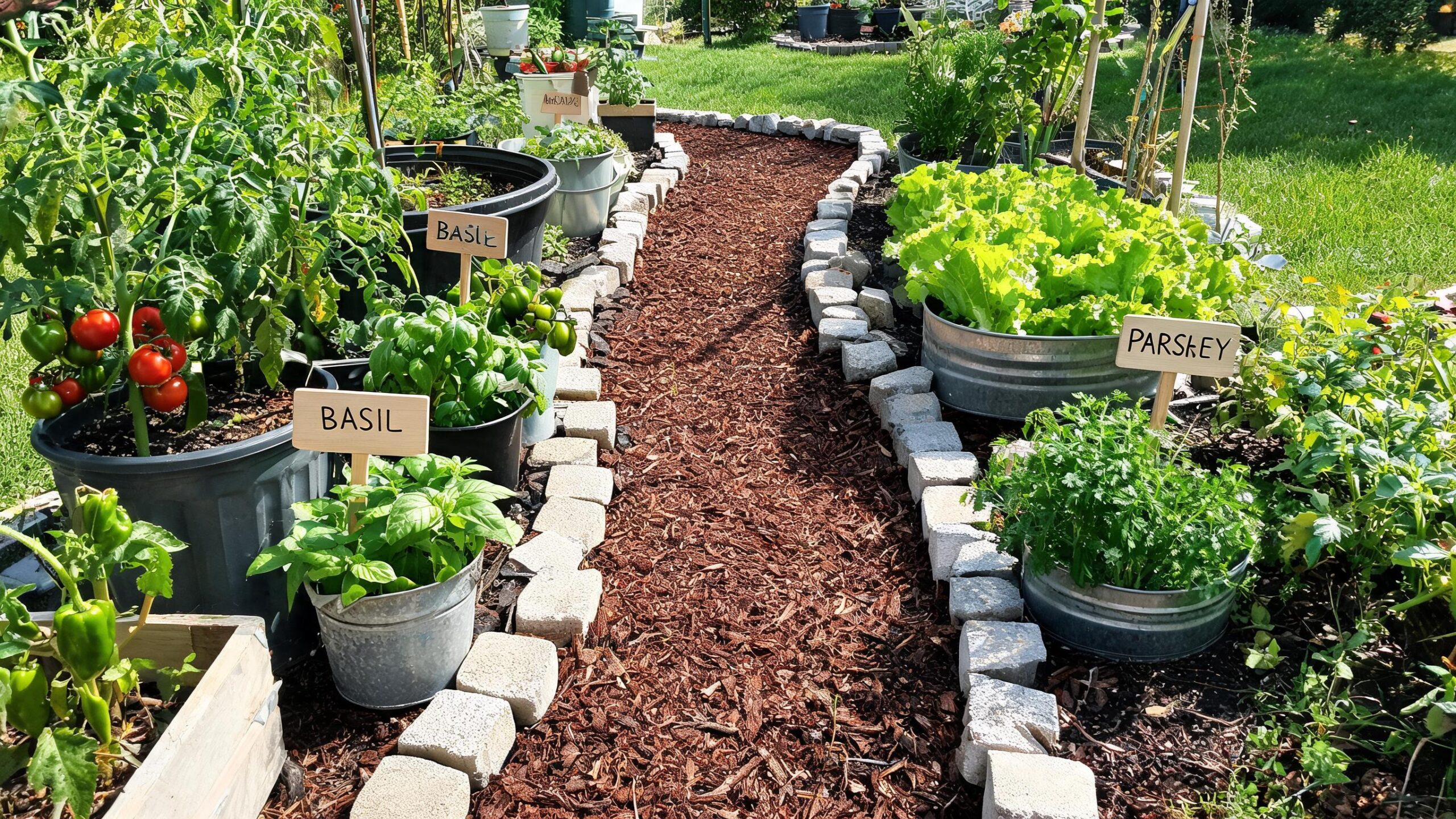
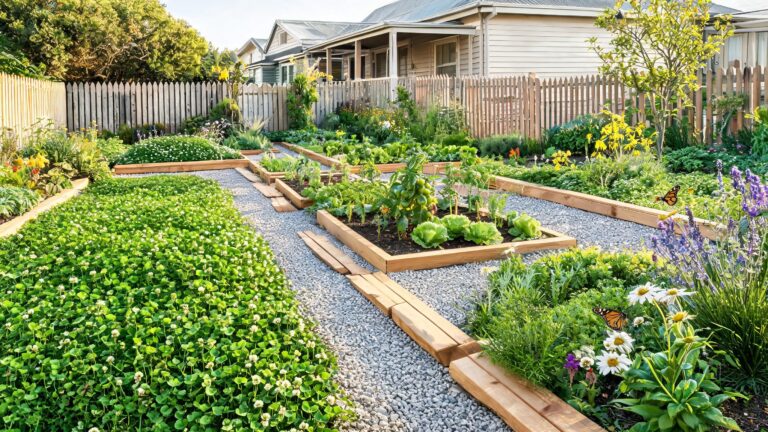
6. Make a gravel or mulch pathway
A simple path can completely change how a garden feels. It makes the space easier to use in wet weather, reduces mud, and helps direct movement through the garden. A budget-friendly path can be made from bark mulch, wood chips, crusher dust, reclaimed pavers, or gravel edged with bricks or timber.
Best for: connecting raised beds, leading to a compost area, or creating visual structure in larger backyards.
Basic path method
Mark the path width, usually 60 to 90 cm for comfortable walking.
Remove weeds and scrape away loose top growth.
Lay cardboard or weed-suppressing material.
Add edging if desired.
Top with mulch, gravel, or crusher dust.
Organic paths such as bark or wood chips are often cheaper, but they need topping up over time. Gravel lasts longer but may cost more initially.
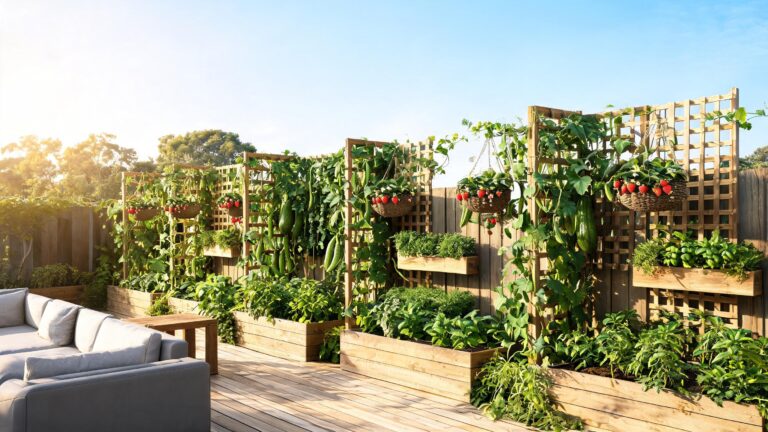
7. DIY trellis from wire, branches, or mesh
Vertical growing saves space and increases airflow around plants. A DIY trellis can be made from wire mesh, bamboo, pruned branches, old bed frames, or repurposed fencing panels. This is one of the most useful low budget DIY garden projects for beans, peas, cucumbers, small melons, and some flowering climbers.
Budget tip: Secure the trellis firmly before plants get heavy. A wobbly support may collapse just as your crop starts producing.
In windy parts of New Zealand, sturdy anchoring is essential. Position climbing crops so taller structures do not shade lower sun-loving plants.
8. Build a seed-raising station
Buying punnets of seedlings can become expensive fast. A small seed-raising area helps you grow dozens of plants from one packet of seed. You can create a budget station using old shelving, recycled trays, repurposed yoghurt pots, and a sheltered sunny spot.
Best for: lettuce, brassicas, tomatoes, capsicums, annual flowers, herbs, and spring seedlings.
Budget tip: Use a clear plastic storage lid or old window frame as a simple cover for warmth and protection, especially in cooler regions.
Good seed-raising mix is worth buying because it drains well and reduces damping off. Once seedlings are established, pot them on into homemade compost blends or garden mix.
9. Create a no-dig garden bed
No-dig gardening is excellent for low-cost food production. It avoids heavy digging, improves soil over time, and can be started over grass or poor ground. Layers of cardboard, compost, manure, straw, and mulch create a fertile bed with minimal disturbance.
Best for: new vegetable gardens, renters, neglected corners, and people with compacted soil.
How to start a no-dig bed
Mow or flatten existing weeds and grass.
Lay overlapping cardboard to block light.
Add compost or well-rotted manure.
Top with straw, leaves, or mulch.
Plant seedlings into pockets of compost.
This method is especially useful if your budget is tight but you have access to free organic material such as leaves, grass clippings, seaweed from legal and clean sources, or animal manure from trusted local suppliers.
10. Make a rainwater collection setup
Watering costs can creep up in summer, especially for productive gardens. A basic rainwater setup using a barrel or food-safe container connected to a downpipe can reduce reliance on mains water for ornamental beds and container plants.
Important: Keep safety, stability, and local regulations in mind. Cover stored water to reduce mosquito breeding and debris buildup.
Budget tip: Even if you cannot install a full tank, collecting small amounts of roof runoff can still help with hand watering during dry spells.
11. Upcycle furniture into garden features
Old ladders can become pot stands. A broken chair can become a flower planter. Drawers can become shallow succulent boxes. This type of project adds charm without costing much, provided the materials can handle outdoor conditions.
Best for: cottage gardens, patios, entryways, and decorative corners.
Use exterior-safe paint where appropriate, but avoid putting edible crops in containers made from questionable materials or flaky old paint.
12. Install a homemade mulch system
Mulch may not sound like a project, but setting up a proper mulching system is one of the highest-value low budget DIY garden projects you can do. Mulch conserves moisture, suppresses weeds, moderates soil temperature, and improves soil as it breaks down.
Materials: bark, straw, leaf mould, wood chips, compost, or dried grass clippings applied in thin layers.
Budget tip: Leaves collected in autumn can be stored and turned into leaf mould, one of the best free soil conditioners for ornamental and edible gardens.
Low budget DIY garden projects comparison table
Project
Approximate Cost
Skill Level
Main Benefit
Best For
Small raised bed
Low to moderate
Beginner
Better soil and drainage
Vegetables, herbs, flowers
Pallet herb garden
Low
Beginner
Saves space
Patios, small gardens
Recycled edging
Very low
Beginner
Neat structure
Beds, paths, lawns
Compost bin
Very low
Beginner
Free soil improvement
All garden types
Upcycled planters
Very low
Beginner
Flexible growing space
Courtyards, balconies
Mulch or gravel path
Low to moderate
Beginner
Improves access and appearance
Wet or busy garden areas
DIY trellis
Low
Beginner to intermediate
Vertical growing
Beans, peas, cucumbers
No-dig bed
Low
Beginner
Builds soil with little digging
New vegetable plots
Step-by-step plan to upgrade your garden on a tight budget
If your budget is limited, it helps to tackle projects in the right order. The goal is to improve function first, then appearance. That way, your garden becomes easier to manage as it gets better looking.
Step 1: Clear and assess
Remove rubbish, weeds, broken pots, and anything that is not serving a purpose. This costs almost nothing and instantly makes the space easier to read.
Step 2: Improve soil first
If you grow plants in poor soil, decorative upgrades will not compensate. Start composting, mulch bare ground, and add organic matter where needed.
Step 3: Define growing zones
Use edging, raised beds, or containers to separate food crops, ornamentals, and pathways. Structure makes even a simple garden look more intentional.
Step 4: Add vertical elements
Trellises, shelves, and wall planters create visual height and improve productivity in small spaces.
Step 5: Finish with decorative details
Once the garden is functioning well, add painted pots, upcycled features, or a small seating corner if budget allows.
Where to save money and where to spend wisely
Not all garden purchases deserve the same level of investment. Smart budgeting means knowing what can be improvised and what should be bought properly.
Areas where you can save
Containers and planters
Bed edging materials
Compost bin structures
Trellises and plant supports
Decorative features and pot stands
Areas worth spending on
Quality seeds and healthy seedlings
Reliable soil mixes and potting mix
Compost and organic fertilisers if your soil is poor
Basic irrigation systems or hoses if summer watering is difficult
Raised bed materials that will last in your climate
For example, a cheap raised bed filled with poor soil is not a bargain. Likewise, free containers without drainage often lead to root rot. Spend where plant health depends on it.
Best materials for budget garden building
Choosing the right materials can mean the difference between a project that lasts three months and one that lasts several years.
Timber
Great for raised beds, frames, and simple structures. Use durable, suitable timber for outdoor use, especially in wet regions. Reclaimed timber can work well if it is not contaminated or badly rotted.
Bricks and pavers
Excellent for edging and paths. Old bricks are often available second-hand and age beautifully in garden settings.
Gravel and crusher dust
Useful for paths and utility areas. They provide a neat look and can be relatively affordable depending on delivery costs.
Compost, mulch, and organic matter
These are not glamorous purchases, but they deliver some of the biggest improvements in plant performance.
Mesh, bamboo, and wire
Ideal for trellises, cages, and support frames. They are lightweight, versatile, and often cheaper than ready-made structures.
Beginner mistakes to avoid with low budget DIY garden projects
Cheap garden projects only stay cheap if they work the first time. These common mistakes often lead to wasted effort and replacement costs.
Using poor quality soil
Trying to save money on soil usually backfires. Plants struggle, yields drop, and you end up spending more on replacements and fertilisers.
Building beds too wide
A bed wider than about 1.2 m is hard to reach across. That leads to compacted soil as you step in to weed or harvest.
Ignoring drainage
Containers, raised beds, and paths all need proper drainage. Standing water causes rot, disease, and frustration.
Choosing unsafe recycled materials
Not every salvaged item is suitable for food gardening. Be cautious with treated timber, unknown paints, and containers that may have held chemicals.
Starting too many projects at once
It is better to finish one raised bed and one path properly than begin six half-complete ideas that clutter the yard.
Forgetting long-term maintenance
A budget project should still be practical to maintain. Decorative gravel scattered without edging, or flimsy trellises in windy areas, can create more work than they save.
Simple seasonal project ideas for New Zealand gardens
Season
Best Budget Projects
Why It Works
Spring
Raised beds, seed-raising station, trellis building
Ideal time to prepare for peak growing season
Summer
Mulching, rainwater collection, container gardens
Helps conserve moisture and manage heat
Autumn
Compost bins, leaf mould systems, edging
Plenty of organic material available and cooler working weather
Good season for structural work before spring planting
Budget-friendly products that can be worth adding
Although this guide focuses on DIY, a few well-chosen purchases can make low budget DIY garden projects more effective.
Seeds: far cheaper than buying mature plants, especially for lettuce, radish, beans, and annual flowers
Soil mixes: essential for containers and raised beds if native soil is unsuitable
Fertilisers: slow-release or organic fertilisers help productive crops perform well in limited soil volumes
Raised beds: if DIY is not practical, a basic raised bed kit can still be budget-friendly compared with full landscaping
Irrigation systems: a simple soaker hose or drip line saves time and reduces water waste
Grow lights: useful for indoor seed raising in colder areas with limited light, though optional for most home gardeners
FAQ about low budget DIY garden projects
What are the cheapest DIY garden projects for beginners?
The cheapest beginner-friendly projects include recycled container planters, a basic compost bin, simple garden edging, and a mulch pathway. These projects require minimal tools, improve the garden quickly, and teach useful skills without a large upfront cost.
Can I make a nice garden without spending much money?
Yes. A tidy, healthy garden often depends more on layout, soil care, mulch, and plant choice than expensive landscaping. Reused materials, divided plants, seed growing, and homemade compost can all create a beautiful result on a tight budget.
What is the best low budget DIY garden project for a small backyard?
A raised bed or vertical herb garden is usually the best starting point for a small backyard. Both improve growing space efficiently, are manageable for beginners, and make the garden feel more organised without taking up too much room.
How can I make my garden look better for free?
Start by weeding, pruning, grouping pots, redefining bed edges, and spreading mulch. These simple jobs can dramatically improve appearance without buying new materials. You can also divide existing plants to fill empty spaces and create repetition in the design.
Are pallets safe to use in the garden?
Some pallets are safe, but you should choose heat-treated pallets in good condition and avoid those with chemical contamination or heavy staining. For edible gardens, be cautious and line planting areas where needed. Never use pallets of unknown origin for food crops if you are uncertain.
What is the most useful thing to build first in a budget garden?
For most gardeners, the most useful first project is either a compost bin or a small raised bed. A compost bin improves long-term soil health, while a raised bed creates immediate planting space. The best choice depends on whether you need fertility or structure first.
Do cheap DIY garden projects last?
They can, provided you use suitable materials and build them properly. Budget does not have to mean flimsy. Good drainage, weather-resistant materials, secure fixing, and realistic maintenance are what determine whether a project lasts through multiple seasons.
What should I avoid when trying to save money in the garden?
Avoid buying poor quality soil, overplanting before you are ready, and using unsafe recycled materials. It is also wise to avoid copying projects that do not suit your climate or space. The cheapest option is not always the most cost-effective over time.
Conclusion
Low budget DIY garden projects can completely change the way your outdoor space looks and functions, even if you only have a modest budget and basic tools. By focusing on practical improvements like raised beds, compost bins, mulch paths, recycled planters, and vertical supports, you can build a garden that is productive, attractive, and easier to maintain through the seasons.
The key is to start small, choose projects that solve real problems, and invest carefully in the essentials that support plant health. For New Zealand gardeners, that means working with your local climate, making the most of recycled materials, and building a garden step by step rather than all at once. With the right low budget DIY garden projects, even an ordinary backyard can become a rewarding, beautiful space that grows better every season.
We use cookies to improve your experience, analyze traffic, and display personalized ads.
By clicking "Accept", you consent to the use of cookies in accordance with our Privacy Policy.