Rose Varieties NZ: The Ultimate Kiwi Guide to Choosing and Growing Roses
Few plants reward a New Zealand garden the way roses do. Whether you’re gardening in the humid warmth of Northland, the temperate hills of Waikato, or the frost-sharp plains of Central Otago, there’s a rose bred to thrive in your patch of whenua. This guide walks you through the best rose varieties NZ gardeners are planting right now, and exactly how to grow roses successfully in Aotearoa’s varied climates, soils, and seasons.
Roses have been cherished in New Zealand gardens for generations, from cottage-garden heirlooms passed down through families to modern, disease-resistant breeding lines developed specifically to cope with our humidity and unpredictable spring weather. Choosing the right variety for your region, soil, and garden style is the single biggest factor separating a rose that sulks from one that flowers its heart out from October through to May.
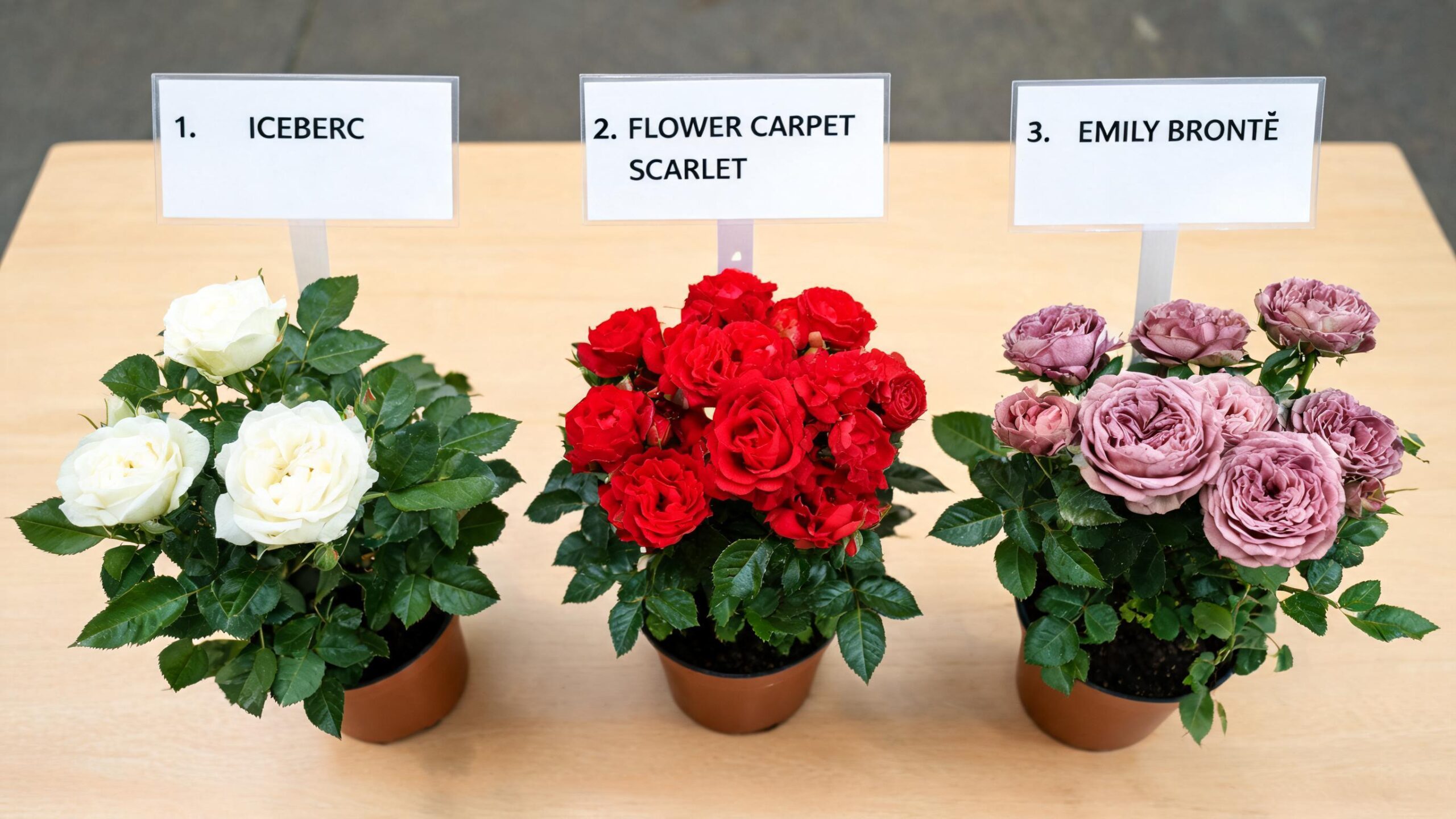
For most New Zealand gardens, disease-resistant floribundas like ‘Iceberg’, tough shrub roses such as ‘Flower Carpet Scarlet’, and fragrant David Austin English roses perform best across our varying climates. Hybrid teas suit warmer, sheltered spots with good airflow, while ground-cover and shrub roses are the low-maintenance choice for humid, disease-prone regions like Auckland and Northland.
Best all-rounder: Floribunda ‘Iceberg’ — reliable, disease-resistant, flowers almost year-round in mild regions.
Best for cut flowers: Hybrid tea roses — single large blooms on long stems, ideal for vases.
Best low-maintenance option: Ground cover roses such as ‘Flower Carpet Scarlet’ — excellent black spot resistance.
Best for fragrance and cottage charm: David Austin English roses like ‘Emily Brontë’.
Best for frost-prone inland gardens: Old-fashioned and shrub roses, which are generally hardier once dormant.
Understanding Rose Types Before You Plant
New Zealand garden centres group roses into distinct categories, each suited to different garden roles. Knowing these types helps you match a variety to your space, whether that’s a raised bed, a courtyard pot, or a sprawling lifestyle block border.
Hybrid Tea Roses
Hybrid teas produce one large, high-centred bloom per stem, making them the classic choice for cut-flower gardens. They generally need a sunny, sheltered position with excellent air circulation, as they can be more prone to black spot in humid Northland and Auckland conditions than tougher shrub types.
Floribunda Roses
Floribundas carry clusters of smaller blooms on each stem and flower almost continuously through the warmer months. Varieties such as ‘Iceberg’ are a mainstay of NZ gardens because of their reliability, vigour, and reasonable disease tolerance, according to Yates New Zealand’s rose growing guide.
Shrub and Old-Fashioned Roses
This broad group includes Bourbons, Albas, Centifolias, and species roses, plus modern shrub breeding. They tend to be naturally more disease resistant, cope well with a range of soils and climates, and need minimal fuss — a great pick for busy Kiwi households wanting reliable colour without a heavy spray programme.
David Austin (English) Roses
Bred in England by David Austin, these combine old-fashioned rosette flower form and heavy fragrance with the repeat-flowering habit of modern roses. Varieties like ‘Emily Brontë’ have become popular in NZ cottage gardens for their romantic, full blooms and strong scent.
Climbers and Ramblers
Climbers flower repeatedly through summer and are more compact, ideal for arches, pergolas, and fences in suburban sections. Ramblers are more vigorous, generally flowering once in a spectacular summer flush, and suit larger properties where they can be left to scramble over sheds or old trees.
Ground Cover and Landscape Roses
Low-growing and spreading, varieties such as ‘Flower Carpet Scarlet’ are prized for continuous colour with minimal pruning and strong disease resistance, making them a smart choice for banks, borders, and low-maintenance council or commercial plantings.
Miniature and Patio Roses
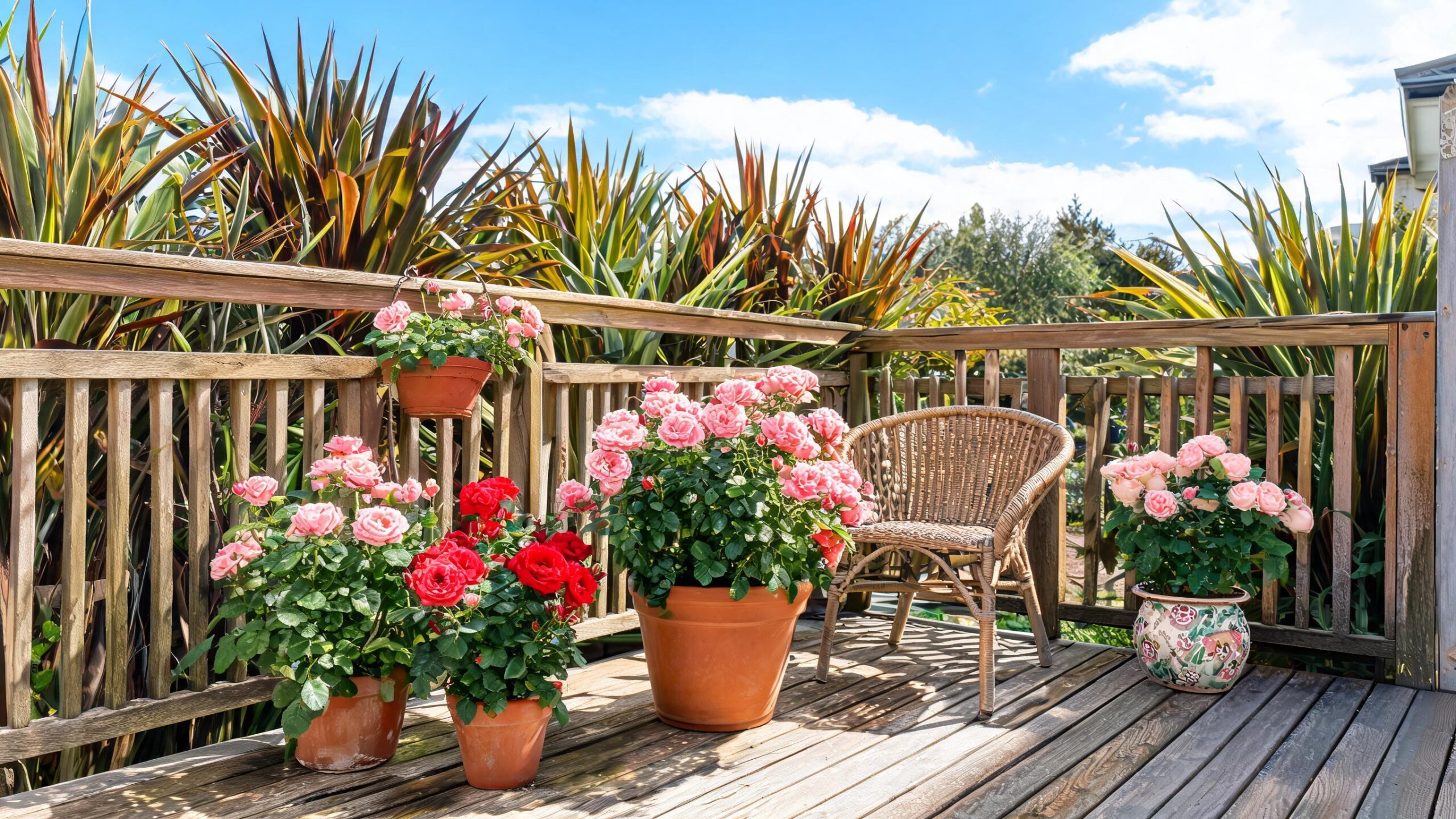
Standing 15–60cm tall, these compact roses suit pots on decks and courtyards, or the front edge of a garden bed where a full-sized bush would overwhelm the space.
Standard Roses
A bush, climbing, or weeping rambler grafted onto a single upright stem, standards make a strong architectural statement flanking a doorway or path and are available in quarter, half, and full-standard heights.
Popular Rose Varieties Grown in New Zealand
Kiwi rose breeders and long-established nurseries have shaped what grows well here. Whanganui breeder Bob Matthews, for example, named the popular polyantha-style rose ‘My Mum’ after his own mother, and it remains a garden favourite noted by gardening writer Lynda Hallinan for its reliability. Trevor Griffiths, another respected NZ rosarian, built extensive heritage rose collections still referenced by regional rose societies today.
Variety
Type
Height
Best Feature
Best NZ Region
Iceberg
Floribunda
1–1.5m
Near-continuous white blooms, tough and reliable
Nationwide
Flower Carpet Scarlet
Ground cover
0.5–0.8m
Excellent black spot resistance
Northland, Auckland (humid areas)
Emily Brontë
David Austin shrub
1–1.2m
Strong fragrance, romantic form
Waikato, Bay of Plenty
My Mum
Polyantha
0.6–1m
NZ-bred, hardy and floriferous
Nationwide
The Fairy
Miniature polyantha
0.5–0.8m
Compact, ideal for pots
Nationwide
William Shakespeare
David Austin shrub
1.2–1.5m
Deep crimson, heavily scented
Sheltered temperate gardens
Sally Holmes
Shrub/climber
1.5–2.5m
Vigorous, disease-tolerant, large clusters
Canterbury, Otago (frost-hardy once established)
How to Grow Roses in New Zealand Conditions
Understanding how to grow roses successfully in New Zealand starts with matching a variety to your soil, sun exposure, and regional climate. Roses are sun-loving, moderately hungry feeders that reward a bit of upfront soil preparation with months of repeat flowering.
Sunlight and Site Selection
Roses need a minimum of six hours of direct sun daily to flower prolifically, ideally morning sun to dry dew off the foliage quickly and reduce fungal disease pressure. Choose a spot sheltered from strong winds, particularly in exposed coastal or Canterbury nor’wester zones, as constant buffeting stresses canes and dries out blooms.
Soil Type and pH
Roses prefer a mildly acidic soil with a pH of 5–6.5 and excellent drainage. Across New Zealand this means quite different preparation depending on where you garden:
Volcanic clay (Waikato, Taranaki, Bay of Plenty): Naturally fertile but can hold too much moisture in winter — dig in gypsum and compost to open up structure and improve drainage.
Sandy loam (coastal Northland, Canterbury): Drains freely but loses nutrients fast — bulk up with compost, sheep pellets, and mulch to retain moisture and feed.
Peat soils (parts of Waikato lowlands): Can be acidic already; monitor pH and add lime only if testing shows it’s needed.
Heavy Canterbury/Otago clay: Raise beds 15–20cm and dig in generous organic matter to prevent winter waterlogging around the crown.
Planting Roses Step-by-Step
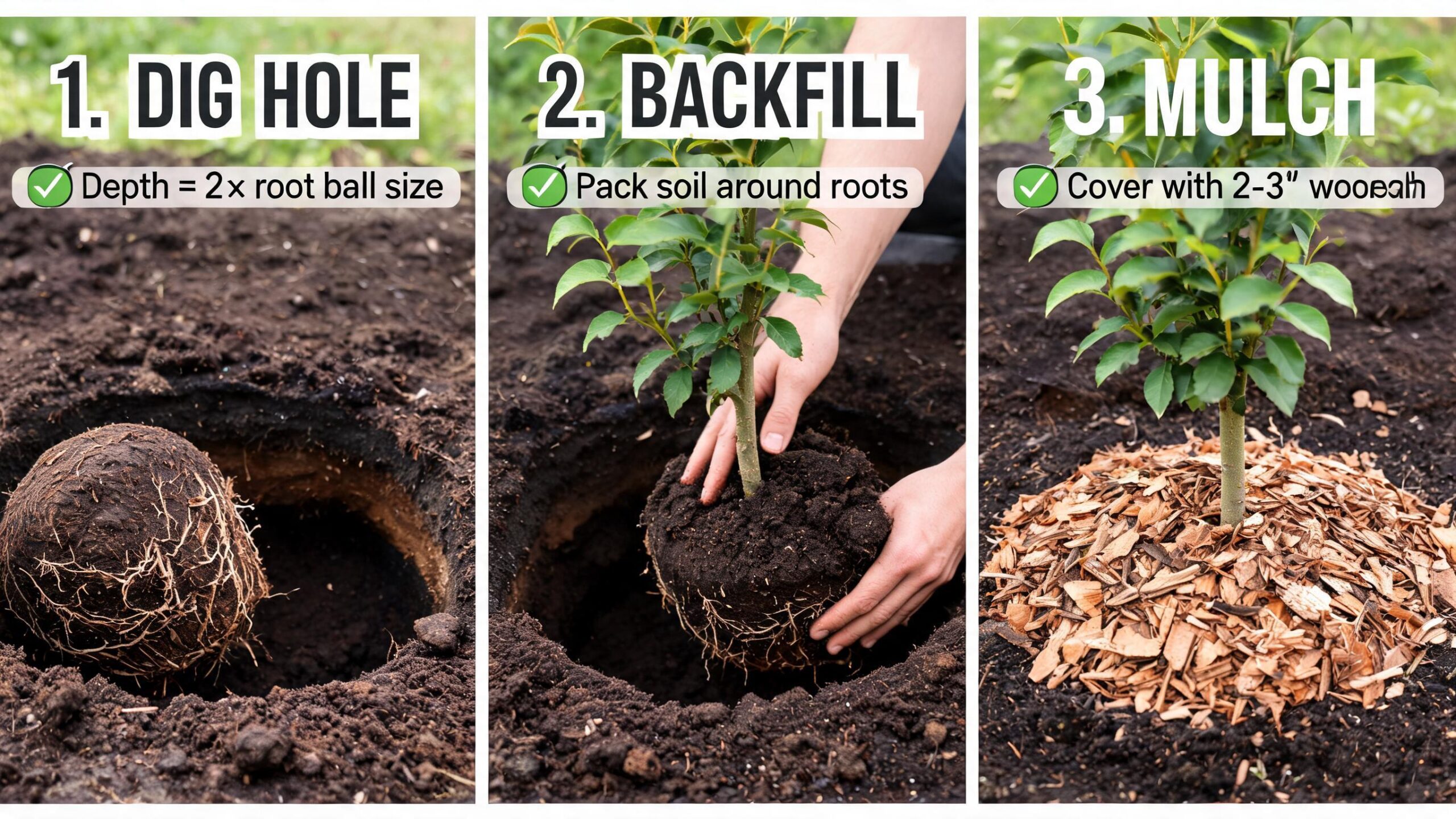
Dig a hole roughly twice the width and depth of the root ball.
Mix in compost, sheep pellets, and a rose-specific fertiliser such as an Osmocote or Tui rose mix.
Soak potted roses in a bucket of water until air bubbles stop rising, ensuring the root ball is fully hydrated.
Position the rose so the graft union sits roughly 5cm above soil level in warmer regions, or level with the soil in frost-prone inland areas for extra crown protection.
Backfill, firm gently, and water in thoroughly — avoid wetting the foliage.
Apply a 5–7cm layer of mulch or pea straw, keeping it clear of the stem, to conserve moisture and suppress weeds.
NZ Seasonal Timing for Roses
Southern Hemisphere timing is everything with roses — get this wrong and you’ll be fighting the plant’s natural rhythm all season.
Winter (Jun–Aug): Best time to plant bare-root roses while dormant; also the main pruning window, done in late winter to encourage strong spring growth.
Spring (Sep–Nov): New growth flushes; begin feeding with a rose fertiliser and start a preventative black spot spray programme as soon as foliage emerges.
Summer (Dec–Feb): Peak flowering and picking season; deadhead regularly and water deeply during dry spells, especially in Canterbury and Hawke’s Bay.
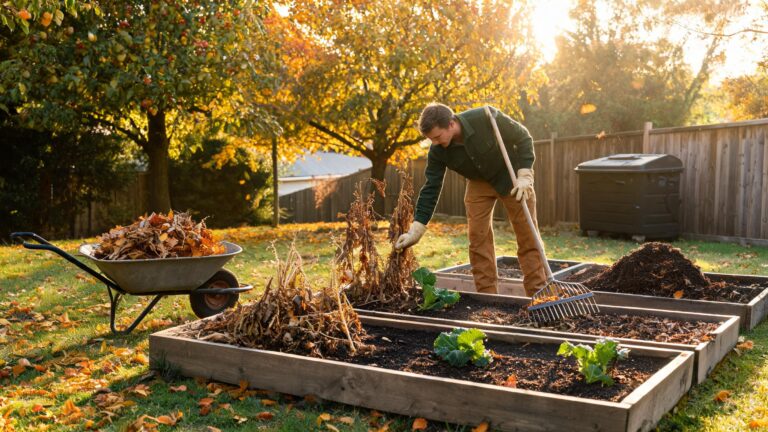
Autumn (Mar–May): Last flush of blooms; clean up fallen leaves thoroughly to reduce overwintering fungal spores before winter dormancy sets in.
Feeding and Watering
Roses are moderately heavy feeders. Apply a balanced rose fertiliser, blood and bone, or sheep pellets at the start of spring and again in midsummer, and top up with a seaweed or kelp tonic during the growing season to boost root health and flowering. Water deeply and early in the morning rather than little and often, and always aim at the soil rather than the leaves to keep foliage dry and reduce disease risk.
Pruning Basics
For bush hybrid teas and floribundas, select three to five strong main stems and cut back to around five buds from the base each winter. Remove weak, spindly, or diseased wood and always cut on a 45-degree angle just above an outward-facing bud, so water sheds away from the cut rather than pooling and inviting disease.
Regional Growing Guide for Rose Varieties NZ Gardeners Should Know
New Zealand’s climate diversity means a variety that thrives in Kerikeri may struggle in Cromwell, and vice versa.
Subtropical Northland and Auckland
Humidity and mild winters mean fungal disease pressure is higher here. Prioritise disease-resistant floribundas and ground-cover roses like ‘Flower Carpet Scarlet’, ensure good spacing for airflow, and stick to a regular preventative spray routine through the warm, humid months.
Temperate Waikato and Bay of Plenty
Volcanic clay and reliable rainfall suit most rose types well, from hybrid teas to David Austin shrubs. Kiwi gardeners in this region often notice that roses planted with generous compost and good drainage flower more freely through a longer season than in heavier, poorly drained soils.
Alpine and Frost-Prone Canterbury and Central Otago
Cold winters actually suit roses well, as the dormancy period supports strong pruning and disease die-off, but late spring frosts can damage tender new growth. In frost-prone inland areas, delay major pruning until the worst frost risk has passed and choose hardy shrub types such as ‘Sally Holmes’, which tolerates cold snaps once established.
Common Pests and Diseases Affecting NZ Roses
Healthy roses still face a handful of recurring problems across New Zealand gardens, and catching them early makes all the difference.
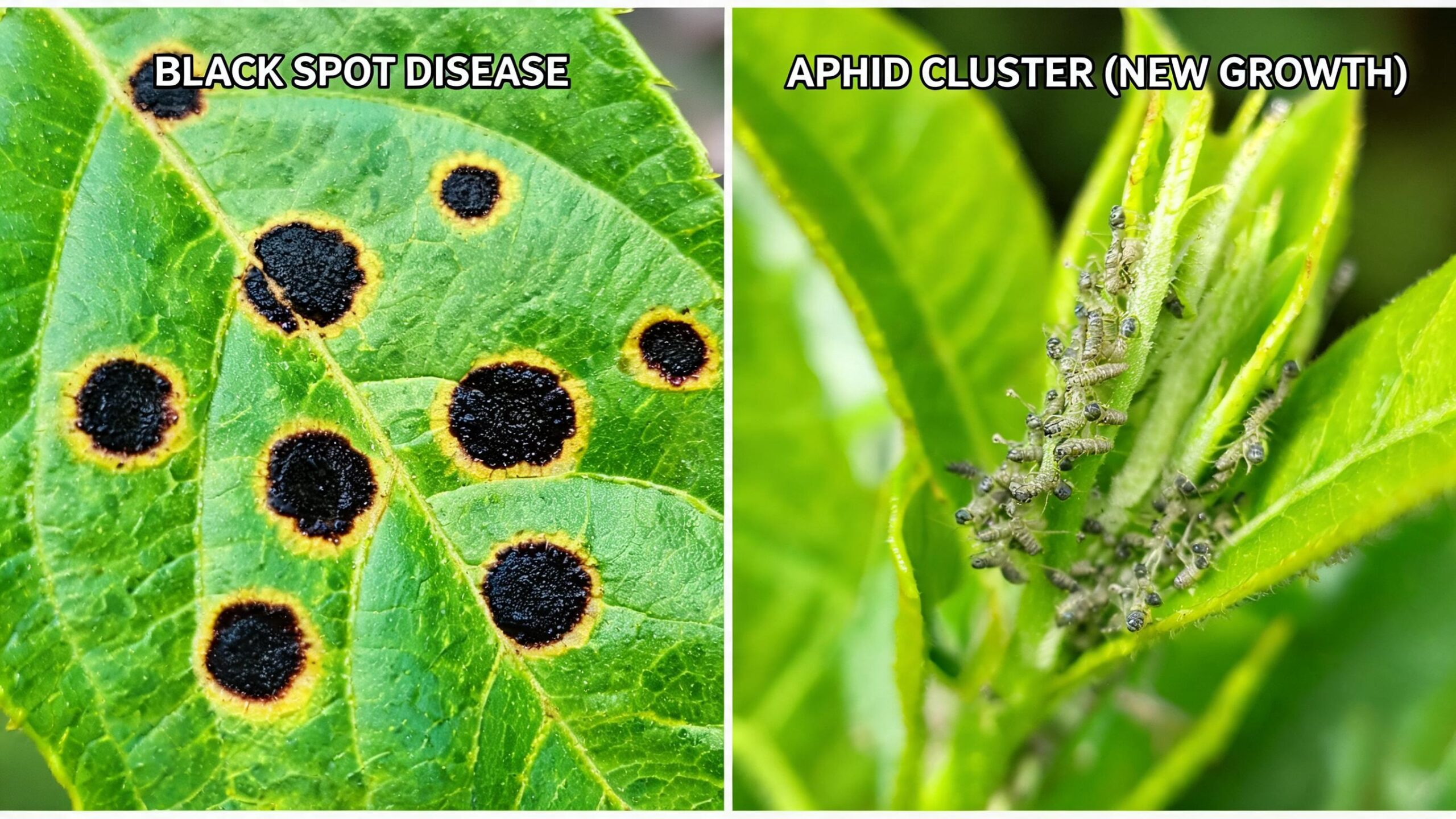
Black Spot
Black spot is the most common fungal disease of roses in humid NZ conditions, causing dark blotches and premature leaf drop. Good hygiene — removing fallen leaves each autumn — combined with a winter copper or lime sulfur spray and a spring preventative programme, as recommended by Yates New Zealand’s black spot control guide, keeps outbreaks manageable.
Aphids
Aphids cluster on soft new growth in spring, sucking sap and distorting buds. A strong hose blast, insecticidal soap, or neem oil usually solves minor infestations, while encouraging ladybirds and companion planting with garlic, marigolds, or lavender helps keep numbers down naturally.
Thrips and Mites
Thrips cause streaked, discoloured petals, particularly on pale varieties, while mites thrive in hot, dry summers and cause fine speckling on leaves. Regular monitoring and a targeted spray such as Yates Rose Gun, applied to the undersides of leaves, controls both.
Guava Moth and Passionvine Hopper
While primarily fruit and vine pests, guava moth and passionvine hopper populations in Northland and Auckland gardens can occasionally affect nearby ornamentals, including roses, through general garden pest pressure. Maintaining diverse plantings and regular garden hygiene reduces overall pest load across the whole section.
Growing Roses in Containers
Patio and miniature roses do particularly well in pots on Kiwi decks and courtyards. Use a quality free-draining potting mix, choose a container at least 40cm wide for full-sized varieties, and feed more frequently than garden-grown roses since nutrients leach out faster with each watering. Standard roses in pots need staking and a sheltered position to prevent wind rock in exposed coastal gardens.
Key Takeaways for NZ Rose Growers
Match your variety to your region: disease-resistant shrubs and floribundas for humid Northland and Auckland, hybrid teas and David Austin roses for temperate Waikato and Bay of Plenty, hardy shrubs for frost-prone Canterbury and Otago.
Plant bare-root roses in winter and prune during the same dormant period for the strongest spring flush.
Feed with blood and bone, sheep pellets, or a dedicated rose fertiliser through spring and summer, boosted with seaweed tonic.
Stay ahead of black spot and aphids with autumn hygiene and a preventative spring spray programme.
Mulch generously to protect roots, retain moisture, and suppress weeds year-round.
Frequently Asked Questions
What is the best rose variety for beginners in New Zealand?
Floribunda ‘Iceberg’ is widely recommended for NZ beginners due to its tough constitution, reliable repeat flowering, and reasonable disease resistance. Ground cover varieties like ‘Flower Carpet Scarlet’ are equally forgiving, needing minimal pruning while still producing masses of colour through summer and autumn.
When is the best time to plant roses in NZ?
Winter, from June through August, is the ideal window for planting bare-root roses while they’re dormant. Potted roses can technically go in year-round, but avoiding the height of summer heat gives new plants the best chance to establish strong roots before their first big flowering push.
How do I protect roses from frost in inland NZ regions?
Delay pruning until the worst frost risk passes in areas like Central Otago and inland Canterbury, since pruning stimulates tender new growth that frost can damage. A thick mulch layer around the base insulates roots, and choosing naturally hardy shrub or old-fashioned varieties reduces frost-related losses overall.
Why do my roses get black spot every year?
Black spot fungal spores overwinter in fallen leaves and soil, re-infecting plants each spring in humid conditions. Thorough autumn clean-up, a winter copper spray, and choosing more disease-resistant varieties are the most effective long-term fixes for recurring outbreaks.
Can I grow roses in heavy clay soil?
Yes, but heavy Waikato volcanic clay or Canterbury clay needs amending with gypsum, compost, and coarse organic matter to improve drainage before planting. Raised beds are a practical solution if drainage remains poor, since roses dislike sitting in waterlogged soil over winter.
How often should I feed my roses in New Zealand?
Feed with a dedicated rose fertiliser, sheep pellets, or blood and bone at the start of spring and again in midsummer to support the two main flowering flushes. A monthly seaweed or kelp tonic through the growing season further strengthens root development and disease resistance.
What roses suit small courtyard gardens or pots?
Miniature and patio roses, standing just 15–60cm tall, are purpose-bred for container growing on decks and courtyards. Choose a pot at least 40cm wide with quality free-draining potting mix, and feed more often than in-ground roses since nutrients wash through faster.
Growing Beautiful Roses Across Aotearoa
Choosing the right rose varieties NZ conditions actually support — rather than fighting an unsuitable variety through every humid Auckland summer or frosty Otago winter — is the real secret behind a garden full of healthy, flowering roses. Once you understand how to grow roses matched to your regional climate, soil type, and available sun, ongoing care becomes refreshingly simple: feed well, water at the roots, prune hard in winter, and stay ahead of black spot and aphids. Get the fundamentals right and your whenua will reward you with blooms from spring right through to autumn, season after season.
We use cookies to improve your experience, analyze traffic, and display personalized ads.
By clicking "Accept", you consent to the use of cookies in accordance with our Privacy Policy.