How to Grow Feijoa in New Zealand: The Complete Kiwi Growing Guide
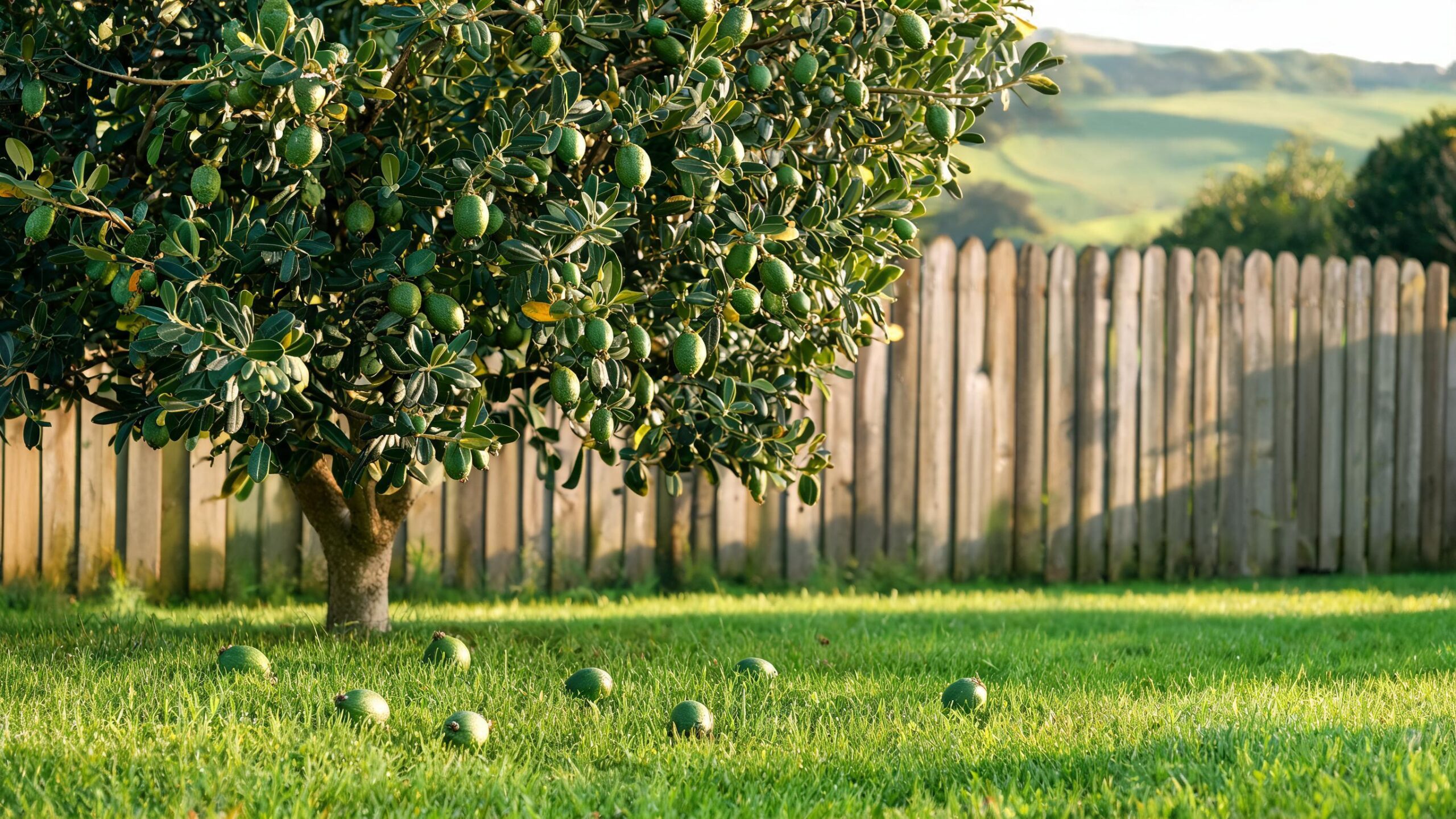
If there’s one fruit tree that feels like it belongs in every Kiwi backyard, it’s the feijoa. Learning how to grow feijoa successfully in New Zealand conditions is easier than most gardeners expect, because this South American native has practically gone feral in Aotearoa’s mild, temperate climate over the past few decades. From Northland hedgerows to Canterbury lifestyle blocks, feijoas reward minimal fuss with buckets of fragrant, green-skinned fruit every autumn.
This guide draws on real growing conditions across New Zealand’s regions, covering everything from soil prep and planting through to pest control and harvest timing, so you can plant with confidence whether you’re in subtropical Kerikeri or frost-prone Central Otago.
Feijoas grow best in full sun with free-draining, slightly acidic soil (pH 5.5–7.0), and thrive in most parts of New Zealand thanks to their tolerance of wind, coastal exposure, and light frost down to around -5°C. Plant at least two different varieties for reliable cross-pollination and a bigger crop, feed regularly from spring to late summer, and water deeply once fruit begins swelling in mid-to-late summer. Most trees start fruiting two years after planting, with harvest running from February through to June depending on variety and region.
Best planting time: autumn or spring in most regions
Sun requirement: full sun to light afternoon shade
Soil: free-draining, fertile loam with pH 5.5–7.0
Pollination: plant two or more varieties for best cropping
Harvest window: late summer through autumn into early winter
What Is a Feijoa and Why It Thrives in New Zealand
Feijoa (Acca sellowiana), sometimes called pineapple guava, is an evergreen shrub or small tree originally from the highlands of Brazil, Uruguay, Paraguay, and Argentina. It has become so widely planted and naturalised across New Zealand that many gardeners consider it an honorary native crop, even though it’s not part of our indigenous ngahere (forest) flora.
The tree suits our maritime climate because it tolerates wind, salt spray, and moderate frost, while still producing heavily in home gardens without the fussy spraying regimes citrus or stonefruit demand. Trees mature to roughly 2–3 metres high and 1.5–2 metres wide, making them a manageable size for suburban sections, lifestyle blocks, and even large containers.
Best Time to Plant Feijoa in New Zealand
Timing your planting correctly is one of the biggest factors in growing feijoa successfully, and this is a genuinely useful entry point into any autumn gardening guide for New Zealand fruit trees. Feijoas can technically be planted year-round from container-grown stock, but two windows give the best establishment results.
Autumn Planting (March–May)
Autumn is the preferred planting window for most of New Zealand. Soil is still warm from summer, which drives root establishment before winter dormancy, and the tree arrives at spring with a head start on active growth. This is exactly the kind of practical, season-specific advice Kiwi gardeners look for in an autumn gardening guide, since getting fruit trees into the whenua at the right time makes all the difference to first-year success.
Spring Planting (September–November)
In colder, frost-prone regions such as inland Canterbury, Central Otago, or the Waikato’s frost hollows, hold off planting until soil has warmed and the worst frosts have passed in spring. Young feijoa roots are more vulnerable to cold, wet soil than established trees, so spring planting reduces transplant stress in these microclimates.
Choosing the Right Feijoa Variety for Your Garden
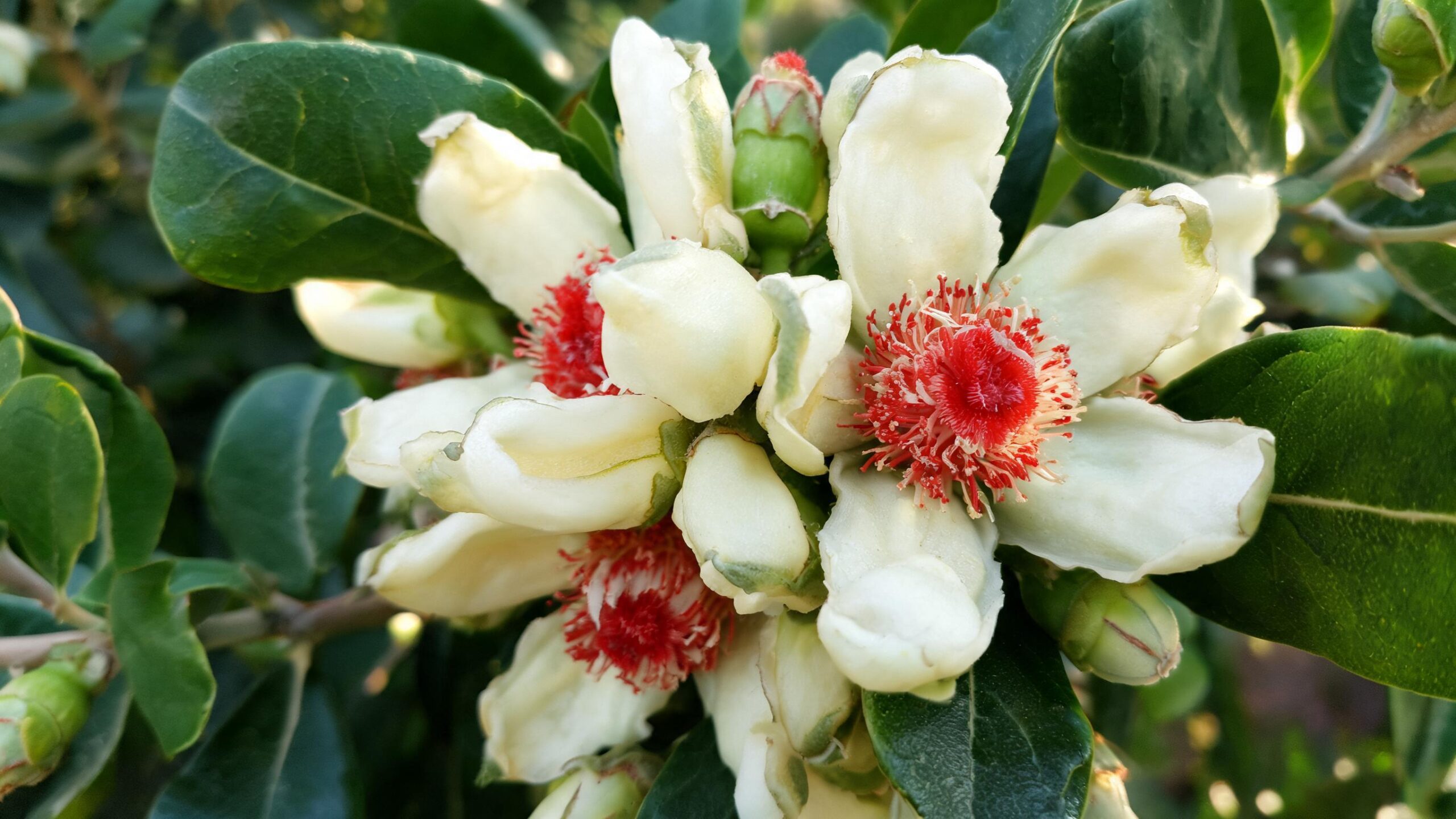
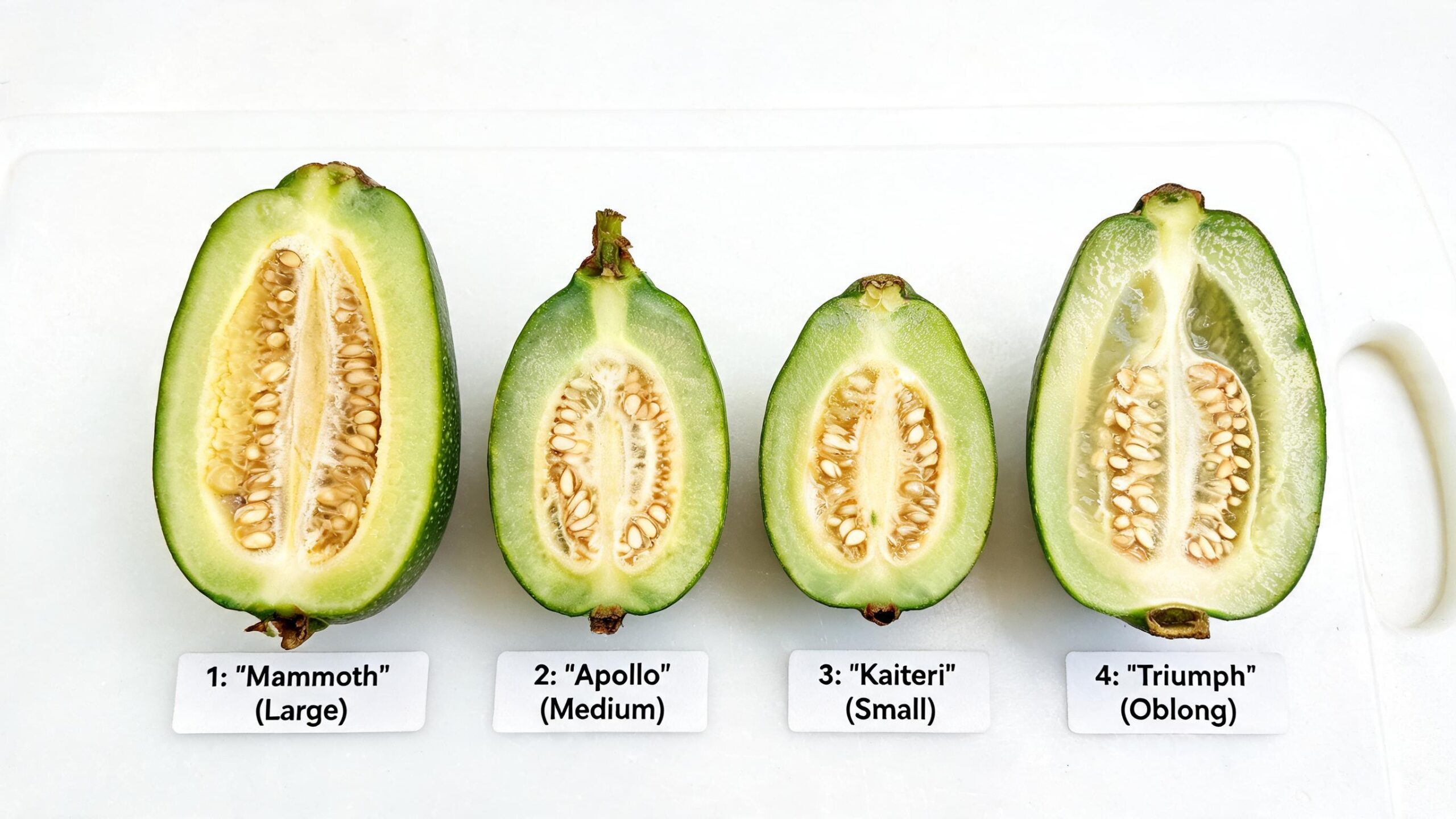
Selecting varieties correctly is central to answering how to grow feijoa with a reliable, heavy crop rather than a patchy one. While many feijoa cultivars are technically self-fertile, fruit set and size improve dramatically when two or more varieties cross-pollinate, since bees and native birds like tūī and silvereyes move pollen between different flowering trees.
Variety
Season
Fruit Size
Notes
Unique
Early
Medium
Reliable, self-fertile, widely available
Anatoki
Very early
Medium-large
Ripens 2–3 weeks before Unique
Kakariki
Early
Large
Exceptionally sweet flavour
Apollo
Mid-season
Large
Sweet, good eating quality, bruises easily
Mammoth
Mid-late
Medium
Popular hedging and eating variety
Triumph
Late
Medium
Good storer, extends the season
Bambina
Early-mid
Small
Dwarf, ideal for pots and small sections
For most home gardens, pairing an early variety like Unique or Anatoki with a mid-to-late variety such as Apollo or Triumph extends the harvest window from late summer right through autumn, according to the New Zealand Feijoa Growers Association’s variety guide.
Soil, Sun, and Site Preparation
Feijoas aren’t fussy, but preparing the whenua properly still pays off in fruit quality and tree vigour.
Sunlight: Full sun produces the heaviest crops, though trees tolerate light afternoon shade, particularly in hotter Northland and Auckland gardens.
Soil type: Feijoas cope with a wide range of soils, from sandy loam to heavier volcanic clay, provided drainage is adequate. They’ll even handle stony ground.
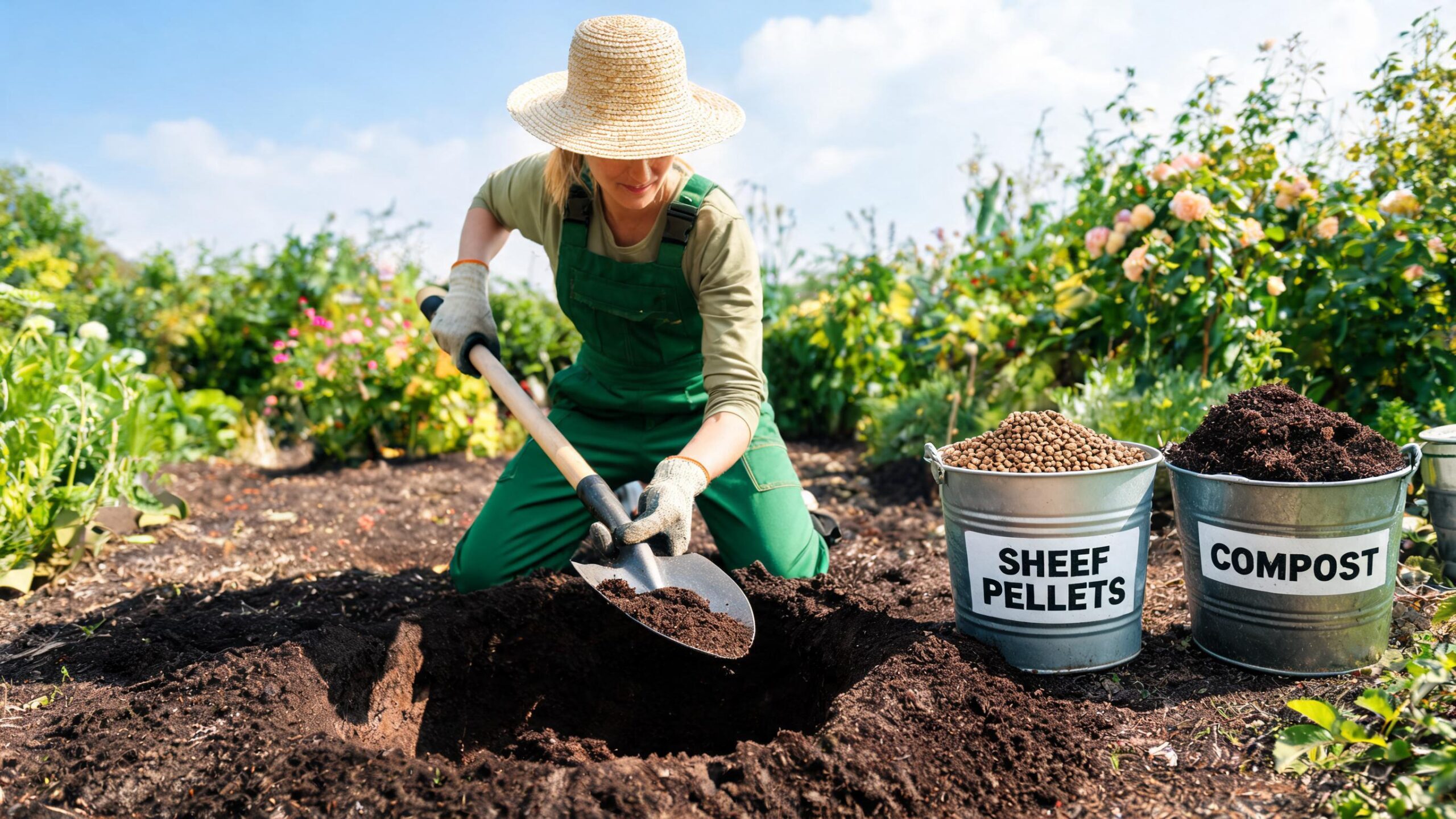
Soil pH: Aim for 5.5–7.0. If your soil is heavy clay or very alkaline, dig in compost and sheep pellets to improve structure and slightly acidify the root zone.
Drainage: Waterlogged clay is the main risk factor; if your section holds water after rain, plant on a mounded bed or raised area.
Spacing: Allow 4–5 metres between individually planted trees, or space plants 1–1.5 metres apart if growing feijoa as a productive hedge.
How to Plant a Feijoa Tree Step by Step
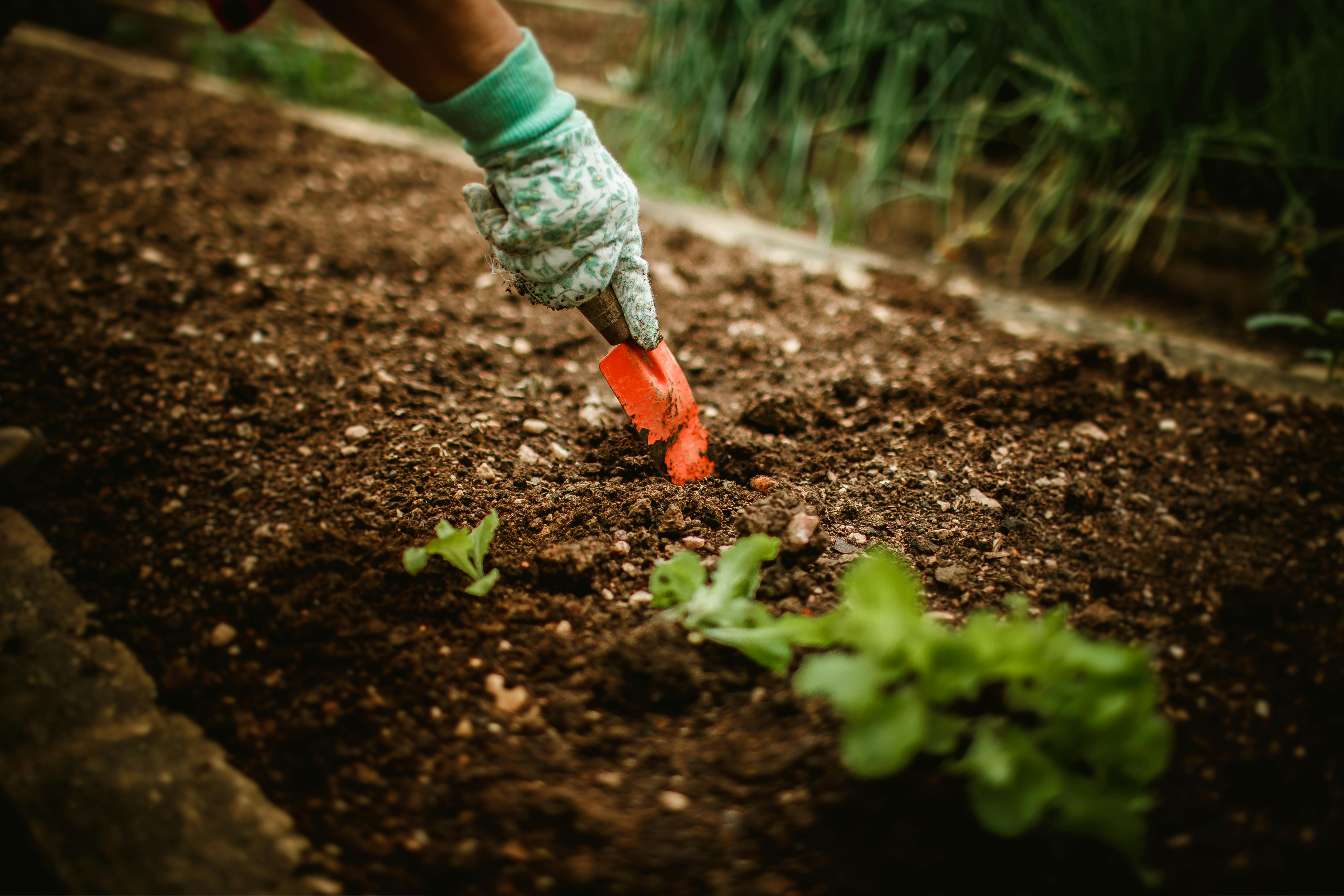
Choose a sunny, free-draining spot and water the potted tree well before planting.
Soak the root ball briefly in a bucket of seaweed tonic to reduce transplant shock.
Dig a hole roughly twice the width and depth of the root ball.
Mix compost, sheep pellets, and a citrus and fruit tree mix into the excavated soil.
Gently loosen the root ball and position the plant so it sits at the same depth as it was in the pot.
Backfill, firm gently, and water deeply to settle the soil around the roots.
Stake young trees in windy sites using soft ties, especially on exposed coastal or rural sections.
Apply a layer of mulch around the base, keeping it clear of the trunk to prevent collar rot.
This planting method is consistent with guidance from Tui Garden’s feijoa growing guide, and works equally well for garden beds or large containers filled with a citrus and fruit potting mix.
Growing Feijoa in Pots and Containers
Smaller sections and courtyards can still enjoy homegrown feijoas by choosing a compact variety such as Bambina and planting into a large container (at least 40–50 litres) with excellent drainage holes. Use a quality citrus and fruit potting mix, water more frequently than in-ground trees since pots dry out faster, and top-dress with sheep pellets or citrus fertiliser each spring. Container-grown feijoas may need repotting into a larger pot every two to three years as roots fill the space.
Feeding and Watering Feijoa Trees
Feijoas fruit best when fed consistently through their active growing period rather than in one big autumn dose.
Fertilising Schedule
Feed regularly from spring through to late summer using a balanced citrus and fruit fertiliser, or blood and bone with added potassium for stronger fruiting.
Sheep pellets dug in at planting and applied as an annual top-dress supply steady organic nitrogen and improve soil structure over time.
A monthly seaweed or kelp tea foliar feed through the growing season boosts stress tolerance, particularly in wind-exposed or coastal gardens.
Avoid heavy nitrogen feeding in late autumn or winter, which can push soft new growth that’s vulnerable to frost damage.
Watering
Established feijoas are reasonably drought-tolerant, but consistent, deep watering from mid to late summer is essential while fruit is developing and ripening. Uneven watering, particularly a dry spell followed by heavy rain, can cause premature fruit drop. Avoid overwatering, though, as it plumps fruit at the expense of that classic aromatic feijoa flavour Kiwis love.
Feijoa Growing Conditions by NZ Region
New Zealand’s regional microclimates change how feijoas perform, and understanding your local conditions is key to reliable cropping.
Northland and Auckland (Subtropical)
Warm, humid conditions favour vigorous growth and early ripening, but this region also carries the highest risk of guava moth and anthracnose fungal disease, so proactive pest monitoring matters more here than further south.
Waikato and Bay of Plenty (Temperate)
These regions offer close to ideal feijoa growing conditions: warm summers, mild winters, and reliable rainfall. Waikato gardeners on volcanic clay soils should still dig in compost to improve drainage and root penetration.
Canterbury and Central Otago (Frost-Prone / Alpine)
Feijoas tolerate frost down to around -5°C once established, but young trees in these colder inland areas benefit from spring planting, frost cloth protection in their first winter, and a sheltered aspect against a north-facing wall or fence line.
Common Feijoa Pests and Diseases in New Zealand
Feijoas suffer from far fewer pest and disease issues than citrus or stonefruit, but a handful of problems recur across NZ gardens.
Guava moth: The most damaging pest in northern regions; caterpillars tunnel into fruit, causing premature drop or inedible fruit. Pheromone traps and prompt collection of fallen fruit help reduce populations, as noted in coverage from RNZ’s reporting on feijoa growing challenges.
Anthracnose: A fungal disease that devastated Northland crops in 2019 and remains a watch-point in warm, humid pockets; good airflow through pruning helps reduce risk.
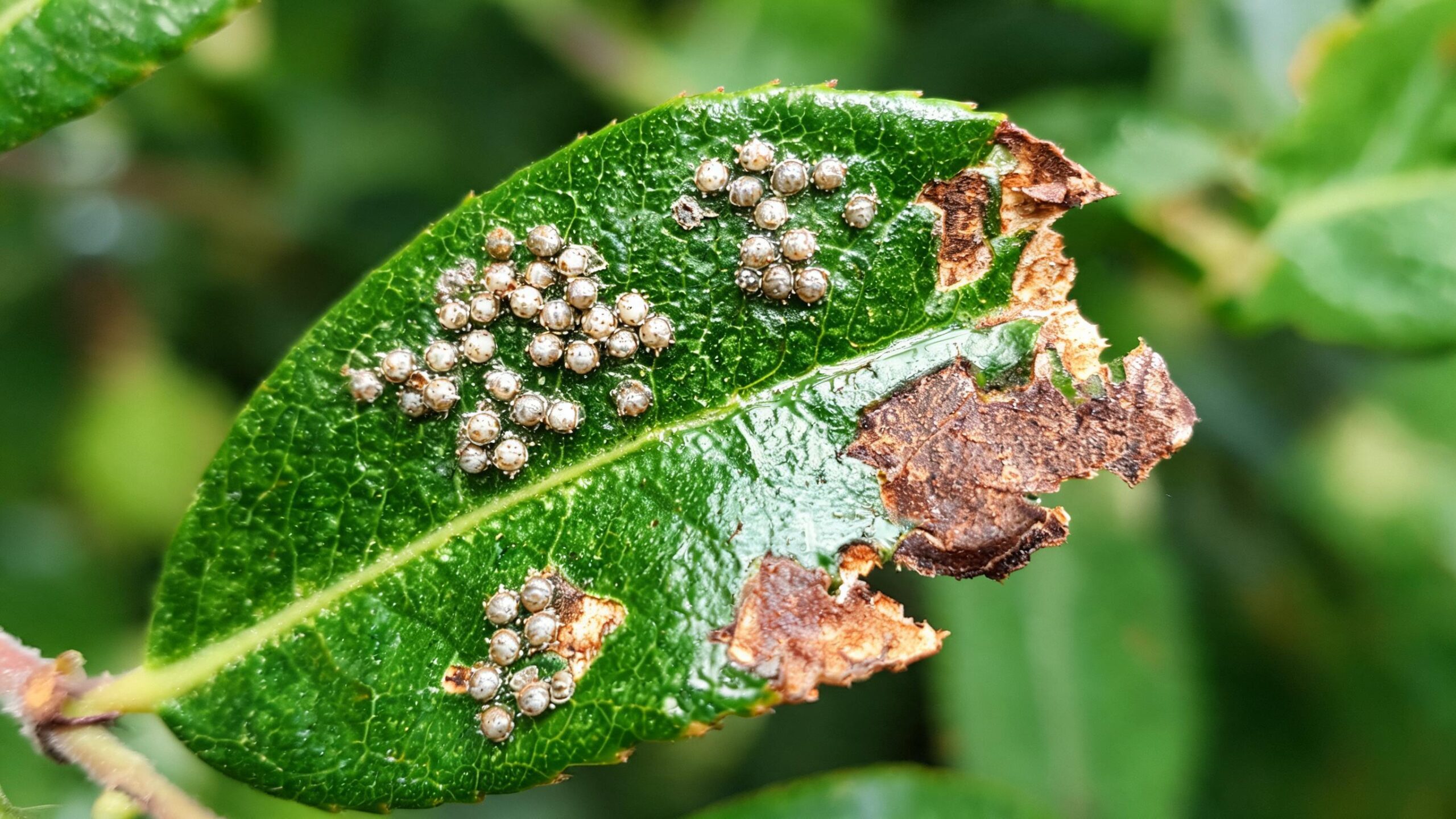
Scale insects and sooty mould: Hard wax scale and greedy scale can build up on stems, leading to sticky honeydew and sooty mould; horticultural oil sprays generally keep numbers in check.
Leafroller caterpillars: These roll and web leaves together, particularly on lower growth; hand removal or targeted spraying manages light infestations.
Leaf spot fungal disease: Appears as dark spots during humid or wet weather, or when the plant is stressed; improving airflow and avoiding overhead watering reduces occurrence.
Myrtle rust: Feijoas belong to the myrtle family, but current evidence suggests they are not significantly affected by myrtle rust, unlike pōhutukawa and other native myrtaceae.
Pruning Feijoa Trees
Prune lightly after harvest, ideally in late autumn or winter in mild areas, or hold off until early spring in frost-prone inland gardens. Thinning out crowded branches improves airflow, lets in sunlight for fruit ripening, and gives bees and birds easier access for pollination. Hedge-grown feijoas tolerate heavy shearing well, though this trims back flower buds and reduces fruit yield compared with a lightly pruned specimen tree.
Harvesting Feijoa: When and How
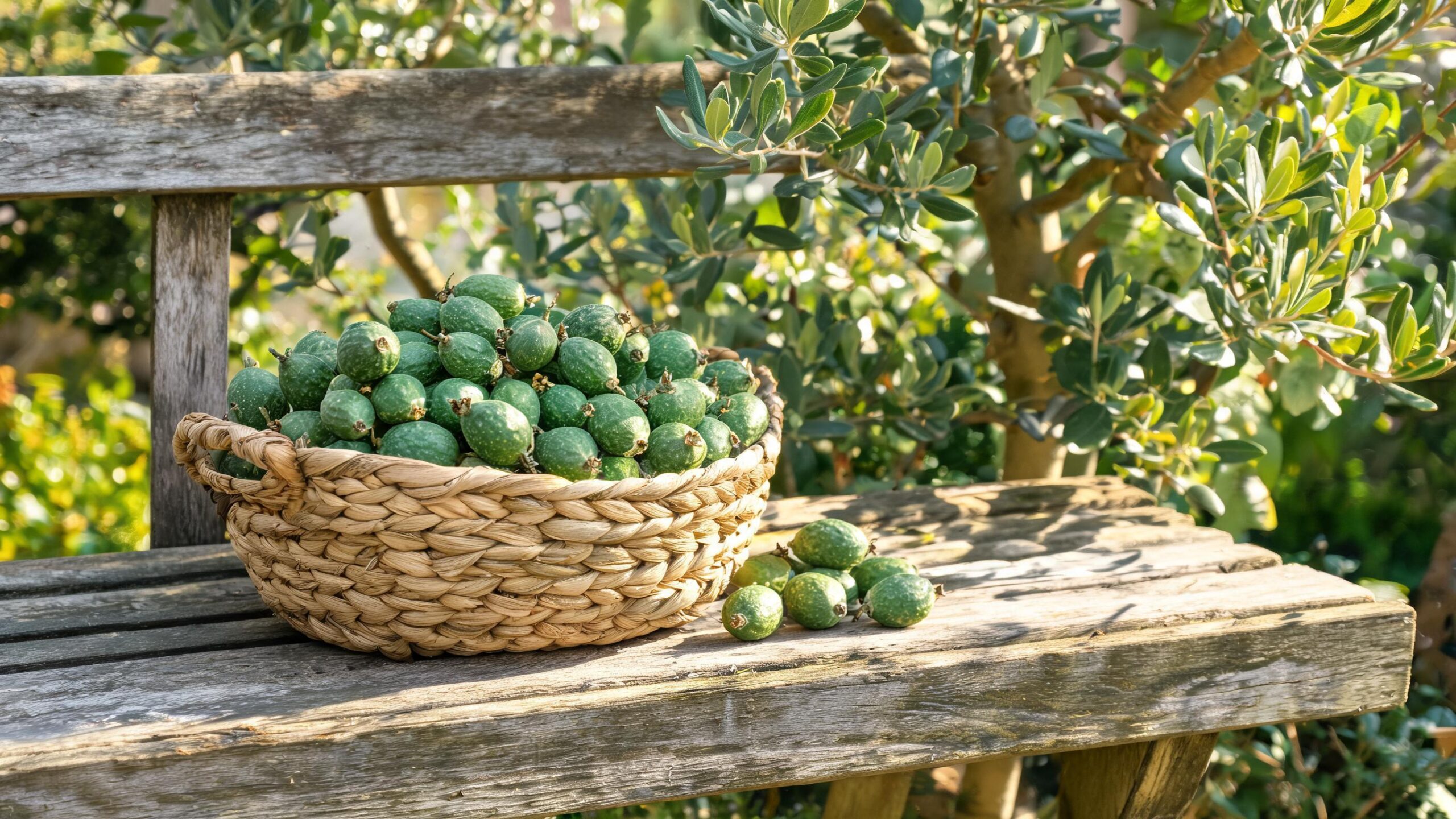
Feijoa harvest typically runs from February through to June, depending on variety, region, and season. The clearest sign of ripeness is windfall: once you notice fruit starting to drop naturally under the tree, it’s time to begin checking daily. Gently press the skin; ripe fruit gives slightly under thumb pressure. Feijoas are best left to ripen on the tree rather than picked hard, though they will continue to soften slightly after harvest if left at room temperature for a few days.
Key Takeaways for Growing Feijoa in NZ
Plant in autumn or spring, choosing autumn in mild regions and spring in frost-prone inland areas.
Grow at least two different varieties for reliable, heavy cropping.
Feed from spring to late summer and water deeply once fruit is developing.
Watch for guava moth in northern regions and manage fallen fruit promptly.
Harvest by monitoring windfall rather than by calendar date alone.
Frequently Asked Questions
Do I need two feijoa trees to get fruit?
You don’t strictly need two trees, since many varieties are self-fertile, but planting two or more different varieties dramatically improves fruit set and size. Bees and native birds transfer pollen between different flowering feijoas, so a single-variety tree often crops lighter than a garden with mixed varieties nearby.
How long does it take for a feijoa tree to fruit?
Most feijoa trees begin fruiting around two years after planting, though this varies with variety, growing conditions, and how well the tree is fed and watered in its early years. Container-grown trees from a garden centre are usually already 1–2 years old, so first fruit often appears sooner than growing from seed.
Can feijoas handle frost in Canterbury or Central Otago?
Established feijoa trees tolerate frost down to around -5°C, making them viable in many South Island gardens. Young trees are more vulnerable, so plant in spring once frosts ease, choose a sheltered, sun-facing spot, and protect first-winter plants with frost cloth in particularly cold inland pockets.
Why is my feijoa tree not producing fruit?
Poor fruiting usually comes down to lack of a compatible second variety for pollination, insufficient sunlight, or inconsistent watering during summer fruit development. Over-pruning or heavy hedge-shearing can also remove flower buds, so limit hard pruning to hedges you’re prioritising over fruit yield.
What’s the best fertiliser for feijoa trees in NZ?
A balanced citrus and fruit fertiliser applied from spring to late summer works well, alongside an annual dig-in of sheep pellets and compost to build long-term soil fertility. Blood and bone with added potassium is a solid alternative favoured by many Kiwi gardeners for boosting flowering and fruit set.
Can I grow feijoa in a pot on a small Auckland balcony?
Yes, compact varieties like Bambina grow well in large containers with good drainage, making feijoa a realistic option for balconies, courtyards, and small urban sections. Use a citrus and fruit potting mix, water more frequently than in-ground plantings, and feed regularly through the growing season.
What is causing rotten spots or fruit drop on my feijoas?
Rotten spots and premature fruit drop are most often linked to guava moth larvae tunnelling inside the fruit, particularly in Northland, Auckland, and Waikato. Anthracnose fungal disease and uneven watering can also cause dropped or spotted fruit, so promptly removing fallen fruit reduces pest and disease carryover season to season.
Growing Feijoa Successfully in Your NZ Garden
Mastering how to grow feijoa comes down to a handful of simple habits: right timing, the right variety mix, decent soil prep, and consistent summer watering. Whether you’re following a seasonal autumn gardening guide for your Waikato lifestyle block or squeezing a dwarf variety onto an Auckland balcony, feijoas remain one of the most forgiving, rewarding fruit trees you can plant in Aotearoa. Get your whenua ready this autumn, choose two complementary varieties, and you’ll be harvesting fragrant, homegrown feijoas by the bucketload for years to come.
We use cookies to improve your experience, analyze traffic, and display personalized ads.
By clicking "Accept", you consent to the use of cookies in accordance with our Privacy Policy.