How to Grow Indoor Herbs in NZ Winter: The Ultimate Guide
There is nothing quite like having access to fresh, vibrant flavours when the cold weather sets in. Knowing how to grow indoor herbs in NZ winter means you never have to settle for dried substitutes in your hearty stews, roasts, or winter salads. By bringing the right plants indoors, you can maintain a thriving, aromatic kitchen garden even while frost coats the ground outside.
In this guide, we will walk you through everything you need to know to transition your herb garden inside. From selecting the hardiest winter varieties to mastering sunlight, soil, and watering schedules in New Zealand’s unique winter climate, this comprehensive handbook covers it all.
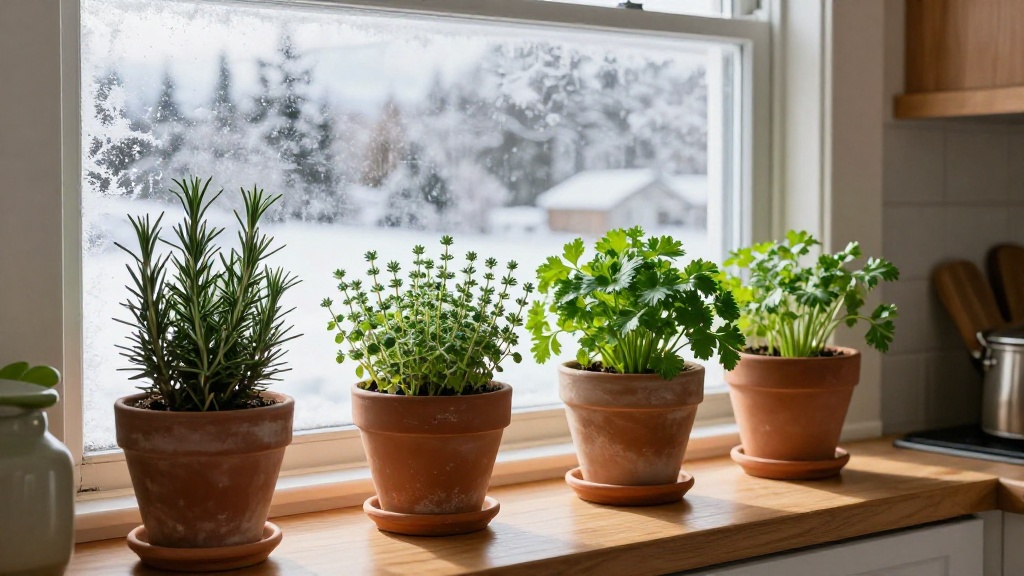
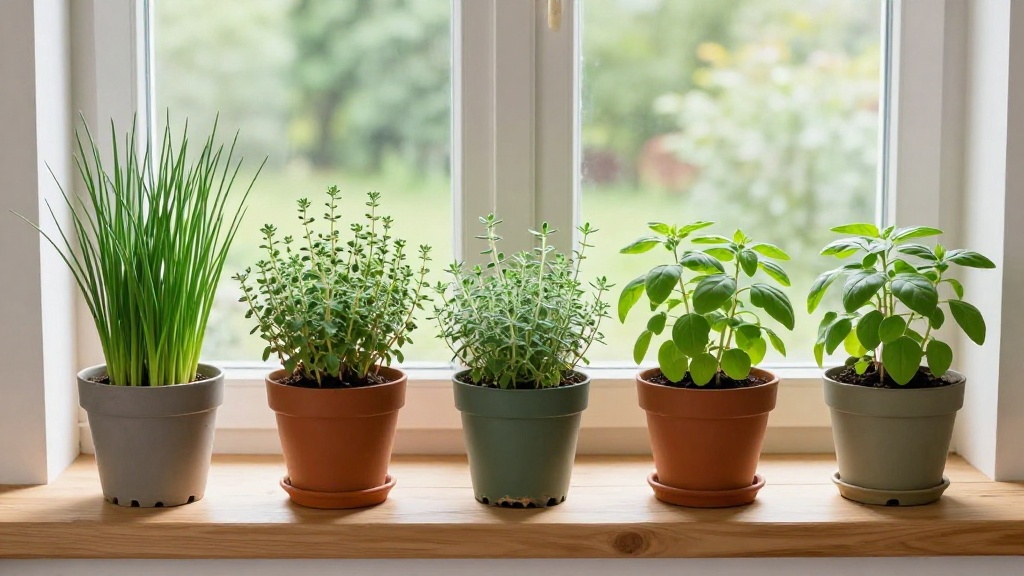
To successfully grow indoor herbs in NZ winter, choose hardy varieties like parsley, chives, thyme, and rosemary. Place them on a bright, north-facing windowsill to maximise sunlight, ensure pots have excellent drainage, and drastically reduce watering compared to summer months.
Best winter herbs: Parsley, chives, thyme, rosemary, mint, and oregano.
Light requirements: 4–6+ hours of direct sunlight, ideally on a north-facing windowsill.
Watering: Water only when the top 2.5 cm of soil is completely dry; use lukewarm water.
Temperature: Keep stable between 13°C and 24°C, away from cold drafts and direct heaters.
Why Grow Herbs Indoors During a New Zealand Winter?
As temperatures drop across New Zealand, from the frosty mornings of the Waikato to the freezing southerlies in Otago, many outdoor herbs stop growing or die back completely. Bringing your herbs indoors provides a climate-controlled sanctuary.
Indoor herb gardening during winter not only secures a steady supply of fresh culinary ingredients but also improves indoor air quality and brings a boost of green vitality into your home. The protected indoor environment shelters vulnerable plants from excessive winter rain, heavy frosts, and strong winds that can quickly rot roots or damage foliage.
Top Herbs That Thrive Indoors in Winter
Not all herbs are created equal when it comes to surviving inside during winter. Some require intense heat, while others are remarkably resilient to lower light and cooler room temperatures.
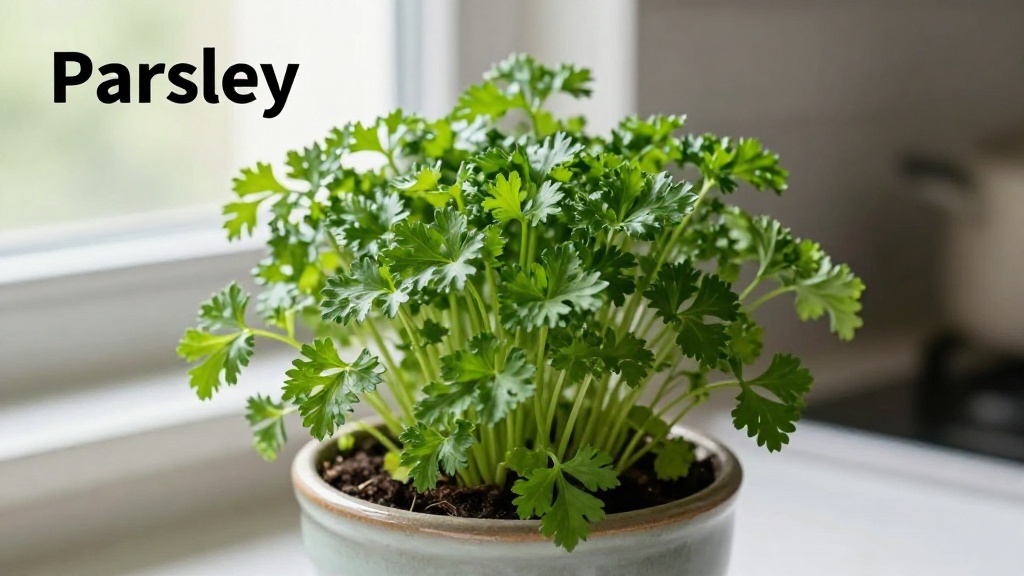
Parsley (Petroselinum crispum)
Parsley is an incredibly hardy winter staple. Whether you prefer curly or Italian flat-leaf, this herb adds immediate freshness to heavy winter soups and roasted root vegetables.
It prefers at least 6 hours of sunlight but can tolerate the slightly lower light of an east or west-facing window. It enjoys slightly damp conditions but will suffer if left with “wet feet.” Harvest the outer leaves first to encourage the central rosette to keep producing.
Chives (Allium schoenoprasum)
Chives are compact, easy to grow, and pack a mild onion flavour perfect for scrambled eggs or baked potatoes on a cold morning.
They only need about 4 to 6 hours of sunlight daily and can easily withstand average indoor temperature fluctuations (13°C to 24°C). If the air in your home gets too dry from winter heating, mist the leaves occasionally—dryness will cause the leaf tips to turn yellow.
Thyme (Thymus vulgaris)
Thyme’s intense flavour is a perfect match for winter crockpot stews and roasted meats. It is a tough, woody herb that handles indoor life brilliantly.
Thyme requires 6+ hours of sunlight. Let the top inch of the sandy, well-draining soil dry out completely between waterings. Once established, it is remarkably drought-tolerant, making it a low-maintenance indoor companion.
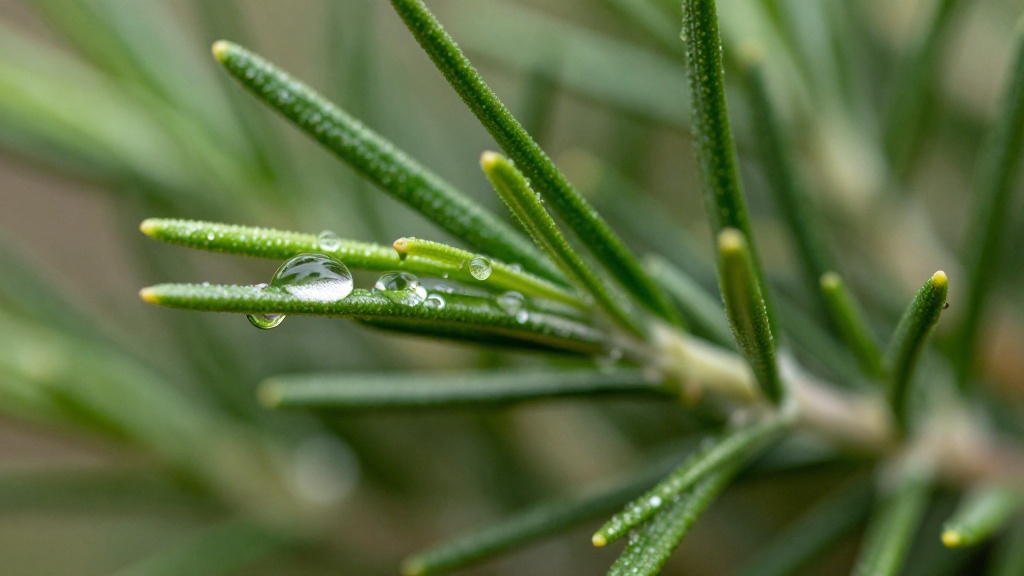
Rosemary (Salvia rosmarinus)
Rosemary is a Mediterranean classic that translates perfectly to the indoor winter garden. Its pine-like needles are essential for flavouring winter lamb roasts and potatoes.
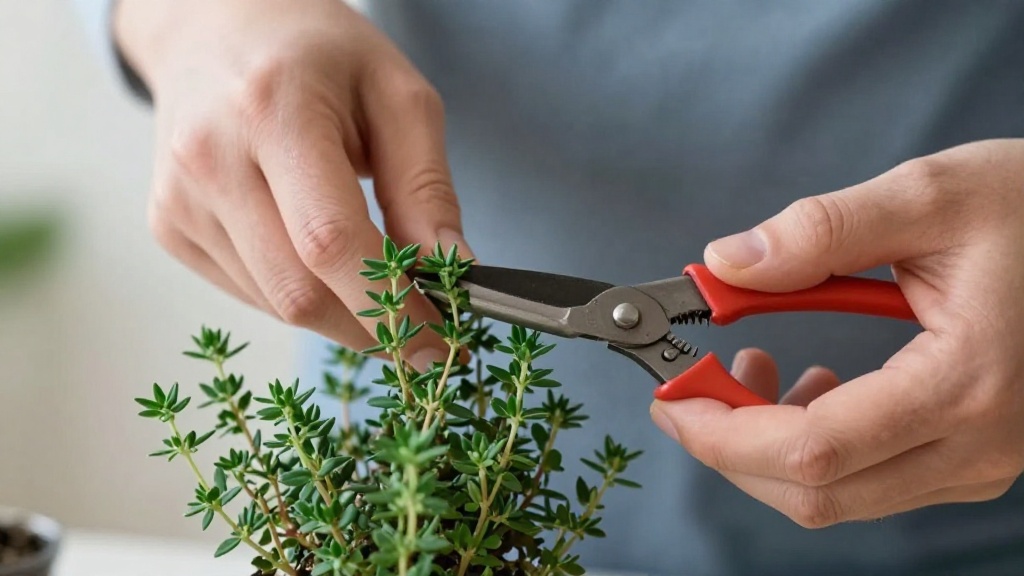
It needs maximum light (6+ hours) and prefers cooler indoor temperatures, ideally between 7°C and 21°C. Rosemary is highly susceptible to root rot, so it must dry out thoroughly between infrequent waterings. When harvesting, never take more than one-third of the plant at once.
Oregano (Origanum vulgare)
A household staple for pizzas and Italian winter bakes, oregano adapts well to container life.
It requires 6 to 8 hours of light and prefers to dry out between waterings. Trimming the plant frequently during winter will encourage a bushier, more compact growth habit, preventing it from becoming “leggy” in search of light.
Mint (Mentha)
Mint is famously vigorous and will happily grow on a windowsill. It is slightly more forgiving of lower light conditions than Mediterranean herbs.
Keep mint in its own container; otherwise, it will aggressively take over the pot and smother your other herbs. Keep the soil lightly moist.
A Note on Basil (Ocimum basilicum)
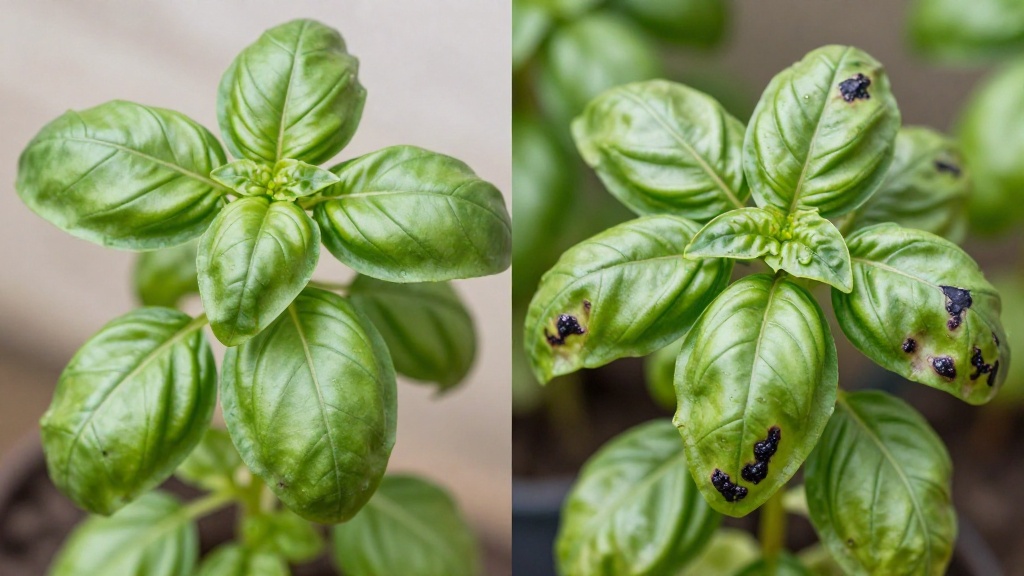
Basil is strictly a warm-weather, summer herb. While you can grow it indoors in winter, it requires a very warm, bright north-facing window, totally free of drafts, to survive. Many gardeners prefer to grow basil as microgreens during winter or wait until late spring to plant it outdoors.
Essential Indoor Herb Care for Winter
Sunlight and Lighting Requirements
Light is the biggest limiting factor for winter indoor herbs. The winter sun sits lower in the sky, and days are significantly shorter.
Place your herbs in the brightest spot available, typically a north-facing window in New Zealand. If your home lacks natural light, consider supplementing with a full-spectrum LED grow light. Without adequate light, herbs become spindly, weak, and less flavourful.
Watering Rules for Winter
Overwatering is the number one cause of indoor herb death during winter. Because plants are not actively growing at their summer pace, they transpire less water.
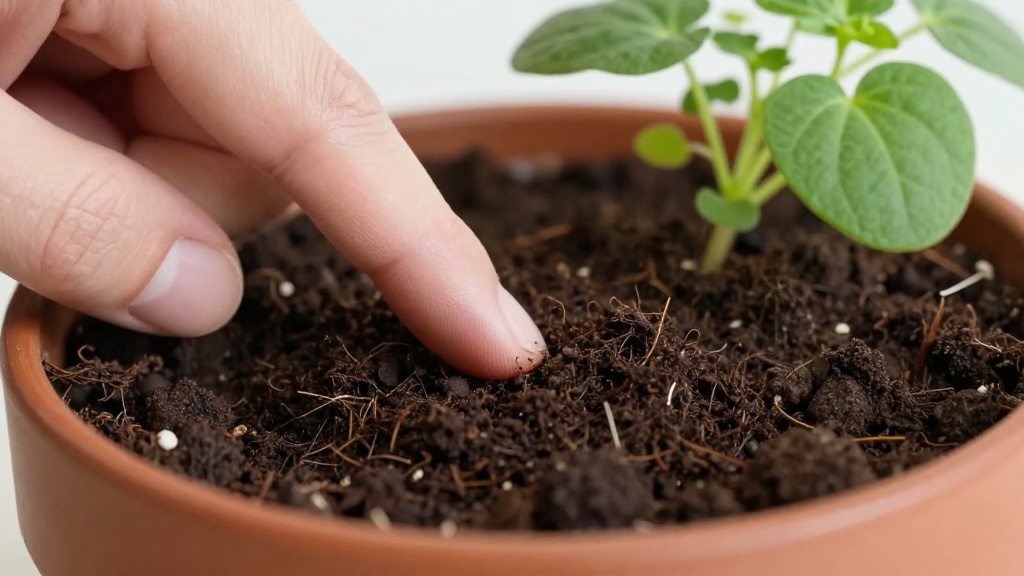
Always use the “finger test.” Poke your index finger into the potting mix up to the first knuckle. If it feels dry, it is time to water. If it feels moist, wait a few more days. Furthermore, always use tepid or lukewarm water; freezing cold tap water can shock the root systems of indoor plants.
Soil and Fertilising Needs
Herbs despise sitting in soggy soil. Standard garden dirt is too dense for pots. Use a premium, free-draining potting mix. Adding a handful of pumice or perlite will further improve drainage.
Because winter is a period of slow growth, reduce feeding dramatically. A half-strength application of liquid seaweed or a light organic fertiliser once every four to six weeks is more than enough. Over-fertilising in winter leads to weak, floppy growth that is highly susceptible to pests.
Controlling Temperature and Humidity
Indoor heating (wood burners, heat pumps) dries out the air, which can stress soft-leaved herbs. Keep plants away from direct heat sources. At night, the temperature immediately next to a glass window can drop freezing cold. Draw the curtains between the plants and the glass, or move them slightly away from the window overnight to prevent cold shock.
Herb Growth and Care Comparison Table
Use this handy reference guide to manage your indoor winter herbs:
Herb
Light Required
Watering Needs in Winter
Best Use
Parsley
4–6 hours
Keep slightly moist, do not overwater
Soups, stews, garnishes
Thyme
6+ hours
Allow top 2.5cm to dry completely
Roasts, slow-cooked meats
Rosemary
6+ hours
Water infrequently but thoroughly
Lamb, roasted root vegetables
Chives
4–6 hours
Water when surface is dry, mist occasionally
Eggs, potatoes, finishing dishes
Mint
4 hours
Keep consistently lightly moist
Teas, sauces, desserts
Common Mistakes When Growing Winter Herbs Indoors
Ignoring drainage holes: Never plant herbs in decorative pots without drainage holes. Water must be able to escape to prevent root rot.
Overcrowding pots: Give each herb space for air circulation to prevent fungal diseases like powdery mildew.
Watering on a schedule: Do not water every Sunday just because it is a routine. Always check the soil moisture first.
Placing near heat pumps: Direct, hot, dry air will desiccate leaves instantly.
Troubleshooting Common Indoor Herb Pests and Diseases
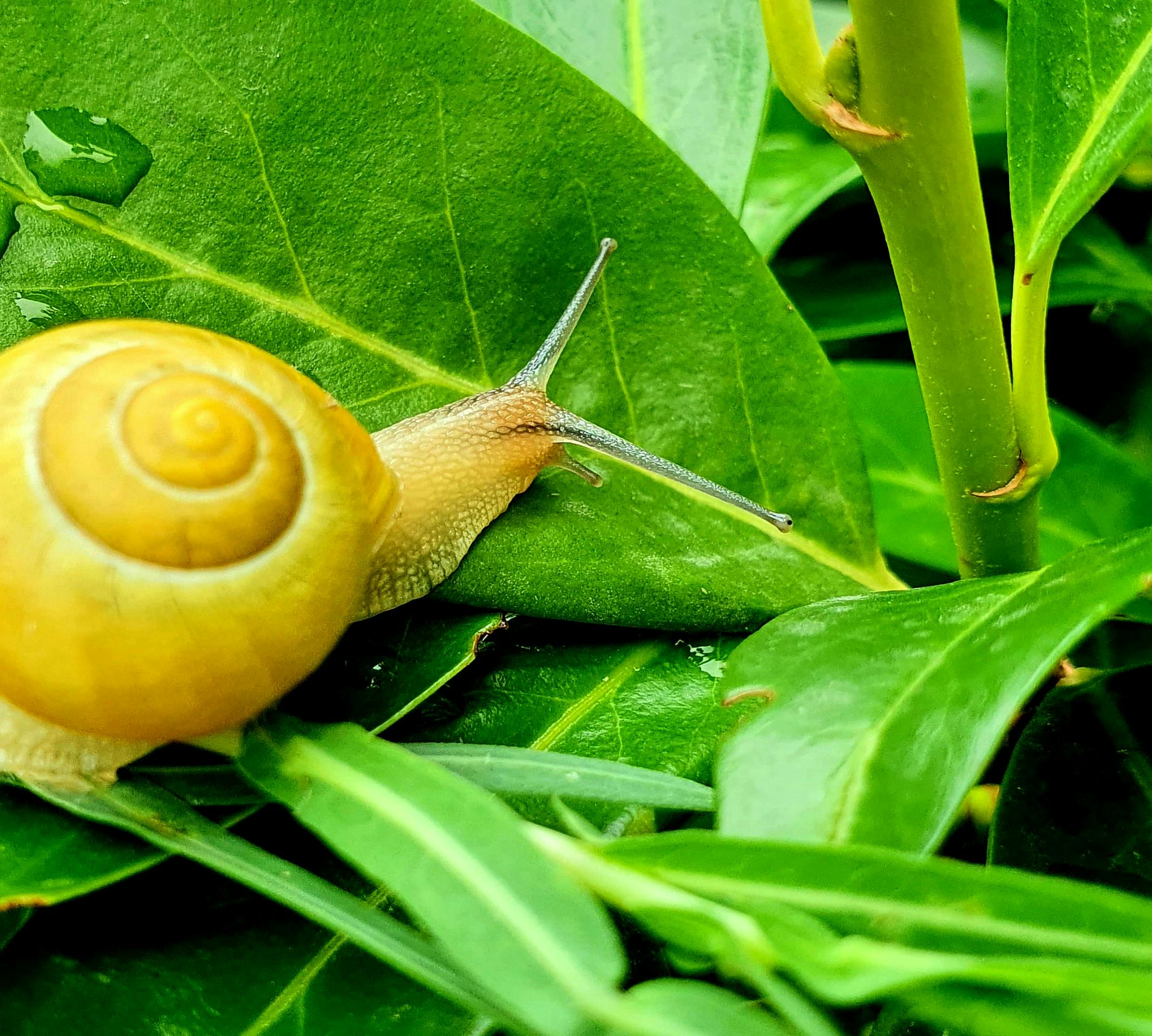
Even indoors, pests can find their way to your plants. Fungus gnats are the most common winter pest, usually indicating that your potting mix is too wet. Let the top layer of soil dry out completely to break their breeding cycle.
If you notice powdery white spots on leaves, this is powdery mildew, caused by poor air circulation and dampness. Remove affected leaves, move the plant to a better-ventilated area, and ensure you are only watering the soil, not splashing the foliage.
Frequently Asked Questions (FAQ)
Can I bring my outdoor potted herbs inside for the winter?
Yes, you can bring outdoor potted herbs inside. Before doing so, check them thoroughly for pests like aphids or spider mites. Give them a light prune to remove any dead or dying foliage, and place them in your brightest window to acclimatise them to lower indoor light.
Do I need to fertilise my indoor herbs during a New Zealand winter?
You should dramatically reduce fertilising in winter. Because daylight is shorter and cooler, herbs grow very slowly. Feed them with a half-strength liquid fertiliser only once every month or two. Excessive feeding can cause weak, spindly growth.
Why are the leaves on my indoor basil turning black and falling off?
Basil is highly sensitive to the cold. If leaves are turning black, the plant is likely suffering from cold shock caused by a drafty window or a sudden drop in overnight temperatures. Basil needs consistent warmth (above 15°C) and bright sunlight to survive indoors.
How do I stop fungus gnats in my indoor herb garden?
Fungus gnats thrive in constantly wet soil. The best remedy is to let the top two inches of your potting mix dry out entirely between waterings. You can also cover the surface of the soil with a thin layer of sharp sand or fine pumice to deter adults from laying eggs.
Can I grow herbs from seeds indoors during winter?
While possible, growing from seed indoors during winter is slow and difficult due to low light and cool soil temperatures. It is much easier to start with established nursery seedlings or propagate cuttings from existing outdoor plants.
Conclusion
Cultivating indoor herbs in NZ winter is a rewarding way to keep your kitchen stocked with fresh, aromatic ingredients when the garden outside is resting. By prioritising excellent drainage, maximising natural light on a north-facing windowsill, and carefully monitoring your watering habits, you can enjoy vibrant parsley, thyme, chives, and rosemary all season long. Grab a few pots, select your favourite hardy varieties, and bring the joy of gardening right onto your kitchen bench this winter.
We use cookies to improve your experience, analyze traffic, and display personalized ads.
By clicking "Accept", you consent to the use of cookies in accordance with our Privacy Policy.