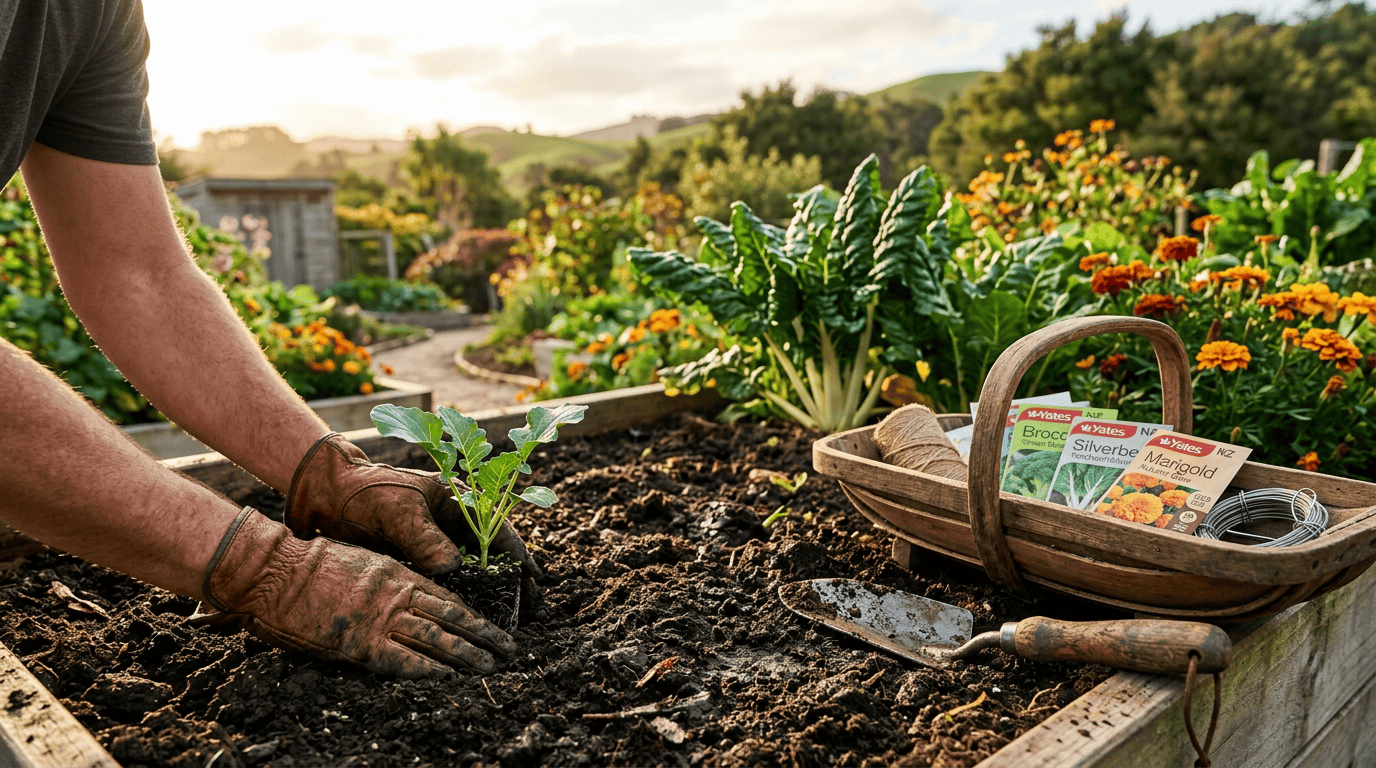
Spring Vegetable Planting Guide NZ: Your Complete Season-by-Season Sowing Calendar
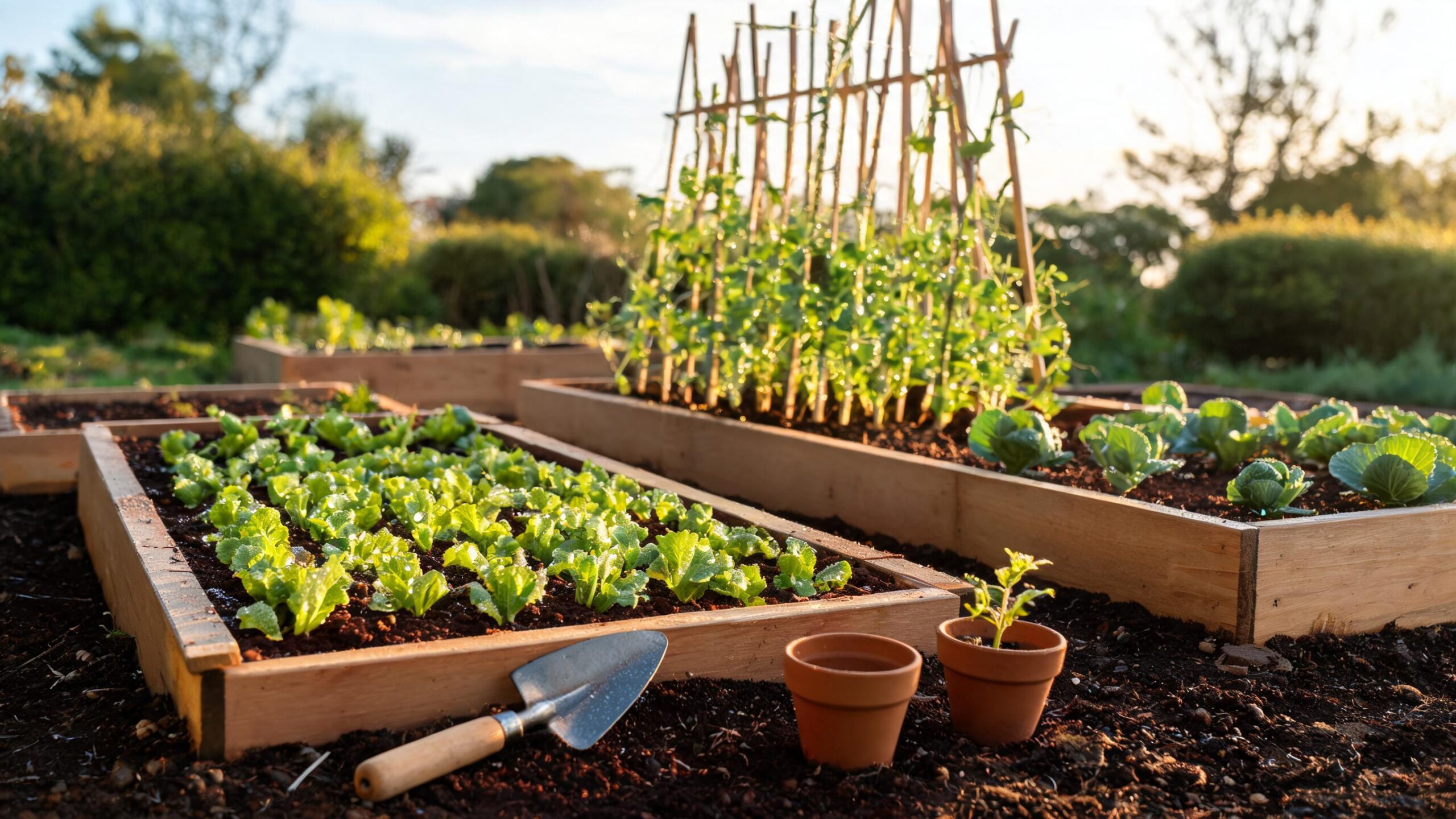
If you’ve ever stood in your garden in early September wondering whether it’s actually warm enough to plant your tomatoes, you’re not alone. Spring in Aotearoa is a season of contradictions—glorious sunny days followed by surprise frosts, especially inland. This spring vegetable planting guide NZ gardeners can trust cuts through the guesswork, giving you a clear, region-specific roadmap for what to plant, when, and how, from Northland’s subtropical warmth to Central Otago’s frosty mornings.
Whether you’re working a raised bed in Hamilton clay, a sandy Bay of Plenty plot, or a wind-battered Wellington balcony, this spring gardening guide will help you time your plantings for maximum success and avoid the classic Kiwi rookie mistake: planting frost-tender crops too early.
Spring (September–November) is NZ’s most active planting window. Cool-season crops like peas, spinach, and brassicas go in from early September, while frost-tender crops like tomatoes, courgettes, and beans wait until soil temperatures reach at least 15–16°C, typically mid-to-late October in most regions, or November in frost-prone areas.
October: plant potatoes, carrots, beetroot; start hardening off tomatoes and capsicums
November: plant out courgettes, pumpkins, beans, sweetcorn once frost risk has passed
Always check your last frost date before planting tender crops
Soil temperature matters more than the calendar date—use a soil thermometer if unsure
Understanding NZ’s Spring Growing Conditions
Spring officially runs September through November in the Southern Hemisphere, but “spring” behaves very differently depending on where you garden. Soil temperature—not air temperature—determines when seeds germinate reliably and when tender seedlings survive being planted out.
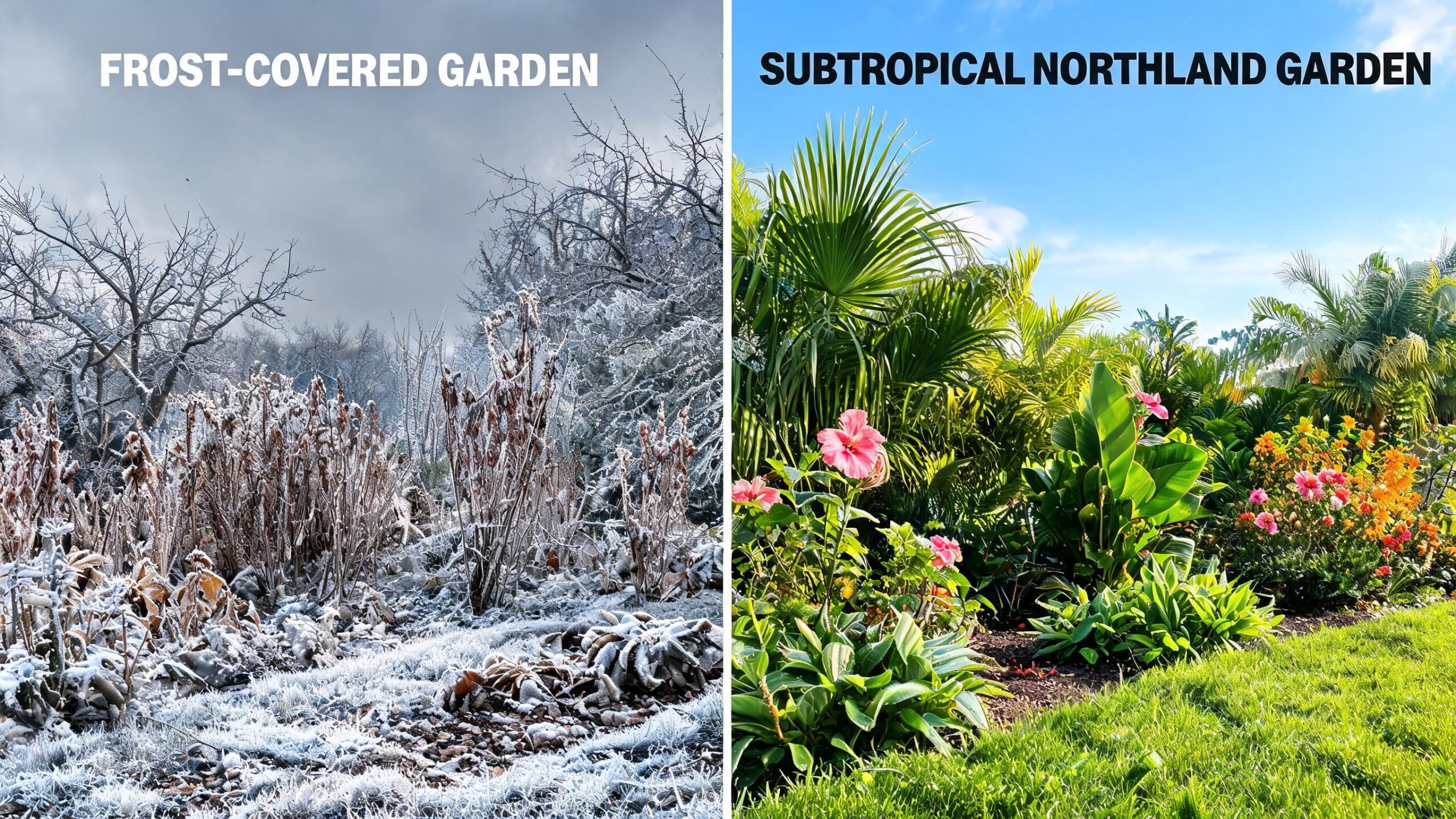
Regional Microclimates: Why Timing Varies So Much
New Zealand’s growing regions span a huge climatic range, and your spring vegetable planting guide NZ timeline should flex accordingly.
Northland/Auckland (subtropical): Frost is rare. Tomatoes and courgettes can often go in by early-mid October.
Waikato/Bay of Plenty (temperate): Reliable frost-free planting for tender crops from late October, though inland Waikato pockets (like rural Hamilton fringes) can still get late frosts into early October.
Wellington/Manawatū: Wind is the bigger enemy here—stake and shelter young plants even after frost risk passes.
Canterbury/Central Otago (alpine, frost-prone): Last frosts can linger into November. Wait for soil to warm before planting tender crops, and consider cloches for an early start.
Kiwi gardeners often notice that even within one town, a sheltered north-facing spot against a fence warms weeks earlier than an open, exposed plot—so treat your own whenua as its own microclimate.
Soil Preparation Before You Plant
Good soil is the foundation of any successful spring garden. Most NZ soils—whether volcanic clay in Auckland, sandy loam in Canterbury, or peat in parts of Waikato—benefit from early spring conditioning.
Test pH: most vegetables prefer 6.0–7.0; add lime if your soil is acidic (common in Waikato peat soils)
Dig in aged compost or sheep pellets 2–3 weeks before planting
Apply blood and bone as a base fertiliser for root and leaf crops
Ensure raised beds and clay soils have good drainage—add gypsum to heavy clay to improve structure
Mulch pathways early to suppress spring weed flush
Spring Vegetable Planting Guide NZ: Month-by-Month Calendar
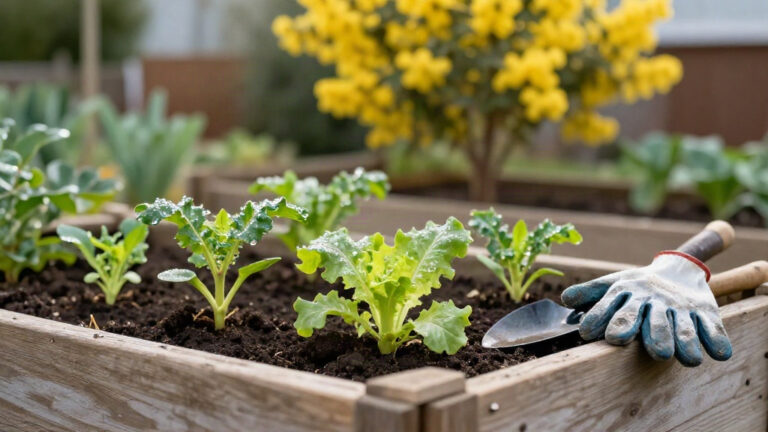
Early Spring (September): Cool-Season Crops
September is prime time for crops that tolerate cool soil and occasional light frost.
Vegetable
Sow/Plant Method
Spacing
Notes
Peas
Direct sow
5cm apart
Provide trellis; tolerates light frost
Broad beans
Direct sow
15cm apart
Nitrogen-fixing; good soil builder
Spinach
Direct sow
10cm apart
Bolts quickly once warm—harvest early
Brassica seedlings
Transplant
40–50cm apart
Broccoli, cabbage; watch for white butterfly
Lettuce
Direct sow or transplant
20–25cm apart
Choose bolt-resistant varieties as it warms
Potatoes (early)
Plant seed potatoes
30cm apart, 60cm rows
Chit indoors first in cold regions
Mid-Spring (October): Transition Crops
October is the pivot point—cool-season crops finish, and you begin hardening off tender seedlings for planting once frost risk drops.
Carrots and beetroot: direct sow now; thin seedlings to avoid forked roots in clay soils
Silverbeet and chard: reliable, low-maintenance leafy greens for beginners
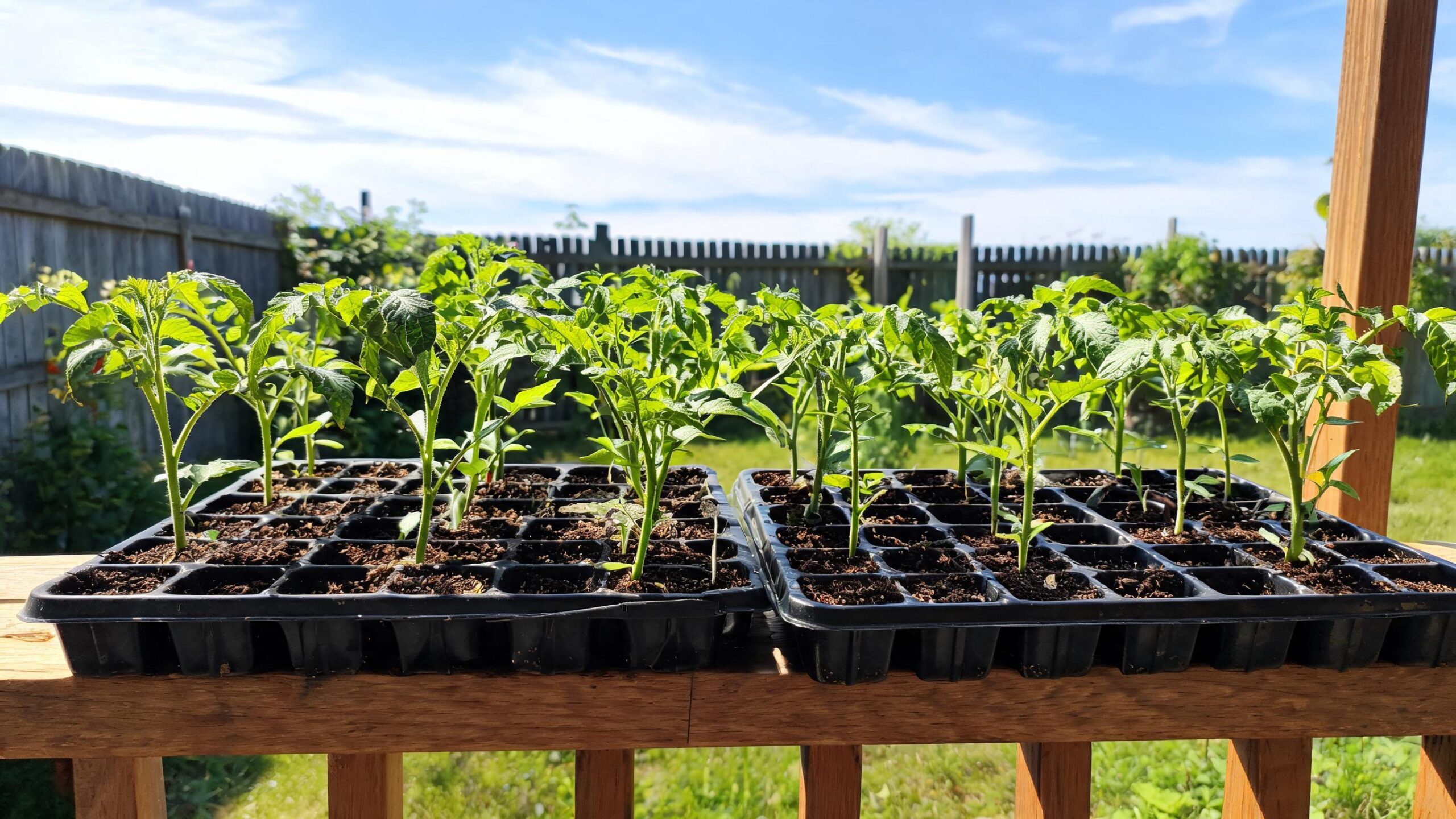
Tomatoes and capsicums: begin hardening off indoor-raised seedlings outdoors during the day
Herbs: basil, parsley, and coriander can go in once nights are consistently above 10°C
Late Spring (November): Frost-Tender Crops
By November, most regions (excluding frost-prone inland Canterbury and Central Otago) are safe for tender summer crops.
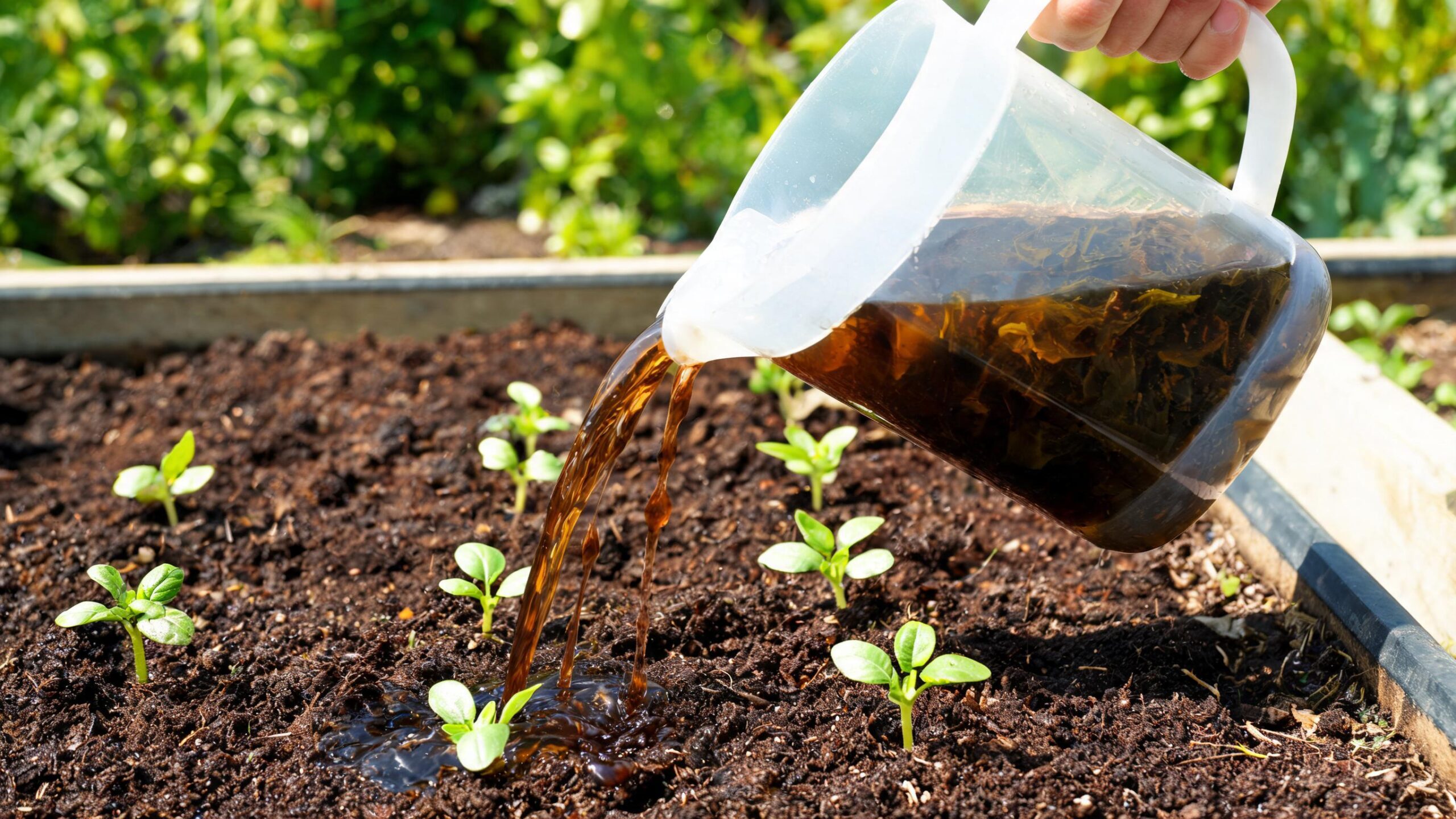
Tomatoes: plant out with stakes/cages; feed with seaweed tea fortnightly
Courgettes and pumpkins: need warm soil (16°C+) and plenty of space
Beans (dwarf and climbing): direct sow once frost risk passes
Sweetcorn: plant in blocks (not rows) for better wind pollination
Cucumbers: provide trellising and consistent moisture
Common Spring Pests to Watch For
Spring growth flush also means pest pressure ramps up. A good spring gardening guide always includes pest vigilance, since early intervention prevents bigger problems later.
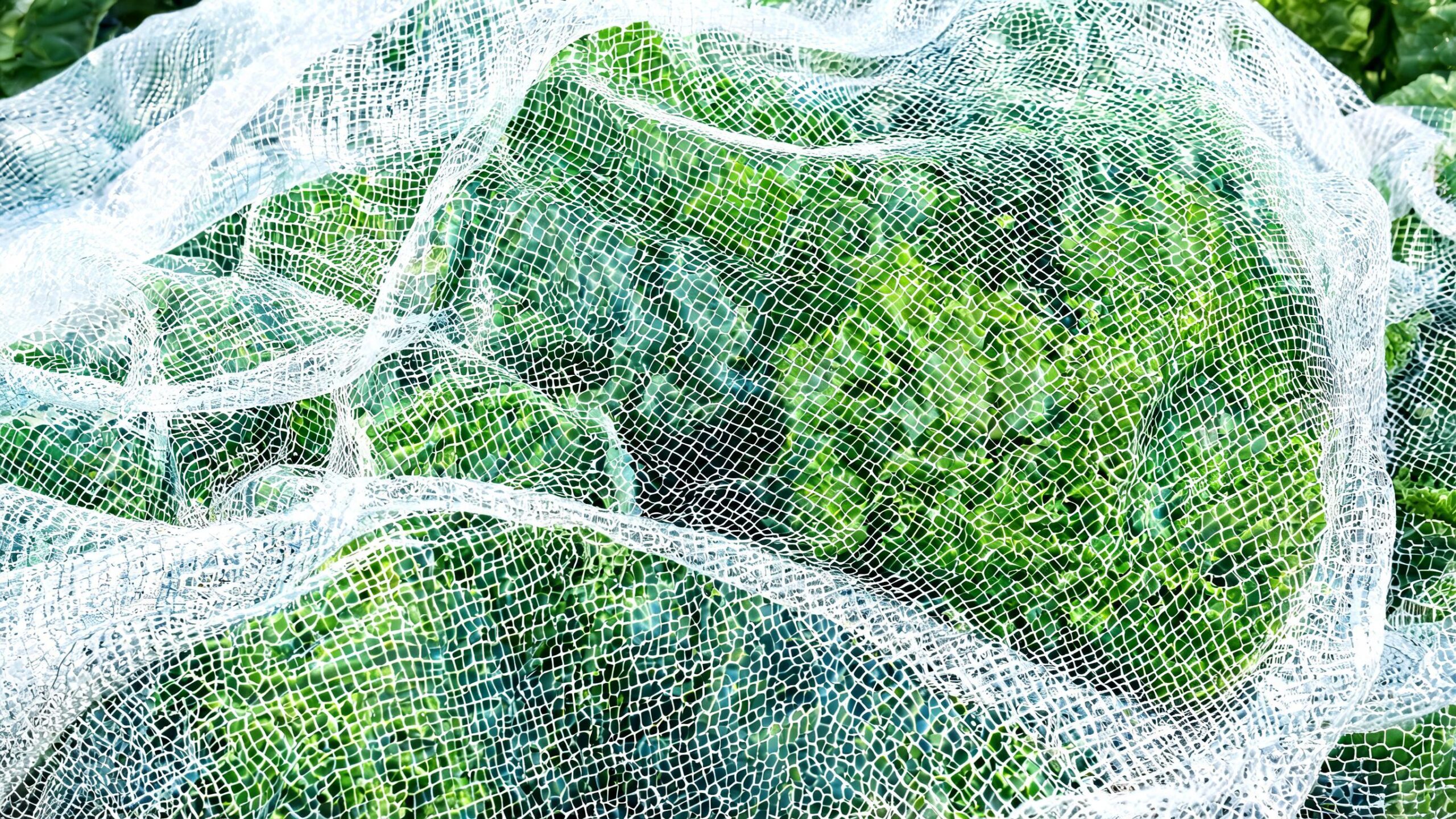
White butterfly: netting over brassicas is the most effective non-chemical control
Aphids: check undersides of leaves; a strong water spray or soap solution often suffices
Slugs and snails: particularly damaging to new seedlings in damp Waikato and Auckland gardens
Passionvine hopper: emerging nymphs can be seen on many vegetable crops in warmer regions from October
Spring’s variable weather means watering needs shift quickly from wet to dry.
Water seedlings gently and consistently—avoid letting them dry out between spring showers
Apply diluted seaweed/kelp tea fortnightly to reduce transplant shock
Side-dress heavy feeders (tomatoes, courgettes) with sheep pellets as they establish
Mulch around plants once soil has warmed to retain moisture and suppress weeds
Key Takeaways
Cool-season crops (peas, brassicas, spinach) go in from early September
Frost-tender crops wait until soil reaches 15–16°C, usually late October to November
Regional variation matters—Northland can plant weeks earlier than Central Otago
Soil prep with compost, blood and bone, and pH testing sets up spring success
Netting and early pest monitoring prevent major spring infestations
Frequently Asked Questions
When is it safe to plant tomatoes outside in NZ?
Most regions are safe from late October once overnight temperatures stay reliably above 10°C. In frost-prone inland areas like Central Otago or inland Canterbury, wait until mid-to-late November. Always harden off seedlings for a week before planting, and keep frost cloth handy for surprise cold snaps.
What vegetables can I plant in September in NZ?
September suits cool-season crops: peas, broad beans, spinach, lettuce, brassica seedlings, and early potatoes. These tolerate light frost and cooler soil, making them ideal for the transition from winter to spring across most NZ regions.
How do I know if my soil is warm enough for planting?
Use a simple soil thermometer inserted 10cm deep in the morning. Most tender summer crops need consistent soil temperatures of 15–16°C. If you don’t have a thermometer, wait until weeds are actively growing again—it’s a reliable natural indicator.
My Waikato clay soil gets waterlogged in spring—what should I do?
Improve drainage by adding gypsum and organic matter like compost or sheep pellets. Raised beds are particularly effective for clay-heavy sections around Hamilton, as they warm faster and drain better than in-ground plots.
Do I need to protect seedlings from frost in spring?
Yes, especially in frost-prone inland regions. Use frost cloth, cloches, or temporary covers overnight when a cold snap is forecast, even after your “safe” planting date has passed. Spring frosts can arrive unexpectedly even in typically mild areas.
Can I start seeds indoors before spring in NZ?
Absolutely. Starting tomatoes, capsicums, and courgettes indoors in August under lights or on a warm windowsill gives you a head start, allowing you to transplant sturdy seedlings once outdoor conditions are favourable in October or November.
Conclusion: Get Growing This Spring
Following a considered spring vegetable planting guide NZ approach—rather than a generic calendar—means working with your local conditions, not against them. Test your soil, watch the weather, and let your region’s microclimate guide your planting dates rather than rushing in too early. With good soil prep, timely sowing, and a little pest vigilance, your spring garden will reward you with a strong start to summer’s harvest. Get your hands in the whenua, trust the process, and enjoy watching your garden come alive this season.
We use cookies to improve your experience, analyze traffic, and display personalized ads.
By clicking "Accept", you consent to the use of cookies in accordance with our Privacy Policy.