Carrots in Raised Beds vs Ground: The Best Way to Grow Carrots in NZ Gardens
If you’ve ever pulled up a twisted, forked carrot from your Waikato clay patch and wondered where you went wrong, you’re not alone. Choosing between carrots raised beds vs ground is one of the most common questions Kiwi gardeners ask, and the honest answer is: it depends entirely on your soil, your region, and how much you want to fight nature versus work with it. Understanding how to grow carrots successfully in Aotearoa starts with knowing which growing method suits your whenua, because carrots are famously fussy about what’s beneath the surface.
Across New Zealand, from the volcanic loams of the Bay of Plenty to the heavy clay pans common around Hamilton and the free-draining Canterbury plains, soil structure makes or breaks a carrot crop. This guide breaks down exactly when raised beds win, when direct ground sowing is the smarter (and cheaper) choice, and how to set either method up for straight, sweet, blemish-free roots.
Quick Answer: Raised Beds or Ground for Carrots in NZ?
Raised beds are the better choice for most home gardeners with heavy clay, compacted, or rocky soil, because they let you build a deep, loose, stone-free root zone from scratch. Ground growing works well if you already have naturally deep, well-drained, stone-free sandy loam or have spent seasons improving your soil structure with compost and gypsum.
Raised beds suit clay-heavy regions like inland Waikato, parts of Auckland, and South Canterbury foothills where drainage and compaction are ongoing issues.
Ground growing suits naturally sandy or well-drained loam soils, such as those found in parts of Pukekohe, Horowhenua, and coastal Canterbury.
Both methods demand at least 30cm of loose, lump-free, unfertilised-with-fresh-manure soil for straight roots.
Raised beds warm faster in spring, giving an earlier sowing window in frost-prone inland areas.
Ground beds are cheaper to establish and better suited to larger-scale home vege patches or crop rotation systems.
Why Soil Structure Decides Everything for Carrots
Carrots are a root crop, which means the vegetable you eat literally has to shove its way through the soil profile as it grows. Any obstruction — a stone, a lump of clay, a stick, or a patch of compaction — forces the taproot to fork, twist, or stunt. This is why soil preparation matters more for carrots than almost any other vegetable in the patch.
According to Te Puni Kōkiri’s commercial carrot growing fact sheet, even at a commercial scale carrots need deep, well-drained soils to produce the straight, smooth roots that fetch top price — stony, dense, or poorly drained ground results in poor yields and misshapen crops. That same principle applies directly to your backyard plot, just at a smaller scale.
The Clay Soil Problem in NZ Gardens
A huge amount of New Zealand’s residential land, particularly in Hamilton, parts of Auckland, and inland Waikato, sits on heavy clay or clay-loam subsoil. Clay holds water beautifully in summer but compacts hard, drains poorly, and bakes into a crust that a delicate carrot taproot simply cannot push through. Kiwi gardeners often notice their carrots coming out short, forked, or “hairy” with excess lateral roots when grown directly in unimproved clay — this is the soil fighting back, not a failure of technique.
Growing Carrots in Raised Beds: The Case For It
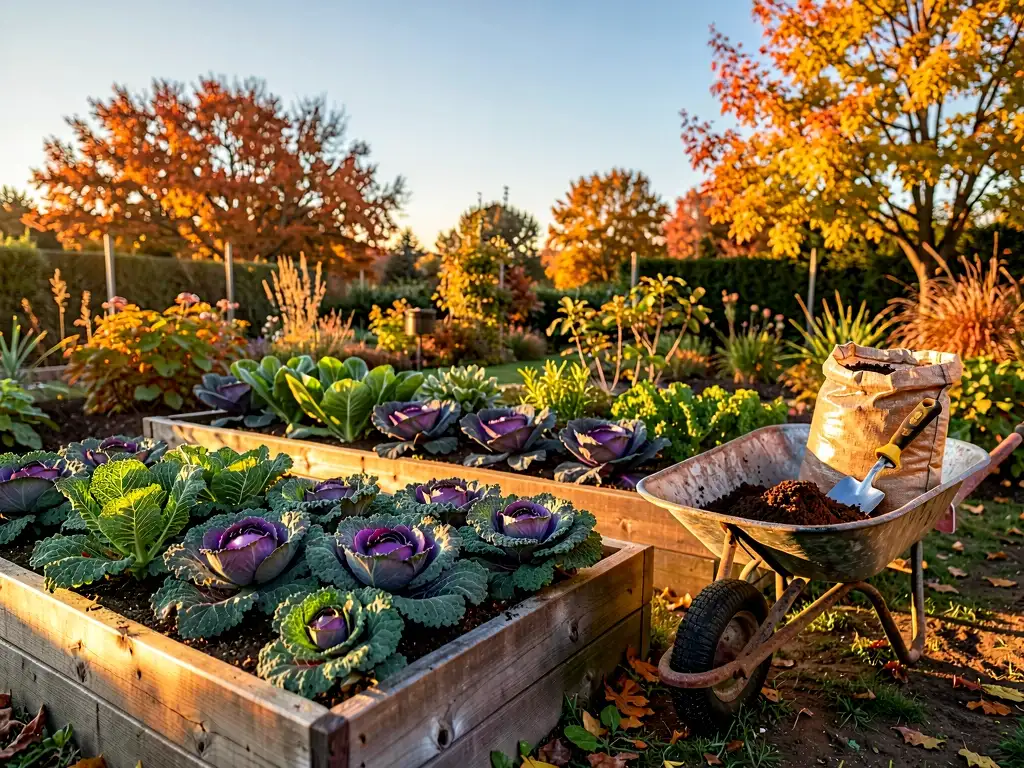
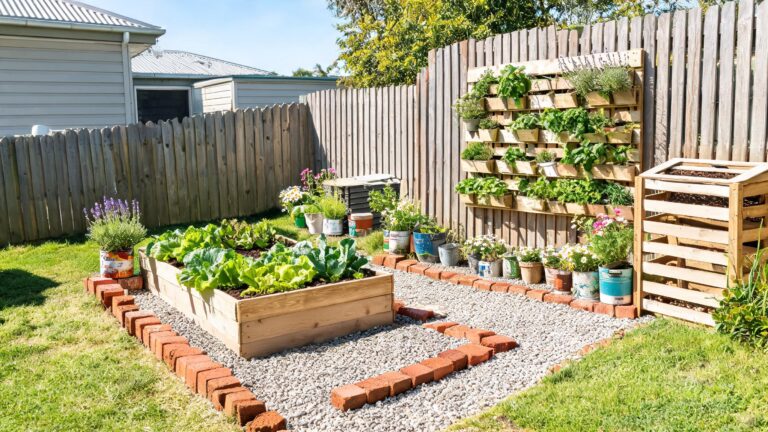
Raised beds give you total control over the root zone. By building up 30–40cm of imported soil or purpose-made vegetable mix above your existing ground, you sidestep clay, compaction, and drainage problems entirely.
Advantages of Raised Beds for Carrots
Depth on demand: A raised bed 30–40cm deep filled with a loose vegetable or seed-raising mix gives carrots the uninterrupted root run they need, regardless of what’s underneath.
Superior drainage: Elevated beds shed excess water fast, which matters hugely in high-rainfall regions like Taranaki and the West Coast, or during Waikato’s wet winters and spring downpours.
Faster spring warm-up: Raised beds warm several degrees quicker than ground level in early spring, letting frost-prone inland Waikato, Canterbury, and Central Otago gardeners get an earlier carrot sowing underway.
Fewer weeds and stones: Starting with clean, imported mix means none of the stones, couch grass, or old builders’ rubble that plague many suburban sections.
Easier access: Less bending for weeding and thinning, a genuine benefit for older gardeners or those with back issues.
Setting Up a Raised Bed for Carrots
Choose a sunny spot with at least 6 hours of direct sun daily.
Build or buy a bed at least 30cm deep — 40cm is better for longer varieties like Nantes or Chantenay types.
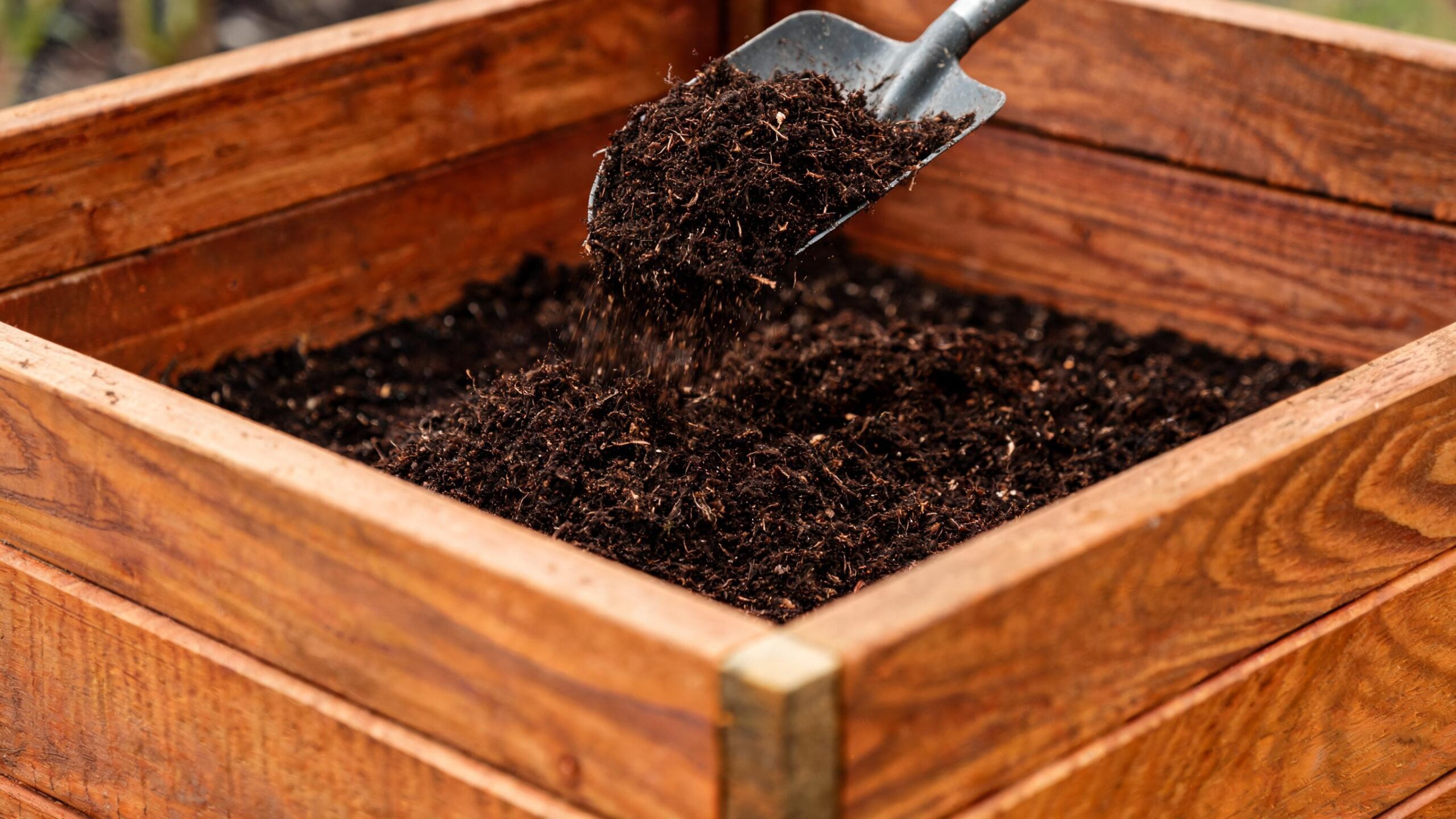
Fill with a fine, stone-free vegetable growing mix blended with mature compost. Avoid fresh manure, which causes forking.
Rake to a fine, crumbly tilth so tiny carrot seeds make good soil contact.
Mix a small amount of blood and bone or a balanced vegetable fertiliser through the top 10cm — go easy on nitrogen, which promotes leafy tops over root development.
Sow seed thinly in shallow drills 5mm deep, rows 20–30cm apart, then cover lightly and water with a fine rose to avoid dislodging seed.
Growing Carrots Direct in the Ground: The Case For It
Ground growing remains the traditional, lower-cost approach, and it works beautifully where the underlying soil is already suitable. It’s also the only practical option for larger vege patches or anyone growing carrots at a semi-commercial scale on a lifestyle block.
Advantages of Ground Growing for Carrots
No build cost: No timber, corrugated iron, or imported mix required — just your existing soil, prepared properly.
Better for larger plantings: If you want a full row or bed of carrots for preserving, juicing, or selling at the gate, ground beds scale far more affordably than raised structures.
Deeper natural root run: Well-structured ground soil, once improved, offers unlimited depth compared to the fixed depth of a raised bed.
Supports crop rotation: Easier to rotate carrots through different sections of an open garden to manage root knot nematode and disease pressure.
Preparing Ground Soil for Carrots
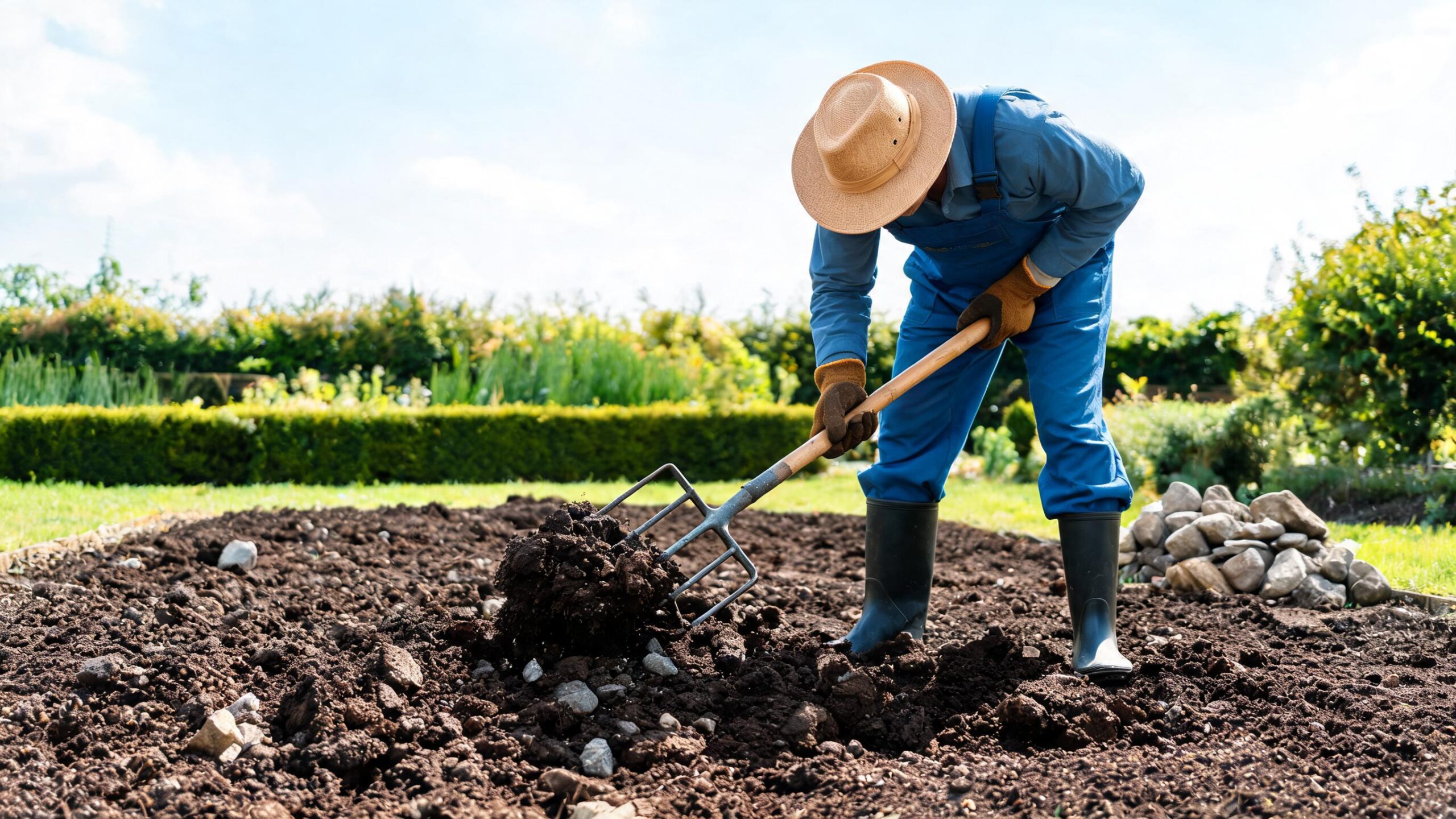
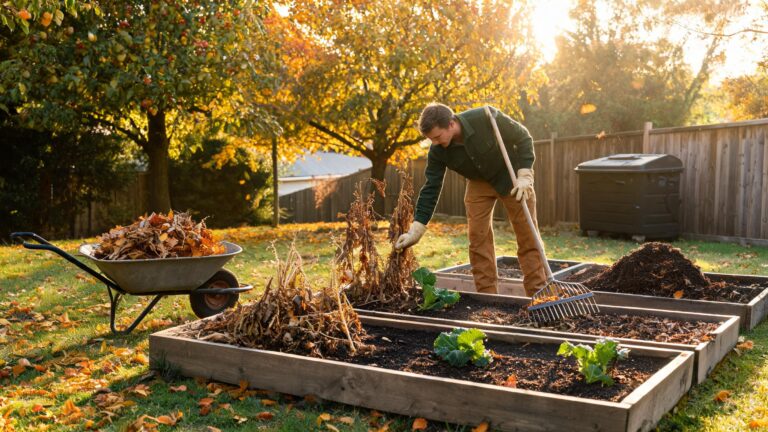
Dig or fork the bed to at least 30cm depth, breaking up any compaction.
Remove every stone, stick, and clod of clay you can find — this step genuinely determines root shape.
If soil is heavy clay or loam, work in horticultural sand or gypsum to lighten the texture and improve drainage.
Choose a bed that grew a leafy crop last season and hasn’t been freshly manured — carrots dislike rich, freshly fed ground and will fork in response to it.
Add only well-rotted compost, never fresh animal manure, in the weeks before sowing.
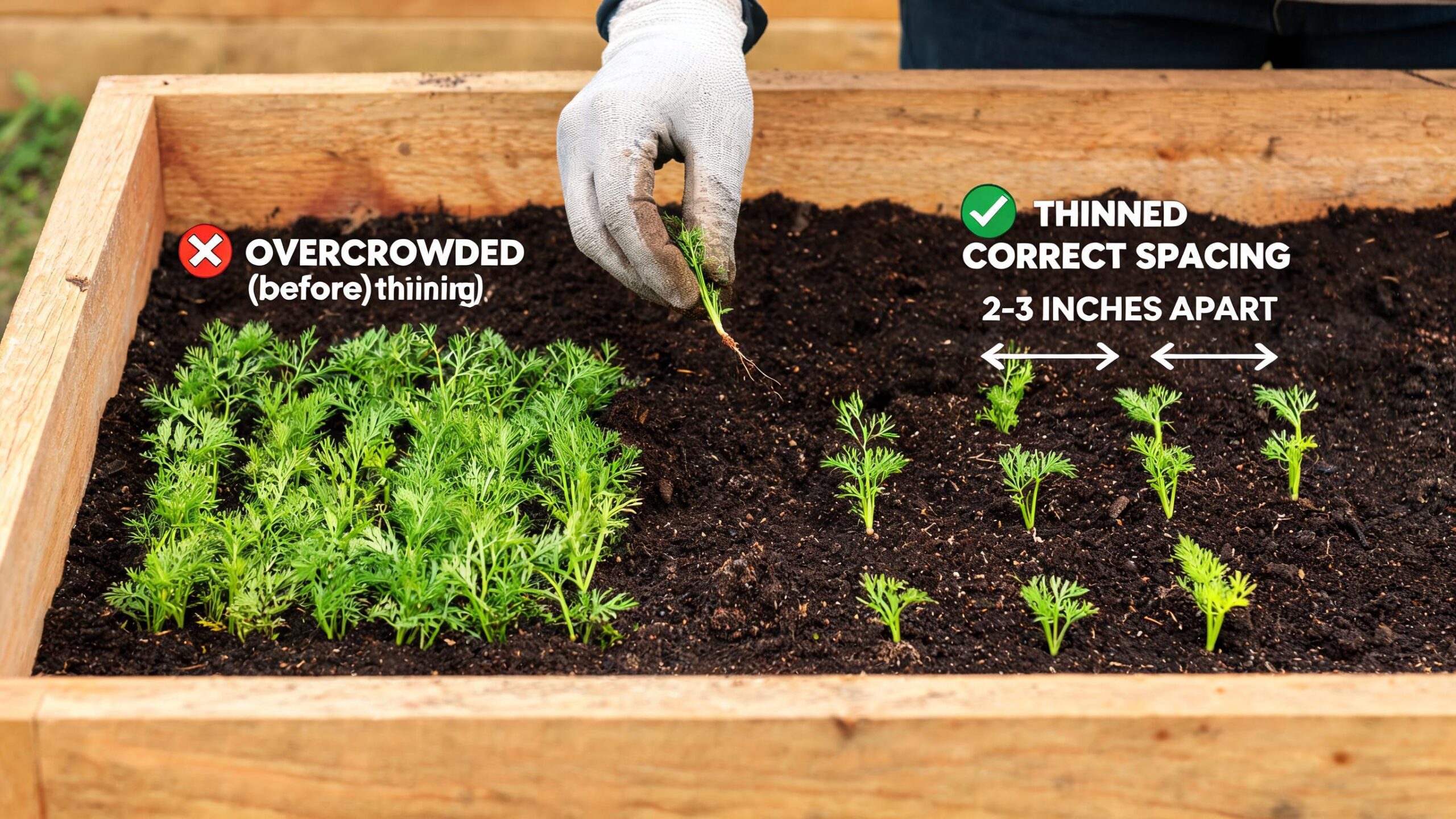
Rake to a fine tilth, sow thinly in shallow drills, and keep consistently moist until germination, which can take up to three weeks.
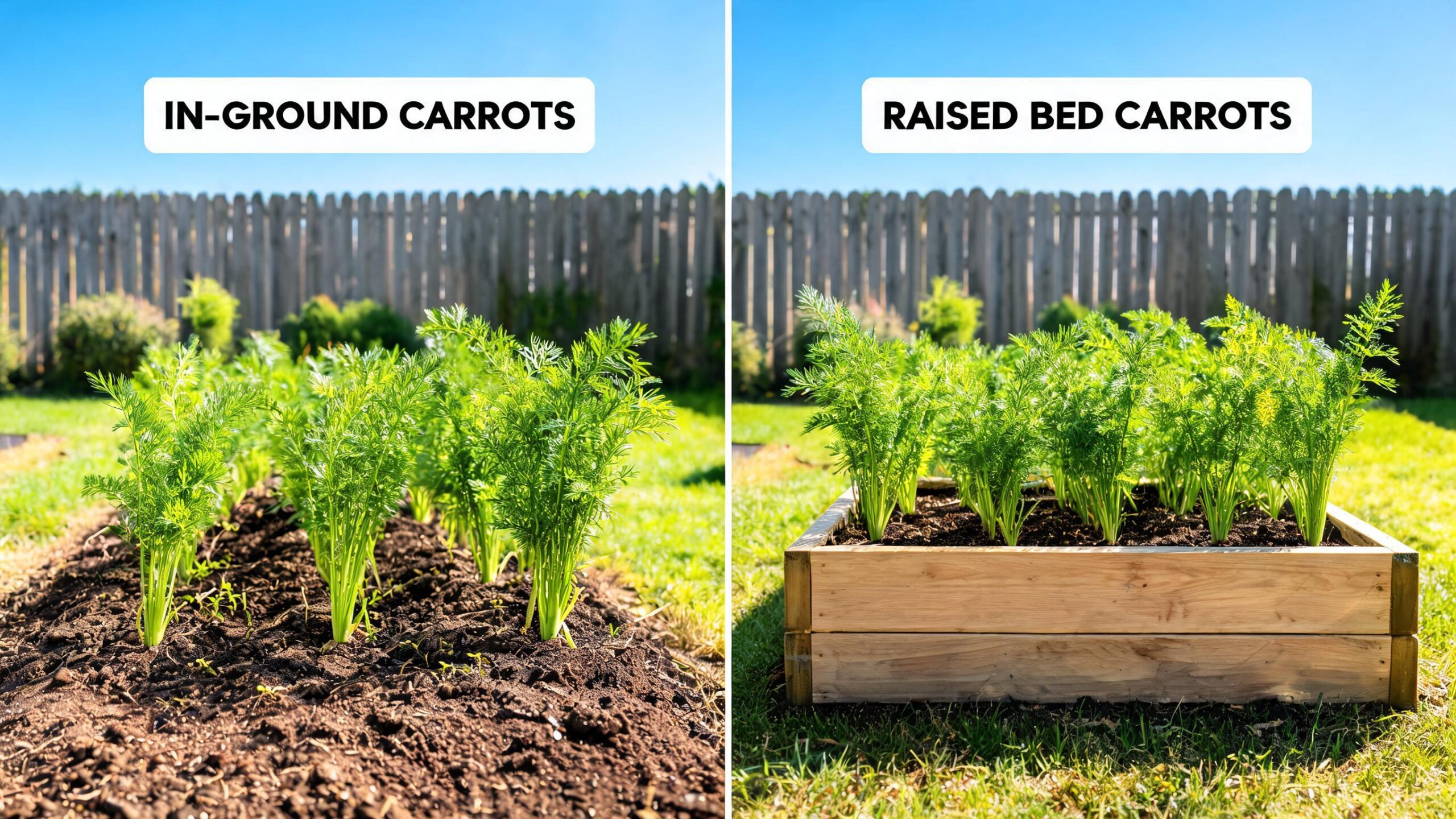
Carrots Raised Beds vs Ground: Side-by-Side Comparison
Factor
Raised Beds
Ground Growing
Best suited to
Clay, compacted, or rocky soils
Naturally deep, well-drained loam or sandy soil
Setup cost
Higher (timber/metal frame plus imported mix)
Lower (existing soil only)
Drainage control
Excellent, especially in high-rainfall regions
Depends entirely on existing soil structure
Spring soil warming
Faster, useful in frost-prone inland areas
Slower to warm in early spring
Root depth potential
Limited to bed depth (30–40cm typical)
Unlimited if soil is deep and loose
Scale suitability
Ideal for small plots and home gardens
Better for larger vege patches or blocks
Maintenance
Easier access, less bending
More physical soil prep required upfront
NZ Regional and Seasonal Timing for Carrots
Timing matters as much as the growing method itself. Carrots are a cool-season-friendly but frost-tender-seedling crop, and New Zealand’s varied climate zones each need slightly different treatment whether you’re sowing in a raised bed or straight into the ground.
Northland and Auckland (subtropical/warm temperate): Sow from late winter through to autumn (August–April), avoiding only the peak of summer humidity in heavy soils, which can encourage rot.
Waikato and Bay of Plenty (temperate): The sweet spot is spring to early autumn (September–March). Raised beds give a real head start here since Waikato clay stays cold and wet well into spring.
Canterbury and Central Otago (alpine/frost-prone): Sow after the last hard frosts, typically October through February. Raised beds are especially valuable in these regions as they warm faster and drain away frost-melt moisture that would otherwise waterlog ground beds.
As a general rule, aim to sow carrot seed when soil temperature sits between 10°C and 30°C, with 18–24°C being the sweet spot for the fastest germination, usually taking 10 to 20 days regardless of whether you’re growing in a raised bed or directly in the ground.
Pests and Diseases to Watch For
Root knot nematode is one of the more serious below-ground threats to carrots in New Zealand soils. This microscopic pest causes carrots to fork and become unmarketable, and left unchecked it can cause significant yield loss over successive seasons in infested ground. According to Vegetables NZ’s guava root knot nematode fact sheet, carrots are among the host plants most affected, alongside potatoes, tomatoes, and kūmara.
This is one area where raised beds have a genuine edge: starting with clean, imported growing mix avoids introducing nematodes from infested garden soil, and rotating crops within a raised bed system is far easier to manage than in an open ground plot with a nematode history.
Carrot rust fly: Larvae tunnel into roots, especially in cooler, shaded, or poorly drained conditions. Cover crops with fine insect mesh from sowing through to harvest.
Root knot nematode: Causes forked, “hairy” roots. Rotate carrots away from previously infested ground for at least three years and avoid planting after other host crops like tomatoes or potatoes.
Slugs and snails: Particularly damaging to young seedlings in damp, mulched raised beds. Use iron-based baits and keep beds free of decaying organic debris near seedlings.
Powdery mildew and leaf blight: More common in humid, poorly ventilated ground plantings than in airier raised beds — ensure good spacing and avoid overhead watering late in the day.
Fertilising and Watering Carrots the Kiwi Way
Whichever method you choose, carrots respond best to steady, moderate feeding rather than a rich, high-nitrogen diet. Too much nitrogen produces lush green tops at the expense of root development, and fresh manure of any kind is the number one cause of forked, misshapen carrots.
Work a modest amount of blood and bone into the top 10cm of soil before sowing.
Avoid fresh sheep pellets or animal manure at sowing time — save these for the crop grown before carrots in your rotation.
Apply diluted seaweed or kelp tea every 2–4 weeks once seedlings are established, which supports root development without excess nitrogen.
Keep soil evenly moist during germination, which can take up to three weeks — carrot seed dries out and fails to germinate quickly in surface soil, particularly in raised beds during warm, windy Canterbury spring days.
Mulch lightly with fine compost or pea straw once seedlings are 5–8cm tall to conserve moisture and suppress weeds.
Key Takeaways
Choose raised beds if your soil is clay-heavy, compacted, stony, or poorly drained — common across inland Waikato, parts of Auckland, and frost-prone Canterbury and Central Otago.
Choose ground growing if you already have deep, loose, well-drained soil, or you’re growing at a larger scale where raised bed construction isn’t practical.
Both methods demand the same fundamentals for success: 30cm+ of loose, stone-free soil, no fresh manure, thin sowing, and consistent moisture during germination.
Root knot nematode and carrot rust fly are the two biggest below-ground threats nationwide, and crop rotation is your best long-term defence in either system.
Regional timing matters — Northland gardeners have a far wider sowing window than growers in frost-prone Central Otago or inland Canterbury.
Frequently Asked Questions
Are raised beds really better than ground for growing carrots in NZ clay soil?
Yes, in most clay-affected regions raised beds are the more reliable option. They let you build a loose, stone-free root zone above the compacted clay, avoiding the forking and stunting that heavy, poorly drained ground typically causes for carrots.
How deep does a raised bed need to be for good carrots?
Aim for at least 30cm, with 40cm being ideal for longer varieties. Shorter, stump-rooted varieties like Chantenay or Paris Market can still perform well in shallower beds around 20–25cm deep if depth is limited.
Can I grow carrots directly in the ground if I have sandy soil?
Absolutely. Naturally sandy, free-draining loam is close to ideal for carrots grown directly in the ground, common in areas like Pukekohe and parts of Horowhenua. You still need to remove stones and avoid fresh manure for the straightest roots.
What’s the best time to plant carrots in Waikato and Bay of Plenty?
Spring through to early autumn, roughly September to March, is the reliable window. Raised beds give Waikato gardeners a head start in early spring since the region’s clay-heavy ground soil stays cold and slow to dry out.
How do I stop my carrots from forking or splitting?
Forking is almost always caused by stones, clay lumps, freshly applied manure, or root knot nematode. Prepare soil to at least 30cm, remove all obstructions, feed with well-rotted compost rather than fresh manure, and rotate away from nematode-prone ground.
Do carrots need full sun in a raised bed or ground planting?
Yes, both methods need at least 6 hours of direct sun daily for good top growth and sweet, well-coloured roots. Shaded plantings in either system tend to produce paler, less flavourful carrots and are more prone to fungal issues.
Is it cheaper to grow carrots in the ground than in raised beds?
Generally yes, since ground growing avoids the cost of timber or metal frames and imported vegetable mix. However, if your existing soil needs significant amending with sand, gypsum, and compost each season, the long-term cost gap narrows considerably.
Final Thoughts for Kiwi Growers
There’s no single right answer to carrots raised beds vs ground — the best choice comes down to what’s already beneath your boots. If you’re gardening on Hamilton clay or a frost-prone Central Otago block, a raised bed filled with loose, stone-free mix will save you seasons of frustration and forked roots. If you’ve got naturally deep, well-drained loam, direct ground sowing remains the simplest, most economical path to a great harvest.
Whichever method you choose, the fundamentals of how to grow carrots well in New Zealand stay the same: deep, loose, stone-free soil, no fresh manure, patient watering through germination, and a bit of local know-how about your region’s frosts and clay. Get those basics right, and your whenua will reward you with the sweetest, straightest carrots you’ve ever pulled from a garden.
We use cookies to improve your experience, analyze traffic, and display personalized ads.
By clicking "Accept", you consent to the use of cookies in accordance with our Privacy Policy.