How to Grow Beetroot in New Zealand: A Complete Kiwi Gardener’s Guide
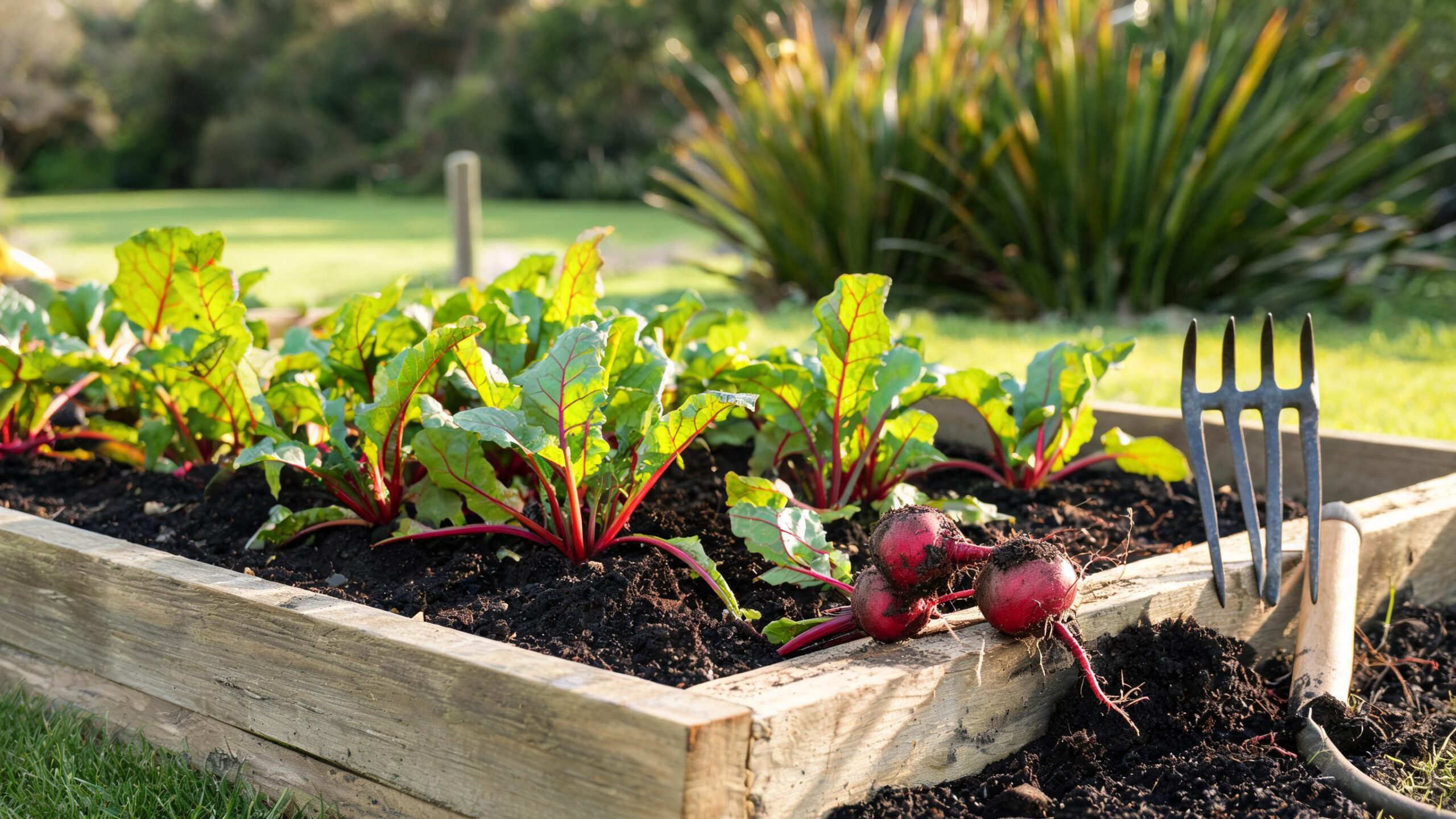
If you’ve ever pulled a plump, jewel-red beetroot straight from your own whenua, you’ll know why so many Kiwi gardeners keep coming back to this humble root crop. Learning how to grow beetroot successfully in New Zealand conditions is refreshingly simple, and it’s one of the most forgiving vegetables you can slot into a raised bed, a container on the deck, or a sunny corner of the vege patch. Whether you’re in frost-prone Central Otago or the mild, near-subtropical pockets of Northland, beetroot rewards patience with sweet, earthy roots and nutrient-dense leafy tops that are just as edible as the bulb itself.
This guide walks through everything a home gardener in Aotearoa needs: soil prep, sowing technique, regional timing, feeding, pest and disease management, and harvest tips tailored to our Southern Hemisphere calendar — not recycled Northern Hemisphere advice that gets our seasons backwards.
Beetroot (Beta vulgaris) is a fast, reliable root vegetable that can be grown almost year-round in most New Zealand regions, with the heaviest sowings from early spring through to autumn. It prefers full sun, free-draining fertile soil with a near-neutral pH, and consistent moisture to avoid woody or split roots.
Sow direct into soil that has reached at least 10-15°C, from September through to March in most regions.
Space seeds or seedlings 7-10cm apart in rows 20-30cm apart, in full sun.
Feed lightly with sheep pellets, blood and bone, and a fortnightly seaweed tonic; avoid fresh manure.
Harvest at golf-ball to tennis-ball size (roughly 55-90 days) for the sweetest, most tender beets.
Why Beetroot Suits the New Zealand Home Garden
Beetroot is a cool-to-warm climate crop, which makes it exceptionally well suited to New Zealand’s temperate growing conditions. It tolerates light frost once established, doesn’t demand a huge footprint, and produces two harvests in one — the root for roasting, pickling, or juicing, and the tender young leaves for salads or a quick sauté, much like silverbeet.
For gardeners planning their spring gardening guide for the season ahead, beetroot deserves a firm spot on the sowing list. It’s quick enough to succession-sow every three to four weeks, giving you a rolling harvest rather than one big glut, and it slots neatly alongside other classic spring plantings when you’re figuring out what to plant in September across garden beds, raised beds, and containers.
Best Beetroot Varieties for Kiwi Gardens
Variety
Root Shape/Colour
Days to Harvest
Notes for NZ Growers
Detroit Dark Red
Round, deep crimson
55-65 days
The reliable Kiwi backyard standard; widely stocked by King’s Seeds and Mr Fothergill’s
Cylindra
Cylindrical, red
60-70 days
Uniform slices, great for pickling in bulk
Chioggia
Pink and white candy-striped
60-65 days
Sweet flavour, striking in salads, popular with home cooks
Golden
Golden-orange
55-65 days
Doesn’t bleed like red varieties, milder flavour
Baby Ball
Small round, red
50-55 days
Ideal for container gardening and quick crops
Soil Preparation: Getting the Whenua Right
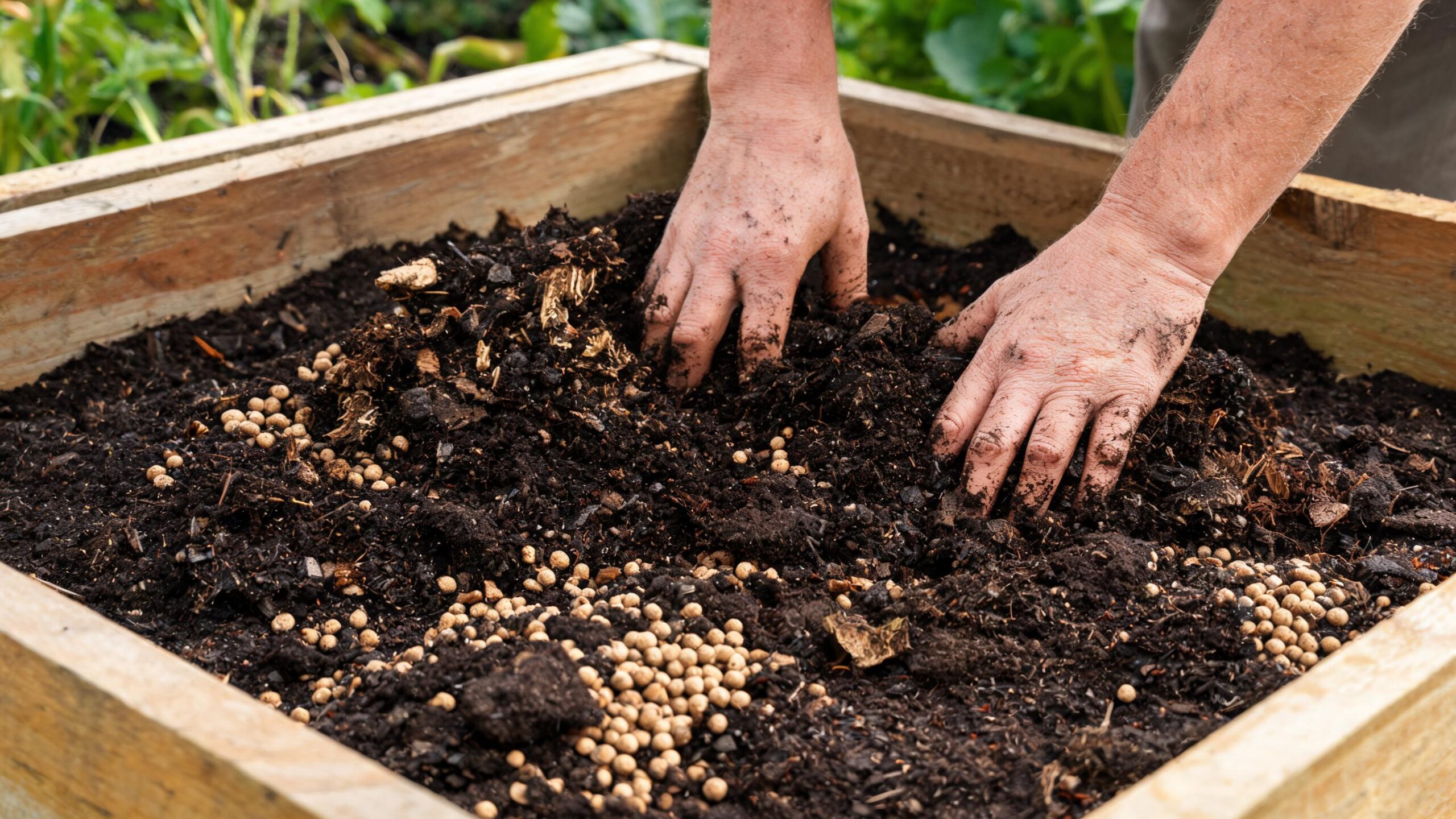
Beetroot is a root crop, which means soil structure matters more than almost anything else you’ll do. It needs loose, free-draining, friable soil with an optimum pH of around 6.0-7.0 — slightly acidic to neutral. On New Zealand’s heavier volcanic clay soils, common across Waikato and the Bay of Plenty, dig in generous compost and coarse sand or pumice to open up the structure and prevent compaction, which can cause misshapen or forked roots.
In sandy loam soils, typical of Hawke’s Bay and parts of Canterbury, drainage is rarely an issue, but you’ll want to boost water-holding capacity with well-rotted compost and mulch. Peat-based soils in areas like the Hauraki Plains tend to be naturally acidic, so a light dusting of garden lime a few weeks before sowing helps bring the pH into beetroot’s happy zone.
Fertilising Beetroot the Kiwi Way
Avoid fresh animal manure directly before planting — it causes splitting and misshapen roots. Beetroot does best following a bed that grew a leafy crop like lettuce or silverbeet the season before.
Work in sheep pellets and a handful of blood and bone per square metre two to three weeks before sowing.
Add a light application of garden lime if your soil test shows acidity below pH 6.0.
Beetroot has a particular fondness for boron, which is often marginal in New Zealand soils; a specific vegetable fertiliser or a boron-enriched blend prevents internal black-heart in the root.
Once seedlings are established, apply a fortnightly liquid feed of seaweed or fish emulsion tea to keep growth steady without pushing excess leafy top growth at the root’s expense.
How to Grow Beetroot: Sowing and Spacing
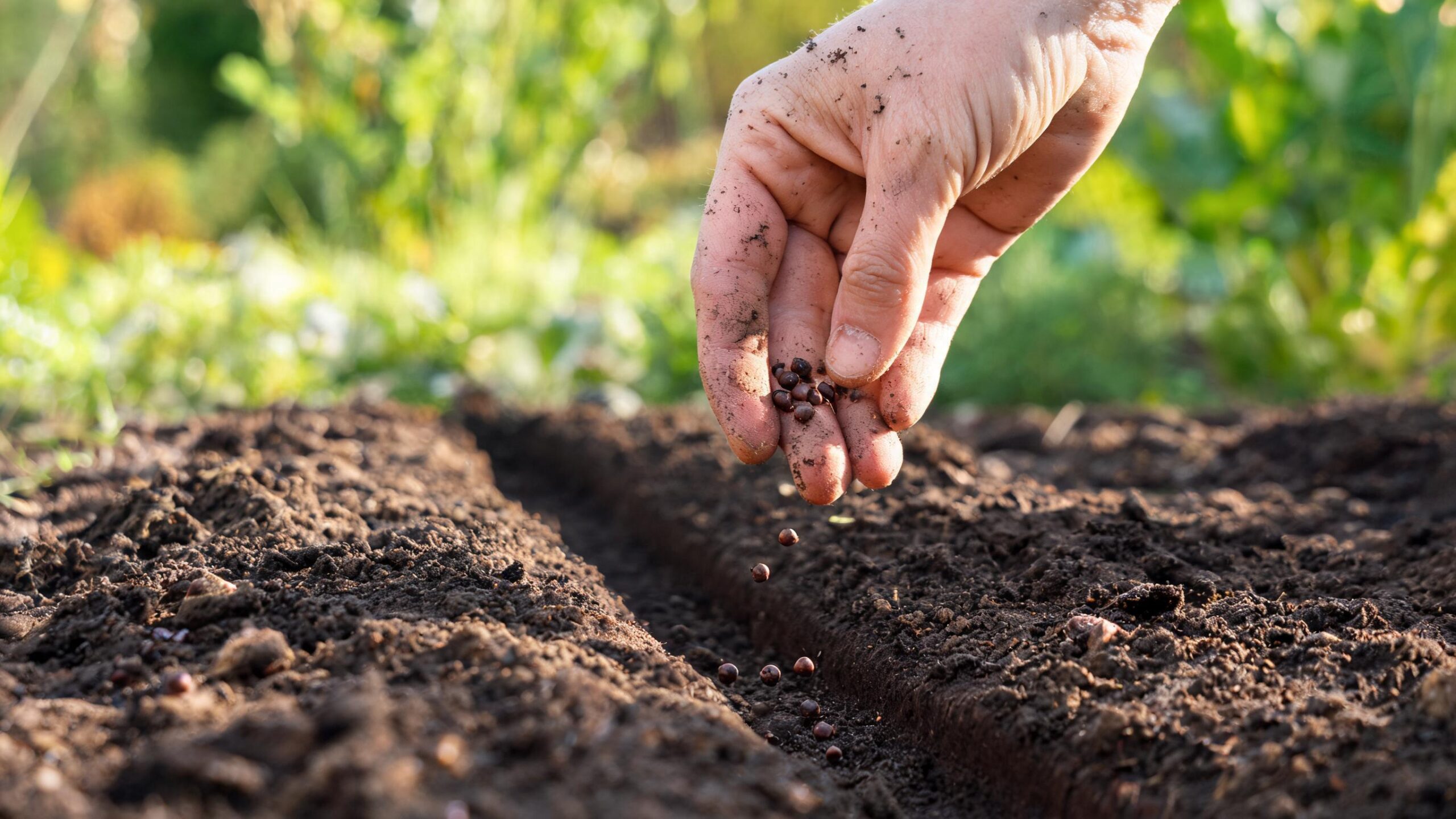
Beetroot seeds have a hard outer coating and actually contain a small cluster of two to four seeds within each “seed” you sow, so thinning is always part of the process.
Soak seeds in a glass of water overnight to soften the coating and speed up germination.
Sow directly where they are to grow — beetroot doesn’t love root disturbance — at a depth of 1-2cm.
Space seeds 5-8cm apart in rows 20-30cm apart, or scatter-sow in a block for a more informal raised bed look.
Keep the soil consistently moist until germination, which typically takes 8-14 days depending on soil temperature.
Once seedlings reach 3-4cm, thin to one strong seedling every 7-10cm, snipping (rather than pulling, to avoid disturbing neighbours) the extras — these thinnings are delicious tossed into a salad.
For a continuous supply through the warmer months, sow a fresh short row every three to four weeks from early spring through to early autumn. This succession approach avoids the classic beginner mistake of one giant harvest that outpaces the kitchen.
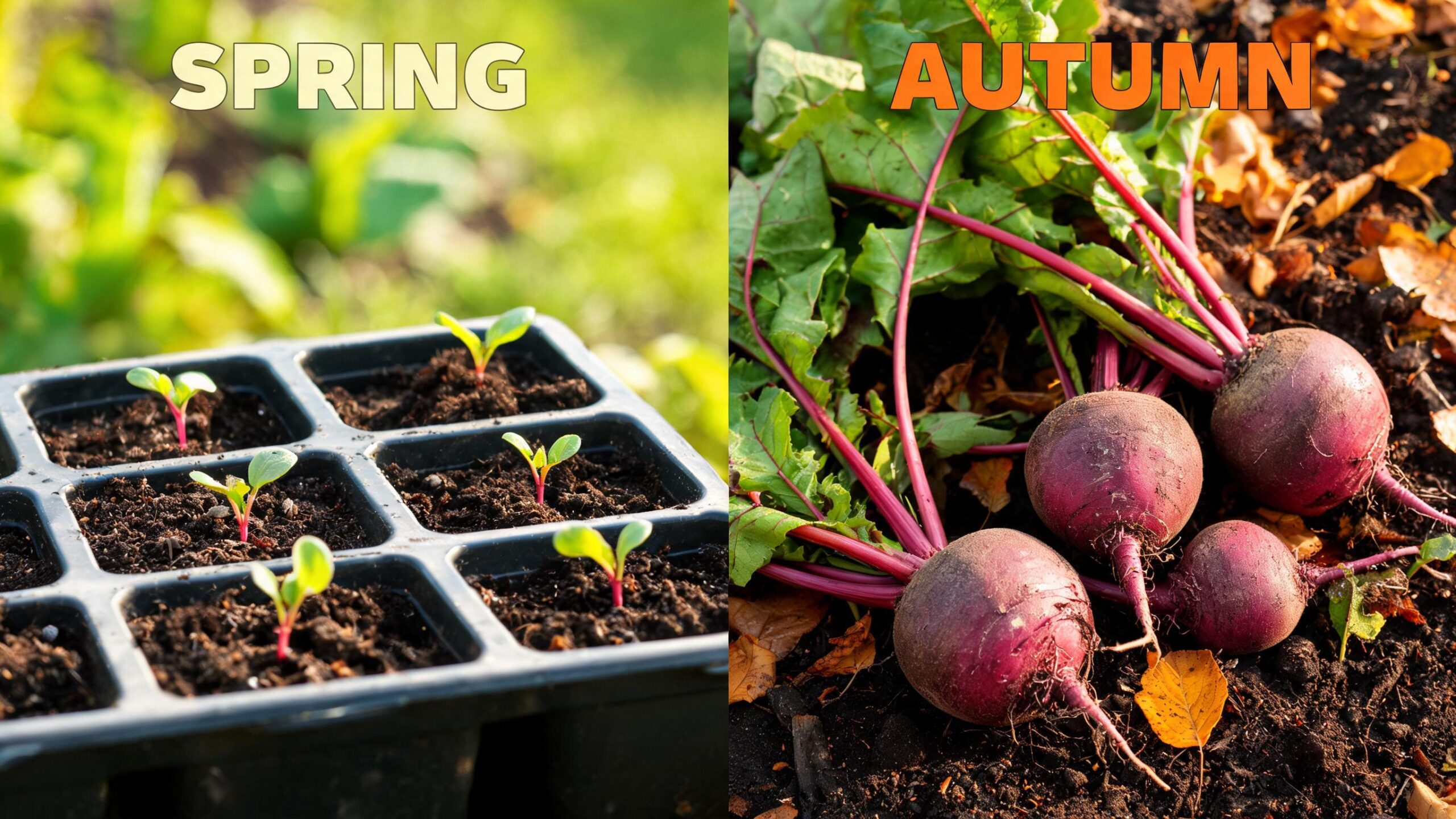
NZ Seasonal Timing for Beetroot
Getting timing right is where beetroot really separates itself from fussier crops — it has one of the widest sowing windows of any vegetable grown in New Zealand gardens.
Season (Southern Hemisphere)
Months
Beetroot Activity
Spring
September-November
Prime sowing window once soil reaches 10°C+; ideal time for your first succession sowings
Summer
December-February
Continue succession sowing; increase watering frequency in dry spells to prevent bolting or woodiness
Autumn
March-May
Final sowings for southern regions by March; northern gardeners can often keep sowing into April-May
Winter
June-August
Harvest overwintered roots; in mild Northland and coastal Auckland gardens, light sowing can continue under cloches
As part of any spring gardening guide, beetroot sits comfortably alongside carrots, silverbeet, and early lettuce as one of the easiest direct-sow crops for beginners. Many home gardeners researching what to plant in September are pleasantly surprised at how forgiving beetroot is compared with heat-loving crops like tomatoes or capsicum, which need to wait until the soil is genuinely warm and frost risk has passed.
Regional Microclimate Differences
Subtropical Northland/Auckland: Beetroot can often be sown nearly year-round, pausing only in the coldest weeks of deep winter; rare frosts mean minimal protection is needed.
Temperate Waikato/Bay of Plenty: The classic spring-to-autumn sowing window applies; watch for a cold snap followed by warmth in early spring, as this temperature swing can trigger premature bolting.
Alpine/Frost-prone Canterbury/Central Otago: Wait until soil has warmed reliably in mid-to-late spring; a frost cloth over young seedlings protects against late frosts, and final sowings should happen by January to allow full maturity before winter cold sets in.
Watering and Mulching
Consistent moisture is the single biggest factor separating tender, sweet beetroot from tough, woody, cracked ones. Water deeply and evenly, aiming to keep the top 10-15cm of soil consistently moist rather than alternating between soggy and dry.
Water every two to three days during germination and the first month of growth.
Apply a 3-5cm layer of pea straw or lucerne mulch once seedlings are established to conserve moisture and suppress weeds.
In hot, dry inland regions like Central Otago or parts of Hawke’s Bay in mid-summer, consider a soaker hose or drip irrigation system to maintain even moisture without excessive surface watering.
Avoid overhead watering late in the day during humid periods, which can encourage fungal leaf diseases.
Common Pests and Diseases in NZ Beetroot Crops
Beetroot is comparatively pest-resistant compared with brassicas or fruit trees, but a handful of issues do crop up in New Zealand home gardens.
Pests to Watch For
Slugs and snails: The biggest threat to young seedlings, especially in damp Waikato and West Coast gardens. Use beer traps, crushed eggshell barriers, or an iron-based slug bait around emerging seedlings.
Aphids: Occasionally cluster on leafy tops; a strong jet of water or insecticidal soap usually resolves minor infestations.
Cutworms: Less common but can topple young seedlings at soil level; keeping beds weed-free for several weeks before sowing reduces risk.
Diseases to Watch For
New Zealand’s beet-growing regions do have some established fungal pressures worth knowing about. According to Bayer Crop Science New Zealand’s beet disease guidance, beet rust, powdery mildew, Cercospora leaf spot, and Rhizoctonia root rot are all already established in New Zealand growing regions, so home gardeners aren’t immune even on a small scale.
Powdery mildew: A white, dusty coating on leaves, more common in humid Bay of Plenty and Northland summers. Improve airflow with proper spacing and avoid wetting foliage.
Downy mildew: Causes yellowing, downward-curling leaves with grey fungal growth underneath. Avoid overwatering and ensure good drainage.
Root rot/damping off: Most common in compacted or waterlogged clay soils; improving drainage and avoiding overly deep sowing significantly reduces risk.
Crop rotation is your best defence — avoid growing beetroot (or its relatives, silverbeet and spinach) in the same spot two seasons running.
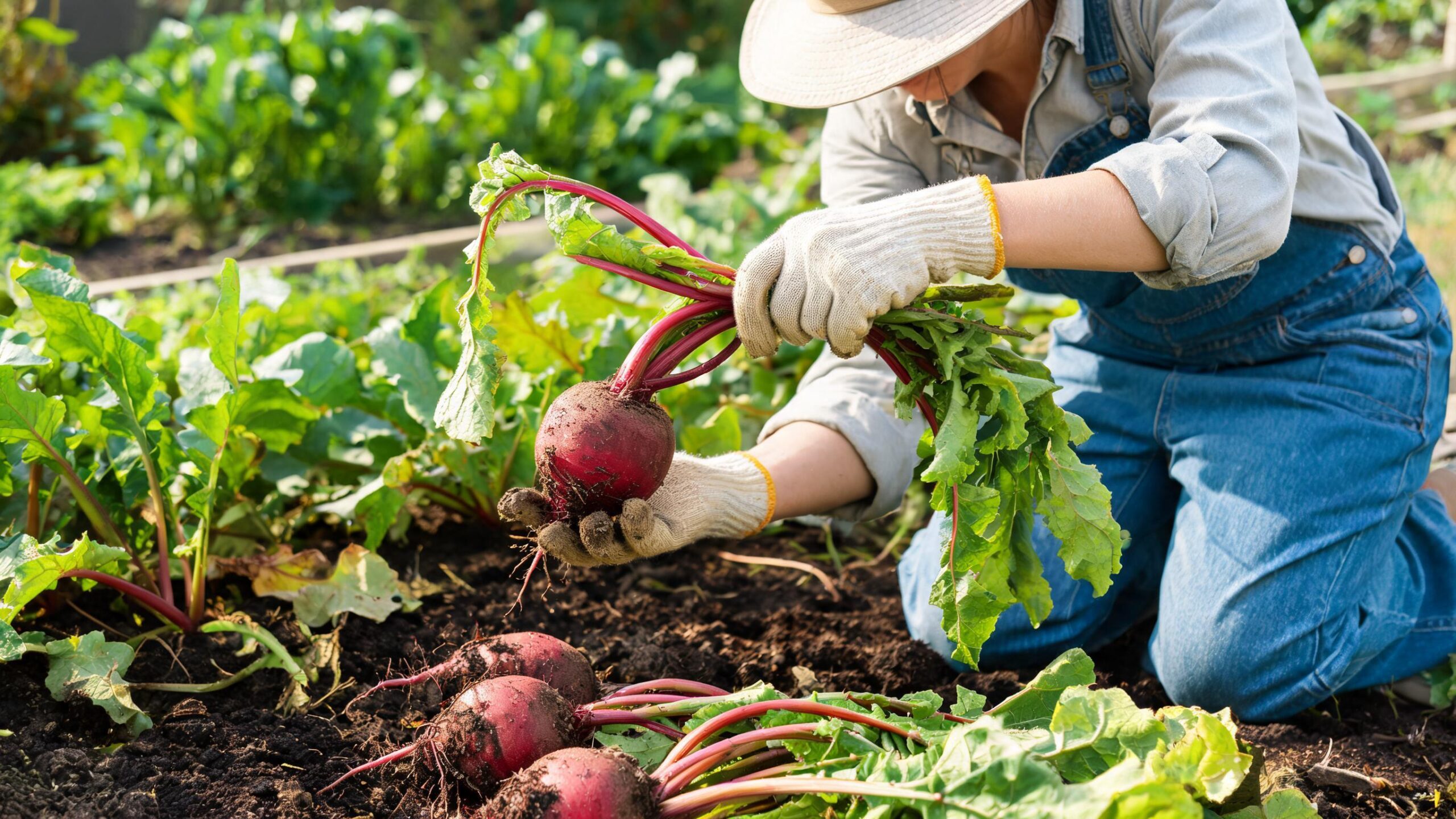
Harvesting Beetroot
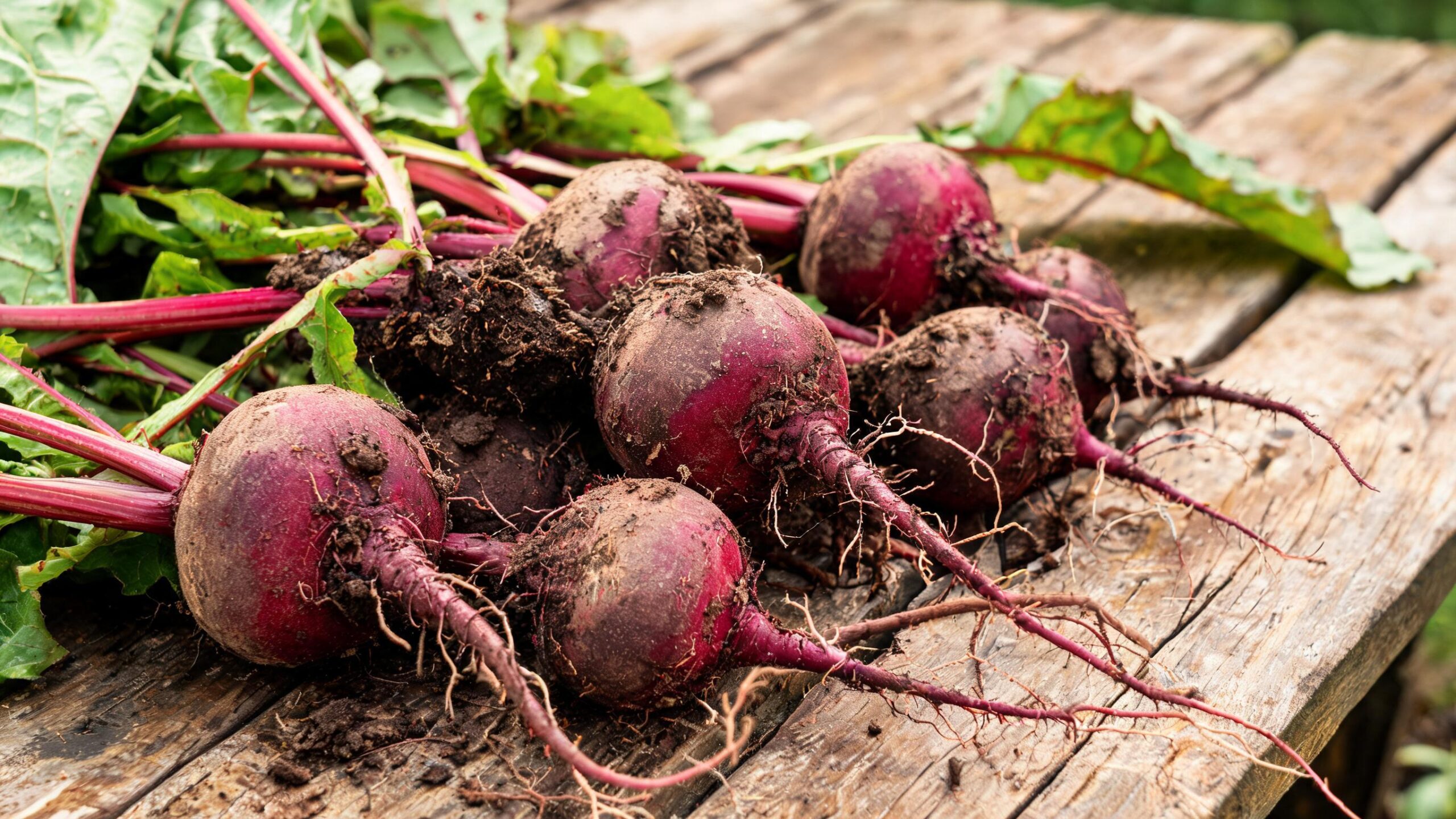
Most varieties are ready between 55 and 90 days after sowing, though this varies by variety and season. The sweetest, most tender roots are harvested young — around golf-ball to tennis-ball size, roughly 5-7.5cm in diameter.
Check readiness by gently pushing soil away from the top of the root — if it’s the right size, it’s ready.
Loosen the soil around the base with a garden fork before pulling to avoid snapping the root.
Twist off the leafy tops about 5cm above the crown rather than cutting, which reduces “bleeding” of the beetroot’s natural pigment.
Harvest alternate plants first to give remaining roots more space to size up — a classic thinning-as-you-go approach.
Store unwashed roots in a cool, dark spot or the crisper drawer of the fridge; they’ll keep for several weeks.
Container and Raised Bed Growing
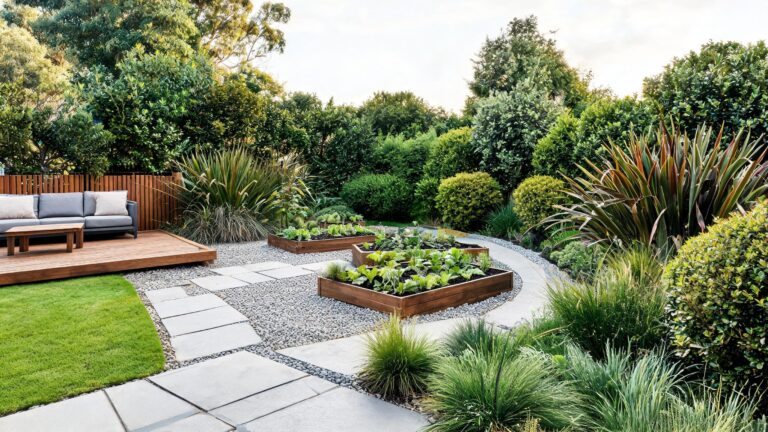
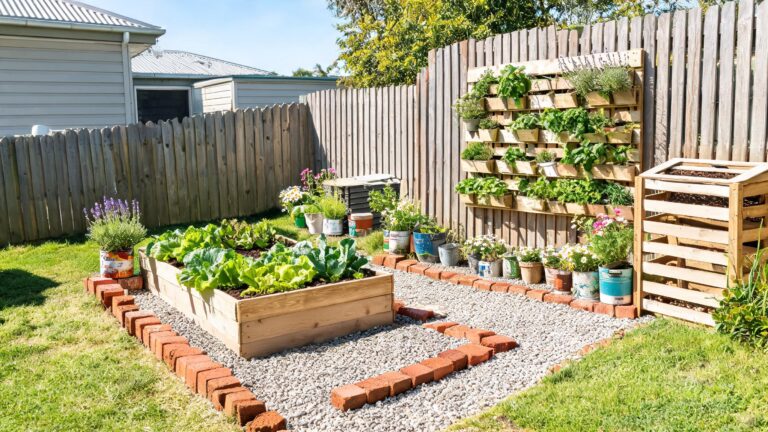
Beetroot is one of the best root crops for pot and raised bed culture, since it doesn’t need the deep root run that carrots or parsnips demand. A container at least 20-25cm deep with a quality vegetable potting mix works well on an Auckland apartment balcony or a small Hamilton courtyard.
Use a free-draining premium potting mix rather than garden soil in containers.
Space plants slightly closer in containers — around 7cm apart — since watering is more controlled.
Self-watering planters or a simple daily check are useful in summer, as pots dry out faster than garden beds.
A wicking bed or GreenSmart-style container garden setup can maintain the even moisture beetroot craves with minimal daily effort.
Key Takeaways
Beetroot thrives in New Zealand’s temperate climate and can be sown from early spring right through to autumn, with year-round options in milder northern regions.
Loose, free-draining, near-neutral soil with added boron and no fresh manure gives the best root shape and flavour.
Even, consistent watering is the single most important habit to prevent woody, cracked, or bolting beetroot.
Harvest young, at golf-ball to tennis-ball size, for the sweetest and most tender roots.
Watch for slugs, aphids, and fungal issues like powdery mildew, and rotate crops each season.
Frequently Asked Questions
When is the best time to plant beetroot in New Zealand?
Early spring, once soil temperatures reach around 10°C, is the ideal starting point for most regions, with sowing continuing through summer into early autumn. Northland and Auckland gardeners can often sow almost year-round, while Canterbury and Otago growers should wait for soil to warm reliably before their first sowing.
Why is my beetroot going woody or tough?
Woody, fibrous roots almost always come down to inconsistent watering or leaving beetroot in the ground too long past its ideal harvest size. Keep soil evenly moist and harvest at golf-ball to tennis-ball size rather than letting roots grow oversized.
Can beetroot handle frost?
Established beetroot plants tolerate light frost reasonably well, but young seedlings are more vulnerable. In frost-prone inland areas like Central Otago, a frost cloth over newly emerged seedlings in early spring protects against late cold snaps without hindering growth.
How do I fix heavy clay soil for growing beetroot?
Dig in generous amounts of compost, well-rotted organic matter, and coarse sand or pumice to break up compaction in volcanic clay soils. Raised beds are also a practical fix, giving roots a looser, more free-draining profile without needing to fully remediate the underlying clay.
Why did my beetroot bolt to seed instead of forming a root?
Bolting is usually triggered by a cold spell followed by a sudden warm-up, which the plant interprets as a signal to flower rather than bulk up its root. This is more common with very early spring sowings in temperate regions, so waiting until soil temperatures are more settled helps avoid it.
Is beetroot suitable for a beginner’s first vegetable garden?
Yes, beetroot is one of the most forgiving crops for beginners, tolerating a wide sowing window, modest soil fertility, and minor watering lapses better than fussier vegetables. It’s a common recommendation in any spring gardening guide for new Kiwi gardeners exploring what to plant in September for the first time.
What’s causing black patches inside my beetroot when I cut it open?
Internal black-heart is typically a sign of boron deficiency, which is fairly common in New Zealand soils. Adding a boron-enriched vegetable fertiliser or a light application of borax dissolved in water at planting time usually resolves the issue in subsequent crops.
Growing Beetroot Successfully in Your Kiwi Garden
Mastering how to grow beetroot comes down to a handful of simple habits: loose, well-fed soil, even watering, timely thinning, and harvesting while the roots are still young and sweet. It’s a crop that suits everyone from first-time gardeners in a Hamilton townhouse courtyard to seasoned growers managing a full Waikato vege plot, and it rewards attention to New Zealand’s specific climate quirks rather than generic overseas advice.
Get your soil right, keep the moisture consistent, and succession-sow through the warmer months, and you’ll have a steady supply of homegrown beetroot gracing your table for most of the year. Give your whenua the care it deserves this season, and that first bite of a sun-warmed, garden-fresh beetroot will make every bit of the effort worthwhile.
We use cookies to improve your experience, analyze traffic, and display personalized ads.
By clicking "Accept", you consent to the use of cookies in accordance with our Privacy Policy.