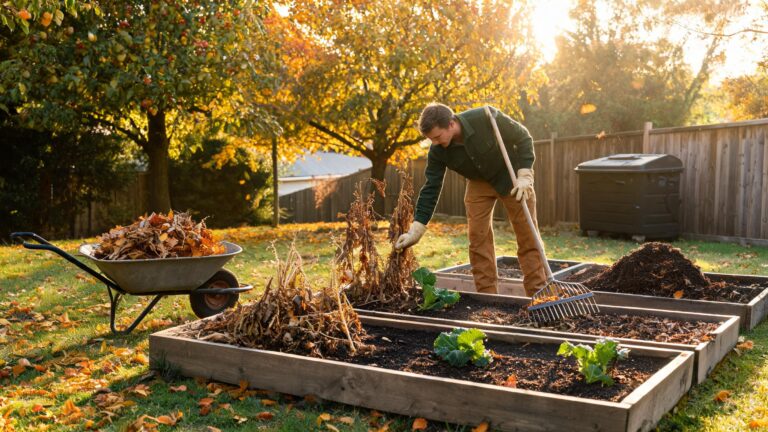
What to Plant in September NZ: The Ultimate Spring Gardening Guide
If you’ve been itching to get your hands back into the whenua after winter, September is the month your Kiwi garden truly wakes up. Knowing exactly what to plant in September NZ gardens is the difference between a patchy, frost-nipped start and a thriving spring vegetable patch bursting with growth by Labour Weekend. This spring gardening guide covers every region of Aotearoa, from subtropical Northland to frost-prone Central Otago, so you can plant with confidence no matter where you call home.
September marks the true start of the New Zealand spring, and it’s prime time for sowing cool-season vegetables, starting warm-season crops under cover, and planting spring-flowering annuals and bulbs. Soil temperatures are climbing but frost risk still lingers in inland and southern regions, so timing depends heavily on your microclimate.
Direct-sow peas, beetroot, carrots, radish, spinach, silverbeet, and Asian greens once soil sits above 4–8°C
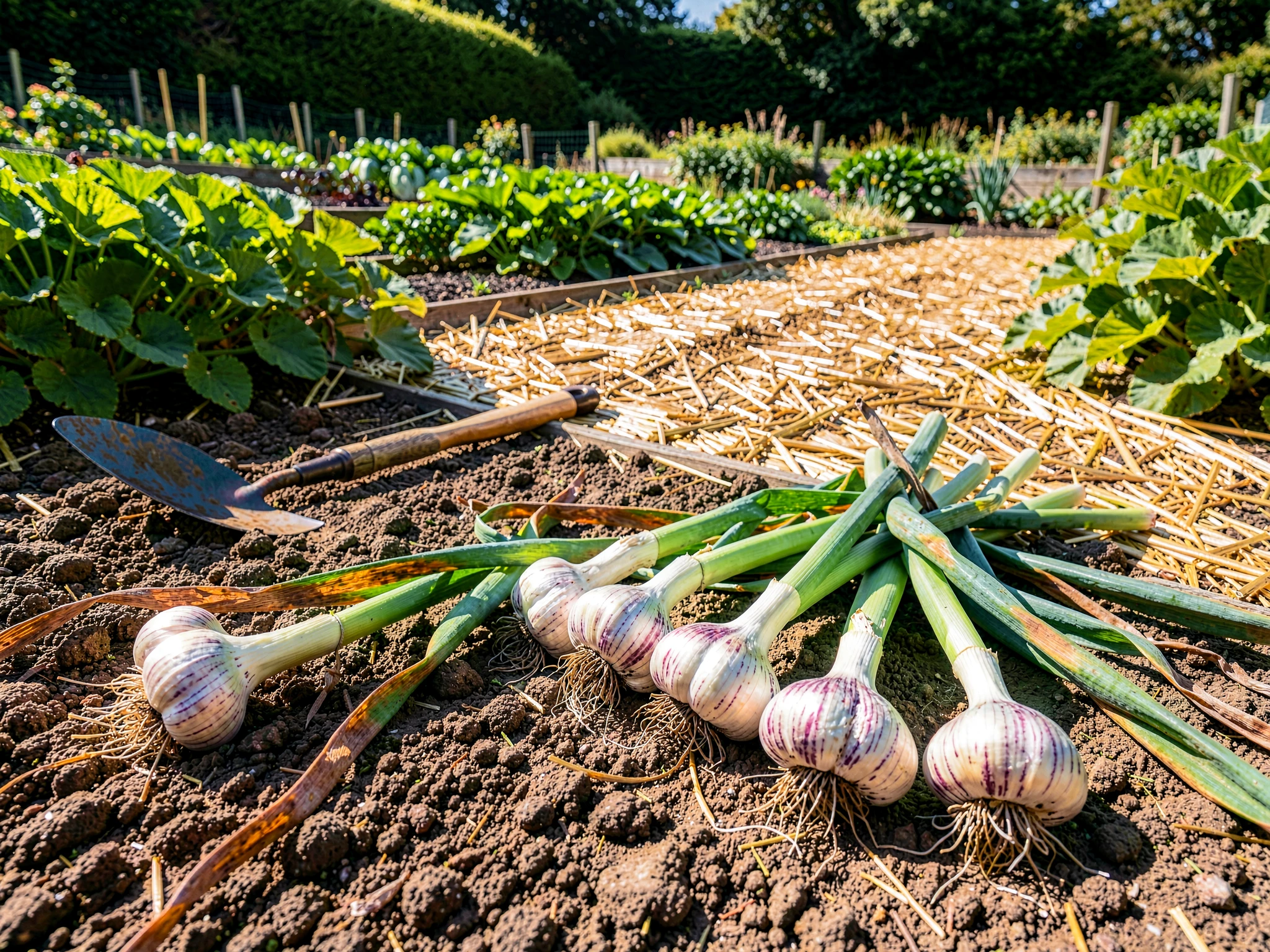
Plant seed potatoes and asparagus crowns once the worst frosts have passed
Start tomatoes, capsicums, chillies, eggplant, and cucurbits indoors or under cloche
In Northland and Auckland, get frost-tender seedlings straight into the ground; in Waikato, Canterbury, and Otago, hold off or use protection
Plant spring bulbs, sweet peas, dahlia tubers, and hardy annuals for early colour
Why September Is a Pivotal Month in the NZ Spring Gardening Guide
September is transitional. Day length is lengthening rapidly and soil is warming, but night temperatures can still dip sharply, especially inland. Getting your timing right this month sets the tone for the entire growing season ahead, which is exactly why this spring gardening guide treats September as the most strategic planting window of the year.
Soil temperature, not the calendar, is the real trigger for germination success. Most seeds need consistent soil temperatures of at least 8–10°C to germinate reliably, while frost-tender crops like tomatoes and courgettes need overnight air temperatures reliably above 10°C before they go outdoors unprotected. A simple soil thermometer pushed 5cm into your bed each morning for a week will tell you far more than any generic planting chart.
Reading Your Local Microclimate
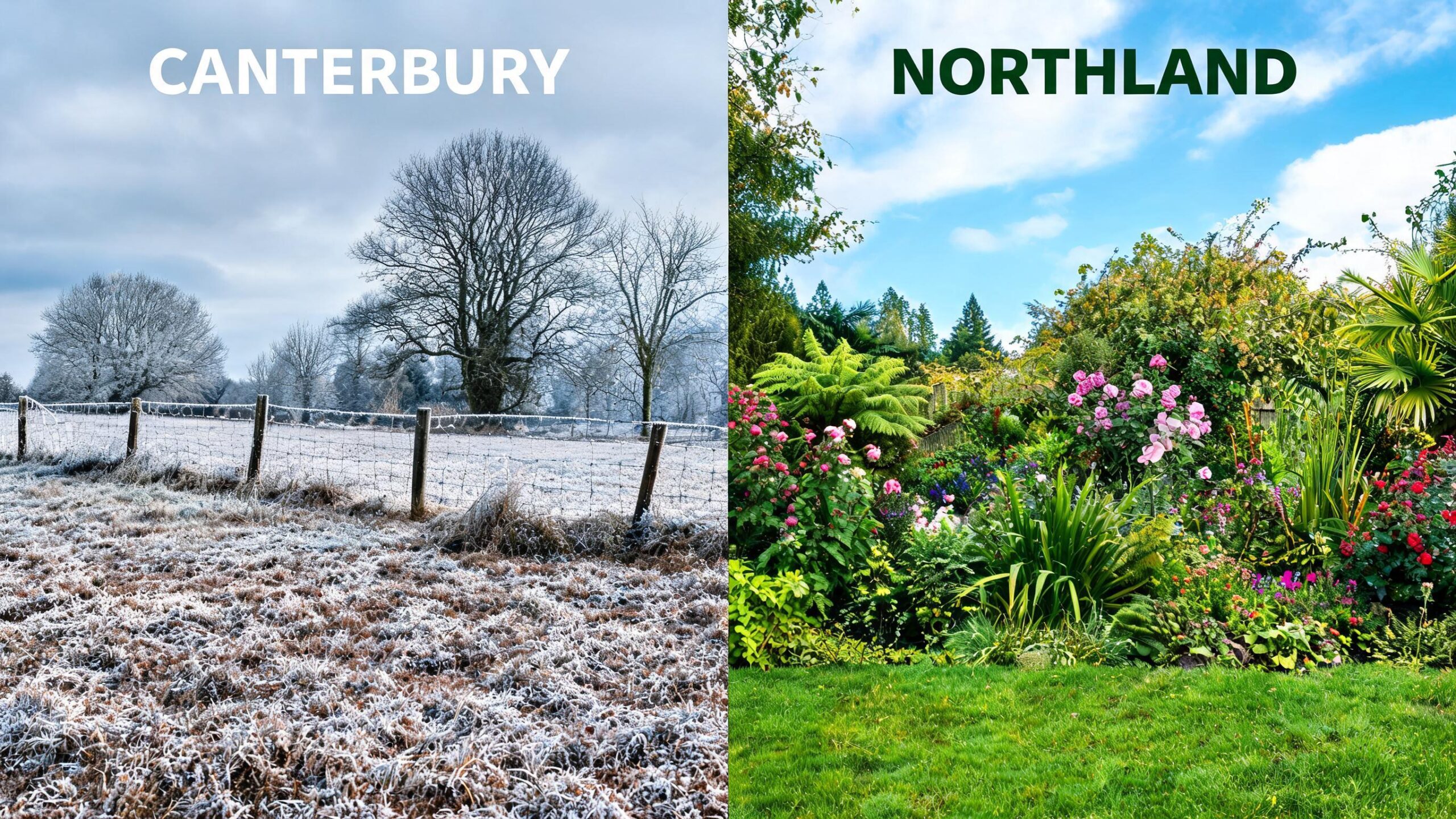
New Zealand’s regional diversity means “September planting” looks completely different depending on where your plot sits.
Peas, brassicas, lettuce, beetroot, carrots; hold tomatoes under cover until October
Wellington & Manawatū
Windy temperate
Moderate, plus strong spring winds
Cool-season greens, root crops; stake and shelter tender seedlings
Canterbury & Central Otago
Alpine/continental, dry
High, frosts common into October
Peas, broad beans, potatoes (in sheltered spots); keep tomatoes indoors
Nelson & Marlborough
Sunny, dry temperate
Low to moderate
Most cool-season crops plus early tomatoes under cloche
What Vegetables to Plant in September NZ
September vegetable planting splits into two clear categories: crops you can direct-sow straight into the garden now, and warm-season crops that need a head start indoors or under cover before frost risk fully passes.
Direct-Sow Vegetables for September
These cool-season crops tolerate light frost and germinate well as soil warms through spring.
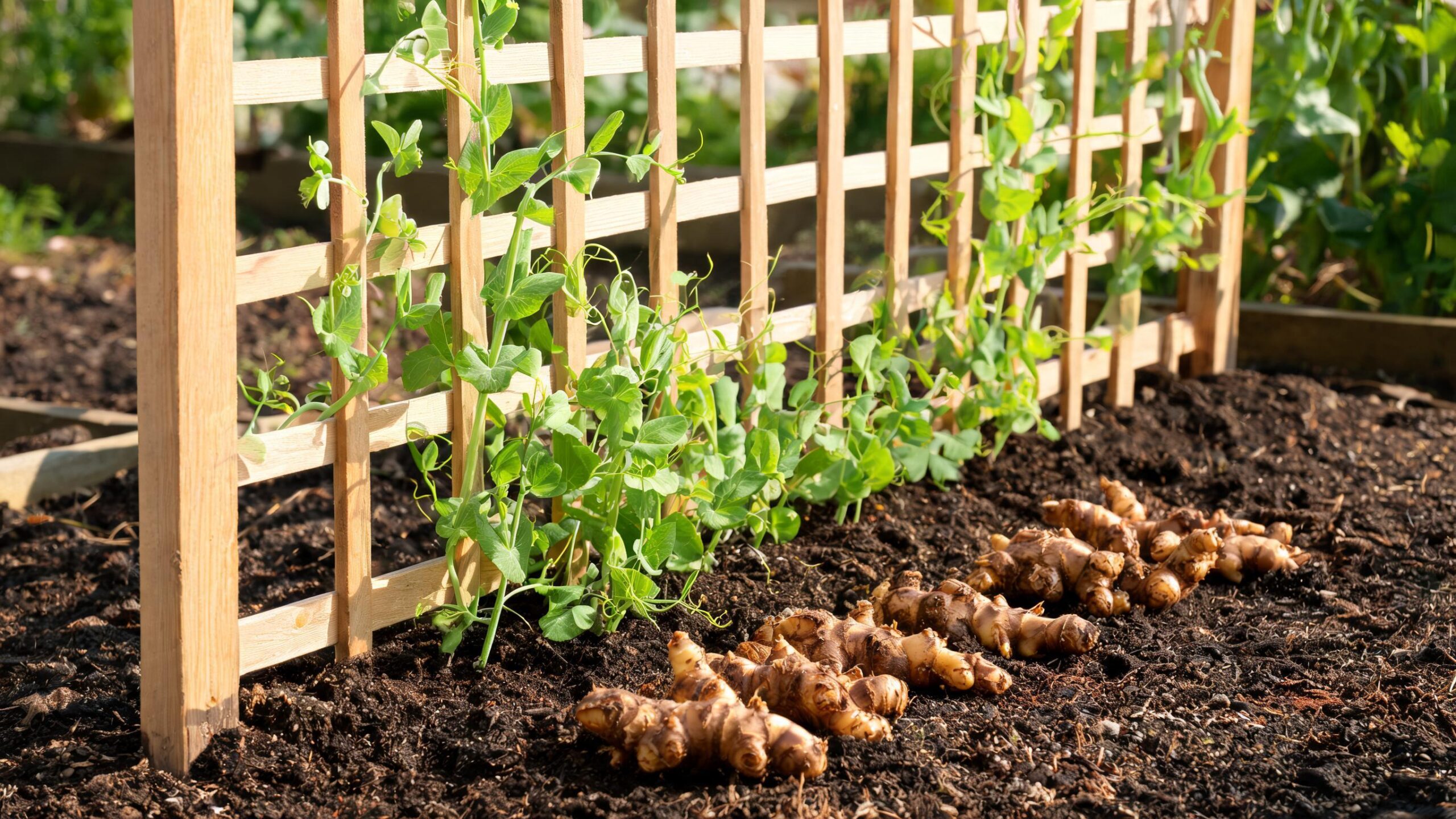
Peas and sugar snap peas — sow direct once soil sits above 4°C; provide a trellis or netting for climbing varieties
Beetroot and carrots — soak seed for 24 hours before sowing for faster, more even germination in cooler soil
Radish and turnips — some of the fastest crops in the garden, ready in as little as 25–35 days
Silverbeet and spinach — reliable performers in volcanic clay, sandy loam, or peat soils with good drainage
Lettuce and mesclun mixes — sow in small successive batches every 2–3 weeks for a continuous supply
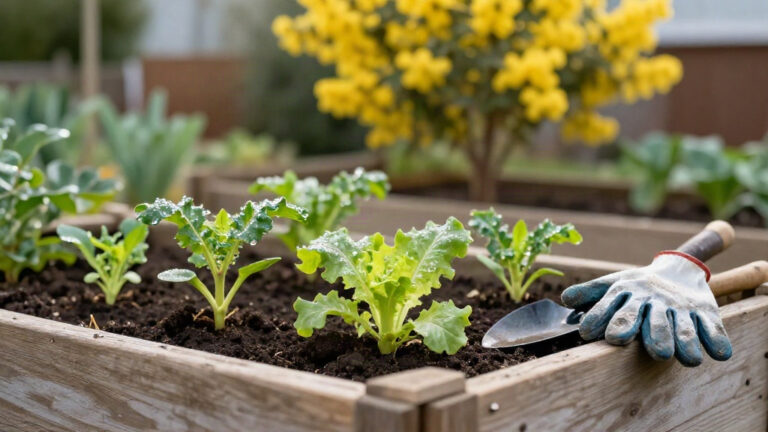
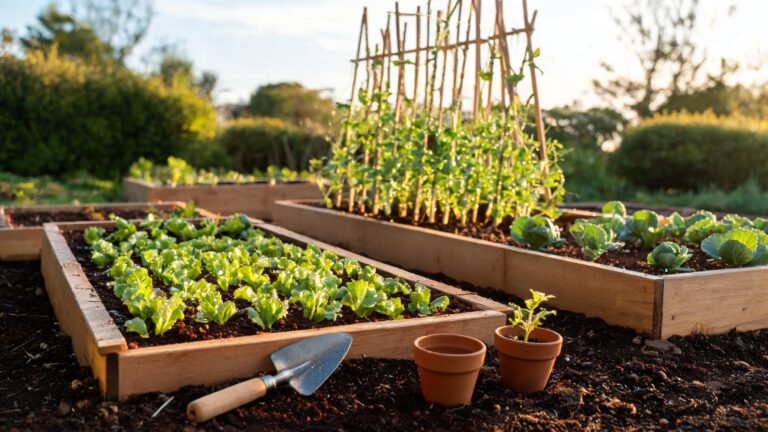
Asian greens such as pak choi, bok choy, mizuna, and tatsoi — quick growers that suit raised beds well
Parsnip — dig soil to 30cm depth first and remove stones to prevent forked roots
Seed potatoes — chit (pre-sprout) tubers indoors first, then plant once frost risk eases; rotate beds on a four-year cycle to avoid soil-borne disease
Asparagus crowns — a long-term investment; plant in a permanent, well-drained bed enriched with compost
Warm-Season Vegetables to Start Under Cover
Frost-tender crops need protection almost everywhere except the far north this month.
Tomatoes — sow indoors, in a heated propagator, or a sheltered glasshouse; cherry varieties generally cope with early planting better than beefsteak types
Capsicums, chillies, and eggplant — need consistent warmth to germinate; a heat mat speeds things along in cooler regions
Courgettes, pumpkin, and squash — start in trays or biodegradable pots to transplant once nights warm in October
Cucumbers — hold off outdoor sowing until late September at the earliest; they demand genuinely warm soil
Basil — sow indoors on a bright windowsill; it sulks badly in cold, damp conditions
Best Flowers and Bulbs to Plant in September NZ
September is prime time for both spring colour and setting up summer blooms.
Sweet peas — absolute champions for September planting, scrambling quickly once days lengthen
Dahlia tubers and gladioli corms — plant now for a reliable summer display
Delphiniums, lupins, and foxgloves — establish strong root systems if planted before the main growing rush
Petunias, marigolds, lobelia, and lavatera — reliable annuals for instant garden colour, ideal in hanging baskets or borders
Native grasses like Carex species thrive when planted in September, and pairing them with natives such as harakeke (flax) supports local birdlife and pollinators
Soil Prep, Feeding, and Watering for September Planting
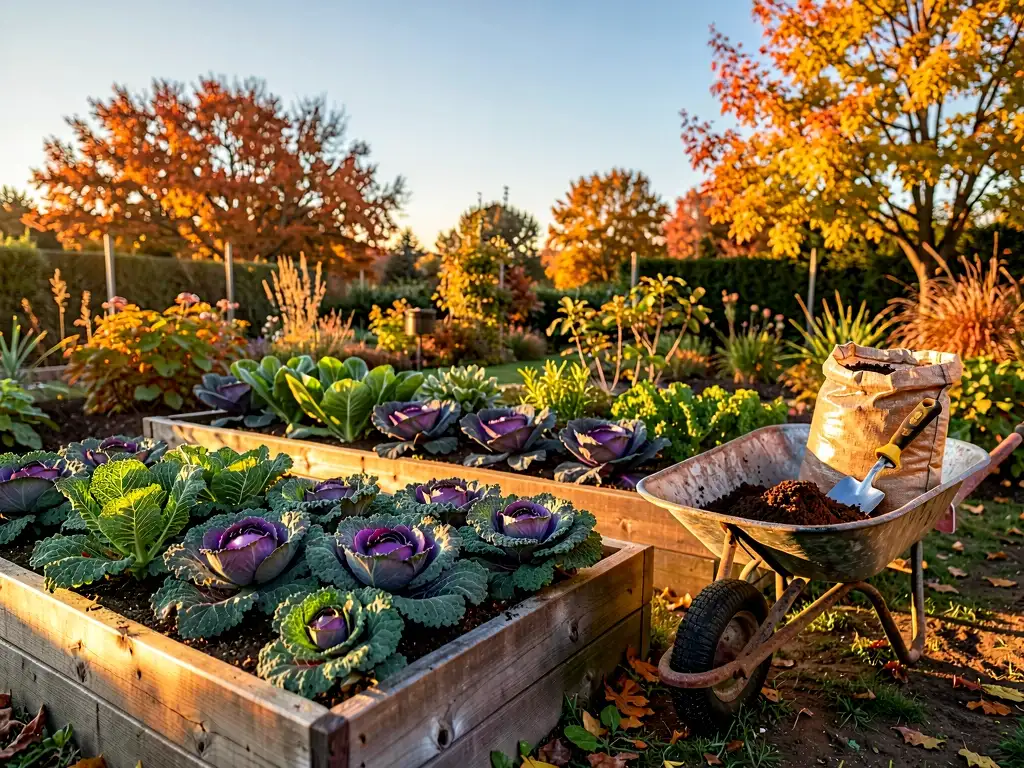
Good soil preparation matters more than seed selection. Most NZ vegetables prefer a slightly acidic to neutral pH of 6.0–7.0, and whether you’re working with Waikato’s peat, Auckland’s volcanic clay, or Canterbury’s stony loam, adding organic matter before planting pays off every time.
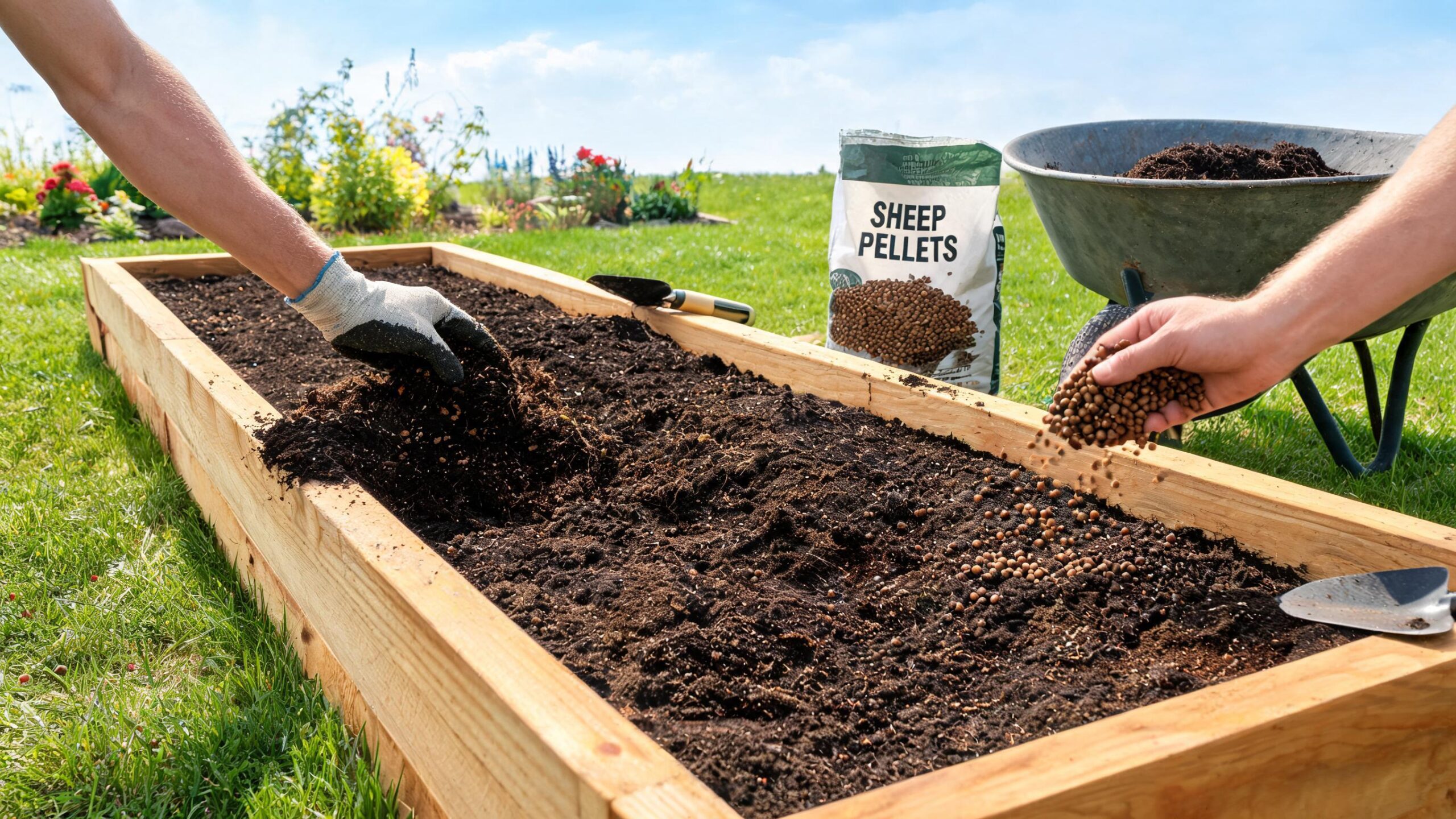
Dig in aged compost or well-rotted sheep pellets two weeks before sowing to boost soil structure and microbial life
Apply blood and bone as a slow-release base fertiliser for root crops and brassicas
Feed leafy greens and fruiting crops with a diluted seaweed or kelp tea every 2–3 weeks once seedlings are established
Mulch newly planted beds with pea straw or bark chip to conserve moisture and suppress early spring weeds
Water gently but consistently; spring winds dry out topsoil faster than gardeners expect, particularly in exposed Wellington and Canterbury plots
Kiwi gardeners often notice that beds amended the previous autumn perform noticeably better in September than beds worked at the last minute, so any prep done now still pays dividends by summer even if you didn’t get to it earlier.
Regional Timing and Frost Protection Tips
In frost-prone inland areas such as Central Otago, Mackenzie Country, and parts of inland Canterbury, hold frost-tender seedlings back until late October or even November. A reliable rule of thumb from horticultural extension guidance is to add roughly two weeks to your area’s average last spring frost date before transplanting tomatoes, capsicums, and courgettes outdoors, a principle echoed in regional frost-date advisories used by New Zealand climate and frost-date reference guides.
Use frost cloth or cloches over young seedlings on clear, still nights when radiant frost is likely
Raised beds warm faster in spring than in-ground plots, giving root crops a head start in cooler regions
Coastal Bay of Plenty and Nelson gardens can often push planting dates a fortnight earlier than inland equivalents at the same latitude
A simple polytunnel or mini glasshouse extends your effective growing zone by several weeks either side of frost risk
Common September Pests and Diseases to Watch
Warmer, damper spring conditions wake up pest populations alongside your seedlings.
Passionvine hopper nymphs begin appearing on soft new growth; a strong hose blast or insecticidal soap keeps numbers down early
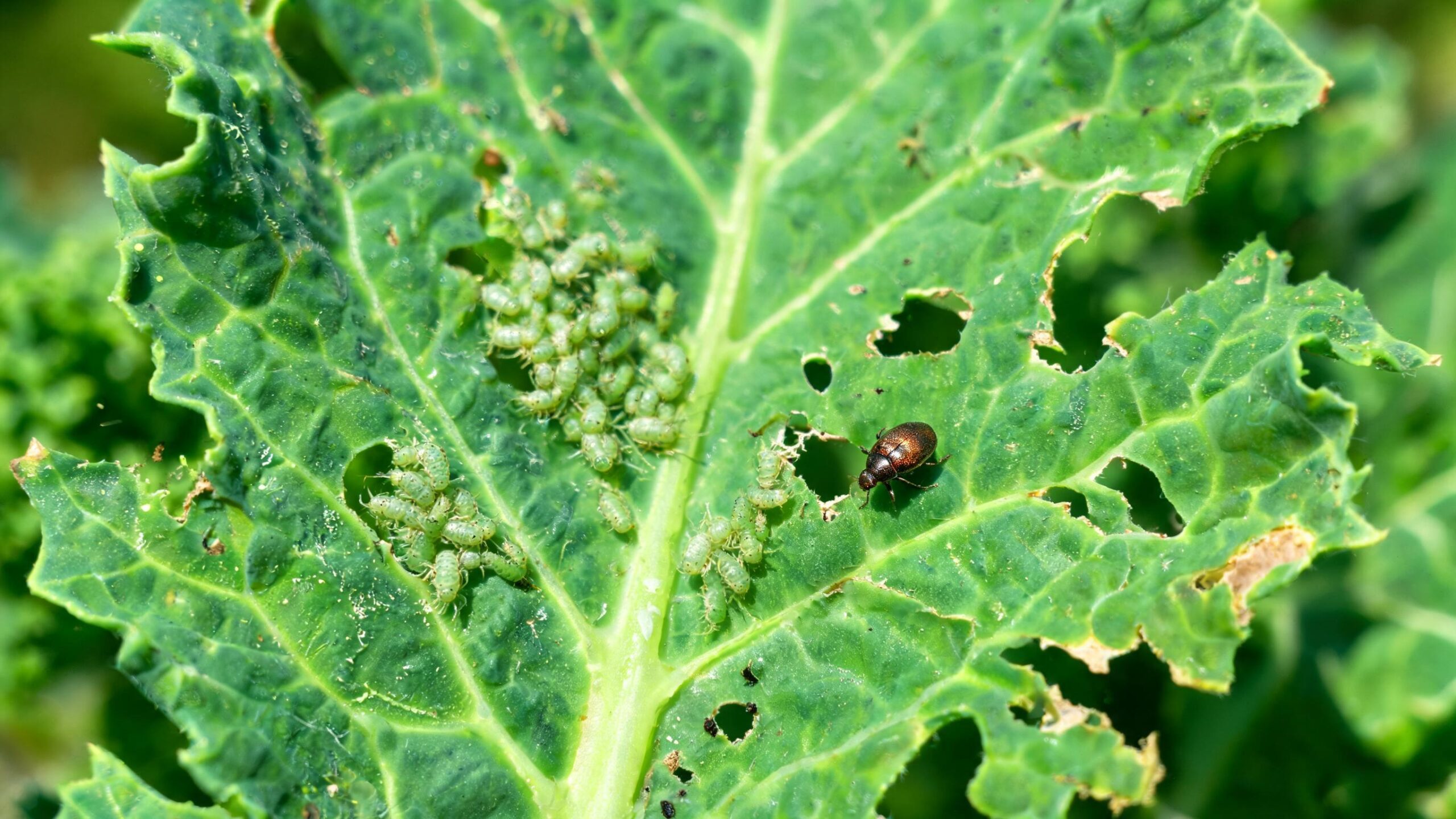
Bronze beetle can chew ragged holes in new seedling leaves, especially brassicas and roses; handpicking at dusk is effective for small plots
Powdery mildew may already show on overwintered plants as humidity rises; improve airflow and avoid overhead watering late in the day
Slugs and snails are highly active on tender spring seedlings; beer traps or organic baits protect direct-sown crops
Aphids and psyllids multiply quickly on new brassica and tomato growth; encourage ladybirds and hoverflies as natural predators
According to biosecurity guidance from Biosecurity New Zealand, gardeners should also check new seedlings and seed potatoes for unusual pest activity before planting, since early detection of unfamiliar pests or diseases helps protect the wider growing region.
Key Takeaways
September is the true start of the NZ spring growing season, but frost risk still shapes what you can plant outdoors
Direct-sow peas, beetroot, carrots, radish, and leafy greens once soil warms past 4–8°C
Start tomatoes, capsicums, and cucurbits indoors or under cover almost everywhere except the far north
Match your planting choices to your specific microclimate rather than a single national date
Feed with blood and bone, sheep pellets, and seaweed tea to give spring plantings the best start
Frequently Asked Questions
Is it too early to plant tomatoes outside in September in NZ?
In most regions, yes. Tomatoes are frost-tender and need overnight temperatures reliably above 10°C. Northland and Auckland gardeners may risk it under cloche late in the month, but Waikato, Wellington, Canterbury, and Otago gardeners should keep seedlings indoors or in a glasshouse until October or November.
What vegetables can I sow directly outside in September?
Peas, beetroot, carrots, radish, turnips, silverbeet, spinach, lettuce, and Asian greens like pak choi and mizuna can all be direct-sown in September once soil has warmed slightly. These cool-season crops tolerate the occasional light frost that’s still common early in the month.
How do I protect my garden from a late spring frost?
Cover tender seedlings with frost cloth, an old sheet, or a cloche on clear, still evenings when frost is forecast, since radiant frost is most severe under cloudless skies. Raised beds and north-facing slopes also drain cold air away faster than low-lying flat ground, reducing frost pooling.
What’s the best fertiliser for spring vegetable beds?
Blood and bone works well as a slow-release base fertiliser dug in before planting, while sheep pellets add organic matter and improve soil structure over time. Follow up with a diluted seaweed or kelp tea every few weeks once seedlings establish, particularly for leafy greens and fruiting crops.
Can I still plant seed potatoes in September?
Yes, September is one of the best months for it. Chit your tubers indoors for a few weeks first, then plant them once the worst frosts have passed in your area, spacing them roughly 30cm apart in trenches enriched with compost.
Why does my clay soil struggle in spring?
Heavy volcanic or clay soils common in parts of Auckland and Waikato drain slowly and warm up later than sandy loam, delaying seed germination. Digging in coarse compost, gypsum, or aged sheep pellets improves drainage and speeds spring warming considerably.
What flowers should I plant in September for summer colour?
Sweet peas, dahlia tubers, gladioli corms, and hardy annuals like petunias and marigolds are excellent September choices. Planting now gives them time to establish strong roots before the main summer flush of growth and flowering begins.
Is September a good time to start a vegetable garden from scratch?
Absolutely. September is arguably the best entry point into the gardening year for beginners, since cool-season crops are forgiving of minor timing mistakes and the lengthening days encourage steady, visible growth that builds confidence quickly.
Final Thoughts: Getting September Right Sets Up Your Whole Season
Knowing what to plant in September in NZ comes down to reading your soil, your local frost patterns, and your region’s unique microclimate rather than following a single generic calendar. Treat this spring gardening guide as your starting framework, then adjust based on what your own thermometer and weather patterns tell you week to week. Get your beds prepped, your seed potatoes chitting, and your tomato seedlings warming on a sunny windowsill, and your whenua will reward you with a strong, productive season ahead.
We use cookies to improve your experience, analyze traffic, and display personalized ads.
By clicking "Accept", you consent to the use of cookies in accordance with our Privacy Policy.