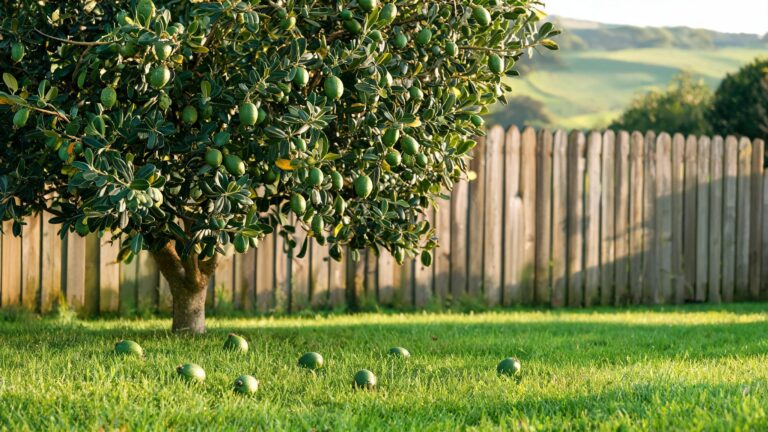
Spring Gardening Guide NZ: The Complete Kiwi Planting Calendar for September to November
As soil temperatures climb out of the winter chill and the first warm westerlies sweep across Aotearoa, this spring gardening guide is your month-by-month roadmap to a productive September, October, and November in New Zealand gardens. Whether you’re gardening in frost-prone Central Otago or the subtropical fringes of Northland, spring is when the whenua wakes up — and getting your timing right now sets the tone for your entire growing year.
Spring in New Zealand runs from September through November, and it’s the busiest planting window of the year for Kiwi gardeners. As soil warms past 10°C and the last frosts pass, gardeners move from sowing cool-season crops indoors to direct-sowing and transplanting summer vegetables outdoors.
October: direct-sow beans, sweetcorn, and pumpkin; transplant tomatoes once frost risk has passed
November: focus on watering, mulching, and pest patrol as the weather heats up
Feed monthly with sheep pellets, blood and bone, or seaweed tea to fuel rapid spring growth
Always check your local last-frost date — it varies by weeks between Auckland and Central Otago
Why Spring Matters So Much in the NZ Gardening Calendar
Spring is the hinge-point of the New Zealand gardening calendar. It’s the season that bridges the slow, protective work of your winter gardening guide tasks with the full productivity of summer. Get your soil prep, timing, and plant selection right in spring, and you’ll harvest for months longer than gardeners who rush or delay.
Unlike Northern Hemisphere spring advice (which is entirely the wrong season for us), New Zealand gardeners need timing built around our own Southern Hemisphere calendar: Spring = September–November, with soil and air temperatures still recovering from winter in early September before accelerating rapidly by late November.
September: Waking Up the Garden
Soil Preparation and Bed Prep
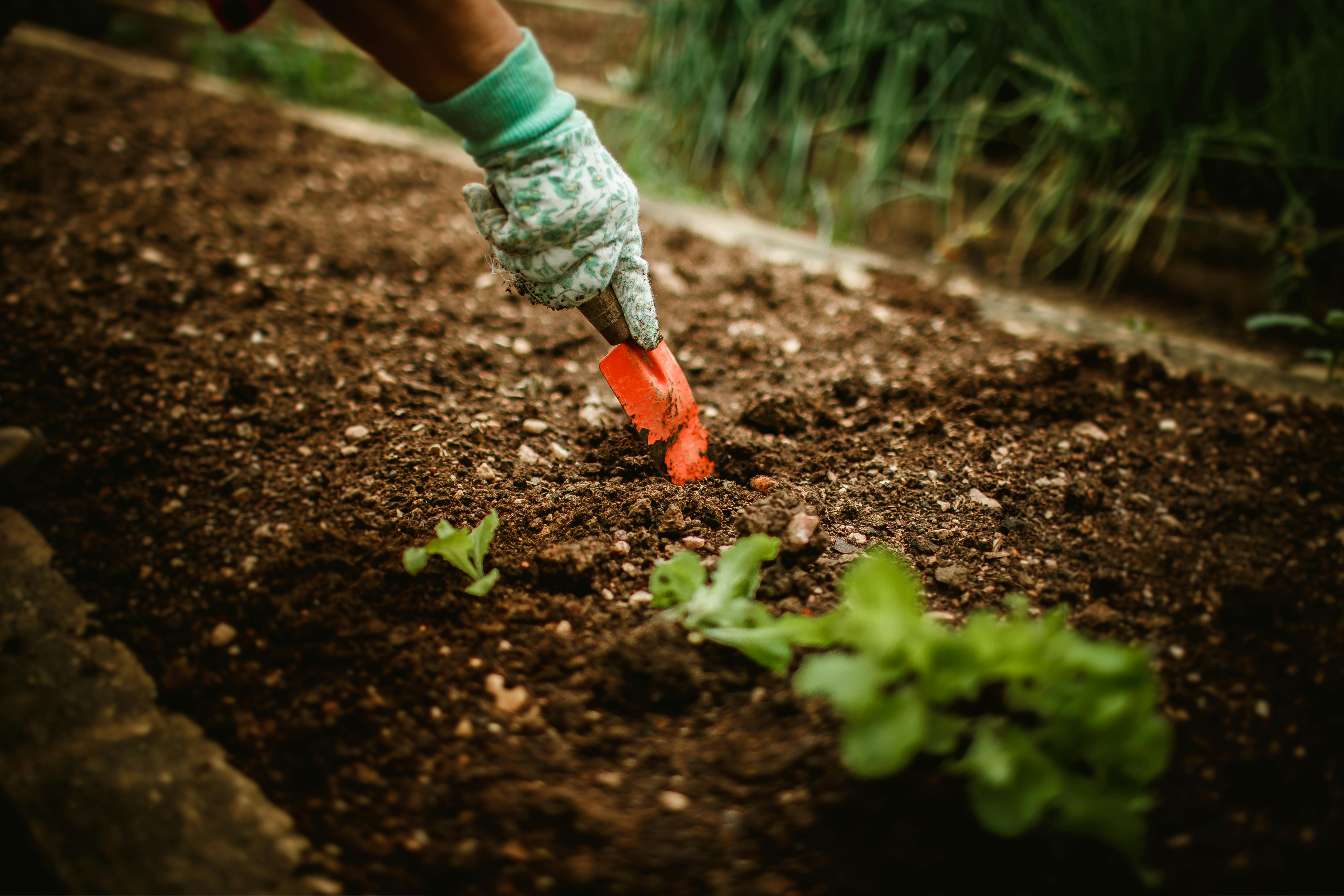
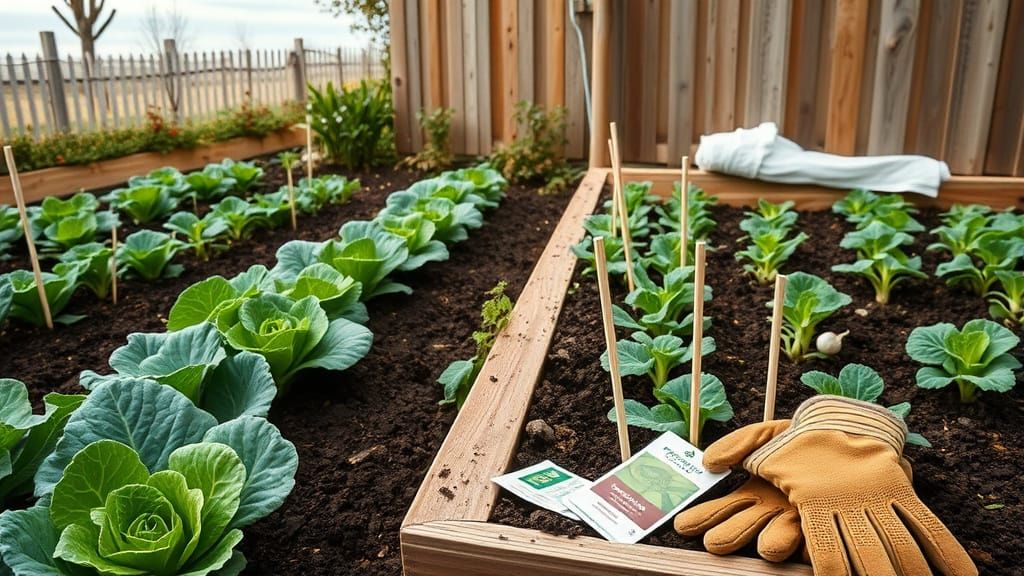
Early spring is prime time to get beds ready. Dig over existing soil to around one and a half spade depths, working in well-rotted compost, aged sheep pellets, or blood and bone to replenish nutrients drawn down over winter. Leave beds to settle for a week to ten days before turning again and planting — this lets nutrients integrate and soil structure recover, especially important in heavy volcanic clay soils common across the Waikato and parts of Auckland.
Test your soil pH if you haven’t recently; most vegetables prefer a slightly acidic to neutral 6.0–7.0. Lime is useful on acidic clay soils, while gypsum can help break up compacted clay without altering pH.
What to Sow and Plant in September
Start indoors/on windowsills: tomato, capsicum, chilli, and cucumber seeds — soil is often still too cool to direct sow these in most regions
Direct sow outdoors (if frost has passed): beans, sweetcorn, zucchini, and melon seeds in warmer coastal areas
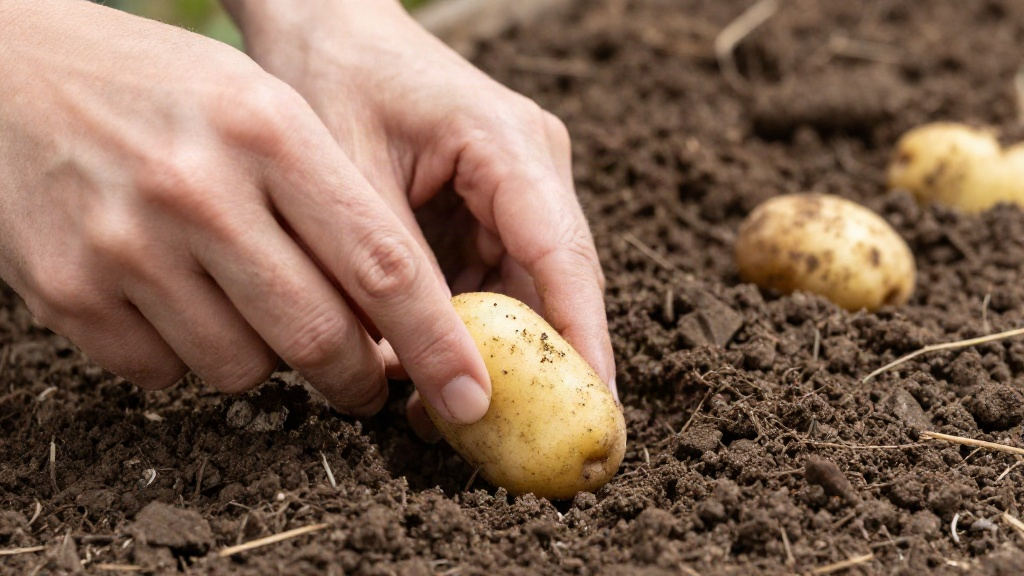
Plant seedlings: potatoes (chitted seed potatoes are ideal for September planting), brassica seedlings like broccoli and cabbage
Flowers: sow sunflower, petunia, zinnia, and marigold seeds; marigolds planted near vegetables can help deter certain pest insects
Bulbs: plant dahlia tubers, oriental lilium, hippeastrum, and calla lily bulbs now for a summer flowering display
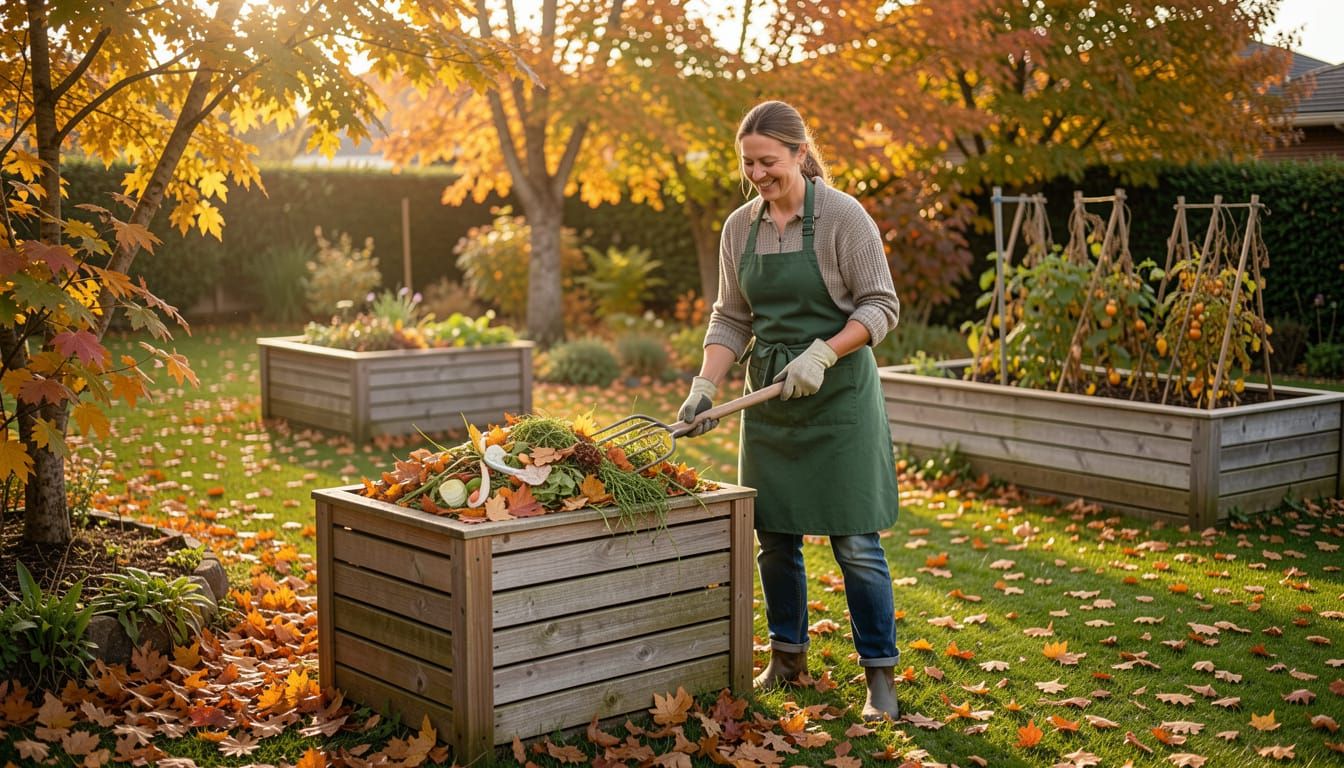
According to Mr Fothergill’s spring planting guide, September is also the ideal time to start a compost heap using kitchen scraps like banana peels, coffee grounds, and vegetable trimmings, feeding your soil biology ahead of the summer growing rush.
October: The Spring Gardening Guide’s Busiest Month
Direct Sowing and Transplanting
October is when the spring gardening guide really kicks into gear. Soil temperatures are climbing past the crucial 15°C mark in most regions, and frost risk has generally passed in temperate and subtropical zones. This is the month to:
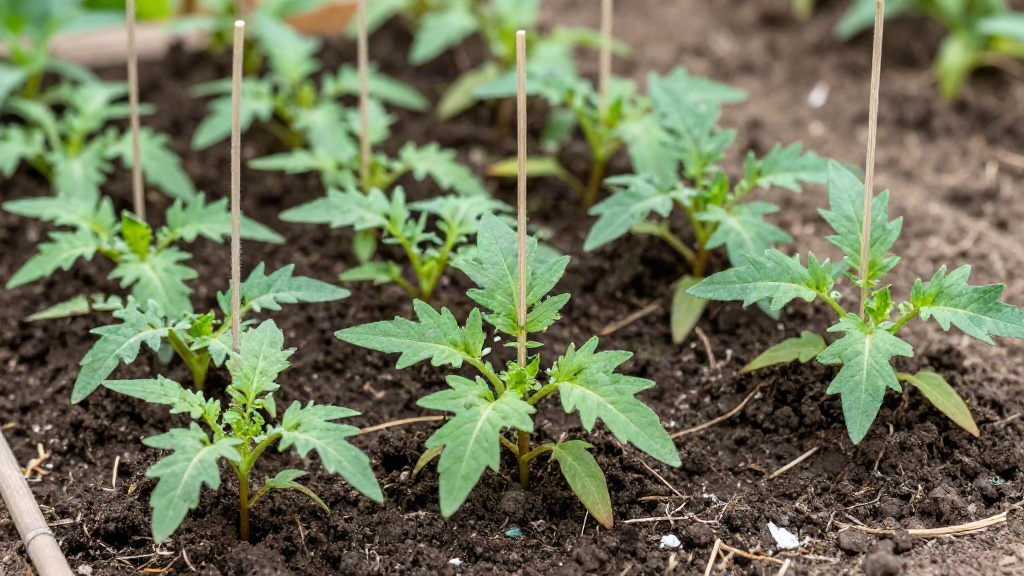
Transplant tomato, capsicum, and eggplant seedlings started indoors in August or September
Direct-sow beans, beetroot, carrots, leeks, lettuce, pumpkin, and radish
Sow sweetcorn in blocks (rather than single rows) to ensure good pollination
Plant out zucchini and cucumber seedlings once nights are reliably above 10°C
In frost-prone inland areas like Central Otago or the Mackenzie Basin, hold off on tender crops like tomatoes and cucumbers until closer to Labour Weekend (late October), which many older Kiwi gardeners still use as the traditional “safe to plant” marker.
Herbs and Flowers for October
October is prime herb-sowing season — basil, coriander, parsley, and thyme all establish quickly in warming soil, often ready for first picking in six to eight weeks. For colour, sow cosmos, nasturtium, salvia, and aster from seed, or plant out statice, carnation, and phlox seedlings for a mass display through summer.
November: Watering, Mulching, and Pest Watch
Managing Rapid Growth and Drying Soil
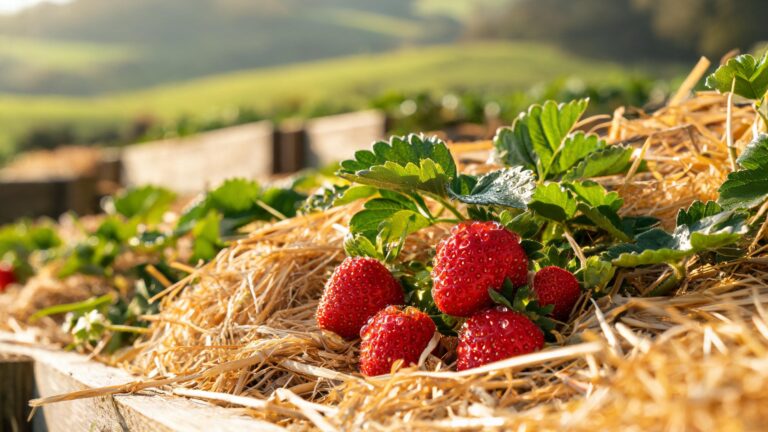
By November, temperate and drier eastern regions can dry out quickly, so irrigation becomes the priority task. Apply a soil wetting agent to sandy or hydrophobic soils so rainfall actually reaches plant roots instead of running off. Mulch heavily with pea straw, bark, or lucerne hay to lock in moisture, suppress weeds, and moderate soil temperature as summer approaches.
Water deeply and regularly rather than little and often — shallow watering encourages shallow root systems that struggle once real summer heat arrives.
Pruning and Deadheading
Prune spring-flowering shrubs once they finish blooming, and remove tired spring annuals to make way for summer colour. Deadhead repeat-flowering plants regularly to encourage further blooms right through into autumn.
Regional Spring Variations Across New Zealand
New Zealand’s spring doesn’t arrive uniformly, and a good spring gardening guide has to account for genuine regional differences in soil, frost risk, and warmth.
Region
Typical Last Frost
Soil Type
Spring Planting Notes
Northland / Auckland
Rare after August
Clay loam, volcanic soils
Can transplant tomatoes and capsicums from early-mid September in sheltered spots
Waikato / Bay of Plenty
Early-mid September
Volcanic clay, free-draining loam
Wait until late September for tender crops; excellent kumara and pumpkin growing conditions
Wellington / Manawatu
Late September
Sandy loam, clay pockets
Wind protection is essential; stake tomatoes and beans early
Canterbury
Late October
Free-draining stony/silt loam
Delay tender crops until after Labour Weekend; use cloches for early starts
Central Otago
Early-mid November
Schist-based silt loam
Latest safe planting dates in the country; frost cloth essential into November
Feeding the Spring Garden the Kiwi Way
Spring growth demands nutrients, and local, sustainable options work best across New Zealand soils:
Blood and bone: a slow-release, balanced feed ideal when preparing new beds
Sheep pellets: gentle, well-balanced organic fertiliser widely available and excellent for clay soils
Seaweed or kelp tea: a foliar tonic that boosts root development and stress resilience, particularly useful for seedlings transitioning outdoors
Compost: homemade or bagged, dug into beds at least a week before planting to allow it to integrate
Common Spring Pests to Watch For
Warmer spring weather brings pest activity back to life across New Zealand gardens. Passionvine hopper nymphs begin appearing on soft new growth from October, leaving behind their telltale white fluffy wax. Bronze beetle can strip seedling leaves overnight, particularly on roses and young vegetable transplants, so evening torch inspections are worthwhile in badly affected gardens. Aphids and psyllids also multiply quickly on new growth once temperatures rise consistently above 15°C, so early intervention with insecticidal soap or targeted horticultural oil helps avoid a full infestation by summer.
Container and Raised Bed Spring Gardening
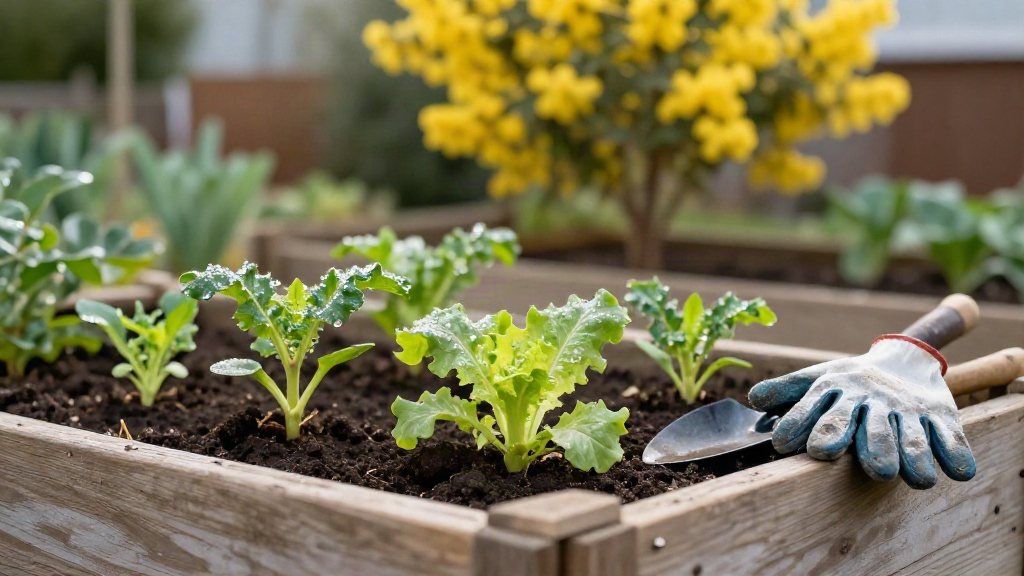
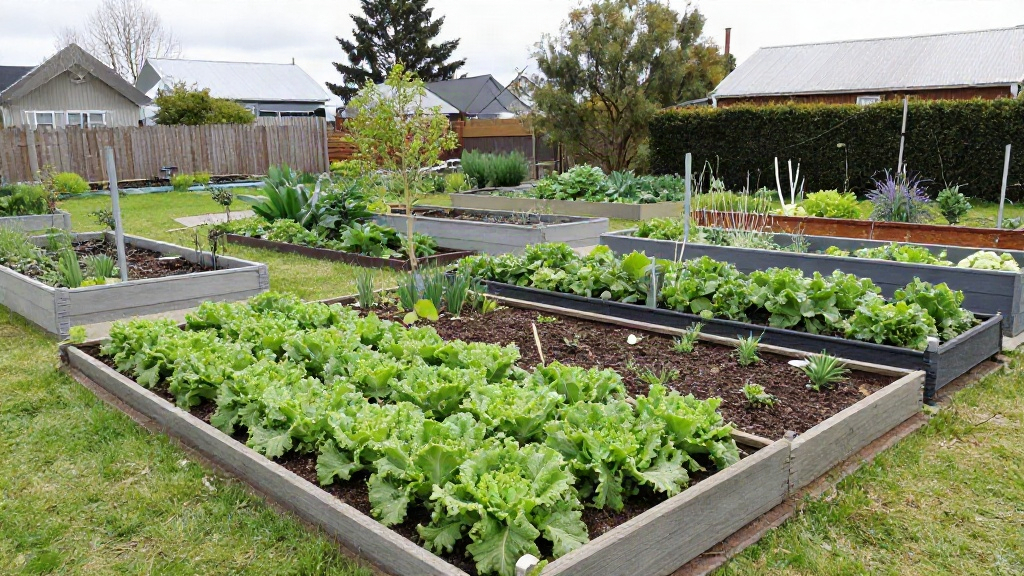
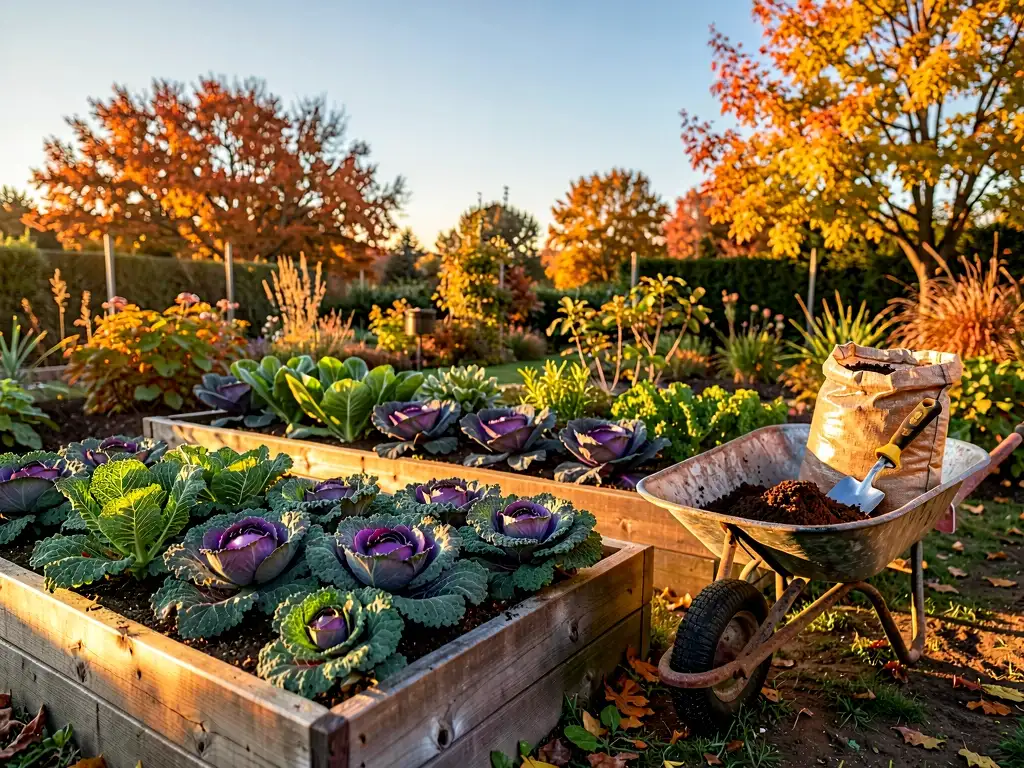
Not every Kiwi gardener has open ground, and spring is an excellent time to get containers and raised beds producing. Raised beds warm faster than in-ground plots because they drain better and catch more direct sun, making them ideal for early tomato, capsicum, and herb plantings in cooler regions like Canterbury or inland Otago.
Use a quality vegetable-specific potting mix rather than garden soil in containers, as garden soil compacts and drains poorly in pots
Choose dwarf or bush varieties of beans, cucumbers, and tomatoes for smaller raised beds or patio containers
Group pots together to create a favourable microclimate, and move them to catch maximum spring sun as day length increases
Line the base of raised beds with cardboard over grass to suppress weeds while adding organic matter as it breaks down
Cloches and mini greenhouses are also worth the investment for gardeners in frost-prone areas wanting to push their spring planting dates a few weeks earlier than open-ground conditions would otherwise allow.
Native Plants and Spring Garden Biodiversity
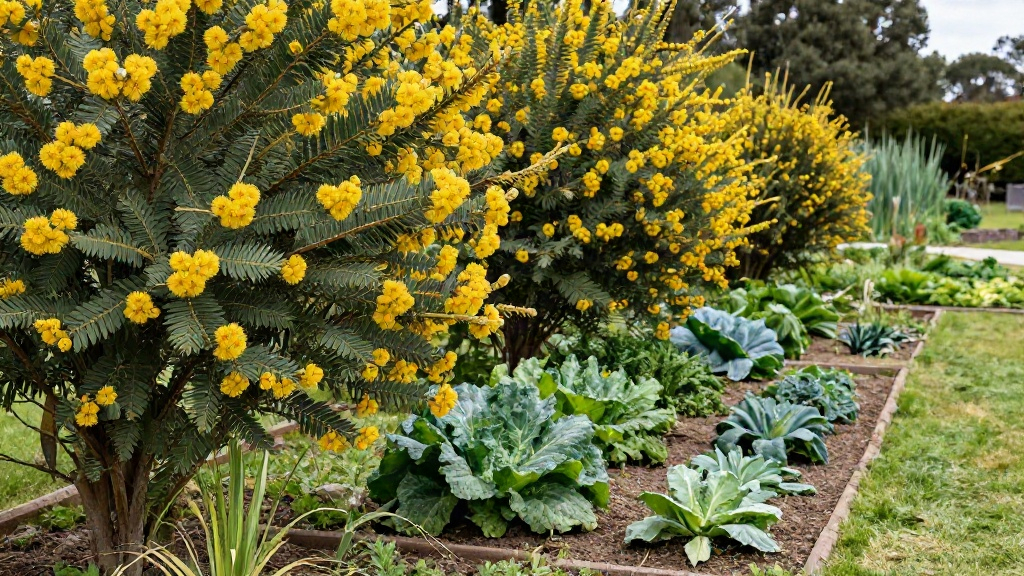
Spring is also when many of Aotearoa’s native plants come into their own, and weaving a few into the vegetable patch or its borders supports pollinators and beneficial insects that keep pest numbers in check. Kōwhai bursts into golden bloom from September, drawing tūī and bellbirds into the garden, while harakeke (New Zealand flax) provides year-round structure and nectar for native birds when little else is flowering.
Planting a border of native flowering species alongside your vegetable beds is a practical way to encourage natural pollination and predatory insects that help manage aphids and passionvine hopper populations without reaching for sprays. According to the New Zealand Plant Conservation Network, many native shrubs and groundcovers also improve soil structure over time through their root systems, which is a genuine benefit in compacted clay sections common across much of the North Island.
Spring Lawn and Garden Bed Maintenance
Spring is prime time to bring lawns back into shape after winter dormancy. A light application of a spring lawn fertiliser, combined with aerating compacted areas and overseeding bare patches, sets lawns up for dense summer growth. Edge garden beds cleanly to define your vegetable patch from surrounding lawn and reduce grass creeping into your soil-improved beds.
For ornamental beds, top up mulch layers that have broken down over winter, divide overcrowded perennials while they’re still in early active growth, and stake tall-growing plants like dahlias and delphiniums before they put on their main spring surge — staking after the fact often damages roots and rarely looks as tidy.
From Winter to Spring: Making the Seasonal Transition
If you followed a solid winter gardening guide over June, July, and August — protecting brassicas, mulching bare beds, and planning your crop rotation — spring is where that groundwork pays off. Beds that were rested or cover-cropped over winter should be noticeably easier to work in September, with improved structure and biology ready for the season’s plantings.
Looking further ahead, the same seasonal discipline applies at the other end of the year: an autumn gardening guide approach in March through May sets up your winter crops just as spring planning sets up summer’s harvest. Treating the whole year as a connected cycle, rather than isolated seasons, is one of the biggest shifts that separates thriving Kiwi gardens from struggling ones.
Key Takeaways for Your Spring Garden
September is for soil prep, seed-starting indoors, and planting potatoes and brassica seedlings
October is the peak sowing and transplanting month once frost risk has passed in your region
November shifts focus to irrigation, mulching, and pest management as temperatures rise
Regional timing varies significantly — Central Otago gardeners should plant tender crops weeks later than Auckland or Northland
Feed consistently with sheep pellets, blood and bone, and seaweed tea to support rapid spring growth
Frequently Asked Questions
When is the best time to plant tomatoes in New Zealand?
Tomatoes should only go outdoors once all risk of frost has passed in your area. In Auckland and Northland this can be mid-September, but in Canterbury and Central Otago, wait until after Labour Weekend or even mid-November. Start seeds indoors 6–8 weeks before your local transplant date for a head start.
What vegetables can I plant in September in NZ?
September suits potato tubers, brassica seedlings (broccoli, cabbage), and indoor-started tomato, capsicum, chilli, and cucumber seeds. In frost-free coastal pockets, beans and sweetcorn can go directly into the ground, but most regions should wait until October for tender crops.
How do I protect my spring seedlings from frost?
Use frost cloth, cloches, or horticultural fleece over young seedlings on cold nights, and avoid planting frost-tender crops until your region’s typical last frost date has passed. Raised beds and north-facing sheltered spots also warm faster and offer natural frost protection.
Why is my clay soil hard to work with in spring?
Volcanic clay and heavy clay loam soils, common in Waikato and parts of Auckland, hold moisture and compact easily after winter rain. Dig in generous compost, aged sheep pellets, or gypsum to improve drainage and structure before spring planting, and avoid working the soil while it’s still waterlogged.
What’s the difference between a spring gardening guide and an autumn gardening guide in NZ?
A spring gardening guide focuses on warming soil, increasing daylight, and establishing summer crops like tomatoes, beans, and sweetcorn, while an autumn gardening guide centres on cooling temperatures and transitioning to hardy winter vegetables like brassicas and root crops. Both share the same core principles of soil health and timing, just applied to opposite seasonal conditions.
When should I start feeding my spring vegetable garden?
Begin feeding as soon as seedlings are established, roughly two to three weeks after transplanting, using an all-purpose liquid fertiliser or seaweed tea every fortnight. Established beds also benefit from a base dressing of blood and bone or sheep pellets dug in at planting time.
Is it too late to plant bulbs in spring for a summer flower display?
Early to mid-September is still an excellent window for planting dahlia tubers, oriental lilium, and calla lily bulbs for a summer flowering display. Planting later into October can still work in warmer northern regions, though flowering may be slightly delayed.
Growing Confidently Through Spring
This spring gardening guide reflects what New Zealand’s own growing conditions demand: patience with frost timing, attentive soil building, and a willingness to adapt Southern Hemisphere logic rather than borrowed Northern Hemisphere advice. Get your September prep right, use October’s warmth to establish your summer crops, and stay on top of November’s watering and pest checks, and your whenua will reward you with a strong, healthy garden right through summer. Get out there, get your hands in the soil, and enjoy watching your patch come alive this spring.
We use cookies to improve your experience, analyze traffic, and display personalized ads.
By clicking "Accept", you consent to the use of cookies in accordance with our Privacy Policy.