We use cookies to improve your experience, analyze traffic, and display personalized ads.
By clicking "Accept", you consent to the use of cookies in accordance with our Privacy Policy.
What to Plant in August: A Comprehensive Late Winter Gardening Guide
August is a transitional month for gardeners. As we inch closer to spring, the days slowly begin to lengthen, yet the chill of late winter remains firmly in the soil. Knowing exactly what to plant in August is the secret to a thriving spring garden and an early summer harvest. Whether you are dealing with the cool, frosty mornings of the South Island or the milder, wetter days in the North Island, getting your timing right is critical for success.
In this guide, we will break down exactly which vegetables, fruits, and flowers you should be planting right now, how to prepare your soil for the upcoming growing season, and the best practices for both indoor seed sowing and direct garden planting.
In August, focus on hardy vegetables, bare-root fruit trees, and early spring flowers. In colder regions, start summer crops in seed trays indoors, while warmer areas can begin direct sowing frost-tolerant plants.
Fruits: Plant bare-root deciduous fruit trees (apples, pears, plums), citrus, and strawberries.
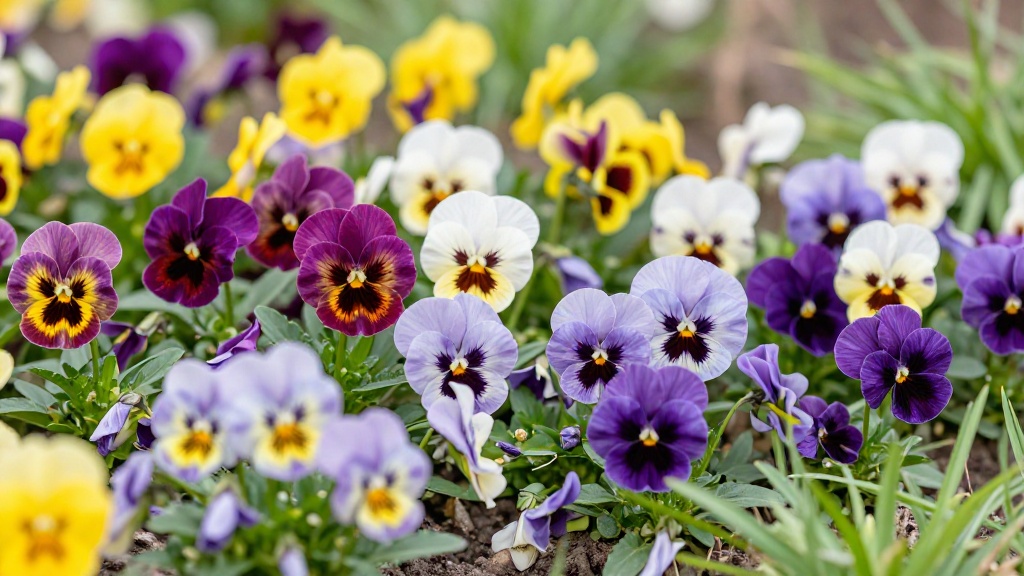
Flowers: Plant calendula, pansies, violas, snapdragons, and sweet peas. Plant summer-flowering bulbs like gladioli and dahlias in frost-free zones.
Indoors/Greenhouse: Sow seeds for early tomatoes, capsicums, and chillies on a warm windowsill.
Preparing Your Garden for August Planting
Before you put a single plant in the ground, soil preparation is essential. Winter rains can leave garden beds compacted and leached of nutrients.
Soil Testing and Amendment
Start by testing your soil pH. Most vegetables prefer a slightly acidic to neutral pH between 6.0 and 7.0. If your soil is too acidic, which is common after heavy winter rains, applying garden lime can help sweeten it and improve soil structure.
Adding Organic Matter
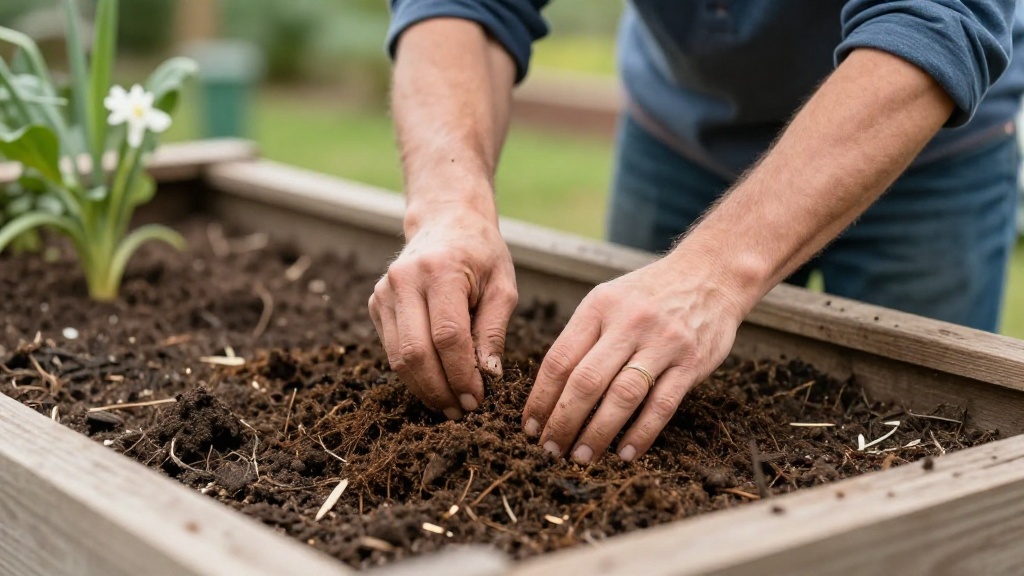
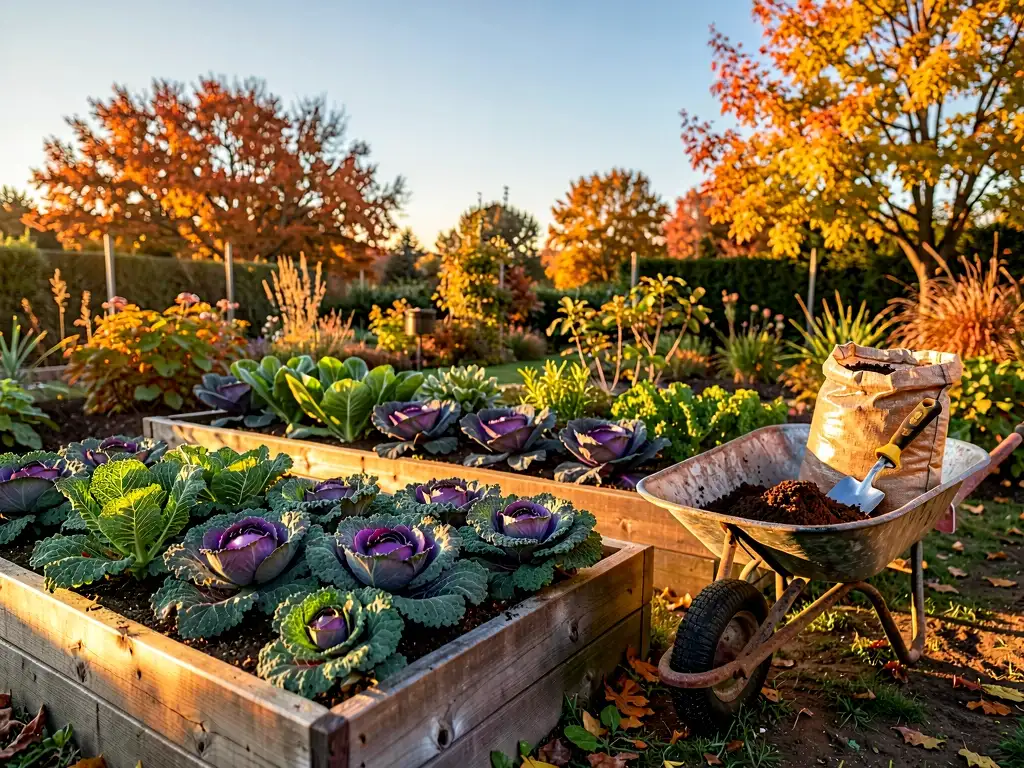
Dig in generous amounts of organic compost and sheep pellets. This not only replenishes essential nutrients but also improves soil aeration and drainage. If you planted a green cover crop like mustard or lupin earlier in the winter, August is the time to chop it down and dig it into the soil. Allow it to break down for 3-4 weeks before planting new seedlings.
What Vegetables to Plant in August
Brassicas and Leafy Greens
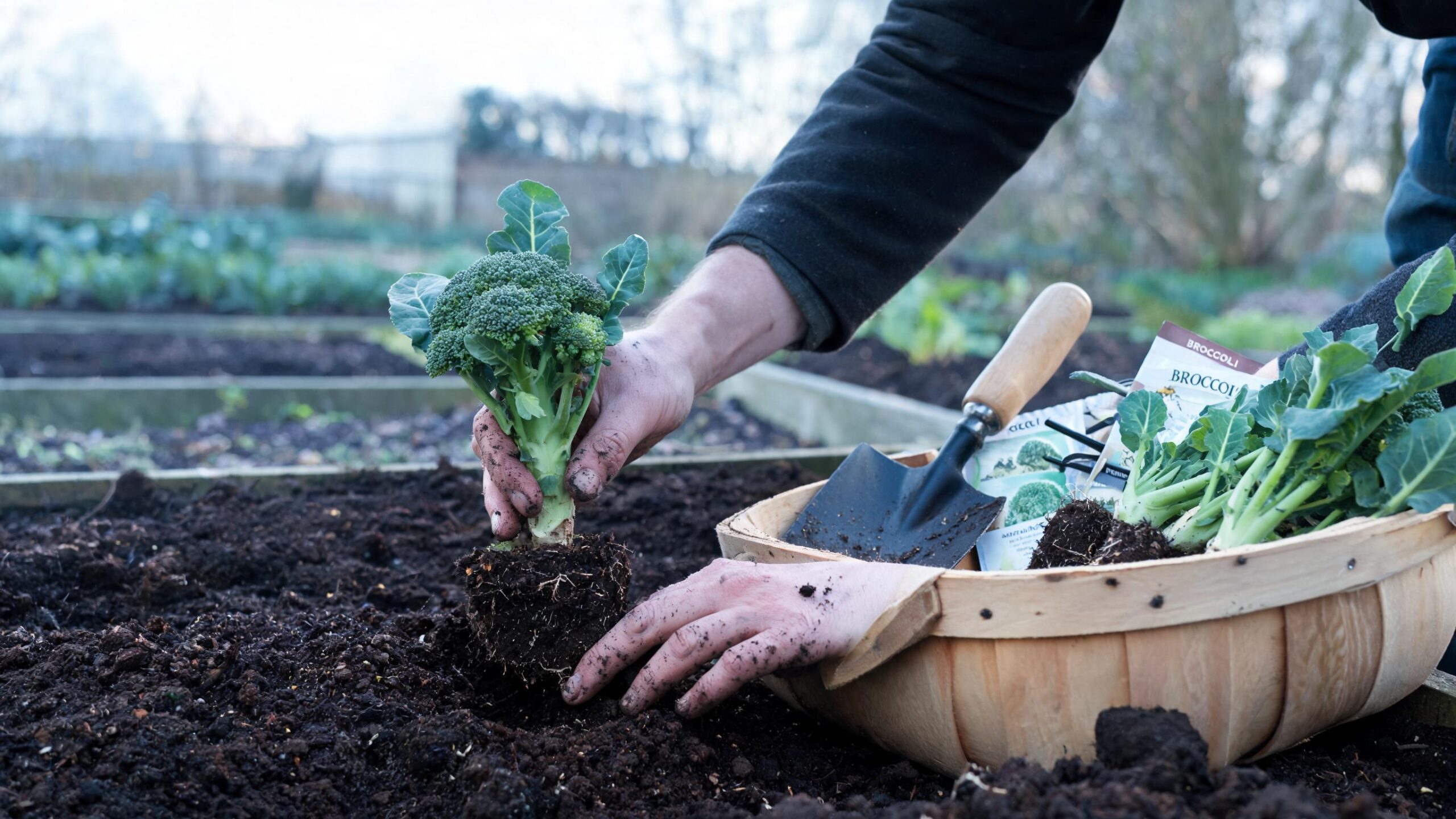
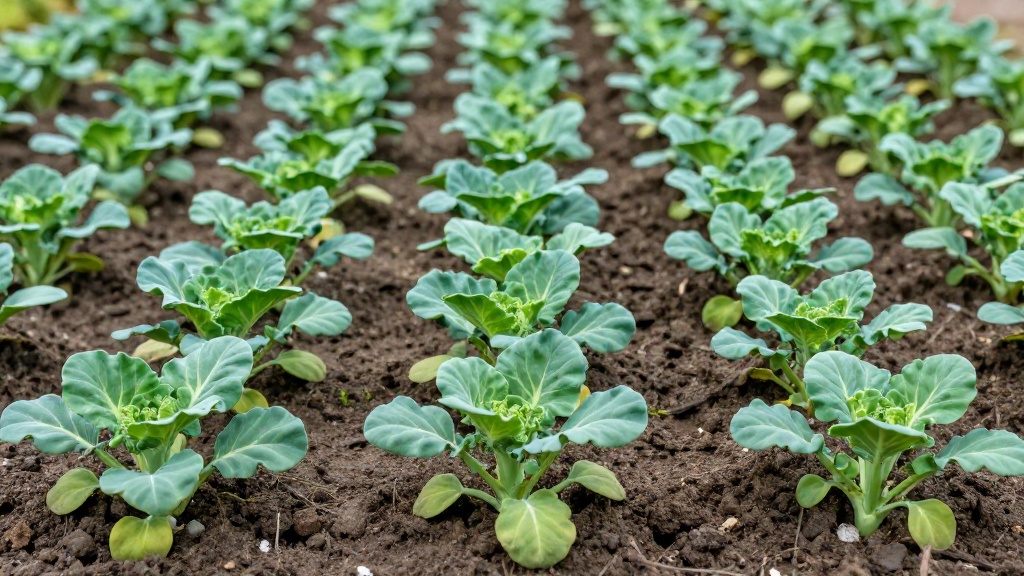
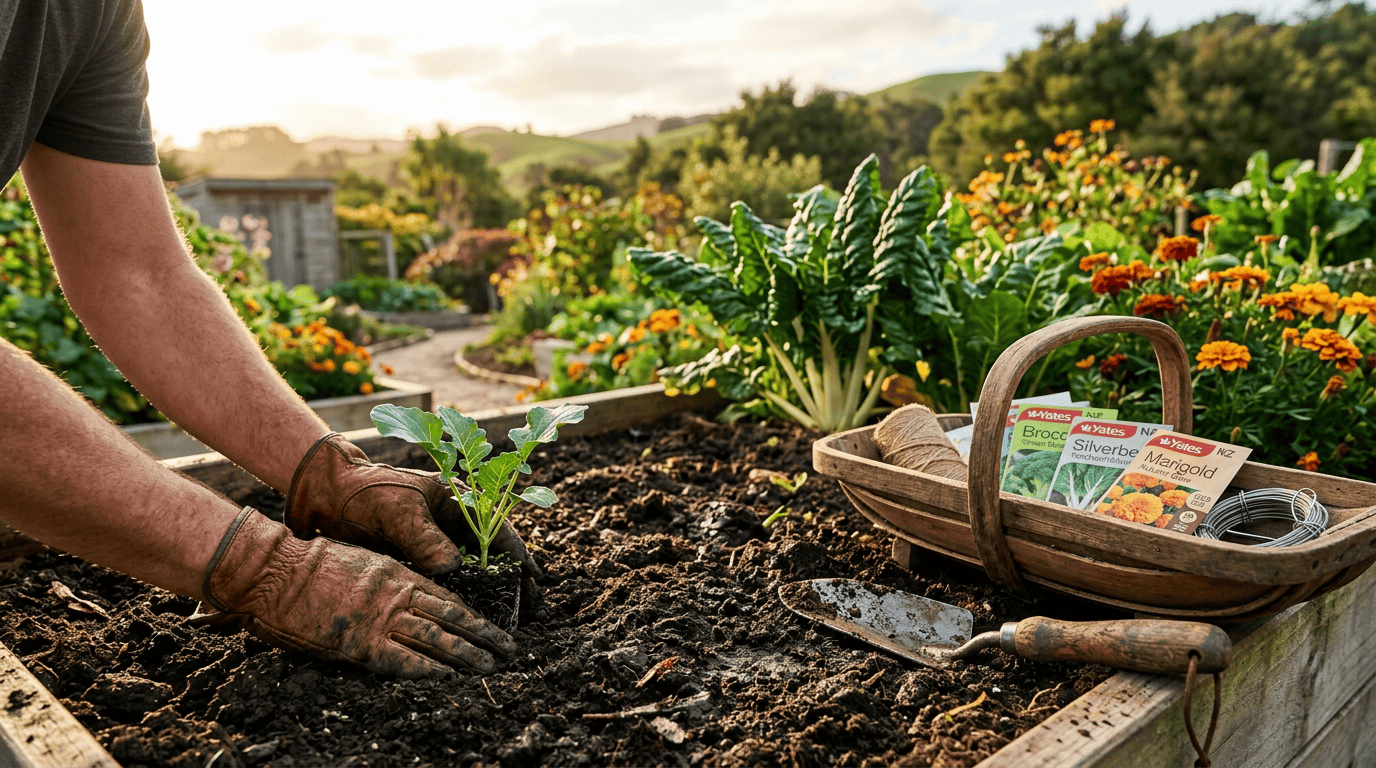
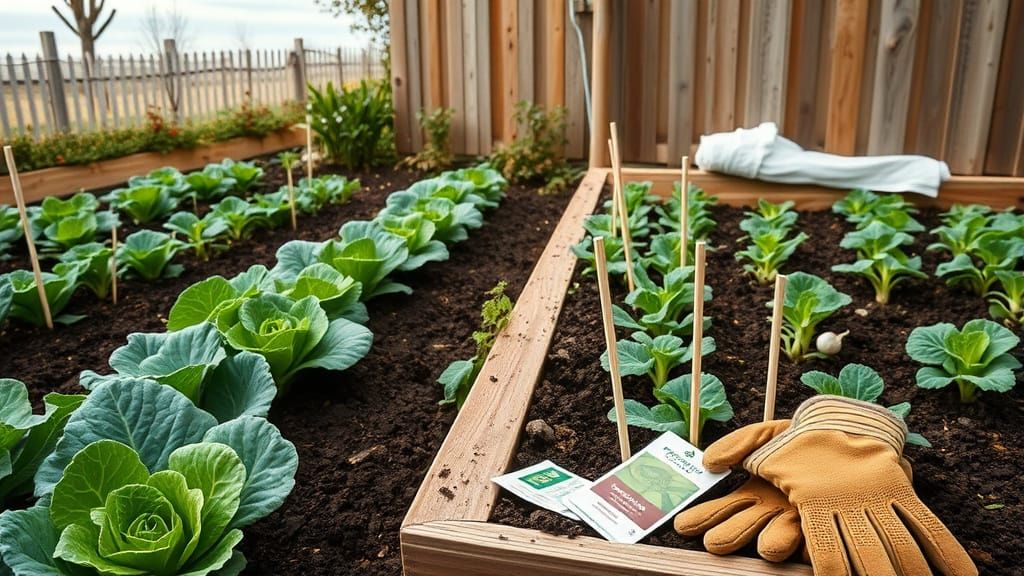
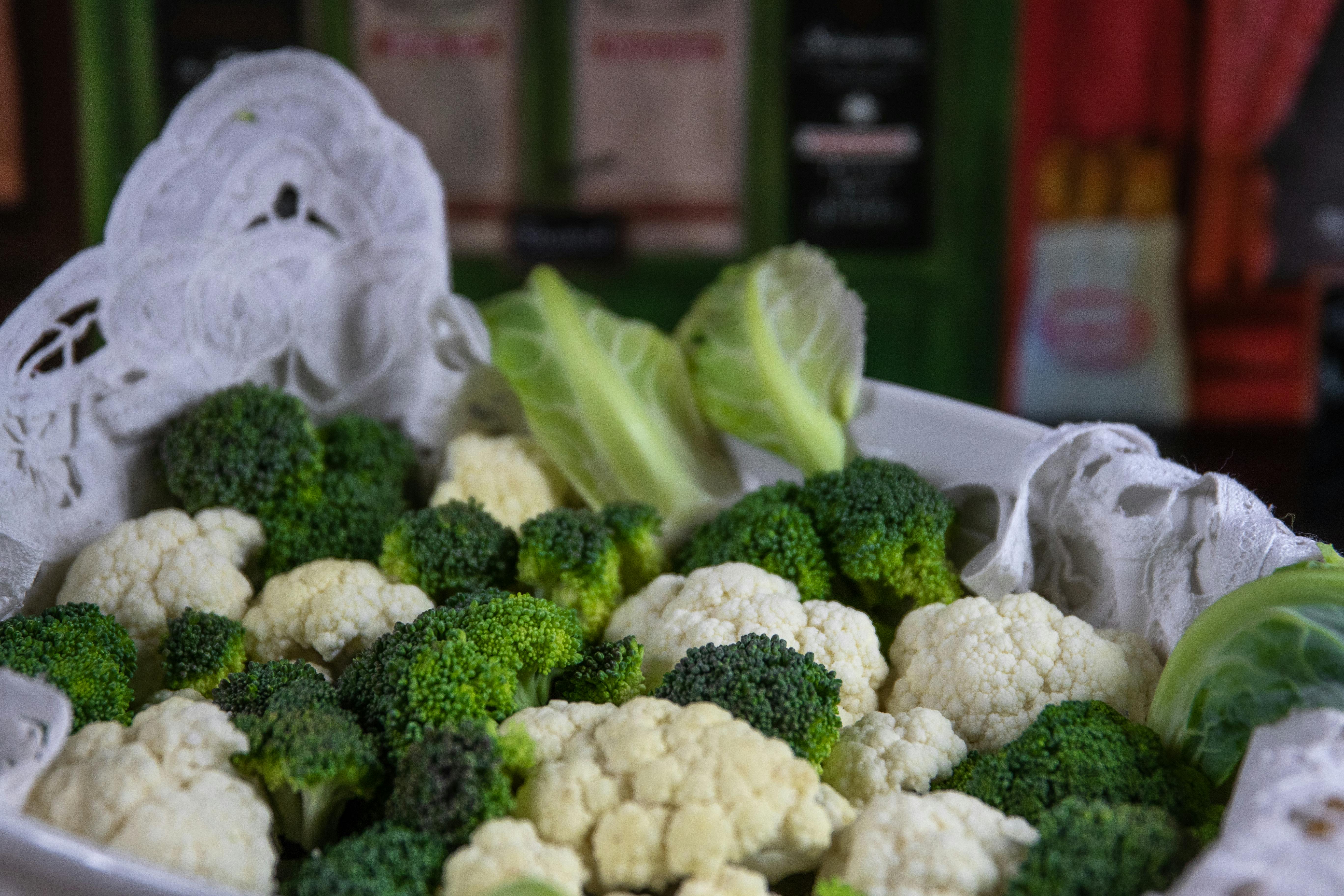
Brassicas are the champions of the late winter garden. Broccoli, cabbage, and cauliflower seedlings can be planted out now. They are cold-hardy and will mature beautifully as the weather warms.
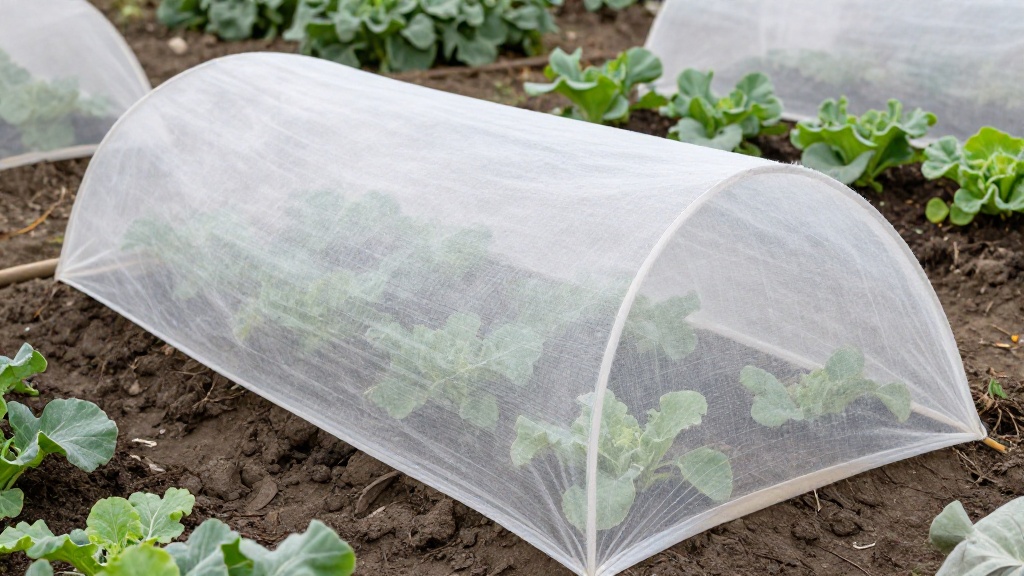
Leafy greens such as spinach, silverbeet, kale, and lettuce are also perfect for August planting. In colder areas, consider using a cloche or polytunnel to protect young lettuce seedlings from harsh frosts.
Root Vegetables and Legumes
Direct sow seeds for root vegetables like carrots, parsnips, and beetroot. These plants resent transplanting, so sowing them directly into well-draining soil yields the best results.
Broad beans and peas are excellent choices for August. Not only do they tolerate the cold, but being legumes, they also fix nitrogen in the soil, improving conditions for subsequent summer crops.
Potatoes and Early Summer Crops
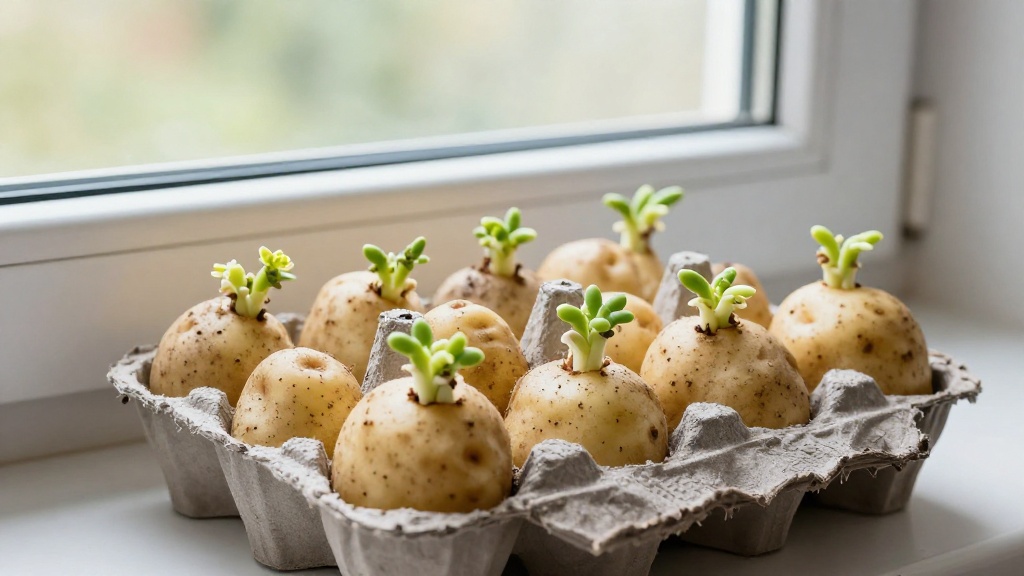
August is the traditional time to start “chitting” or sprouting seed potatoes. Place certified seed potatoes in a cool, light, frost-free place to encourage sturdy green shoots. They will be ready to plant into trenches by September for a Christmas harvest.
For summer staples like tomatoes, capsicums, and eggplants, August is too cold for outdoor planting in most regions. However, you should sow these seeds in trays using a premium seed-raising mix and keep them on a warm, sunny windowsill or in a greenhouse.
Planting Fruit Trees and Berries in August
Bare-Root Fruit Trees
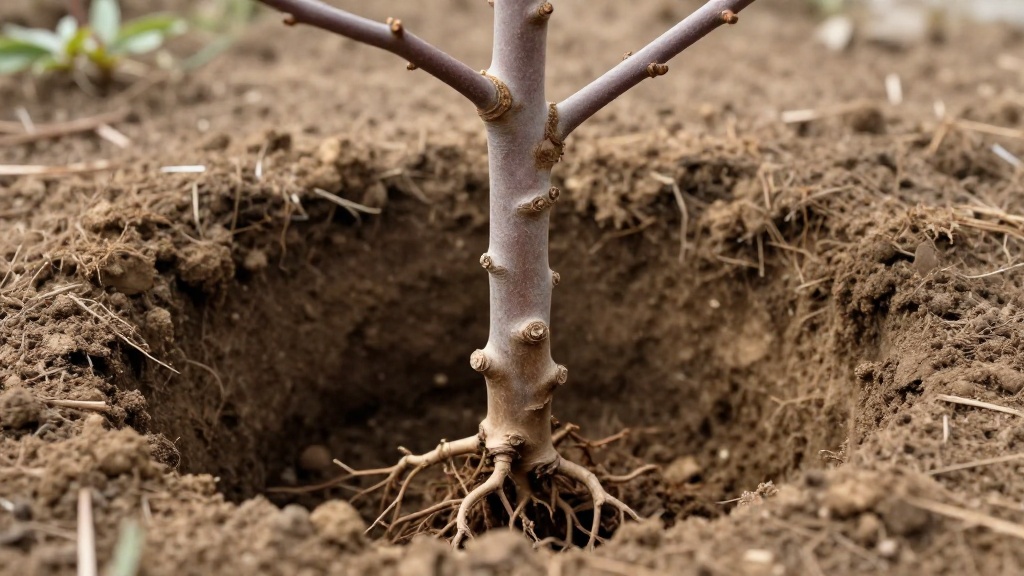
August is the tail-end of the bare-root planting season. Deciduous trees such as apples, pears, plums, and peaches should be planted while they are still dormant. Choose a spot with full sun and good drainage. Stake young trees immediately to protect them from strong spring winds.
Strawberries and Brambles
To ensure a bumper crop of summer berries, plant strawberries now. Getting them in early allows the plants to establish their root systems and experience the winter chilling required to stimulate flower buds. Space plants about 30cm apart and use a layer of pea straw mulch to suppress weeds and keep the developing fruit off the soil.
It is also a great time to plant blueberries, raspberries, and blackberries. Remember that blueberries require acidic soil, so incorporate pine needles or an acid-specific fertilizer when planting.
August Flower Gardening: Sowing for Spring Colour
A garden isn’t complete without flowers to attract beneficial pollinators. August is the time to bridge the gap between late winter blooms and the explosion of spring colour.
Hardy Annuals and Perennials
Plant out seedlings of pansies, violas, calendula, and snapdragons. These hardy plants will provide immediate colour and can withstand late winter frosts.
Direct sow seeds of alyssum, cornflowers, and sweet peas. Sweet peas require a climbing frame or trellis, and planting them now gives them time to establish deep roots before the heat of summer arrives.
Summer Flowering Bulbs
In frost-free areas, or if you are starting them in pots in a protected spot, you can begin planting summer-flowering bulbs and tubers such as gladioli, dahlias, and begonias. If you live in a frost-prone area, wait until September to plant these directly in the garden.
Climate Variations and Timing
Climate Zone
Vegetables to Plant/Sow
Fruit & Flowers
Key August Task
Cool (e.g., South Island, Central Plateau)
Broad beans, peas, spinach. Sow tomatoes indoors.
Bare-root fruit trees, strawberries.
Protect existing crops with frost cloth. Start chitting potatoes indoors.
Temperate (e.g., Waikato, Wellington)
Broccoli, cabbage, carrots, beetroot, silverbeet.
Citrus, strawberries, sweet peas, calendula.
Dig in green crops. Prepare garden beds with compost.
Warm (e.g., Northland, Auckland)
Early potatoes, lettuce, spring onions. Start early tomatoes in a greenhouse.
Avocados, passionfruit, dahlias, gladioli.
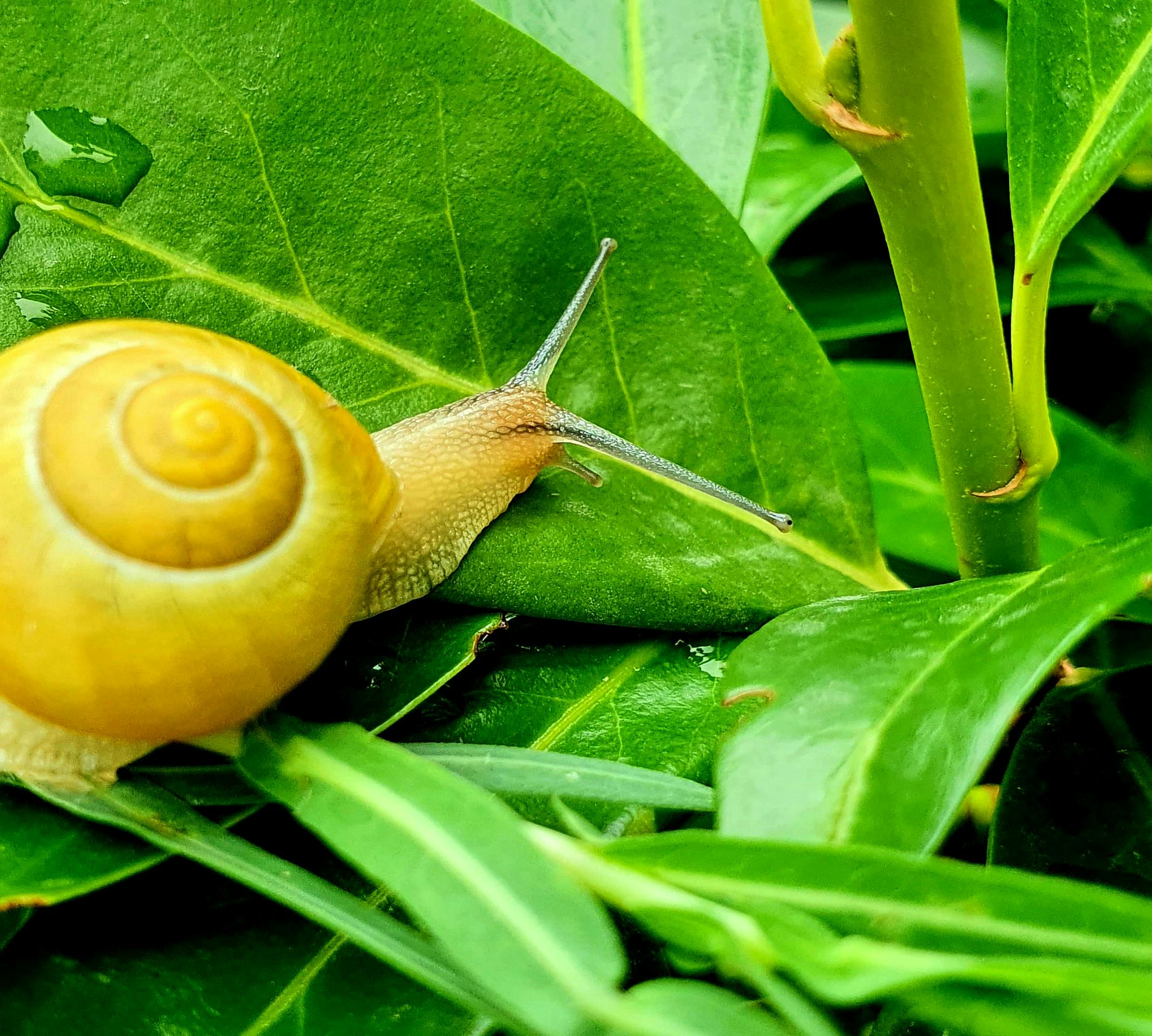
Monitor for early pest activity (slugs/snails) as weather warms.
Common Mistakes to Avoid in August
Planting Summer Crops Too Early: Gardeners often notice a few sunny days and rush to plant tomatoes outside. A late frost will easily kill these tender seedlings. Keep them indoors until all risk of frost has passed.
Working Wet Soil: Digging or walking on saturated winter soil destroys its structure, leading to compaction. Wait for a few dry days before working the soil.
Forgetting to Feed: As plants begin their spring growth spurt, they need nutrients. Apply a balanced, slow-release organic fertilizer to fruit trees and existing winter crops.
Frequently Asked Questions
Can I plant tomatoes outside in August?
In most regions, August is too cold and the risk of frost is too high to plant tomatoes outdoors. It is best to sow tomato seeds in trays indoors or in a heated greenhouse, ready for transplanting in late October once the soil has warmed.
What is the best fertilizer to use in August?
Use an organic compost and sheep pellets to prepare empty beds. For existing crops and fruit trees, a slow-release organic fertilizer or a specific fruit and citrus food is ideal. Applying a seaweed tonic also helps plants resist stress from cold weather.
When should I plant seed potatoes?
August is the time to buy seed potatoes and start the sprouting (chitting) process indoors in a cool, light place. You should plant them in the garden in September, or once the soil has warmed and is not heavily waterlogged.
How do I protect my seedlings from frost?
Use frost cloth, cloches, or polytunnels over delicate seedlings overnight. Ensure you remove or open these covers during sunny days to allow airflow and prevent fungal diseases from developing in trapped humidity.
Is it too late to plant bare-root fruit trees?
August is generally your last chance to plant bare-root deciduous fruit trees while they are still fully dormant. Get them into the ground as soon as possible, ensuring the graft union remains well above the soil line.
Conclusion
Knowing what to plant in August sets the foundation for a productive and beautiful spring and summer garden. By focusing on hardy brassicas, getting a head start on your summer seedlings indoors, and properly preparing your soil with rich organic matter, you are setting your garden up for success. Embrace the late winter chill, get your hands in the dirt, and start planning for the vibrant growing season ahead!