Best Soil Mix Recipe for Growing Garlic in Containers
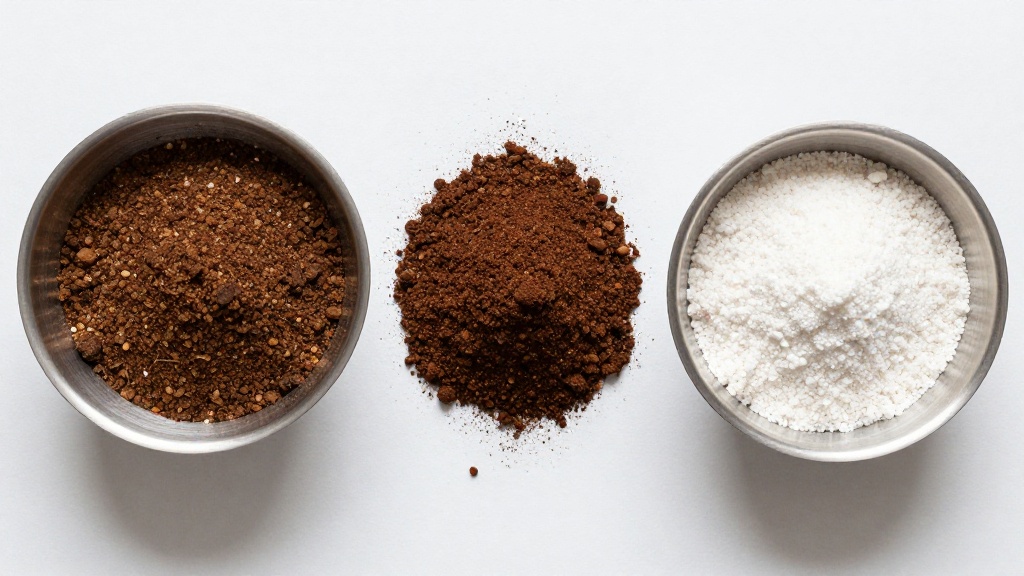
The best soil mix for growing garlic in containers is a free-draining blend of 60% premium potting mix, 25% mature compost, and 15% coarse river sand or pumice, with a handful of blood and bone or sheep pellets mixed through before planting. This recipe mimics the loose, fertile, slightly acidic conditions garlic craves while preventing the waterlogging that causes bulb rot in pots.
Aim for a soil pH of 6.0-7.0 (slightly acidic to neutral)
Use a container at least 30-40cm wide and 20-30cm deep
Combine potting mix, compost, and drainage grit in roughly a 60:25:15 ratio
Add slow-release organic fertiliser like blood and bone at planting time
Refresh the mix every season – never reuse old allium-growing mix
Garlic grown in the ground can send roots deep to find moisture and nutrients, but container garlic is entirely dependent on the mix you give it. Because pots have a fixed volume, the best soil mix for growing garlic in containers needs to deliver drainage, aeration, and steady fertility all at once, in a way garden soil rarely has to.
Gardeners in Auckland and other humid northern regions often notice that garlic grown in dense, waterlogged potting mix rots at the base before bulbs even form, while the same variety thrives in a loose, gritty blend. Getting the mix right at planting time in April to July is far easier than trying to fix drainage problems once the cloves are in the ground.
The Best Soil Mix Recipe for Growing Garlic in Containers
This recipe balances structure, nutrition, and drainage using ingredients readily available at garden centres.
Ingredient
Proportion
Purpose
Premium potting mix (e.g. a vegetable-specific blend)
60%
Base structure, moisture retention, root support
Mature compost or well-rotted sheep pellets
25%
Organic matter, slow-release nutrients
Coarse river sand, pumice, or perlite
15%
Drainage and aeration, prevents compaction
Blood and bone or balanced organic fertiliser
1-2 handfuls per 10L mix
Boosts early root and leaf growth
Dolomite lime (only if mix is very acidic)
Small pinch, optional
Nudges pH toward the 6.0-7.0 sweet spot
Mix all dry ingredients thoroughly in a wheelbarrow or large tub before filling containers, so nutrients and grit are evenly distributed rather than sitting in pockets.
Step-by-Step: Mixing and Filling Your Container
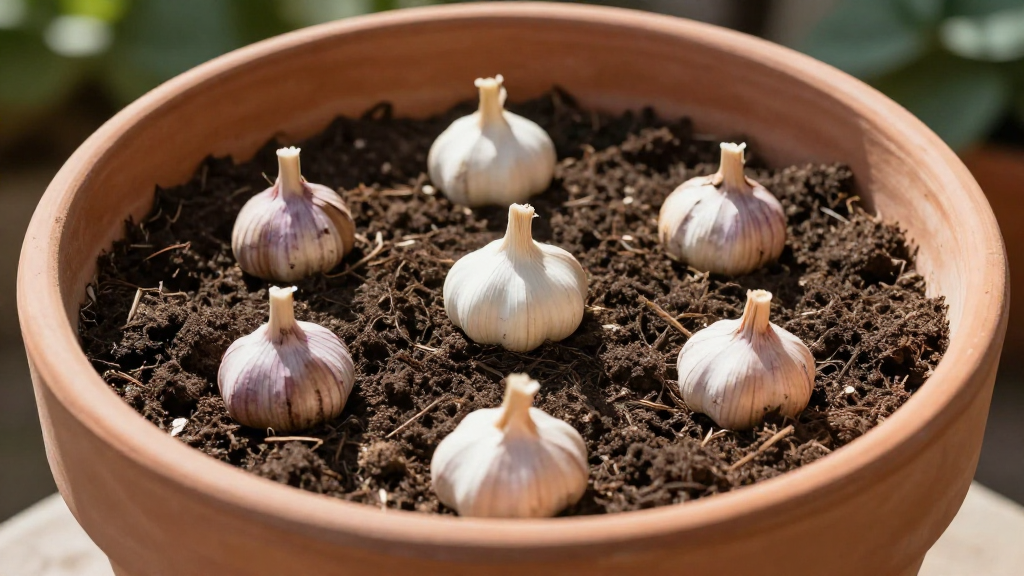
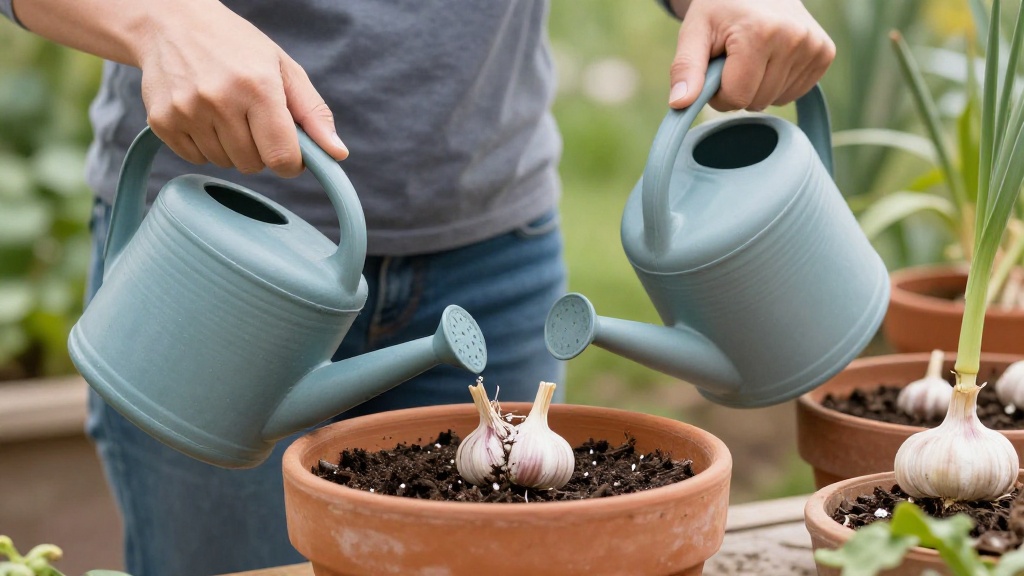
Choose a container at least 30-40cm in diameter and 20-30cm deep with multiple drainage holes.
Combine 6 parts potting mix, 2.5 parts compost, and 1.5 parts coarse sand or pumice in a large tub.
Work in a handful of blood and bone or sheep pellets per 10 litres of mix.
Fill the container to within 3-4cm of the rim, firming gently without compacting.
Water the mix so it settles evenly before pushing in cloves.
Getting the pH Right for Container Garlic
Soil pH is one sentence: it measures how acidic or alkaline your growing medium is on a 0-14 scale. Garlic performs best in slightly acidic to neutral conditions, roughly pH 6.0 to 7.0, because nutrients like phosphorus and iron become locked up outside this range. If your compost or potting mix tests above pH 7, a light application of soil acidifier or extra sulfur-rich compost will bring it back into range, while very acidic mixes benefit from a small pinch of dolomite lime.
Drainage: The Single Biggest Factor
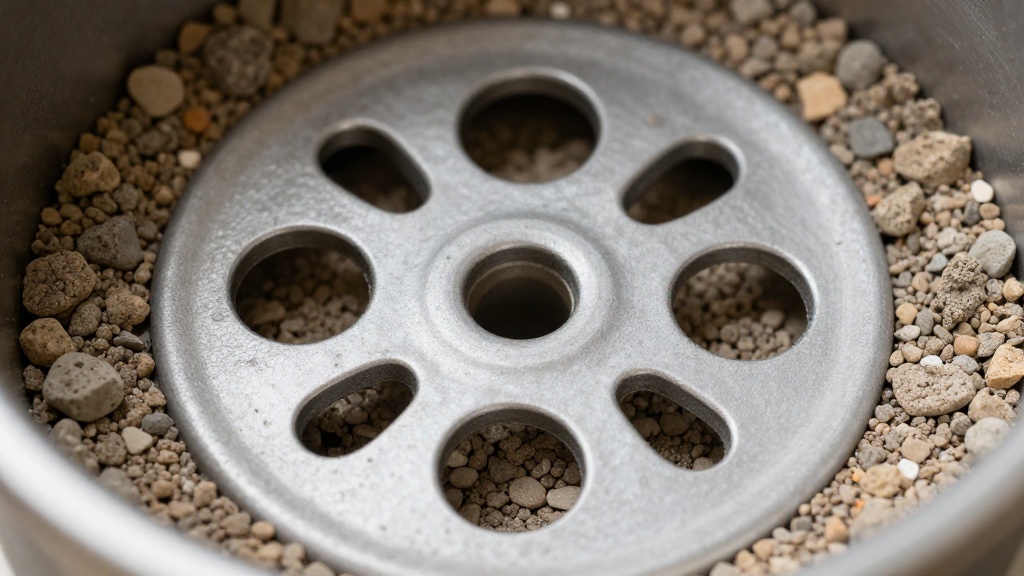
Garlic bulbs rot quickly in soggy, heavy mixes, which is why drainage is non-negotiable for container growing. Adding pumice, perlite, or coarse sand isn’t just a nice-to-have – it’s the difference between a firm, well-formed bulb and a mushy, disappointing harvest, especially through Auckland’s wetter winter months.
Gardeners often notice that garlic in terracotta or fabric grow bags dries out faster and drains more reliably than plastic pots, which can help offset an overly rich mix. Always check that drainage holes stay unblocked, and never let a saucer of water sit beneath the pot.
Feeding Garlic in Containers Through the Season
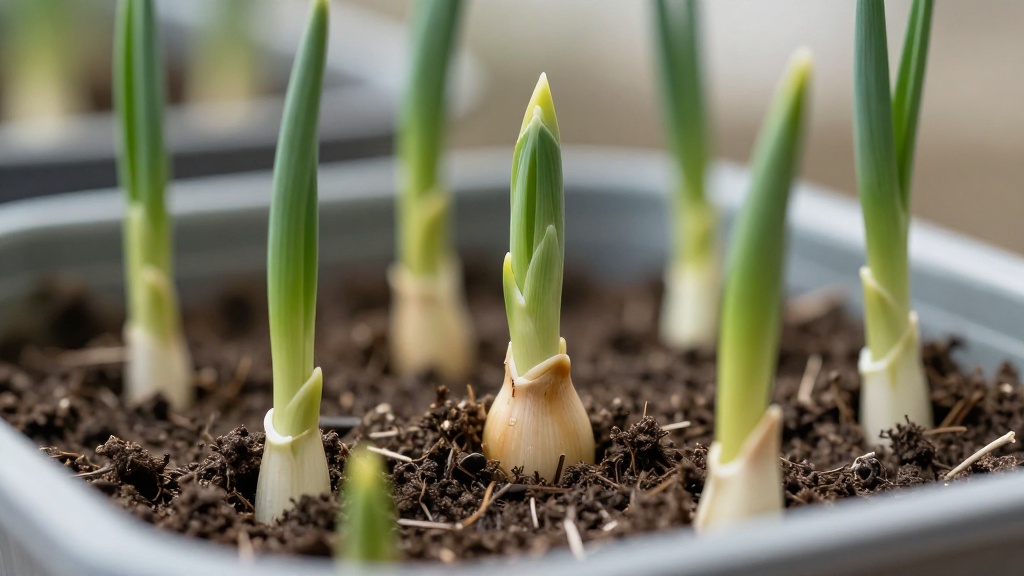
Because container mixes have limited nutrient reserves, garlic needs supplementary feeding beyond what’s mixed in at planting. This is especially true from the emergence of the first shoots right through to a few weeks before harvest.
Feed fortnightly with a liquid seaweed or all-purpose vegetable fertiliser once shoots appear
Switch to a potassium-rich feed as bulbs begin to swell in spring
Stop feeding and reduce watering about a month before harvest to firm up bulbs
Top-dress with a thin layer of compost mid-season if growth looks pale or slow
Climate Considerations Across New Zealand
Soil mix moisture management differs depending on where you garden, so adjust your ratios to suit local conditions.
Climate Zone
Mix Adjustment
Watering Note
Warm/humid (Auckland, Northland)
Increase drainage grit to 20%
Water less frequently, watch for rot and rust
Temperate (Waikato, Wellington)
Standard 60:25:15 ratio
Water 2-3cm equivalent per week
Cool/dry (Canterbury, Otago)
Reduce grit slightly, add extra compost for moisture retention
Water more consistently as mix dries faster in frosty air
Common Mistakes with Container Soil Mix
Reusing old potting mix that previously grew garlic, onions, or shallots, which builds up disease
Using straight garden soil, which compacts in pots and drains poorly
Skipping compost entirely and relying only on synthetic fertiliser for nutrition
Over-watering a rich, heavy mix, leading to basal rot before bulbs form
Choosing a pot that’s too shallow, restricting bulb development
Key Takeaways
A 60:25:15 blend of potting mix, compost, and coarse grit is the best soil mix for growing garlic in containers
Target a pH of 6.0-7.0 and adjust with lime or sulfur if needed
Drainage is critical – garlic will not tolerate soggy container mix
Feed fortnightly once shoots emerge, then taper off before harvest
Always start with fresh mix each season to avoid disease carryover
Frequently Asked Questions
Can I use regular potting mix alone for garlic in pots?
Regular potting mix alone works reasonably well, but blending in compost and coarse sand improves both drainage and nutrition. Garlic is a heavy feeder over its long 6-8 month growing season, so straight potting mix often runs out of nutrients before bulbs mature fully.
How deep should the soil mix be in a garlic container?
Fill the container to at least 20-30cm deep, since garlic roots and developing bulbs need room to expand downward. Shallow containers under 15cm often produce smaller, misshapen bulbs.
Do I need to add lime to my garlic soil mix?
Only add lime if your mix tests above pH 7, since garlic prefers slightly acidic to neutral conditions around pH 6.0-7.0. Most quality potting mixes and composts sit naturally within this range, so lime is often unnecessary.
Can I reuse last year’s garlic potting mix?
It’s best to avoid reusing mix that previously grew garlic, onions, or shallots, as allium diseases and pests can persist in the soil. Replace with fresh mix each season, or rotate containers with unrelated crops in between.
What’s the ideal container size for the best soil mix results?
A container at least 30-40cm wide and 20-30cm deep gives garlic enough volume for multiple cloves and proper bulb development. Bigger containers hold moisture more evenly and are more forgiving if watering is inconsistent.
Should I add fertiliser directly into the soil mix or feed later?
Do both: mix in a slow-release organic fertiliser like blood and bone at planting, then follow up with fortnightly liquid feeds once shoots emerge. This combination supports steady growth across garlic’s long growing season.
Grow Bigger, Healthier Garlic Bulbs This Season
Getting the best soil mix recipe for growing garlic in containers right from the start sets up everything else – drainage, feeding, and pH – for a strong harvest. Mix your batch, fill your pots, and get those cloves in the ground before the coldest weeks of winter arrive for the best results.
We use cookies to improve your experience, analyze traffic, and display personalized ads.
By clicking "Accept", you consent to the use of cookies in accordance with our Privacy Policy.