How to Care for Indoor Plants in Winter: Indoor Winter Gardening Guide
Winter indoor gardening in New Zealand requires a distinct shift in how you treat your houseplants. Shorter days, colder temperatures, and the dry air from home heating mean your tropical and temperate indoor winter gardening subjects need a modified care routine. Adapting to their slower winter metabolism is the key to preventing root rot, crispy leaves, and pest infestations during the chilly months.
To successfully care for indoor plants during winter, you must reduce watering frequency and stop fertilising while their growth is paused. You should also maximize their light exposure and protect them from extreme temperature fluctuations.
Water only when the top few centimetres of soil are completely dry.
Pause all fertilising until active growth resumes in spring.
Move plants closer to windows to capture limited winter sunlight.
Keep plants away from cold draughts, frosty windows, and direct heat sources.
Dust leaves regularly to maximize light absorption.
Adjusting Your Watering Routine
The biggest cause of houseplant fatalities over the cold season is overwatering. Because plant metabolism naturally slows down or goes dormant in winter, and there is less sunlight, they use significantly less water. Instead of watering on a schedule, use the “finger moisture meter.” Poke your index finger into the potting mix to the first knuckle (about 3 cm deep); if it feels dry, you can water. If it is moist, wait longer.
Always use tepid water during the colder months. Cold water can chill the soil and shock or damage the root systems. Furthermore, ensure there is no standing water in your saucers or ceramic cover pots, as “wet feet” rapidly leads to root rot.
Maximising Light in the Darker Months
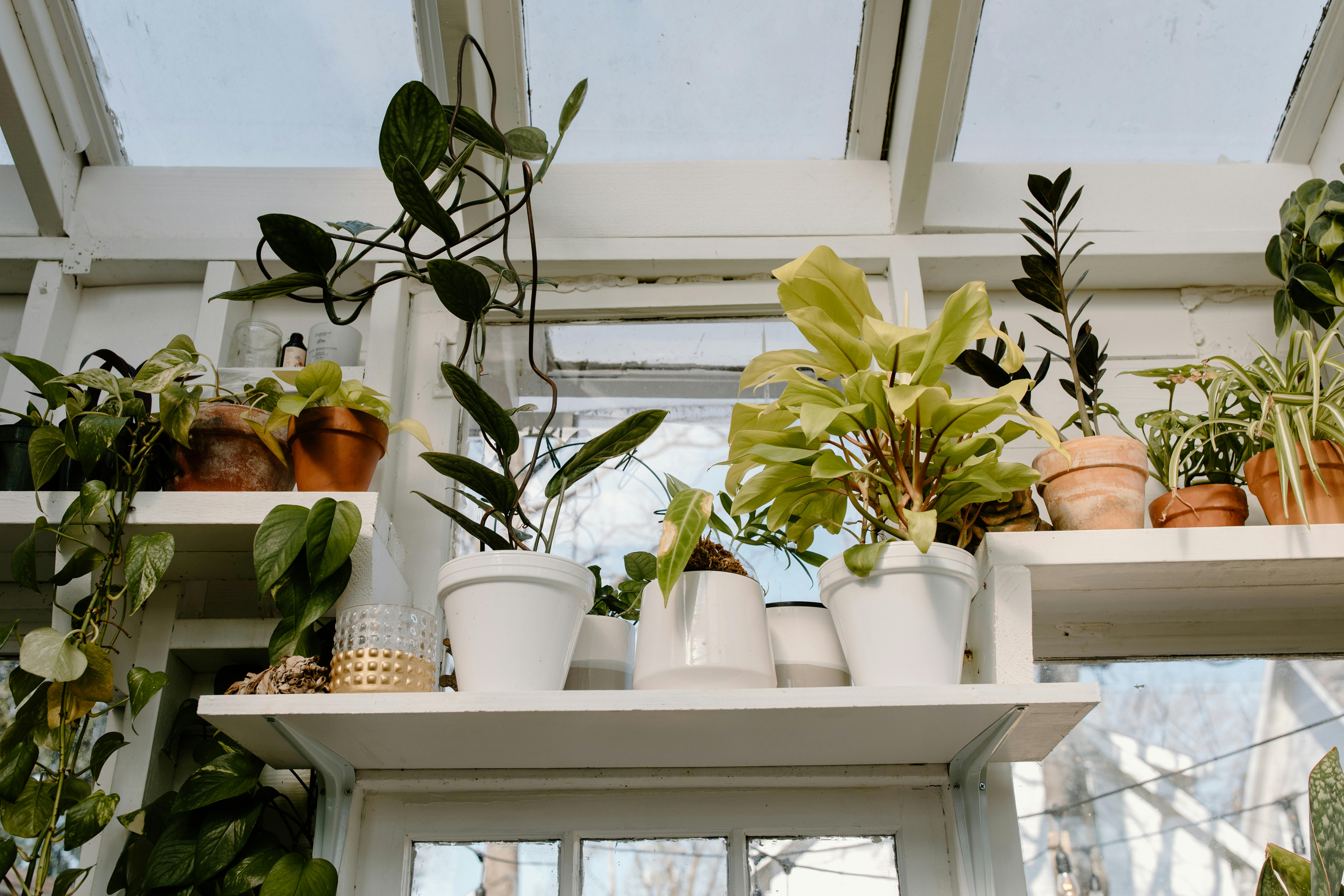
Winter brings shorter days and a lower sun angle, drastically reducing the light your plants receive. Even though it feels gloomy, your plants still need adequate light. Move your pots to a brighter spot, ideally capturing indirect morning or afternoon sun. However, be cautious: while plants need light, windows can radiate cold on frosty nights, so pull them slightly away from the glass or draw the curtains behind them at night.
If you notice your plants developing spindly, stretched new growth, or leaning heavily towards a window, they are desperately seeking light. Rotate them gradually every few days to keep growth even. For very dark corners, consider supplementing with a bright ‘cool daylight’ LED desk lamp (at least 6500K colour temperature, 10W or higher) positioned close to the foliage.
Managing Temperature and Humidity
Most common houseplants are native to tropical or subtropical regions and prefer stable temperatures around 15–20°C. While they can adapt to normal indoor temperatures and even benefit from slight nighttime drops, extreme fluctuations are harmful. Keep your plants away from direct blasts of heat from fireplaces, heat pumps, or radiators, which dry them out rapidly. Likewise, shield them from cold draughts near frequently opened doors.
Winter heating makes indoor air very dry, leading to brown leaf tips on humidity-loving plants. You can increase local humidity by placing the pot on a saucer filled with pebbles and a little water (keeping the water level below the base of the pot) or by regularly misting the foliage. Another option is running a small humidifier nearby.
Why You Should Stop Fertilising
In winter, the motto is “less is more.” Since your plants are resting and not actively producing new foliage, they do not require extra nutrients. Applying fertiliser now can lead to a buildup of unused salts in the soil, which can burn the roots. Give them a break and resume your feeding schedule in early spring when you see new growth emerging. The exception is if you have winter-active plants or tropicals under strong grow lights; in those cases, use a diluted liquid feed at the lowest recommended rate.
Winter Plant Maintenance and Pest Control
A reduction in airflow from keeping windows closed leads to dust buildup on your plant’s leaves. Dust acts like a filter, further reducing the already limited winter light the plant can absorb. Gently wipe the leaves with a damp cloth or a soft brush once a fortnight.
Winter is a common time for fungal issues and pests to strike. Good grooming is essential: promptly remove any dead or yellowing leaves to prevent disease. If you notice small black flies around your pots, these are fungus gnats, which thrive in damp soil (another reason to reduce watering). You can use a physical barrier like Yates Gnat Barrier over the soil surface. Powdery mildew can also appear on soil or leaves; treat this by isolating the plant, stopping misting, and applying a suitable fungicide.
Growing Edibles Indoors in Winter
You don’t have to give up on productive gardening just because it’s cold outside. Growing edibles indoors is a fantastic way to keep your green thumbs active.
Sprouts and Microgreens
Sprouts and microgreens are the fastest and easiest entry into indoor winter gardening. They require minimal space, very little specialized equipment, and can be harvested in just a few days to a couple of weeks.
Indoor Winter Herbs
You can begin growing perennial herbs indoors over winter. Rosemary, sage, thyme, and lemon balm do well on a bright, sunny windowsill to give them a strong start. Ensure they have deep enough containers with excellent drainage.
Indoor Winter Plant Care Quick Guide
Care Factor
Winter Adjustments
Why it Matters
Watering
Allow the top 3cm of soil to dry out completely before watering. Empty drip trays.
Prevents root rot while the plant’s metabolism is slowed.
Fertilising
Stop entirely until spring (unless using grow lights).
Prevents root burn from unused fertiliser salts building up in the soil.
Light
Move closer to windows; rotate pots every few days.
Compensates for shorter days and lower sun angles.
Temperature
Keep away from heat pumps, fires, and cold, draughty windows.
Prevents stress and shock from extreme temperature fluctuations.
Maintenance
Dust leaves fortnightly; prune dead foliage.
Maximises light absorption and prevents fungal diseases.
Frequently Asked Questions
Why are the leaves on my indoor plant dropping in winter?
It is very common for indoor plants to drop some older leaves during winter as they adjust to the lower light levels and try to conserve energy. As long as the dropping isn’t excessive or accompanied by yellowing/mushy stems (which indicates overwatering), it is a normal seasonal adjustment.
Should I repot my houseplants during the winter months?
No, winter is not the best time to repot. Because the plants are dormant, their roots will not actively grow into the new soil, increasing the risk of the soil staying wet and causing rot. Wait until spring when active growth resumes.
Can I grow vegetables indoors during a New Zealand winter?
Yes, but you need the right setup. Because vegetables require 6–8 hours of strong light, you will likely need supplementary LED grow lights. Focus on fast-growing crops like microgreens, or robust herbs like rosemary and thyme on a sunny sill.
How do I increase humidity without making my house cold and damp?
Instead of heavy misting, use pebble trays. Fill a saucer with small stones and pour in water until it’s just below the top of the stones. Place the pot on top. As the water evaporates, it creates a humid microclimate right around the foliage without affecting the rest of the room.
Is it safe to leave plants on the windowsill overnight?
In colder parts of NZ, glass windows can radiate significant cold and frost overnight, damaging tropical foliage. It is best to pull them back a few inches from the glass or draw a thick curtain between the plant and the window before nightfall.
Conclusion
Mastering indoor winter gardening is all about observation and restraint. By dialling back the watering, pausing the fertiliser, and ensuring they receive maximum light without freezing near frosty windows, you can keep your houseplants healthy during their dormant phase. Pay attention to their subtle cues, and your indoor jungle will emerge strong and ready for vigorous growth when spring arrives.
We use cookies to improve your experience, analyze traffic, and display personalized ads.
By clicking "Accept", you consent to the use of cookies in accordance with our Privacy Policy.