We use cookies to improve your experience, analyze traffic, and display personalized ads.
By clicking "Accept", you consent to the use of cookies in accordance with our Privacy Policy.
Do I Need to Fertilise in Winter? The Complete Guide
One of the most common questions gardeners face as the temperatures drop is: do I need to fertilise in winter? The short answer is that winter fertilising requires a completely different approach compared to the active growing seasons of spring and summer. As the days shorten and soil temperatures plummet, plant metabolism naturally slows down. Throwing your standard nitrogen-heavy fertiliser onto dormant plants is not only a waste of money, but it can also actively harm your garden by promoting soft, weak growth that is highly susceptible to frost damage and fungal diseases.
However, winter is not a time to completely neglect your soil’s health. By shifting your focus from “pushing growth” to “building resilience,” you can ensure your lawns, winter veggies, and indoor plants emerge stronger than ever when spring arrives.
In most cases, you do not need to apply traditional growth-promoting fertilisers during the coldest months of winter. Because soil temperatures often drop below 10°C, plants cannot efficiently take up nutrients, meaning synthetic fertilisers will simply leach away in the rain.
Lawns: Pause general feeding. If you live in a warmer region, you may use a low-nitrogen root builder in early winter, but generally wait until August to resume feeding.
Winter Veggies: Active winter crops like broccoli and cabbage benefit from targeted potassium and phosphorus, rather than high nitrogen.
Indoor Plants: Cut your liquid fertiliser dose to a quarter-strength or stop feeding entirely until temperatures rise.
The Best Winter Feed: Swap traditional granular fertilisers for liquid seaweed tonics to boost cell wall strength and frost resistance.
Why Winter Fertilising is Different
During the cooler months, the bacteria and microbes in the soil that break down organic matter and convert nitrogen into a usable form slow right down. When daytime temperatures consistently drop below 18°C, the majority of your garden enters a state of dormancy or semi-dormancy.
If you apply a high-nitrogen fertiliser now, you risk forcing the plant to produce lush, soft shoots. This new growth is extremely vulnerable; a single heavy frost will burn the soft foliage, setting the plant back and inviting pests and diseases to attack the damaged tissue. Instead, winter care should focus on soil conditioning, root health, and protecting existing foliage.
How to Handle Different Areas of Your Garden
Winter Lawn Care
For most temperate and cool climates, winter lawn feeding is unnecessary. If you are still mowing, your grass is still growing—but at a glacial pace. In May or late autumn, a low-nitrogen fertiliser can be applied to build root strength before the cold sets in. Once June and July arrive, leave the lawn alone. Nutrients will just wash away in heavy rain. Wait until late winter or early spring (August) to apply a balanced lawn food to stimulate fresh growth and soil microbial activity.
Active Winter Vegetables
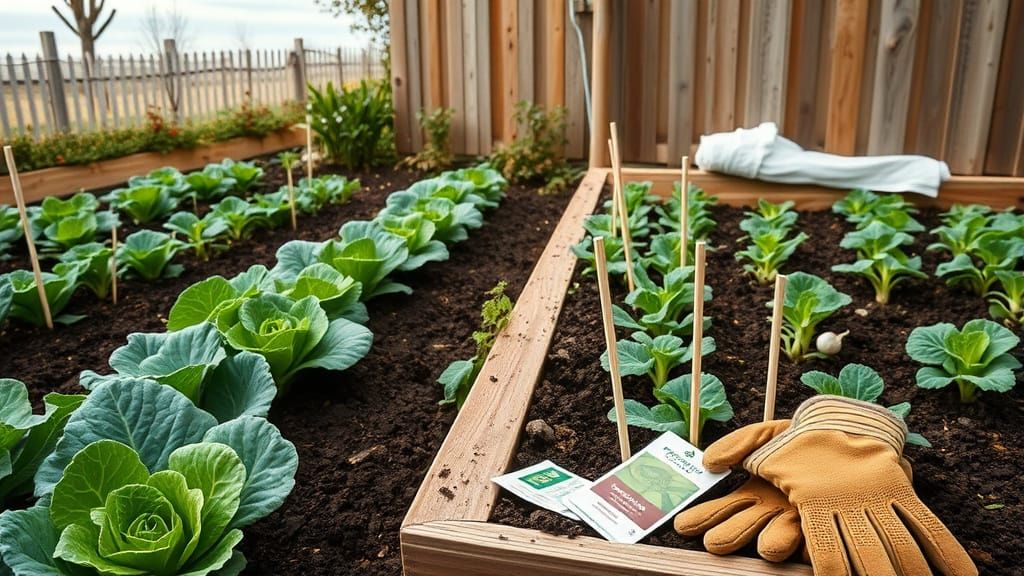
If you are growing winter staples like broccoli, cabbage, cauliflower, and spinach, they are actively working to produce your harvest. These brassicas require energy, but they need the right kind. Focus on applying potassium and phosphorus-rich vegetable foods to help them form tight, healthy heads. Avoid excessive nitrogen. Mulching around the base with pea straw will keep the root zone warm and retain moisture without the need for constant chemical feeding.
Indoor Plants and Houseplants
Your indoor jungle notices the shorter days and cooler temperatures, even with central heating. Plant metabolism slows down, meaning they need less water and significantly less food. Wean your houseplants off their summer feeding schedule as autumn progresses. In the depths of winter, you have two choices: stop fertilising completely, or feed “weakly, not weekly”—using about a quarter to half the recommended dose of a gentle indoor plant food when you do water.
The Best Alternatives to Traditional Winter Fertilising
1. Liquid Seaweed Tonics
If there is one product you should use during winter, it is a high-quality seaweed plant tonic. Seaweed is not a traditional NPK fertiliser; it is a bio-stimulant. Regular applications over winter help thicken plant cell walls, making them highly resistant to temperature extremes, frost damage, and sucking insects. Apply it to your winter veggies, fruit trees, and frost-tender shrubs every two to four weeks.
2. Sowing a Green Crop
Rather than leaving empty vegetable beds bare to the winter elements, sow a green crop (also known as green manure) like mustard, lupin, or garden oats. These plants actively pull nitrogen from the atmosphere and deep soil layers. In late winter, before they flower, you chop them down and dig the fleshy green matter directly into the soil. As it breaks down, it revitalises the earth, naturally preparing it for your heavy-feeding spring crops like tomatoes.
3. Compost and Mulch
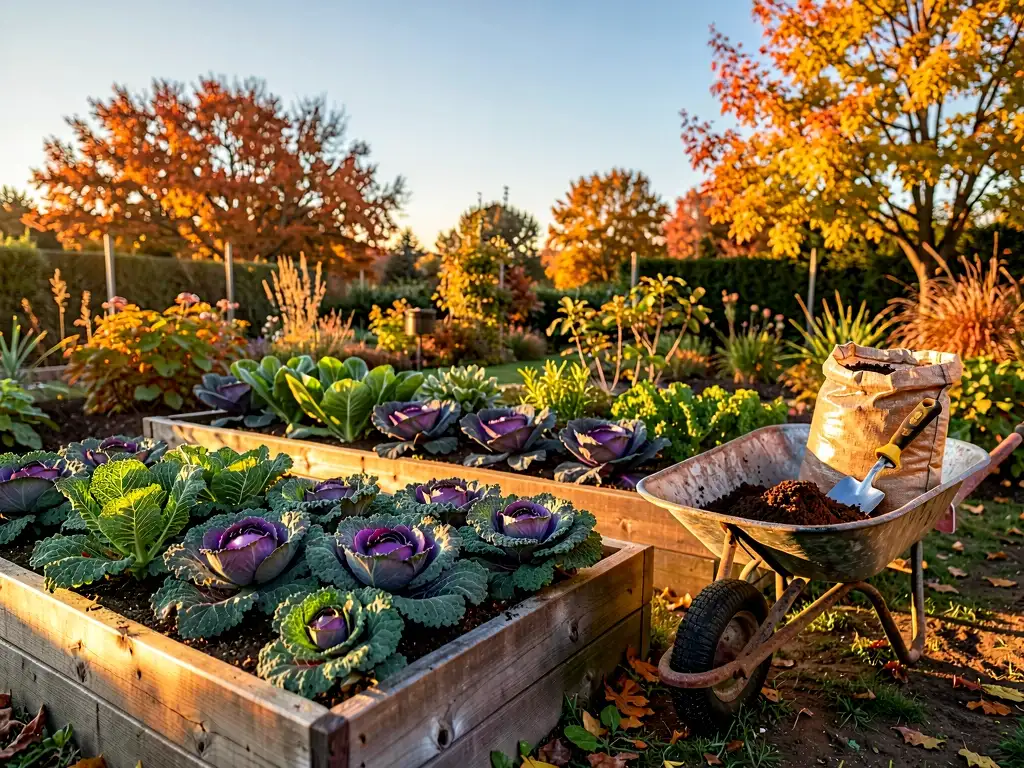
Winter is the perfect time to let the soil rest and recover. Clean out finished summer crops and layer the bare earth with rich compost, sheep pellets, and a thick 5cm blanket of pea straw or bark mulch. This protects the delicate soil microbiome from freezing temperatures and heavy rain, slowly leaching organic, slow-release nutrients into the soil profile ready for spring.
Winter Garden Care Summary
Plant Type / Area
Winter Fertilising Rule
Best Practice Action
Lawns
Stop feeding (unless in very warm zones)
Wait until early spring to apply a balanced, slow-release nitrogen fertiliser.
Winter Vegetables
Targeted feeding only
Use potassium/phosphorus blends for brassicas; apply seaweed tonic regularly.
Empty Garden Beds
Do not use synthetic fertiliser
Sow a green crop (mustard/lupin) or layer with compost and pea straw mulch.
Indoor Plants
Reduce dose significantly
Pause feeding or dilute liquid feed to 25% strength; avoid growth boosters.
Frost-Tender Plants
No nitrogen feeds
Apply seaweed tonic to build cell wall strength against frost damage.
Frequently Asked Questions
Can I use weed and feed on my lawn in winter?
No, it is best to avoid weed and feed products during winter. Broadleaf weeds and lawn grasses are not actively growing in cold soil temperatures, meaning the chemical herbicides and fertilisers will not be absorbed efficiently. Wait until the soil warms up in early spring when both the grass and weeds are actively growing for the best results.
Will fertilising in winter kill my plants?
It can indirectly kill frost-tender plants. Applying a high-nitrogen fertiliser encourages plants to push out new, soft foliage. Because this new growth has not hardened off, it is incredibly vulnerable to freezing temperatures. A hard frost will burn this new growth, severely stressing the plant and leaving it open to winter diseases.
Should I put compost on my garden in winter?
Yes, applying compost in winter is highly beneficial. Unlike synthetic fertilisers, compost breaks down slowly. Spreading a thick layer of compost over your garden beds protects the soil structure from heavy rain, insulates the soil web, and ensures that the beds are rich, friable, and full of organic matter by the time spring planting arrives.
Is seaweed tonic considered a fertiliser?
No, seaweed tonic is classified as a bio-stimulant or plant tonic, not a traditional NPK fertiliser. It contains minimal nitrogen, phosphorus, and potassium. Instead, it is packed with trace elements and natural growth hormones that stimulate root development, strengthen cell walls, and help plants recover from stress, making it the perfect winter treatment.
How do I prepare my empty veggie beds for spring?
If you aren’t growing winter crops, let the beds lie fallow. Dig in some sheep pellets or poultry compost, cover the soil with a thick layer of pea straw mulch, or sow a green crop like blue lupin. This prevents nutrients from leaching away in the winter rain and builds a rich, healthy soil structure for your spring seedlings.
Conclusion
Successfully navigating the colder months comes down to understanding that winter fertilising is about restraint and soil conditioning rather than forcing rapid growth. By putting away the high-nitrogen granular feeds, embracing organic mulches, and utilising seaweed tonics to boost frost resistance, you will protect your plants from the harsh elements. Give your garden the rest it deserves, and it will reward you with explosive, healthy growth the moment spring arrives.