We use cookies to improve your experience, analyze traffic, and display personalized ads.
By clicking "Accept", you consent to the use of cookies in accordance with our Privacy Policy.
Why Are My Winter Vegetables Not Growing? The Ultimate Troubleshooting Guide
There is nothing more frustrating than putting in the hard work during autumn, only to find yourself staring at a patch of stunted broccoli or yellowing spinach and asking: why are my winter vegetables not growing? Winter gardening presents a unique set of challenges. Between plummeting temperatures, shorter daylight hours, and the constant threat of waterlogged soil, your cold-season crops are fighting an uphill battle. But do not throw in the trowel just yet.
As a seasoned horticulturist, I have seen every winter garden disaster—from rotting roots to stalled growth. In this comprehensive guide, we will break down the exact environmental, nutritional, and cultural reasons your winter garden is struggling, and provide actionable, expert-backed solutions to get those harvests back on track.
Quick Answer: Why Your Winter Veggies Have Stalled
Winter vegetables typically stop growing due to a combination of excessively wet soil, low soil temperatures (below 5°C), insufficient sunlight, and nutrient lockout. In cold, waterlogged conditions, roots are suffocated and cannot absorb essential nutrients like nitrogen, leading to stunted growth and yellowing leaves. To fix this, you need to improve drainage, maximize sun exposure, and protect the soil.
Poor Drainage: Waterlogged soil suffocates plant roots and causes rot.
Low Light: Winter crops need a minimum of 4–6 hours of direct sunlight.
Temperature Drops: Soil temperatures below 5°C drastically slow down metabolic processes.
Nutrient Lockout: Cold soil prevents microbes from breaking down organic matter, causing nitrogen deficiency.
Incorrect Timing: Planting too late in autumn means plants enter winter without an established root system.
Why Are My Winter Vegetables Not Growing? The 5 Biggest Culprits
To successfully troubleshoot your winter garden, you must identify which specific factor—or combination of factors—is halting your plant’s development. Let’s dive into the core issues.
1. Poor Soil Drainage and Waterlogging
What it is: Waterlogging occurs when excess rain or overwatering fills the air pockets in the soil, preventing oxygen from reaching the roots.
The Explanation: Your winter vegetable patch needs adequate drainage to cope with heavy winter rainfall. When the soil is continually wet, it cannot allow air to the roots. Without oxygen, roots begin to die and rot, immediately stopping plant growth. You will often notice the older leaves of your brassicas (like cabbage and cauliflower) turning yellow.
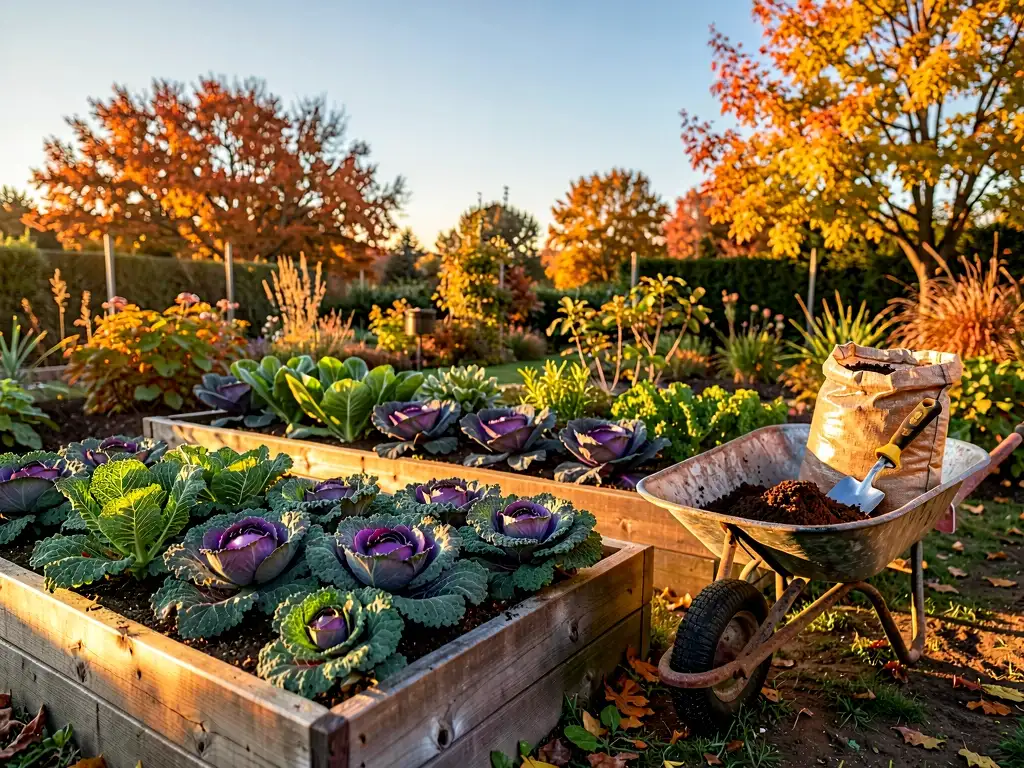
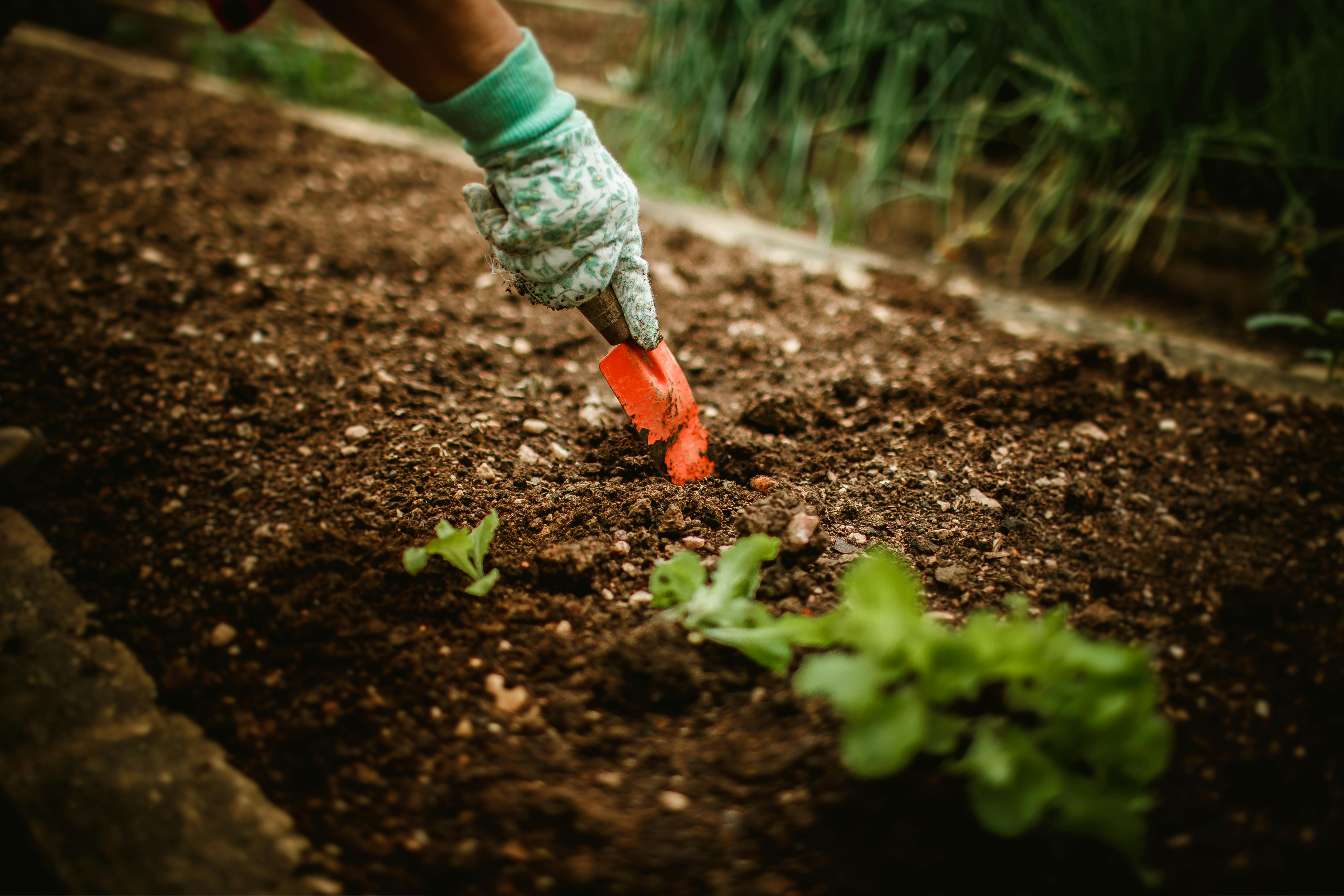
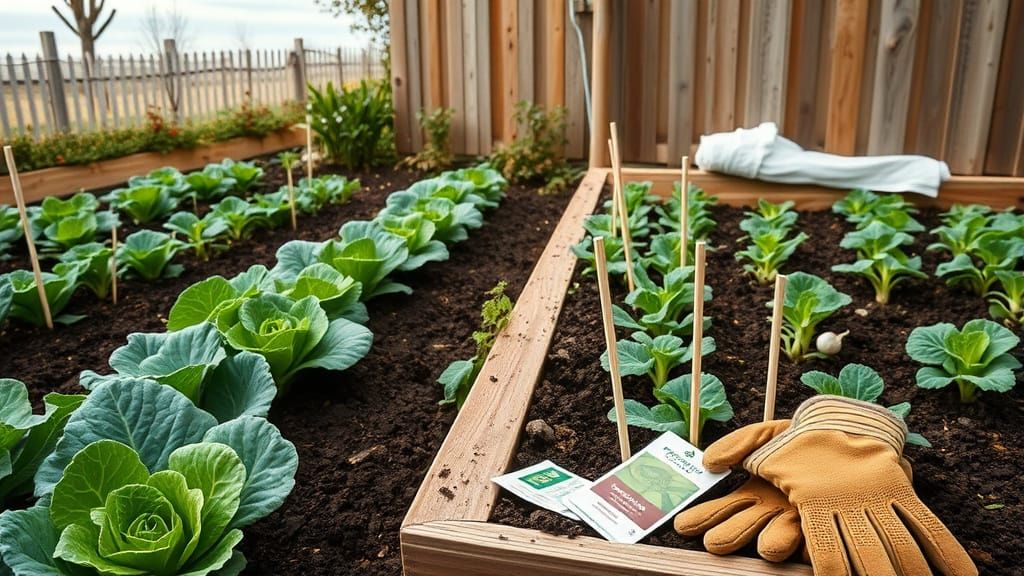
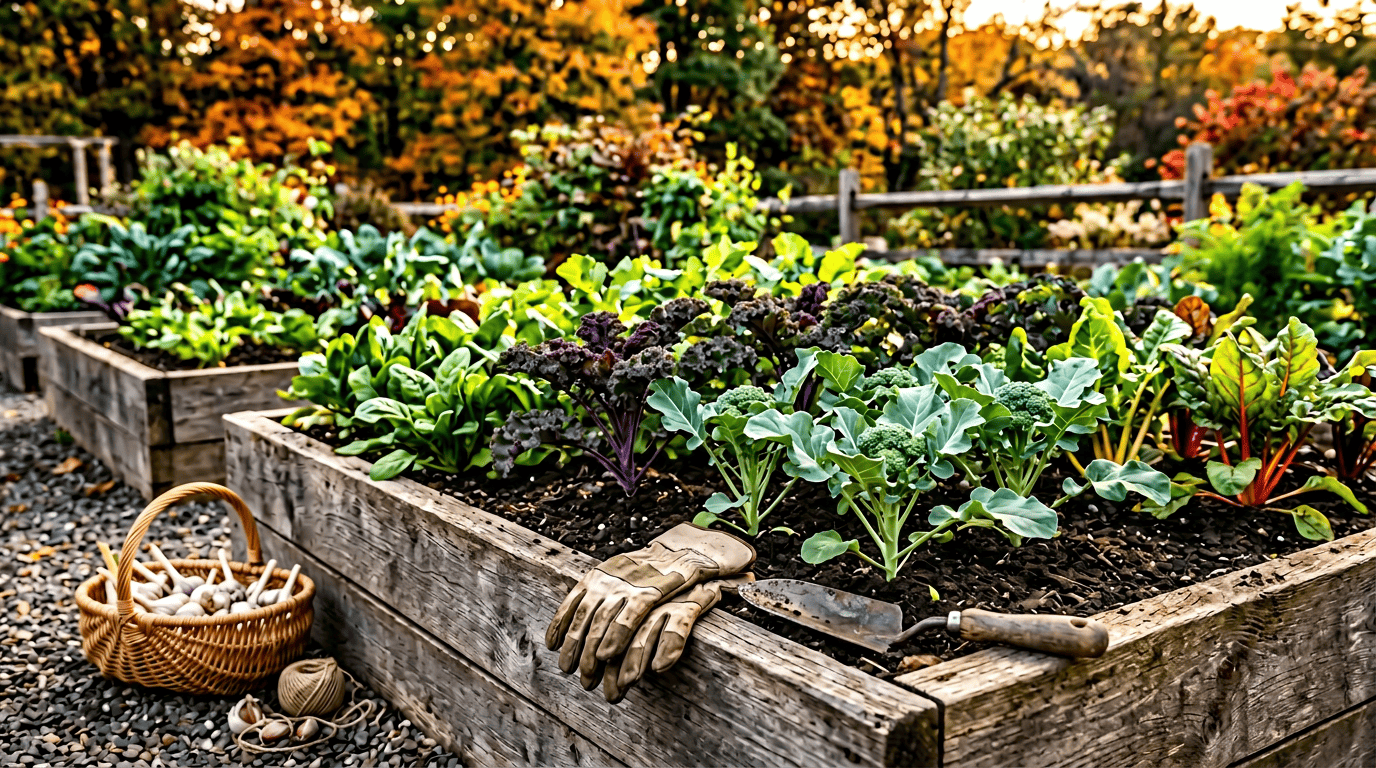
The Fix: Avoid planting in low-lying areas that collect water. Raised garden beds are the best defense against winter waterlogging. If you are growing in the ground, dig in organic matter like garden compost or a high-quality vegetable mix to improve soil structure and drainage. Remember, water only when the top few centimeters of the soil feel dry.
2. Lack of Sufficient Sunlight
What it is: The reduction of daylight hours and the lower angle of the sun during winter months.
The Explanation: Light is the engine for photosynthesis. Areas of your garden that were bathed in full sun during summer might be cast in deep shade by fences or trees during winter. While winter greens like spinach and kale can tolerate partial shade, a severe lack of light will result in leggy, weak, and stagnant plants.
The Fix: Observe your garden’s winter sun patterns. Ensure your plot is exposed to as much light as possible—ideally 6 hours of direct sun. If growing in pots, move your containers to a north-facing (or south-facing in the Northern Hemisphere) sunny wall. If your beds are permanently shaded in winter, consider using cloches or reflective mulches to maximize available light.
3. Cold Soil Temperatures and Frost
What it is: The drop in ambient and soil temperatures that triggers physiological dormancy in plants.
The Explanation: Every vegetable has a minimum temperature threshold for growth. For many winter crops, growth slows significantly when soil temperatures drop below 10°C and halts completely below 4°C to 5°C. Severe frosts can also damage cellular tissue, setting the plant back by weeks.
The Fix: Insulate your soil. Apply a thick layer of organic mulch, such as pea straw or bark, to keep the soil temperature stable. If severe frosts are expected, use frost cloth or a growing tunnel to trap the earth’s heat overnight. Remove covers during sunny days to prevent fungal diseases.
4. Nutrient Lockout (Nitrogen Deficiency)
What it is: A condition where nutrients are present in the soil but unavailable to the plant roots due to environmental stress.
The Explanation: Soil microbes are responsible for breaking down organic matter into usable nitrogen for your plants. In cold, wet winter soils, microbial activity plummets. This leads to a temporary nitrogen deficiency, commonly presenting as stunted growth and pale green or yellow leaves. It is a very common cause of slow growth in winter.
The Fix: Standard slow-release granular fertilizers won’t work well in cold soil because they rely on microbial action. Instead, apply a liquid feed that is immediately available to the roots and foliage. A foliar spray of seaweed extract or liquid fish emulsion applied every two weeks will bypass the soil lockdown and feed the plants directly.
5. Incorrect Planting Timing
What it is: Sowing seeds or transplanting seedlings too late in the season.
The Explanation: Winter vegetables are not actually meant to do the bulk of their growing in the dead of winter. The secret to winter gardening is getting the plants to near maturity during late summer and autumn. If you plant your broccoli or carrots in late May or June, they simply will not have enough warmth or light to size up before the harsh weather hits.
The Fix: Always follow a strict seasonal calendar. In cool to temperate climates, sow hardy winter vegetables like Brussels sprouts, kale, and winter cabbage in late summer or early autumn. If you have missed the window, focus on planting fast-growing microgreens or utilizing a heated greenhouse.
Why Are My Winter Vegetables Not Growing? Climate and Care Table
Different climate zones dictate entirely different approaches to winter gardening. Refer to this quick-reference table to adjust your strategy based on your local conditions.
Climate Zone
Typical Winter Temps (°C)
Primary Challenge
Expert Action Required
Cool / Alpine
-5°C to 8°C
Heavy frosts, frozen soil, extremely slow growth.
Use heavy cloches or glasshouses. Stick to hyper-hardy crops like kale, leeks, and Brussels sprouts. Mulch heavily to protect roots.
Temperate
2°C to 14°C
Waterlogged soil from winter rains, mild frosts, nutrient lockout.
Build raised beds for drainage. Apply liquid fish fertilizer fortnightly. Grow broccoli, cabbage, and spinach.
Warm / Subtropical
10°C to 20°C
Pests remaining active, fungal diseases from humidity.
Ensure good airflow through proper plant spacing. Watch for aphids and caterpillars. Grow a wide variety including peas and root crops.
Actionable Steps to Revive Your Stunted Winter Garden
If you are currently looking at a stalled garden, here is the exact protocol to kickstart growth and salvage your harvest.
Step 1: Check Your Soil Moisture and pH
Use your finger to check the soil moisture. If it is soaking wet just beneath the surface, hold off on watering entirely. Furthermore, conduct a quick pH test. Most winter vegetables prefer a pH between 6.0 and 7.0. If your soil is too acidic (which can happen in areas with heavy pine needle drop or high rainfall), apply a dusting of garden lime to sweeten the soil and unlock nutrients.
Step 2: Apply a Fast-Acting Liquid Feed
Since the cold soil has put your microbial workforce to sleep, you need to intervene. Dig in some sheep pellets around the base of the plants for a slow, gentle feed, but immediately follow up with a liquid seaweed tonic. Spray this directly onto the leaves early in the morning so the plant has time to absorb it before nightfall.
Step 3: Weed Vigilantly
Weeds are incredible survivors and will outcompete your struggling vegetables for the scarce winter sunlight and nutrients. Hoe between your rows regularly. A clean soil surface also allows the earth to absorb more warmth from the daytime sun.
Step 4: Prune and Space for Airflow
If you planted too densely, your plants are fighting each other for light. Thin out seedlings aggressively. Remove any yellowing, rotting, or pest-damaged lower leaves from brassicas to improve airflow and reduce the risk of fungal diseases like powdery mildew or botrytis.
Frequently Asked Questions
Why are the leaves on my winter cabbages turning yellow?
Yellowing leaves on winter brassicas are usually caused by a lack of nitrogen, poor soil drainage, or a combination of both. In cold, wet soil, roots suffocate and cannot uptake nutrients. Improve drainage, allow the soil to dry out slightly, and apply a liquid nitrogen feed.
Can I still plant vegetables in the middle of winter?
In most temperate and cool climates, planting in mid-winter is not recommended as seeds will rot in cold soil and seedlings will not grow. However, you can plant dormant crops like garlic cloves or shallots, which establish roots in winter and sprout vigorously in spring.
Do I need to water my vegetable garden in winter?
It depends entirely on your rainfall. Most winter gardens receive enough moisture from rain. You should only water if you are experiencing a prolonged dry spell, or if you are growing under a cloche or in a greenhouse. Always check soil moisture manually before watering.
Are raised beds better for winter gardening?
Yes. Raised beds are vastly superior for winter gardening because they drain excess water efficiently and warm up much faster in the ambient sun than ground-level soil. This prevents root rot and encourages slightly faster winter growth.
How do I protect my winter vegetables from severe frost?
To protect against severe frost, use horticultural fleece, frost cloths, or plastic cloches. Ensure the covers do not touch the leaves of the plants, as the cold can transfer directly to the foliage. Always remove or vent plastic covers during sunny days to prevent overheating.
Conclusion
Understanding exactly why are my winter vegetables not growing comes down to mastering the delicate balance of light, temperature, and soil moisture. By taking immediate action to improve drainage, utilizing liquid fertilizers to bypass cold-locked soils, and providing adequate frost protection, you can turn a struggling patch into a productive winter haven. Do not let cold weather defeat you—apply these expert strategies today, step out into your garden, and give your plants the care they need to thrive through the frost.