We use cookies to improve your experience, analyze traffic, and display personalized ads.
By clicking "Accept", you consent to the use of cookies in accordance with our Privacy Policy.
Knowing how to prepare garden for winter in New Zealand is the difference between plants merely surviving and a garden that bounces into spring full of life. In places like Te Kūiti and the wider Waikato, winter brings regular frosts, heavy dews, and often sodden soils, so smart preparation is essential if you grow vegetables, fruit trees, natives, or ornamentals.
To prepare your garden for winter, start by clearing spent crops, leaves, and weeds, then enrich and protect the soil with compost and a thick mulch layer. Prioritise drainage, especially on heavier clay soils, and protect vulnerable plants with frost cloth, straw, or strategic placement. Tidy and prune appropriately, adjust watering to cooler, wetter conditions, and use winter downtime to plan crop rotations and spring planting.
>Remove dead or diseased plants, old vegetables, and invasive weeds so pests and diseases do not overwinter in debris.
>Add well-rotted compost and organic fertiliser to improve soil structure and replenish nutrients before the next growing season.
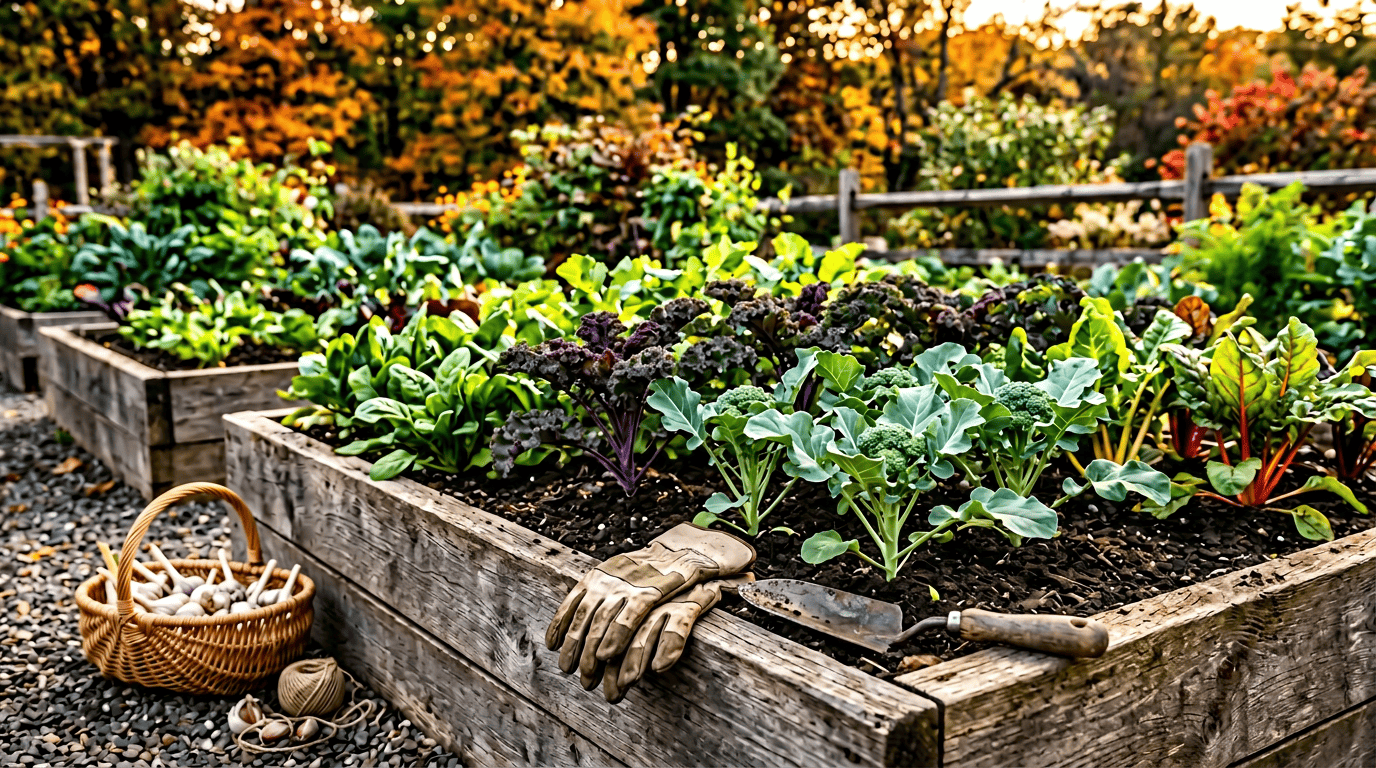
>Improve drainage on heavy or compacted soils with raised beds, organic matter, and, if needed, subsurface drainage.
>Mulch 5–10cm deep around plants to insulate roots, suppress weeds, and buffer soil moisture and temperature.
>Protect frost-tender plants with frost cloth, cloches, or relocation into sheltered spots, and adjust watering to cooler conditions.
Know Your Winter Conditions in New Zealand
New Zealand’s winter runs from June to August, with cooler inland areas like Te Kūiti and much of Waikato experiencing heavier frosts than coastal regions. Frosts, cold southerlies, and waterlogged soils are usually bigger threats than absolute low temperatures for most garden plants.
Think about your microclimate: north-facing, sheltered spots stay warmer and drier, while low-lying or shaded corners collect cold air and water. Matching plants and protection strategies to these patterns is one of the most effective ways to reduce winter losses.
Step 1: Clean Up Beds and Borders
Remove spent crops and annuals
Begin your winter prep by pulling out summer vegetables, annual flowers, and any plants that have stopped producing or are clearly declining. Leaving them in place creates hiding places for slugs, snails, aphids, and fungal spores that will reinfect fresh growth in spring.
Healthy old plants can go into the compost bin, but anything showing disease (powdery mildew, rust, blight, cankers, black spots) should be binned, not composted, to avoid reintroducing pathogens later.
Deal with leaves, weeds, and debris
Rake up thick carpets of fallen leaves from lawns, paths, and garden beds, especially around roses, fruit trees, and ornamentals prone to fungal diseases. A light layer of leaves can insulate soil, but heavy mats trap moisture and harbour slugs and fungal spores.
Take the time to dig out perennial weeds and remove shallow-rooted weeds before they set seed. A thorough winter weed clean-out, followed by mulch, greatly reduces weed pressure when growth restarts in spring.
Step 2: Improve Soil Health Before Winter
Add compost and organic matter
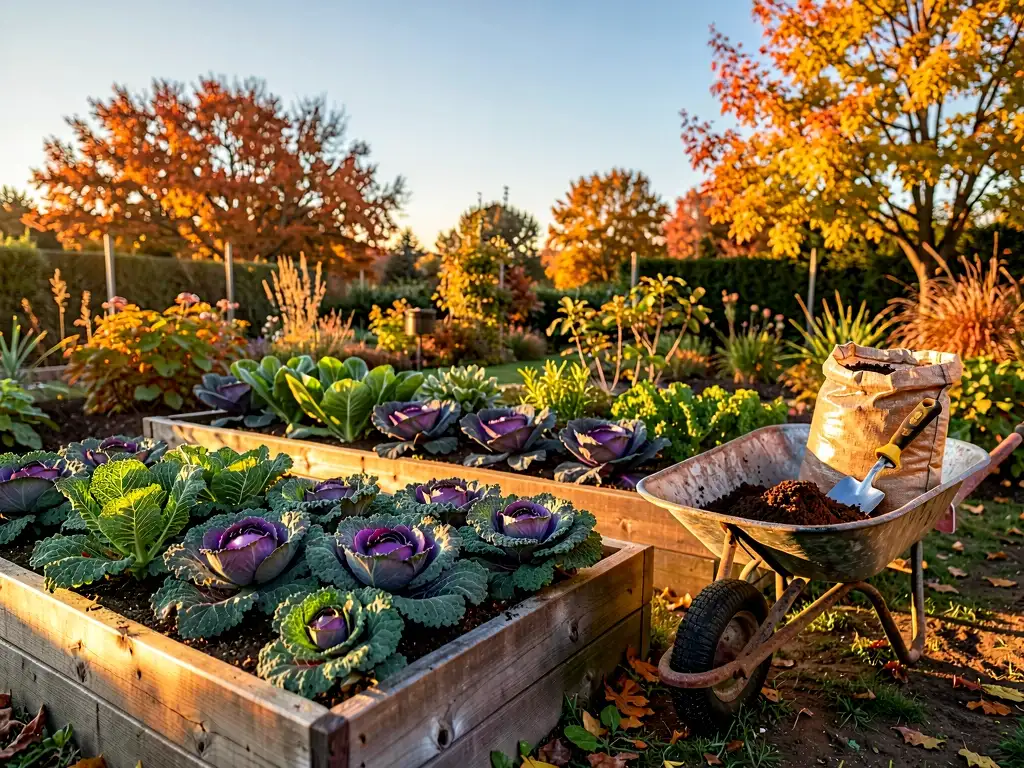
Winter is a perfect time to feed your soil so it can feed your plants later. Dig in or spread a generous layer of well-rotted compost, aged manure, or high-quality garden mix over vegetable beds and around perennials, shrubs, and fruit trees.
In heavy clay soils, like many parts of Waikato, organic matter opens up the structure, improving drainage and aeration while still holding enough moisture for roots. Where clay is extreme, products such as gypsum or clay breaker plus compost help create a more crumbly, workable soil.
Use green manures on empty beds
If you have vegetable beds you will not plant over winter, sow green manure crops such as lupins, oats, or mustard. These cover crops protect bare soil from erosion and leaching, then can be dug in before flowering to add organic matter and nitrogen.
In a cool, temperate climate, green manures sown in late autumn often grow slowly through winter and are ready to incorporate in late winter or early spring, just in time for planting warm-season crops.
Step 3: Fix Drainage and Garden Layout
Identify and correct wet spots
Walk your section during or after heavy winter rain to see where water pools or drains slowly. Persistent puddles indicate compaction or underlying clay that can suffocate roots, promote root rot, and make vegetable beds unusable.
Solutions include deep forking to break surface compaction, adding organic matter, installing subsurface drainage pipe in the worst areas, or shifting sensitive plants to raised beds with free-draining garden mix. Even simple shallow channels can redirect surface water away from beds.
Make the most of sun and shelter
Winter sun is precious, particularly in the central North Island where days are short and low-angled. Place winter vegetable beds and frost-tender plants in north-facing, wind-sheltered spots near hedges, fences, or walls that absorb and radiate warmth.
Consider creating microclimates with low windbreaks, raised beds, and warm surfaces such as stone or brick edging. These small tweaks can raise night-time temperatures by a degree or two around plants, reducing frost damage.
Step 4: Mulch for Winter Protection
How and when to mulch
Mulching is one of the most powerful ways to protect your garden through winter. After rain has moistened the soil and before the coldest frosts arrive, spread 5–10cm of organic mulch—pea straw, lucerne, bark, wood chips, or compost—around perennials, shrubs, trees, and winter crops.
This mulch layer insulates roots from temperature swings, slows weed growth, reduces soil compaction from heavy rain, and gradually improves soil as it breaks down. Keep mulch a few centimetres away from trunks and stems to prevent collar rot.
Mulching vegetable beds
In winter vegetable beds, lighter mulches such as pea straw or shredded leaves are ideal. They keep soil moisture and structure stable but are easy to pull aside when planting or harvesting root crops like carrots, beetroot, and parsnips that can sit in the ground over winter.
For beds you are “resting” rather than actively cropping, a heavier blanket of lucerne or straw topped with compost protects the soil, suppresses weeds, and feeds soil organisms all winter long.
Step 5: Protect Plants from Frost and Cold
Frost cloth, cloches, and covers
In frost-prone areas like inland Waikato, using frost cloth or garden fleece over vulnerable plants is often essential. Drape frost cloth over stakes or frames to keep it off foliage, securing it so it does not blow away, and leave it on overnight when frost is forecast.
For rows of winter vegetables, low tunnels or cloches can raise temperatures and protect from both frost and heavy rain. Because frost cloth allows light and air through, it can often remain in place for extended periods without overheating plants.
Using placement and pots for protection
Move citrus, hibiscus, tamarillos, and other frost-tender plants in containers under eaves, into a glasshouse, or next to a north-facing wall where reflected heat and shelter reduce frost damage. In very cold snaps, extra temporary covers like old sheets or cardboard boxes still make a big difference for small plants.
Grouping pots close together also helps trap a pocket of warmer air and reduces wind exposure. Watering the soil (not foliage) earlier in the day before frost can help soil hold heat overnight.
Step 6: Pruning and Perennial Care
Cutting back perennials for winter
Most herbaceous perennials are cut back in late autumn or early winter once their top growth has died down. Remove old stems and spent flowers to reduce disease carry-over and to encourage fresh shoots in spring.
Evergreen perennials may only need light tidying, removing diseased or congested growth rather than cutting back hard. Use this time to divide overcrowded clumps and replant divisions into refreshed soil enriched with compost.
Fruit trees, roses, and woody shrubs
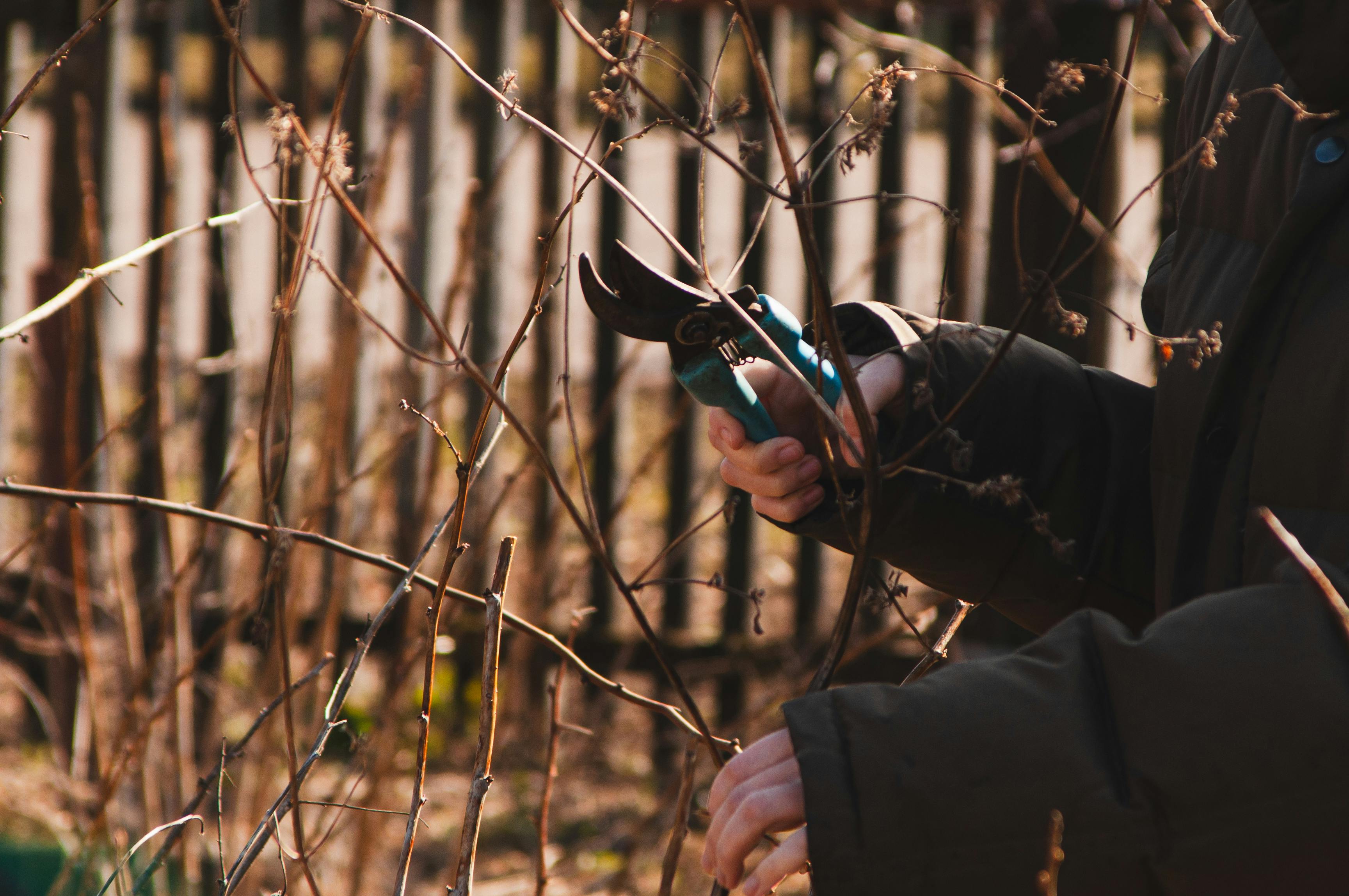
Deciduous fruit trees such as apples and pears are usually pruned in winter while dormant, focusing on removing dead, diseased, or crossing branches and opening up the canopy for light and airflow. The same timing suits many deciduous ornamentals and vines.
Roses are typically pruned in mid- to late winter once the risk of severe frost has eased, rather than at the very start of winter. Avoid pruning frost-sensitive plants too early; fresh soft growth is easily damaged by subsequent frosts.
Step 7: Adjust Watering and Irrigation
Water less, but do not let plants dry out
Cooler temperatures and more frequent rain mean plants use less water in winter, so most gardens need far less irrigation. Overwatering in cold, heavy soils is a common cause of root problems and poor performance in winter vegetables.
Turn automatic irrigation systems down or off if rainfall is adequate, but keep an eye on pots and sheltered areas that may still dry out. Aim for occasional deep watering rather than frequent light sprinklings, and water in the morning so foliage dries before nightfall.
Protecting soil from compaction
Avoid walking on garden beds or using heavy equipment on very wet soil, as this squeezes out air spaces and makes soil dense and hard. Use boards or stepping stones in vegetable beds if you must work on them during winter.
Good mulching, organic matter additions, and raised beds over time all help improve structure so soil copes better with winter rain.
Step 8: Preparing Vegetable Beds for Winter Crops
Soil preparation for winter veg
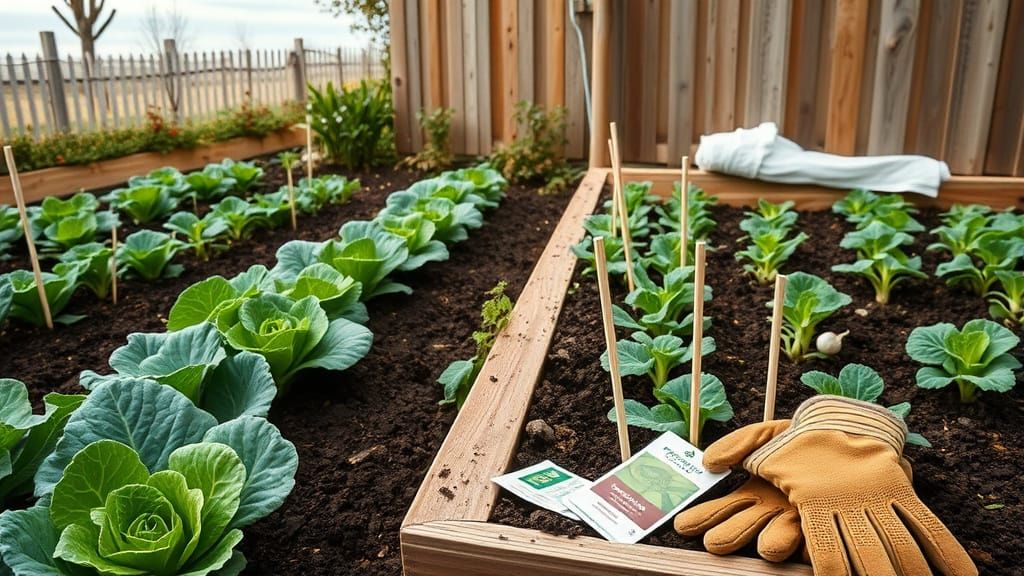
If you plan to grow a winter vegetable garden, choose a sunny, sheltered spot with good drainage, ideally slightly raised above surrounding ground. Work in compost and a balanced vegetable fertiliser before planting, and avoid low-lying, waterlogged areas that rot roots.
Many winter crops—broccoli, cabbage, cauliflower, kale, silverbeet, carrots, beetroot, leeks, onions—prefer slightly acidic to neutral, fertile soil with plenty of organic matter and a fine, friable texture for easy root growth.
Planting timing and spacing
In most temperate parts of New Zealand, winter crops are best planted from late summer into autumn so they establish before the coldest weather arrives. Once soil temperatures drop, growth slows significantly, and new plantings may struggle.
Space plants generously to ensure good air circulation and reduce fungal issues during damp spells. For example, brassicas need more room in winter than in summer because leaves can stay wet for longer across cool, still days.
Step 9: Lawns, Paths, and Structures
Winter lawn care
Keep lawns clear of heavy leaf build-up, branches, and clutter to prevent smothering and fungal problems. Occasional mowing with blades set higher than in summer keeps grass neat without stressing it during slow growth.
Check drainage across lawn areas and consider aerating compacted patches with a garden fork. Improve problem spots with compost, sand, or recontouring where water repeatedly pools.
Paths, beds, and infrastructure
Use the quieter winter months to repair edging, raised beds, trellis, and paths. Stable paths and clearly defined garden edges make it easier to stay off wet soil and protect beds from unnecessary compaction.
Winter is also a good time to plan new raised beds, retaining walls, or irrigation upgrades so they are ready before spring planting pressure arrives.
Step 10: Tools, Compost, and Planning
Maintain tools and compost systems
Clean, sharpen, and oil secateurs, loppers, spades, hoes, and pruning saws so they are ready for winter pruning and spring planting. Properly maintained tools make cleaner cuts, reduce plant damage, and last longer.
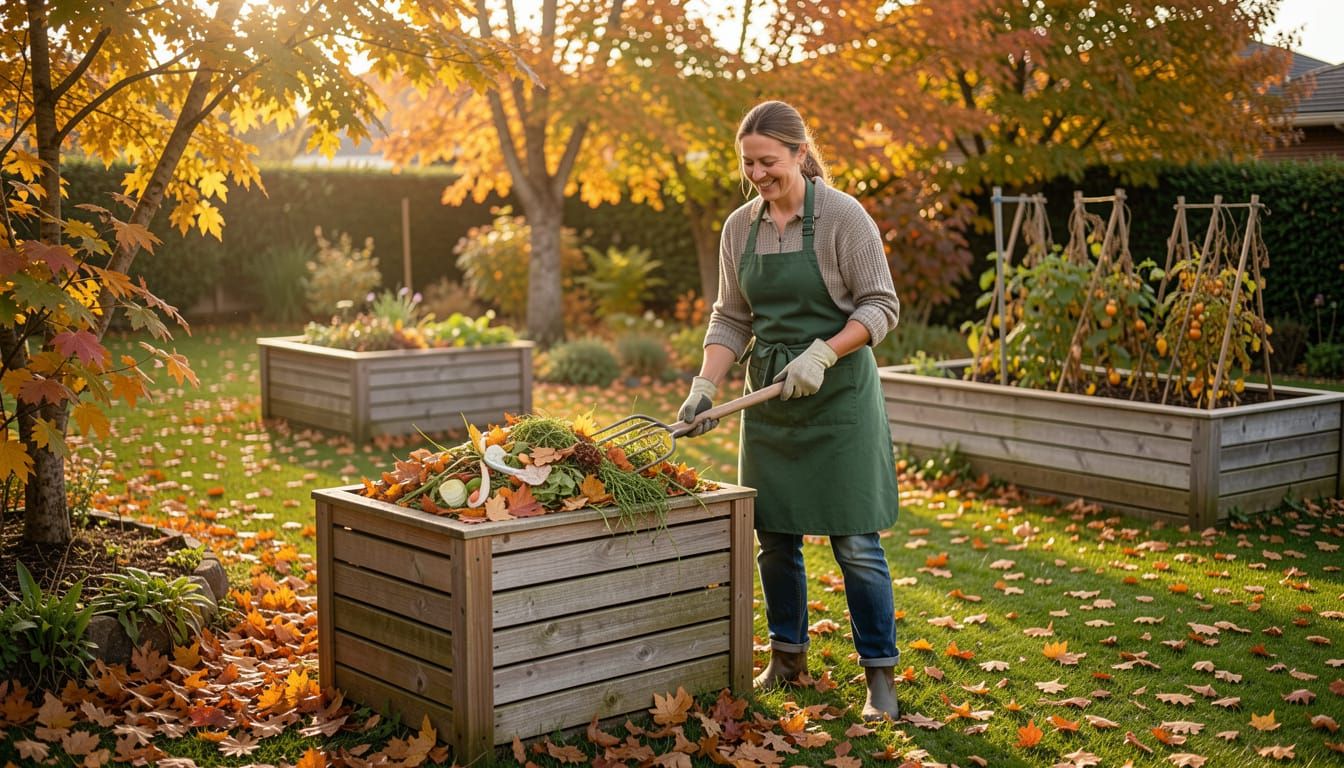
Turn your compost heap, checking that it is moist but not waterlogged, and cover it if heavy rain is forecast to prevent it becoming saturated. Add a balanced mix of browns (dry leaves, straw, shredded paper) and greens (kitchen scraps, grass clippings) for steady decomposition.
Plan next season’s garden
Winter is the ideal planning season. Sketch your garden layout, rotate crops so you are not planting the same family in the same place each year, and choose varieties that suit your climate and soil type.
Order seeds early, especially for popular crops and heritage varieties, and consider which beds will host early spring sowings versus later warm-season crops. Thoughtful winter planning makes spring feel organised instead of chaotic.
Key Winter Preparation Tasks by Garden Area
Garden Area
Main Winter Tasks
Extra Tips for Cool Inland Regions
Vegetable beds
Remove old crops, add compost, sow winter veg or green manures, mulch lightly.
Use raised beds and tunnels, avoid low, wet spots, cover tender seedlings with frost cloth.
Fruit trees & berries
Prune deciduous trees while dormant, remove mummified fruit and leaves, mulch around dripline.
Protect young citrus and subtropicals with frost cloth and mulch; choose hardy rootstocks.
Perennials & ornamentals
Cut back spent perennials, tidy evergreen growth, divide overcrowded clumps, weed and mulch.
Cover borderline-hardy plants during frosts, choose sheltered planting sites, avoid early hard pruning.
Natives & shrubs
Mulch to conserve moisture and suppress weeds, light shaping and removal of dead wood.
Young natives benefit from winter planting and mulching so roots establish before dry summers.
Aerate compacted areas and divert water away from boggy patches with drains or surface contouring.
Key Takeaways for New Zealand Winter Garden Prep
For New Zealand gardeners, especially in frost-prone regions like Te Kūiti and much of Waikato, the essential winter tasks are cleaning up, feeding and protecting the soil, improving drainage, mulching, and shielding susceptible plants from cold and wet. When you get these basics right, winter becomes a productive season of quiet growth and preparation rather than a period of damage control.
Think of winter preparation as investing in your garden’s future—healthy soil, sound structures, and well-cared-for plants respond with stronger spring growth, fewer pest and disease problems, and more reliable harvests. A few focused weekends of work now can save months of frustration later.
Winter Garden Preparation FAQ
When should I start preparing my garden for winter in New Zealand?
Begin winter preparation in late autumn, as summer crops finish and before severe frosts arrive. In many regions, that means April and May for cleanup, soil improvement, and mulching, with frost protection and heavier pruning continuing into June and July as plants become fully dormant.
Should I remove all plants or leave some for beneficial insects?
Remove diseased plants and weeds completely, but you can leave some healthy perennials, ornamental seed heads, and winter-flowering shrubs to provide food and habitat for beneficial insects and birds. Just ensure anything prone to fungal disease or harbouring pests is cleared and binned rather than composted.
How thick should I mulch my garden for winter?
A mulch layer of about 5–10cm is ideal for most beds, thick enough to insulate roots and suppress weeds without smothering plants. Use pea straw, bark, wood chips, lucerne, or compost, and keep mulch slightly away from stems and trunks to avoid rot and pest problems.
What is the best way to protect frost-tender plants?
Combine good site choice with physical protection. Plant tender species in sheltered, north-facing spots and use frost cloth, cloches, or temporary covers on frosty nights. Potted plants are easily shifted under eaves or against warm walls, and mulching around the root zone helps buffer temperature swings.
Do I still need to water my garden in winter?
Yes, but far less often. Natural rainfall usually covers much of your garden’s needs, but pots, glasshouse crops, and plants in very free-draining soils may still require occasional deep watering. Always check soil moisture first and avoid frequent light watering, which can encourage shallow roots and waterlogging.
Is winter a good time to plant new trees and shrubs?
Winter is an excellent time to plant many trees and shrubs, especially New Zealand natives and deciduous fruit trees, because cool, moist conditions allow roots to establish before summer heat arrives. Ensure soil is well-prepared with compost and drainage is adequate to prevent new plantings sitting in cold, saturated ground.
How do I prepare raised beds for winter in clay-heavy areas?
In clay-heavy regions, raised beds filled with quality garden mix and compost provide far better winter drainage and root conditions. Before winter, remove spent crops, mix in fresh compost, check for settling or structural issues, and top up the beds so they remain slightly higher than surrounding ground.
What should I do with my compost bin over winter?
Keep your compost bin active over winter by layering kitchen scraps with dry materials like leaves or shredded cardboard, and by turning it occasionally to maintain airflow. Protect it from excessive rain so the contents stay as moist as a wrung-out sponge rather than becoming waterlogged and smelly.