We use cookies to improve your experience, analyze traffic, and display personalized ads.
By clicking "Accept", you consent to the use of cookies in accordance with our Privacy Policy.
The Complete Guide to the Best Compost for Winter Garden
Winter garden preparation is the key to thriving spring crops and healthy soil. Preparing your garden during the colder months ensures a fertile foundation for the upcoming growing season, and using the right compost is a critical part of this process. The focus keyword, best compost for winter garden, should be your guiding principle when feeding your soil. This guide covers how to choose, make, and apply the perfect compost to ensure your garden bed stays nutrient-rich, insulated, and ready for action.
The best compost for a winter garden is a balanced, well-rotted mix of aged animal manure, broken-down leaf mould, and green and brown garden waste. In colder months, the goal is to protect and build the soil structure rather than promoting rapid, leafy plant growth. Incorporating a light, open-textured compost rich in organic matter will insulate roots and slowly release nutrients.
Use well-rotted compost: Dark, crumbly compost with an earthy smell provides stable nutrients.
Balance Greens and Browns: A mix of nitrogen-rich greens (grass, vegetable scraps) and carbon-heavy browns (leaves, straw, cardboard) is essential.
Add Minerals: Enhance compost with seaweed, wood ash, or sheep pellets for added fertility.
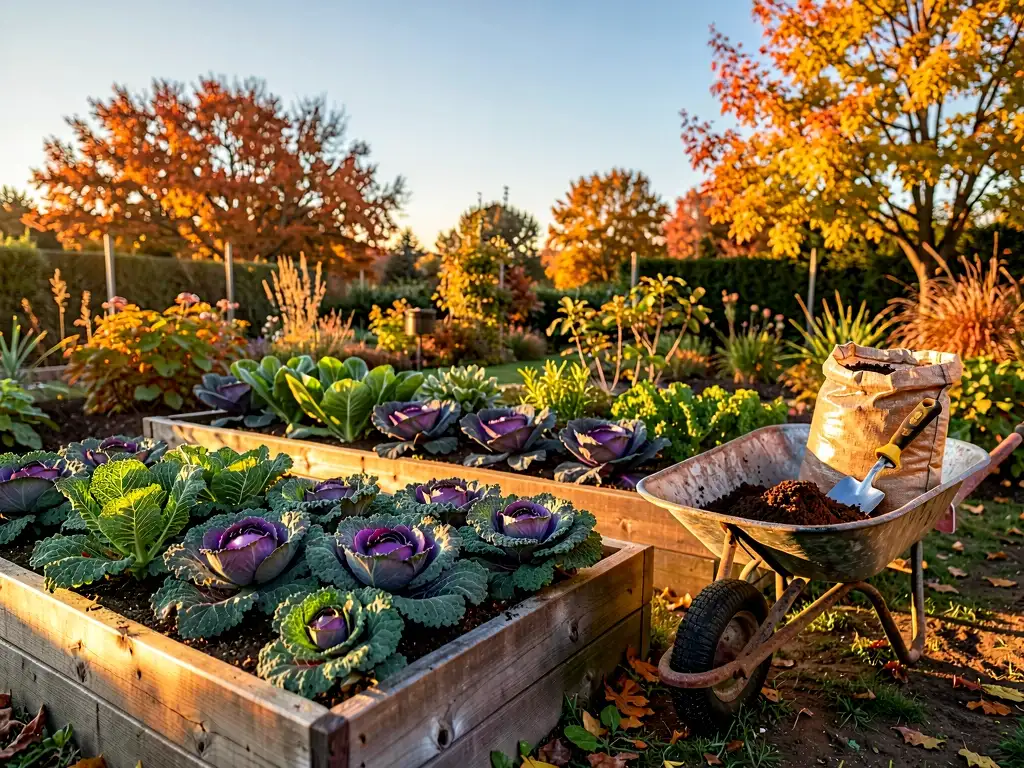
Mulch generously: Top your composted beds with pea straw or mulch to protect the soil from winter rains and frost.
Why Winter Composting is Crucial for Soil Health
In winter, nutrient uptake in plants slows down significantly due to lower temperatures and reduced daylight hours. Therefore, the focus shifts from feeding the plants directly to feeding and conditioning the soil. Adding the best compost for winter garden beds improves soil structure, ensuring it retains moisture during dry spells while allowing excess winter rain to drain freely, preventing waterlogged roots.
Furthermore, compost acts as a slow-release fertilizer. As it breaks down, it encourages beneficial microbes and earthworms to populate the soil, bringing life back to tired garden beds. For empty vegetable beds, laying down compost combined with a green manure crop (such as oats or lupins) is an excellent way to prevent nutrient leaching and suppress weeds until spring planting.
How to Make the Best Compost for Winter Garden Beds
Making your own compost is cost-effective and creates a biologically active, minerally rich amendment tailored to your garden’s needs. Winter composting, often called “cold composting,” is a slower process but preserves beneficial fungi that are highly advantageous for soil health.
Step-by-Step Cold Composting Guide
Choose a Site: Place your compost bin or heap in a well-drained area. Unlike summer, where shade is preferred to prevent drying, a spot with some winter sun can help keep the pile slightly warmer.
Start with a Base: Lay a 5–15cm base of coarse materials like twigs or thick stems. This ensures crucial aeration and drainage at the bottom of the pile.
Layering (The A, B, C Method): Alternate layers of green and brown materials.
A (Greens/Nitrogen): Fruit and vegetable peelings, fresh grass clippings, and soft green weeds.
B (Browns/Carbon): Dry leaves, shredded untreated cardboard, straw, and small wood chips.
C (Moisture): Lightly water each layer so it is barely moist, like a wrung-out sponge.
Add Biology and Minerals: Sprinkle handfuls of good soil, seaweed, or a natural plant food like sheep pellets between layers to kickstart microbial action.
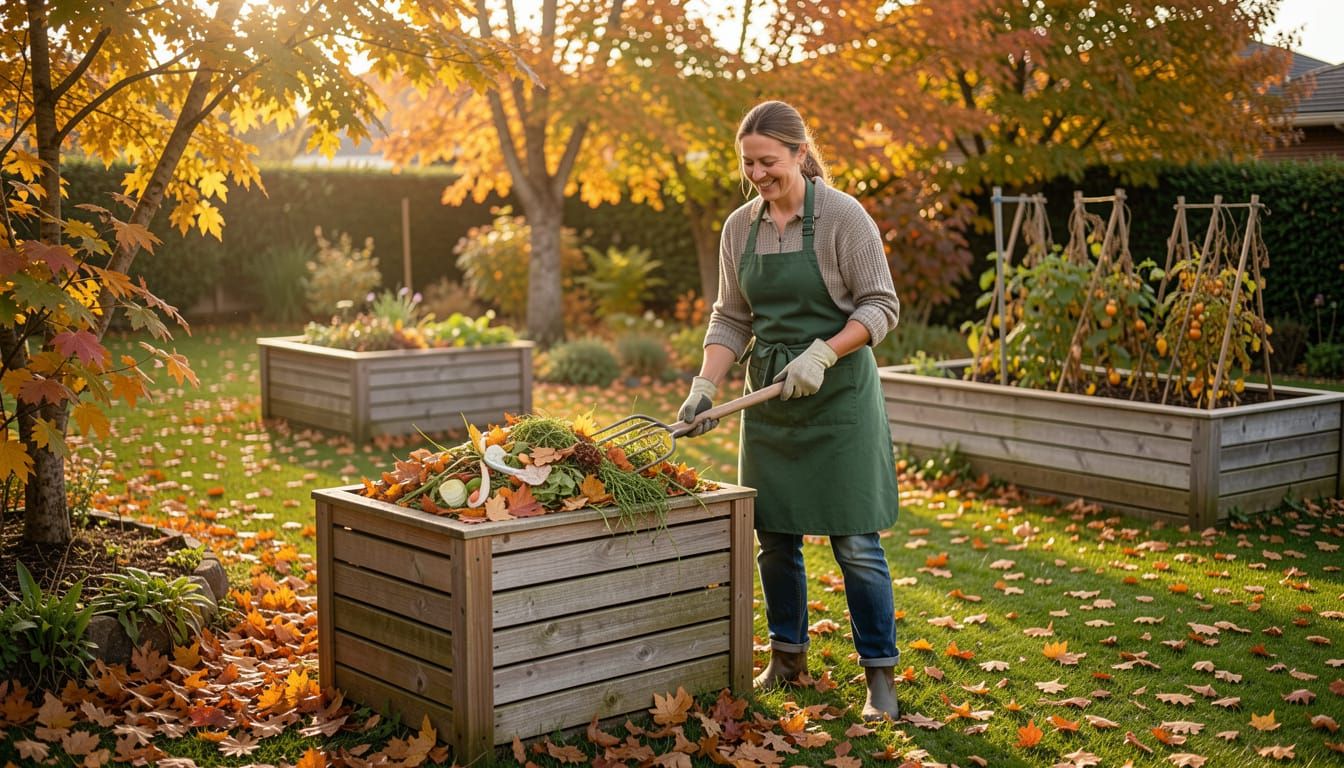
Cover and Wait: Cover the heap with a tarp, carpet, or a thick layer of straw to retain moisture and insulate against freezing temperatures. Turn it occasionally with a garden fork to introduce air.
Trench Composting: The Lazy Gardener’s Winter Hack
If you don’t have space for a dedicated compost bin, trench composting is an excellent, low-effort alternative for winter. This method builds the soil directly in empty garden beds.
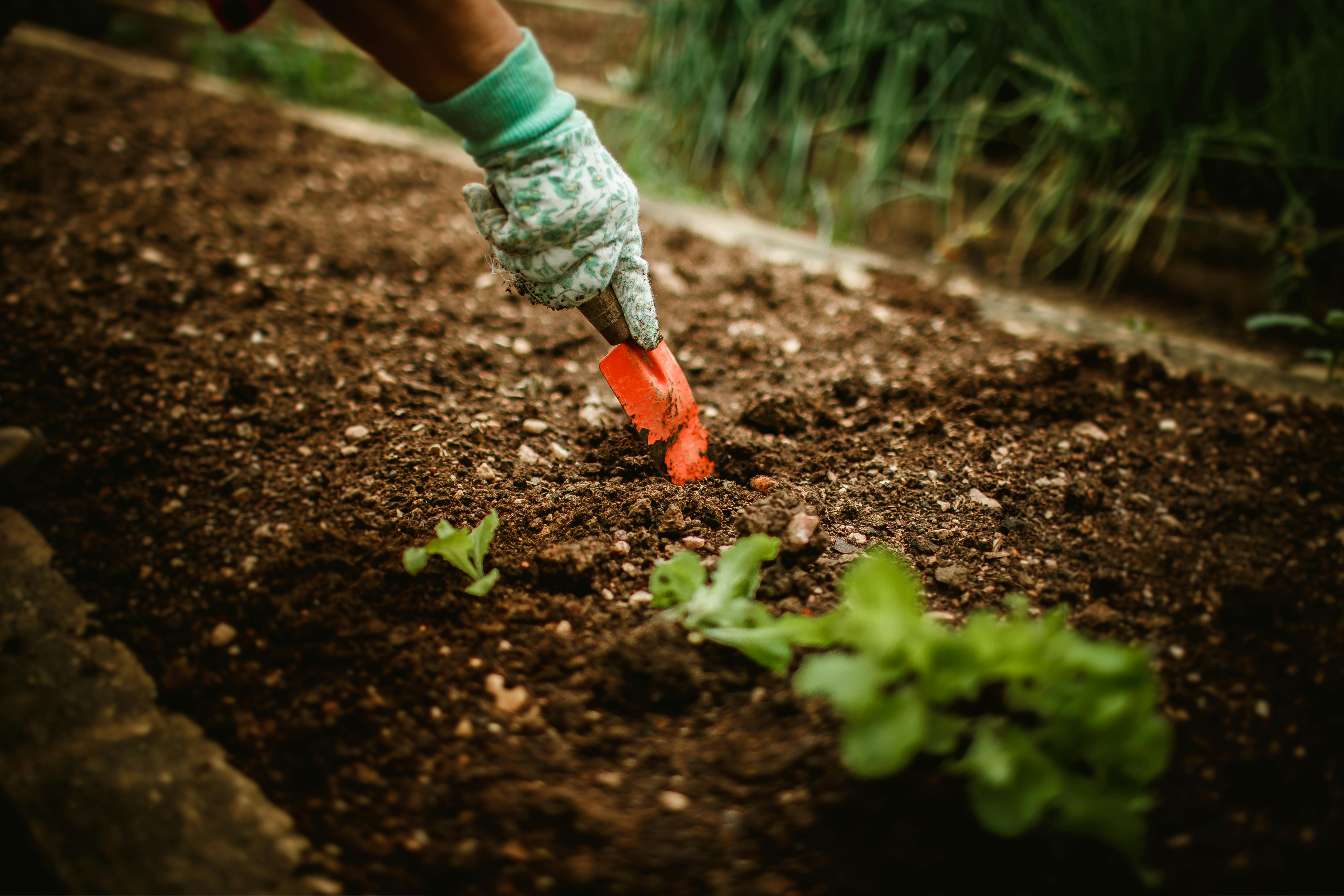
Dig a trench about 15 to 20 cm deep in a vacant bed. Add your kitchen vegetable scraps directly into the trench as you accumulate them (strictly avoiding meat, dairy, and citrus to prevent pests). Cover the scraps with the excavated soil and mound it up slightly. Finally, top the area with a thick layer of straw. Over the winter, worms and microbes will break down the scraps, leaving you with a highly fertile bed ready for spring planting.
Applying Compost and Mulch in Winter
Applying compost correctly during winter ensures your soil reaps the maximum benefits without being washed away by heavy rains. Whether you are using homemade compost or purchased products like a quality vegetable mix, the application method matters.
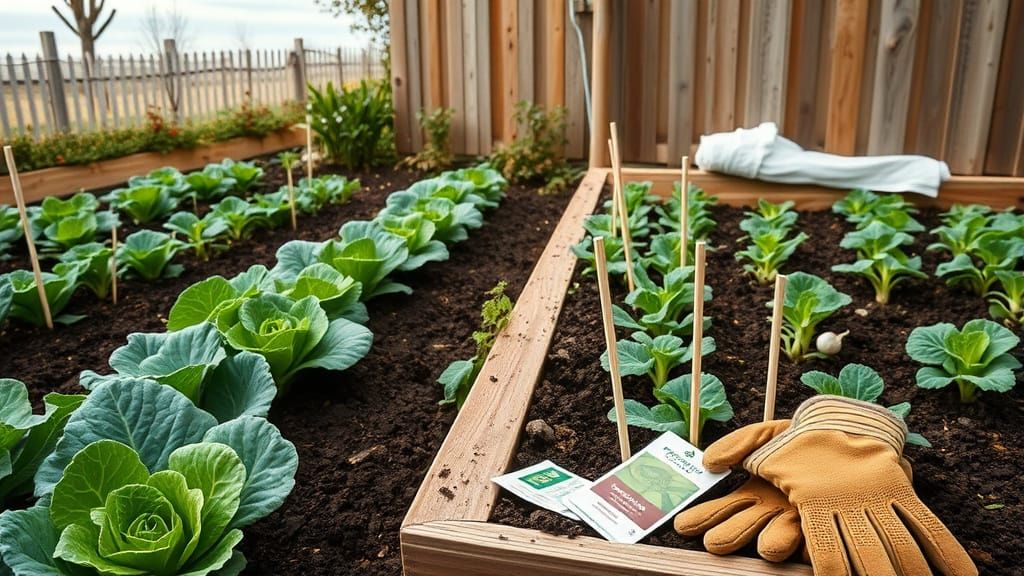
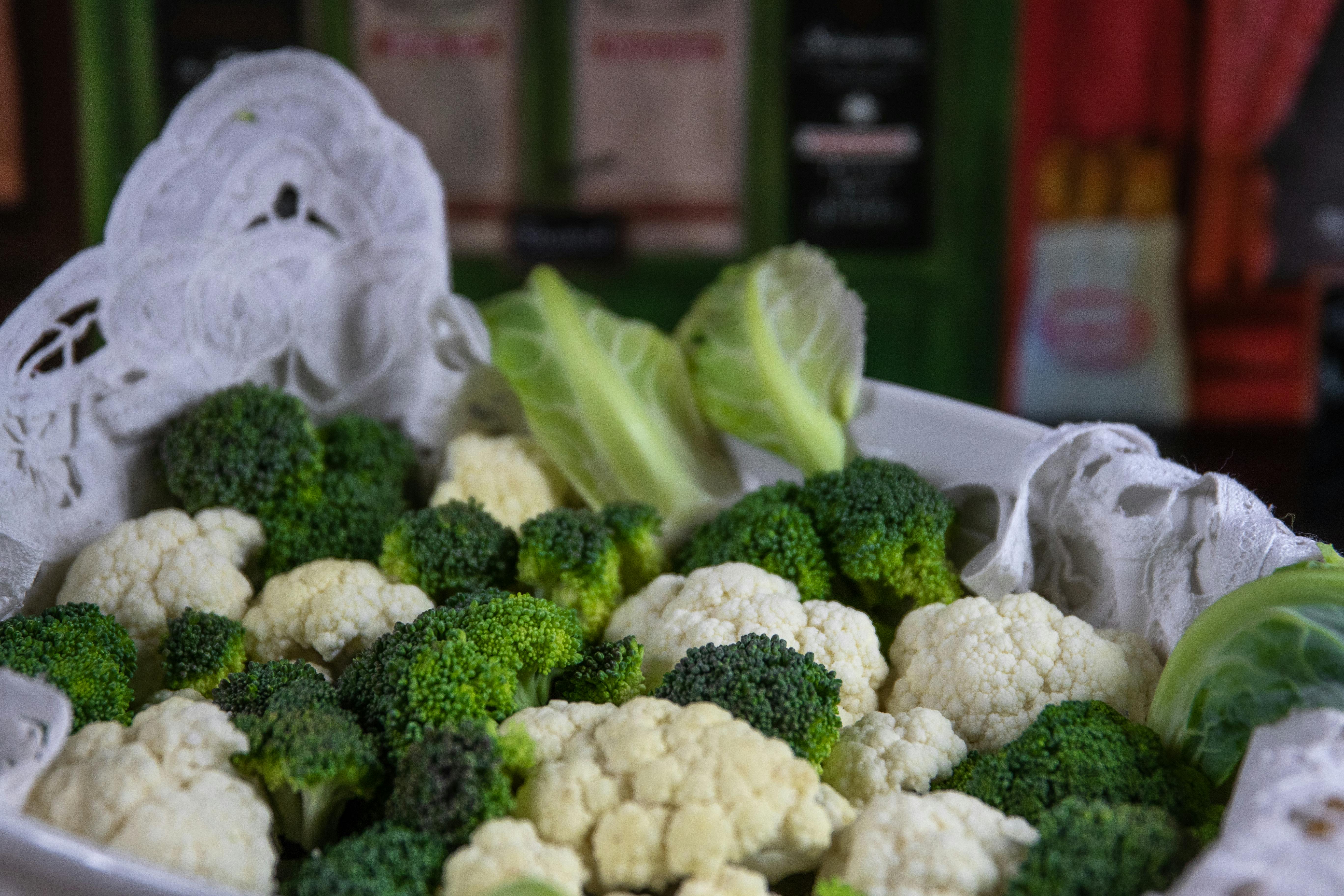
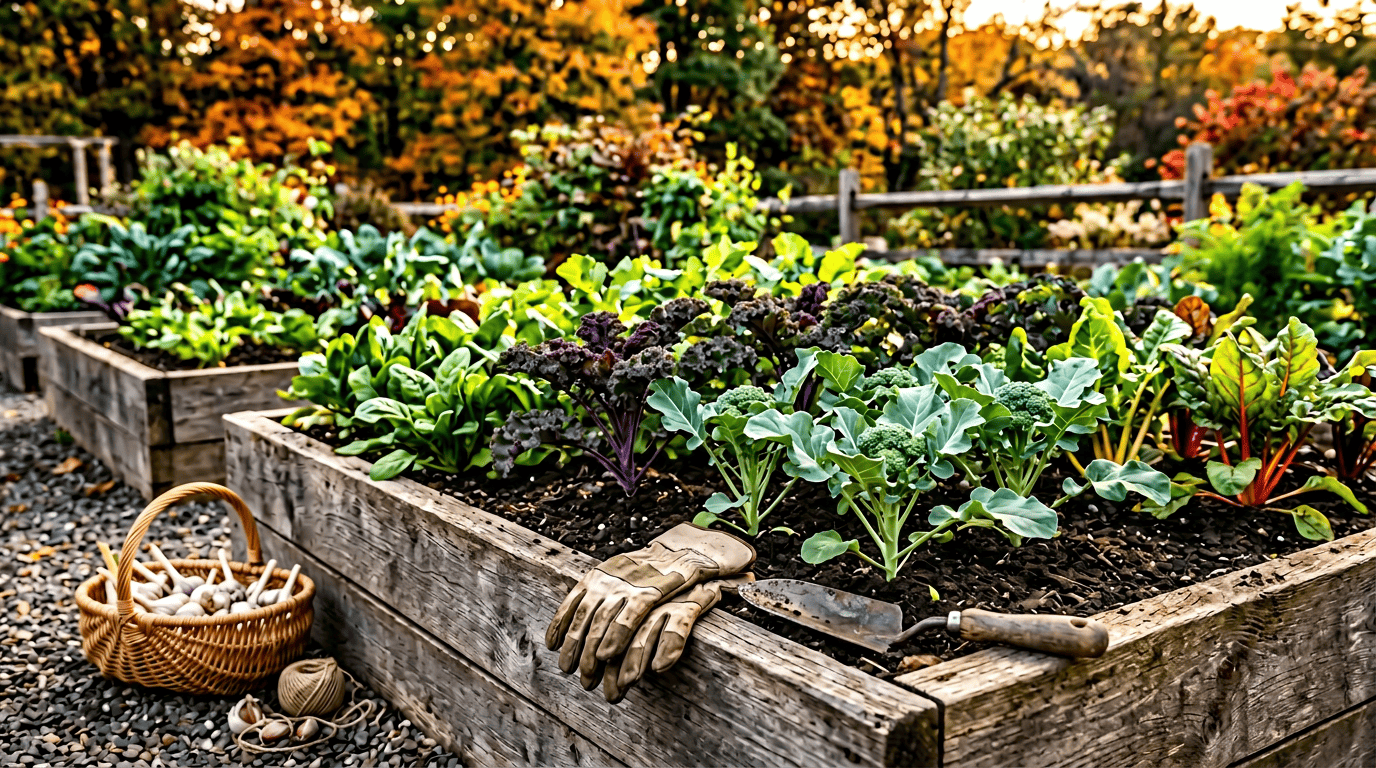
For existing, empty garden beds, spread a generous layer of well-rotted compost or aged animal manure over the surface. Use a garden fork to gently prize up and loosen the soil, working the compost into the top layer without aggressively turning and damaging the soil structure. If planting winter vegetables like broccoli, spinach, or cabbage, dig the compost into the soil to a depth of about 30cm before planting the seedlings.
The Importance of Winter Mulch
Compost feeds the soil, but mulch protects it. After applying your compost, it is highly recommended to add a layer of protective mulch.
Mulch Material
Best Used For
Key Benefits
Pea Straw
Vegetable beds, around winter greens
Adds nitrogen as it breaks down, excellent insulation, suppresses weeds.
Free, highly nutritious, improves soil water retention.
Troubleshooting Your Winter Compost
Even in winter, compost piles can run into issues. Gardeners often notice their compost becoming either too wet and sludgy or too dry and inactive.
Sludgy, Smelly Compost: If your compost smells like ammonia and looks like sludge, it has gone anaerobic. This means there is too much water and not enough air. Break the pile apart, mix in plenty of dry carbon materials (like shredded paper or dry leaves), and re-stack it.
Dry, Inactive Compost: If the pile is musty, crusty, and dry, it needs moisture and more nitrogen. Add water, mix in fresh green clippings, and ensure the pile is covered to trap humidity.
Frequently Asked Questions
Can I put weeds in my winter compost?
Yes, you can put soft green weeds in your winter compost as a source of nitrogen. However, avoid adding weeds that have gone to seed or invasive perennial weeds with bulbous roots (like oxalis), as the cold composting process will not get hot enough to kill them.
Is it okay to add citrus peels to compost?
While a few citrus peels are fine in a large, well-balanced heap, it is generally recommended to keep them out of small home compost bins and worm farms. Citrus is highly acidic and can disrupt the pH balance, deterring the worms and microbes that break down the material.
How thick should the compost layer be on winter beds?
Aim for a layer of compost about 5 to 7 cm thick across your empty garden beds. This provides a substantial amount of organic matter to insulate the soil and slowly release nutrients without suffocating the ground.
Can I plant winter vegetables directly into fresh compost?
It is best to plant into well-rotted compost. Fresh, unfinished compost can tie up nitrogen in the soil as it continues to break down, depriving your young seedlings of essential nutrients. Always ensure your compost is dark, crumbly, and earthy-smelling before planting.
Should I cover my compost bin in winter?
Yes, covering your compost heap in winter is highly recommended. A cover, such as a tarp, old carpet, or a thick layer of straw, protects the pile from becoming waterlogged from heavy winter rains and helps retain the slight heat generated by microbial activity.
Conclusion
Successfully preparing your garden for the colder months hinges on understanding and utilizing the best compost for winter garden beds. By layering carbon and nitrogen, incorporating minerals, and protecting the soil with mulch, you create an insulated, nutrient-dense environment. Whether you choose traditional cold composting or simple trench composting, the effort you invest now will reward you with a resilient, highly productive garden come spring.