Vertical Garden Ideas: Smart, Stylish Ways to Grow More in Small New Zealand Spaces
Vertical garden ideas are more than a design trend—they are one of the most practical ways for New Zealand gardeners to grow more food, flowers, and foliage in limited space. Whether you have a compact courtyard in Auckland, a sunny deck in Nelson, a windy section in Wellington, or a small rental balcony in Christchurch, growing upward can turn blank walls, fences, trellises, and stacked planters into productive garden features. With the right setup, a vertical garden can improve airflow, save space, reduce bending, and create a lush, layered look that makes even a tiny outdoor area feel abundant.
For beginner to intermediate gardeners, the best vertical garden ideas combine beauty with function. That means choosing the right structure, matching plants to sunlight and climate, using suitable potting mix or soil, and planning for reliable watering. Done well, a vertical garden can grow herbs, salad greens, strawberries, climbing beans, peas, cucumbers, tomatoes, flowering annuals, and even ornamental natives in a surprisingly small footprint.
This guide covers the best vertical garden ideas for New Zealand conditions, including low-cost DIY options, edible wall concepts, support structures for climbers, irrigation tips, crop choices, and design strategies for cool, temperate, and warm regions.
A vertical garden uses height instead of width. Rather than planting everything at ground level, you train, stack, hang, or mount plants upward. This is ideal for urban homes, narrow side yards, patios, balconies, and small back gardens where floor space is limited.
Vertical systems can also make plants easier to manage. Climbing vegetables often stay cleaner off the soil, harvesting can be simpler, and dense spaces become more productive when every surface is used well. From a design perspective, vertical planting softens fences and walls while creating privacy, colour, and texture.
Main benefits of vertical gardening
Saves ground space in small gardens
Increases planting area without major landscaping
Improves airflow around many crops
Keeps fruit and foliage off damp soil
Creates living privacy screens
Reduces strain from bending and kneeling
Adds strong visual impact to plain walls and fences
Best Types of Vertical Garden Ideas for New Zealand Homes
The most successful vertical garden ideas match the structure to the site. Before building anything, look at sunlight, wind exposure, drainage, access to water, and whether the surface is strong enough to hold weight.
1. Trellis gardens
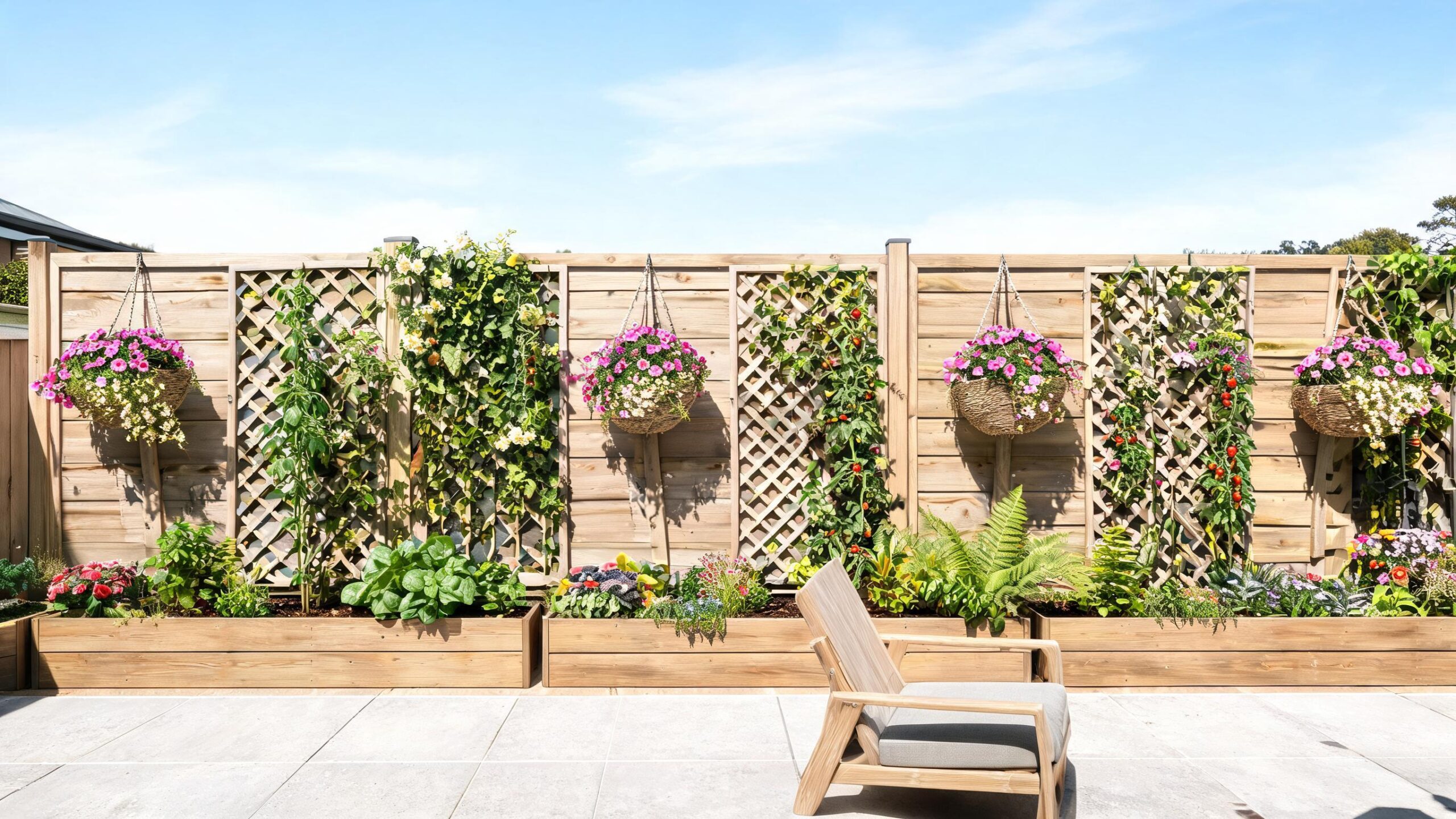
A trellis is one of the easiest and most versatile vertical options. It can be attached to a fence, fixed between posts, mounted against a wall with an air gap, or placed in a raised bed. Trellises are excellent for peas, beans, cucumbers, passionfruit, climbing roses, sweet peas, and some espaliered fruit.
For edible crops, choose sturdy materials such as galvanised mesh, coated steel wire, timber lattice, or cattle panel style supports. Lightweight decorative lattice often struggles once vines become heavy.
2. Hanging basket systems
Hanging baskets suit herbs, trailing strawberries, cherry tomatoes, lobelia, petunias, calibrachoa, ivy, and compact lettuces. They are ideal for balconies and decks where floor space is precious. In warmer parts of New Zealand, baskets dry out fast in summer, so use moisture-retentive potting mix and water regularly.
3. Pocket wall planters
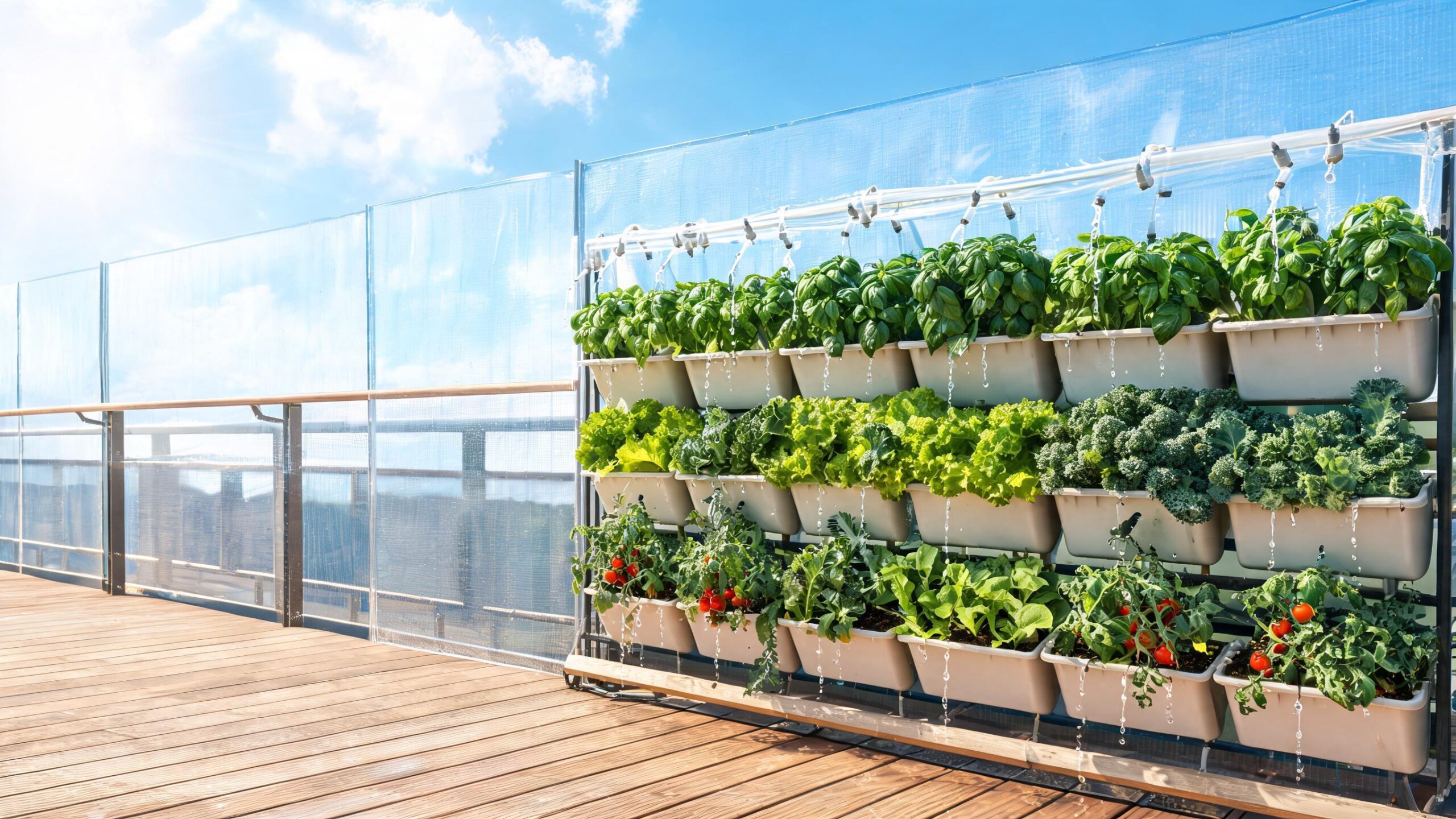
Fabric or modular plastic pocket planters are popular for herbs, leafy greens, annual flowers, and shallow-rooted ornamentals. They work best in a sheltered position with easy watering access. They are less suited to large, thirsty crops unless irrigation is built in.
4. Stacked planters and tiered stands
Tiered planters create a vertical effect without needing to mount anything to a wall. They are excellent for renters or gardeners who want flexibility. Use them for lettuces, basil, parsley, spinach, violas, spring onions, and compact chillies.
5. Archways and arbours
If you want structure and drama, an arch or arbour can support beans, climbing flowers, gourds, miniature pumpkins, or ornamental vines. These are especially effective at marking an entrance to the vegetable patch or dividing garden zones.
6. Fence-mounted planter boxes
Planter boxes fixed securely to a fence can grow herbs, edible flowers, salad greens, and trailing plants. Make sure the fence is strong enough and that excess water will not damage timber or annoy neighbours.
7. Pallet gardens
Pallet gardens can be inexpensive, but they need careful preparation. Only use heat-treated pallets marked HT, never chemically treated pallets for edible gardening. Line planting areas properly, improve drainage, and avoid overloading weak timber. Pallet gardens are best for ornamentals, herbs, and shallow-rooted crops.
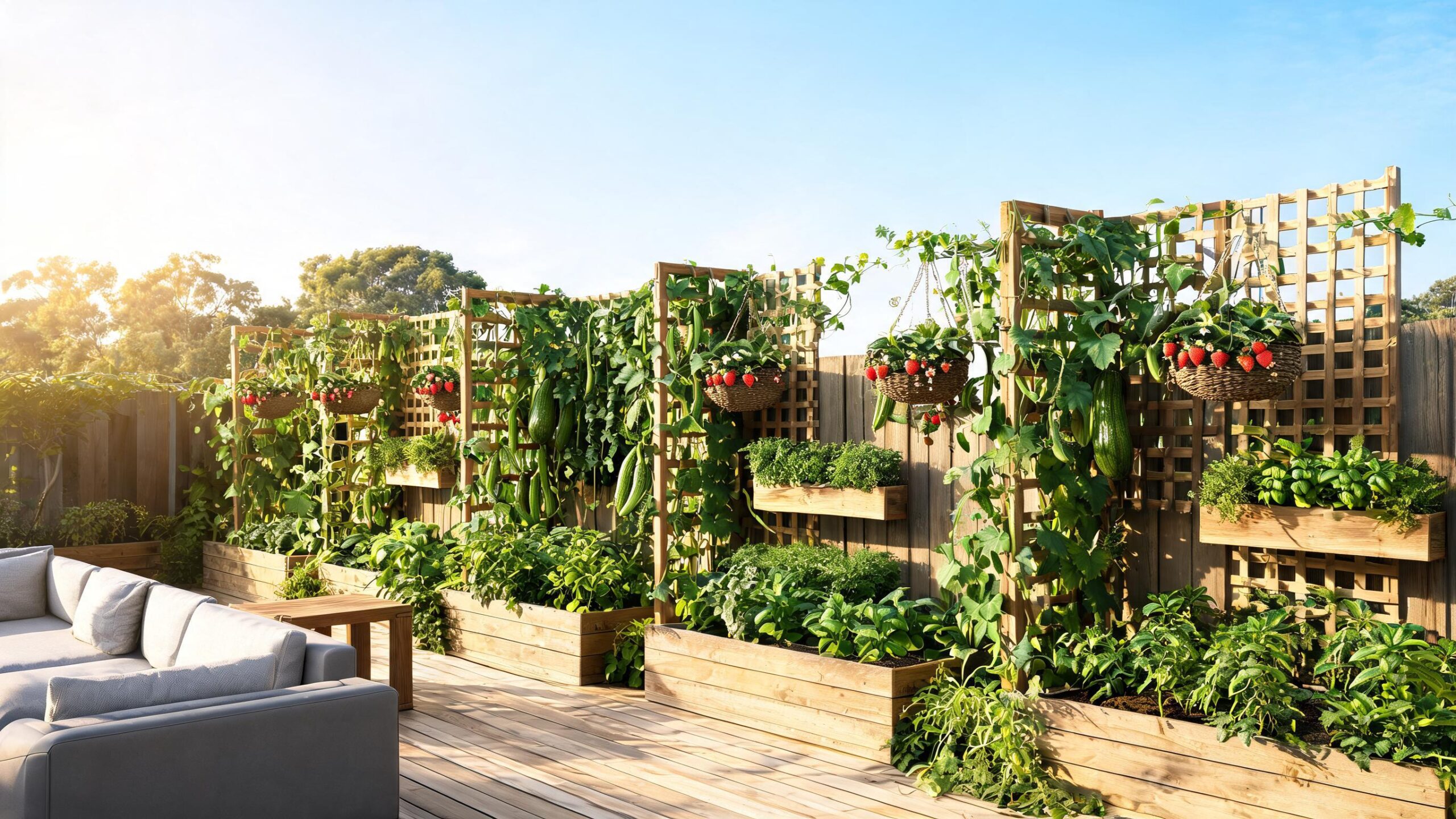
8. Climbing crop frames in raised beds
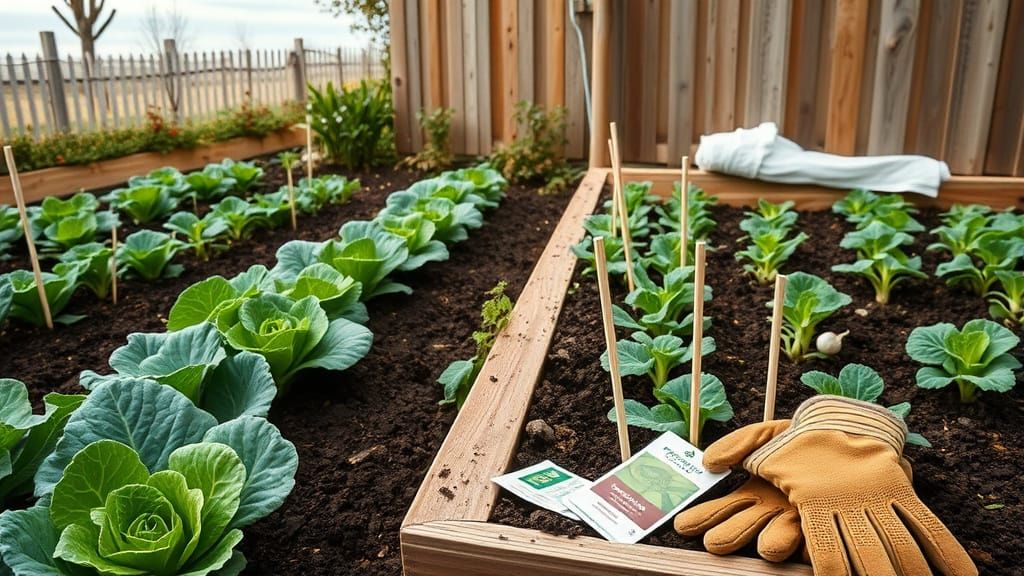
One of the most productive vertical garden ideas is pairing a raised bed with a strong climbing frame. This is especially useful for peas, beans, cucumbers, and tomatoes. Raised beds warm faster in spring, improve drainage, and make intensive growing easier.
How to Choose the Right Vertical Garden for Your Space
Not every vertical system suits every garden. The best results come from matching the style of vertical garden to your available light, maintenance level, and plant choices.
Vertical garden type
Best for
Sun needs
Difficulty level
Maintenance level
Trellis
Beans, peas, cucumbers, climbers
Full sun to part sun
Easy
Low to moderate
Hanging baskets
Herbs, strawberries, flowers
Full sun to part shade
Easy
Moderate to high
Pocket wall planter
Leafy greens, herbs, annuals
Part sun to bright shade
Moderate
High
Tiered planter
Salad crops, herbs, compact edibles
Full sun to part sun
Easy
Moderate
Arbour or arch
Climbing beans, flowers, decorative vines
Full sun
Moderate
Low to moderate
Fence planter boxes
Herbs, edible flowers, lettuce
Part sun to full sun
Moderate
Moderate
Raised bed with frame
Productive edible gardens
Full sun
Moderate
Moderate
Ideal Conditions for a Successful Vertical Garden
Sunlight
Most edible vertical gardens need at least 6 hours of direct sun daily. Fruiting crops such as tomatoes, cucumbers, capsicums, and beans perform best in full sun. Herbs like parsley and coriander tolerate part sun, while leafy greens can handle a little afternoon shade.
Shelter from wind
Many New Zealand gardens deal with coastal winds or exposed sites. Vertical structures catch wind like sails, so anchoring is critical. Wind can also shred leaves, dry pots rapidly, and reduce pollination. In breezy areas, choose sturdy supports and more compact crops, or place vertical gardens where fences or hedging offer protection.
Drainage
Vertical systems should never trap water around roots. Wall planters, baskets, and stacked pots need excellent drainage. Use premium potting mix rather than garden soil in containers, because garden soil compacts too heavily in confined spaces.
Soil and potting mix
For in-ground vertical growing, aim for fertile, well-drained soil with plenty of compost. A soil pH of roughly 6.0 to 7.0 suits most vegetables and herbs. For containers, use a quality potting mix with added compost, slow-release fertiliser, and water-holding ingredients. Refresh or top up mixes regularly during the growing season.
Vertical Garden Ideas for Edibles
If your goal is maximum harvest from minimum space, edible vertical gardening is hard to beat. These ideas are practical, attractive, and highly productive when well maintained.
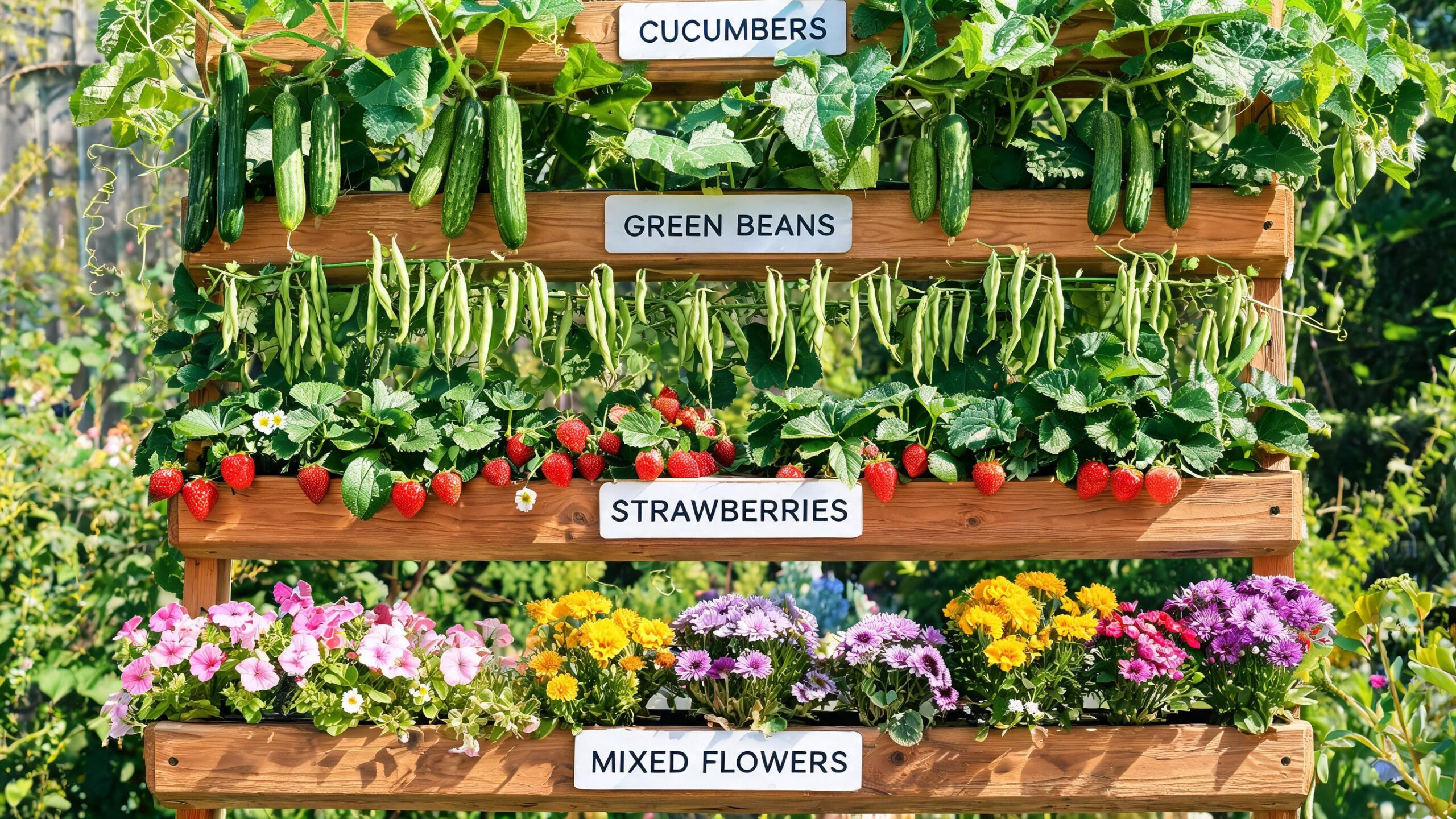
Climbing beans on a teepee or frame
Beans are one of the easiest vertical crops for beginners. A bamboo teepee, metal frame, or string trellis works well. Scarlet runner beans also add flowers, making them useful in mixed ornamental-edible gardens.
Cucumbers on mesh panels
Trellised cucumbers stay straighter, cleaner, and easier to pick. Use a strong frame because plants become heavy once fruit develops. Tie stems gently as they grow and harvest regularly to keep vines producing.
Tomatoes on vertical strings or cages
Indeterminate tomatoes are ideal for vertical growing in warm, sunny spots. Tie them to stakes, spirals, or overhead strings. Remove excess side shoots on suitable varieties if you want a more manageable plant with better airflow.
Strawberries in hanging towers or pockets
Strawberries are among the most popular vertical garden ideas for patios. Hanging systems keep berries clean and out of reach of slugs. Use a rich potting mix, water consistently, and feed lightly during flowering and fruiting.
Herb walls near the kitchen
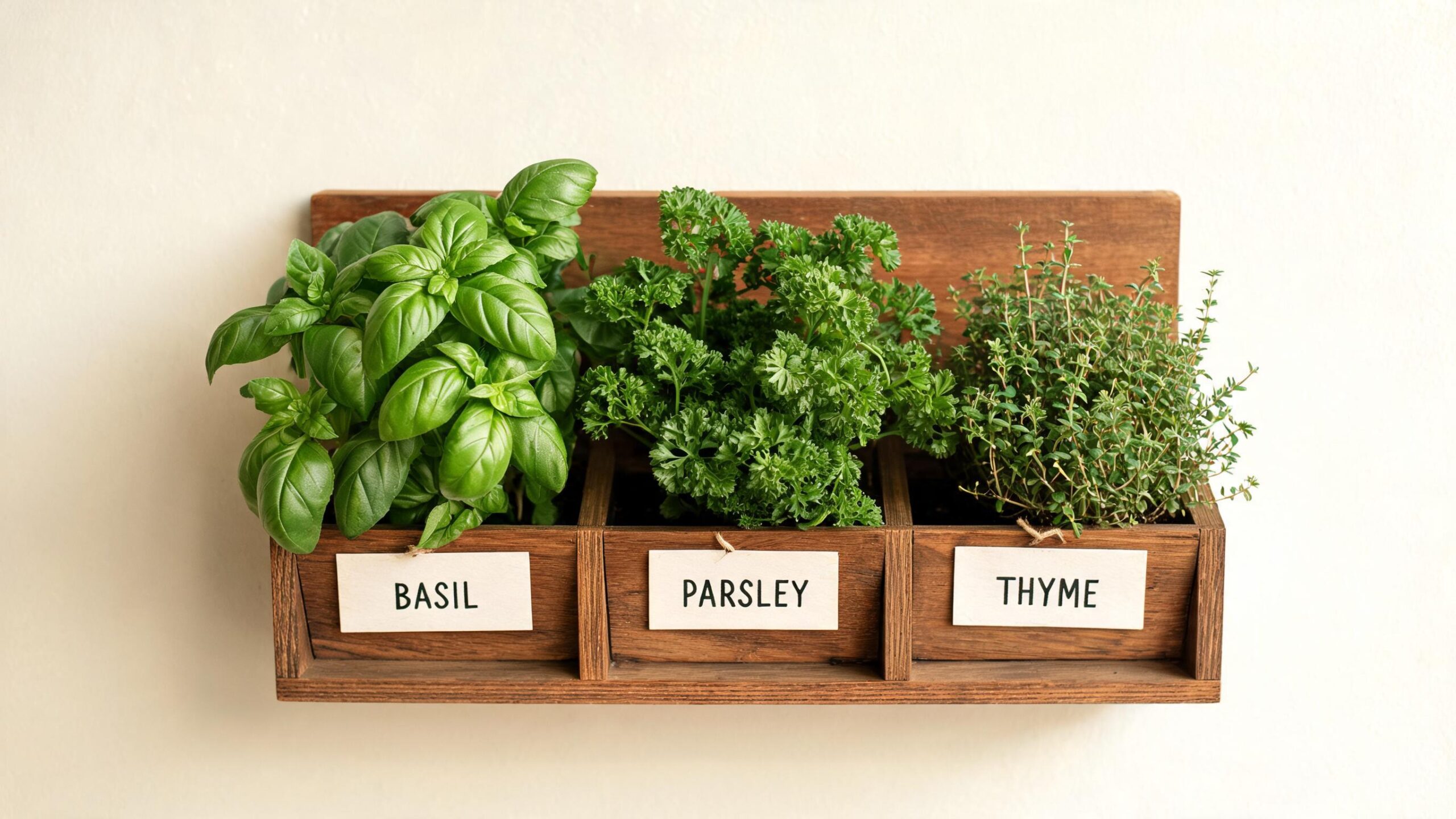
Basil, thyme, parsley, chives, mint in separate containers, oregano, and coriander can all be grown vertically. Place them close to the kitchen for easy picking. This setup works particularly well in urban homes.
Leafy greens in tiered shelves
Lettuces, rocket, spinach, mizuna, baby kale, and Asian greens suit shallow troughs or stacked planters. This makes succession planting easy and gives quick harvests in spring, autumn, and cooler summer spots.
Best Plants for Vertical Garden Ideas
Choose crops and ornamentals based on root depth, mature size, climbing habit, and water demand. Heavy feeders and thirsty plants can work vertically, but they need stronger support and more frequent feeding.
Plant
Best vertical method
Spacing
Sun
Notes
Peas
Trellis, netting
5–8 cm apart
Full sun
Great for cool-season growing
Climbing beans
Teepee, arch, trellis
10–15 cm apart
Full sun
Reliable summer crop
Cucumbers
Strong mesh frame
30–45 cm apart
Full sun
Needs regular water and feeding
Tomatoes
Stake, cage, string
45–60 cm apart
Full sun
Use tall supports
Strawberries
Pockets, towers, baskets
20–30 cm apart
Full sun
Excellent in small spaces
Lettuce
Tiered planter, trough
15–25 cm apart
Part sun to full sun
Best in cooler weather
Basil
Wall planter, pot
20–30 cm apart
Full sun
Loves warmth
Parsley
Boxes, pockets
20 cm apart
Part sun to full sun
Steady producer
Sweet peas
Trellis, obelisk
10 cm apart
Full sun
Cool-season flowering climber
Nasturtiums
Trellis, baskets
25–30 cm apart
Full sun
Edible flowers and leaves
How to Build a Simple Vertical Garden Step by Step
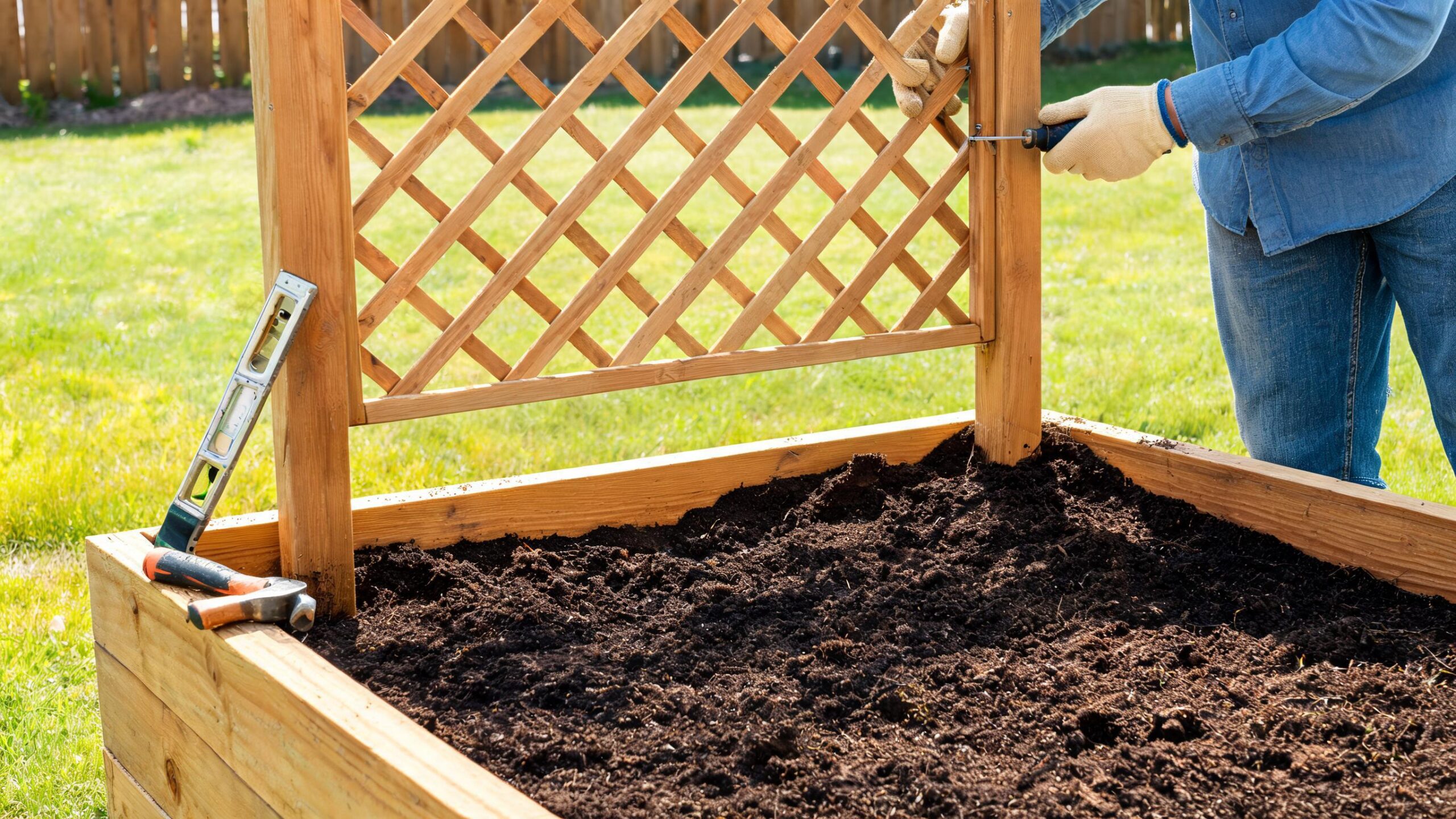
One of the easiest vertical garden ideas for beginners is a trellis-and-planter setup. This works for both flowers and edibles and can be adapted for balconies, fences, and raised beds.
Step 1: Choose the site
Pick a position with the right amount of sun for your chosen plants. Make sure you can reach it easily for watering, feeding, and harvesting. Avoid difficult-to-access walls that look good but become annoying to maintain.
Step 2: Select a support structure
Use a strong trellis, wire grid, timber frame, or metal mesh. For freestanding systems, sink posts securely or attach the frame to a heavy raised bed. If mounting onto a wall, leave a small gap behind the support for airflow and drainage.
Step 3: Prepare containers or soil
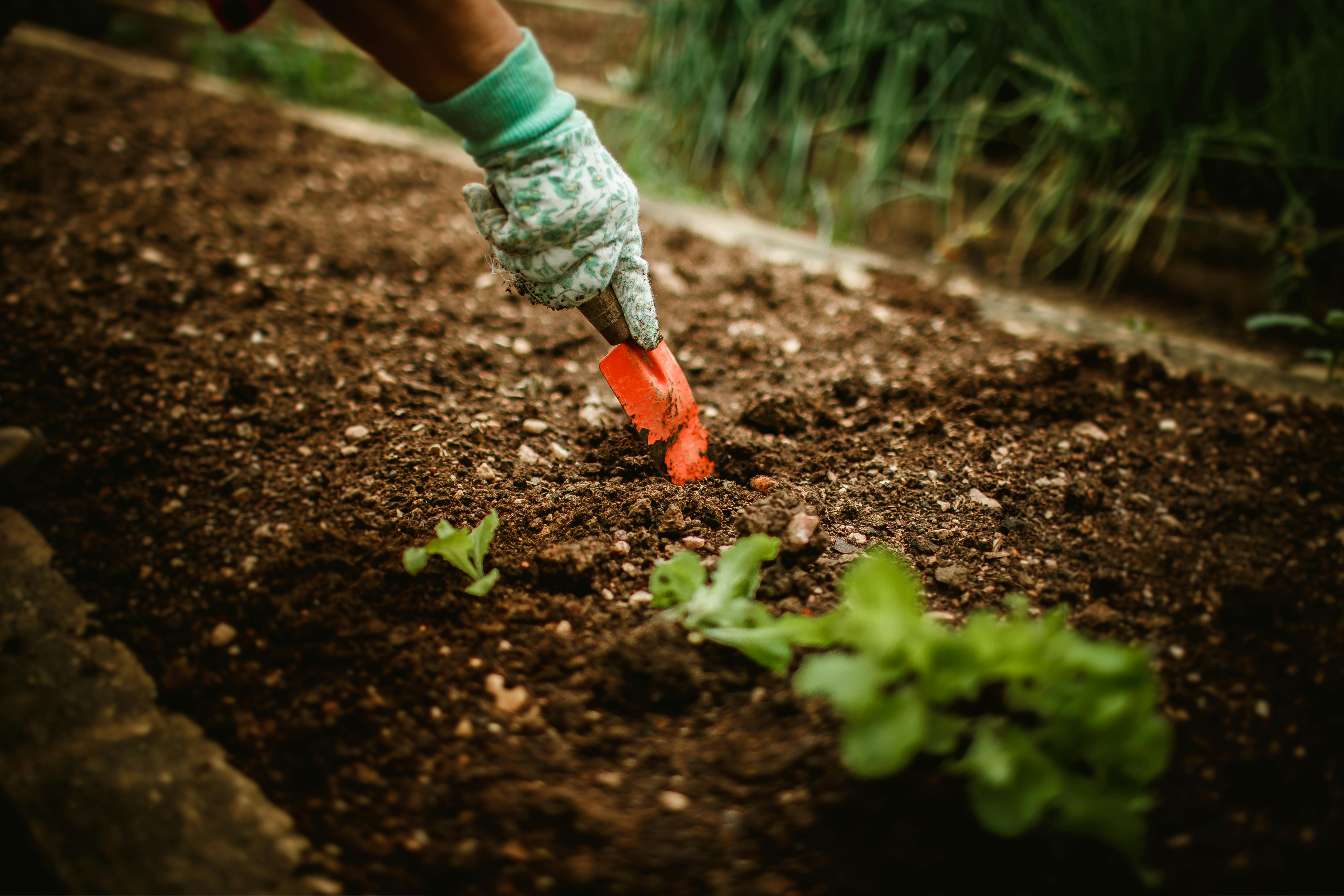
If growing in containers, fill them with a premium potting mix suitable for vegetables or flowering plants. Add compost and a controlled-release fertiliser if appropriate. If growing in the ground, enrich the soil with compost and well-rotted organic matter before planting.
Step 4: Install watering support
Before planting, think about irrigation. Drip irrigation systems are excellent for vertical gardens because they water steadily and reduce waste. In small setups, a watering can or hose wand may be enough, but check moisture often in summer.
Step 5: Plant correctly
Position climbers at the base of the support and shallow-rooted crops in upper pockets or shelves. Do not overcrowd. Good spacing improves airflow and reduces disease risk.
Step 6: Mulch where possible
Apply mulch to the top of larger containers or raised beds to slow evaporation. Fine bark, pea straw, or compost can help, though use lighter mulches in container systems so the surface does not stay soggy.
Step 7: Train and maintain plants
Tie stems gently with soft ties, twine, or clips as they grow. Harvest regularly, pinch where needed, and remove yellowing leaves to keep the planting fresh and productive.
Vertical Garden Ideas for Different New Zealand Climate Zones
New Zealand gardeners work across a wide range of conditions, from subtropical north to cooler southern regions. Your climate affects plant choice, timing, and maintenance.
Warm regions
In places such as Northland, Auckland, Bay of Plenty, and some coastal areas, warm-season crops can thrive for longer. Vertical tomatoes, cucumbers, beans, basil, chillies, and strawberries often perform very well. The main challenges are heat stress, rapid drying, and pest pressure. Use irrigation systems and feed regularly.
Temperate regions
In regions such as Taranaki, Manawatu, Hawke’s Bay, Nelson, and many central areas, gardeners can grow a broad mix of crops across the year with seasonal adjustments. Vertical gardens are especially useful for spring peas, summer beans, autumn greens, and mixed herb displays.
Cool regions
In cooler inland or southern areas such as parts of Canterbury, Otago, and Southland, timing matters more. Vertical gardens still work well, but warm-season crops may need later planting, frost protection, or a very sunny wall. Focus on peas, lettuces, spinach, herbs, strawberries, and hardy ornamentals in cooler periods.
Seasonal Planning for Vertical Gardens
Plant selection should shift through the year. One of the best ways to keep a vertical garden productive is to rotate crops seasonally rather than forcing the same plants to remain year-round.
Season
Best vertical crops
Main jobs
Key watchouts
Spring
Peas, lettuce, spinach, herbs, strawberries
Replant, feed, set supports
Late frosts, strong winds
Summer
Beans, cucumbers, tomatoes, basil, flowers
Water often, train growth, harvest
Drying out, aphids, mildew
Autumn
Leafy greens, parsley, coriander, peas in mild areas
Refresh plantings, reduce summer crops
Cooling temperatures, wet spells
Winter
Hardy herbs, spinach, winter lettuce in mild areas
Protect, clean, repair structures
Excess moisture, low light, frost
Watering and Feeding Vertical Gardens
Watering is often the biggest challenge with vertical garden ideas. Plants grown above ground dry faster because they are exposed to sun, wind, and limited root space. Small pockets and baskets can dry out within a day during hot weather.
Watering tips
Check moisture daily in warm weather
Water deeply so the full root zone is moistened
Use drip lines or micro-irrigation for consistency
Group plants with similar water needs together
Avoid frequent shallow watering
Water early in the day where possible
Feeding tips
Because nutrients leach faster from containers, regular feeding is important. Use a slow-release fertiliser at planting time, then supplement with liquid feed during active growth. Fruiting crops like tomatoes, beans, cucumbers, and strawberries benefit from ongoing nutrient support.
If you are building a productive edible wall, keep a quality vegetable potting mix, compost, seaweed tonic, and a balanced fertiliser on hand. These are among the most worthwhile garden supplies for vertical systems.
Low-Cost DIY Vertical Garden Ideas
You do not need an expensive modular system to grow vertically. Some of the best vertical garden ideas are simple, practical, and budget-friendly.
Bamboo teepee
Tie bamboo poles at the top and use them for beans or sweet peas. This is cheap, easy, and surprisingly attractive in vegetable beds.
Wire mesh on timber posts
A sheet of galvanised mesh attached between posts creates a durable support for cucumbers, peas, and decorative climbers.
Repurposed ladder shelf
An old ladder can hold pots and troughs, creating a movable vertical planting display for herbs or flowers.
Gutter gardens
Mounted lengths of guttering can grow shallow-rooted crops like lettuces and herbs. Ensure excellent drainage and avoid deep-rooted or large plants.
Crate stacking
Stacked timber or plastic crates can create a tiered garden wall. Stabilise them securely and line them if needed before filling with potting mix.
Pros and Cons of Vertical Gardening
Pros
Cons
Saves space
Can dry out quickly
Looks attractive and modern
Needs strong support structures
Makes harvesting easier
Some systems are expensive
Improves airflow for many plants
Small root zones limit crop choice
Works well in courtyards and balconies
Requires more frequent feeding in containers
Can create privacy and shade
Wind exposure can be a major issue
Common Problems With Vertical Gardens
Even the best vertical garden ideas can fail if the basics are overlooked. Most problems come down to poor structure, poor watering, or poor plant selection.
Plants drying out too fast
This is common in hanging baskets, pocket planters, and small wall pots. Increase pot size where possible, improve potting mix, mulch the surface, and consider drip irrigation.
Supports collapsing
Heavy crops like cucumbers, indeterminate tomatoes, and mature beans need more strength than many gardeners expect. Build stronger than you think you need, especially in windy New Zealand conditions.
Poor growth and yellow leaves
This can indicate lack of nutrients, cramped roots, overwatering, or insufficient sun. Check drainage, feed appropriately, and move shade-sensitive plants if needed.
Powdery mildew and fungal issues
Although vertical growing can improve airflow, cramped setups still suffer if foliage stays damp or plants are overcrowded. Water the root zone rather than leaves and remove infected material promptly.
Pests
Aphids, whitefly, slugs, and caterpillars can all affect vertical gardens. Inspect often, encourage beneficial insects, and use appropriate controls early before infestations build.
Beginner Mistakes to Avoid
Many first-time vertical gardeners make the same avoidable errors. Start simple and build from there.
Using flimsy supports for heavy crops
Choosing plants that outgrow the system too quickly
Underestimating watering needs in summer
Mounting planters where they are hard to reach
Overcrowding plants for an instant full look
Using garden soil instead of quality potting mix in containers
Ignoring wind exposure
Failing to feed fruiting crops often enough
Best Supplies to Consider for Vertical Garden Ideas
If you are setting up a new system, a few well-chosen products can make maintenance much easier and improve results dramatically.
Strong trellises or metal mesh panels
Raised beds with integrated climbing frames
Premium container or vegetable potting mix
Slow-release fertiliser and liquid feed
Drip irrigation systems or soaker lines
Soft plant ties and clips
Hanging baskets and wall-mounted planters
Good-quality seeds or healthy seedlings
For small-space edible gardening, investing in reliable soil mixes, fertilisers, raised beds, and irrigation systems usually pays off faster than buying decorative but low-function products.
Design Tips to Make Vertical Gardens Look Better
A productive garden can also be beautiful. The most effective vertical garden ideas combine practical growing with thoughtful styling.
Mix upright and trailing plants
Pair climbers with spilling plants to create fullness. For example, grow beans upward and nasturtiums to tumble over the edges.
Repeat colours or materials
Use matching pots, consistent timber tones, or repeated foliage colours to make the space feel designed rather than cluttered.
Layer edible and ornamental plants
Herbs, edible flowers, strawberries, and compact greens blend well with annuals. This gives a softer, more decorative finish than vegetables alone.
Keep access clear
Leave enough room for pruning, watering, and picking. A vertical garden should feel lush, not cramped and difficult to manage.
What are the easiest vertical garden ideas for beginners?
The easiest options are simple trellises, hanging baskets, and tiered planter stands. These require minimal building skill and work well for herbs, peas, beans, lettuce, and strawberries. Start with a small setup in a sunny, sheltered spot so you can learn how fast it dries and how much support your plants need.
Can you grow vegetables in a vertical garden?
Yes, many vegetables grow extremely well vertically. Beans, peas, cucumbers, tomatoes, salad greens, and strawberries are among the best choices. The key is matching the plant to the structure and giving it enough root space, sunlight, water, and nutrients to stay productive through the season.
Do vertical gardens need full sun?
It depends on what you grow. Fruiting crops like tomatoes and cucumbers usually need full sun, ideally at least 6 hours daily. Leafy greens and some herbs can cope with part sun. In hot areas, a little afternoon shade may actually help lettuce and similar crops last longer.
How often should a vertical garden be watered?
Most vertical gardens need more frequent watering than in-ground beds. In summer, small baskets and wall pockets may need water daily, sometimes twice in very hot or windy weather. Larger containers and raised beds hold moisture longer. Always check the potting mix rather than watering by guesswork alone.
What is the best soil for a vertical garden?
For containers and wall systems, use a premium potting mix rather than garden soil. A good mix should drain well while still holding moisture. For edible setups, choose a vegetable-grade mix and improve it with compost and suitable fertiliser. In raised beds, use rich, well-drained soil with plenty of organic matter.
Are vertical gardens good for small New Zealand backyards?
Absolutely. Vertical garden ideas are ideal for compact New Zealand sections, courtyards, patios, and balconies. They let you grow more in less space, add privacy, and turn fences or walls into productive areas. They are especially useful in urban homes where ground area is limited but sunlight is available.
What plants should not be grown in a vertical garden?
Very large, deep-rooted, or sprawling plants are often poor choices unless you have a strong frame and generous root volume. Large pumpkins, corn, and oversized brassicas are usually less practical in small vertical systems. Focus instead on climbers, compact edibles, herbs, and shallow-rooted greens.
How do you stop a vertical garden from drying out?
Use larger containers where possible, choose quality potting mix, mulch the surface, avoid overly exposed windy sites, and install drip irrigation if you can. Group plants with similar water needs together. Regular feeding also helps because stressed, underfed plants struggle more quickly when moisture runs low.
Conclusion
The best vertical garden ideas make small spaces work harder while adding beauty, privacy, and productivity to the garden. Whether you choose a simple trellis for beans, a herb wall by the kitchen, hanging strawberry baskets, or a full raised-bed climbing system, growing upward is one of the smartest ways to garden in modern New Zealand homes. Start with a structure that suits your space, pick plants that match your light and climate, and stay on top of watering and feeding. With a little planning, your vertical garden can become one of the most rewarding and visually impressive parts of your outdoor space.
We use cookies to improve your experience, analyze traffic, and display personalized ads.
By clicking "Accept", you consent to the use of cookies in accordance with our Privacy Policy.