Strawberry Planting Calendar NZ: The Kiwi Gardener’s Month-by-Month Guide
If you’ve ever wondered why your neighbour’s strawberry patch is bursting with fruit by Christmas while yours is still sulking, the answer almost always comes down to timing. Getting your strawberry planting calendar right for New Zealand’s Southern Hemisphere seasons is the single biggest factor in a bumper summer harvest, and it runs on the opposite clock to what you’ll find in most overseas gardening books. Understanding how to grow strawberries successfully in Aotearoa starts with knowing that we plant in the cool, dormant months of autumn and winter, not spring, so the crowns establish strong roots before the fruiting rush begins.
Whether you’re gardening in the frost-free warmth of Northland, the temperate stretches of the Waikato and Bay of Plenty, or the frost-prone plains of Canterbury and Central Otago, this guide covers exactly when to plant, how to prepare your whenua, and how to keep pests like grey mould and thrips from ruining your crop.
The best time to plant strawberries across most of New Zealand is from late May through to September, with the exact window shifting earlier in warmer northern regions and later in frost-prone southern and inland areas. Planting during the cool winter dormancy gives the crowns time to establish a strong root system before the spring growth spurt, which research shows produces a noticeably larger crop than spring-planted strawberries.
Northland and Auckland: plant from late May to July
Waikato, Bay of Plenty, and most of the North Island: plant June to August
Wellington and lower North Island: plant June to August, watching for late frosts
Canterbury and Central Otago: wait until July–August, after the worst frosts have passed
Runners should be in the ground by August at the latest so roots establish before fruiting
Understanding the NZ Strawberry Planting Calendar
Strawberries are a cool-climate crop at heart. They need a period of winter chill to trigger flower bud formation, which is why the New Zealand strawberry planting calendar runs from autumn through to early spring rather than following the spring-planting habits common in Northern Hemisphere guides. Plant too late in spring and you’ll get smaller plants with a shorter, less generous fruiting window over summer.
Autumn (March–May): Prepare the Ground
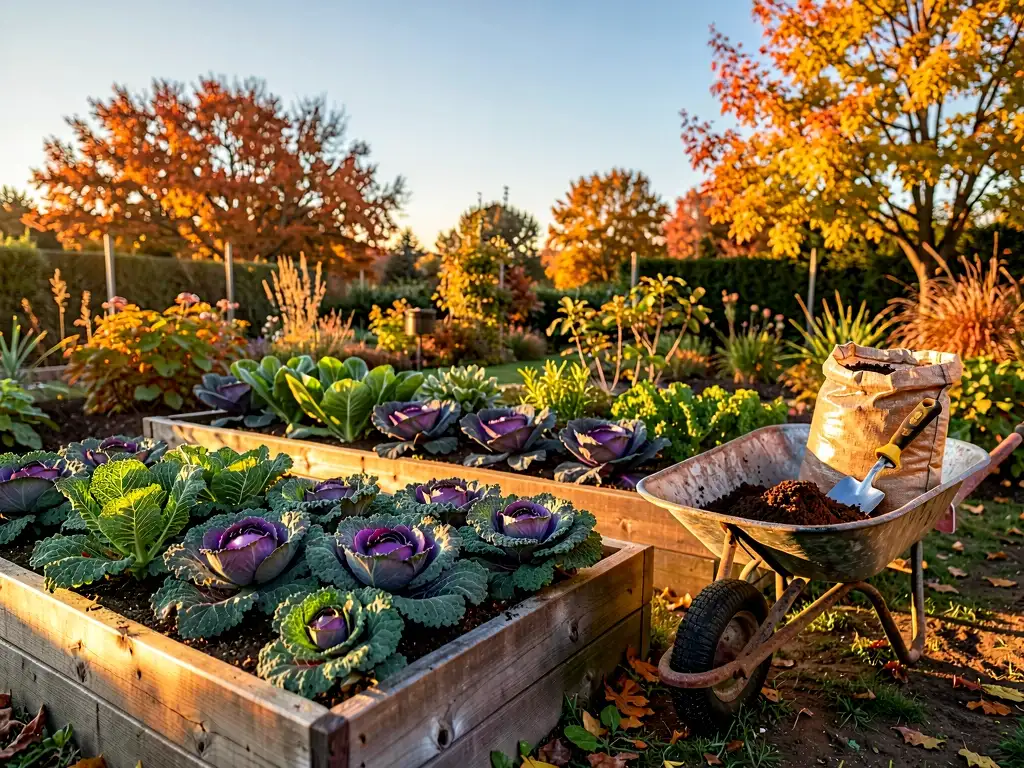
Autumn is when serious Kiwi growers get their beds ready rather than plant. Clear old crops, dig in compost, sheep pellets, and a specific strawberry mix, and let the soil settle. In warmer coastal pockets of Northland and Auckland, you can begin planting from late May if you want an early start, since the milder soil temperatures let roots establish sooner.
Winter (June–August): Prime Planting Window
This is peak strawberry planting season nationwide. Garden centres stock bare-root runners and potted seedlings from June, and this is genuinely the best window for most regions, including Waikato, Bay of Plenty, and Wellington. Cooler soil temperatures encourage root growth over leafy top growth, setting plants up for a stronger crop. In frost-prone inland areas like Central Otago and inland Canterbury, hold off until late July or August so tender young crowns aren’t hit by the season’s hardest frosts.
Spring (September–November): Last Chance and Establishment
By early spring, most regions are past their ideal planting window, though nurseries continue to sell potted strawberry plants through to November for gardeners who missed winter planting. Spring-planted strawberries will still fruit, just typically with a smaller first-season crop since they haven’t had the full winter to build root reserves. This is also when established autumn and winter plantings put on rapid new growth, flower, and set their first fruit.
Summer (December–February): Harvest Season
Summer is harvest time across almost all of New Zealand, with peak picking from November through to March depending on variety and region. Pick every couple of days once fruit starts colouring, since ripe strawberries won’t sweeten further once removed from the plant.
Regional Variation: Planting Strawberries Across NZ Microclimates
New Zealand’s long, narrow geography means the ideal planting window shifts by several weeks from north to south. Matching your planting date to your specific microclimate, rather than a single national date, makes a real difference to establishment success.
Region
Ideal Planting Window
Key Local Consideration
Northland & Auckland (subtropical)
Late May – July
Warmer soil allows earlier planting; watch humidity for fungal disease
Waikato & Bay of Plenty (temperate)
June – August
Reliable winter chill suits most commercial varieties well
Wellington & lower North Island
June – August
Wind shelter and raised beds help with wet, exposed sites
Canterbury (frost-prone)
Late July – August
Delay planting until worst frosts pass; use cloches for protection
Central Otago (alpine)
August
Latest planting window in NZ; frost protection essential for young crowns
How to Grow Strawberries: Step-by-Step Planting Guide
Once your planting window arrives, the actual process is straightforward. Here’s how to grow strawberries successfully from the moment plants go in the ground, whether into a garden bed, raised bed, or container.
Choosing Your Site and Soil
Strawberries demand full sun, at least six hours a day, and free-draining soil. They’re not fussy about soil type as long as drainage is good, but they perform best in a slightly acidic pH of around 5.5 to 6.5. Kiwi gardeners on heavy volcanic clay in Waikato or Auckland should work in plenty of compost, sheep pellets, and a dedicated strawberry mix, then plant into raised mounds to lift the crowns above waterlogged soil. Sandy loam soils common around coastal Canterbury and Northland drain well naturally but benefit from extra organic matter to hold moisture through summer.
Step-by-Step Planting Method
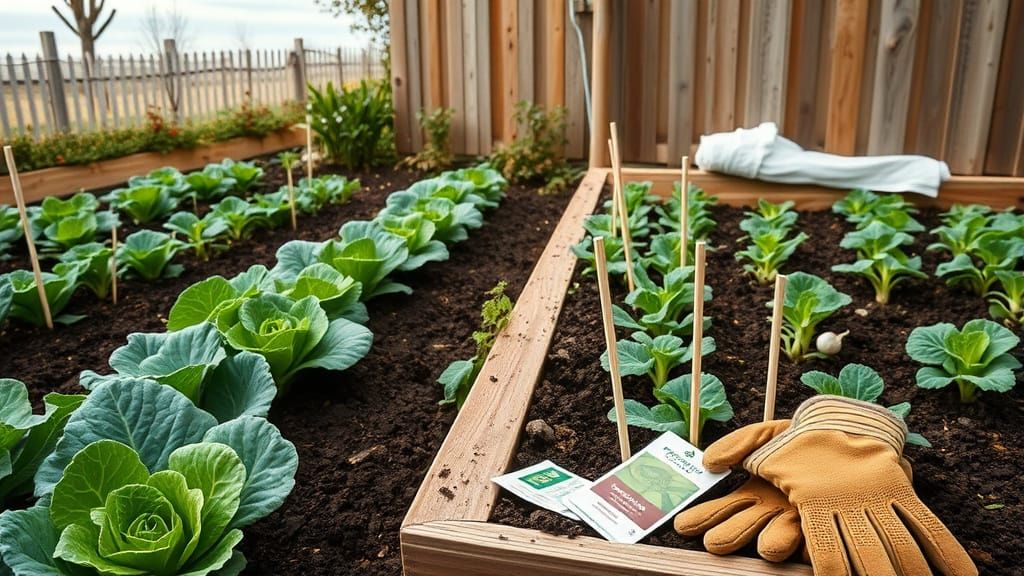
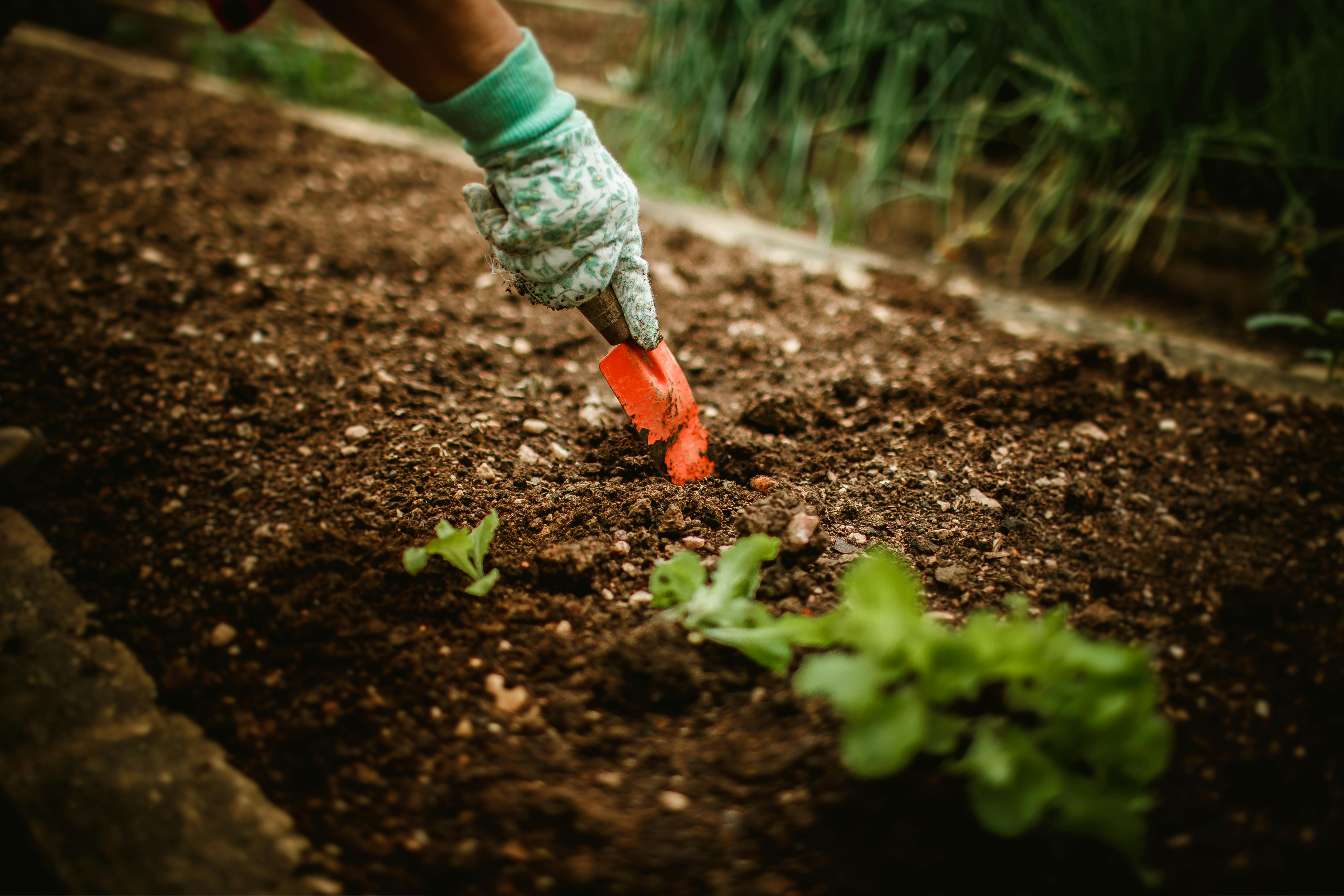
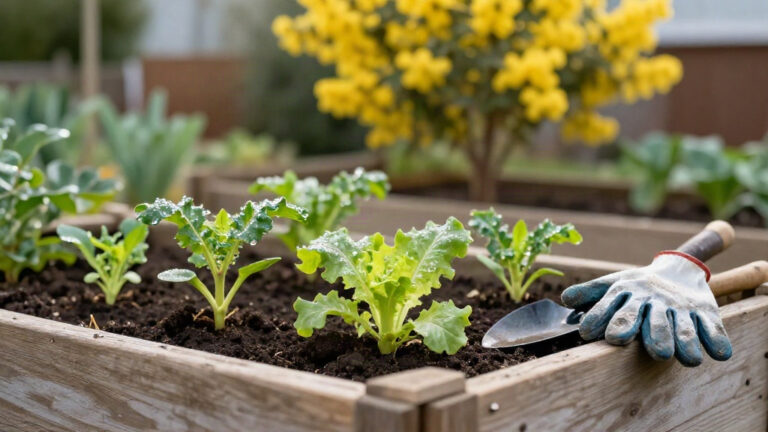
Clear the bed of weeds and dig in compost or aged sheep pellets to about one and a half spade depths.
Blend in a strawberry-specific fertiliser mix, which is higher in potassium to support fruiting.
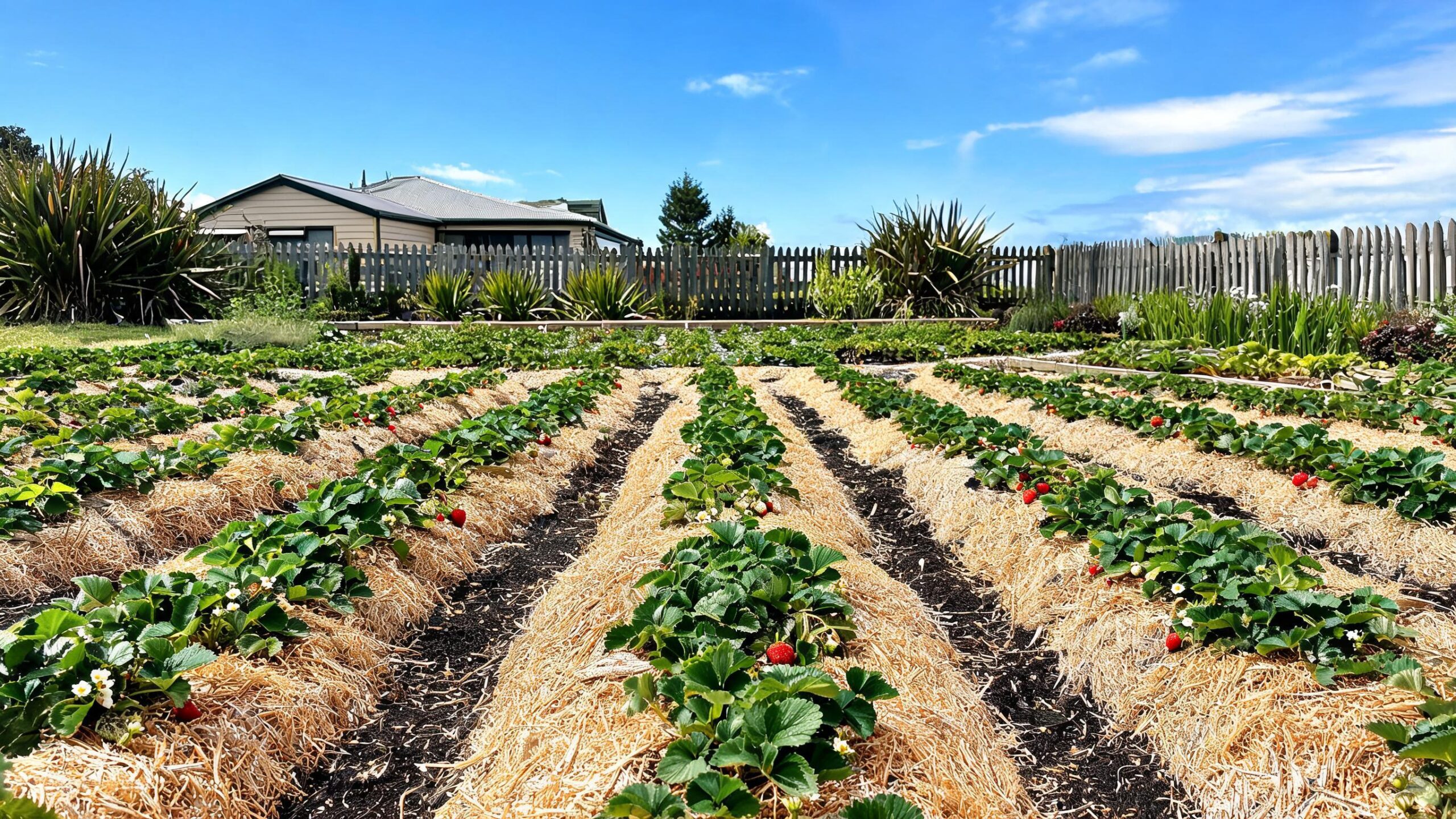
Form mounded rows around 10cm high, running north to south for even sun exposure.
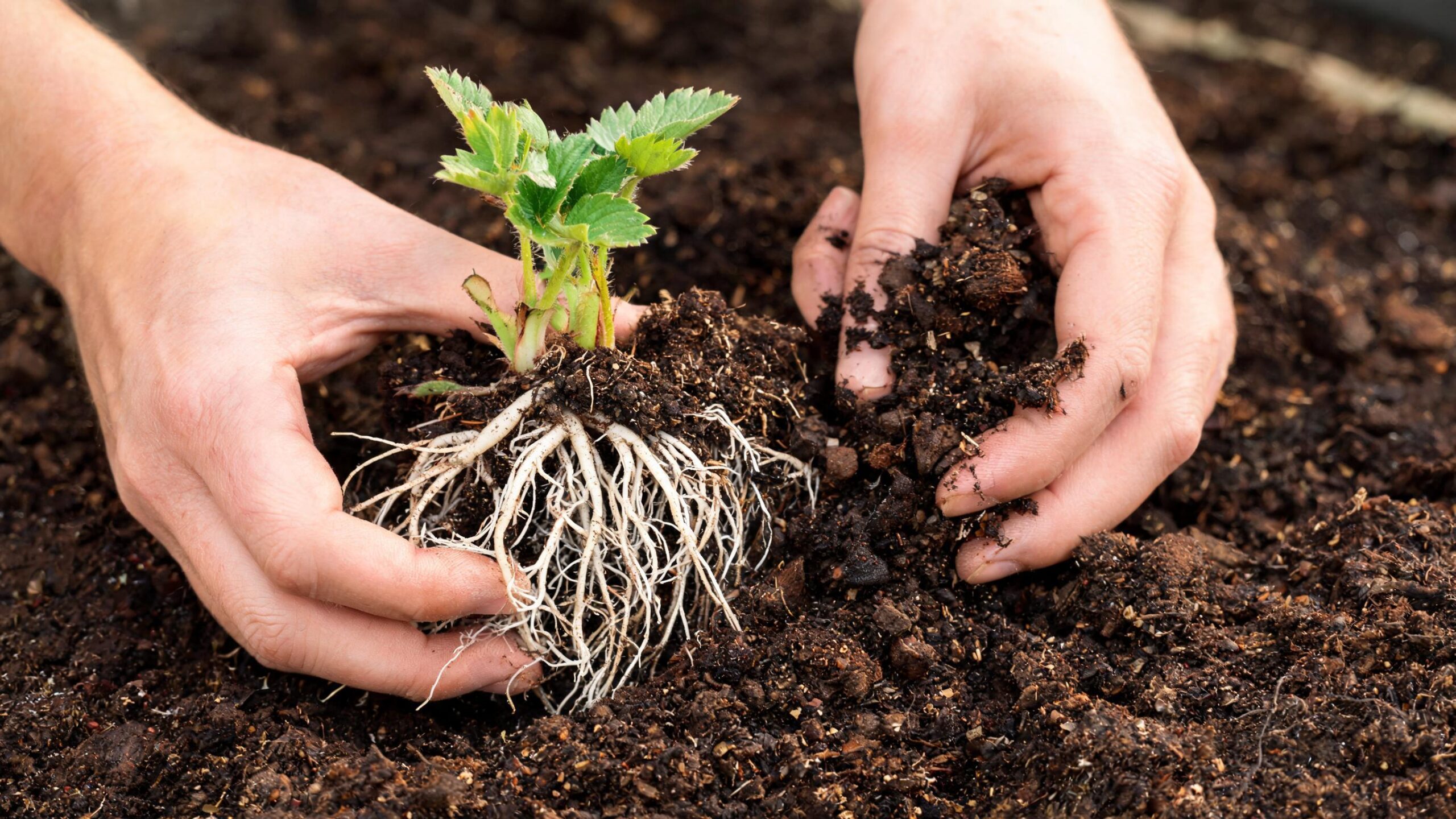
Soak bare-root plants in a bucket of seaweed tonic for 30 to 60 minutes before planting to reduce transplant shock.
Gently fan the roots over the mound, keeping the crown sitting just above soil level.
Space plants 20 to 30cm apart in rows around 40cm apart to allow airflow and reduce disease.
Firm the soil gently and water in thoroughly.
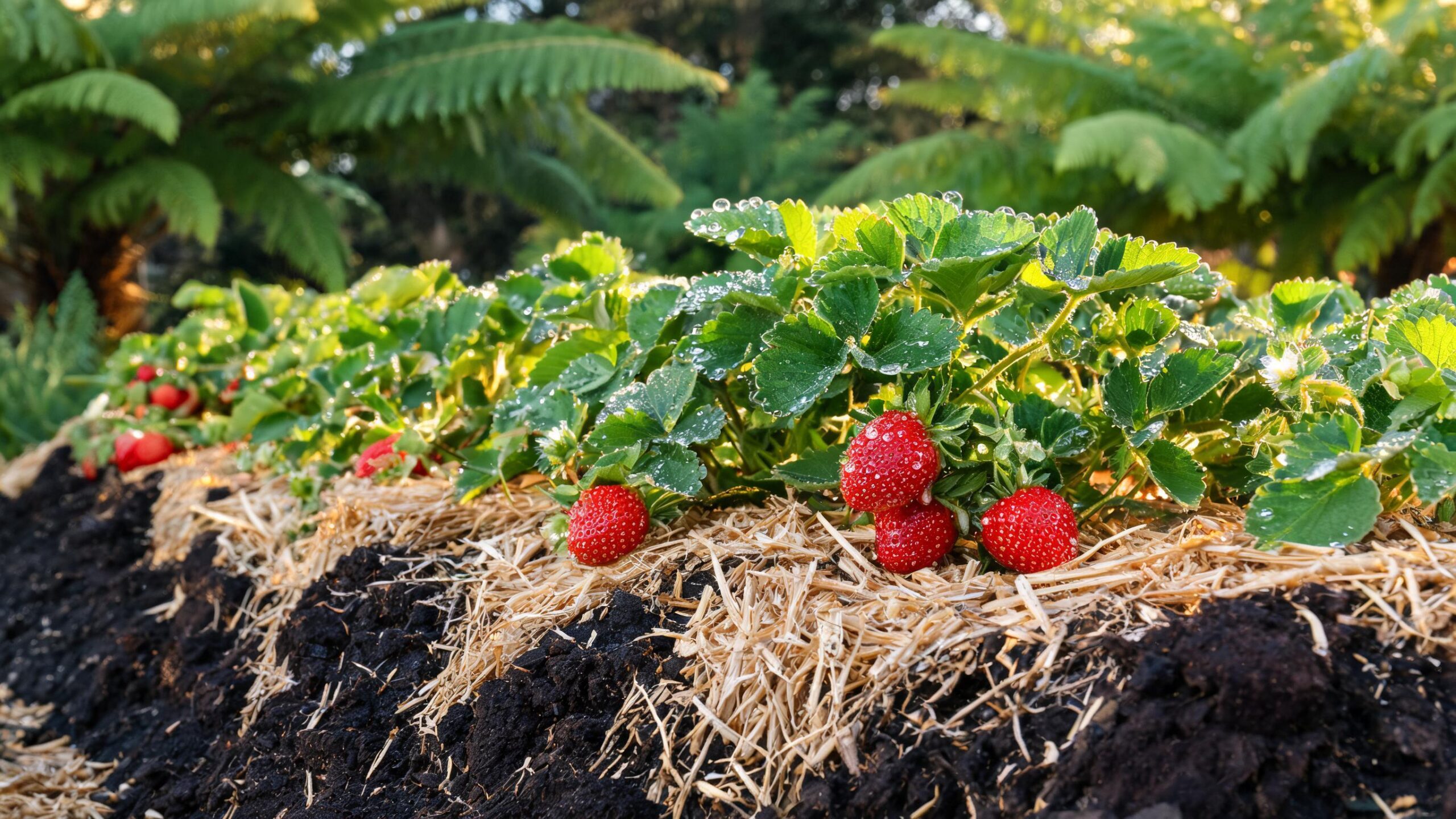
Mulch with straw or coir to keep fruit clean, retain moisture, and suppress weeds.
Feeding, Watering, and Mulching Your Strawberry Patch
Strawberries are moderate feeders with a strong appetite for potassium once flowering begins. Apply a side dressing of strawberry fertiliser or blood and bone in October and again in November to support strong growth and fruit set, and top up with a liquid seaweed or kelp tea feed every three to four weeks through spring and summer. Avoid overfeeding with nitrogen-heavy fertilisers, which pushes leafy growth at the expense of berries.
Keep soil evenly moist rather than soggy. Inconsistent watering, especially letting the bed dry out then flooding it, leads to watery, bland fruit and increases the risk of grey mould in humid conditions. A generous layer of straw mulch does double duty here, holding moisture in and keeping developing fruit off damp soil where rot can set in.
Common Pests and Diseases in NZ Strawberry Patches
New Zealand strawberry growers deal with a specific set of local pests and diseases that differ from overseas guides, so knowing what to watch for locally matters.
Grey mould (Botrytis): the most common strawberry disease in NZ, especially in humid Bay of Plenty and Auckland conditions. Prevent it by spacing plants for airflow, avoiding overhead watering on foliage, and removing rotting fruit promptly.
Thrips: several thrips species, including the native NZ flower thrips, feed inside strawberry flowers and scar fruit surfaces. Encourage beneficial predatory insects and avoid broad-spectrum sprays that kill them off.
Two-spotted spider mites: these puncture leaf cells and can stunt plants in warm, dry conditions typical of late summer.
Aphids: sap-suckers that can spread strawberry mottle virus; check the undersides of leaves regularly, particularly on plants near guava or citrus where aphid populations can build up.
Birds: blackbirds and sparrows are notorious for stripping ripening fruit overnight; netting is essential once flowering finishes.
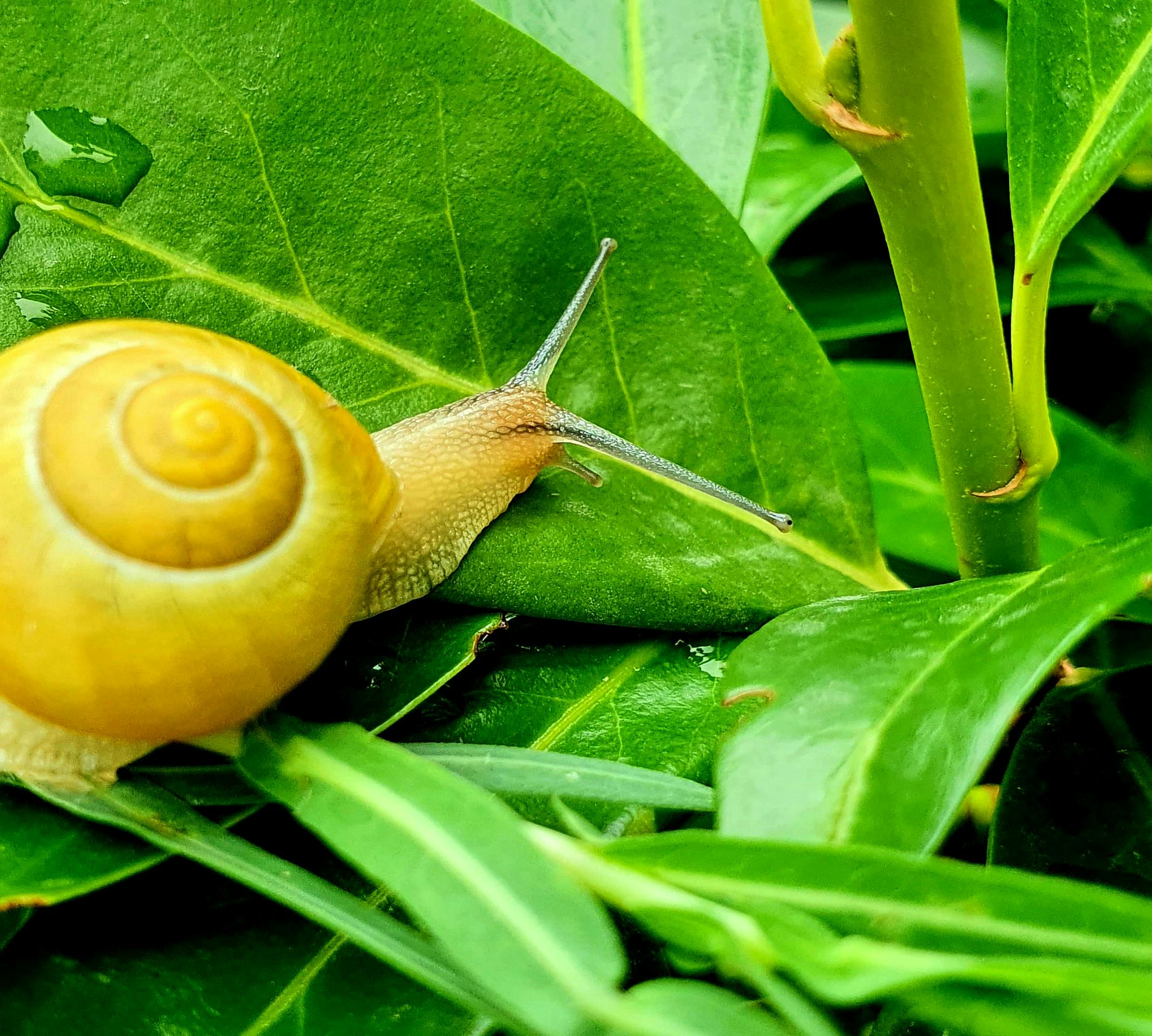
Slugs and snails: thrive in the same moist, mulched conditions strawberries love, particularly after Waikato and Bay of Plenty autumn rains.
Biosecurity awareness matters too. Gardeners moving strawberry runners between regions should be alert to plant health notices, as detailed in the Strawberry Growers NZ pest factsheet, which outlines the specific insect and mite species affecting commercial and home crops nationwide.
Best Strawberry Varieties for New Zealand Gardens
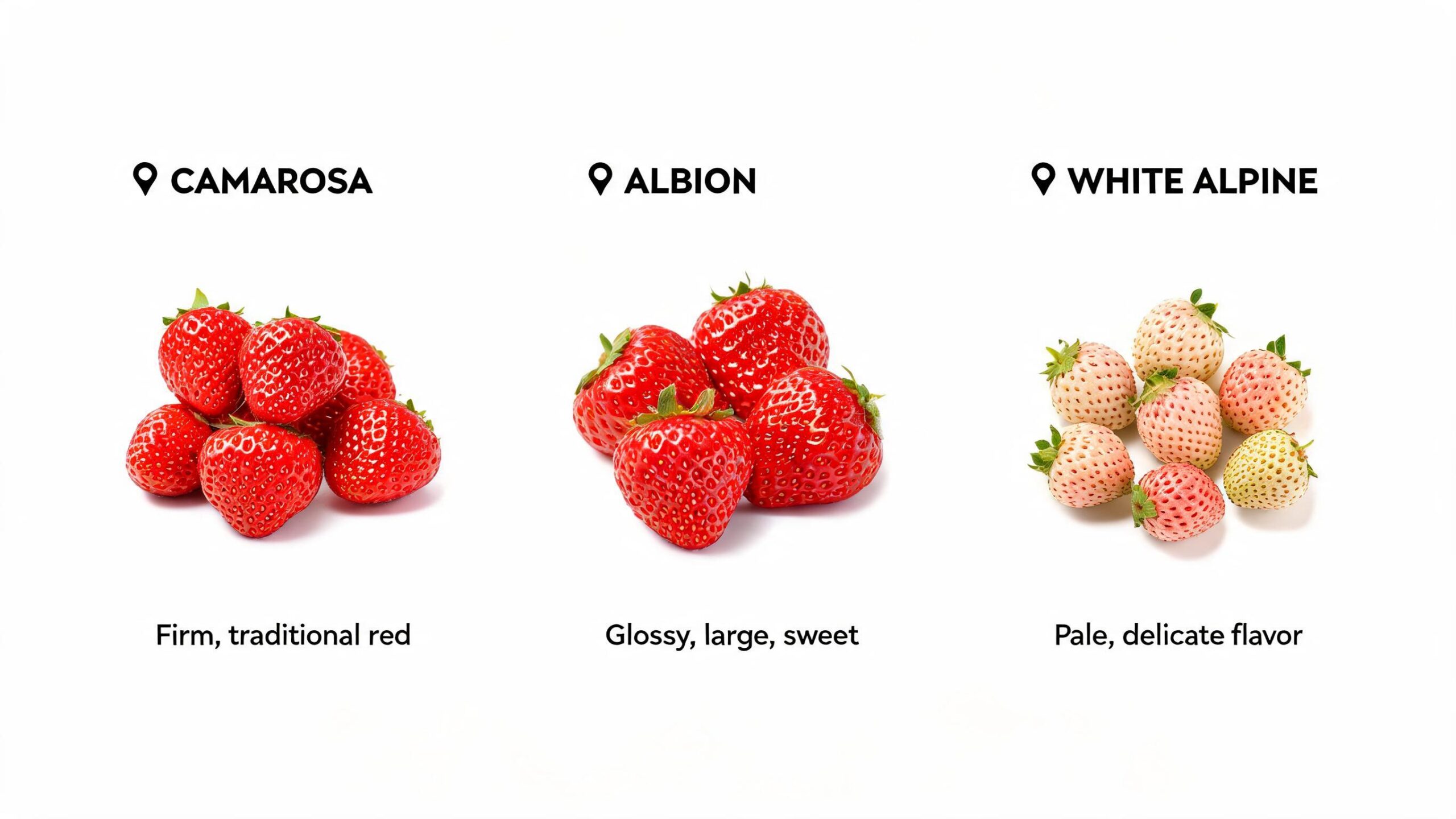
Choosing a mix of varieties with staggered fruiting times extends your harvest well beyond a single burst in December.
Variety
Fruiting Time
Best Suited For
Camarosa
Early season
Cooler, moist southern regions; large firm fruit
Ventana
Early season
Cooler areas; sweet, firm berries with good early yield
Extending harvest into late summer; dark red, sweet fruit
Albion
Repeat cropping
Gardeners wanting fruit over a long period rather than one flush
Container and Raised Bed Growing
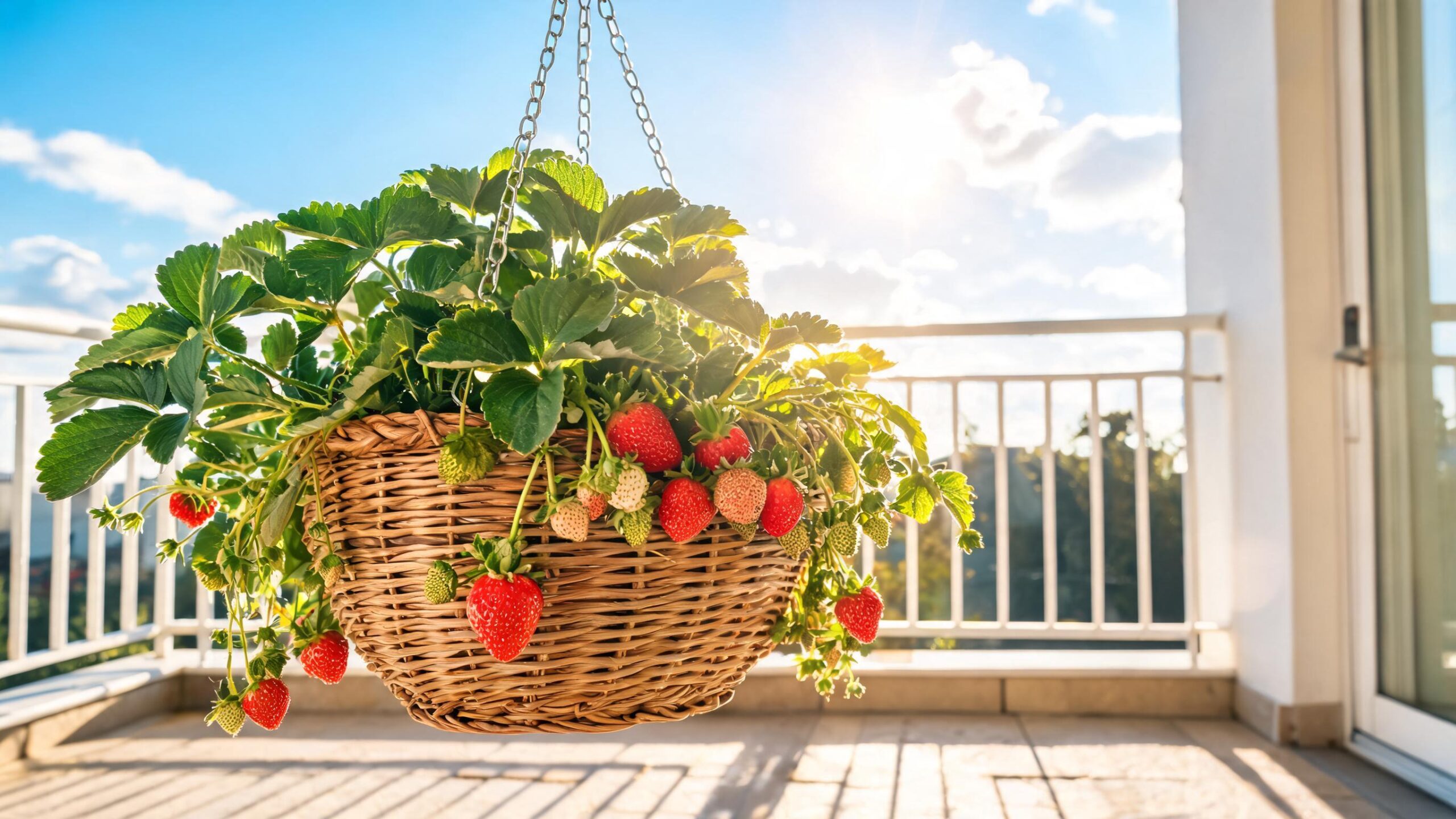
Strawberries thrive in pots, troughs, and hanging baskets, making them ideal for small urban sections or apartment balconies common in Hamilton and Auckland. Use a dedicated strawberry potting mix rather than garden soil, which compacts and drains poorly in containers. Place pots in a warm, north-facing, sheltered spot, and refresh the mix each season to avoid nutrient depletion and disease build-up. Hanging baskets have the added bonus of keeping fruit away from slugs and ground-dwelling pests entirely.
Key Takeaways
Plant strawberries during NZ’s cool dormant season, generally late May to September, not in spring.
Northern regions can plant earlier; Canterbury and Central Otago should wait until late July or August.
Full sun, free-draining soil, and mounded rows are non-negotiable for healthy plants.
Feed with potassium-rich strawberry fertiliser from October, and mulch to prevent grey mould and keep fruit clean.
Replace plants every two to three years to maintain vigour and reduce virus and disease pressure.
Frequently Asked Questions
Is it too late to plant strawberries in NZ in September?
No, but it’s past the ideal window. Garden centres sell potted strawberry plants through to November for exactly this reason. Spring-planted strawberries will still grow and fruit, though typically with a smaller first-season harvest since they’ve missed the winter root-establishment period that boosts overall yield.
Do strawberries need full sun in New Zealand gardens?
Yes, strawberries need a minimum of six hours of direct sun daily to develop good flavour and sugar content. Plants grown in shade may survive and even flower, but the fruit will be pale, small, and lacking the sweetness Kiwi gardeners expect from home-grown berries.
How do I protect strawberries from frost in Canterbury or Otago?
Delay planting until late July or August so young crowns aren’t exposed to the season’s hardest frosts, and use frost cloth or cloches over establishing plants on especially cold nights. Established plants tolerate light frost well once dormant, but flowers and young fruit are frost-tender and should be covered during any late spring cold snaps.
What’s the best soil amendment for clay soil before planting strawberries?
Work in generous amounts of compost, aged sheep pellets, and a dedicated strawberry mix, then plant into raised mounds rather than flat ground. This combination breaks up heavy volcanic clay common across Waikato and Auckland, improving drainage while still retaining enough moisture for consistent watering through summer.
How often should I water strawberry plants in NZ summers?
Water enough to keep soil evenly moist without becoming soggy, typically two to three times a week in dry summer conditions, more often for container-grown plants. Inconsistent watering causes bland, watery fruit and increases the risk of grey mould, so a regular schedule paired with straw mulch works better than occasional heavy soaking.
Can I grow strawberries in pots on an Auckland balcony?
Absolutely. Strawberries do well in containers, hanging baskets, or troughs as long as they get plenty of direct sun and a quality strawberry potting mix rather than garden soil. North-facing balconies in Auckland are ideal, and containers also help keep fruit away from slugs and other ground pests.
When should I replace old strawberry plants?
Replace plants every two to three years, since older strawberry plants slow down in productivity and become more prone to viruses spread by aphids. Save runners from healthy plants each autumn and pot them up to create free replacement stock for the following season’s patch.
Growing a Sweeter Summer, Season After Season
Mastering the strawberry planting calendar NZ gardeners rely on comes down to working with our reversed seasons rather than against them: plant through the cool winter months, feed generously with potassium-rich fertiliser once spring arrives, and keep a close eye on grey mould and thrips through the humid summer harvest. Get the timing right for your region, whether that’s an early May start in Northland or a cautious August planting in frost-prone Central Otago, and you’ll be rewarded with the kind of sun-ripened, homegrown fruit that no supermarket punnet can match. Get your hands into the whenua this season, and by the time summer rolls around, you’ll understand exactly why so many Kiwi gardeners consider strawberries the most rewarding crop in the patch.
We use cookies to improve your experience, analyze traffic, and display personalized ads.
By clicking "Accept", you consent to the use of cookies in accordance with our Privacy Policy.