How to Grow Strawberries in NZ: A Complete Kiwi Gardener’s Guide
If you’ve ever bitten into a sun-warmed strawberry straight off the plant, you already know why so many Kiwi gardeners dedicate a patch of whenua to this sweet little fruit every year. Learning how to grow strawberries successfully in Aotearoa comes down to getting the timing right, choosing free-draining soil, and picking varieties suited to your local microclimate — whether that’s the humid warmth of Northland or the frosty mornings of Central Otago. This guide walks you through everything from bed preparation to pest control, using proven techniques that work across New Zealand’s varied growing regions.
Strawberries grow best in New Zealand when planted from late autumn through to early spring (May to September), into mounded, free-draining beds enriched with compost and sheep pellets, in a full-sun position. Space plants 30–40cm apart, keep the crown sitting just above soil level, mulch with straw to protect ripening fruit, and feed regularly with a potassium-rich fertiliser once flowering begins.
Best planting time: May to September (earlier in warmer northern regions, later in frost-prone southern areas)
Sun requirement: Full sun, minimum 6–8 hours daily
Spacing: 30–40cm apart in rows, planted on mounds
Watch for: Birds, slugs, snails, thrips, and powdery mildew in humid conditions
Why Strawberries Thrive in New Zealand Gardens
Strawberries (Fragaria × ananassa) are a low-growing perennial in the rose family, and New Zealand’s temperate climate suits them remarkably well across most regions. They’re one of the few fruiting crops that reward first-time growers within a single season, producing a decent harvest from young plants established the previous winter or early spring.
Commercial growers around Waikato and the Bay of Plenty produce strawberries on a large scale in raised, plastic-mulched beds, but the same principles scale down beautifully for home gardens, raised beds, and even large pots on a sunny deck. According to the New Zealand Strawberry Growers organisation, strawberries are mainly grown in raised beds enclosed with plastic mulch, though hydroponic production is becoming more popular for extending the harvest season.
Best Time to Plant Strawberries in NZ
Getting your timing right is the single biggest factor in strawberry success. New Zealand’s Southern Hemisphere seasons mean strawberries are planted during our cooler months, giving roots time to establish before the plant puts energy into fruiting.
Regional Planting Windows
Region
Climate Type
Best Planting Window
Notes
Northland & Auckland
Subtropical, mild winters
May – July
Earliest planting window; watch for humidity-driven fungal issues in summer
Waikato & Bay of Plenty
Temperate
June – August
Ideal growing conditions; volcanic loam soils suit strawberries well
Wellington & Manawatū
Temperate, windy
July – August
Choose a sheltered, wind-protected spot
Canterbury
Alpine, frost-prone
August – September
Wait until worst frosts pass; use cloches for early protection
Central Otago
Alpine, cold winters
Late August – September
Plant after the hardest frosts; frost cloth recommended
Many Kiwi nurseries note that the best time to plant strawberries in New Zealand is from June to October in warmer northern regions and July to October in cooler southern areas, giving roots the whole cool season to establish before the first flush of spring flowers appears. If runners or bare-root plants are what you’re working with, aim to have them in the ground by August at the latest so they have enough time to settle in before fruiting begins.
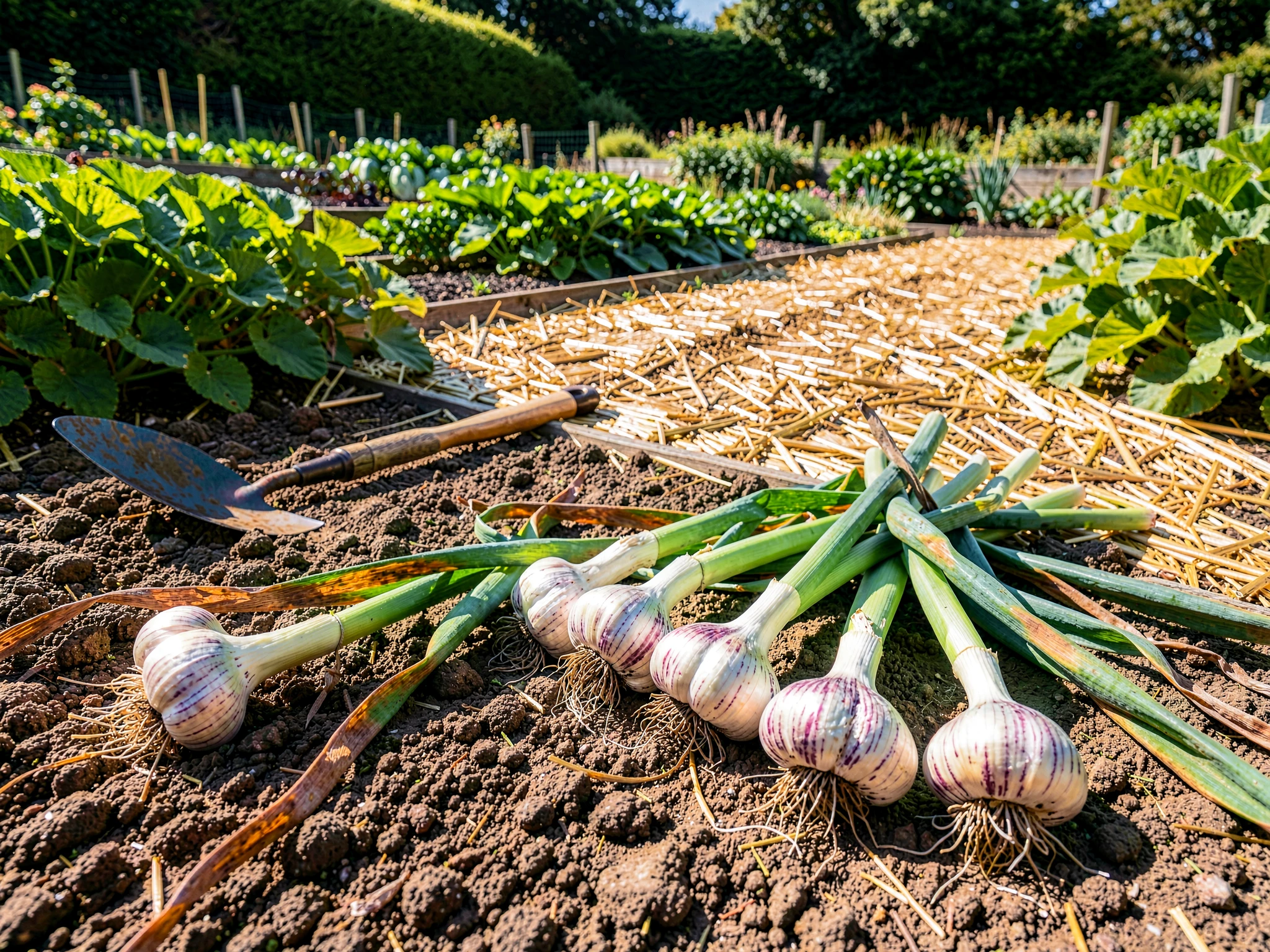
This planting task sits neatly within a broader winter gardening guide for New Zealand, since strawberry establishment overlaps with other cool-season jobs like pruning fruit trees, planting garlic, and preparing beds for the year ahead. Getting your strawberry mounds prepared during the quieter winter months means you’re not scrambling once the busier spring gardening guide tasks — like tomato and courgette sowing — start competing for your time.
Choosing the Right Strawberry Variety for Your Region
Not all strawberry varieties perform equally across New Zealand’s climate zones. Some are bred for early cropping in cooler conditions, while others are day-neutral, meaning they’ll fruit repeatedly through the season regardless of daylight hours.
Popular Strawberry Varieties for NZ Home Gardens
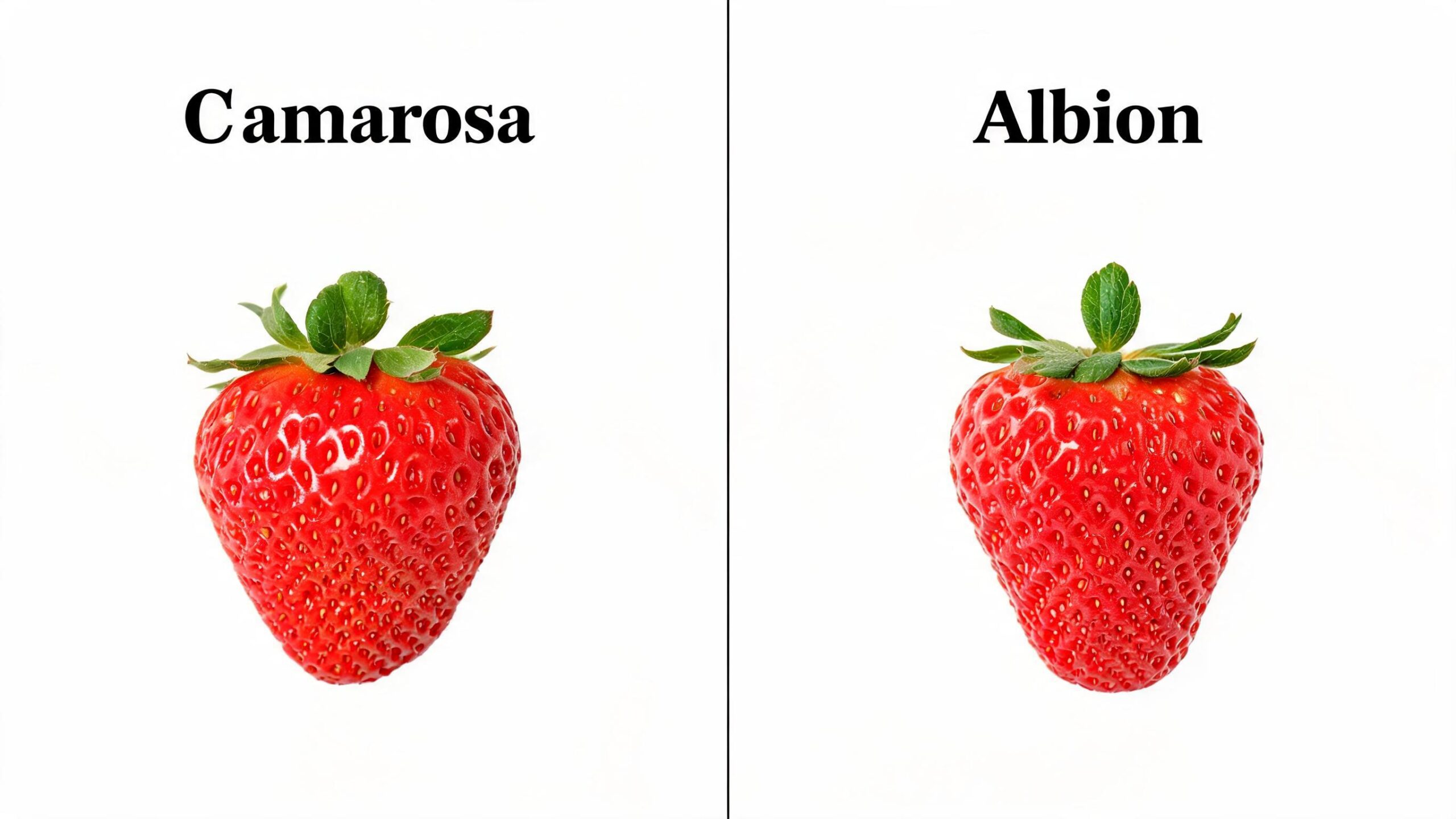
Camarosa: Early cropping with large, firm fruit; tolerates cooler, moist conditions, making it a solid choice for southern regions.
Pajaro: A reliable all-rounder with excellent flavour and consistent yields across most climates.
Camino Real: Heavy cropping with dark red, sweet berries that fruit later in the season, helping extend your harvest window.
Ventana: Similar to Camarosa with slightly higher early yields; produces sweet, firm berries and handles cooler areas well.
Albion: A day-neutral variety that doesn’t rely on day length to fruit, cropping repeatedly through the season with large, aromatic berries.
Temptation: A popular container and home-garden pick, valued for flavour and disease resistance.
If you want strawberries over a longer stretch of the year rather than one big flush, day-neutral varieties like Albion, San Andreas, Aromas, and Monterey are worth seeking out from your local garden centre or through specialist suppliers such as Kings Seeds.
Preparing Your Soil and Site
Strawberries are fussy about drainage but forgiving about almost everything else, which makes soil preparation the most important step in the whole process.
Soil Requirements
Strawberries prefer slightly acidic soil with a pH between 5.5 and 6.5. Most New Zealand garden soils — including Waikato’s volcanic loams and Auckland’s clay-loam mixes — sit within or close to this range, but sandy soils in Canterbury or heavy clay in parts of the lower North Island may need amending.
Volcanic loam (Waikato, BOP): Naturally fertile and free-draining; add compost to boost organic matter.
Clay soils (parts of Auckland, Wellington): Improve drainage by mounding and mixing in coarse compost or gypsum.
Sandy soils (Canterbury, coastal areas): Retain moisture and nutrients better with generous compost and mulch.
Peat soils (Waikato lowlands): Often naturally acidic and suited to strawberries, but check drainage carefully.
Step-by-Step Bed Preparation
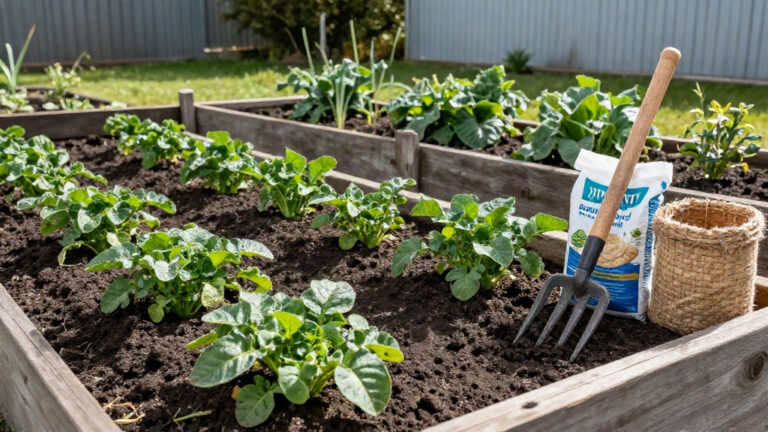
Choose a full-sun position sheltered from strong winds — strawberries need at least six hours of direct sun daily to produce sweet, well-formed fruit.
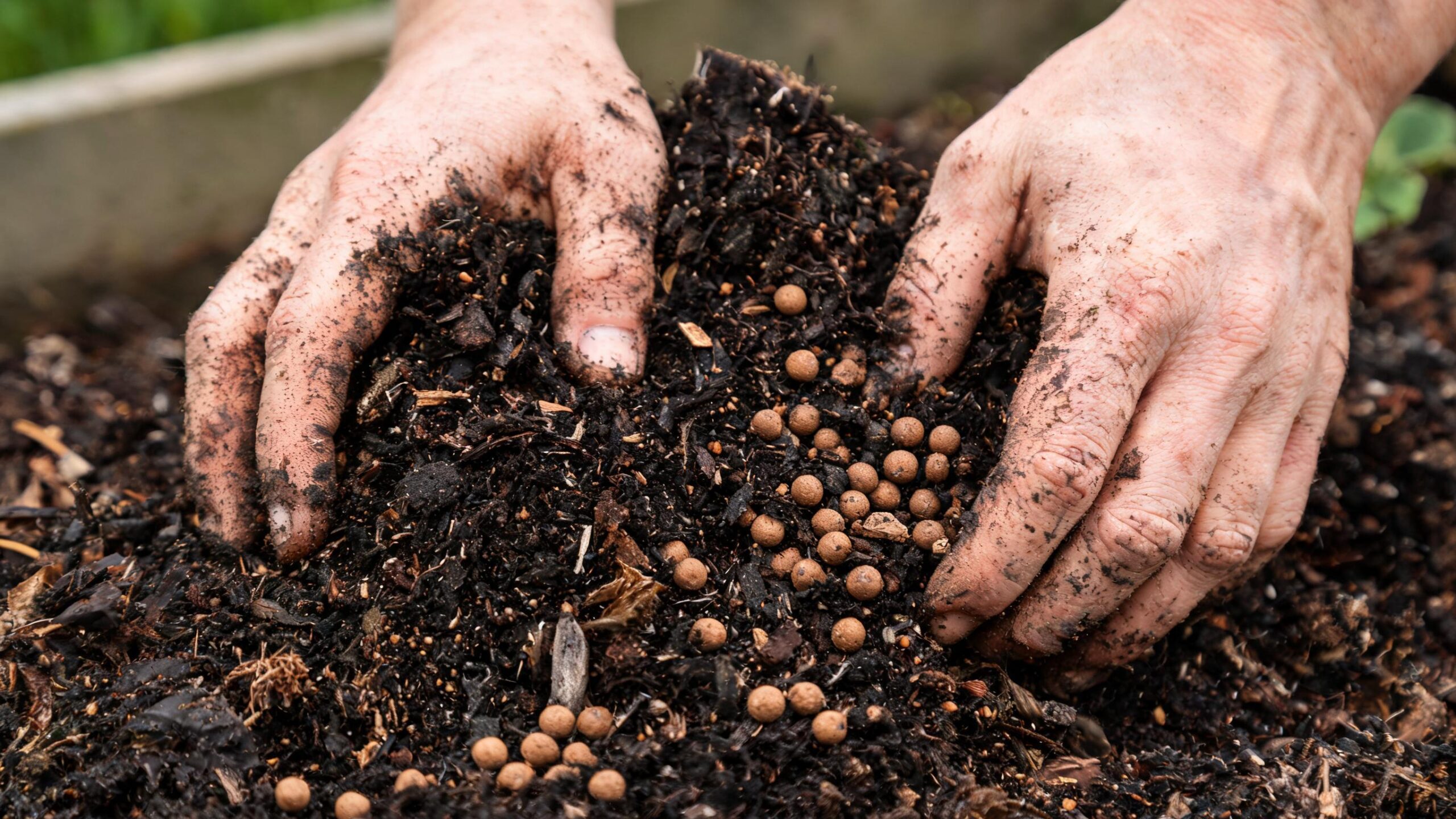
Clear the area of weeds and grass, then dig through 5–8cm of compost and well-rotted sheep pellets to lift organic matter and fertility.
Build mounded rows around 10–15cm high. Mounding is essential in New Zealand’s wetter regions, as it lifts the crown away from waterlogged soil and improves air circulation to reduce fungal disease.
Rake the surface smooth and allow the bed to settle for a few days before planting, ideally after a light watering.
If your soil test shows a pH above 6.5, work in some sulphur or acidifying fertiliser; if it’s below 5.5, add garden lime sparingly.
Planting Strawberries Step by Step
Whether you’re planting bare-root runners, potted seedlings, or transplanting your own runners from an existing patch, the technique stays largely the same.
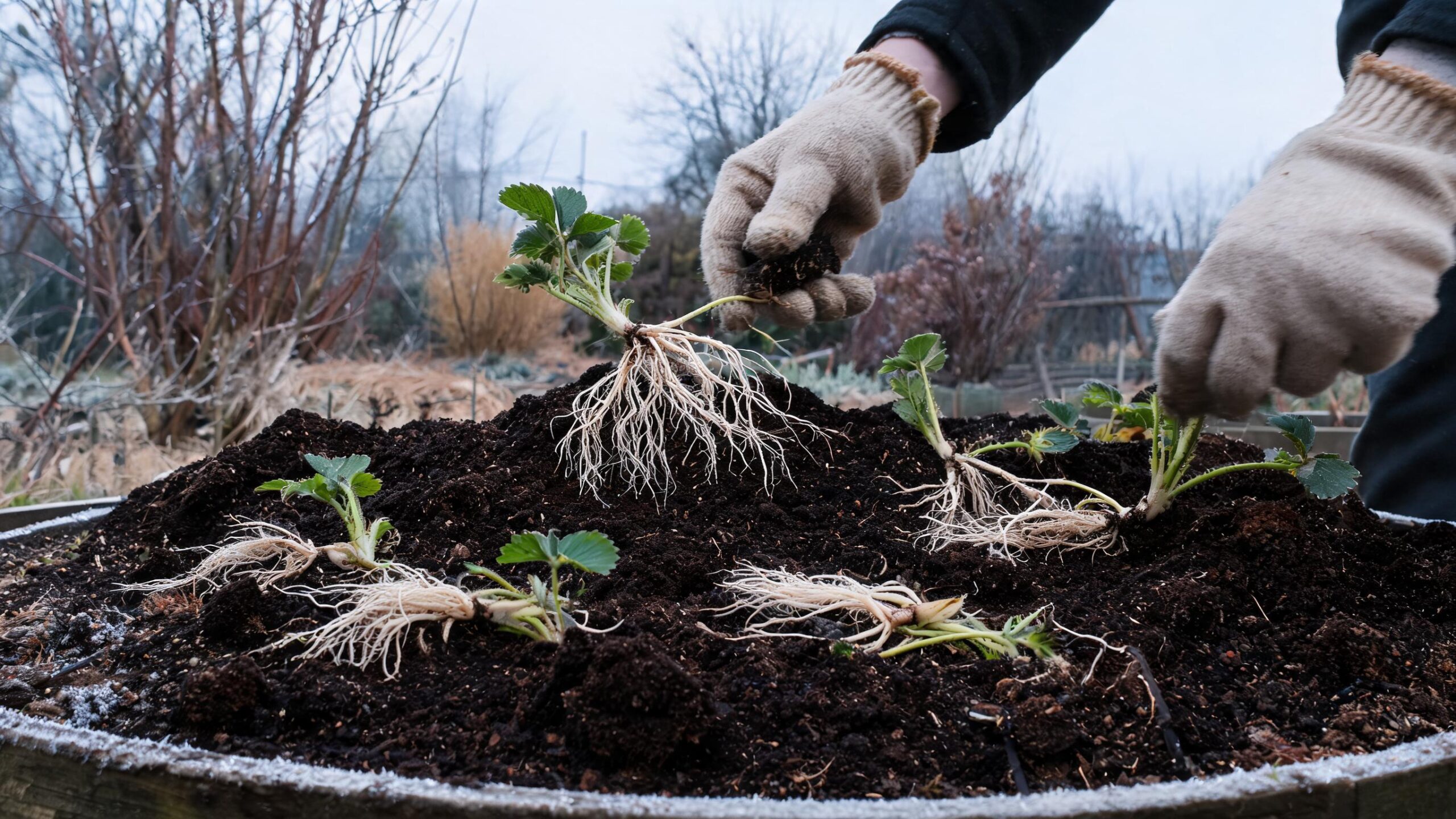
Soak bare-root plants or root balls in a bucket of diluted seaweed tonic for 15–20 minutes before planting to reduce transplant shock.
Dig a hole roughly twice the width of the root ball on top of your prepared mound.
Gently loosen the roots and spread them out in the hole, positioning the crown — where the leaves meet the roots — level with or just slightly above the soil surface. Burying the crown is one of the most common mistakes new growers make, and it causes rot.
Backfill with soil, firming gently around the base without compacting it too hard.
Space plants 30–40cm apart, with rows at least 40cm apart to allow good airflow between plants as they mature.
Water in thoroughly straight after planting, directing water at the soil rather than over the leaves and crown.
Growing Strawberries in Pots and Containers
Container growing suits urban Kiwi gardeners with limited space, and it also helps keep fruit away from ground-dwelling pests like slugs. Use a dedicated strawberry or fruiting potting mix, ensure containers have generous drainage holes, and choose pots at least 25–30cm deep. Hanging baskets and strawberry pots with side pockets work particularly well, since they lift ripening fruit clear of the soil and reduce rot.
Feeding, Watering, and Mulching
Once established, strawberries are relatively low-maintenance, but consistent feeding and watering directly affect fruit size, sweetness, and yield.
Fertilising Schedule
At planting: Mix blood and bone or a balanced granular fertiliser into the mound before planting.
Through the growing season: Feed every four weeks with a potassium-rich fertiliser formulated for strawberries or fruiting plants to encourage flowering and larger berries.
Fortnightly boost: Apply liquid seaweed or worm juice tonic every two weeks for a gentle nutrient top-up and improved stress resistance.
Autumn feed: After harvest finishes, apply a granular fruit and citrus fertiliser to help plants build reserves for winter dormancy.
Watering
Strawberries have shallow root systems, so consistent moisture matters more than deep, infrequent watering. Water at soil level in the morning to avoid wetting foliage and fruit, which encourages fungal problems. During summer’s warmer, drier stretches — especially in Hawke’s Bay, Canterbury, and inland Waikato — daily watering may be necessary once fruit starts to swell.
Mulching
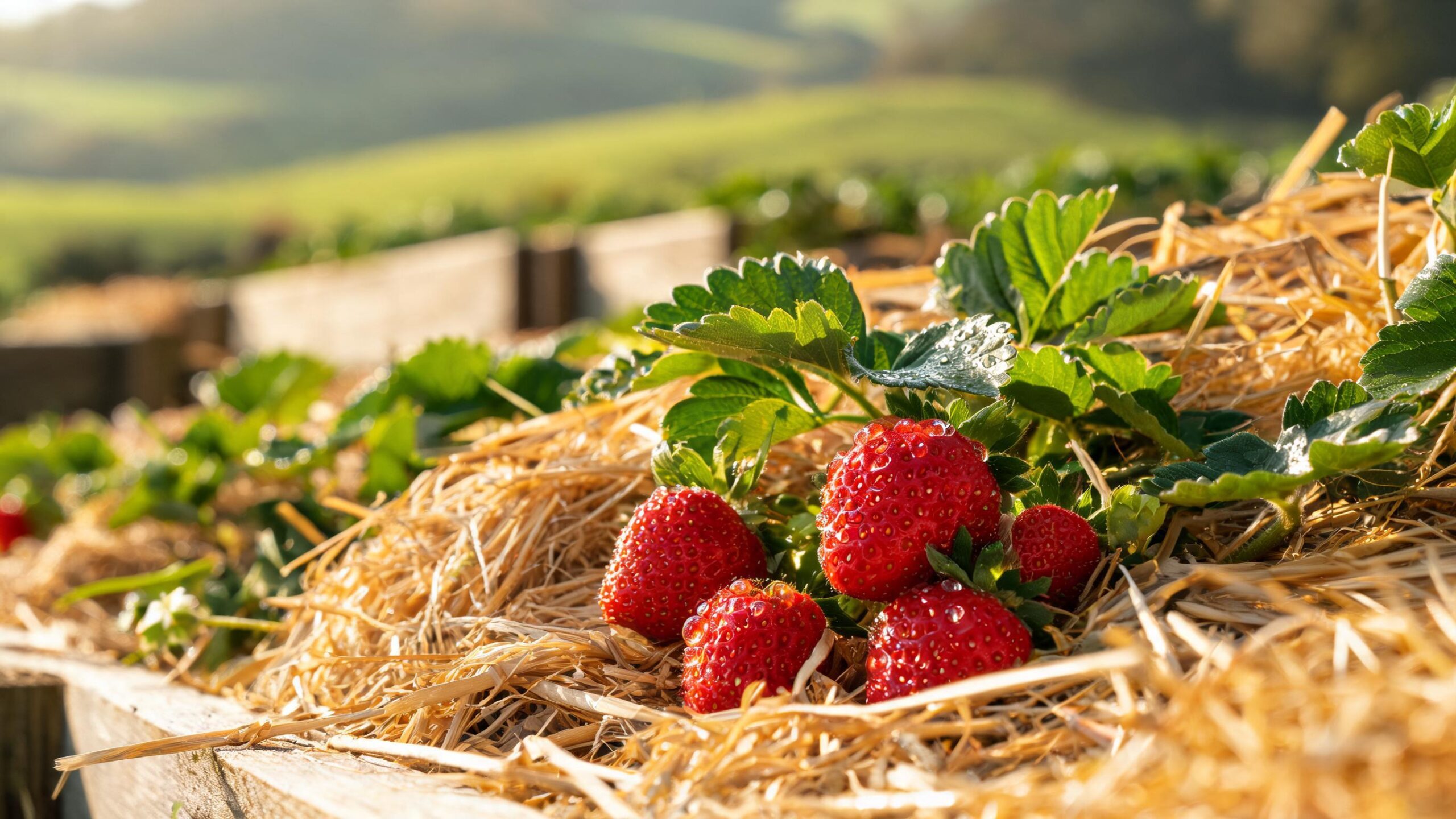
Once flowers appear, lay a layer of straw, pine needles, or purpose-made strawberry straw beneath the foliage. This keeps developing fruit off bare soil, suppresses weeds, retains moisture, and reduces splash-back that spreads soil-borne fungal spores onto the berries.
Common Pests and Diseases in NZ Strawberry Patches
Strawberries attract a fair share of unwanted visitors in New Zealand gardens, and humid regions in particular need vigilant monitoring.
Key Pests
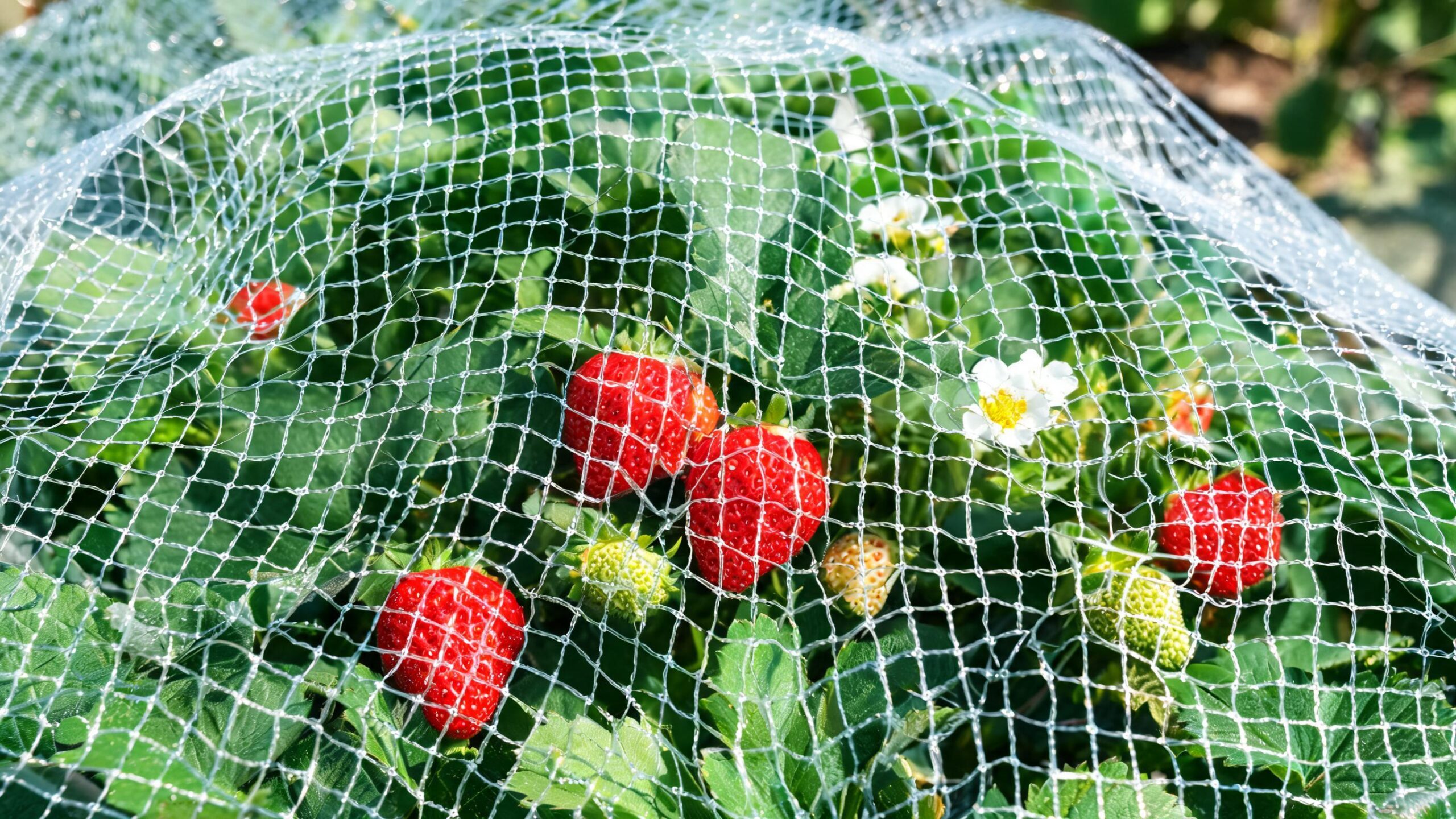
Birds: The most common frustration for home growers — cover plants with fine bird netting as soon as flowering starts.
Slugs and snails: Thrive in the moist, sheltered conditions strawberry mulch creates; use beer traps or organic slug bait and keep foliage lifted off the ground.
Thrips: A significant economic pest for commercial NZ strawberry growers, causing bronzing and distortion on fruit surfaces; encourage beneficial insects and avoid over-fertilising with nitrogen.
Aphids and spider mites: Common in warm, dry conditions; a strong hose-down or insecticidal soap usually keeps numbers in check.
Strawberry weevils: Can damage flower buds; hand-pick where practical and maintain good garden hygiene.
Common Diseases
Powdery mildew: A white, dusty coating on leaves, especially common in humid Auckland and Northland gardens; improve airflow through wider spacing and avoid overhead watering.
Grey mould (Botryotinia): Appears as fuzzy grey growth on ripening fruit in damp weather; remove affected berries promptly and ensure good mulch coverage.
Anthracnose: A fungal disease affecting fruit and crowns, noted as a research priority by the New Zealand Strawberry Growers research programme; buy certified disease-free plants to minimise risk.
Kiwi gardeners often notice that plants stressed by inconsistent watering or poor drainage are far more susceptible to pest and disease pressure, so consistent care is your best defence.
Caring for Strawberries Through the Seasons
Spring Care
As days lengthen and soil warms, strawberry plants shift into active growth and flowering. This is when netting against birds becomes essential, and it’s worth referring back to a good spring gardening guide for New Zealand to coordinate strawberry care alongside companion tasks like planting out tomatoes, courgettes, and other frost-tender crops once the danger of late frosts has passed.
Summer Harvesting
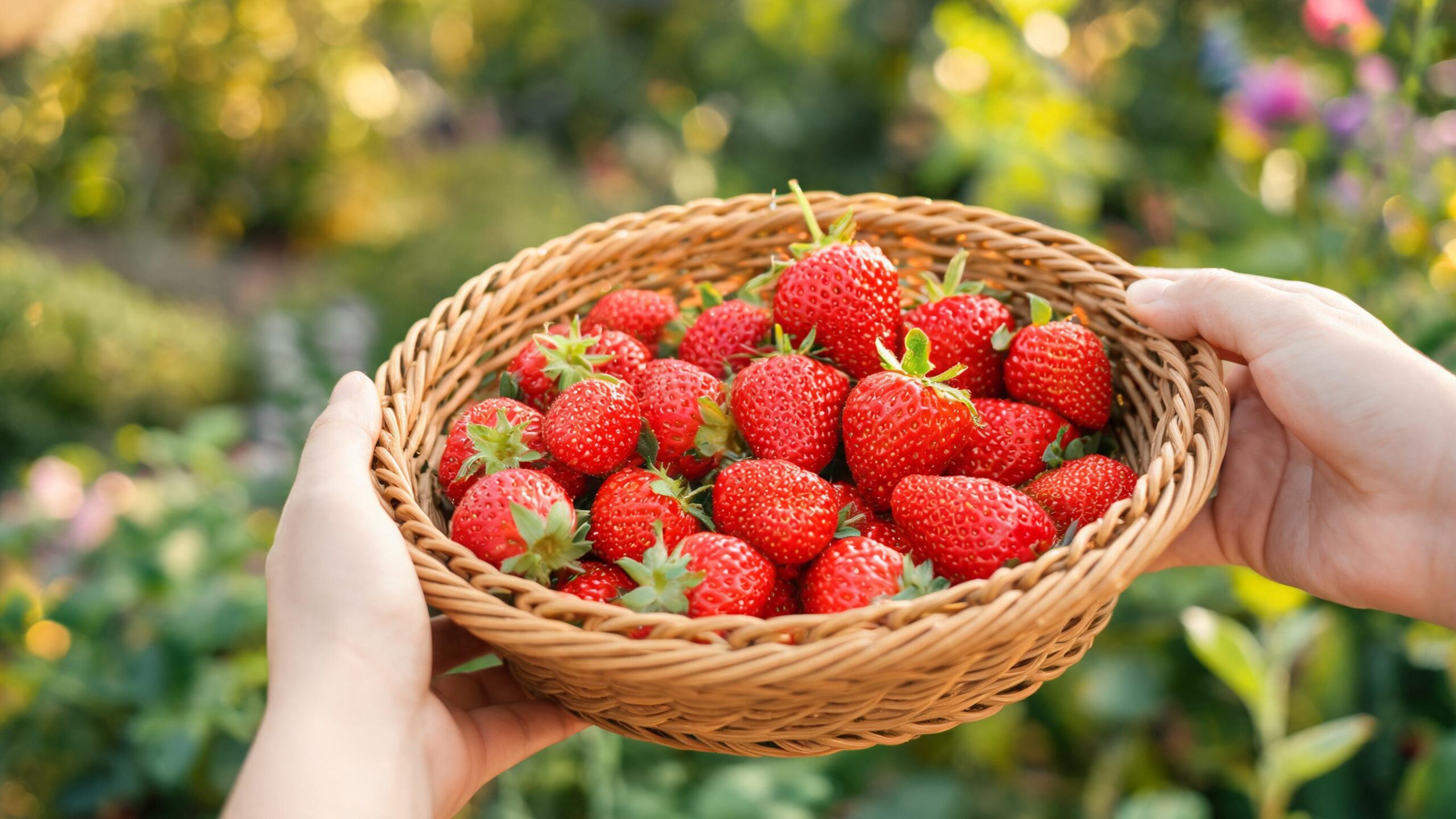
Pick strawberries when fully red and ripe — they won’t continue ripening once picked. Harvest every two to three days during peak fruiting to prevent overripe berries attracting pests and disease. After the main flush finishes, lightly trim back tired foliage to tidy the plant and encourage a possible smaller autumn crop.
Autumn and Winter Maintenance
Remove excess runners unless you’re propagating new plants, and apply an autumn feed to help strawberries build reserves before dormancy. In frost-prone regions like Central Otago and inland Canterbury, a layer of straw mulch over the crowns offers useful winter insulation.
Propagating Strawberries from Runners
Strawberry plants naturally send out runners — long stems bearing baby plantlets — through the growing season. These offer a free way to expand your patch.
Choose healthy, vigorous runners from disease-free parent plants.
Peg the plantlet into a small pot of potting mix while it’s still attached to the parent plant, keeping the soil moist.
Once roots establish (usually four to six weeks), sever the runner from the parent plant.
Transplant the new plant into its own bed or container the following winter.
It’s worth noting that strawberry plants become less productive after about three years, so refreshing your patch with new runners or fresh nursery stock every two to three seasons keeps yields strong.
Key Takeaways
Plant strawberries in New Zealand from May to September, timing adjusted for your regional climate.
Mound your beds for drainage, keep the crown above soil level, and space plants 30–40cm apart.
Feed every four weeks with a potassium-rich fertiliser and top up fortnightly with liquid seaweed tonic.
Mulch with straw once flowering begins to protect fruit and suppress weeds.
Net against birds early, and monitor for thrips, slugs, and powdery mildew, particularly in humid northern regions.
Refresh your strawberry patch with new runners every two to three years for consistent yields.
Frequently Asked Questions
When is the best time to plant strawberries in NZ?
The best planting window runs from May to September, with warmer northern regions like Auckland and Northland starting as early as May, while frost-prone Canterbury and Central Otago gardeners should wait until August or September. Planting during this cool window lets roots establish before spring flowering begins.
Do strawberries need full sun in New Zealand gardens?
Yes, strawberries need at least six to eight hours of direct sunlight daily to produce sweet, well-formed fruit. Some light afternoon shade is tolerable in very hot inland regions, but overall yields and flavour drop significantly in shaded positions.
How do I stop birds eating my strawberries?
Cover plants with fine bird netting as soon as flowers appear, well before fruit ripens. Secure the netting at ground level so birds can’t sneak underneath, and check it regularly to ensure no birds become trapped.
Can I grow strawberries in pots in NZ?
Absolutely — strawberries do very well in containers at least 25–30cm deep filled with a quality fruiting potting mix. Hanging baskets and strawberry pots with side pockets are popular choices, as they lift fruit away from ground pests and improve drainage.
Why are my strawberry plants not fruiting?
Poor fruiting is usually caused by insufficient sunlight, over-fertilising with nitrogen (which promotes leafy growth over flowers), or planting too late in the season for roots to establish before spring. Ensure plants get full sun and switch to a potassium-rich, fruit-specific fertiliser once flowering should begin.
How do I protect strawberries from frost in Canterbury or Central Otago?
Delay planting until August or September once the harshest frosts have passed, and cover young plants with frost cloth or cloches on cold nights. A generous straw mulch around the crowns also provides useful insulation during unexpected cold snaps.
What causes powdery mildew on strawberries?
Powdery mildew thrives in humid, poorly ventilated conditions, which is why it’s more common in Northland and Auckland gardens. Improve airflow by spacing plants adequately, avoid watering foliage directly, and remove affected leaves promptly to limit spread.
How long do strawberry plants keep producing fruit?
Most strawberry plants remain productive for about three years before yields decline noticeably. Propagating new plants from runners every two to three seasons, or purchasing fresh certified stock, keeps your patch producing reliably.
Growing Strawberries Successfully in Your NZ Garden
Mastering how to grow strawberries in New Zealand really comes down to timing your planting for the cool season, giving plants free-draining, sun-drenched beds, and staying consistent with feeding and pest checks through spring and summer. Whether you’re working with volcanic Waikato loam, a sunny Auckland courtyard, or a frost-hardy Canterbury plot, the fundamentals hold true across the motu. Get your mounds prepared this winter, choose varieties suited to your region, and by the time spring warmth arrives, you’ll be rewarded with baskets of sweet, homegrown fruit straight from your own patch of whenua.
We use cookies to improve your experience, analyze traffic, and display personalized ads.
By clicking "Accept", you consent to the use of cookies in accordance with our Privacy Policy.