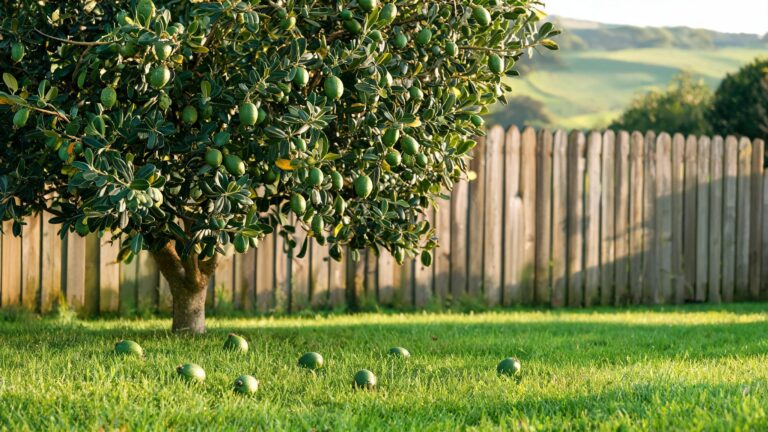
Pruning Feijoa: The Complete NZ Guide to Bigger Harvests and Healthier Trees
If your feijoa hedge has turned into a tangled thicket that fruits poorly year after year, pruning feijoa correctly is the single biggest change you can make. Get the timing and technique right and you’ll open the canopy to bird pollinators, boost airflow against fungal disease, and set up a much heavier crop for next autumn. This guide covers everything Kiwi gardeners need — from bare-root saplings in Northland to wind-battered hedges in Canterbury.
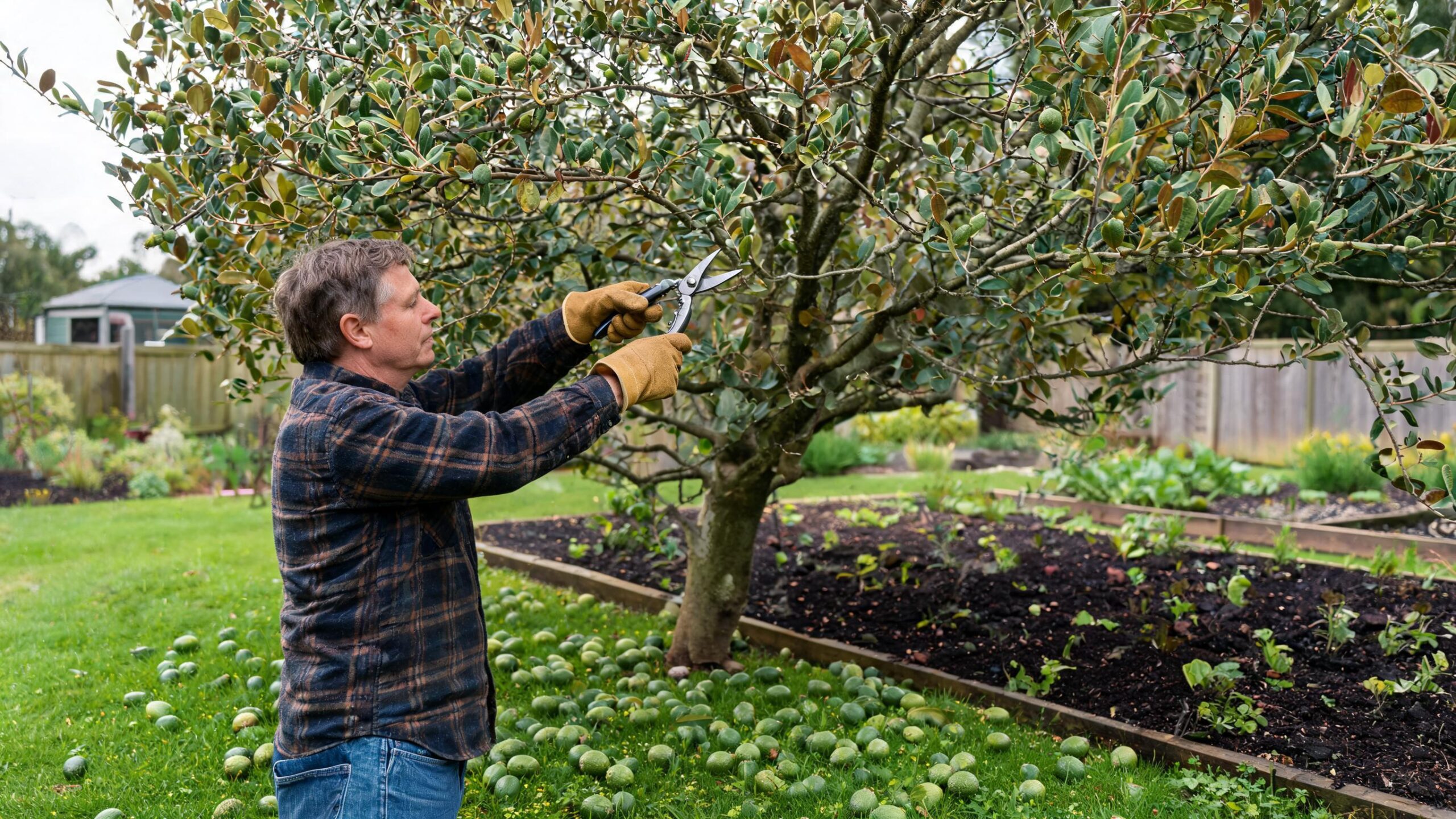
Prune feijoa immediately after harvest finishes, typically late autumn to early winter (May–July), since flowers and fruit form on the current season’s new growth. Never prune in late winter or spring, as you’ll cut off the very wood that’s about to flower and lose next season’s crop.
Best pruning window: straight after the last fruit drops, before new spring growth starts
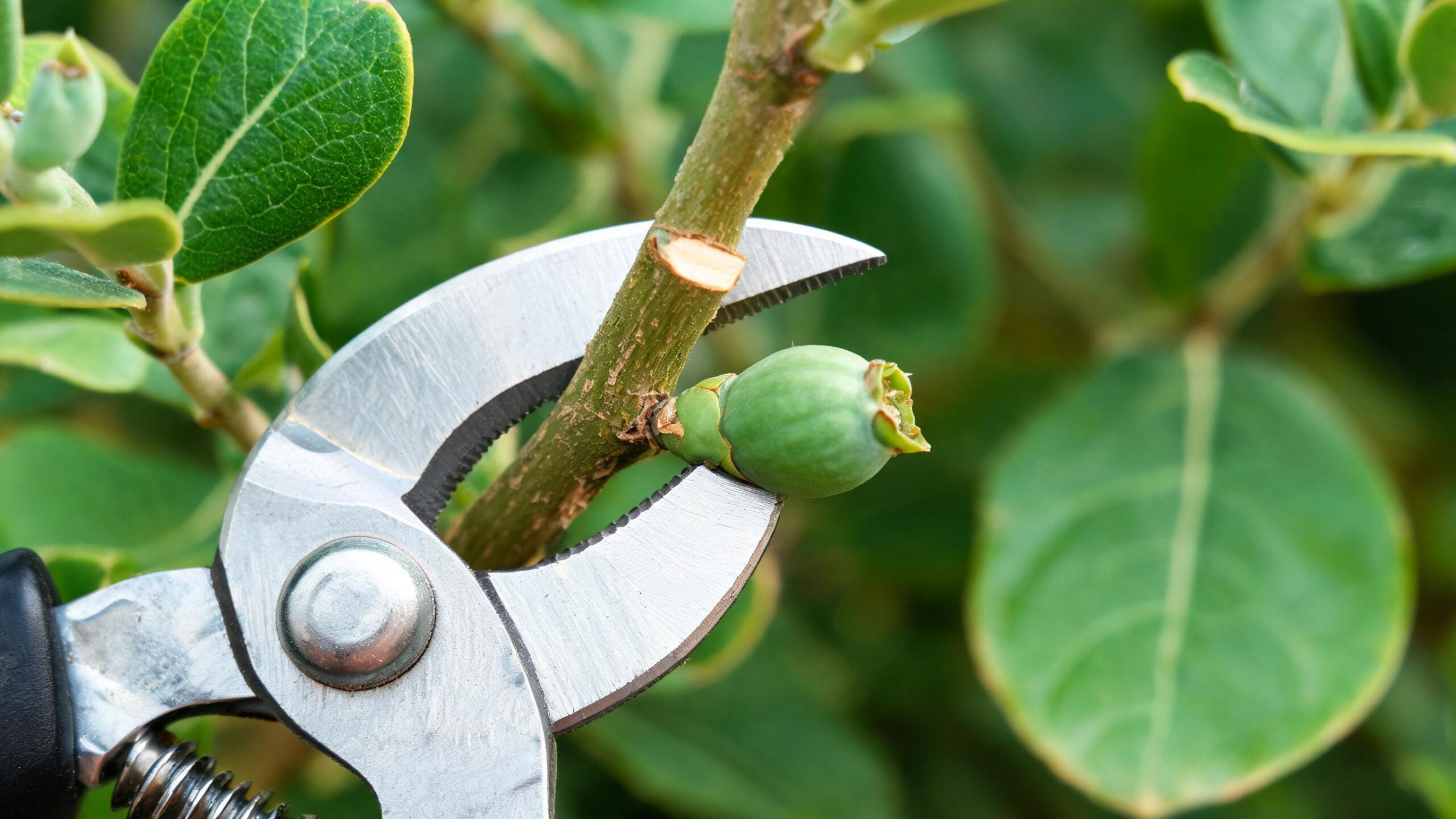
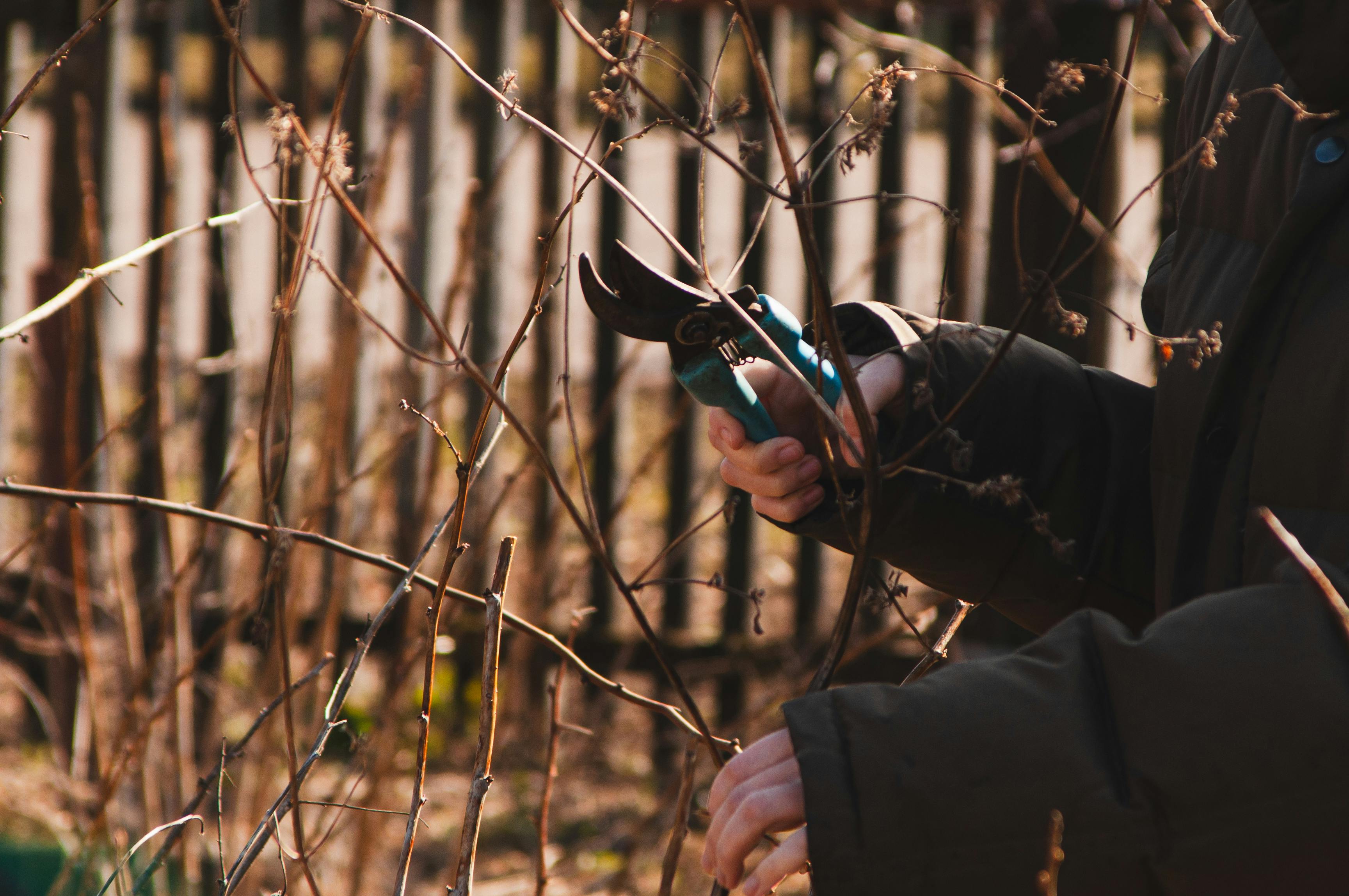
Use sharp, clean secateurs and cut on an angle just above a bud or branch junction
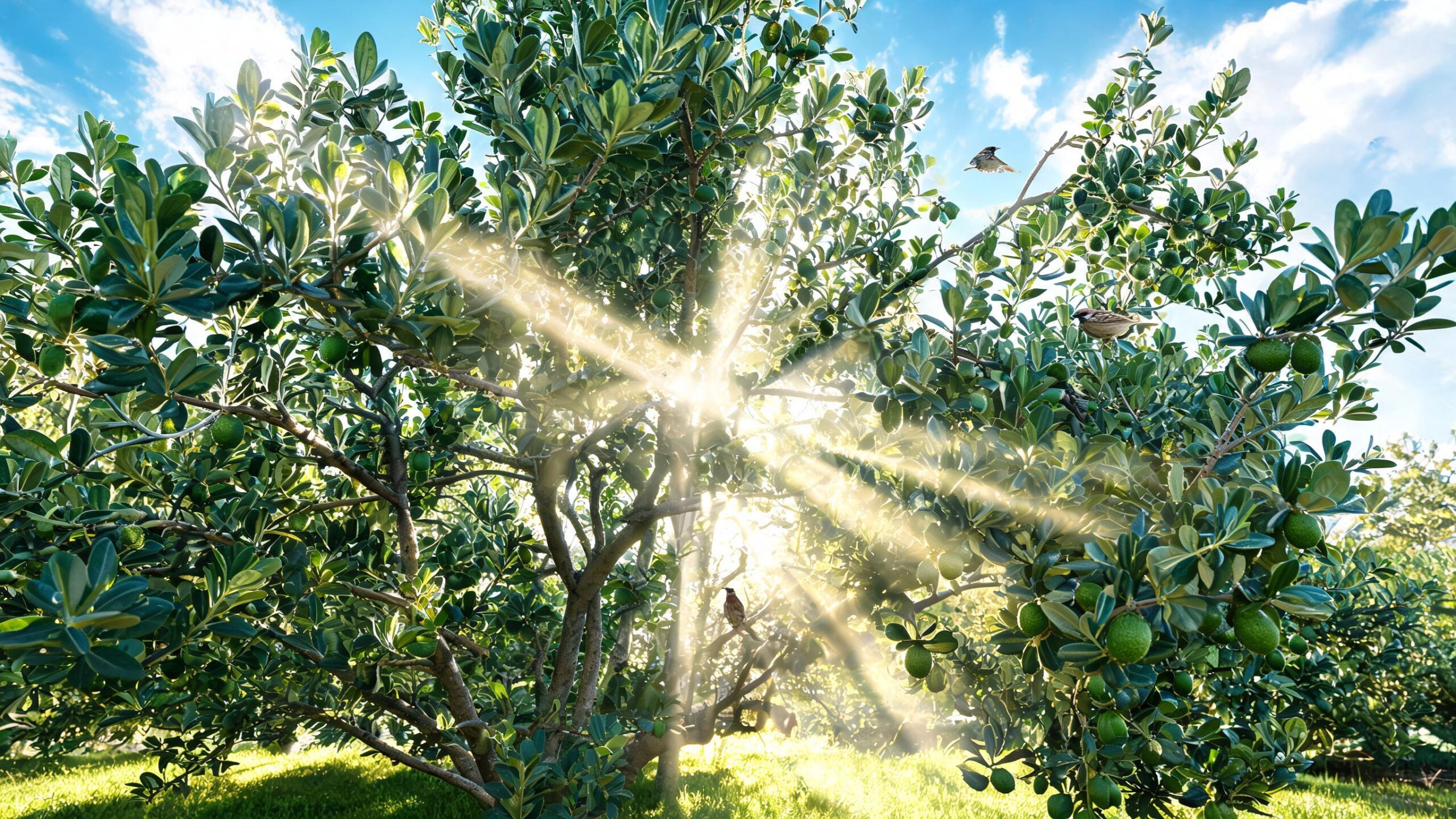
Open the centre of the tree to let birds (feijoa’s main pollinators) fly through and pollinate flowers
Remove dead, damaged, crossing, and spindly growth first, then shape
Prune on a dry day to reduce the risk of spreading fungal spores through fresh cuts
Understanding Feijoa Growth Before You Prune
Feijoa (Acca sellowiana), sometimes called pineapple guava, is a subtropical evergreen shrub from South America that has become a beloved backyard fruit tree across Aotearoa. It naturally grows into a bushy, multi-stemmed form and needs relatively little formative pruning compared to stone fruit or citrus.
The critical horticultural fact behind all feijoa pruning advice is where the flowers form. Feijoa blooms and fruits appear on new season’s wood — growth that emerges in spring. If you prune in late winter or spring, you remove the buds destined to become this year’s flowers and fruit, which is why so many Kiwi gardeners end up disappointed with a “healthy but fruitless” tree.
Why Pruning Timing Matters So Much for Fruit Set
Feijoas rely heavily on birds — tūī, waxeyes (tauhou), and blackbirds — for pollination rather than insects, since the fleshy, sweet white flower petals attract birds. An open, uncluttered canopy structure makes it far easier for birds to move through the plant and pollinate flowers, directly increasing fruit set. Dense, unpruned hedges often crop poorly on the inside simply because birds cannot physically reach the interior blooms.
The Best Time to Prune Feijoa: NZ Seasonal Calendar
Getting the timing right when learning how to grow feijoa successfully in New Zealand conditions comes down to matching your pruning to the Southern Hemisphere calendar, not overseas guides written for the Northern Hemisphere growing season.
NZ Season
Months
Pruning Action
Autumn (harvest ends)
March–May
Ideal window to begin pruning as soon as the last fruit is picked.
Winter
June–August
Main pruning period; complete structural and hedge trimming before new growth starts.
Spring
September–November
Avoid pruning — flower buds are forming and opening on new wood.
Summer
December–February
Avoid major pruning; light tip-pinching only on young, unfruited plants.
According to horticultural advice from Tui Garden’s feijoa pruning guidance, the correct time to prune is after fruiting has finished in late autumn to early winter. It is not necessary to prune every year — mature feijoas will crop reliably even with only occasional maintenance tidy-ups.
Regional Timing Variations Across New Zealand
Microclimates shift the ideal pruning window slightly depending on your location in Aotearoa:
Subtropical Northland and Auckland: Harvest often finishes earlier (April–May), so pruning can start sooner. Mild winters mean regrowth begins earlier too, so don’t leave it too late.
Temperate Waikato and Bay of Plenty: The classic May–July window applies well here. This is the most forgiving climate for feijoas, giving gardeners ample flexibility in their pruning schedule.
Frost-prone inland and alpine areas (Canterbury, Central Otago, inland Waikato valleys): In inland areas prone to hard frosts, it is often best to delay severe structural pruning until late winter (August), immediately before spring growth resumes. Fresh cuts and the tender regrowth they stimulate are highly vulnerable to frost damage in deep winter.
How to Prune Feijoa: Step-by-Step Technique
Whether you are maintaining an established home orchard tree or reshaping an overgrown boundary hedge, the process for pruning feijoa follows the same logical sequence.
Tools You’ll Need
Sharp bypass secateurs for stems up to 2cm thick
Loppers for thicker branches up to 4–5cm
A pruning saw for old, woody framework branches on mature trees
Methylated spirits or a garden disinfectant to wipe blades between plants
Sturdy gardening gloves and, for taller trees, a stable platform ladder
Step 1: Remove the Three D’s
Start every pruning session by removing dead, damaged, and diseased wood. This is non-negotiable garden housekeeping that removes fungal entry points and redirects the plant’s energy into productive, healthy growth.
Step 2: Open the Centre
Identify branches that cross through the middle of the plant or rub against each other, and remove one of each crossing pair. The goal is to create a canopy open enough that a small bird could comfortably fly through it. This directly supports bird pollination and ensures sunlight reaches ripening fruit.
Step 3: Control Height and Spread
Left unchecked, feijoas can easily reach 4–5 metres, making harvesting from the ground impossible. Maintain a mature height of around 2.5–3m for easy-care backyard trees by shortening upright leading branches back to a strong outward-facing lateral branch.
Step 4: Shape Hedges with the Base Wider Than the Top
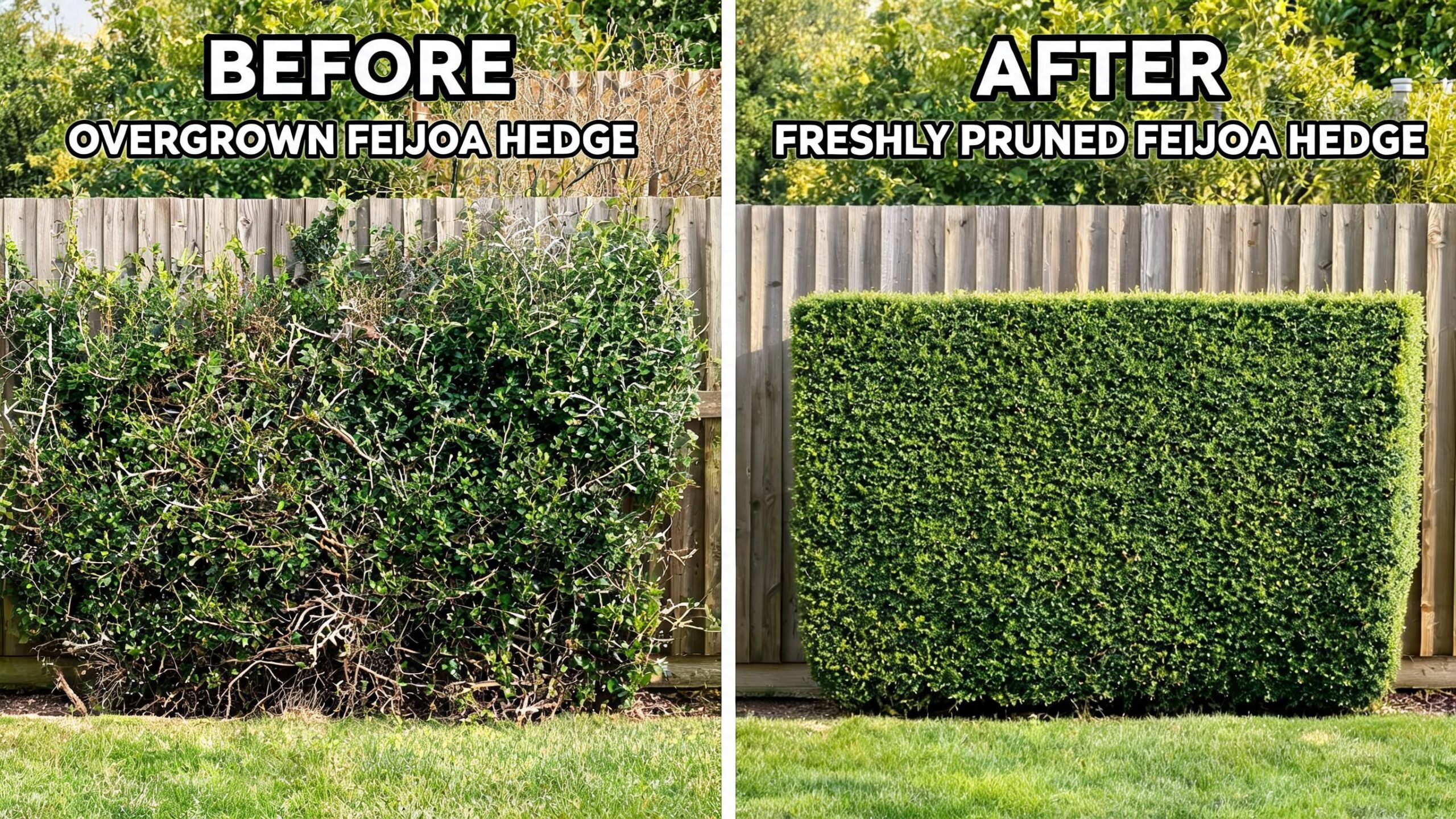
For feijoas grown as a dense hedge or shelterbelt, trim the sides so the base is slightly wider than the top (an A-frame shape). This lets light reach the lower branches, preventing the bare-legged, fruit-only-at-the-top look common in neglected boundary hedges.
Step 5: Make Clean, Angled Cuts
Always cut on a slight angle, just above an outward-facing bud or side branch. Clean cuts heal faster and shed water away from the cut surface, reducing the risk of wood-rotting fungal infections.
Step 6: Clean Up and Dispose Properly
Remove all prunings from the base of the plant rather than leaving them as mulch. Particularly if diseased material is present, dispose of cuttings off-site (green waste collection) or in a hot compost pile to avoid reinfecting the tree and local soil.
Formative Pruning for Young Feijoa Plants
Newly planted feijoas (usually from a 2–5 litre planter bag from your local garden centre) require a different approach focused on building a strong structural framework.
While the plant is still young and under about a metre tall, pinch out the growing tips of stems to encourage bushier, multi-branched growth rather than one leggy central leader.
Select 3–5 well-spaced main framework branches in the first two years and remove competing weak shoots.
Avoid heavy pruning of very young trees in their first winter — let the root system and structural framework establish first.
Space multiple feijoa trees 2–4m apart depending on variety vigour, allowing enough room for their mature canopy spread without necessitating constant hard pruning.
Soil, Sun, and Feeding Support Better Pruning Results
Pruning works best alongside excellent ongoing care. Feijoas are adaptable across New Zealand’s varied soils — from volcanic clay in Auckland to sandy loam in coastal Canterbury — provided drainage is reasonable and pH sits in the mildly acidic to neutral range of 5.5–6.5.
Sunlight: Plant in full sun (at least six hours of direct light) for the best flowering and fruit ripening.
Watering: Deep, regular watering is required while establishing. Once mature, feijoas are reasonably drought tolerant but will hold onto fruit much better with consistent moisture through late summer and early autumn.
Mulch: Apply a thick layer of bark or pea straw mulch over the root zone to conserve moisture and suppress weeds, keeping it clear of the trunk collar.
Fertilising: Feed from early spring through to the end of harvest with a specific citrus and fruit fertiliser, sheep pellets, or blood and bone worked lightly into the topsoil. Finish with a seaweed or kelp tea as a post-prune tonic that supports root recovery and overall soil health (whenua).
Common Feijoa Pests and Diseases That Affect Pruning Decisions
Good pruning hygiene is one of your best cultural defences against the pest and disease pressures feijoas face in New Zealand.
Guava moth: These caterpillars burrow into ripening fruit, especially in Northland, Auckland, and the upper North Island. Fine netting from flowering onward helps, and removing fallen fruit promptly breaks the lifecycle.
Anthracnose fungal disease: First detected devastating crops in 2019, this disease causes young fruit to rot and drop prematurely. As noted in RNZ’s agricultural reports on feijoa anthracnose, pruning on dry days and strictly disposing of infected material rather than composting it locally helps limit spore spread.
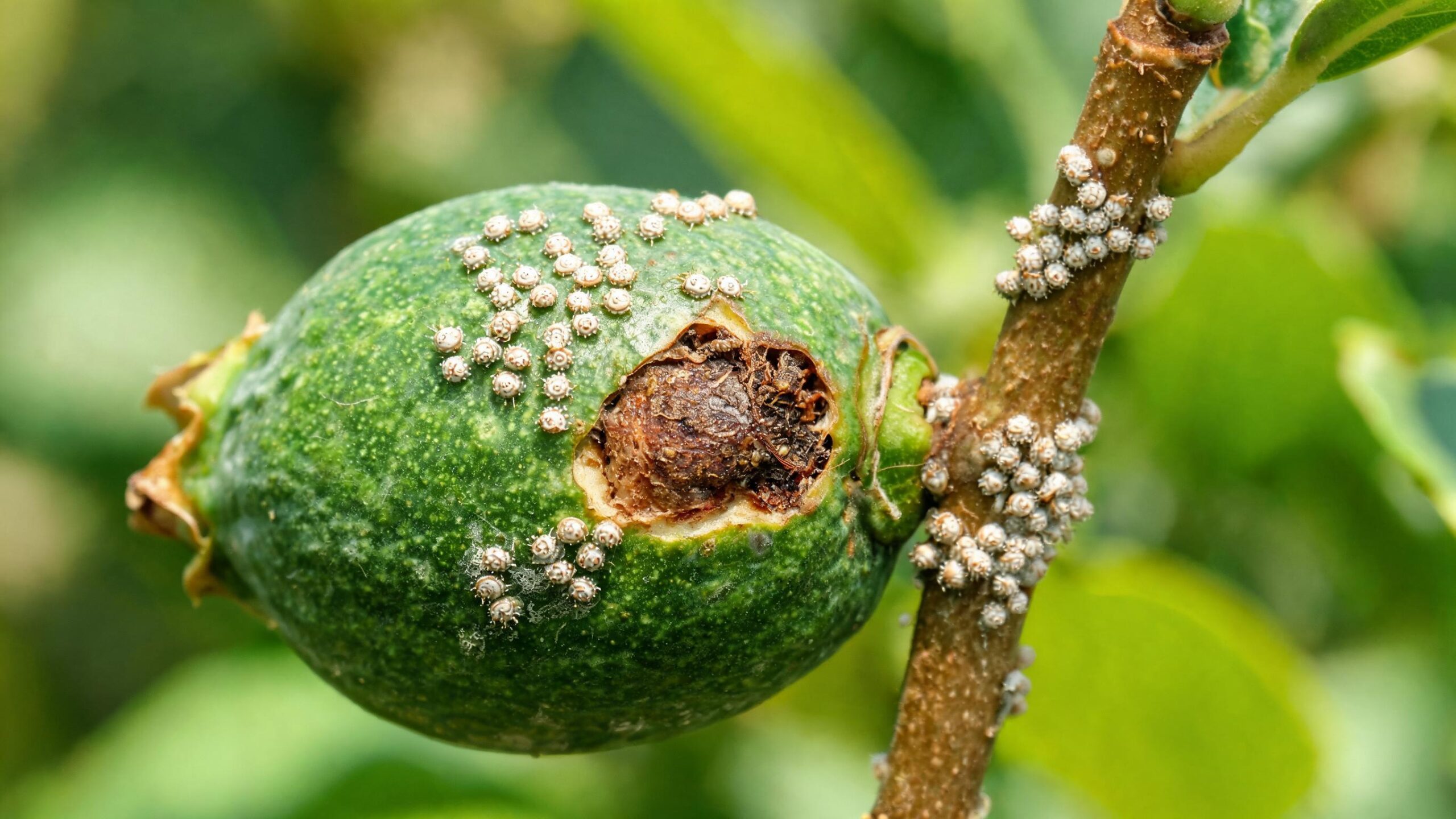
Scale insects: Sap-sucking pests that build up quickly in dry, sheltered seasons. An open, well-pruned canopy with good airflow reduces the humid, still conditions that scale insects prefer.
Leafroller caterpillars: These chew leaves and web them together, sheltering in dense, unpruned growth. Regular tidy pruning removes their hiding spots.
Myrtle rust: While feijoas belong to the Myrtaceae family, they appear largely tolerant in New Zealand conditions, though it remains prudent to monitor plants near susceptible native species like pōhutukawa and ramarama.
Renovating an Overgrown or Neglected Feijoa
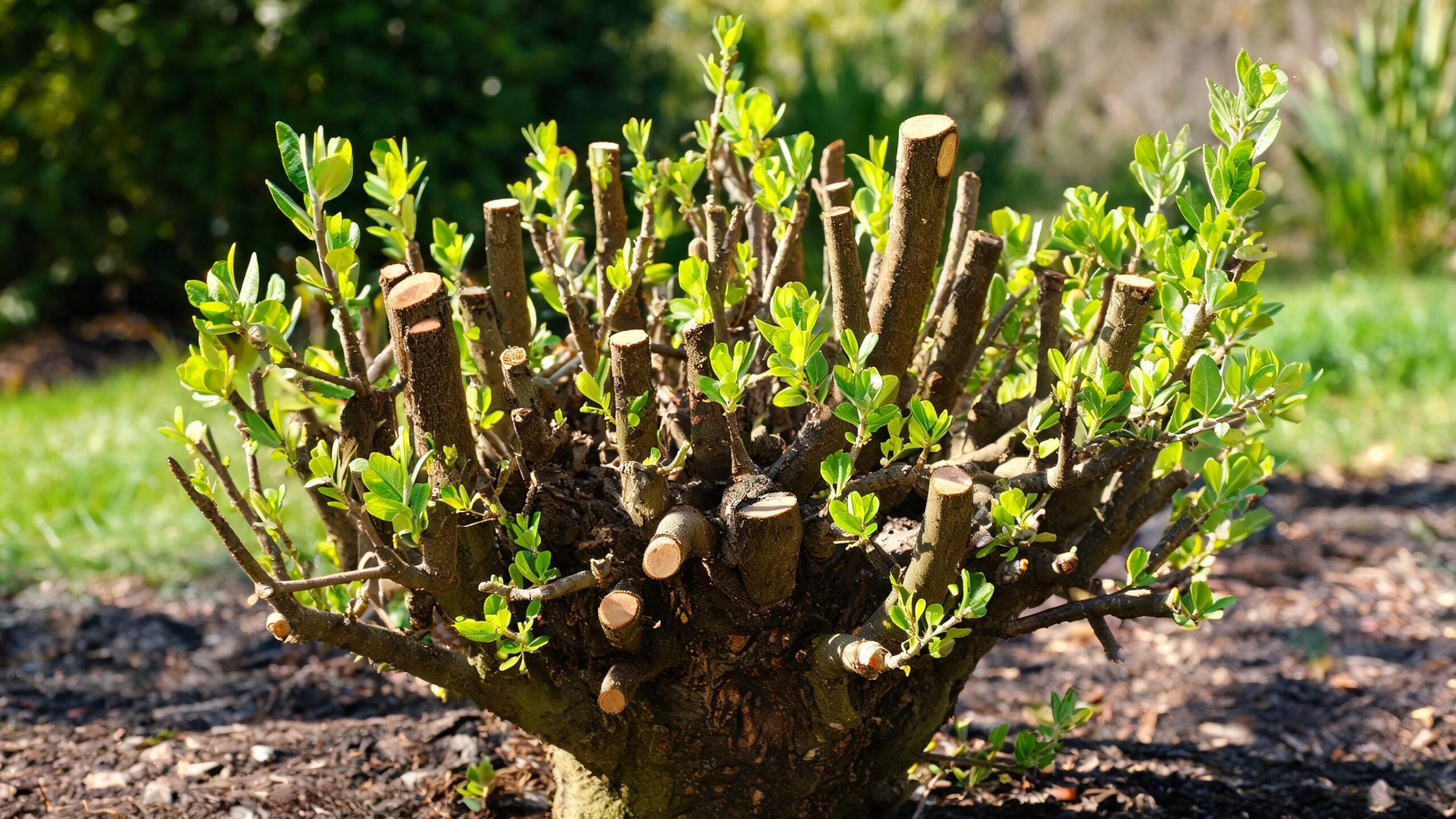
Many Kiwi gardeners inherit an old, wildly overgrown feijoa hedge when they move onto a property. The good news: feijoas respond remarkably well to hard renovation pruning and will regrow vigorously from old wood even when cut back severely.
Cut back by up to one-third of the total height and spread in the first winter, focusing on the tallest, most unproductive framework branches.
Apply a generous top-dressing of compost, sheep pellets, and a potassium-rich fruit fertiliser to fuel recovery.
Water deeply through the following spring and summer to support the massive flush of new growth.
Expect a lighter crop for one season while the plant rebuilds its fruiting wood.
Complete any further reshaping over the following one to two winters rather than doing it all at once, which reduces shock to the root system.
Key Takeaways for Pruning Feijoa in NZ
Prune straight after harvest finishes in late autumn to early winter; never prune in spring or late winter.
Open the canopy centre so native and introduced birds can access and pollinate flowers effectively.
Keep mature height around 2.5–3m for manageable, ladder-free harvesting.
Frost-prone inland regions should delay structural pruning until late winter to protect tender new shoots.
Feijoas tolerate hard renovation pruning and will flush rapidly from old wood.
Clean your tools and dispose of prunings off-site to reduce anthracnose and scale pressure.
Frequently Asked Questions
How hard can you cut back a feijoa tree?
Feijoas tolerate hard pruning exceptionally well and can be cut back by up to a third of their height and width in a single session, even down close to old woody stumps on a hedge. Expect a lighter crop the following season while the plant redirects energy into vegetative regrowth rather than fruit production, but it will bounce back strongly within two seasons.
Why is my feijoa not fruiting after pruning?
The most common cause is pruning at the wrong time. Cutting the plant in late winter or spring removes the new season’s wood before flowers can form, since feijoas bloom exclusively on current-season growth. Wait until immediately after harvest next time (May to July) to protect the coming season’s crop.
Do I need to prune feijoa every year?
No, yearly pruning isn’t essential for a feijoa to crop well. Many established standalone trees only need a light tidy-up every second or third year to remove dead wood and open the canopy. However, feijoas grown as a formal boundary hedge will need more frequent, lighter trims to maintain their shape.
What is the best time to plant a feijoa in New Zealand?
Feijoas are best planted in autumn (April–May) or early spring (September) across most of New Zealand, when the soil is warm and workable but not waterlogged or frozen. Container-grown plants can technically be planted year-round, but avoiding the height of summer heat or deep winter frosts reduces transplant shock.
Can feijoa handle frost in Canterbury and Central Otago?
Established feijoa plants tolerate light to moderate frosts reasonably well once mature. However, young plants and fresh spring growth are vulnerable in alpine and inland frost-prone areas. Choose a sheltered, sunny north-facing spot, delay pruning until late winter in these regions, and use frost cloth for young trees in their first two winters.
How do I stop birds eating all my feijoa fruit before I can harvest it?
Bird netting draped over the canopy once the fruit begins to swell is the most reliable protection. Remember that birds are essential for pollinating the flowers earlier in the season, so do not net the tree too early. Harvesting fruit daily as soon as it drops (feijoas ripen on the ground, not on the tree) also limits bird damage.
What fertiliser is best for feijoa trees in NZ?
A specific citrus and fruit tree granular fertiliser, supplemented with sheep pellets or blood and bone, should be applied from early spring through to the end of harvest. A potassium-rich feed just prior to flowering, along with an occasional liquid seaweed feed, further boosts fruit set, size, and overall plant vigour.
Growing a Better Feijoa Harvest, One Prune at a Time
Mastering how to prune feijoa at the right time, in the right way, is one of the simplest upgrades you can make to your home orchard’s productivity. Combine correct autumn-to-winter timing with an open, bird-friendly canopy shape, and follow the fundamentals covered here on how to grow feijoa successfully across New Zealand’s varied climates. You’ll be rewarded with heavier, more reliable harvests season after season. Get out there, respect the whenua, feed your soil well, and let your feijoa do what it does best — thrive.
We use cookies to improve your experience, analyze traffic, and display personalized ads.
By clicking "Accept", you consent to the use of cookies in accordance with our Privacy Policy.